Review · JAPAN COOKING CLASSES
Private Japanese Home Cooking Class in Kyoto with Michiyo
The most memorable part of this experience happens before the first bite: you enter Michiyo’s home, meet her husband and their dachshund El, and cook in a real Japanese kitchen rather than watching a staged demonstration. You’ll make dashi, prepare sushi rice, and arrange chirashi sushi in a traditional wooden bowl.
I like the personal pickup from Otsukyo Station and the small, private format. I also like that the menu follows the season, using fresh vegetables from local sources instead of relying on a fixed tourist menu. The main consideration is location: the meeting point is in Otsu, not central Kyoto, so you’ll need to plan your train journey carefully.
Key points to know
- Meet at Otsukyo Station: Michiyo picks you up at the JR Kosei Line station and drives you about three minutes to her home.
- Cook two Japanese essentials: You’ll learn to make dashi stock and chirashi sushi, including properly seasoned sushi rice.
- Eat with your hosts: The cooking class ends with a shared meal with Michiyo and her husband.
- Seasonal menu: Ingredients and dishes can change according to the time of year.
- Private for your group: This is a personalized activity, not a large cooking-school class.
- Plan for about three hours: Lunch and dinner options make it easier to fit into a Kyoto-area itinerary.
A home kitchen instead of a cooking-school classroom
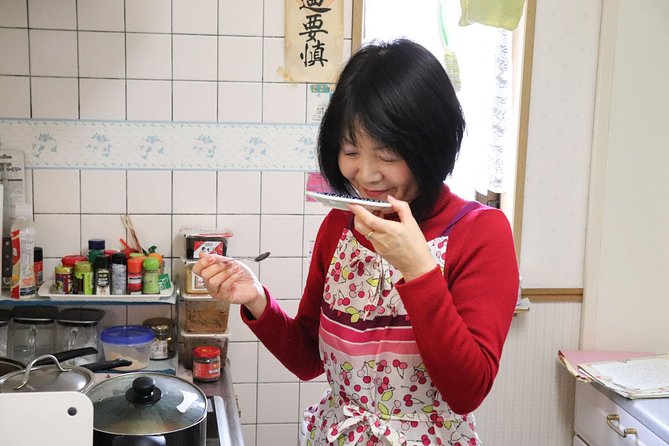
Many food classes teach you a recipe and send you away. This one gives you a short window into daily Japanese hospitality. Michiyo welcomes you into her own home, introduces the menu, and leads you through the preparation in her kitchen.
That setting matters. You are not simply learning how to assemble a dish. You are seeing how a local cook handles ingredients, explains basic methods, and thinks about balance. Her husband joins the meal, so the experience includes conversation as well as instruction.
The class is private, meaning only your group takes part. That should make it easier to ask questions, slow down for a tricky step, or spend more time talking about a particular ingredient. It also gives the experience a quieter feel than a class filled with several unrelated groups.
Michiyo and her husband speak excellent English, according to the supplied feedback, which is useful when the class turns to small details. Cooking terms, timing, and technique can be hard to follow through gestures alone. Clear communication makes a difference here.
More Home Cooking Classes in Japan
- Private Home Cooking in Yanaka – Local Flavors in a Warm Setting
★ 5.0 · 173 reviews - Near Fushimiinari: Kyoto Home Cooking Class & Supermarket tour
★ 5.0 · 100 reviews - Japanese Home Cooking Class & Walk in Todoroki Temple Tokyo
★ 5.0 · 88 reviews
Meeting Michiyo at Otsukyo Station
Your meeting point is Otsukyo Station, at 2 Chome-8 Ojigaoka in Otsu, Shiga. The pickup is part of the experience. Michiyo meets you at the station, takes you by car, and reaches her home in about three minutes.
That short ride is convenient, but do not confuse Otsukyo with a station in central Kyoto. The experience is marketed around Kyoto, yet the actual meeting point is in Otsu, just across the prefectural border. Check your route before booking and allow enough time to reach the station without rushing.
The station pickup is especially helpful because you do not need to find a private residential address on your own. After the class and meal, the activity ends back at the meeting point, so you can continue your day from Otsukyo Station.
There is no hotel pickup or hotel drop-off. That is a small but important detail. You handle your own transportation to and from the station, while Michiyo takes care of the final short leg to her home.
Building flavor with dashi
The cooking portion lasts about an hour and a half. One of the main lessons is dashi, the fish-based stock that forms the foundation of many Japanese dishes.
This is a useful subject for a short class because dashi teaches more than one recipe. It introduces the idea of extracting clean, subtle flavor rather than building a sauce with heavy seasoning. You can take the method home and use it in soups and other Japanese dishes.
Michiyo has perfected her techniques over the years, and the private setting lets her explain the process at a practical pace. You’ll have the chance to take part rather than simply watch her work.
The class focuses on traditional Japanese cuisine, but you should not expect a full survey of every regional dish. The menu is built around the food planned for that day. Its strength is a close look at a few important preparations, not a long list of unrelated recipes.
Preparing chirashi sushi in a wooden bowl
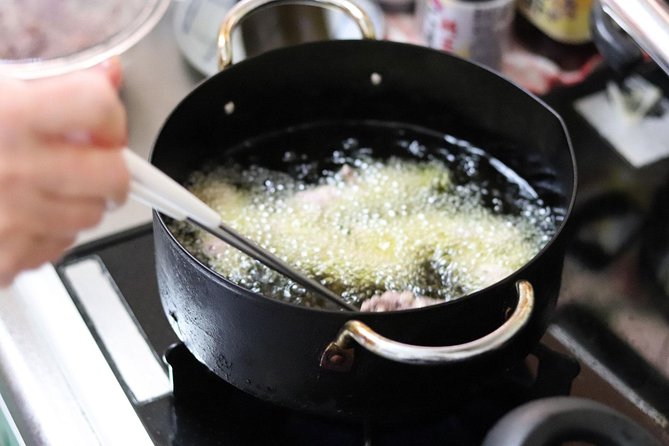
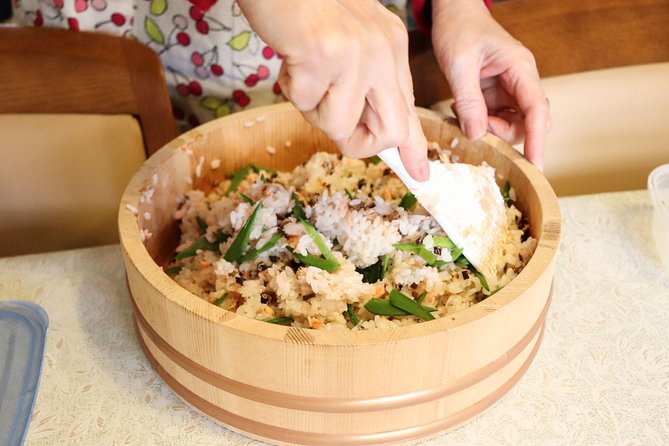
The other central lesson is chirashi sushi. Unlike tightly rolled sushi, chirashi sushi is arranged in a bowl, with toppings scattered over seasoned rice. It is colorful, adaptable, and well suited to a home meal.
You’ll learn how to prepare the sushi rice correctly, then garnish it in a traditional wooden bowl. That detail gives the cooking a strong visual finish. You are not only making food that tastes good, but also learning how presentation fits into Japanese meals.
The toppings and vegetables depend on the season. That means the exact menu can change, so you should book this experience for the cooking method and the host connection rather than for one guaranteed ingredient.
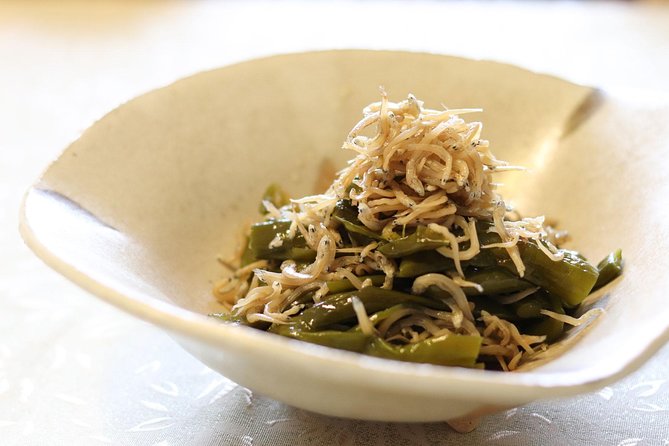
Fresh seasonal vegetables are sourced locally for Michiyo’s dishes. This makes the meal feel tied to the time and place of your visit. It also means the class may offer a more useful lesson in Japanese home cooking than a rigid menu would.
More Private Cooking Classes in Japan
- Unique Private Cooking Class with a Tokyo Local Emi
★ 5.0 · 131 reviews - Tokyo: Private Japanese Cooking Class with a Local Chef
★ 5.0 · 81 reviews - Private Kyoto Sushi Cooking Class & Tea Ceremony with Emika
★ 5.0 · 66 reviews - Private Cooking Class Udon in Kyoto Japan
★ 5.0 · 23 reviews
Seasonal ingredients and a meal you help prepare
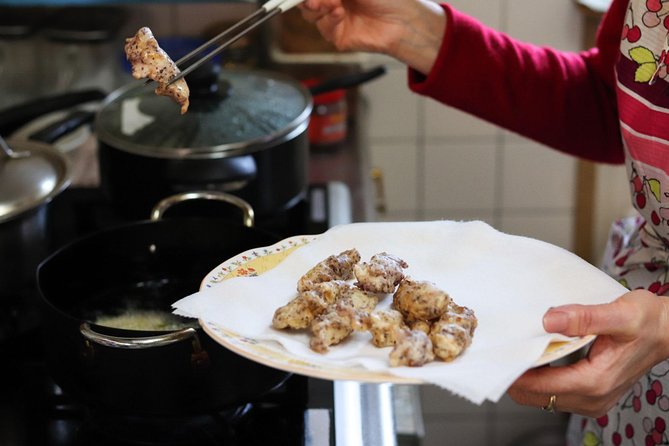
After about an hour and a half of cooking, you sit down with Michiyo and her husband to eat. This shared meal is the natural payoff of the class, but it is not just a tasting session. You have handled the ingredients, prepared the stock, worked with the rice, and helped arrange the finished dish.
The menu can vary by season. In practical terms, that gives you a reason to consider the experience at any time of year, since the food should reflect what is available locally. It also means you should list allergies, dietary restrictions, or other food requirements in the special requirements box when booking.
The meal includes local alcohol, usually one or two glasses. The activity information also describes alcoholic and non-alcoholic drink options, so you can request the choice that suits you. If you do not drink, clarify your preference when booking rather than leaving it until the day of the class.
Pairing drinks with the meal adds another layer to the evening. You can ask about what you are drinking and how it fits the food, while the hosts share conversation around the table. The class therefore works well for people who want a social meal, not just a technical lesson.
The value of a private three-hour experience
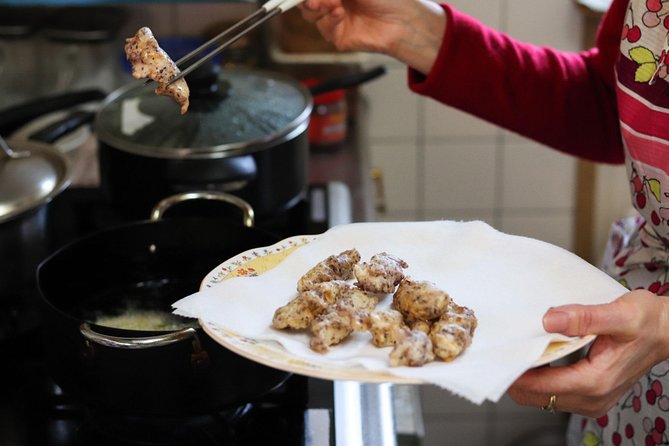
The price is $86 per person. For a three-hour private class that includes instruction, a meal, drinks, station pickup, and time with two local hosts, I consider that a fair price.
It is not the cheapest way to eat in the Kyoto area. You could buy a good restaurant meal for less, and a group cooking class may offer a lower per-person rate. Those options do not give you the same access to a private home or the same amount of direct attention.
The value depends on what you want from the afternoon or evening. If your goal is to collect a recipe quickly, this may feel expensive. If you want a personal food experience, practical instruction, and a meal shared with local residents, the price is easier to justify.
Group discounts are available. Since this is a private booking, the cost may make more sense for families or small groups who want to spend time together rather than join strangers. The experience is also booked an average of 67 days ahead, so popular dates may require advance planning.
Lunch or dinner in a real Japanese home
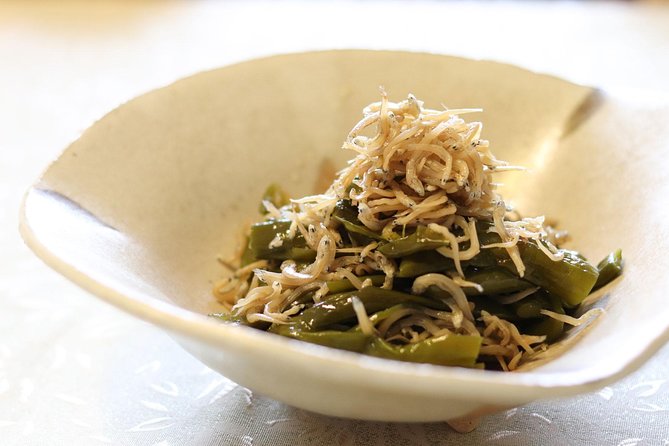
You can choose a lunch or dinner departure. Lunch makes sense if you want to keep your evening open for sightseeing or an evening meal in Kyoto. Dinner may suit you better if you want the class to become the main event of the night.
The choice also affects the mood. A lunch class can fit neatly between other activities, while a dinner class gives the meal a more relaxed finish. The activity lasts about three hours, so leave enough space before your next fixed reservation.
Do not schedule this too tightly against another attraction. The cooking itself takes around 90 minutes, and the shared meal and conversation come afterward. The class is designed to be enjoyed at a human pace, not treated as a quick stop between train connections.
Since the activity ends where it begins, it is simple to continue by train after the meal. You will still need to organize your own onward transportation, and hotel transfers are not included.
The personal touches that shape the visit
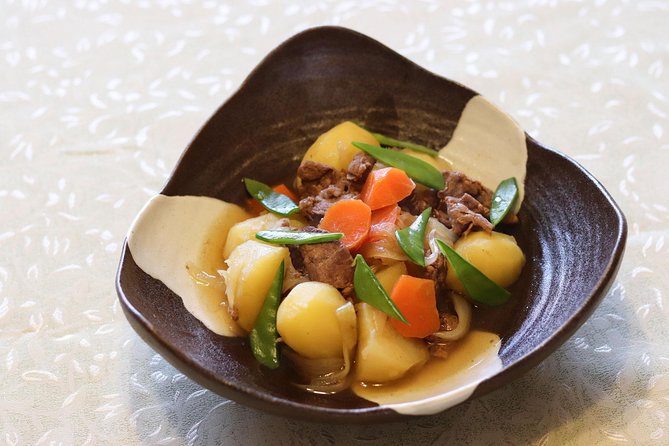
Michiyo’s husband takes part in welcoming you and sharing the meal. That makes the class feel like a visit rather than a one-person demonstration. You get two hosts to speak with, and the meal has a natural family-table quality.
Their dachshund, El, also lives in the home. El is described as well behaved, but this is worth noting if you have a dog allergy, dislike dogs, or are traveling with someone who feels uneasy around pets.
The hosts’ English is another practical advantage. The strongest feedback focuses on how welcoming Michiyo and her husband are, how much participants learn about Japanese cooking, and how useful the recipes are after returning home.
That last point is important. The class is not only about enjoying a meal in Japan. You learn methods that can be repeated at home, especially dashi and chirashi sushi. If you take notes or ask about ingredient substitutions, you can turn the class into a lasting part of your trip.
Who will enjoy this class most
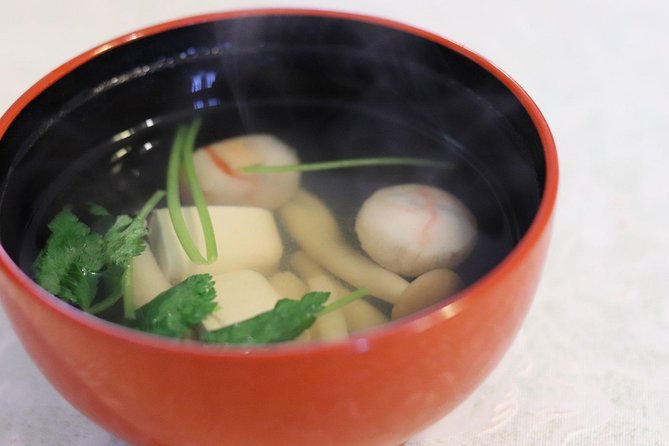
I would recommend this experience to couples, families, and small groups who care more about personal contact than a packed sightseeing schedule. It is also a strong choice for anyone who enjoys cooking and wants to understand the building blocks of Japanese food.
It suits repeat visitors to Kyoto particularly well. If you have already seen the major temples and want a quieter cultural activity, a meal in a local home gives you a different view of the region.
Food-focused first-time visitors can also fit it into a short trip. The class offers more context than eating chirashi sushi in a restaurant, while remaining short enough to occupy only part of a day.
I would be more cautious about booking it if you need central Kyoto hotel pickup, have severe dietary restrictions that were not confirmed in advance, or want a broad menu with many separate dishes. The experience is personal and focused, not a large professional kitchen course.
Booking details worth handling early
Confirmation is sent within 48 hours of booking, subject to availability. Because the experience is often reserved well in advance, I would not leave it until the final days of your trip if your schedule is fixed.
Give clear information about dietary requirements at booking. The menu changes with the season, so the host needs to know about restrictions before preparing the meal.
You can cancel for a full refund up to 24 hours before the start time. Cancellations or changes made less than 24 hours ahead are not accepted for a refund, with cut-off times based on local time.
The experience has a 4.9 rating from 55 ratings, with 98 percent recommending it. Those numbers fit the nature of the activity: the most praised elements are the warm welcome, the home setting, the cooking instruction, and the meal shared with Michiyo and her husband.
Should you book Michiyo’s cooking class?
Book it if you want a personal Japanese food experience rather than another restaurant meal. The station pickup, private home setting, seasonal ingredients, dashi lesson, chirashi sushi, and shared drinks create a well-rounded three-hour visit.
Before booking, confirm that Otsukyo Station works with your itinerary and provide every dietary requirement clearly. Also remember that El lives in the home.
For a couple or small group willing to travel to Otsu, $86 per person is reasonable for the amount included. I would choose this experience for the conversation and home setting first, then the recipes and meal. Those are the parts most likely to stay with you after the trip.
FAQ
Where does the cooking class meet?
The meeting point is Otsukyo Station, 2 Chome-8 Ojigaoka, Otsu, Shiga 520-0025, Japan.
How do I get to Michiyo’s home?
Michiyo picks you up at Otsukyo Station on the JR Kosei Line and drives you about three minutes to her home.
How long does the activity last?
The experience lasts approximately three hours.
Is the class private?
Yes. Only your group participates in the activity.
What will I learn to cook?
You will learn to make dashi stock and chirashi sushi, including properly prepared sushi rice and traditional bowl presentation.
Is the menu fixed?
No. The menu may change depending on the season and the fresh ingredients available.
Is a meal included?
Yes. You eat the Japanese meal you helped prepare with Michiyo and her husband.
Are drinks included?
Local alcohol, usually one or two glasses, is included. Non-alcoholic drink options are also described for the experience.
Can I request dietary accommodations?
Yes. You should provide specific dietary requirements in the special requirements box when booking.
Is hotel pickup included?
No. Hotel pickup and drop-off are not included. The included pickup is from Otsukyo Station, and the activity ends back at the meeting point.
Does a dog live in the home?
Yes. Michiyo and her husband share their home with El, a well-behaved dachshund.
Can I cancel for a refund?
You can cancel at least 24 hours before the local start time for a full refund. Changes or cancellations made less than 24 hours before the start time are not accepted for a refund.
More Sushi and Japanese Classes in Japan
- Ramen Cooking Class at Ramen Factory in Kyoto
★ 5.0 · 1,937 reviews - Ramen & Gyoza Cooking Class in Tokyo with Local Supermarket Visit
★ 5.0 · 823 reviews - Kyoto: Ramen Cooking Class at a Ramen Factory with Souvenir
★ 4.9 · 532 reviews - Sushi Making Osaka! Popular Sushi Class in Japan!
★ 5.0 · 500 reviews
Newest classes around Japan
- Cooking Class: Make a Local Delicacy in a Japanese House★ 5.0 · 7 reviews
- Culinary Home Cooking with Grandmothers – Vegan Friendly★ 5.0 · 5 reviews
- Nagoya Super Market Tour & Home Cooking Class with a Local, Akiko★ 5.0 · 10 reviews
- Tokyo: Sushi roll and side dish cooking experience★ 5.0 · 2 reviews
- Tokyo: Sushi Making Experience & Japanese Cooking Class★ 5.0 · 2 reviews
- Tokyo: Sushi Cooking Class with Sake Tasting★ 4.8 · 55 reviews
- Tokyo: Real Ramen & Dumpling Cooking with Master Chef★ 5.0 · 10 reviews
- Tokyo: Sushi and Ramen Cooking Class with Sake Pairing Set★ 5.0 · 81 reviews
Japan Cooking Classes, compared.
Ramen Cooking Class at Ramen Factory in Kyoto
Read our review →
Ramen & Gyoza Cooking Class in Tokyo with Local Supermarket Visit
Read our review →
Ramen Cooking Class at a Ramen Factory with Souvenir
Read our review →
Sushi Making Osaka! Popular Sushi Class in Japan!
Read our review →
Tokyo Tsukiji Fish Market Tour and Sushi Making Lesson
Read our review →
Japanese Washoku Bento Small Group Cooking Class
Read our review →