
Review · TOKYO COOKING CLASSES
Japanese Home Cooking Class & Walk in Todoroki Temple Tokyo
The best part of this experience is the change of pace: you begin at a quiet Tokyo temple and ravine, then walk into Tomoko’s home to cook and eat a Japanese meal. I like the small maximum of four people, which gives Tomoko time to adjust the lesson to your skill level, diet, or food interests. I also like that you leave with recipes, not just a full stomach.
The main consideration is timing. The tour is advertised at about two and a half hours, while the class details describe a longer cooking session and the full outing can take closer to three hours. The weekday schedule is also limited to 11 a.m. to 2 p.m., so check the exact plan before booking.
Key things to know
- A peaceful start in Todoroki: You visit Todoroki Fudoson and Todoroki Valley before cooking, with the valley providing a rare dose of quiet nature in Tokyo.
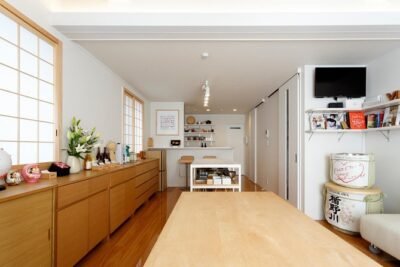
- A true home kitchen setting: The class takes place at Casa de Tomokita, Tomoko’s home, rather than a large commercial studio.
- Choose your main dish ahead: Options include ramen, gyoza, okonomiyaki, sushi rolls, curry rice, and other Japanese favorites.
- Very small groups: The maximum is four people, and solo participants are welcome.
- More than one dish: Along with the main course, you may prepare or be served side dishes, soup, dessert, and other parts of a Japanese meal.
- Recipes and practical help: English recipes are provided, and Tomoko may help you find Japanese ingredients after class.
Starting at Todoroki Station
Your meeting point is outside Todoroki Station in Setagaya, at 3 Chome-1 Todoroki. This is not central Tokyo, but the station is served by public transportation and is described as small and easy to find. Tomoko meets you there and leads the walk.
That meeting arrangement matters. Tokyo stations can be confusing, especially if you are carrying luggage or trying to find a guide among thousands of commuters. Todoroki Station offers a simpler start, and several participants appreciated being collected and brought back to the station at the end.
The experience runs Monday through Friday, from 11 a.m. to 2 p.m., during the listed operating period. That makes it a daytime activity rather than an evening cooking event. You will need to build your wider sightseeing plans around it, but the timing works well for lunch.
Casa de Tomokita is close to the valley, about a five-minute walk according to the activity details. You are not simply being driven from a meeting point to a kitchen. The walk is part of the experience and gives you a look at a quieter residential part of Tokyo.
More Home Cooking Classes in Japan
- Private Home Cooking in Yanaka – Local Flavors in a Warm Setting
★ 5.0 · 173 reviews - 3-Hour Guided Musubi Japanese Home Cooking Class
★ 5.0 · 21 reviews - Hands-on Japanese Cooking in a Shinjuku Home Kitchen with Satoru
★ 5.0 · 19 reviews
Todoroki Fudoson and the valley walk
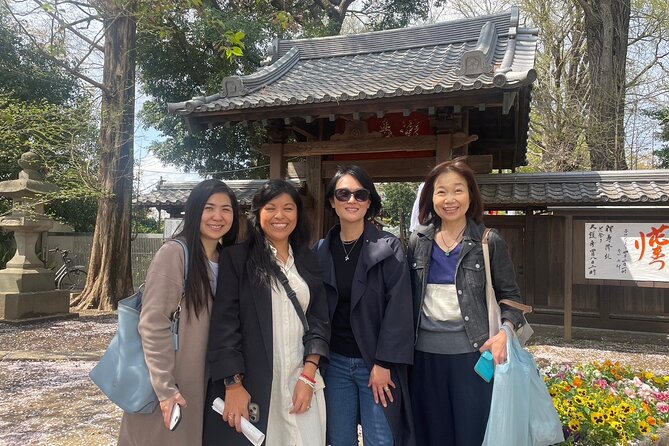
The first stop is Todoroki Fudoson, a local temple beside the valley. You spend about ten minutes there, with admission included at no extra cost.
This is a short visit, not a full temple tour. You should think of it as an introduction to the neighborhood and a calm pause before the cooking begins. It helps place the class in a real local setting instead of making the kitchen feel like an isolated tourist attraction.
From the temple, you continue to Todoroki Valley. The listed viewing stop lasts about five minutes, though the walk through the area forms a larger part of the route to Tomoko’s home. Several visitors especially enjoyed this quiet stretch, calling it a welcome break from Tokyo’s noise and crowds.
The valley is the strongest setting-related feature of the outing. You get greenery and a slower pace without leaving the city. If you are spending most of your Tokyo trip around major stations, shopping streets, and famous sights, this short walk gives the day a different texture.
Keep your expectations sensible. This is not a long nature hike, and the official schedule gives only a brief visit to the valley before the cooking class. The value comes from the combination of temple, ravine, neighborhood, and home kitchen, not from a major sightseeing program.
Inside Tomoko’s home kitchen
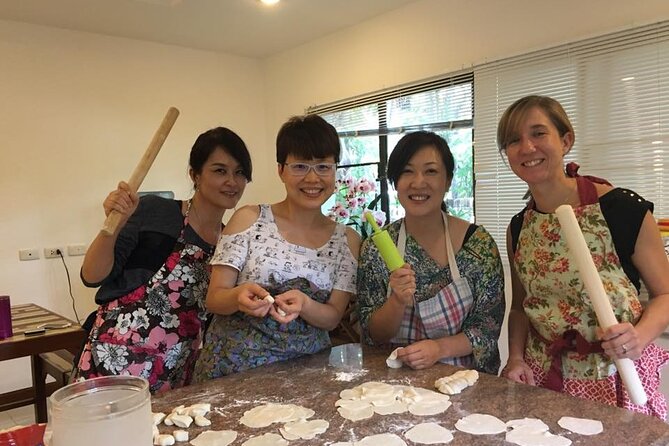
After the walk, you reach Casa de Tomokita, where the cooking lesson takes place. Tomoko welcomes no more than four participants, and that small size shapes the whole experience.
You can ask questions as you go, and Tomoko can give attention to individual cooks. Beginners are welcome, but experienced home cooks should also find useful details in the lesson, especially if they want to understand how Japanese ingredients and methods fit together.
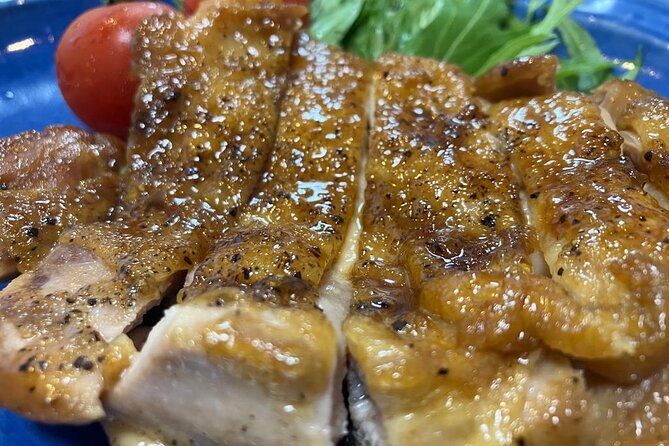
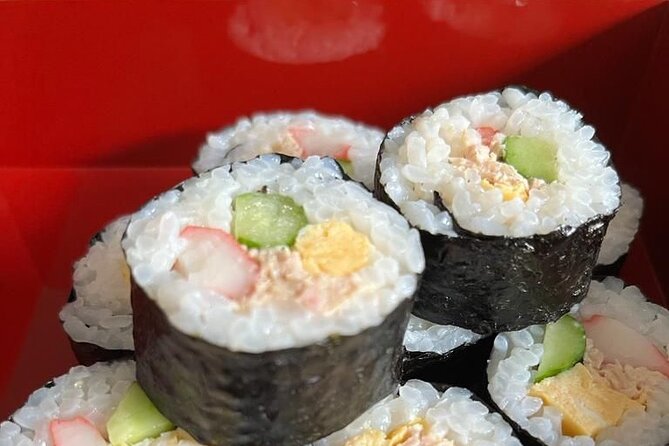
The food is arranged ahead of time. You choose your main dish in advance so the proper ingredients can be prepared. Possible choices include okonomiyaki, ramen, sushi rolls, gyoza, curry rice, oyakodon, fried rice, takoyaki, and kakiage tempura. The exact menu is not one fixed set, so you should make your preferences clear before the class.
This flexibility is one of the experience’s best features. One person prepared okonomiyaki while another family chose curry rice. Other menus included ramen and gyoza, gyoza and fried rice, or oyakodon with deep-fried chicken. Tomoko has also prepared different dishes for people in the same group.
The menu can sometimes be adjusted for vegetarian, pescatarian, vegan, or allergy-related needs. That should not be treated as automatic, though. Contact Tomoko before the class and explain your restrictions clearly. The earlier she knows, the more useful the adjustment can be.
What you actually cook and eat
The class is not limited to one plate. You may make an appetizer, main dish, and dessert, with additional side dishes served as part of the meal.
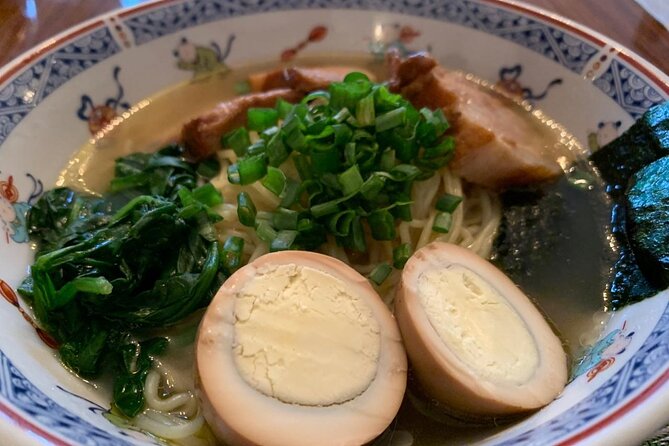
Gyoza and ramen appear often in the cooking choices. That pairing gives you two very different tasks: filling and folding dumplings, then building a bowl with noodles and broth. Okonomiyaki is another good choice if you want a dish associated with Osaka but easy to recreate at home once you understand the method.
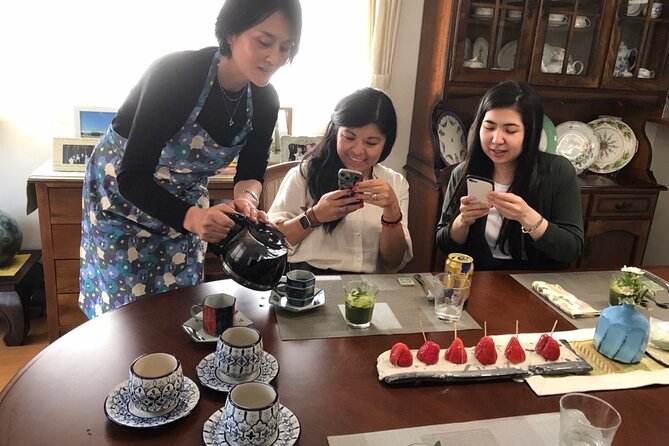
Other dishes that have been prepared include sushi rolls, curry rice, yakisoba, takoyaki, kakiage tempura, soy milk soup, oyakodon, and fried rice. Desserts have included matcha ice cream, fruit, seasonal toppings, mochi, and matcha-based sweets.
The class is hands-on, but not every minute is spent chopping or stirring. Tomoko prepares some parts in advance and may handle steps that need to move quickly. That is useful for a short class because you can focus on the techniques and still eat a complete meal on time.
You should come hungry. Side dishes have included salads, homemade dressings, pickles, and small Japanese accompaniments. The meal can be much larger than the main dish you selected.
Tomoko provides bottled water and hot drinks. Alcoholic drinks are included as well, with wine and homemade plum wine mentioned as examples. If you do not drink, the class still offers plenty of food and nonalcoholic choices.
Same region, a different dish to learn:
- Ramen & Gyoza Cooking Class in Tokyo with Local Supermarket Visit
★ 5.0 · 823 reviews - Tokyo Tsukiji Fish Market Tour and Sushi Making Lesson
★ 5.0 · 390 reviews - Tokyo: Easy Ramen Cooking Experience in Kabukicho, Shinjuku
★ 4.6 · 321 reviews - Ramen and Sushi Cooking Class with Sake Pairing Set in Tokyo
★ 5.0 · 291 reviews
Learning from Tomoko, not just following a recipe
Tomoko’s teaching style is a major reason this class works. She explains not only what to do, but why a step matters. That is especially helpful with dishes such as okonomiyaki, where the result depends on texture and handling rather than simply measuring ingredients.
English recipes and instructions are available, and communication has been easy for English-speaking participants. Tomoko also speaks Spanish, according to the experience details shared by participants. Limited Japanese should not prevent you from taking the class.
You will have time to ask about Japanese cooking and daily life. The setting makes those conversations feel natural. You are sitting at a dining table in a private home, not moving through a standard demonstration with a large crowd.
That personal setting also means the experience can feel more social than technical. Solo visitors have found the small group comfortable, while couples and families have enjoyed cooking together. One family found that Tomoko adjusted the activity so an adult child with an intellectual impairment could take part.
Still, this is not a professional culinary school. If you want advanced knife training, restaurant-level plating, or a tightly structured chef’s workshop, this may feel informal. If you want practical home cooking and a friendly meal, the relaxed approach is a strong fit.
A meal you can recreate at home
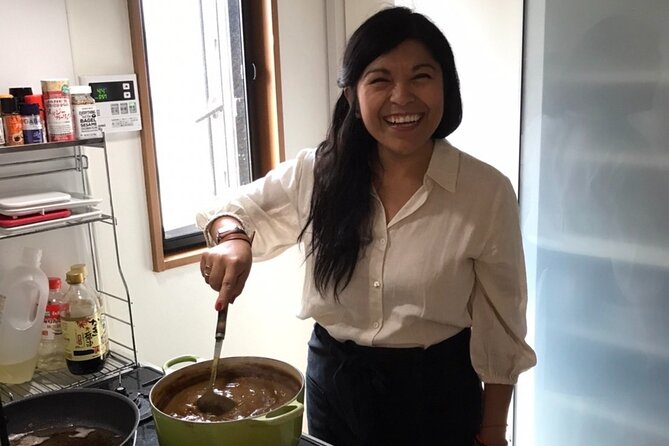
The recipes are one of the most useful takeaways. You are not simply watching Tomoko cook and then trying to remember the ingredients later. Recipes are provided for the dishes prepared, including side dishes in some cases.
That makes the $110.99 price easier to assess. You are paying for a small-group activity, a guided walk, the food, drinks, instruction, and a meal in a private home. You also receive material you can use after the trip.
Tomoko has sometimes helped people find Japanese pantry items at a local grocery store or sake shop after the class. This is not listed as a guaranteed part of every booking, so ask if shopping help is important to you. Even without it, recipe guidance can help you find substitutes at home.
I would judge the value by your interest in food rather than by the number of sights included. If you only want to see Todoroki Valley, the price is high. If you want a personal cooking lesson, a generous lunch, and a local setting, the cost is more reasonable.
The maximum group size of four is important here. A larger cooking class might cost less, but you would likely get less personal attention. For a solo visitor, the small format can also be a good way to meet people without joining a large tour group.
Timing, group size, and practical limits
The published duration needs a little care. The summary gives approximately two hours and thirty minutes. The itinerary lists about two hours for the cooking stop, while the class description also refers to a three-hour cooking class. In practical terms, you should reserve a generous part of the late morning and early afternoon and confirm the expected finish time when you book.
The activity is available Monday through Friday from 11 a.m. to 2 p.m. The weekday-only schedule may be inconvenient if you have limited time in Tokyo or are planning weekend sightseeing. On the other hand, a daytime lunch class leaves your evening open.
The group maximum is four people. That is small enough for direct help and conversation. It also means availability can be limited, and the experience is often booked well ahead, with an average booking time of 44 days in advance.
You receive a mobile ticket, and confirmation is provided at booking. The meeting point is Todoroki Station, and the activity ends back there. Free cancellation is available up to 24 hours before the start time. Changes or cancellations inside that window are not accepted for a refund.
Wear something comfortable for cooking and walking. The provided details do not specify dress requirements, luggage storage, or a formal accessibility plan, so ask directly if any of those points matter to you.
Who will enjoy this most
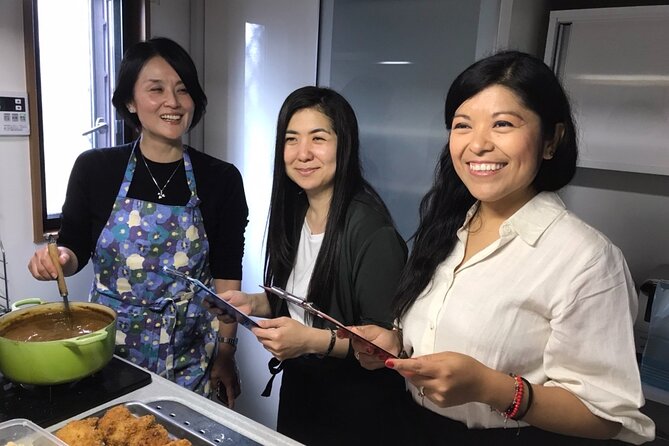
I would recommend this class to you if food is one of the main reasons you visit Japan. You get to ask questions, practice techniques, and eat several dishes instead of simply sampling one restaurant meal.
It is also a good choice for solo visitors. Tomoko’s small group and warm hosting style can make a solo booking feel personal rather than awkward. Couples and families may like the shared work, especially if each person chooses a different food interest.
Beginners are welcome, and experienced cooks can request specific dishes or ask about ingredients. The class can also suit people with dietary needs, provided they contact Tomoko in advance.
This is less suitable if you want a fast, central Tokyo activity. Todoroki is not in the middle of the main sightseeing districts, and the class occupies a substantial part of the day. It is also not ideal for anyone who dislikes home-based activities or prefers a formal restaurant and chef demonstration.
Should you book Casa de Tomokita?
I would book this if you want a personal food experience with a real neighborhood walk attached. The best reasons are the four-person limit, the chance to request a menu, and the useful recipes you can take home.
Before booking, confirm the exact menu, timing, and any dietary changes with Tomoko. If you do that and arrive ready to cook, you get far more than a standard lunch: a temple visit, a quiet valley walk, a practical lesson, and a meal shared in a Japanese home.
FAQ
Where does the Japanese cooking class begin?
The experience begins at Todoroki Station, at 3 Chome-1 Todoroki, Setagaya City, Tokyo. Tomoko meets you there, and the activity ends back at the same meeting point.
How long does the experience last?
The tour summary gives an approximate duration of two hours and thirty minutes. The detailed class information also refers to a longer cooking session, so confirm the exact timing when booking.
What dishes can I learn to make?
Possible dishes include okonomiyaki, ramen, sushi rolls, gyoza, curry rice, yakisoba, takoyaki, kakiage tempura, oyakodon, fried rice, and other Japanese foods. You choose your main dish in advance.
Is the class suitable for beginners?
Yes. All skill levels are welcome, including beginners. Tomoko provides hands-on instruction in a small group.
Can the menu accommodate dietary needs?
The menu may be adjusted for vegetarian, pescatarian, vegan, or allergy-related needs. Contact Tomoko before the class so the ingredients can be planned properly.
What is included in the price?
The price includes the cooking lesson, food, bottled water, hot drinks, and alcoholic beverages. Recipes are also provided for the dishes prepared.
How many people can join?
The maximum group size is four travelers. Solo participants, couples, and families can book the experience.
When does the class operate?
The listed operating hours are Monday through Friday, from 11 a.m. to 2 p.m.
Can I cancel for a refund?
You can cancel up to 24 hours before the experience start time for a full refund. Cancellations and changes made less than 24 hours in advance are not accepted for a refund.
More Home Cooking Classes in Tokyo
- Khmer Cooking Class at a Local’s Home in Krong Siem Reap
★ 5.0 · 2,731 reviews - Local Home Korean Cooking Class & Market Adventure in Seoul
★ 5.0 · 1,024 reviews - Marrakech: Moroccan Cooking Class with a Local Family
★ 4.9 · 668 reviews - Mexican Cooking from Scratch in a Local Home in Tulum
★ 5.0 · 585 reviews
More Sushi and Japanese Classes in Tokyo
- Tokyo: Wagyu and 7 Japanese Dishes Cooking Class
★ 4.9 · 273 reviews - Tokyo Washoku 4-hour Cooking Class: From Market to Table
★ 5.0 · 253 reviews - Small-Group Wagyu Beef and 7 Japanese Dishes Tokyo Cooking Class
★ 5.0 · 190 reviews - Shinjuku Tokyo: Authentic Japanese Home-Style Culinary Class
★ 4.9 · 125 reviews
Newest classes around Tokyo
- Tokyo: Sushi roll and side dish cooking experience★ 5.0 · 2 reviews
- Tokyo: Sushi Making Experience & Japanese Cooking Class★ 5.0 · 2 reviews
- Tokyo: Sushi and Ramen Cooking Class with Sake Pairing Set★ 5.0 · 81 reviews
- Tokyo: Sushi Cooking Class with Sake Tasting★ 4.8 · 55 reviews
- Tokyo: Real Ramen & Dumpling Cooking with Master Chef★ 5.0 · 10 reviews
- Tokyo: Kawaii Bento Cooking Class – Cute Character Lunchbox★ 4.9 · 55 reviews
- Tokyo: Gyoza Making from Scratch – Ultimate Cooking Class★ 5.0 · 2 reviews
- Tokyo: Night Cooking Class: 5 Home-Cooked Japanese Dishes★ 4.9 · 13 reviews
Tokyo Cooking Classes, compared.
Ramen & Gyoza Cooking Class in Tokyo with Local Supermarket Visit
Read our review →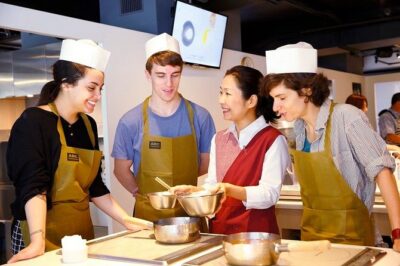
Tokyo Tsukiji Fish Market Tour and Sushi Making Lesson
Read our review →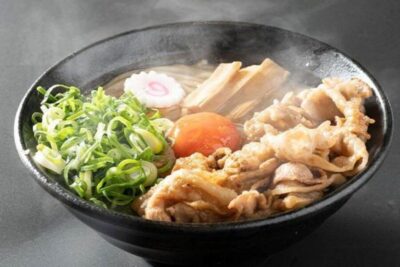
Easy Ramen Cooking Experience in Kabukicho, Shinjuku
Read our review →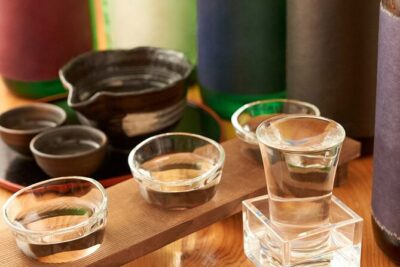
Ramen and Sushi Cooking Class with Sake Pairing Set in Tokyo
Read our review →
Tokyo Washoku 4-hour Cooking Class: From Market to Table
Read our review →
Small-Group Wagyu Beef and 7 Japanese Dishes Tokyo Cooking Class
Read our review →
Private Home Cooking in Yanaka – Local Flavors in a Warm Setting
Read our review →Browse the lists this tour appears in