
Review · TOKYO COOKING CLASSES
3-Hour Guided Musubi Japanese Home Cooking Class
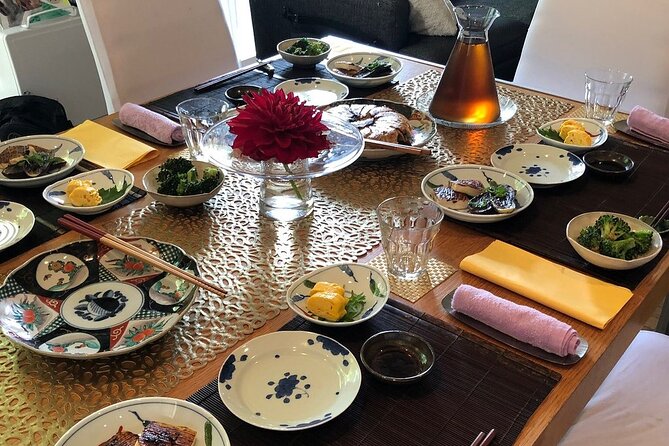
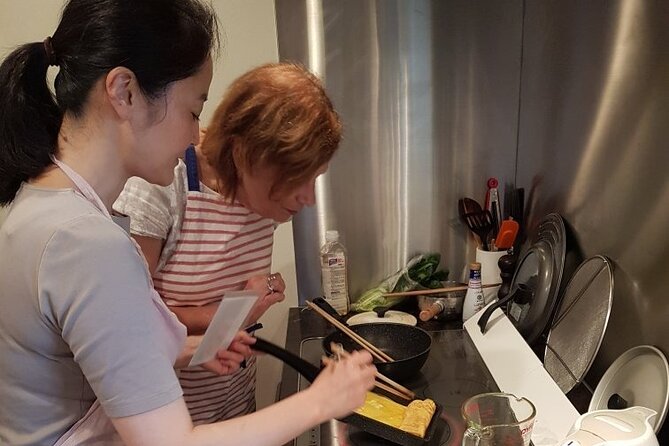
The most appealing part of this class is the setting: you cook in Akiko’s own Tokyo home, where the lesson also gives you a look at how a Japanese household works. This is not a polished restaurant demonstration. You chop, mix, fold, season, and eat the meal you helped make.
I like two things right away. First, the class covers a complete meal, including one main dish, two sides, rice, miso soup, and dashi. Second, Akiko is praised for clear English, warm hospitality, and the ability to adjust the menu for dietary needs. The main consideration is location: Musashi-Koganei is outside central Tokyo, so you need to allow time to reach the meeting point.
Key points
- Cook in a real Tokyo apartment: You visit the instructor’s home instead of a cooking studio or restaurant.
- Make a full Japanese meal: The class includes a main dish, two side dishes, miso soup, rice, and soup stock.
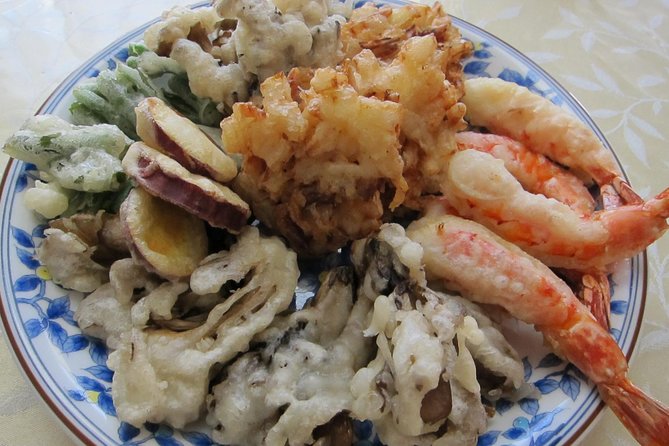
- Choose from familiar favorites: Menu options can include gyoza, deep-fried chicken, or seaweed-wrapped sushi rolls.
- Learn the foundation of Japanese flavor: You prepare umami-rich dashi and learn how it supports everyday dishes.
- Small groups keep it hands-on: Bookings are limited to six people, with utensils, an apron, ingredients, and recipes supplied.
- Lunch is part of the lesson: You sit down and eat what you have prepared, with coffee or tea afterward.
A Japanese cooking class inside a Tokyo home
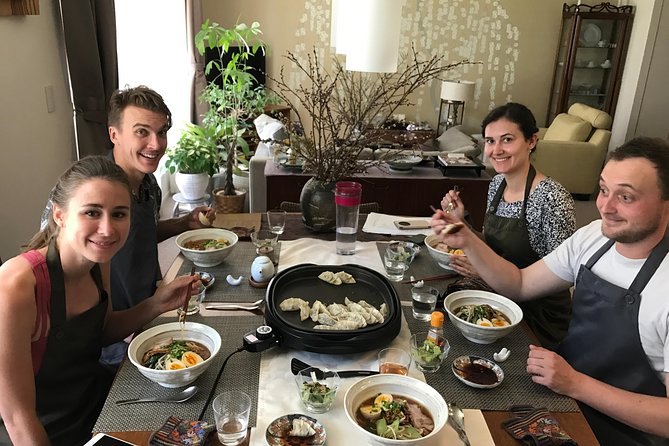
Many Tokyo food classes take place in a commercial kitchen built for visitors. This one takes you into an apartment in the Musashi-Koganei area, where Akiko teaches from her own home. That change of setting matters. You are not only learning a recipe. You are seeing the practical scale of a Japanese kitchen and how home cooking fits into daily life.
I like the directness of the format. You meet at Musashi-Koganei Station, go to the apartment, put on an apron, and start working with the supplied ingredients. The class lasts about two and a half hours, enough time for instruction, preparation, cooking, and lunch without turning into a full-day commitment.
The home setting also makes the class feel personal. Akiko’s apartment is described as comfortable and welcoming, and the tone is closer to being invited into someone’s kitchen than attending a formal school. That can be a major plus if you want conversation and cultural exchange along with food.
There is a trade-off. A private home does not offer the predictable layout of a cooking studio. Space, seating, and kitchen design may feel more domestic than professional. That is part of the point, but you should book this for a home experience, not for a slick culinary production.
More Home Cooking Classes in Japan
- Private Home Cooking in Yanaka – Local Flavors in a Warm Setting
★ 5.0 · 173 reviews - Japanese Home Cooking Class & Walk in Todoroki Temple Tokyo
★ 5.0 · 88 reviews - Hands-on Japanese Cooking in a Shinjuku Home Kitchen with Satoru
★ 5.0 · 19 reviews
Meeting Akiko near Musashi-Koganei Station
The class begins at Musashi-Koganei Station, at 6 Chome-14 Honcho in Koganei, Tokyo. The activity ends back at the meeting point. Transportation to and from the station is not included, so you must arrange your own train travel.
For visitors staying around central Tokyo, this is the main planning issue. The meeting point is not described as a central Tokyo landmark, and the tour does not include hotel pickup. Build in extra time so you arrive ready to cook rather than rushing in from another part of the city.
Once you arrive, the simple meeting point is useful. You do not need to find a restaurant hidden on a busy side street or work out a complicated transfer to a cooking studio. From the station, the instructor takes you into the home setting and the food work begins.
The exact menu is chosen as part of the booking process or class arrangements. Options mentioned include gyoza, deep-fried chicken, and seaweed-wrapped sushi rolls. You should give your dietary requirements and food preferences when booking. The class is designed to adapt where possible, but you should not wait until the day of the lesson to mention an allergy or restriction.
Preparing a full meal, not just one recipe
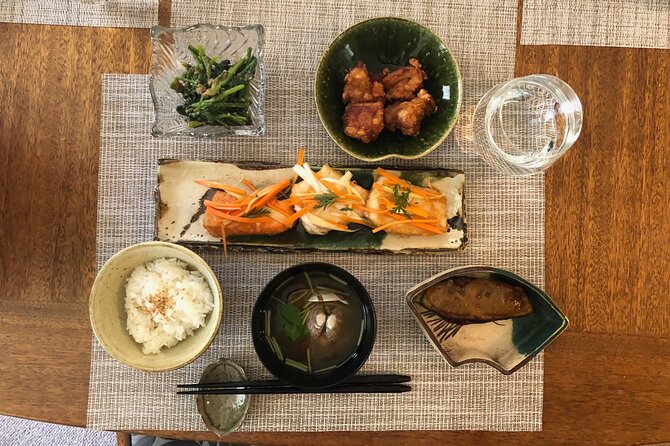
The strongest part of the class is its complete-meal structure. You do not spend the whole session making one decorative item and then leave hungry. The cooking covers one main dish, two side dishes, rice, and miso soup.
That structure gives you a better picture of Japanese home cooking. A Japanese meal is often about balance: a central dish, smaller vegetable or seasoned sides, soup, and rice. You can learn how the pieces work together instead of treating sushi or gyoza as isolated specialties.
The main dish may be deep-fried chicken, gyoza, or seaweed-wrapped sushi rolls. The reviews also describe a gyoza lesson in which folding the wrappers became part of the fun. If you have never shaped gyoza, expect the first few folds to be less neat than Akiko’s. That is normal, and hands-on practice is more useful than watching an expert make perfect parcels.
The side dishes are important because they show the everyday side of Japanese food. They may not have the visual drama of sushi, but they teach seasoning, texture, and portion balance. The class also includes miso soup with rice, which gives you a basic meal you can repeat at home.
I like this format for families and couples because everyone can take part in several stages. You may be chopping while someone else mixes or folds, then switch jobs. With a maximum of six people, the group is small enough for direct help, though the exact amount of individual attention will depend on the group.
Learning dashi and the idea of umami
A key lesson is making dashi, the soup stock that gives many Japanese dishes their savory base. This is more useful than learning a single restaurant-style trick. Once you understand dashi, you can apply the idea to miso soup and other home dishes.
The class presents Japanese cooking as simpler than many visitors expect. That does not mean every technique is effortless. It means the food often relies on a small group of basic methods, good ingredients, and careful seasoning rather than a long list of complicated steps.
Dashi also helps explain why Japanese food can taste full without feeling heavy. You learn the foundation behind the flavor, then use it in a meal with rice, soup, a main dish, and side dishes. For anyone who wants to recreate the experience at home, this is one of the most useful parts of the class.
You will receive a copy of the recipes, so the lesson does not end when lunch is over. The recipes are described as easy to follow and practical to make at home. That makes the class more valuable than a one-time meal, especially if you plan to cook Japanese food after returning home.
Same region, a different dish to learn:
- Ramen & Gyoza Cooking Class in Tokyo with Local Supermarket Visit
★ 5.0 · 823 reviews - Tokyo Tsukiji Fish Market Tour and Sushi Making Lesson
★ 5.0 · 390 reviews - Tokyo: Easy Ramen Cooking Experience in Kabukicho, Shinjuku
★ 4.6 · 321 reviews - Ramen and Sushi Cooking Class with Sake Pairing Set in Tokyo
★ 5.0 · 291 reviews
What the class feels like from start to finish
The class begins with a welcome at the meeting point and a visit to Akiko’s apartment. You use an apron and the provided kitchen tools, so you do not need to carry cooking equipment with you.
Akiko explains the dishes and guides the preparation. Her fluent English is a major help, especially when she is explaining seasoning, cooking order, or the small details that are easy to miss in a translated recipe. The class is intended to be hands-on, so expect to work rather than simply watch.
You then cook the food and assemble the meal. The order may vary with the chosen menu, but the class covers the main dish, side dishes, soup, rice, and dashi before you sit down to eat.
Lunch is included. You are not sampling a pre-made plate while the real cooking happens elsewhere. You eat the food prepared during the session. Coffee or tea is included as well, giving the meal a relaxed finish.
The class ends back at the meeting point. Since the activity lasts about two and a half hours, it can fit into a Tokyo day beside other plans. Still, I would avoid scheduling a tight museum reservation or train connection immediately afterward. Cooking times and conversation can stretch a little, and you need time to return to the station.
Akiko’s teaching style and the human side of the class
Akiko is repeatedly praised for her hospitality, clear English, and ability to make people feel comfortable. The strongest descriptions focus not only on the food but also on the conversation and welcome in her home.
That matters because cooking classes can feel awkward when the instructor talks constantly and visitors only follow orders. Here, the intended style is more social. You can ask about Japanese staple dishes, cooking customs, and daily life while you work.
One family had its menu adjusted to meet dietary needs, which suggests that communicating your requirements early can produce a better experience. The class also has a record of accommodating last-minute bookings when space is available, though confirmation is subject to availability and should not be assumed.
The group rules require attention. The maximum is six people, and a group made up only of men is not accepted. Children under nine are free. These policies may be important for family planning or for people arranging a private group.
Because the experience takes place in a private home, you should be comfortable with a more personal social setting. If you prefer a formal school with fixed stations and a professional demonstration kitchen, this may not be your best match. If you like conversation and want to see ordinary Tokyo life from inside a home, it is a better fit.
Is $85 a fair price?
The price is about $85 per person. That is more than the cost of eating a simple Japanese lunch, but the comparison is not really between this class and a restaurant meal.
Your fee covers instruction, a small group, an apartment visit, all ingredients, use of an apron and utensils, a full lunch, coffee or tea, and recipes to take home. You also receive the value of learning several dishes and dashi in one sitting.
I consider the price reasonable for someone who wants an activity as well as food. The class combines a meal, a cooking lesson, and a personal look at a Tokyo home. If your only goal is to eat cheaply, you can spend less elsewhere. If you want a practical skill and a social experience, the package makes more sense.
The group limit helps support the value. Six is not the same as a private one-to-one lesson, but it is small enough to keep the session active. You should have a chance to handle ingredients and ask questions, although the pace will depend on who else books.
Who will enjoy this class most?
I would choose this class if you want a break from sightseeing and prefer an activity that involves your hands. It suits first-time visitors who want a simple introduction to Japanese home food, as well as experienced cooks who want to understand everyday dishes rather than restaurant presentation.
It is especially good for:
- Families with children old enough to participate, noting that children under nine are free
- Couples and small groups who enjoy cooking together
- People who want recipes they can repeat at home
- Visitors interested in Japanese daily life and apartment living
- Anyone who values fluent English instruction
- Diners with dietary needs who communicate them in advance
It may be less suitable if you are staying far from Musashi-Koganei and want an activity directly in central Tokyo. It may also disappoint if you expect a sushi-chef performance, a market visit, or a long professional culinary course. Those are not part of the stated experience.
The menu choice is another point to clarify before you book. The available examples include fried chicken, gyoza, and seaweed-wrapped sushi rolls, but the exact combination of main and side dishes is not fixed in the details provided. Ask what is planned if one particular dish matters to you.
Booking, timing, and cancellation details
Confirmation is sent within 48 hours, subject to availability. Since the maximum group size is six, I would book ahead if your Tokyo dates are fixed.
Give dietary requirements and preferences at the time of booking. This is also the right moment to confirm the menu, meeting instructions, and any concern about the home setting.
The cancellation information supplied in the booking details is not fully consistent. One policy says you can cancel at least 24 hours before the start time for a full refund, with no refund inside 24 hours. Another set of terms mentions a 50 percent refund from one week to 72 hours before the class and no refund inside 72 hours. Confirm the active cancellation rule when you book, especially if your Tokyo schedule may change.
Should you book the Musubi cooking class?
Book it if you want a personal, practical food experience rather than a quick meal or a staged demonstration. The combination of a Tokyo home, fluent English instruction, a full menu, dashi practice, lunch, and take-home recipes gives you plenty to do for the price.
The main drawbacks are the Musashi-Koganei location and the private-home format. You must handle your own transportation, and the class will feel more intimate and domestic than a commercial cooking school.
For me, the best reason to choose it is that you leave with more than a full stomach. You learn how Japanese home meals are built, meet an English-speaking local host, and gain recipes you can use after Japan. If that sounds more useful than simply checking another restaurant off your list, this is a strong choice.
FAQ
Where does the cooking class begin?
The class begins at Musashi-Koganei Station, at 6 Chome-14 Honcho, Koganei, Tokyo 184-0004, Japan.
Where does the activity end?
The activity ends back at the meeting point.
How long does the class last?
The experience lasts approximately two hours and 30 minutes.
What food will I prepare?
You will prepare one main dish, two side dishes, miso soup, and rice. The class also teaches you how to make dashi. Possible main dishes include gyoza, deep-fried chicken, and seaweed-wrapped sushi rolls.
Is lunch included?
Yes. Lunch consists of the meal you prepare during the class. Coffee or tea is also included.
How many people can join, and who teaches the class?
The maximum is six people per booking. Akiko leads the class and speaks fluent English. A group made up only of men is not accepted, and children under nine are free.
More Home Cooking Classes in Tokyo
- Khmer Cooking Class at a Local’s Home in Krong Siem Reap
★ 5.0 · 2,731 reviews - Local Home Korean Cooking Class & Market Adventure in Seoul
★ 5.0 · 1,024 reviews - Marrakech: Moroccan Cooking Class with a Local Family
★ 4.9 · 668 reviews - Mexican Cooking from Scratch in a Local Home in Tulum
★ 5.0 · 585 reviews
More Sushi and Japanese Classes in Tokyo
- Tokyo: Wagyu and 7 Japanese Dishes Cooking Class
★ 4.9 · 273 reviews - Tokyo Washoku 4-hour Cooking Class: From Market to Table
★ 5.0 · 253 reviews - Small-Group Wagyu Beef and 7 Japanese Dishes Tokyo Cooking Class
★ 5.0 · 190 reviews - Shinjuku Tokyo: Authentic Japanese Home-Style Culinary Class
★ 4.9 · 125 reviews
Newest classes around Tokyo
- Tokyo: Sushi roll and side dish cooking experience★ 5.0 · 2 reviews
- Tokyo: Sushi Making Experience & Japanese Cooking Class★ 5.0 · 2 reviews
- Tokyo: Sushi Cooking Class with Sake Tasting★ 4.8 · 55 reviews
- Tokyo: Real Ramen & Dumpling Cooking with Master Chef★ 5.0 · 10 reviews
- Tokyo: Sushi and Ramen Cooking Class with Sake Pairing Set★ 5.0 · 81 reviews
- Tokyo: Kawaii Bento Cooking Class – Cute Character Lunchbox★ 4.9 · 55 reviews
- Tokyo: Gyoza Making from Scratch – Ultimate Cooking Class★ 5.0 · 2 reviews
- Tokyo: Night Cooking Class: 5 Home-Cooked Japanese Dishes★ 4.9 · 13 reviews
Tokyo Cooking Classes, compared.
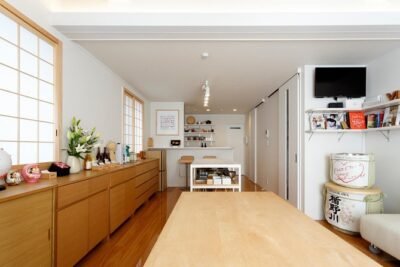
Ramen & Gyoza Cooking Class in Tokyo with Local Supermarket Visit
Read our review →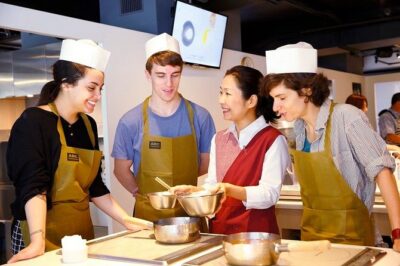
Tokyo Tsukiji Fish Market Tour and Sushi Making Lesson
Read our review →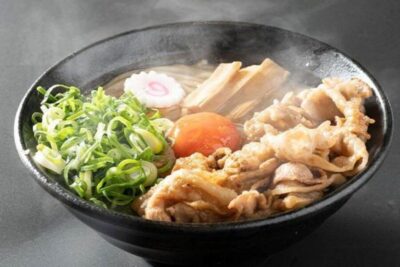
Easy Ramen Cooking Experience in Kabukicho, Shinjuku
Read our review →
Ramen and Sushi Cooking Class with Sake Pairing Set in Tokyo
Read our review →
Tokyo Washoku 4-hour Cooking Class: From Market to Table
Read our review →
Small-Group Wagyu Beef and 7 Japanese Dishes Tokyo Cooking Class
Read our review →
Private Home Cooking in Yanaka – Local Flavors in a Warm Setting
Read our review →Browse the lists this tour appears in