
Review · TOKYO COOKING CLASSES
Tokyo: Night Cooking Class: 5 Home-Cooked Japanese Dishes
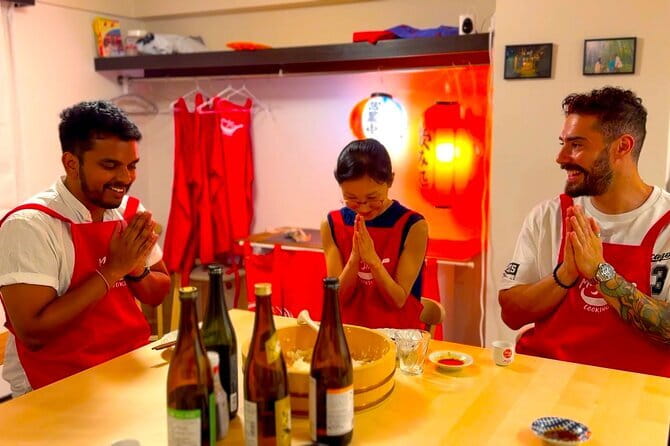
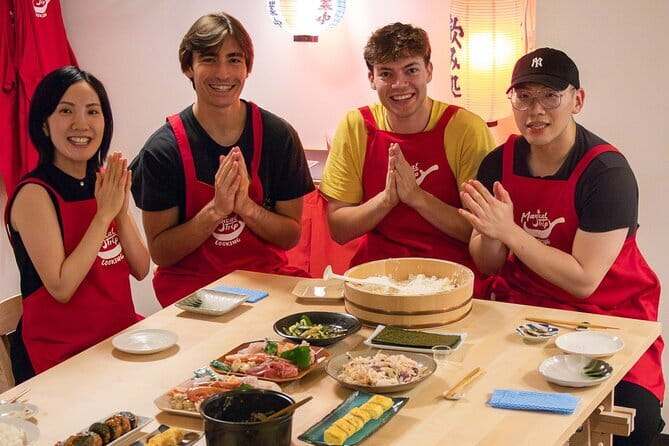
Japanese home drinking is less about one grand dish and more about setting several small plates on the table, pouring a drink, and letting the evening unfold. This three-hour Tokyo class turns that idea into a hands-on meal, with hand-roll sushi, wagyu or tofu steak, rolled egg, and miso eggplant on the menu.
I like two things right away: you learn recipes that use ingredients you can find outside Japan, and the class includes three alcoholic or soft drinks so food pairing is part of the lesson. I also like the small group limit of six, which gives the English-speaking guide room to help with cooking.
The main drawback is the dietary and access policy. Vegetarians can be accommodated, but the class is not suitable for vegan or gluten-free diets, and allergy-free preparation cannot be promised. Children are technically allowed from age six, yet the activity is not recommended for under-12s, since knives and hot equipment are limited to older participants.
Key points at a glance
- Japanese home drinking culture: Learn how small dishes, drinks, and conversation fit together in a casual nomikai-style evening.
- Four named dishes: Prepare hand-roll sushi, wagyu or tofu steak, Japanese rolled egg, and grilled eggplant with miso sauce.
- Three included drinks: Choose alcoholic or soft drinks, with sake and beer tasting limited to participants aged 20 and over.
- Small English-language group: The class accepts no more than six participants, with guides including Alice, Masae, and Fuji leading recent sessions.
- Recipes for home use: Take the recipes with you, and use ingredients that are generally available in your own country.
- Family limitations: A children’s playroom is available, but knife and heat work is only for ages 12 and above with a parent or guardian.
What this Tokyo evening is really about
This is not a formal sushi-school lesson. It is closer to being invited into the cooking side of an informal Japanese drinking party.
The idea behind an izakaya is variety. Instead of ordering one large main course, you share small savory dishes that work well with beer, sake, or another drink. The class uses that format to teach several techniques in one sitting, so you are not spending three hours repeating a single recipe.
The social side matters just as much as the food. You cook beside a few other participants, sit down to eat, and compare the way different dishes pair with the drinks. That makes this a good choice for a couple or solo visitor who wants an evening activity with conversation built in.
You also get a useful look at nomikai, the Japanese custom of gathering for drinks. The focus is not on heavy drinking. It is on the relaxed rhythm of preparing food, filling a glass, and adding one more small plate to the table.
More Sushi and Japanese Classes in Tokyo:
- Ramen & Gyoza Cooking Class in Tokyo with Local Supermarket Visit
★ 5.0 · 823 reviews - Tokyo Tsukiji Fish Market Tour and Sushi Making Lesson
★ 5.0 · 390 reviews - Tokyo: Easy Ramen Cooking Experience in Kabukicho, Shinjuku
★ 4.6 · 321 reviews
The dishes you will prepare
The exact emphasis can depend on the session and ingredient arrangements, but the included cooking program names four main dishes, plus sushi hand rolls.
Hand-roll sushi
Hand-roll sushi is a practical starting point because it is more relaxed than shaping individual pieces of nigiri. You work with sushi rice and fillings, then wrap them in seaweed by hand.
The appeal for a home cook is clear. You do not need specialist knife work or years of training to make a presentable hand roll. You can also vary the filling when you repeat the recipe at home, making this a useful party dish.
Wagyu or tofu steak
The steak course gives you a choice between wagyu and tofu. Wagyu adds a distinctly Japanese luxury touch, while tofu makes the dish suitable for vegetarians.
This is also one of the places where the class can help you think about texture and balance. A small, rich portion works well beside lighter dishes and a drink. If you choose tofu, you still take part in the same general cooking experience, but the meal will suit a meat-free diet better.
Vegetarian participants should arrange this in advance. The class welcomes vegetarians, but it does not cater to vegan or gluten-free diets.
More Evening Classes in Tokyo:
- Chiang Mai: Evening Cooking Class and Local Market Visit
★ 4.9 · 648 reviews - Paris Evening Cooking Class French Dinner and Market Visit Option
★ 5.0 · 430 reviews - Evening Cooking Class in Organic Farm with Local Market Tour
★ 5.0 · 394 reviews - Tingly Thai Cooking School Evening Class
★ 5.0 · 335 reviews
Japanese rolled egg
Japanese rolled egg, often called tamagoyaki, is simple in its ingredient list but requires patience. You cook thin layers and roll them together rather than making one thick omelette.
It is a good class dish because you can see the technique develop in front of you. The finished egg is neat, lightly seasoned, and suited to a small-plate meal. At home, it makes a useful breakfast item, lunch-box addition, or snack for a Japanese-style spread.
Knife and heat work are restricted to participants aged 12 and older, under adult supervision. That rule matters here, since the class involves hot pans as well as food preparation.
Grilled eggplant with miso sauce
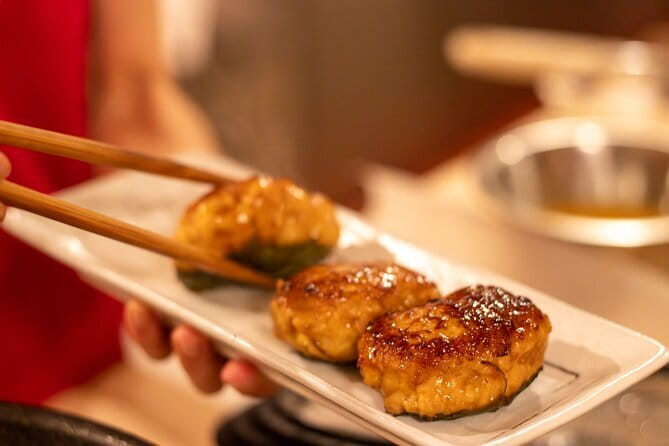
Eggplant with miso sauce brings a softer, more savory note to the table. It shows how a modest vegetable can become a satisfying accompaniment for drinks.
This is the sort of recipe that gives the class value beyond the evening itself. It does not depend on rare equipment or an elaborate presentation. You can use the technique for a home meal, a side dish, or a plate of small snacks for friends.
The wider class description also refers to skewers, tempura, pickles, and other izakaya-style foods. Your confirmed session centers on the dishes included in the program, so treat those extra examples as part of the cooking theme rather than a guarantee that every one will appear.
How the three hours are likely to flow
The class begins at the meeting point in front of the FamilyMart beside the Gindako takoyaki shop and Doutor Coffee at Iriya Station Exit 2. Iriya Station has two FamilyMart stores, so use the Gindako and Doutor landmarks carefully. This is a meeting point, not hotel pickup, and you make your own way there and back.
Once the group is together, the guide introduces the evening’s menu and the role of small dishes in Japanese home drinking. The group size is limited to six, so you should have a more personal setup than you would in a large commercial cooking studio.
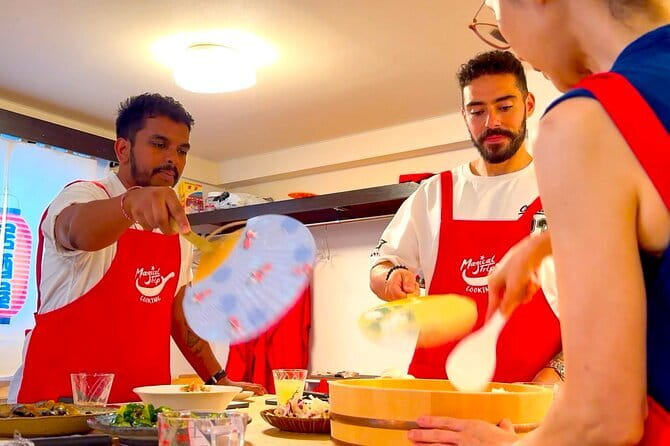
Cooking then becomes the main event. You prepare the dishes with supplied ingredients and equipment, rather than watching a demonstration from a distance. That hands-on format is especially helpful for rolled egg and hand-roll sushi, where the movement matters as much as the written recipe.
The drink element runs alongside the food preparation. Three cans of alcoholic or soft drinks are included. Participants aged 20 and over can have alcoholic drinks under Japanese law, while younger participants receive soft drinks.
The evening finishes with the food and drink together. This final stage is not just a meal break. It lets you see why certain small plates suit beer or sake, and how Japanese home drinking differs from a restaurant meal built around one main dish.
Recipes are provided to take home, and tour photos are included. The photos are a minor extra, but the recipes are the practical souvenir. They give you a chance to repeat the dishes when the details are still fresh.
The guides make a real difference
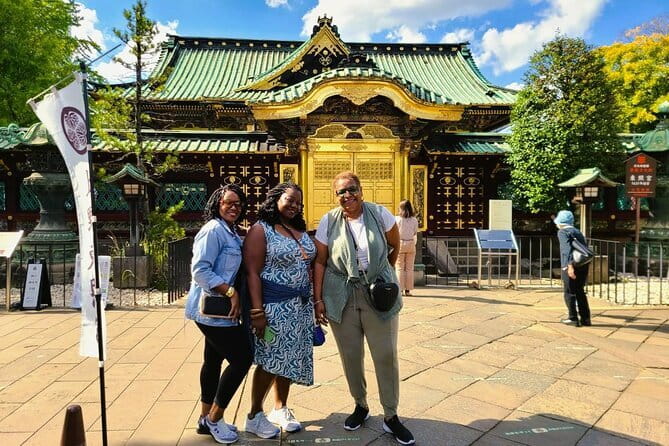
The class is conducted in English, and several guide names are associated with recent sessions: Alice, Masae, and Fuji. Alice is noted for making the evening fun while explaining the food clearly. Masae has led sessions that included a local supermarket visit before cooking, along with explanations of Japanese techniques and food culture. Fuji has also served as both guide and cooking instructor.
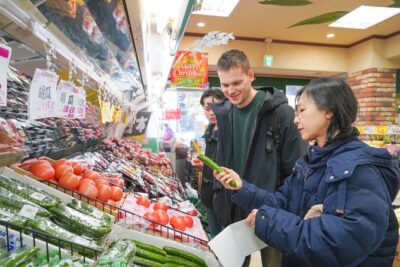
The supermarket stop is worth treating as a possible feature rather than a fixed promise. It can add useful context, since seeing ordinary Japanese ingredients before cooking often makes the recipes easier to understand. It is not listed as a guaranteed part of every session.
What you should value most is the guide’s role in keeping the evening moving. With several dishes, drinks, and a small group, clear instruction matters. You are not simply collecting recipes. You are learning when to prepare each item, how the plates fit together, and how to keep the meal social.
Past sessions have also worked as private or nearly private gatherings when only a few people booked. You cannot count on having the room to yourself, but a booking may sometimes feel more personal than the maximum group size suggests.
Is $103 a fair price?
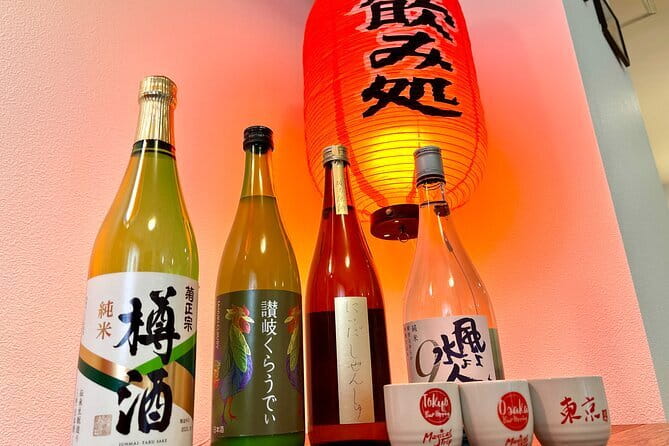
At $103 per person, this is not a budget dinner. It becomes a better value when you count what is included: three hours of instruction, all ingredients, cooking equipment, three drinks, recipes, a local English-speaking guide, and tour photos.
You are also paying for access to a social activity that would be difficult to arrange on your own during a short Tokyo visit. Buying ingredients, finding a suitable kitchen, and learning the drink pairings independently would take time. The class puts those pieces into one evening.
The value is strongest for people who plan to cook Japanese food again. If you only want a meal, a restaurant will cost less and require no work. If you want a meal plus practical skills and cultural context, the price is easier to justify.
Wagyu can also affect your sense of value, though the supplied information does not state how much wagyu is served or whether the menu changes by season. Consider it a cooking lesson with food included, not a wagyu tasting.
Who should book, and who should skip it?
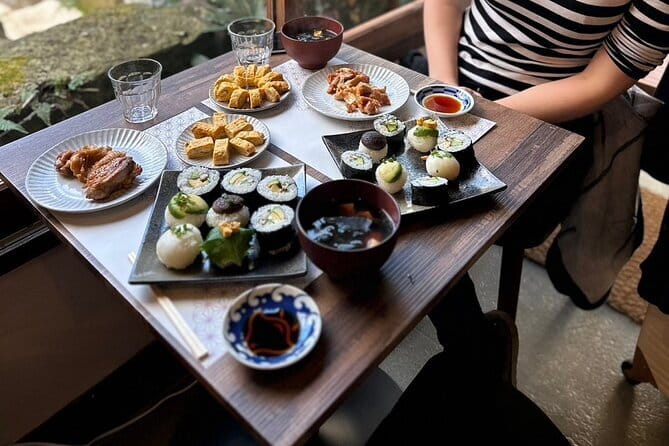
I would recommend this class to couples, friends, solo visitors, and confident beginners who enjoy doing rather than just watching. It is also a good fit for someone who wants an evening in Tokyo that is social without being a bar crawl.
Sake and Japanese beer fans get an extra reason to book. The drink pairings give you a better idea of how Japanese people build a casual meal around small plates, and the three included drinks keep the cost from rising during the class.
Vegetarians are welcome, with ingredients and cooking arrangements made for them. The tofu steak is the clear alternative to wagyu, but you should state your dietary needs when booking.
This is not a good fit for vegans or people who must avoid gluten. The operator cannot promise an allergy-free kitchen, and substitutions may not be possible at every point in the meal. If you have a serious allergy, this limitation should decide the matter.
Families need to read the age rules closely. The activity is open from age six, and a children’s playroom is available, but the experience is not suitable for children under 12 according to the activity guidance. Participants under 12 cannot handle knives or hot equipment, even with a parent present.
Pregnant women are also listed as unsuitable for this activity. Some parts of the route and venue are not accessible to wheelchairs or strollers, so check carefully before booking if that affects your group.
Getting there and planning the night
Allow enough time to find the correct FamilyMart at Iriya Station. The useful landmarks are Gindako takoyaki and Doutor Coffee. Since there are two FamilyMart stores at the station, arriving at the wrong one is the easiest way to begin the evening in a rush.
There is no hotel pickup or drop-off. Plan the return trip as well, especially if you choose alcoholic drinks. The activity lasts three hours, and starting times vary by availability.
The class permits free cancellation up to 24 hours before the start, and you can reserve now while paying later. That flexibility helps if your Tokyo schedule is still shifting, though the food and age restrictions deserve attention before you reserve.
Should you book this cooking class?
Book it if you want to learn several useful dishes while sharing drinks in a small group. The strongest features are the home-style menu, the practical recipes, the three included drinks, and the chance to understand Japanese nomikai culture from inside the cooking process.
Skip it if you need vegan or gluten-free food, guaranteed allergy control, full wheelchair or stroller access, or a quiet meal with no hands-on work. For everyone else, $103 is reasonable when you want a social evening that leaves you with recipes, new techniques, and a better sense of how Japanese home drinking works.
FAQ
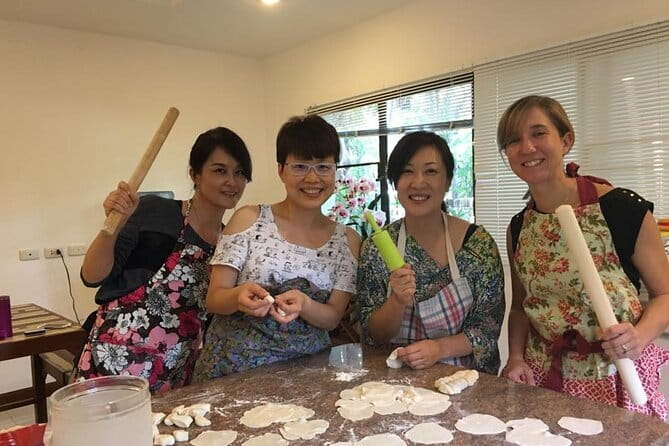
Where does the cooking class meet?
Meet in front of the FamilyMart beside Gindako takoyaki shop and Doutor Coffee at Iriya Station Exit 2. Iriya Station has two FamilyMart stores, so use those shops as landmarks.
How long does the activity last?
The cooking class lasts three hours. Starting times depend on availability.
What dishes will I make?
The included program covers sushi hand rolls, wagyu or tofu steak, Japanese-style rolled egg, and grilled eggplant with miso sauce.
Are drinks included?
Yes. Three cans of alcoholic or soft drinks are included. Sake and alcoholic drinks are available only to participants aged 20 and over.
Is the class suitable for vegetarians?
Yes. Vegetarian participants are welcome, and the cooking process and ingredients can be arranged for them.
Can vegans or people following a gluten-free diet join?
No. The activity is not available for people who are vegan or gluten-free. Allergy-free preparation also cannot be guaranteed.
What is the minimum age?
The activity is open to participants aged six and above, but it is listed as unsuitable for children under 12. Knife and hot equipment work is limited to participants aged 12 and over with parent or guardian supervision.
Is hotel pickup included?
No. You must make your own way to the meeting point and arrange your own return.
Newest classes around Tokyo
- Tokyo: Sushi roll and side dish cooking experience★ 5.0 · 2 reviews
- Tokyo: Sushi Making Experience & Japanese Cooking Class★ 5.0 · 2 reviews
- Tokyo: Sushi Cooking Class with Sake Tasting★ 4.8 · 55 reviews
- Tokyo: Real Ramen & Dumpling Cooking with Master Chef★ 5.0 · 10 reviews
- Tokyo: Sushi and Ramen Cooking Class with Sake Pairing Set★ 5.0 · 81 reviews
- Tokyo: Kawaii Bento Cooking Class – Cute Character Lunchbox★ 4.9 · 55 reviews
- Tokyo: Gyoza Making from Scratch – Ultimate Cooking Class★ 5.0 · 2 reviews
- Tokyo: Japanese Home-style Cooking Class with Meal★ 4.5 · 3 reviews
Tokyo Cooking Classes, compared.

Ramen & Gyoza Cooking Class in Tokyo with Local Supermarket Visit
Read our review →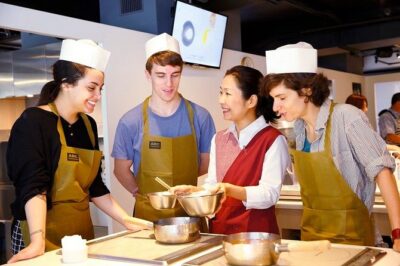
Tokyo Tsukiji Fish Market Tour and Sushi Making Lesson
Read our review →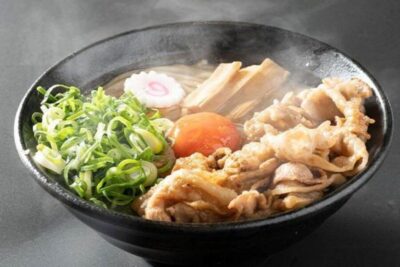
Easy Ramen Cooking Experience in Kabukicho, Shinjuku
Read our review →
Ramen and Sushi Cooking Class with Sake Pairing Set in Tokyo
Read our review →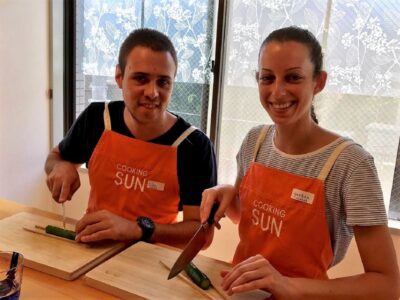
Tokyo Washoku 4-hour Cooking Class: From Market to Table
Read our review →
Small-Group Wagyu Beef and 7 Japanese Dishes Tokyo Cooking Class
Read our review →
Private Home Cooking in Yanaka – Local Flavors in a Warm Setting
Read our review →Browse the lists this tour appears in