
Review · TOKYO COOKING CLASSES
Tokyo: Japanese Home-style Cooking Class with Meal
Japanese cooking often looks simple on the plate, but the small details matter: a clean dashi stock, a balanced miso marinade, and an omelet rolled tightly enough to slice. This Tokyo class gives you hands-on practice with family-style recipes rather than a restaurant tasting menu. I like the practical menu and the chance to eat what you make, along with the focus on nutrition, seasoning, and presentation.
I also like that instructors such as Nao and Erika have helped participants recreate the dishes at home. The main consideration is consistency: one class received criticism for dull knives, recipe-checking, and limited advice beyond the printed instructions. At $90, you should expect a friendly lesson with useful basics, not a professional chef workshop.
Key points to know before booking
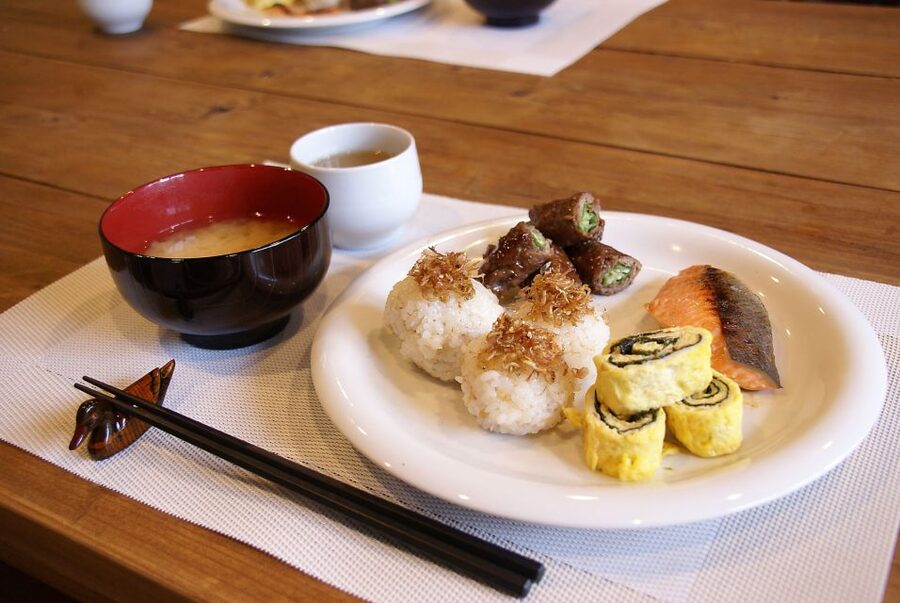
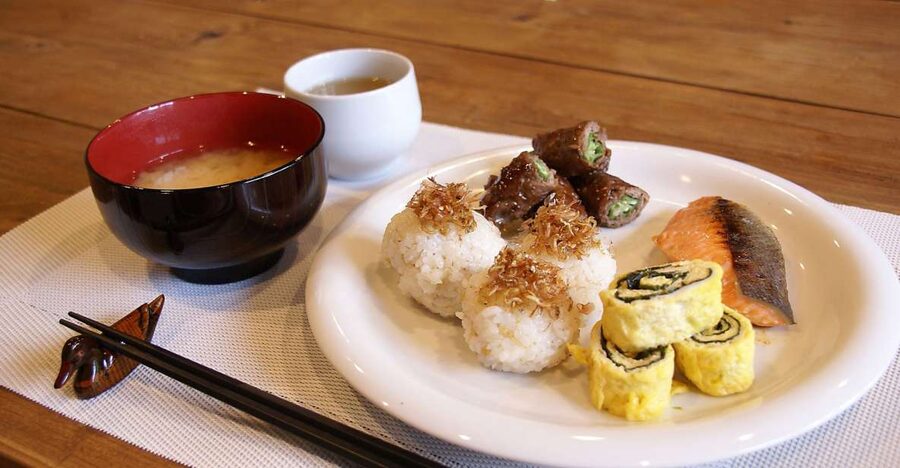
- You cook a complete Japanese meal: Dashi, Saikyo-yaki fish, rice, rice ball, and miso soup are included.
- The class is taught in English: This helps you follow each step and ask about seasoning or presentation.
- The schedule runs from 11:00 to 13:30: Cooking takes about two hours, followed by roughly 30 minutes of tasting.
- The dishes are practical home recipes: You can take away methods that are easier to repeat than elaborate restaurant dishes.
- The location is sent shortly before the class: Studios are near Shinjuku, Chiyoda, or Minato, so plan for a last-minute address update.
- The class is not suitable for vegans: Fish, eggs, dashi, and miso-based dishes form the core of the menu.
What this Tokyo cooking class really offers
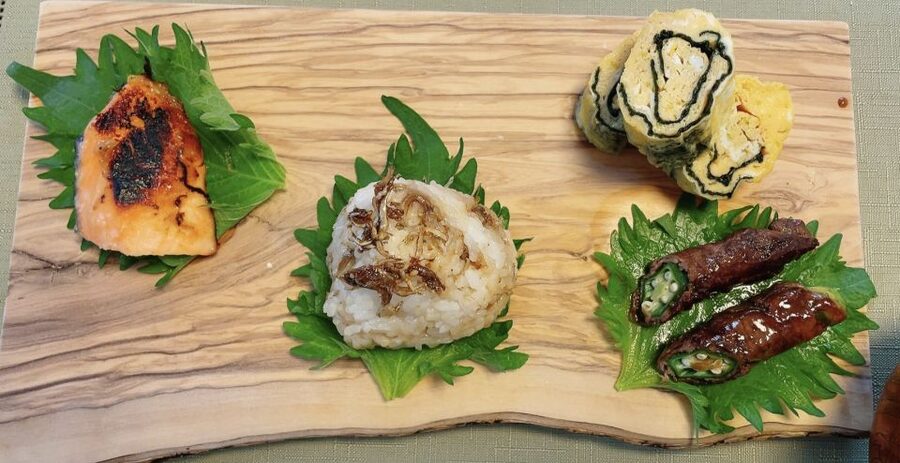
This is a compact lesson in the food Japanese families might prepare at home. You are not simply watching a chef work while plates arrive in front of you. You handle ingredients, follow the cooking steps, and then sit down to eat the meal you helped prepare.
The central lesson is balance. Japanese home cooking often depends on a few carefully chosen elements rather than heavy sauces or a long ingredient list. Dashi gives the soup and other dishes a savory base, miso adds depth, and the fish marinade brings sweetness and salt. The class also covers nutritional balance and food presentation, two subjects that can make a simple meal feel complete.
The menu is manageable for a 150-minute session. You are not trying to make sushi, ramen, tempura, and a dozen side dishes in one afternoon. Instead, the menu concentrates on a few foundations that you can understand and repeat.
That focus is a good fit for you if your goal is to bring a piece of Japanese cooking home. It is less suitable if you want advanced knife work, professional kitchen training, or a wide survey of regional cuisine.
More Sushi and Japanese Classes in Tokyo:
- Ramen & Gyoza Cooking Class in Tokyo with Local Supermarket Visit
★ 5.0 · 823 reviews - Tokyo Tsukiji Fish Market Tour and Sushi Making Lesson
★ 5.0 · 390 reviews - Tokyo: Easy Ramen Cooking Experience in Kabukicho, Shinjuku
★ 4.6 · 321 reviews
Starting with dashi and Japanese home cooking basics
Dashi is the natural starting point. It is a basic Japanese stock that gives many dishes their savory backbone. In this class, you learn about Japanese dashi stock before moving into the rest of the menu.
The value here is not just learning one recipe. Dashi helps explain why Japanese food can taste full without relying on cream, large amounts of oil, or strong spices. Once you understand the stock, miso soup and other dishes make more sense.
The class also covers seasoning and nutritional balance. Those topics are easy to skip in a short cooking lesson, so I appreciate their inclusion. You should come away with a better sense of how salty, sweet, savory, and light flavors work together.
The information provided does not specify the exact ingredients or equipment used for the dashi, so you should not assume the class covers every version of Japanese stock. Still, the lesson gives you a useful entry point into one of the country’s most important cooking methods.
Saikyo-yaki fish brings the strongest flavor
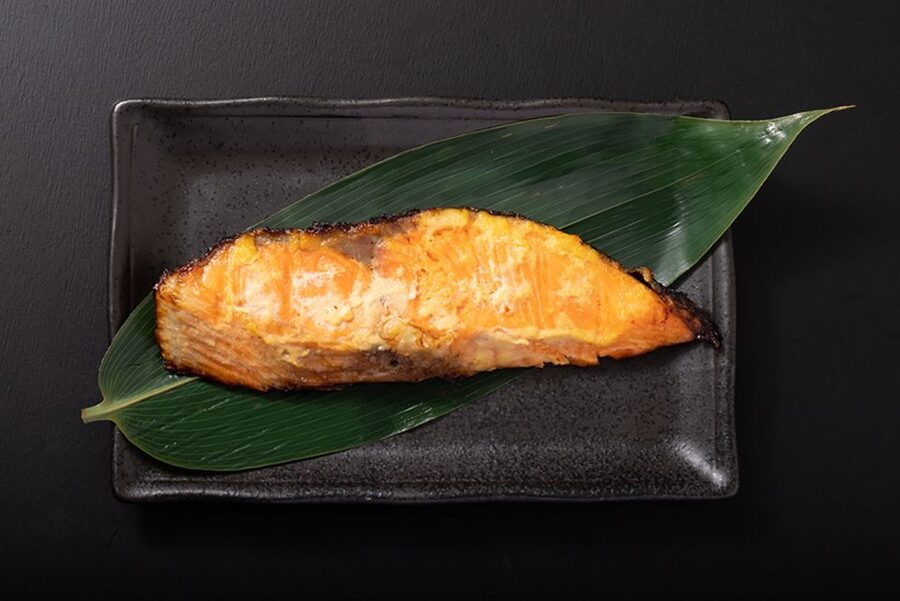
Saikyo-yaki is fish marinated in a sweet white miso style before it is grilled. It is a good choice for a short class because the marinade introduces a distinct Japanese flavor without requiring a complicated sauce.
You learn how the miso treatment changes the fish and how the finished dish fits into a home meal. The result is more interesting than simply grilling a fillet with salt, but it remains realistic for a home kitchen.
The menu description calls this grilled fish with Saikyo-yaki style. It does not identify the type of fish, so you should not book expecting a specific species. You should also keep in mind that this is a fish-centered class, not a plant-based introduction to Japanese food.
For me, this is one of the best parts of the menu. The dish has enough character to feel distinctly Japanese, while the basic idea can be adapted to ingredients available outside Japan. If you enjoy fish and miso, this recipe may become the most useful takeaway from the session.
Dashimaki tamago teaches patience and control
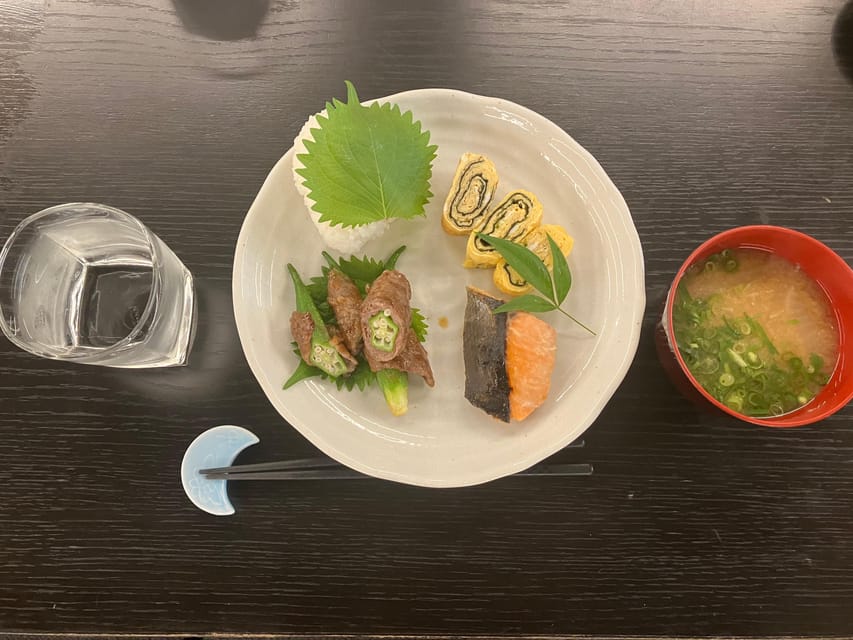
The class also includes dashimaki tamago, a rolled Japanese omelet. This dish looks humble, but it requires control. You need to season the egg properly and roll it into layers instead of cooking it as a loose scramble.
A good instructor can make this step especially useful by showing you how to manage the pan, timing, and shape. The class description promises family recipes and hands-on instruction, so this is a chance to ask about the technique as you work.
There is one important qualification. The listed cooking menu specifically names dashi, grilled fish, rice ball, and miso soup, while dashimaki tamago appears in the broader description of the recipes you may learn. You should confirm the exact day’s menu if the rolled omelet is your main reason for booking.
This small uncertainty matters because a cooking class can feel very different depending on which dishes are prepared in full. The overall experience still centers on home cooking, but the exact lesson may not include every item mentioned in the general description.
More Cooking Classes in Tokyo:
- Ramen and Sushi Cooking Class with Sake Pairing Set in Tokyo
★ 5.0 · 291 reviews - Tokyo: Wagyu and 7 Japanese Dishes Cooking Class
★ 4.9 · 273 reviews - Tokyo Washoku 4-hour Cooking Class: From Market to Table
★ 5.0 · 253 reviews - Small-Group Wagyu Beef and 7 Japanese Dishes Tokyo Cooking Class
★ 5.0 · 190 reviews
Rice, rice balls, and miso soup complete the meal
Rice and miso soup give the class its everyday structure. These are not flashy dishes, but they show how Japanese meals are built around simple staples.
The rice ball adds a hands-on element and helps connect the separate dishes. You are not just making a fish dish on its own. You are preparing several items that belong together on the table.
Miso soup also reinforces the earlier lesson about dashi. You can taste how the stock supports the miso rather than overwhelming it. This is where the class’s focus on seasoning becomes practical instead of theoretical.
The tasting period runs from about 13:00 to 13:30 after the cooking session. That half hour gives you time to eat the meal at a reasonable pace rather than rushing straight from the stove to the next activity.
A friendly English lesson, with some variation in teaching style
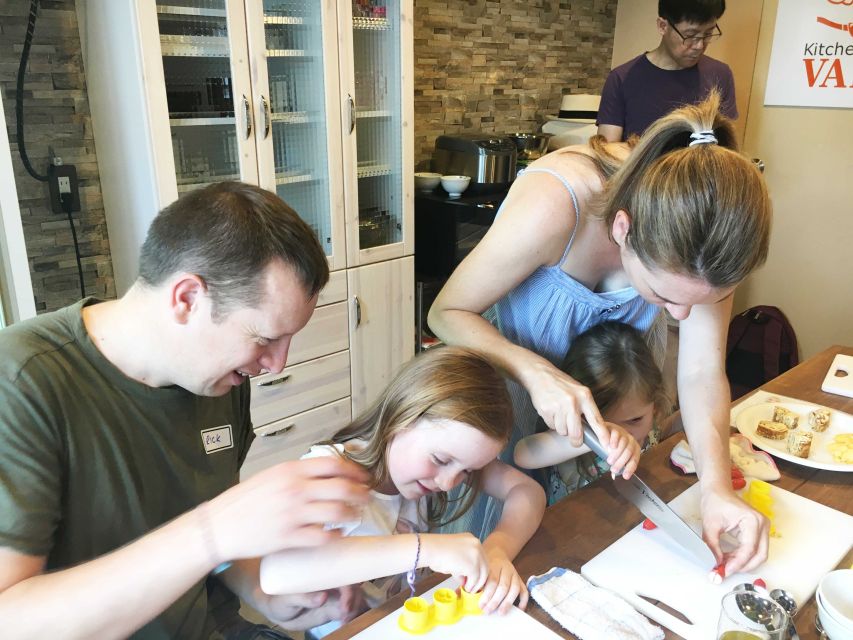
English is the listed language, which makes the class easier to follow if you do not speak Japanese. You can ask about ingredients, cooking methods, and presentation without depending on gestures alone.
Nao and Erika received especially warm praise for being patient and for explaining recipes that were simple enough to repeat at home. That is exactly the kind of teaching that makes a short food class worthwhile. You do not need a professional kitchen background to take part.
Still, the teaching standard may vary by instructor or session. One participant felt the class was run in an amateur way, pointing to dull knives and an instructor who sometimes checked the next recipe step while teaching. That same assessment found the instructor’s English quite good, but felt the lesson did not add enough advice beyond the written recipes.
I would treat this as a useful warning about expectations. The class can give you a pleasant introduction and a few practical dishes. It may not provide the kind of small professional tricks, recipe variations, or precise technique that you would get from a trained culinary teacher.
If you want the most from the lesson, ask questions as you cook. Ask how to adjust salt, how to replace an ingredient, how to avoid drying out the fish, and how to repeat the omelet at home. The more specific your questions, the more likely you are to gain value beyond the printed recipe.
The 150-minute schedule works well for a Tokyo day
The published duration is 150 minutes. The schedule breaks down into cooking from 11:00 to 13:00, followed by tasting from 13:00 to 13:30.
That timing works well if you want a substantial midday activity without giving up an entire day of sightseeing. You can finish with lunch already taken care of, though you should allow time to reach the studio and find the correct entrance.
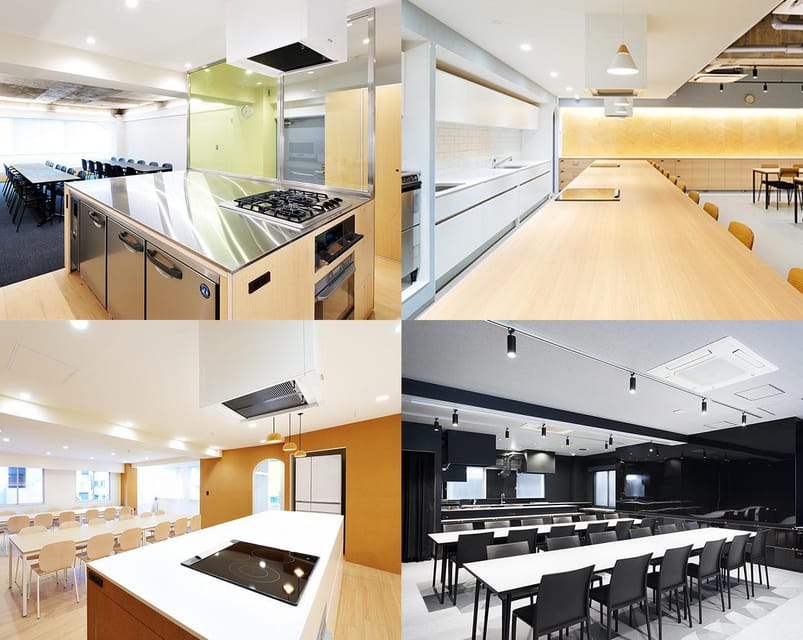
The cooking studios are located near Shinjuku, Chiyoda, and Minato wards. The exact studio address is provided three days before the reservation date, and the map shown during booking may display a different location. This is the most important practical detail to remember.
Do not rely on the map preview. Wait for the designated studio address, then check the route before the morning of your class. Tokyo’s ward names cover a wide area, and a last-minute change in your plan could make a tight arrival uncomfortable.
Hotel pickup and drop-off are not included. You make your own way to the studio, so this experience works best when you build in extra time for public transport, station exits, and finding the right building.
Is $90 a fair price?
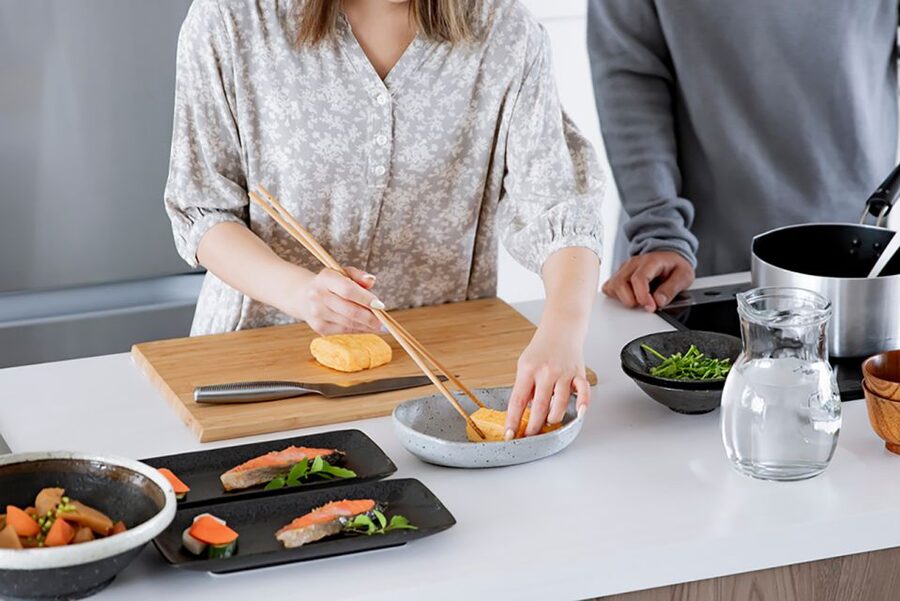
The cost is $90 per person. That includes the cooking class, ingredients, drinks, and the meal you prepare.
The value depends on what you want from the experience. If you mainly want lunch, $90 is expensive. If you want a guided food activity, a meal, English instruction, and recipes you can try at home, the price is more reasonable.
I would compare it with the cost of a standard Tokyo meal plus a separate activity. Here, the meal is part of the lesson, and you get time with an instructor rather than simply receiving a finished plate. The small class format is not clearly described, so you should not assume one-on-one attention or a private session.
The mixed assessment of teaching quality also affects the value. Nao and Erika were praised for patience and useful recipes, but one participant expected stronger professional guidance. At this price, I would book for the cultural and practical experience, not for advanced culinary training.
The reserve-now-and-pay-later option can help if your Tokyo plans are still changing. Free cancellation is available up to 24 hours before the activity for a full refund. Those terms make it easier to hold a place while you settle your schedule.
Who should book this experience?
I would recommend this class to curious eaters who want more than a restaurant meal. It suits you especially well if you like fish, eggs, miso, rice, and Japanese flavors that are subtle rather than spicy or heavy.
It is also a good choice for couples, friends, and solo visitors who enjoy making something with their hands. The recipes are described as simple enough to recreate at home, and that gives the class value after your Tokyo trip ends.
Families with very young children should choose another activity. Children under three are not allowed, and the class is not suitable for people with back problems. The activity is also not suitable for vegans.
Vegetarians should check the exact menu before booking. The listed dishes include fish and dashi, and the activity is clearly built around traditional home cooking rather than a plant-based menu.
You should think twice if you already cook Japanese food often or want a high-level culinary lesson. The class may feel too basic, especially if you can already prepare dashi, miso soup, grilled fish, and rolled omelet without help.
Small details that can make the class better
Wear clothes you are comfortable cooking in. Smoking indoors is not allowed, and you should be ready to take part rather than simply watch.
Read the final studio instructions carefully when they arrive. Since the address shown on the map may not be correct, this step matters more than usual.
Arrive with a short list of questions. Ask about ingredient swaps, seasoning levels, and how to present the meal at home. These are the areas where a basic class can become much more useful.
Do not expect every session to feel like a polished culinary school. The available feedback shows both sides: warm, patient instruction from Nao and Erika, along with a concern that at least one session lacked sharp tools and extra teaching beyond the recipe.
Should you book the Japanese home-style cooking class?
Book it if you want a friendly, English-language introduction to Japanese home cooking and like the idea of eating a meal you helped make. The menu covers several foundations, the schedule fits neatly into a Tokyo day, and the recipes are practical rather than showy.
Skip it if you are vegan, need a fully accessible activity for back problems, or expect professional chef-level instruction. At $90, the class earns its value through participation, food, and cultural context. Go in expecting a solid home-cooking lesson, ask plenty of questions, and confirm the studio address three days before you go.
FAQ
How much does the cooking class cost?
The class costs $90 per person.
How long does the experience last?
The total duration is 150 minutes. Cooking is scheduled from 11:00 to 13:00, followed by tasting from 13:00 to 13:30.
What food will I prepare?
The menu includes Japanese dashi stock, grilled fish in Saikyo-yaki style, a rice ball, and Japanese miso soup. Dashimaki tamago is also described as one of the family recipes taught, but you should confirm the exact session menu.
Is the meal included?
Yes. Ingredients, drinks, and the meal made during the class are included.
Is the class taught in English?
Yes. English is the listed language for the instructor.
Where does the cooking class take place?
The studios are near Shinjuku, Chiyoda, and Minato wards. The exact location is sent three days before the reservation date.
Is hotel pickup included?
No. Hotel pickup and drop-off are not included.
Can vegans join the class?
No. The activity is not suitable for vegans.
Can children under three attend?
No. Children under three are not allowed to join.
Can I cancel for a full refund?
Yes. You can cancel up to 24 hours in advance for a full refund. A reserve-now-and-pay-later option is also available.
Newest classes around Tokyo
- Tokyo: Sushi roll and side dish cooking experience★ 5.0 · 2 reviews
- Tokyo: Sushi Making Experience & Japanese Cooking Class★ 5.0 · 2 reviews
- Tokyo: Sushi Cooking Class with Sake Tasting★ 4.8 · 55 reviews
- Tokyo: Real Ramen & Dumpling Cooking with Master Chef★ 5.0 · 10 reviews
- Tokyo: Sushi and Ramen Cooking Class with Sake Pairing Set★ 5.0 · 81 reviews
- Tokyo: Kawaii Bento Cooking Class – Cute Character Lunchbox★ 4.9 · 55 reviews
- Tokyo: Gyoza Making from Scratch – Ultimate Cooking Class★ 5.0 · 2 reviews
- Tokyo: Night Cooking Class: 5 Home-Cooked Japanese Dishes★ 4.9 · 13 reviews
Tokyo Cooking Classes, compared.

Ramen & Gyoza Cooking Class in Tokyo with Local Supermarket Visit
Read our review →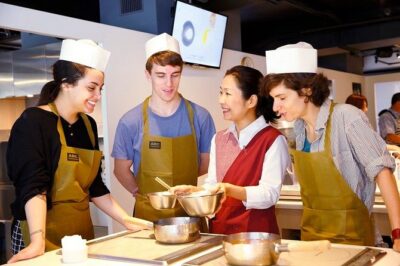
Tokyo Tsukiji Fish Market Tour and Sushi Making Lesson
Read our review →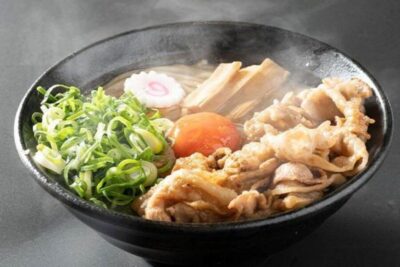
Easy Ramen Cooking Experience in Kabukicho, Shinjuku
Read our review →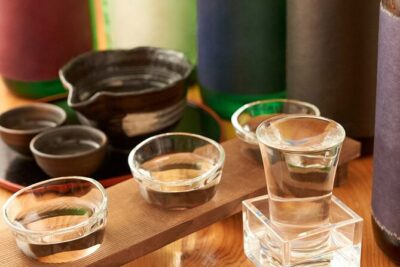
Ramen and Sushi Cooking Class with Sake Pairing Set in Tokyo
Read our review →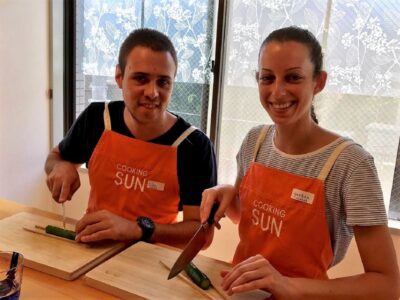
Tokyo Washoku 4-hour Cooking Class: From Market to Table
Read our review →
Small-Group Wagyu Beef and 7 Japanese Dishes Tokyo Cooking Class
Read our review →
Private Home Cooking in Yanaka – Local Flavors in a Warm Setting
Read our review →Browse the lists this tour appears in