
Review · TOKYO COOKING CLASSES
Tokyo Tsukiji Fish Market Tour and Sushi Making Lesson
Tsukiji is most rewarding when you have someone to explain what you are seeing, where to sample, and how to move through its tight food stalls. This three-hour experience pairs that market walk with a practical cooking class, so you can first inspect fresh seafood and Japanese snacks, then prepare your own meal.
I like the small groups of up to six and the help from English-speaking guides such as Akiko, Lucy, Nobu, and Yoko. I also like the clear connection between food shopping and cooking, even though the ingredients used in class are not necessarily bought at Tsukiji. The main caution is value: if you already make sushi at home, the class may feel fairly basic for $99.49.
- Tsukiji Outer Market: Spend about an hour among seafood stalls, prepared foods, and specialty ingredients.
- Local tasting stops: Try items such as tamagoyaki, mochi, dried scallops, soybeans, and small dried seafood snacks, depending on the day.
- Hands-on cooking: Prepare sushi, tamagoyaki, miso soup, and side dishes with an instructor.
- Small-group format: The maximum group size is six, which gives you more room to ask questions and practice.
- Meal and drink included: Eat what you prepare with water, soft drinks, wine, or plum sake.
- Family-friendly limits: Children must be at least 9 years old and 130 centimeters tall.
Starting at Tsukiji Hongwanji Temple
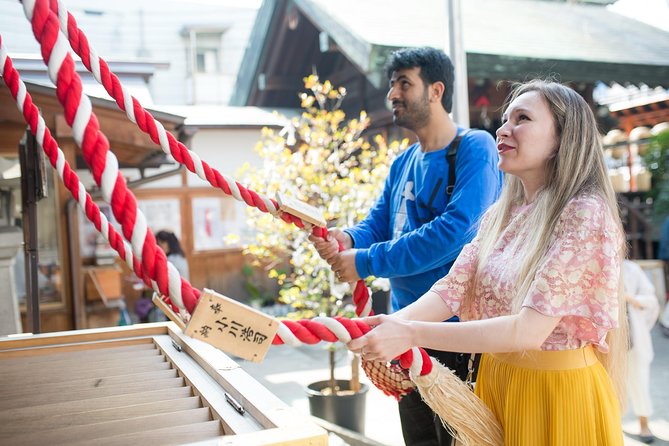
The meeting point is outside Tsukiji Hongwanji Temple, at 3-chome-15-1 Tsukiji. This is a useful place to begin because the temple is close to the market and gives you a quick visual introduction to Tokyo’s religious architecture.
Allow a few minutes to look at the building before the walk starts. Its exterior has South Asian and Indian design touches, while the interior feels quite different. The temple stop lasts about five minutes, so this is an orientation point rather than a full temple visit.
Arrive ready to walk. No hotel pickup is provided, and the tour ends somewhere different from the starting point. The activity uses a mobile ticket, and the meeting point is near public transportation.
Finding Tsukiji’s Best Food Stalls
The main market visit lasts about an hour. This is the part where a local guide adds the most practical value. Tsukiji Outer Market is easy enough to enter on your own, but its narrow lanes can feel confusing, and many signs and product labels are in Japanese.
A guide can explain what you are looking at and help with simple communication at stalls. Guides named Akiko, Lucy, Nobu, Yoko, Miho, and Shitomi have led sessions associated with this experience, though your guide will depend on the date.
Expect a food market rather than the old wholesale fish exchange. The famous tuna auction is not included. Instead, you will walk through the Outer Market, where shops sell seafood, produce, dried goods, kitchen items, and ready-to-eat bites.
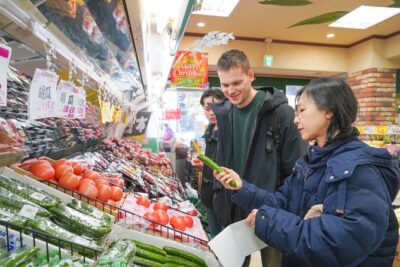
You might see giant tuna, sea urchin, octopus, dried seafood, and other ingredients arranged for sale. Sampling depends on the stalls visited and what is available that day. Specific foods reported during the walk include tamagoyaki on a stick, red bean mochi with strawberries, dried scallops, dried soybeans, and small dried crabs with a spicy, crunchy taste.
That sampling is one reason I would choose a guided visit over walking through the market alone. You do not have to guess which stall welcomes sampling, and you can ask what a food is before buying it. A guide can also point out favorite stops while still allowing you to pause at places that catch your eye.
The schedule may give you about 70 minutes in the Outer Market rather than exactly one hour. That extra time matters if you enjoy tasting and browsing, but it still is not long enough for a slow, serious shopping trip.
You should eat lightly before this tour. A full breakfast can leave you too stuffed to try the market foods, and the cooking class ends with a proper meal.
More Cooking Classes with a Market Tour in Japan
- Tokyo Washoku 4-hour Cooking Class: From Market to Table
★ 5.0 · 253 reviews - Tokyo: Tsukiji Market Walking Tour & Sushi Cooking Class
★ 4.6 · 122 reviews - Nishiki Market Food Tour with Cooking Class
★ 4.9 · 42 reviews
What the Market Walk Does Not Include
The market visit is a guided introduction, not a seafood-buying mission for the cooking class. The ingredients prepared later may differ from the foods you see or sample at Tsukiji, and the class menu changes with the season, supply, and arrival of ingredients.
That distinction is important. If you expect to choose a tuna fillet at Tsukiji and then carry it to class, this is not that kind of tour. The market and kitchen are connected by theme, but they are separate parts of the experience.
The route may also include a short walk through the Ginza area before reaching the cooking studio. This can add a pleasant look at a more polished part of central Tokyo, but the central purpose remains the market and class.
Taking Transport to ABC Cooking Studio
After the market, you travel with the guide to ABC Cooking Studio. Transportation between Tsukiji and the cooking studio is included. The transfer helps keep the experience organized, though the studio is not directly beside the market.
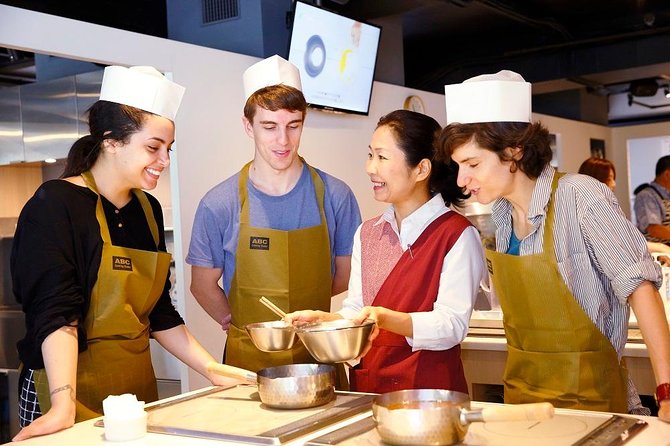
The cooking school is clean, bright, and professionally arranged. It is part of a large Japanese cooking-school network, with many studios around Japan and Asia. That means you are learning in a proper teaching kitchen rather than in a private home or an improvised market space.
You receive an apron and drinking water at the studio. The class is led by a cooking instructor, with the market guide sometimes assisting. In several sessions, the guide stayed to help with translation and practical questions.
The English level can vary between guides and instructors. Some sessions have featured very strong English, while others have relied on simple explanations. The staff are described as friendly and patient, but you should not expect a long academic talk about sushi culture.
Making Sushi, Tamagoyaki, and Miso Soup
The cooking section lasts about 90 minutes. The exact menu changes, but the usual work includes sushi rolls, nigiri or other sushi pieces, tamagoyaki, miso soup, stock, and small side dishes.
Tamagoyaki is the Japanese rolled omelet made by cooking thin layers of egg and rolling them together. It looks simple, but getting the shape right takes a little practice. This is often a favorite part for families because it is a recognizable Japanese dish that you can try again at home.
You may also prepare a sushi roll and, depending on the lesson, nigiri or several kinds of rolled sushi. The class emphasizes basic homemade methods rather than advanced restaurant technique. You will handle the ingredients, follow the instructor’s steps, and assemble food that you later eat.
That makes the class most useful for beginners. If you have never made sushi, the lesson gives you a clear starting point and the confidence to try a basic version at home. If you already make maki and tamagoyaki regularly, the instruction may feel too elementary.
The pace is generally manageable for families and mixed-age groups. The minimum age is 9, and the minimum height is 130 centimeters. No strollers or luggage are permitted, so plan to leave large items elsewhere before meeting the group.
More Seafood Classes in Tokyo:
- Seafood paella cooking class, tapas and visit to Ruzafa market.
★ 5.0 · 328 reviews - Barcelona: Paella Seafood Master Cooking Class with Sangria
★ 5.0 · 73 reviews - Rooftop Paella Seafood Cooking Class Experience in Barcelona
★ 5.0 · 59 reviews - Miraflores: Amazing Peruvian Cooking Class Ceviche Seafood and Pisco Sour
★ 4.9 · 57 reviews
Sitting Down to Eat Your Own Work
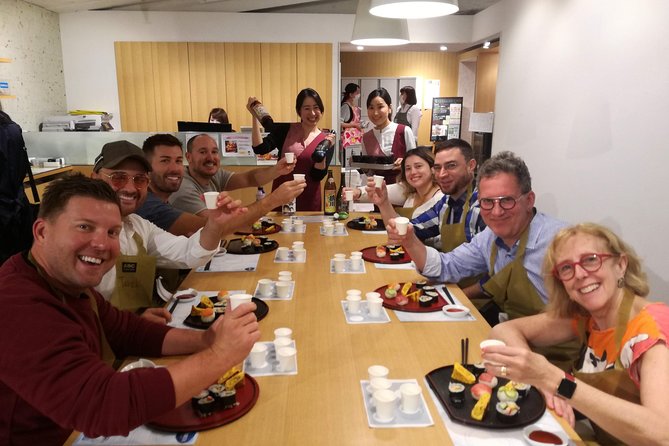
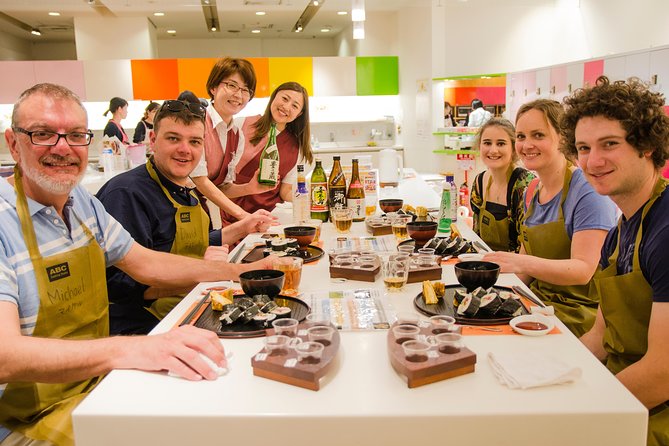
The class ends with lunch made from the prepared dishes. You can have water, soft drinks, wine, or plum sake with the meal. This is not just a demonstration followed by a quick taste. The point is to sit down and eat what you have prepared.
The amount of food is a value question. Some people find the meal satisfying and complete, especially when it includes sushi, soup, omelet, and side dishes. Others feel that the quantity is modest for the price.
You should think of the lunch as part of a lesson, not as a substitute for a high-end sushi meal. You are paying for the guide, market orientation, translation help, ingredients, studio, instructor, and activity itself. If you compare the cost with buying lunch at Tsukiji, the tour is expensive. If you want a structured class and a market introduction in one morning, the price is easier to justify.
The Real Value of a Six-Person Group
The maximum of six people is a strong feature. A large cooking class can leave you waiting for a turn or trying to see a demonstration from the back. With six or fewer, the instructor has a better chance to correct your rolling technique, answer questions, and keep the lesson moving.
The small size also helps at Tsukiji. Narrow market aisles are not ideal for a large group, and a compact party can stop without blocking as much space. You still need to be aware of shoppers and stall workers, but the format is less awkward than a big walking tour.
If two families or separate bookings want to join the same group, make one reservation for everyone if possible. Separate bookings may not automatically be placed together. It may be possible to ask the operator to combine them, but do not rely on that at the last minute.
How This Tour Handles Language and Food Questions
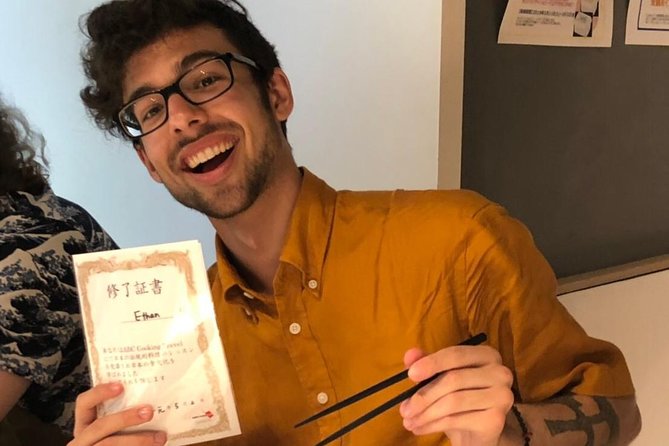
The English-speaking guide is especially useful at the market. You can ask what a product is, how it is eaten, and whether a stall offers samples. That removes much of the guesswork from a place where product names and customs may be unfamiliar.
At the cooking studio, instructions are given in English, but the quality of communication can vary. Some classes have clear, detailed explanations. Others may feel light on background about sushi traditions and Japanese food customs.
You can ask for alternative ingredients. That is helpful if you have a dietary concern or dislike a particular item, though the information provided does not promise that every allergy or restriction can be accommodated. Tell the operator in advance rather than waiting until the class begins.
The menu is seasonal. The ingredients shown in promotional images are not guaranteed, so book this for the style of activity rather than for one exact plate.
Weather, Timing, and Practical Limits
The walking portion depends on good weather. If poor weather forces cancellation, you can receive a full refund or be offered another date. The experience also requires at least two participants to operate, so a cancellation caused by low numbers comes with a new date or a full refund option.
You can cancel for a full refund up to 24 hours before the start time. Changes or cancellations made inside 24 hours are not accepted for a refund.
The total duration is about three hours. The market portion is roughly an hour, the temple stop about five minutes, and the cooking class about 90 minutes, with transport between the two main locations.
Because the tour starts in the morning and ends elsewhere, it works well as a first half-day activity. Do not book it immediately before a fixed appointment unless you leave extra time for the transfer and the meal.
Who Will Enjoy This Most
I would recommend this experience to first-time visitors who want a guided introduction to Japanese food without committing to a formal food tour and a separate cooking class. It also suits families with children old enough to meet the age and height rules.
It is a good choice if you want someone to help you navigate Tsukiji, explain unfamiliar ingredients, and handle basic language barriers. The cooking lesson gives you something active to do, rather than simply watching a chef work.
Food-focused visitors who already know Tsukiji may find the market section familiar. Experienced home sushi makers may also find the class too basic. If your main goal is to eat premium seafood, spend more time exploring stalls independently instead.
The format is less suited to anyone with luggage, a stroller, or a need for a fully accessible setup, since those items are not allowed. The walk also involves standing and moving through market lanes.
Should You Book the Tsukiji and Sushi Class?
Book it if you want a friendly, compact introduction to Tsukiji followed by a hands-on Japanese meal. The strongest reasons are the small group, the market translation help, the chance to sample local foods, and the useful beginner recipes.
Skip it if you want the tuna auction, a serious seafood-shopping expedition, or an advanced sushi course. You can also visit the Outer Market independently, often with more time and freedom, though you will lose the guide’s help in choosing stalls and understanding what you see.
At $99.49, the experience makes the most sense when you value structure and instruction. For a first visit to Tokyo, especially with older children or a small family group, the combination is practical and fun. For experienced cooks, the market may be the better part, while the class serves as a pleasant but elementary finale.
FAQ
Where does the tour begin?
It begins outside Tsukiji Hongwanji Temple at 3-chome-15-1 Tsukiji, Chuo City, Tokyo 104-8435, Japan.
Where does the tour end?
The activity ends at a different location from the starting point. The cooking studio is the final main stop.
How long does the experience last?
It lasts approximately three hours.
Is the tuna auction included?
No. Watching the tuna auction is not included.
Does the tour include transport?
Yes. Transportation between Tsukiji Market and the cooking studio is included.
What food will I make?
The class typically includes sushi rolls, tamagoyaki, and side dishes. Miso soup, stock, nigiri, and other sushi preparations may also be included, depending on the menu.
Is lunch included?
Yes. You eat the food prepared during the class. Water is included, and you can choose from wine, plum sake, or soft drinks.
What is the minimum age?
The minimum age is 9 years old.
Is there a minimum height?
Yes. Participants must be at least 130 centimeters, or about 4.2 feet, tall.
Can I cancel for a refund?
You can cancel up to 24 hours before the start time for a full refund. Cancellations or changes made less than 24 hours before the experience are not refunded or accepted.
More Cooking Classes with a Market Tour in Tokyo
- Hanoi Cooking Class: Culture, Local Market & Meaning CSR Impact
★ 5.0 · 5,147 reviews - 5 Traditional Dishes Hanoi Cooking Class with Market Trip
★ 5.0 · 4,890 reviews - Cooking Class and Lunch at a Tuscan Farmhouse with Local Market Tour from Florence
★ 5.0 · 4,831 reviews - Chiang Mai: Cooking Class, Market & Thai Herbs Garden Tour
★ 4.9 · 4,824 reviews
More Sushi and Japanese Classes in Tokyo
- Ramen & Gyoza Cooking Class in Tokyo with Local Supermarket Visit
★ 5.0 · 823 reviews - Tokyo: Easy Ramen Cooking Experience in Kabukicho, Shinjuku
★ 4.6 · 321 reviews - Ramen and Sushi Cooking Class with Sake Pairing Set in Tokyo
★ 5.0 · 291 reviews - Tokyo: Wagyu and 7 Japanese Dishes Cooking Class
★ 4.9 · 273 reviews
Newest classes around Tokyo
- Tokyo: Sushi roll and side dish cooking experience★ 5.0 · 2 reviews
- Tokyo: Sushi Making Experience & Japanese Cooking Class★ 5.0 · 2 reviews
- Tokyo: Sushi Cooking Class with Sake Tasting★ 4.8 · 55 reviews
- Tokyo: Real Ramen & Dumpling Cooking with Master Chef★ 5.0 · 10 reviews
- Tokyo: Sushi and Ramen Cooking Class with Sake Pairing Set★ 5.0 · 81 reviews
- Tokyo: Kawaii Bento Cooking Class – Cute Character Lunchbox★ 4.9 · 55 reviews
- Tokyo: Gyoza Making from Scratch – Ultimate Cooking Class★ 5.0 · 2 reviews
- Tokyo: Night Cooking Class: 5 Home-Cooked Japanese Dishes★ 4.9 · 13 reviews
Tokyo Cooking Classes, compared.
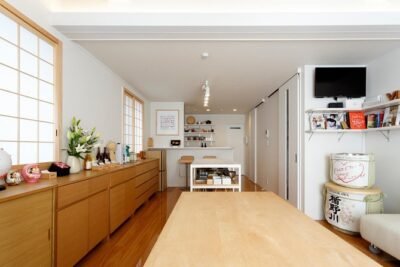
Ramen & Gyoza Cooking Class in Tokyo with Local Supermarket Visit
Read our review →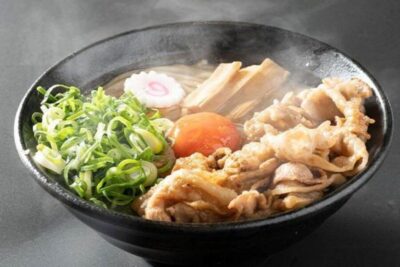
Easy Ramen Cooking Experience in Kabukicho, Shinjuku
Read our review →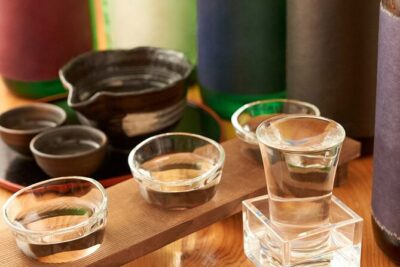
Ramen and Sushi Cooking Class with Sake Pairing Set in Tokyo
Read our review →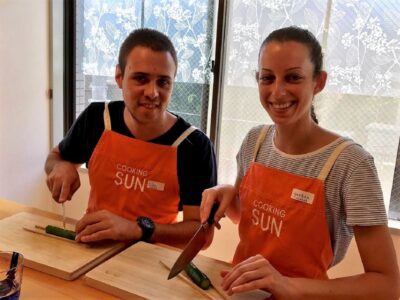
Tokyo Washoku 4-hour Cooking Class: From Market to Table
Read our review →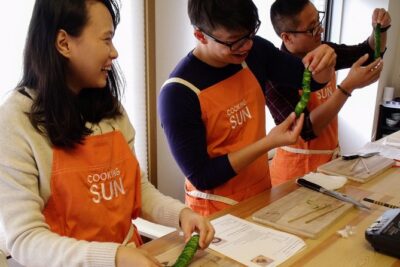
Small-Group Wagyu Beef and 7 Japanese Dishes Tokyo Cooking Class
Read our review →
Private Home Cooking in Yanaka – Local Flavors in a Warm Setting
Read our review →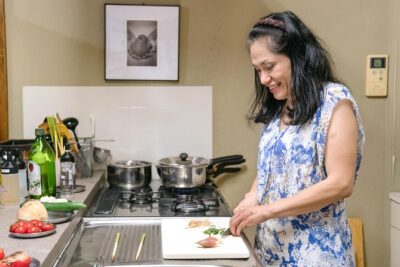
Unique Private Cooking Class with a Tokyo Local Emi
Read our review →Browse the lists this tour appears in