
Review · TOKYO COOKING CLASSES
Shinjuku Tokyo: Authentic Japanese Home-Style Culinary Class
The best part of this class is that you do not just watch someone make Japanese food. You prepare a full meal, from chopping and mixing to shaping, grilling, rolling, and plating. The menu choices range from okonomiyaki and yakisoba to sushi, teriyaki, gyoza, takoyaki, and a traditional gozen meal.
I like the small, personal setting, where instructors such as Kana, Kayo, Lulu, and Chieko can answer questions and adjust dishes. I also like the practical focus: you leave with recipes and techniques you can repeat at home, not just a full stomach.
The main thing to consider is that the class takes place in a kitchen studio near Shinjuku, not at a famous sightseeing site, and the exact address arrives after booking. If another group joins your session, your menu choice may also be limited.
Key points at a glance
- Five menu paths: Pick from okonomiyaki and yakisoba, gyoza and takoyaki, rolled sushi and teriyaki, a traditional gozen set, or request another menu in advance.
- A full 150-minute session: You cook several dishes, sit down to eat them together, and have time to ask about ingredients and technique.
- English instruction: The instructors explain recipes and Japanese food customs in English, with names such as Kana, Kayo, Lulu, Miyuki, and Chieko appearing among the teaching team.
- Good for families: Children and teenagers can take part, and the cooking can be adjusted for different experience levels.
- Dietary planning is possible: Vegetarian, vegan, and allergy-related requests should be discussed before the class.
- Strong value at $88: Ingredients, tools, water, instruction, and the meal are included, making this more than a short demonstration.
Cooking Japanese food in a Shinjuku kitchen
Shinjuku is one of Tokyo’s most useful bases. It has major train connections, hotels at every price level, department stores, restaurants, and plenty of evening activity. This cooking class makes good use of that central location without trying to turn the kitchen into a sightseeing attraction.
You meet at a kitchen studio in or around Shinjuku. The exact address is sent after booking, so you should wait for the organizer’s message and follow the directions closely. One person had trouble finding the entrance because the building address led to a part of the building without an obvious door. The issue was solved by telephone, but this is a good reason to allow extra time and keep your phone available.
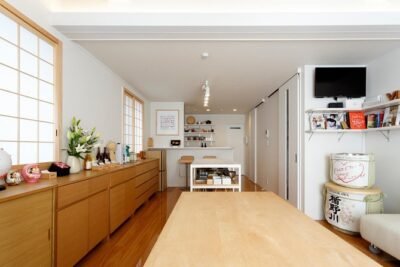
The setting is part of the appeal. You are not in a large cooking school with a stage and a crowd. The class can feel private, particularly when your group is the only booking. That gives you more room to ask about Japanese ingredients, cooking habits, restaurant customs, and the small details that do not fit into a standard recipe.
The class is taught in English. The instructors vary by date, and named teachers have included Kana, Kayo, Lulu, Miyuki, Chieko, Aki, Miho, and Erica. English ability and teaching style can vary slightly from one instructor to another, but the experience is designed for English-speaking visitors.
More Sushi and Japanese Classes in Tokyo:
- Ramen & Gyoza Cooking Class in Tokyo with Local Supermarket Visit
★ 5.0 · 823 reviews - Tokyo Tsukiji Fish Market Tour and Sushi Making Lesson
★ 5.0 · 390 reviews - Tokyo: Easy Ramen Cooking Experience in Kabukicho, Shinjuku
★ 4.6 · 321 reviews
Choosing between five Japanese menus
You select a menu when booking, but there is one important condition. If your group is the only group attending that day, you can choose from the listed options. If another group shares the session, you might not get your first choice.
The menu options are useful because they represent different sides of everyday Japanese food. They are not all sushi classes, and that makes the experience more interesting for a first visit to Japan.
Okonomiyaki and yakisoba
The okonomiyaki set is a good choice if you want a lively, casual meal. You mix batter with chopped cabbage and other ingredients, cook it on a teppan grill, and finish it with sauces and toppings.
Yakisoba adds a second popular dish. You stir-fry noodles with vegetables and usually seafood or pork, then coat them in a sweet-savory sauce. Side dishes round out the meal.
This menu gives you two famous Japanese comfort foods and several cooking methods in one session. It is also likely to suit families because the preparation is hands-on and the finished food is familiar in flavor and texture.
Gyoza and takoyaki
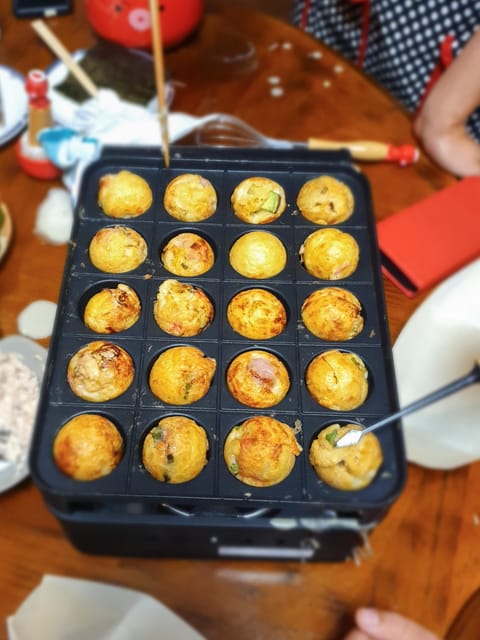
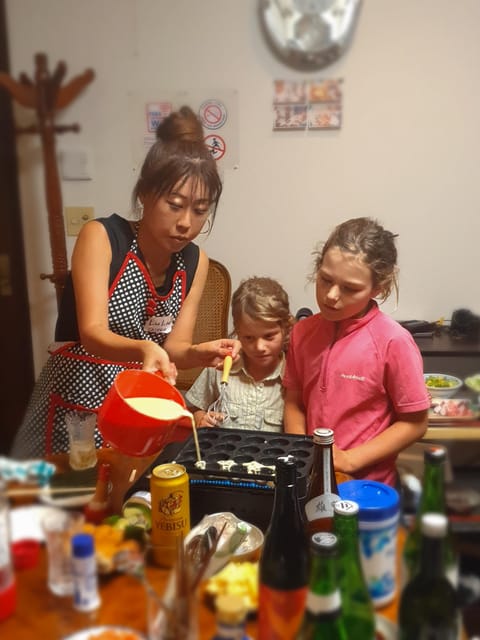
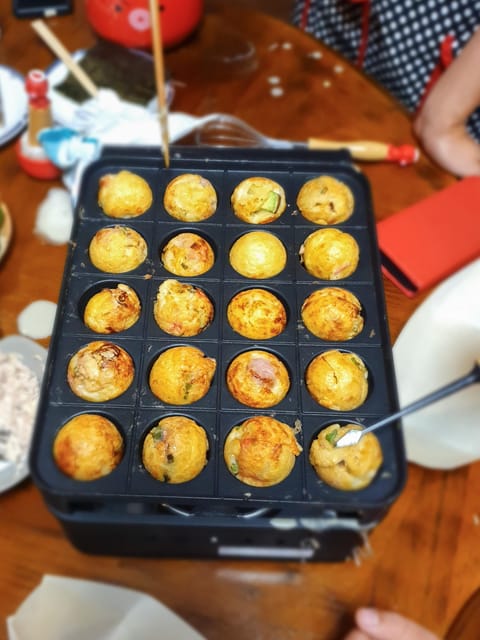
The gyoza and takoyaki menu is especially playful. You make crisp, pan-fried gyoza and takoyaki, the round Osaka-style dumplings cooked in a special molded pan.
Takoyaki is often associated with summer festivals and casual street food. Making it yourself requires more attention than it first appears, since the dumplings must be turned as they cook. That makes it a fun choice if you want an activity rather than a quiet lesson.
This option may be less suitable if you prefer a balanced sit-down meal with soup, rice, and several small dishes. It is a strong pick for families, groups of friends, and anyone curious about food they may not get the chance to prepare at home.
More Cooking Classes in Tokyo:
- Ramen and Sushi Cooking Class with Sake Pairing Set in Tokyo
★ 5.0 · 291 reviews - Tokyo: Wagyu and 7 Japanese Dishes Cooking Class
★ 4.9 · 273 reviews - Tokyo Washoku 4-hour Cooking Class: From Market to Table
★ 5.0 · 253 reviews - Small-Group Wagyu Beef and 7 Japanese Dishes Tokyo Cooking Class
★ 5.0 · 190 reviews
Rolled sushi, teriyaki, and miso soup
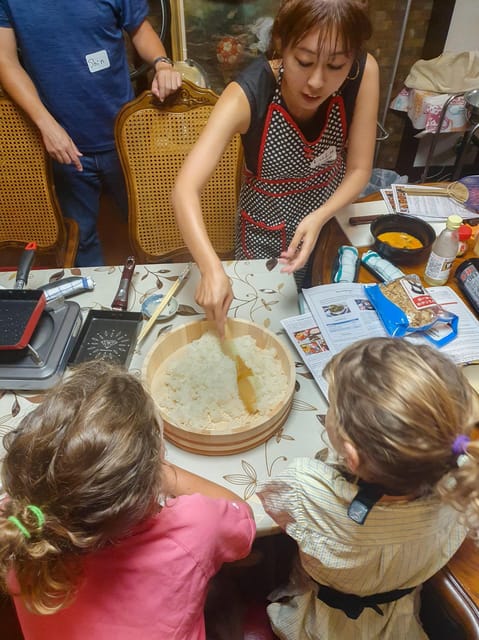
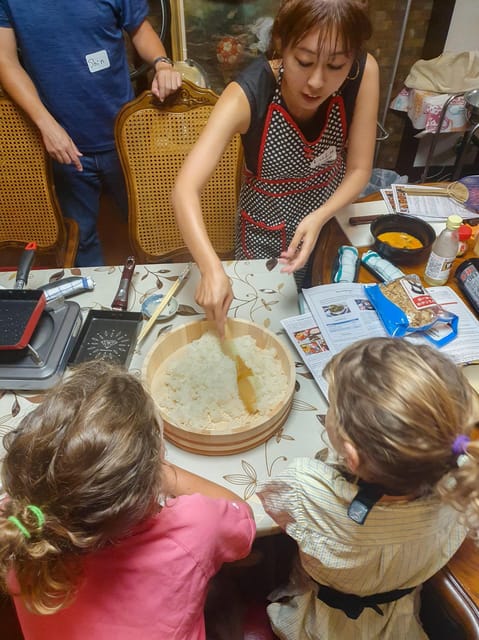
The rolled sushi menu teaches you to assemble and cut your own sushi pieces. You pair the sushi with either yellowtail fish or chicken teriyaki, plus miso soup.
This is a practical menu for home cooks. You learn how to make a meal that is recognizable, adaptable, and realistic to prepare outside Japan. One participant specifically found that sushi and miso soup could be recreated at home after the class.
The teriyaki choice also gives you some flexibility. If you are not comfortable with fish, chicken may be the easier option, though you should confirm your preference before the session.
Traditional gozen set
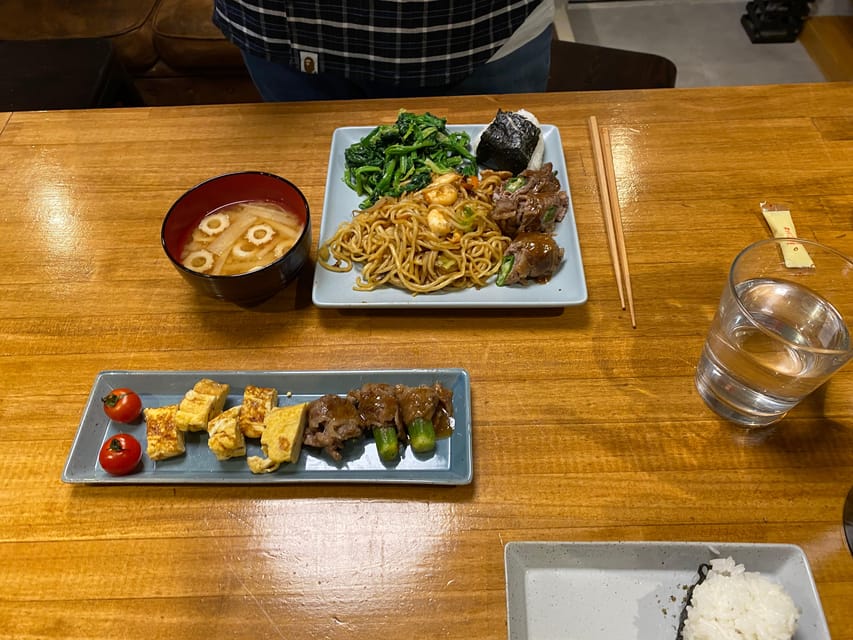
The gozen meal is the best choice if you want a rounded picture of Japanese home cooking. It includes a meat plate, a fish plate, a side dish, miso soup, and an onigiri rice ball.
The appeal here is variety. Instead of focusing on one famous food, you learn how several dishes work together as a Japanese meal. You also get a sense of balance between rice, soup, protein, and smaller side dishes.
A special request may be possible. One group chose the gozen meal and arranged chicken teriyaki as part of it. Do not assume every request can be met, but ask in advance and explain your preferences clearly.
A requested menu
The class also accepts menu requests. You can contact the organizer with an idea and discuss what may be possible.
This is particularly useful for dietary needs or for returning visitors who have already made sushi or okonomiyaki elsewhere. The organizer prepares ingredients in advance, so requests need to be made early rather than at the kitchen door.
What the 150-minute class feels like
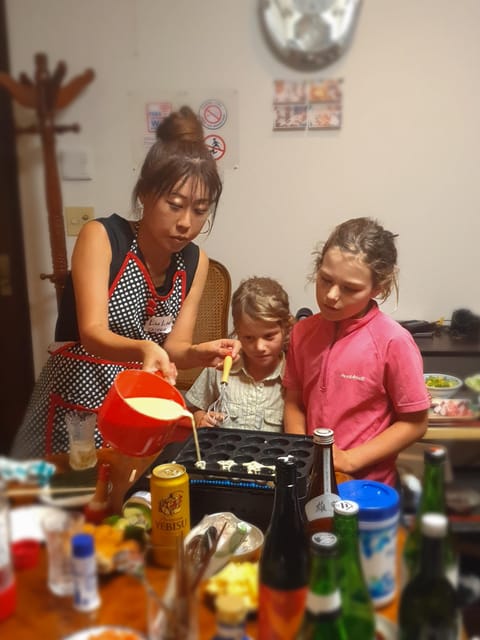
The session lasts about two and a half hours. The instructor prepares the ingredients before you arrive, which leaves more time for cooking and conversation.
You should expect an introduction to the dishes, ingredients, and basic techniques before getting to work. The exact order depends on the menu, but the class can include chopping, mixing batter, folding gyoza, turning takoyaki, rolling sushi, preparing soup, grilling, and arranging the finished food.
The teaching style is participatory. You are encouraged to help with the cooking rather than simply sit and watch. Still, the balance can vary. One participant who already enjoyed cooking would have preferred to do more of the work instead of watching the instructor handle some steps.
That is a fair point. The class is aimed at a broad audience, including children and people with little cooking experience. An instructor may take over a tricky stage to keep the meal on track. If you cook regularly and want maximum time at the stove, say so at the start.
The cultural background is one of the class’s strongest features. Instructors explain how ingredients are used and why the dishes matter in Japanese daily life. You may hear about the difference between casual food and a more complete home meal, not just the mechanics of following a recipe.
At the end, you sit down and eat what you have made. Portions can be generous, with enough food to leave some people full for much of the day. Drinking water is included, as are the cooking tools, ingredients, fees, and taxes.
The instructors make the difference
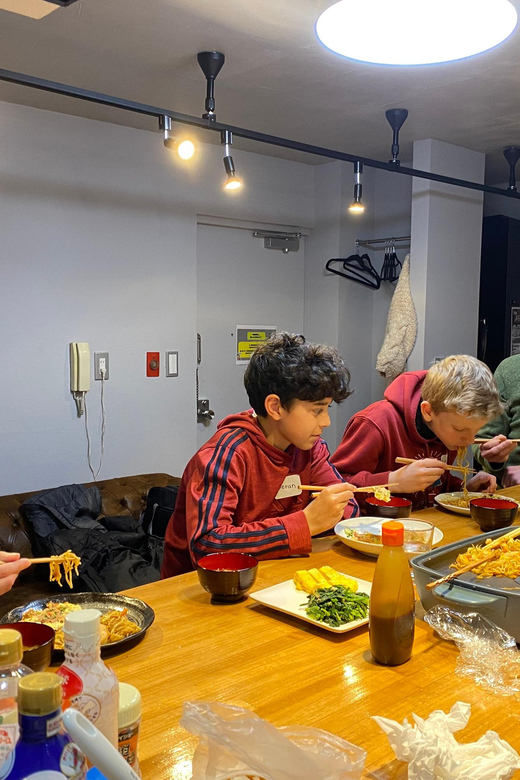
A cooking class lives or dies by its teacher, and this one has earned strong marks for warm, patient instruction. Kana has been praised for answering many questions and making the session feel welcoming. Kayo has been noted for explaining both dishes and cooking techniques clearly.
Lulu, also referred to as Chieko in some sessions, has helped shape menus around food preferences, explained Japanese culture, offered restaurant suggestions, and shared recipes after class. Chieko has also taught traditional recipes and worked with an assistant named Yuki.
Miyuki has been described as friendly, funny, and patient, while Aki and Miyuki have worked well with families that included both experienced cooks and a teenager eager to learn. These details matter because the class is not built around a single scripted performance. The personality and approach of the instructor are part of what you receive.
The class also works well for children. A family with four children aged seven to twelve found that the instructors made the activities accessible to everyone. Another family with teenagers considered the session a favorite part of a Japan trip.
You should still tell the organizer the ages and needs of children in your group. The class is family-friendly in practice, but the exact cooking tasks will depend on the menu and instructor.
Dietary needs and food allergies
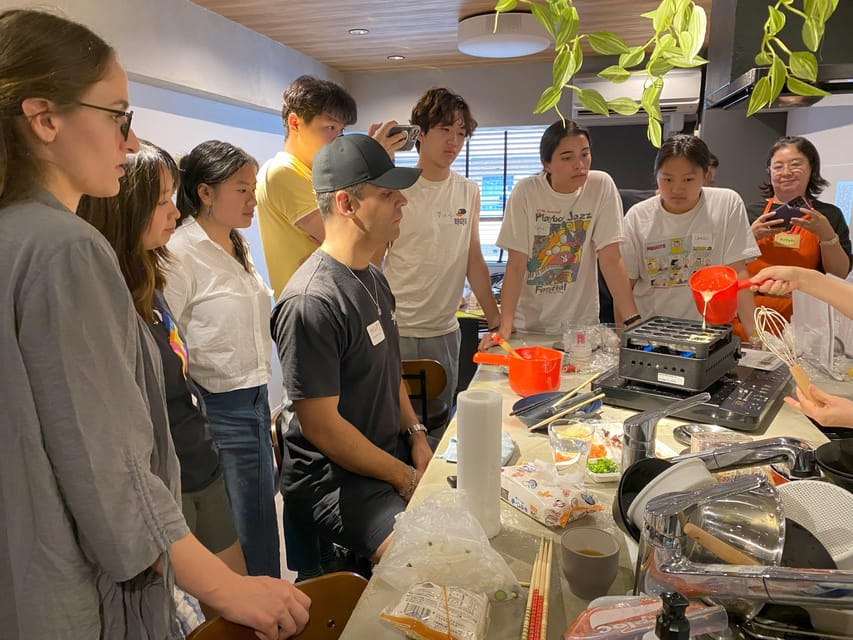
Vegetarian and vegan options are available, and the organizers have adjusted dishes for food allergies and other restrictions. This is not a detail to leave until arrival.
Send your dietary information before the class. The instructor can then discuss the menu, substitute ingredients where possible, and explain what can safely be prepared. One group had a friend with food allergies, and the cooks worked around those needs.
The menu may change when restrictions are involved. That is a reasonable trade-off for a shared kitchen meal, and early communication gives the instructor time to prepare properly.
Is $88 a fair price?
At $88 per person, this is not the cheapest food activity in Tokyo. You can eat okonomiyaki, sushi, or gyoza for far less than that at a casual restaurant.
The comparison is not quite fair, though. This price covers 150 minutes of instruction, ingredients, equipment, water, the meal, and all fees and taxes. You are paying for guided participation and practical recipes, not just lunch.
I consider the price fair for visitors who want an activity they can carry home. The strongest value comes from the small-group attention, the number of dishes, and the chance to ask questions about ingredients and methods. If you only want to taste Japanese food, use the money for several restaurant meals instead.
The class also offers reserve now and pay later booking, along with free cancellation up to 24 hours before the start time for a full refund. Those terms help if your Tokyo schedule is still changing.
Practical planning before you book
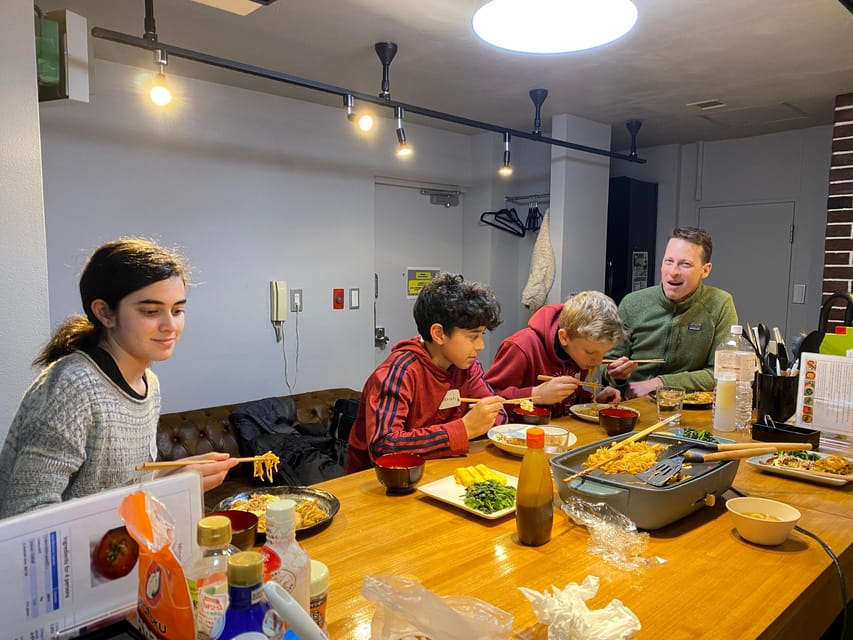
Wait for the exact meeting address after booking. Since the studio is in or around Shinjuku rather than at one fixed public landmark, check the message carefully.
Allow a little extra time to find the entrance. Keep the organizer’s contact information available, especially if your map leads you to a building with several entrances.
Choose your preferred menu early, and remember that a shared class may affect that choice. Send allergies, vegetarian or vegan needs, and special requests in advance.
Wear something comfortable for cooking, though no special clothing is listed as required. You may also want to keep space in your day after the class. The meal is substantial, and the experience already fills two and a half hours.
Who should book this cooking class?
I would choose this for first-time visitors who want a personal introduction to Japanese food beyond restaurant dining. It also suits families, couples, small groups, and home cooks who want recipes they can repeat.
The class is a particularly good match if you want to learn several dishes in one sitting. The gozen menu gives you a full meal structure, while the okonomiyaki, gyoza, and takoyaki menus offer more casual Japanese favorites.
You may want another type of activity if you dislike group cooking, want a highly advanced culinary lesson, or prefer to spend your time sightseeing outdoors. The class is practical and social, but it is still a scheduled indoor session with prepared ingredients and instructor-led steps.
Should you book it?
Yes, if you want to cook rather than simply eat, and if you value friendly instruction, generous portions, and recipes you can use at home. The class has earned a 4.9 rating from 125 reviews, and its most consistent strengths are clear English guidance, patient instructors, personal attention, tasty food, and flexible handling of dietary needs.
Choose your menu with care, send all requests ahead of time, and allow extra time to find the studio. At $88, it is best seen as a full cultural activity with lunch included, not a quick cooking demonstration. For a relaxed, hands-on introduction to Japanese home food near central Tokyo, it is a strong choice.
FAQ
Where does the Japanese cooking class take place?
It takes place at a kitchen studio in or around Shinjuku, Tokyo. The exact address is provided after booking.
How long does the class last?
The experience lasts 150 minutes, or about two and a half hours, including cooking and eating the meal you prepare.
Is the class taught in English?
Yes. English instruction is provided.
What menus can I choose from?
Options include okonomiyaki and yakisoba, gyoza and takoyaki, rolled sushi with teriyaki and miso soup, and a traditional gozen set. You can also request another menu for discussion.
Can I choose my menu after booking?
You can choose a menu when booking, but your choice may be limited if another group attends the same session.
Can vegetarians and vegans join?
Yes. The experience is designed to accommodate vegetarian and vegan preferences. Contact the organizer in advance to discuss the menu.
Can the class accommodate food allergies?
Food allergies should be reported in advance. The organizer can discuss the menu and available options with you.
Are cooking tools and ingredients included?
Yes. Cooking tools, ingredients, drinking water, all fees, and taxes are included.
Is transportation included?
No. Private transportation is not included. You make your own way to the kitchen studio.
What is the cancellation policy?
You can cancel up to 24 hours in advance for a full refund. Reserve now and pay later booking is also available.
Newest classes around Tokyo
- Tokyo: Sushi roll and side dish cooking experience★ 5.0 · 2 reviews
- Tokyo: Sushi Making Experience & Japanese Cooking Class★ 5.0 · 2 reviews
- Tokyo: Sushi and Ramen Cooking Class with Sake Pairing Set★ 5.0 · 81 reviews
- Tokyo: Sushi Cooking Class with Sake Tasting★ 4.8 · 55 reviews
- Tokyo: Real Ramen & Dumpling Cooking with Master Chef★ 5.0 · 10 reviews
- Tokyo: Kawaii Bento Cooking Class – Cute Character Lunchbox★ 4.9 · 55 reviews
- Tokyo: Gyoza Making from Scratch – Ultimate Cooking Class★ 5.0 · 2 reviews
- Tokyo: Night Cooking Class: 5 Home-Cooked Japanese Dishes★ 4.9 · 13 reviews
Tokyo Cooking Classes, compared.
Ramen & Gyoza Cooking Class in Tokyo with Local Supermarket Visit
Read our review →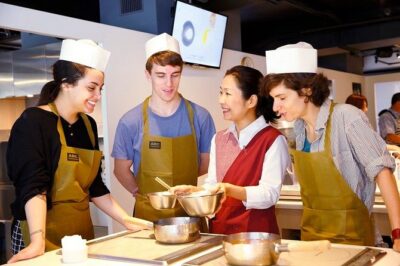
Tokyo Tsukiji Fish Market Tour and Sushi Making Lesson
Read our review →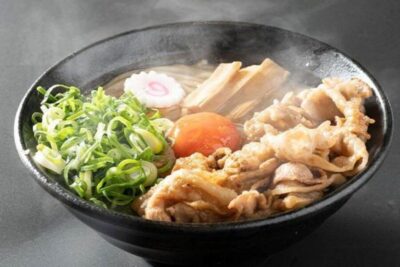
Easy Ramen Cooking Experience in Kabukicho, Shinjuku
Read our review →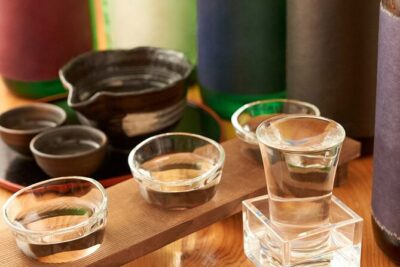
Ramen and Sushi Cooking Class with Sake Pairing Set in Tokyo
Read our review →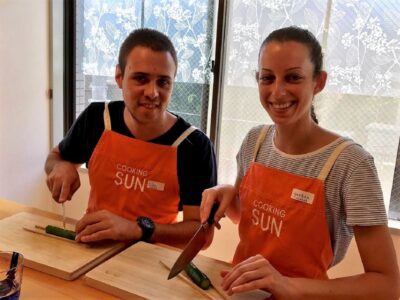
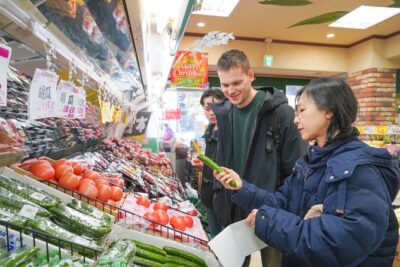
Tokyo Washoku 4-hour Cooking Class: From Market to Table
Read our review →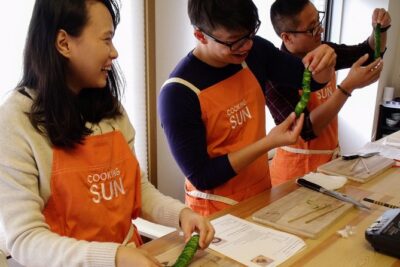
Small-Group Wagyu Beef and 7 Japanese Dishes Tokyo Cooking Class
Read our review →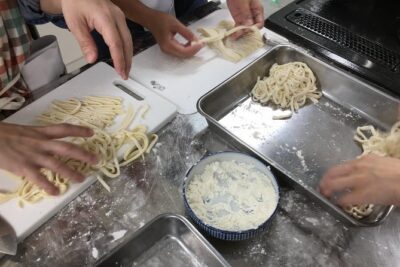
Private Home Cooking in Yanaka – Local Flavors in a Warm Setting
Read our review →Browse the lists this tour appears in