
Review · SEOUL COOKING CLASSES
Local Home Korean Cooking Class & Market Adventure in Seoul
The best part of this Seoul experience is the change of setting: you begin at Mangwon Market, then follow your ingredients into a local home kitchen. Sarah and Junghee turn shopping, cooking, and eating into one connected look at Korean daily life. You may taste a twisted doughnut called kwabaeggi, learn why Koreans use spring onions in some dishes, and practice ordering food in Korean.
I like the small group size, capped at 10, because cooking instruction is much more useful when you can ask questions. I also like that you do not simply watch a chef cook. You prepare four dishes, receive practical tips and recipes, and finish with a generous Hanjeongsik meal. The main consideration is time: at three and a half hours, this is a substantial afternoon rather than a quick class, and the $91 price makes the most sense if you value both the market visit and the full meal.
What makes this Seoul cooking class special
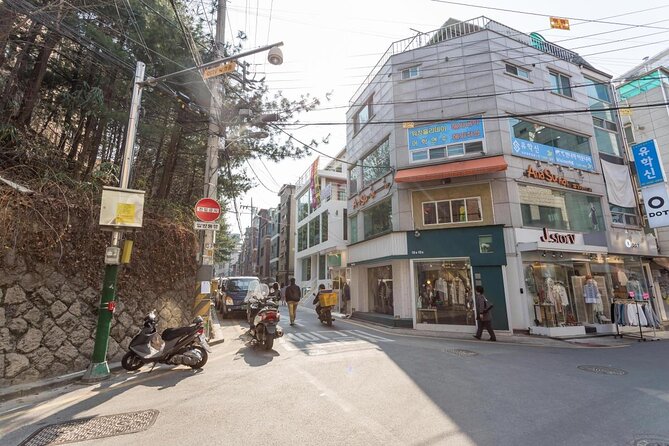
- Mangwon Market comes first: Learn about Korean ingredients, herbs, spices, and street foods before cooking with them.
- Four dishes are prepared by hand: Depending on the session, you may make foods such as bibimbap or dakgalbi.
- A real home kitchen replaces a formal studio: The setting gives the class a personal feel and opens the door to stories about life in Seoul.
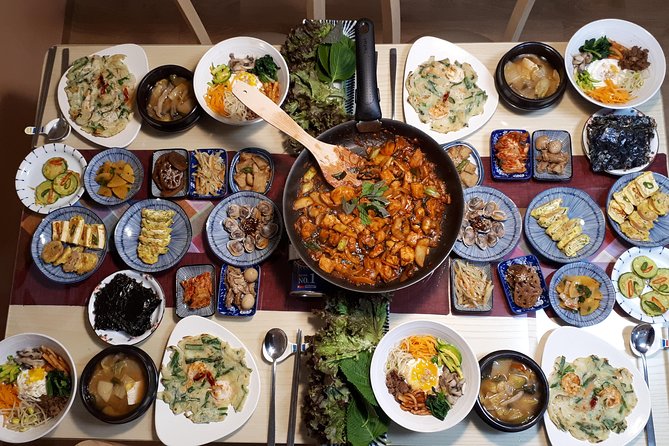
- Hanjeongsik turns class into a feast: Your homemade dishes arrive with more than 10 side dishes, dessert, and a glass of makgeolli.
- The teaching is lively and practical: Sarah and Junghee are praised for clear English, humor, Korean language tips, and useful cooking advice.
- Families and non-cooks fit well: The class is designed to be hands-on but approachable, with plenty of guidance.
Starting at Mangwon Station Entrance 2
You meet at Mangwon Station Entrance 2, at 377-20 Mangwon-dong in Mapo-gu. The location is near public transportation, so you do not need to arrange a private transfer or cross Seoul by taxi. The activity ends back at the meeting point after the meal.
The meeting point matters because Mangwon is not just a convenient starting place. It puts you near a local market district, away from the polished restaurant streets and major sightseeing routes that shape many first visits to Seoul. You begin with an ordinary part of neighborhood life, then learn how the food you see on the market stalls fits into Korean cooking.
Allow enough time to find the station exit and meeting point. The class has a maximum of 10 people, but the group still needs to leave together for the market and home kitchen. A mobile ticket is provided, and confirmation arrives when you book.
More Korean Classes in Seoul:
- Master Korean traditional cooking with a Kimchi chef
★ 5.0 · 385 reviews - Seoul: Korean Cooking Class at a Local Home and Market Tour
★ 5.0 · 348 reviews - Seoul: Korean Cooking at Seoul Cooking Club!
★ 5.0 · 311 reviews
Walking through Mangwon Market with Sarah or Junghee
The market visit is more than a short stop to buy vegetables. Your host explains the produce, herbs, spices, and prepared foods used in Korean kitchens. You also get a look at local street-food habits, with tastings included along the way.
This is where the experience gains much of its value. Korean food can seem easy to identify at a restaurant, yet the ingredients behind it are less obvious. A guide can explain what you are seeing, how it is used, and why one item appears in several different dishes. You might learn the Korean names for foods, ask how to shop for them, and practice simple phrases while ordering.
The walk also includes small details that make the market feel personal. One class may introduce you to kwabaeggi, a chewy twisted doughnut, while another moment may involve a cool honeydew-flavored popsicle on a hot day. These are not major sights, but they give the outing a sense of place.
Your host may also point out regional differences in Korean cooking and explain why certain ingredients are common. One useful example is the use of spring onions instead of chives in some recipes. That sort of practical distinction is more helpful than a long list of dish names because you can use it later when shopping or cooking at home.
The market walk does involve standing and walking before you reach the kitchen. If you want a short, seated food tasting only, this is not the right format. If you like to understand food at its source, the market section earns its place in the schedule.
Moving from the market to a local home
After the market, you head to the host’s home for the cooking class. That transition is central to the experience. You are not simply shown a market and then taken to an unrelated cooking studio. The food shopping leads into a meal prepared in a lived-in home setting.
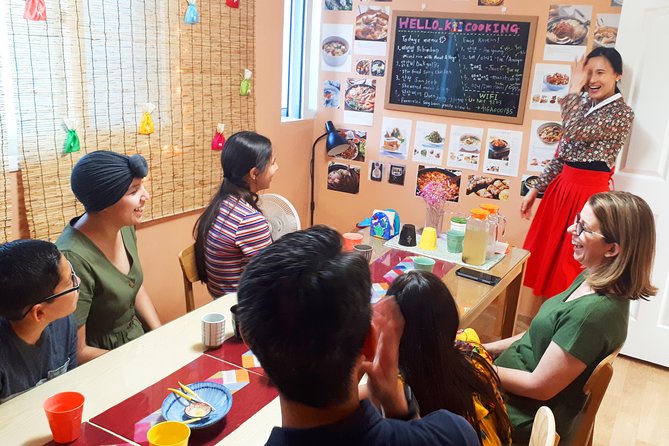
Sarah and Junghee are described as warm, funny, and easy to follow in English. Their teaching style appears to rely on participation rather than rigid demonstration. You can ask questions, learn a few Korean expressions, and hear personal stories about Korean food and life in Seoul while working.
The home setting also makes the class feel more intimate than a large commercial kitchen. With no more than 10 people, you get a reasonable chance to handle ingredients, watch close-up, and ask for help. Some dates may have fewer people, and a very small group can feel almost private.
Still, a home kitchen is not a restaurant or a cooking school with endless workstations. The group shares the available space, and the pace follows the host’s plan. That is part of the charm, but it also means you should expect a social class rather than a completely independent cooking session.
Preparing four Korean dishes by hand
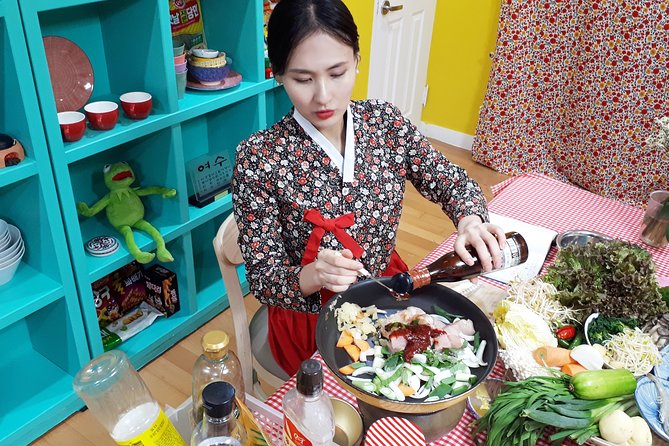
The class is fully hands-on. You do not sit at the back while the chef prepares everything. You help create four Korean dishes, with examples including bibimbap and dakgalbi.
Bibimbap gives you a useful introduction to the balance of rice, vegetables, seasoning, and sauce that makes Korean food so satisfying. Dakgalbi brings a different style, with a more direct focus on seasoned ingredients cooked together. The exact selection can vary, so do not book this expecting a guaranteed menu of four named dishes unless the provider confirms it for your date.
What makes the instruction useful is its focus on repeatable skills. You learn how ingredients are handled, how seasoning is built, and how Korean dishes come together at home. The class also includes small cooking tips that are easy to remember. These may be more valuable than complex restaurant methods because you can try the recipes in your own kitchen.
You do not need to arrive as an experienced cook. The sessions are designed to make the food approachable, and the hosts are praised for patience and clear explanations. Children and older teenagers can take part, although the three-and-a-half-hour schedule may be better for family members who can stay engaged for a longer activity.
The hosts also add a language lesson to the cooking. You might learn Korean food words or be encouraged to order a snack in Korean at the market. That can feel slightly outside the comfort zone, but it is a useful way to turn the market walk into an active part of the day instead of a guided viewing exercise.
More Cooking Classes with a Market Tour in Seoul:
- Seoul: Authentic Korean Cooking Class and Market Tour
★ 5.0 · 6 reviews - Hanoi Cooking Class: Culture, Local Market & Meaning CSR Impact
★ 5.0 · 5,147 reviews - 5 Traditional Dishes Hanoi Cooking Class with Market Trip
★ 5.0 · 4,890 reviews - Cooking Class and Lunch at a Tuscan Farmhouse with Local Market Tour from Florence
★ 5.0 · 4,831 reviews
Sitting down to a Hanjeongsik-style meal
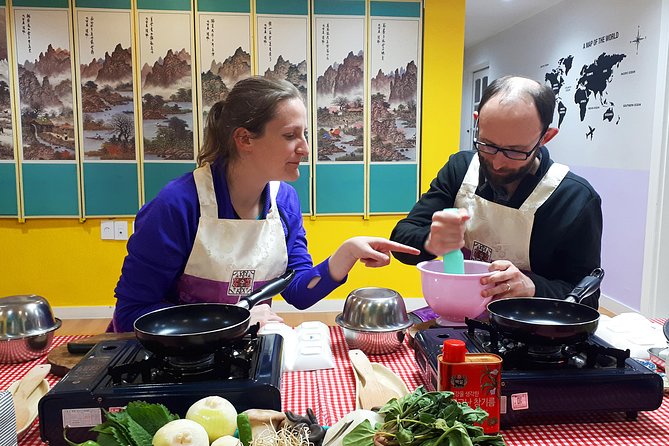
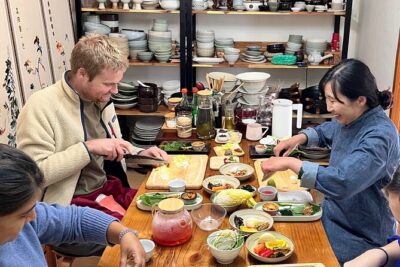
Once the cooking is finished, you sit down to eat your work. The meal includes your four homemade dishes along with a traditional Hanjeongsik-style spread of more than 10 side dishes, dessert, and a glass of makgeolli, a Korean rice wine.
This is a major reason the price can make sense. You are paying for a market tour, instruction, ingredients, and a full meal rather than a short demonstration with a single plate at the end. Hanjeongsik also shows you how Korean meals are built around several shared accompaniments, not just one main dish.
The side dishes matter because they broaden your understanding of the meal. You can compare the food you made with the smaller dishes served alongside it and see how balance works across a Korean table. The result is more informative than eating one familiar dish at a restaurant, especially if Korean food is new to you.
Makgeolli is included as a glass, not as a full drinking session. If you do not drink alcohol, the supplied information does not specify a substitute, so check with the provider before booking if that detail matters to you.
The meal is also the social heart of the class. You eat with the host and the small group, and the class gives you time to talk with people from different parts of the world. That makes this a good choice for solo visitors who want a shared activity, as well as couples, families, and friends.
The hosts make the difference
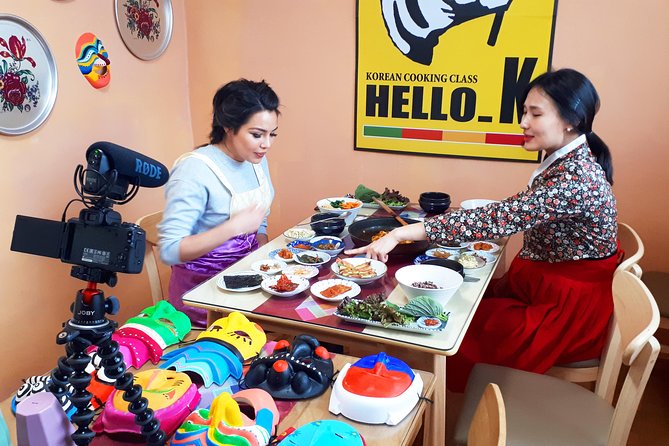
The strongest feature of this class is the host. Sarah is described as friendly, lively, and welcoming, with excellent English. Junghee is also praised for humor, warmth, clear instruction, and the ability to turn the class into something close to a comedy show with cooking.
That personality matters. Food instruction can become stiff when the teacher focuses only on measurements and technique. Here, the class includes stories, Korean phrases, market explanations, and casual conversation. You get a sense of the person behind the food, not just a set of recipes.
The hosts also provide useful follow-up help. Recipes are sent after the class, and photos taken during the session may be shared soon afterward. Some participants also received restaurant suggestions for the rest of their Seoul visit. These extras are not the main reason to book, but they add practical value after the three-and-a-half-hour activity ends.
Host assignments can vary, so you should not assume you will meet both Sarah and Junghee. The important point is that the experience is host-led and personal, not a self-guided market visit followed by a standard group lesson.
Is $91 a fair price?
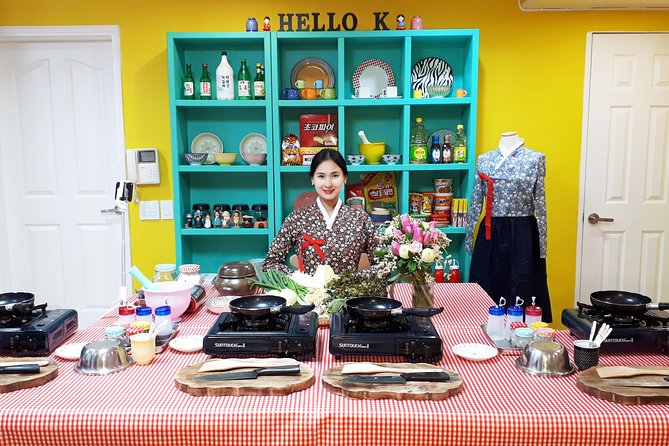
At $91 per person, this is not a budget food walk. You can eat inexpensive street food in Seoul for far less, and you could also find a shorter cooking demonstration at a lower price.
The value comes from the combination. For one booking, you receive a guided market visit, street-food tasting, ingredient instruction, four dishes to prepare, a local home setting, a large side-dish meal, dessert, makgeolli, recipes, and a small-group format. If you want only a meal, the price will feel high. If you want a guided cultural activity that also feeds you well, it is easier to justify.
The maximum group size of 10 helps protect that value. You are less likely to disappear in a crowd, and you have more access to the host than you would in a large class. The experience also avoids the feeling of ticking off two separate activities. The market and kitchen belong to the same story.
I would book it early if the schedule matters to you. The activity has been booked more than 10 times in a recent week, and the small capacity can limit availability. Free cancellation is available if you cancel at least 24 hours before the start time. Cancellations or changes made later are not accepted for a refund.
Who should book this experience?
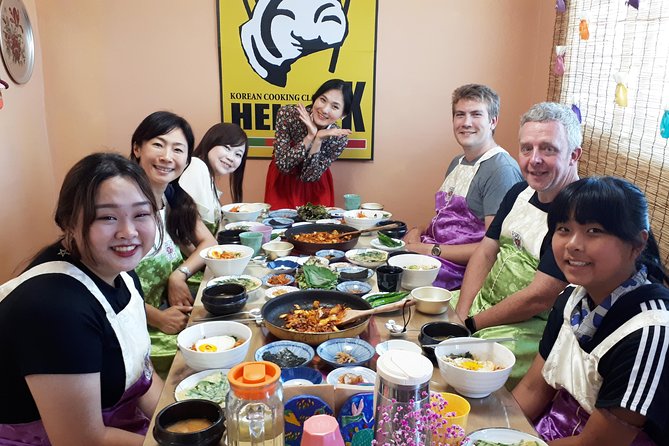
I would recommend it to you if food is one of your main ways of understanding a place. It works especially well for:
- Couples who want a shared afternoon activity
- Families with older children or teenagers
- Solo visitors who enjoy a social meal
- First-time visitors who want help reading a Korean market
- Non-cooks who prefer friendly, guided participation
- Anyone planning to recreate Korean dishes at home
You should think twice if you dislike group activities, have very limited time, or want a precise menu confirmed in advance. The class lasts about three hours and 30 minutes, and the menu can include dishes such as bibimbap or dakgalbi rather than guaranteeing both.
It is also worth checking the activity details directly if you have strict dietary needs. The supplied information does not list vegetarian, vegan, allergy, or substitution arrangements, so do not assume the menu can be changed.
My verdict on this Mangwon food experience
Book this class if you want more than a recipe lesson. The market walk gives context, the home kitchen gives the afternoon a personal feel, and the Hanjeongsik meal makes the outing satisfying from start to finish.
The biggest strengths are the hosts, the small group, and the way the activity connects shopping with cooking. The main drawbacks are the price, the long time commitment, and the lack of a guaranteed menu in the available details.
For a first Seoul visit, I would place this high on the list for anyone who likes food, conversation, and practical cultural insight. You leave with a full meal, new Korean food vocabulary, cooking ideas, and a better sense of how ingredients move from market stall to family table.
FAQ
Where does the Korean cooking class meet?
You meet at Mangwon Station Entrance 2, at 377-20 Mangwon-dong, Mapo-gu, Seoul, South Korea.
How long does the experience last?
The activity lasts approximately three hours and 30 minutes.
What dishes will I cook?
You will prepare four Korean dishes. Examples include bibimbap and dakgalbi, but the exact menu is not specified.
What is included in the final meal?
You eat your homemade dishes with a Hanjeongsik-style spread containing more than 10 side dishes, dessert, and a glass of makgeolli.
How many people can join the class?
The activity has a maximum of 10 travelers.
Can I cancel for a full refund?
Yes. You can cancel at least 24 hours before the start time for a full refund. Cancellations or changes made less than 24 hours before the experience are not accepted for a refund.
More Home Cooking Classes in Seoul
- Khmer Cooking Class at a Local’s Home in Krong Siem Reap
★ 5.0 · 2,731 reviews - Marrakech: Moroccan Cooking Class with a Local Family
★ 4.9 · 668 reviews - Mexican Cooking from Scratch in a Local Home in Tulum
★ 5.0 · 585 reviews - Pastamama, Home Cooking Classes at Grace’s Home
★ 5.0 · 521 reviews
Newest classes around Seoul
- Seoul: Korean Home Visit, Cooking & Cultural Experience★ 5.0 · 2 reviews
- Seoul: Korean Kimchi Cooking Class in the Heart of the City★ 5.0 · 3 reviews
- Seoul: Premium Korean Feast Cooking Class★ 5.0 · 3 reviews
- Seoul: Kimchi Dishes Cooking Class with Wine Pairing★ 4.7 · 38 reviews
- Seoul: Korean Cooking Class with Local Grocery Shopping★ 5.0 · 13 reviews
- (Seoul) Korean Cooking Class with a Professional Chef★ 5.0 · 14 reviews
- Seoul: Authentic Korean Cooking Class and Market Tour★ 5.0 · 6 reviews
- Seoul: Cooking Class and Tour with Michelin-Trained Chef★ 5.0 · 11 reviews
Seoul Cooking Classes, compared.
Master Korean traditional cooking with a Kimchi chef
Read our review →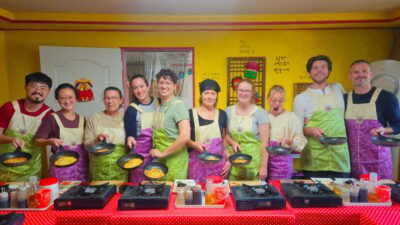
Korean Cooking Class at a Local Home and Market Tour
Read our review →
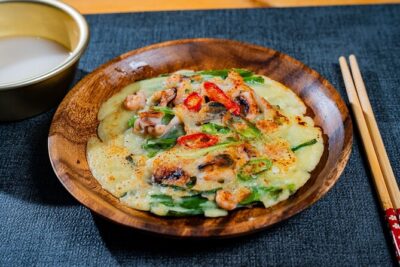
Taste of Korea, Authentic Home Style Cooking Class
Read our review →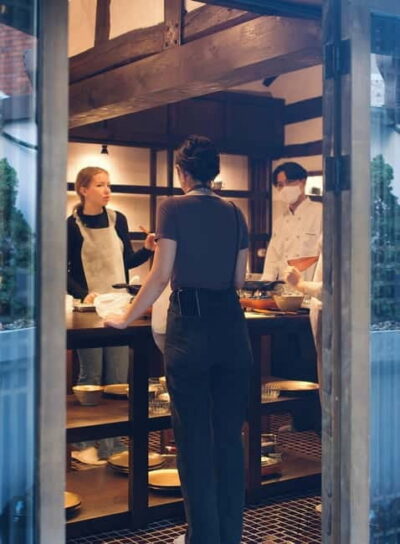
Royal Seoul Cooking Class in a 100-Year-Old Hanok
Read our review →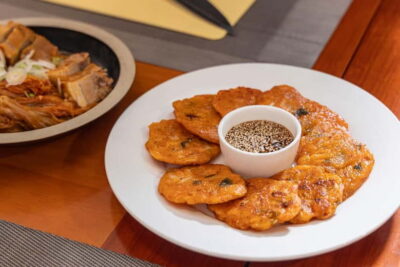
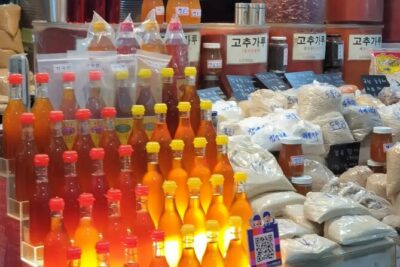
Temple Vegan Cooking Class & Oriental Medicine Tour
Read our review →Browse the lists this tour appears in