
Review · SEOUL COOKING CLASSES
Seoul: Premium Korean Feast Cooking Class
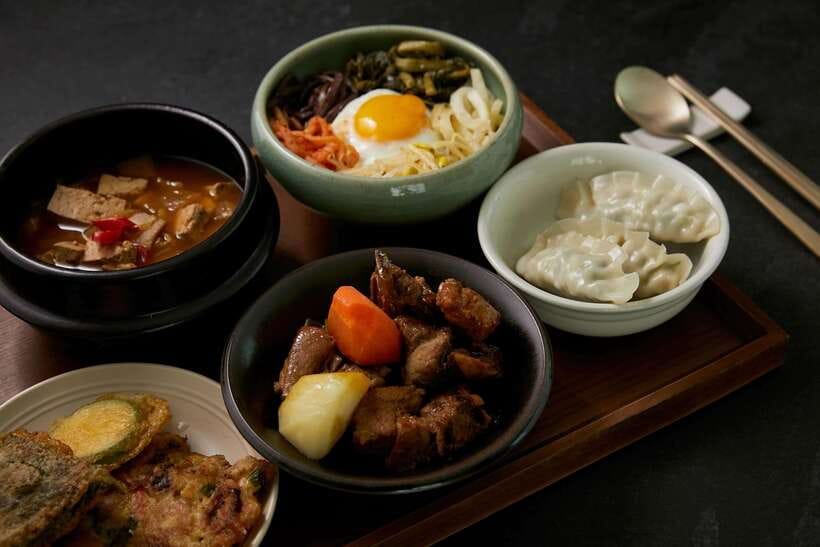
Korean food is more than a quick bowl of bibimbap. At ZANCHI Cooking Studio, you spend 2.5 hours learning how a traditional Korean feast is prepared, from the welcome tea and sweets to the final shared meal with Korean liquor. Chef Yena leads the English-language class, and the small group size keeps the cooking personal.
I like the graceful setting and the care given to tableware, seasonal ingredients, and Korean dining customs. I also like that you do not simply watch a chef cook. You make the dishes yourself, then sit down to eat them with traditional side dishes. The main consideration is the price: at $128 per person, this is a premium cooking class rather than a budget activity.
Key points to know
- Royal-feast cooking: Learn dishes inspired by Korea’s formal and royal cooking traditions, with attention to technique and presentation.
- Tea before the cooking: Start with traditional tea, Korean sweets, and an introduction to dining etiquette and food customs.
- Small English-speaking group: The class is limited to eight participants, so you can follow the chef without fighting for a place at the counter.
- Seasonal, premium ingredients: The studio focuses on fresh local produce and limits plastic use where possible.
- Meal and Korean drinks included: Sit down with your finished dishes, traditional side dishes, water, and a paired Korean liquor.
- Take-home extras: You receive a recipe book, plus photo and video service to help preserve the experience.
Why this Korean cooking class feels different
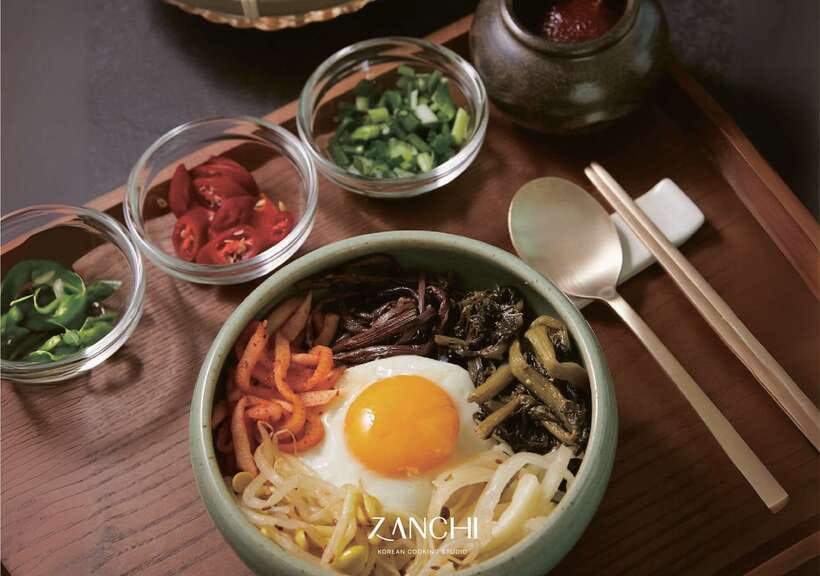
Many cooking classes are built around speed and quantity. This one is built around a formal Korean meal. The setting, tableware, tea service, food stories, and shared dining all matter, so the experience feels closer to a cultural lesson with a meal than a simple recipe workshop.
That difference explains the higher cost. You are paying for the chef’s instruction, all ingredients and equipment, a welcome tea service, a full meal, traditional drinks, seasonal food, and a small group capped at eight people. You also receive a recipe book and photo and video service. If you only want to learn one cheap, everyday dish, $128 may feel steep. If you want a polished introduction to Korean food culture, the price is easier to justify.
The studio is newly opened as of November, which may appeal to you if you like trying newer experiences. It also means the class has been designed around a clear idea: fresh local ingredients, elegant Korean table settings, less plastic, and food connected to formal feast culture.
More Korean Classes in Seoul:
- Local Home Korean Cooking Class & Market Adventure in Seoul
★ 5.0 · 1,024 reviews - Master Korean traditional cooking with a Kimchi chef
★ 5.0 · 385 reviews - Seoul: Korean Cooking Class at a Local Home and Market Tour
★ 5.0 · 348 reviews
Beginning with tea, sweets, and Korean dining customs
Your first part of the class takes place in the dining area, not at the stove. You begin with traditional tea and Korean sweets while learning about Korean dining etiquette and the ideas behind a formal meal.
This is a smart opening. Tea gives you time to settle in, and the sweets provide a gentle introduction before the cooking begins. More important, the etiquette lesson gives context to the table you will later share. Korean meals often involve several dishes arranged together, rather than one large plate arriving alone. Understanding that pattern helps you see the final meal as a complete composition.
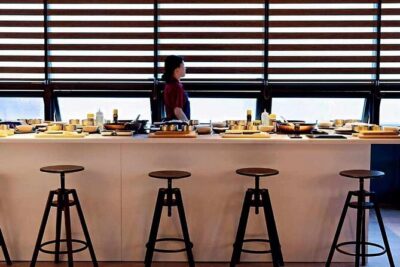
The studio’s interior is designed to celebrate Korean culture, with traditional details and carefully chosen tableware. The setting matters here because the class is not only about getting food onto a plate. You are learning how food is presented, shared, and enjoyed in a Korean setting.
Chef Yena also explains stories connected with Korea’s culinary past. The exact lesson can vary with the menu and season, but the emphasis is on understanding why certain dishes and methods belong at a feast. If you enjoy cultural context with your food, this opening section is one of the class’s strongest features.
Cooking feast dishes with chef Yena
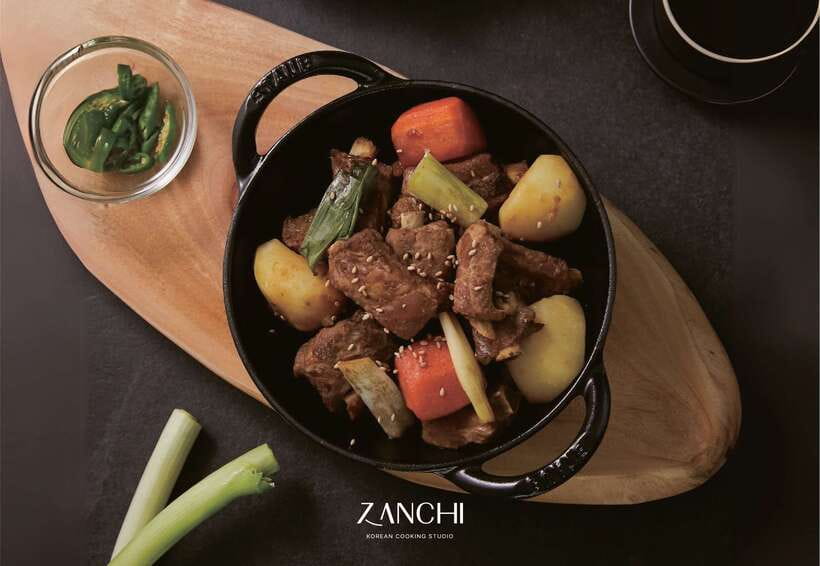
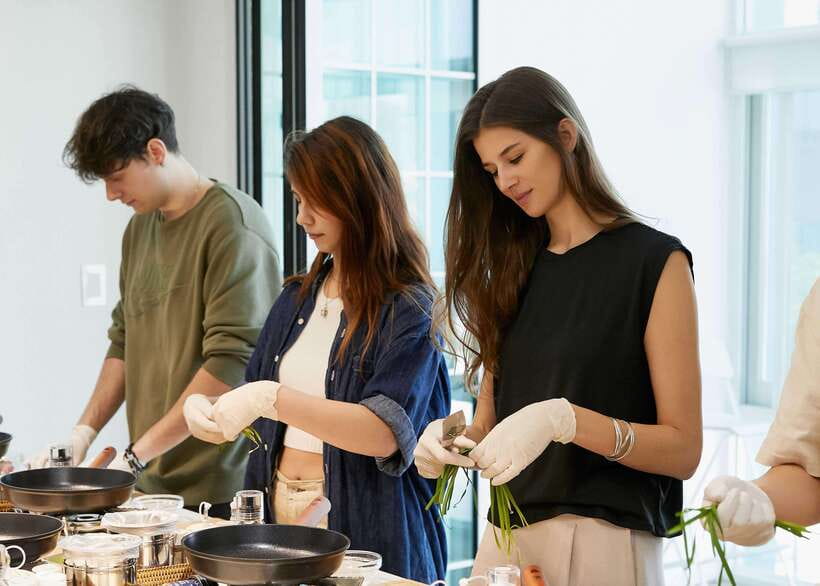
After tea, you move into the kitchen and cook alongside the chef. All ingredients and cooking equipment are supplied, so you do not need to pack tools or shop for special foods before arriving.
The class draws from royal cuisine and traditional feast dishes. That does not mean you simply copy a recipe while the chef works at a distance. The aim is to learn traditional techniques and the steps that give Korean food its balance, appearance, and texture.
A group of eight is small enough to make a real difference. You can watch the demonstration, ask questions in English, and work through the preparation at a reasonable pace. This is especially useful if you are new to Korean cooking or are unsure about unfamiliar ingredients. The class is designed for participation, not for professional cooks only.
The focus on seasonal ingredients is another plus. Seasonal food can change the character of a dish, and it gives you a better sense of how Korean home and feast cooking responds to what is available. The studio also places value on fresh local ingredients and minimal plastic use, details that will matter to people who care about how a class operates as well as what it serves.
Expect the work to be hands-on, but do not expect a long professional cooking course. Two and a half hours gives you enough time for instruction, preparation, eating, and conversation, but not enough time to master every part of Korean cuisine. Think of it as a well-paced introduction to feast cooking, with several linked activities rather than a full culinary certificate.
The shared meal is part of the lesson
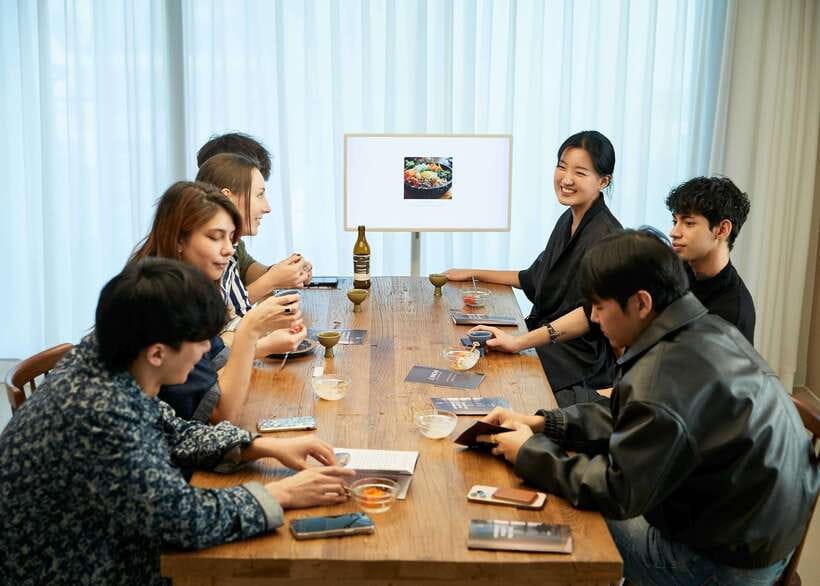
Once the cooking is complete, you move back to the dining area and eat what you prepared. The meal includes traditional side dishes, water, and a Korean traditional drink, with the food paired to the drink as part of the dining experience.
I like this format because you get a clear reward for the work. You are not sent home with a box of food after standing at a counter. You sit down and see how the dishes work together on a Korean table. The meal also gives you time to talk with the chef and the other participants about the food and the customs behind it.
The traditional liquor is an adult part of the experience, so keep that in mind when deciding if the class suits your group. The information does not specify the exact drink or amount served, so do not book this expecting a particular brand or tasting menu. The class does include water.
The dining section also puts Korean etiquette into practice. You have already heard about the customs during tea, and now you can experience the rhythm of a shared meal. That link between explanation and action is one of the more thoughtful parts of the class.
More Cooking Classes in Seoul:
- Seoul: Korean Cooking at Seoul Cooking Club!
★ 5.0 · 311 reviews - Korean Cooking at Seoul Cooking Club
★ 5.0 · 220 reviews - Seoul: Taste of Korea, Authentic Home Style Cooking Class
★ 4.9 · 166 reviews - Seoul: Royal Seoul Cooking Class in a 100-Year-Old Hanok
★ 5.0 · 96 reviews
A beautiful setting with useful take-home value
The studio’s Korean design is a major part of the appeal. The space is described as authentic in feel, with traditional details that make the tea and meal feel appropriate rather than staged in a plain classroom.
The tableware also receives careful attention. This may sound like a small point, but presentation is central to feast cooking. A formal table changes how you notice color, arrangement, portions, and the order of the meal. If you enjoy design and food photography, you will likely appreciate this part of the class.
Photo and video service is included, which gives you a record of the cooking and dining experience. The available information does not explain exactly how many images or clips you receive, so treat this as an added service rather than a guaranteed professional photo package.
The recipe book is more useful than a souvenir that sits on a shelf. It gives you a chance to try the dishes again at home, though you may need to source Korean ingredients yourself. The recipes can also help you remember the techniques after the class, when the details of preparation are no longer fresh.
Who gets the best value from the $128 price
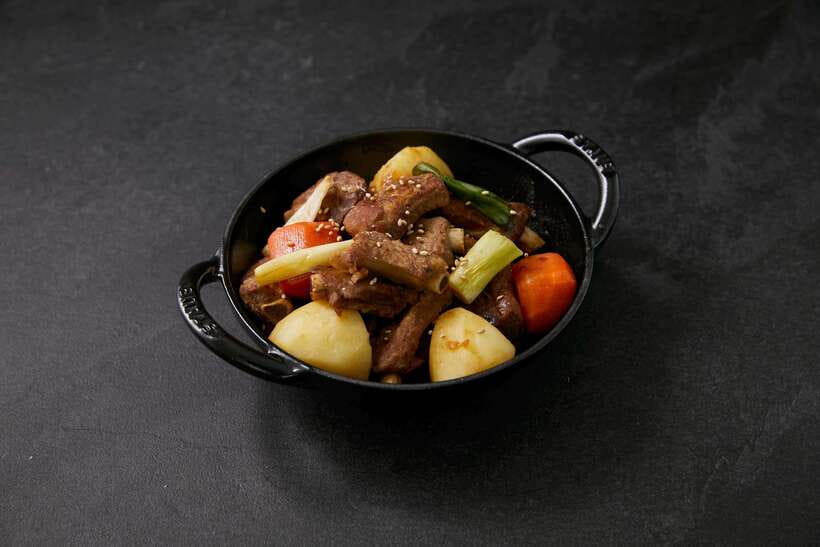
At $128 per person, this class is best for someone who wants several experiences in one booking: a cultural introduction, a cooking lesson, a formal meal, drinks, and a keepsake.
I would consider it good value for:
- People who want an English-language Korean food experience with a named chef and a small group.
- Couples and families looking for an activity that includes both participation and a sit-down meal.
- Food-focused visitors who want to learn techniques rather than simply sample dishes.
- Anyone interested in Korean table manners, feast customs, and traditional presentation.
- Visitors who appreciate seasonal ingredients and a polished setting.
I would be more cautious if your main goal is a cheap lunch, a fast demonstration, or a class focused on one famous street-food item. The price reflects the full format and the premium ingredients. It is not the right pick for every food budget.
Because the class is in Gyeonggi Province, you should also check the exact meeting point before booking and allow enough time to reach the studio. Hotel pickup and drop-off are not included. The experience provides the class itself, not transportation from your accommodation.
Timing, group size, and practical planning
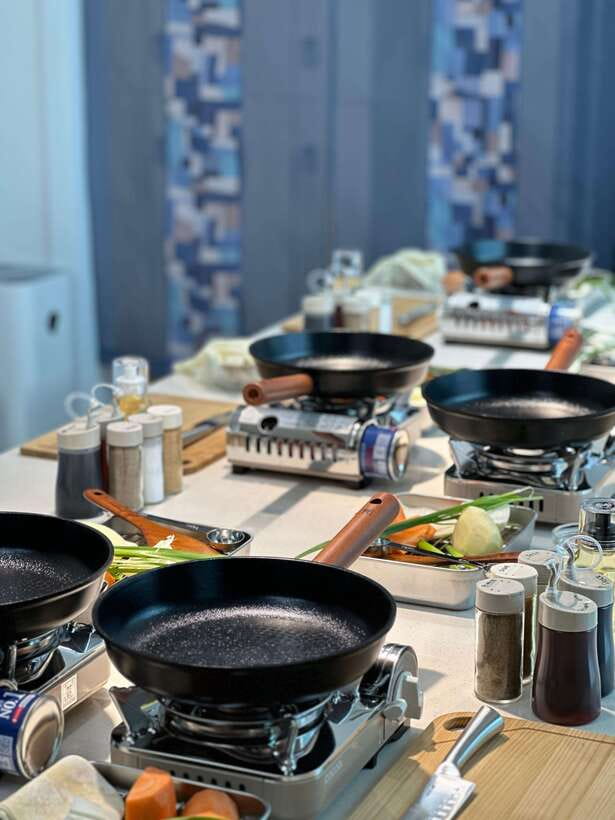
The experience lasts 2.5 hours, with starting times shown according to availability. Arrive five minutes early. That small buffer matters because the class begins with tea and the schedule moves from the dining room to the kitchen and back again.
The group is limited to eight participants. This is one of the clearest practical advantages. A smaller class lets you see the chef’s technique, work at your own pace, and ask questions without interrupting a large demonstration.
Instruction is in English. The class is also listed as wheelchair accessible. If you need a specific accommodation beyond that, confirm the details before booking, since the available information only states general wheelchair accessibility.
All cooking equipment is provided. You only need to arrive ready to participate, eat, and follow the chef’s instructions. Since you will be handling food and moving between sections of the studio, comfortable clothing is a sensible choice, though no special dress rule is provided.
Free cancellation is available up to 24 hours before the activity for a full refund. You can also reserve now and pay later, which helps if your Seoul and Gyeonggi plans are still taking shape.
How the class compares with a standard Korean food tour
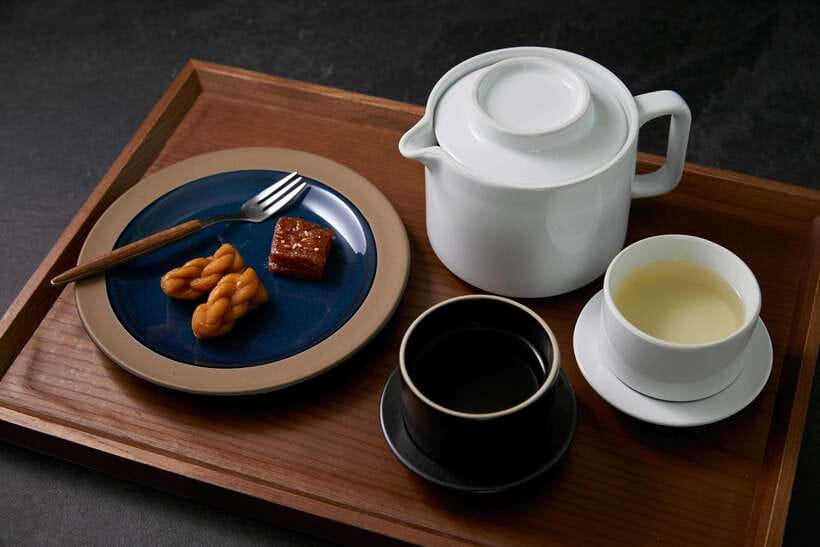
A food tour usually takes you from one shop or stall to another. You taste food, hear a little background, and move on. This class gives you more time with one meal and lets you take part in making it.
That makes it a better choice if you want to understand preparation, table manners, and presentation. It is less suitable if you want to sample many unrelated foods across a neighborhood. You will not get the variety of a market walk, but you will get a clearer sense of how a formal Korean meal is built.
The class also offers a calmer pace than many city activities. Tea, cooking, and dining happen in one place. There is no hotel pickup, and you must make your own way to Gyeonggi Province, but once you arrive, the experience is organized around a single setting.
What the early praise tells you to notice
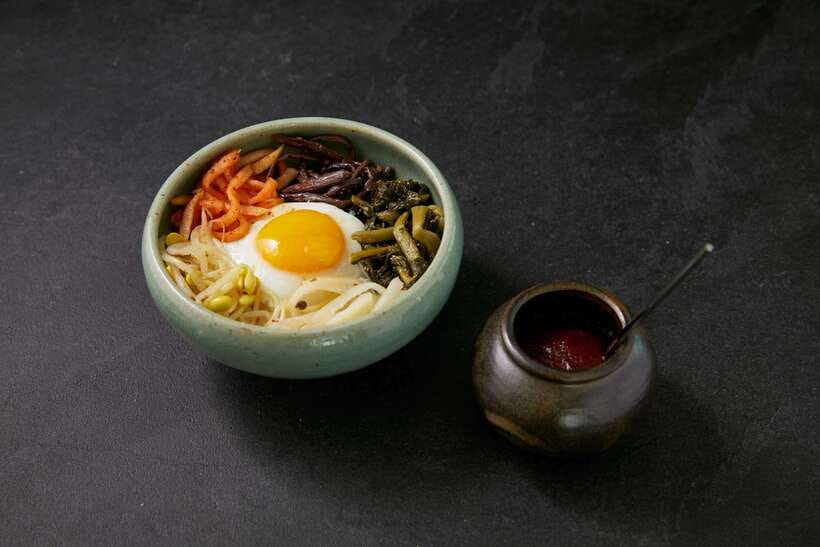
The strongest praise centers on three details: the atmosphere, the approachable teaching, and the food itself. Those points line up with the way the class is designed.
The space is meant to feel authentically Korean rather than like a generic cooking room. Chef Yena is described as warm and friendly, and the teaching style makes the cooking approachable. That matters if you feel unsure about unfamiliar techniques or ingredients.
The dishes are also a major part of the appeal. You are not only learning food preparation as an abstract skill. You prepare a feast, eat the results, and receive the recipes to try again. The combination makes the experience feel complete.
I would pay particular attention to the recipe book if you are choosing between this and a demonstration-only class. It gives the lesson a life beyond the afternoon. The photos and videos add another reminder of the day, though the recipe book is likely the more practical keepsake.
The limits you should consider before booking
The class description does not provide a fixed menu. Since the studio uses seasonal ingredients, the dishes may depend on the time of year. That is part of the appeal, but you should not book expecting a named dish unless the available date details specify one.
The traditional drink is also not identified. If you do not drink alcohol, ask ahead about the arrangement, since a Korean liquor is included with the meal. Water is provided as well.
The experience is relatively short for the amount it covers. Tea, cultural discussion, cooking, dining, drinks, photos, and a recipe book all fit into 2.5 hours. You should expect a focused introduction, not a slow full-day workshop.
Finally, the location requires independent transport planning. Since pickup and drop-off are not included, confirm the route and meeting point before you commit to a tight schedule elsewhere.
Should you book the ZANCHI cooking class?
Book this experience if you want a small, English-language class that treats Korean food as culture, craft, and shared dining. The tea service, Korean etiquette lesson, royal-feast inspiration, seasonal ingredients, traditional tableware, and final meal create a fuller experience than a basic cooking demonstration.
The $128 price makes sense for someone who values the complete package and the personal attention of a group capped at eight. It is less convincing if you only want a low-cost meal or a quick lesson in one familiar Korean dish.
My practical advice is to reserve it when you have enough time to reach Gyeonggi Province without rushing, arrive five minutes early, and confirm the meeting details. If you enjoy food, design, and cultural detail, this is a thoughtful way to spend 2.5 hours. If you prefer markets, street food, or a broad tasting tour, choose an activity built around movement and variety instead.
FAQ
Where does the Korean cooking class take place?
The class takes place at ZANCHI Cooking Studio in Gyeonggi Province, South Korea.
How long does the experience last?
The cooking class lasts 2.5 hours. Starting times depend on availability.
How many people can join the class?
The class is limited to eight participants.
Is the class taught in English?
Yes. The instructor language is English.
Who leads the cooking class?
Chef Yena leads the class.
What is included in the price?
The price includes professional chef instruction, ingredients, cooking equipment, seasonal ingredients, welcome tea and snacks, a meal with traditional side dishes, a Korean traditional drink, water, photo and video service, and a recipe book.
Is hotel transportation included?
No. Hotel pickup and drop-off are not included.
Is the activity wheelchair accessible?
Yes. The activity is listed as wheelchair accessible.
Can I cancel the booking for a refund?
Yes. You can cancel up to 24 hours in advance for a full refund. Reserve-now, pay-later booking is also available.
Newest classes around Seoul
- Seoul: Korean Home Visit, Cooking & Cultural Experience★ 5.0 · 2 reviews
- Seoul: Korean Kimchi Cooking Class in the Heart of the City★ 5.0 · 3 reviews
- Seoul: Kimchi Dishes Cooking Class with Wine Pairing★ 4.7 · 38 reviews
- Seoul: Korean Cooking Class with Local Grocery Shopping★ 5.0 · 13 reviews
- (Seoul) Korean Cooking Class with a Professional Chef★ 5.0 · 14 reviews
- Seoul: Authentic Korean Cooking Class and Market Tour★ 5.0 · 6 reviews
- Seoul: Cooking Class and Tour with Michelin-Trained Chef★ 5.0 · 11 reviews
- Seoul: Royal Seoul Cooking Class in a 100-Year-Old Hanok★ 5.0 · 96 reviews
Seoul Cooking Classes, compared.
Local Home Korean Cooking Class & Market Adventure in Seoul
Read our review →
Master Korean traditional cooking with a Kimchi chef
Read our review →
Korean Cooking Class at a Local Home and Market Tour
Read our review →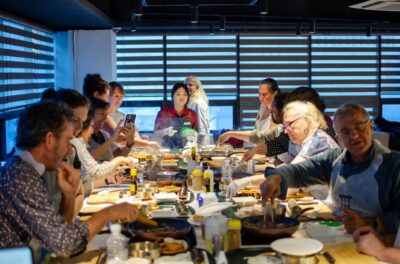
Taste of Korea, Authentic Home Style Cooking Class
Read our review →
Royal Seoul Cooking Class in a 100-Year-Old Hanok
Read our review →
Browse the lists this tour appears in