
Review · SEOUL COOKING CLASSES
Korean Cooking at Seoul Cooking Club
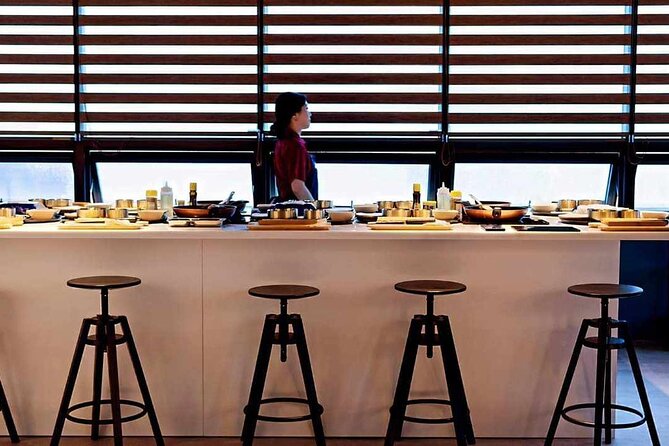
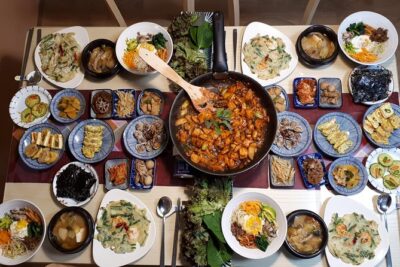
Seoul Cooking Club turns Korean food into a generous hands-on meal, not just a quick demonstration. You may prepare bulgogi, bibimbap, japchae, gimbap, several kinds of jeon, and dessert, then sit down to eat what you made.
I like the small maximum of 12 people, which gives the instructors room to help without making the class feel crowded. I also like the practical takeaway: recipes, cooking tips, and enough food that you may have leftovers for later.
The main consideration is the level of cooking involved. Ingredients are prepared ahead, so this is an accessible introduction rather than a serious knife-skills workshop. That suits beginners well, but experienced cooks may want more time spent on full preparation.
What makes this Seoul cooking class worth your time
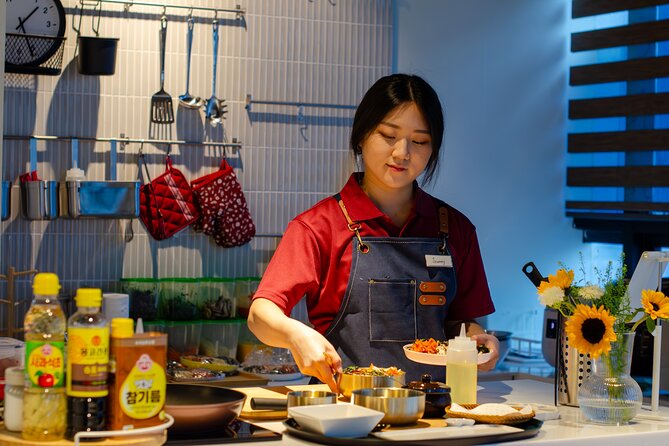
- Seven or more Korean dishes may appear on the menu, with examples including bulgogi, bibimbap, japchae, gimbap, three kinds of jeon, and dessert.
- The 2.5-hour format includes eating, not just cooking. You prepare a broad selection, taste Korean drinks or tea, and share the meal.
- Instructors such as Olivia, Sally, Elly, and Grace are praised for clear demonstrations, patience, and friendly explanations.
- Dietary needs are part of the booking conversation, with vegan, vegetarian, pescatarian, gluten-free, halal, and some allergy accommodations available.
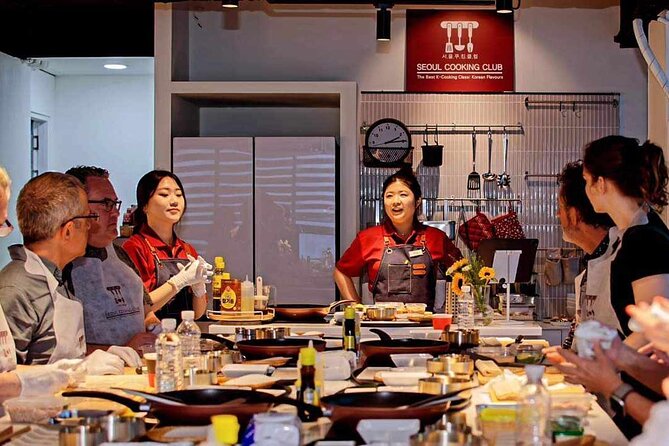
- The group is capped at 12 people, making it a social activity without the scale of a large food tour.
- A cookbook is provided, and some participants also receive a small tote bag, giving you a useful way to repeat the recipes at home.
A Korean meal built around variety
The clever part of this experience is its range. Instead of spending two hours on one elaborate dish, you sample the building blocks of a Korean meal: seasoned meat or vegetables, rice, noodles, pancakes, wrapped foods, side dishes, and something sweet at the end.
The exact menu can vary, but examples include bulgogi, bibimbap, japchae, gimbap, kimchi pancakes, three types of jeon, and dessert. The class description also promises about ten Korean flavors across appetizers, main dishes, and sweets. That wording matters because you are not simply learning one recipe. You are getting a broad first look at how Korean food balances salty, sweet, spicy, savory, fresh, and fermented notes.
I especially like this format for a first visit to Seoul. After making and tasting several familiar dishes, restaurant menus become easier to read. You begin to recognize the difference between a pancake, a rice bowl, a noodle dish, and a wrapped roll rather than ordering by guesswork.
The generous portions are another practical benefit. You should arrive hungry. Several people leave with food to take away, so this can function as both a cultural activity and a substantial meal. If you have a late dinner planned, consider booking the class earlier in the day or treating the meal as your main event.
More Korean Classes in Seoul:
- Local Home Korean Cooking Class & Market Adventure in Seoul
★ 5.0 · 1,024 reviews - Master Korean traditional cooking with a Kimchi chef
★ 5.0 · 385 reviews - Seoul: Korean Cooking Class at a Local Home and Market Tour
★ 5.0 · 348 reviews
What the 2.5-hour class feels like
The class takes place at 71-6 Jongno 2(i)-ga in Seoul’s Jongno District and ends at the same location. It is near public transportation, which makes it a sensible choice for a morning, afternoon, or evening plan in central Seoul.
The session is described as suitable for brunch, lunch, or dinner. You should expect a steady mix of instruction, preparation, tasting, and conversation rather than a formal restaurant meal with a long wait between courses.
At the start, the instructor introduces the dishes and ingredients. This is where the class earns its cultural value. You are not just shown what goes into a recipe. You can ask why particular ingredients matter, how flavors are adjusted, and how the foods connect with what you see in Korean markets and restaurants.
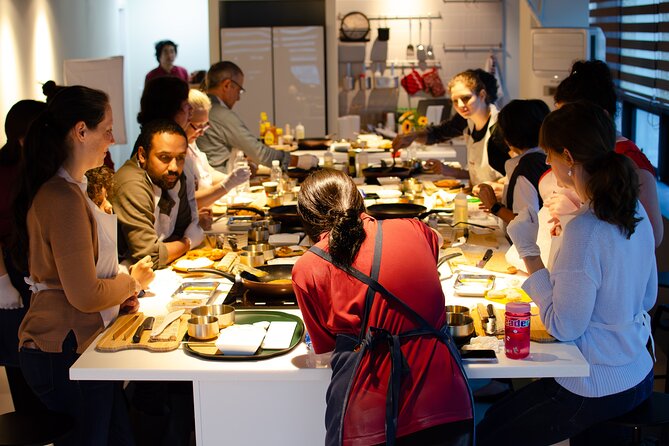
Then comes the hands-on work. The staff prepare many ingredients ahead of time, which keeps the class moving and makes it manageable for beginners. You still assemble, season, shape, cook, and taste, but you will not spend the entire session washing, chopping, and measuring.
That approach has two sides. If you rarely cook, it is reassuring. The instructions are clear, the dishes are broken into manageable steps, and instructors such as Elly and Olivia are praised for explaining each stage in a calm and friendly way. If you are an experienced home cook, you may find the class more like guided preparation than a full kitchen apprenticeship.
Once the dishes are ready, the group sits down to eat together. This shared meal is an important part of the experience. It gives you time to compare flavors, ask more questions, and meet people from other countries without the pressure of a formal group tour.
Learning from Olivia, Sally, Elly, and Grace
The teaching is one of the strongest reasons to book. The instructors named in the feedback include Olivia, Sally, Elly, and Grace, and each is praised for making the process easy to follow.
Olivia is noted for clear guidance, patience, and friendly explanations. She has also helped participants understand Korean food and culture beyond the recipes. Sally is described as warm and energetic, with a knack for keeping the class moving while preparing a large amount of food.
Elly receives particular praise for her gimbap demonstration. Rolling gimbap can look simple until the filling spills out or the rice is packed too tightly. A careful demonstration, followed by practical tips, helps you understand the technique well enough to try it again at home.
Grace is praised for explaining the foundations of Korean flavor and the reasons behind certain ingredients. That kind of context is useful because Korean cooking is not just a list of sauces. Small changes in seasoning can shift a dish from sweet to savory, or from mild to fiery.
The instructors also work with helpers, allowing one person to demonstrate while another assists around the room. With a maximum of 12 participants, you have a reasonable chance of getting help when a recipe needs correcting or a technique feels awkward.
Of course, instructors can change by session. The useful point is the teaching style the class aims for: simple demonstrations, repeated guidance, and room for questions. The very high rating, 5 out of 5 from 220 reviews, supports that pattern, though you should still expect a friendly introductory class rather than a professional culinary course.
The dishes: familiar classics and useful techniques
More Cooking Classes in Seoul:
- Seoul: Korean Cooking at Seoul Cooking Club!
★ 5.0 · 311 reviews - Seoul: Taste of Korea, Authentic Home Style Cooking Class
★ 4.9 · 166 reviews - Seoul: Royal Seoul Cooking Class in a 100-Year-Old Hanok
★ 5.0 · 96 reviews - Seoul: Kimchi Dishes Cooking Class with Wine Pairing
★ 4.7 · 38 reviews
Bulgogi and the foundations of Korean flavor
Bulgogi is a good teaching dish because its appeal comes from balance. You learn how sweet, salty, savory, and aromatic ingredients work together rather than relying on heat alone.
The class uses bulgogi as one example of a Korean staple that is easy to recognize in restaurants. Making it yourself also gives you a better sense of texture and seasoning. You can adjust the flavor as you go, an approach several instructors encourage.
Bibimbap and japchae
Bibimbap teaches the logic of combining separate components into one bowl. Rice, vegetables, seasoning, and other toppings are arranged and mixed together, so the dish is both visually appealing and practical.
Japchae offers a different lesson through noodles and seasoning. It is a useful comparison with bibimbap because the flavors may overlap while the texture and assembly change. Preparing both helps you see how Korean meals can use similar ingredients in different forms.
Gimbap and jeon
Gimbap is one of the most useful recipes to learn at home, though rolling it neatly takes practice. The instructor’s demonstration matters here, especially when showing how to distribute rice and fillings so the roll holds together.
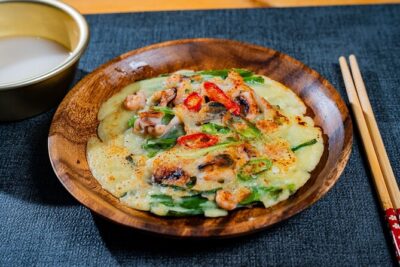
Jeon, or Korean savory pancakes, adds a more hands-on cooking task. The menu may include three types, giving you a chance to compare shapes and ingredients. Kimchi pancakes are also mentioned as part of family sessions.
These dishes are not just decorative additions. Together, they show how Korean cooking covers crisp edges, tender fillings, seasoned vegetables, noodles, rice, and wrapped foods. You get a practical introduction to texture as well as flavor.
Dessert and Korean drinks
Dessert closes the meal, and the class also includes Korean beverages such as water, tea, or sujeonggwa depending on the session. Sujeonggwa is a sweet traditional drink, often associated with cinnamon and ginger, and offers a refreshing contrast to the savory dishes.
Because the class includes both savory and sweet tastes, it feels more like a complete meal than a cooking demonstration with one sample at the end. That helps justify the price, especially if you count the food you eat as part of the experience.
Dietary needs and inclusiveness
The class can cater to vegan, vegetarian, pescatarian, gluten-free, and halal diets. It also makes an effort to handle specific allergies and restrictions. One participant with a peanut allergy and restrictions on beef and pork was able to eat all the food prepared during the class.
You should still provide your dietary information when booking and confirm it before the session. The supplied information supports accommodation, but it does not promise that every ingredient or kitchen is free from cross-contact.
This is a real advantage in Seoul, where many dishes use meat, seafood, wheat-based sauces, or shared seasonings. A cooking class that can adjust the menu gives you a more relaxed way to learn Korean food without spending the entire meal guessing what is safe.
Halal participants should also confirm the exact menu and preparation arrangements in advance. The class states that halal options are available, but individual dishes and ingredients can change.
The social side of the experience
A cooking class is an easy way to meet people without committing to a full-day group tour. You work side by side, share tasks, and have an obvious topic of conversation from the first minute.
It also suits solo visitors. You can attend alone and still have a built-in group meal at the end. Couples and families fit well too. A family of five can work together at the same station or divide up tasks, and the abundance of food means nobody is likely to leave hungry.
The group limit of 12 is important. A smaller class gives the instructor enough space to watch the cooking and answer questions. It also keeps the final meal comfortable. The experience may feel less intimate if all 12 places are filled, but it should still be more personal than a large food demonstration.
The activity is also a good first-day choice. You learn food names, ingredients, and basic customs early in your visit, then use that knowledge as you explore restaurants and markets later. It is a productive way to get your bearings without spending the day on your feet.
Is $109 a fair price?
At $109 per person, this is not the cheapest meal in Seoul. You can eat very well in the city for far less, and you should not book this solely for the amount of food.
The value comes from the combination of instruction, a multi-dish meal, cultural context, drinks, a small group, and recipes to take home. You are paying for a structured activity that removes the uncertainty of buying unfamiliar ingredients and trying to decode a Korean recipe by yourself.
The quantity also helps. The menu may include seven or more prepared dishes plus dessert, and some sessions provide enough leftovers to take away. If you count the meal, the teaching, and the cookbook together, the price is easier to defend for visitors who want more than a restaurant dinner.
I would consider it good value for first-time visitors, solo visitors, couples, families, and anyone who wants a practical food experience. It is less compelling for an experienced Korean cook seeking advanced technique, especially because much of the preparation is done in advance.
Practical details before you book
The experience lasts about two hours and 30 minutes. Since it can be scheduled for brunch, lunch, or dinner, you have some flexibility when planning around sightseeing.
The meeting point is 71-6 Jongno 2(i)-ga, Jongno District, Seoul, and the activity returns there. It is near public transportation, but the supplied information does not give a hotel pickup service, so plan to make your own way to the meeting point.
Mobile tickets are accepted, and confirmation is provided at booking. Service animals are allowed.
Free cancellation applies when you cancel at least 24 hours before the local start time. Cancellations within 24 hours are not refunded, and changes inside that window are not accepted. Keep that cutoff in mind if your Seoul schedule may shift.
Wear something comfortable and arrive ready to eat. The food portions can be substantial, and the class involves some standing and hands-on preparation, though there is also time to sit and enjoy the meal.
Who should book Seoul Cooking Club?
I would book this class if you want a friendly introduction to Korean food that gives you several recipes instead of one. It is especially useful if you are new to Korean cuisine, traveling alone, or looking for an indoor activity that works in any weather.
Families should find the format approachable, and couples can treat it as both a meal and an activity. People with dietary restrictions may also find it more useful than a standard food tour, provided they confirm their needs in advance.
I would hesitate only if you want advanced culinary training or full control over every step from raw ingredients to finished dish. The preparation is partly done for you, which keeps the class accessible but limits the technical challenge.
For most visitors, the strongest reason to book is the mix of food, instruction, and cultural context. You leave knowing what you ate, how several dishes are built, and how to try them again at home. That is far more useful than a single restaurant meal, and more satisfying than watching a chef cook while you sit back.
FAQ
How long does the Korean cooking class last?
The class lasts approximately two hours and 30 minutes.
Where does the class meet?
The meeting point is 71-6 Jongno 2(i)-ga, Jongno District, Seoul, South Korea. The activity ends back at the same meeting point.
How many people can join the class?
The maximum group size is 12 participants.
What dishes might I prepare?
Possible dishes include bulgogi, bibimbap, japchae, gimbap, kimchi pancakes, other types of jeon, and dessert. The menu can include seven or more dishes and about ten Korean flavors.
Is the class suitable for beginners?
Yes. The class is designed as an introduction to Korean cooking, with ingredients prepared ahead and instructors guiding you through each step. It may feel too basic if you want advanced cooking practice.
Can dietary restrictions be accommodated?
The class can provide vegan, vegetarian, pescatarian, gluten-free, and halal options. Some allergies and restrictions can also be accommodated. Share your requirements when booking and confirm them before the class.
Is food included in the experience?
Yes. You prepare the dishes, taste the food, and share the finished meal. Portions may be large enough to leave you with leftovers.
What is the cancellation policy?
You can receive a full refund if you cancel at least 24 hours before the local start time. Cancellations or changes made less than 24 hours before the experience are not accepted for a refund.
Newest classes around Seoul
- Seoul: Korean Home Visit, Cooking & Cultural Experience★ 5.0 · 2 reviews
- Seoul: Korean Kimchi Cooking Class in the Heart of the City★ 5.0 · 3 reviews
- Seoul: Premium Korean Feast Cooking Class★ 5.0 · 3 reviews
- Seoul: Kimchi Dishes Cooking Class with Wine Pairing★ 4.7 · 38 reviews
- Seoul: Korean Cooking Class with Local Grocery Shopping★ 5.0 · 13 reviews
- (Seoul) Korean Cooking Class with a Professional Chef★ 5.0 · 14 reviews
- Seoul: Authentic Korean Cooking Class and Market Tour★ 5.0 · 6 reviews
- Seoul: Cooking Class and Tour with Michelin-Trained Chef★ 5.0 · 11 reviews
Seoul Cooking Classes, compared.
Local Home Korean Cooking Class & Market Adventure in Seoul
Read our review →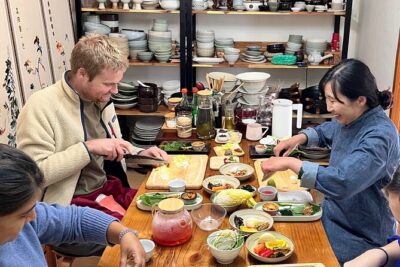
Master Korean traditional cooking with a Kimchi chef
Read our review →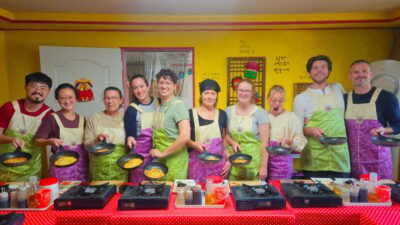
Korean Cooking Class at a Local Home and Market Tour
Read our review →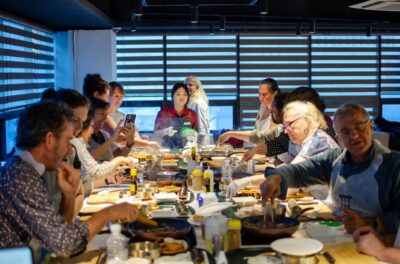
Taste of Korea, Authentic Home Style Cooking Class
Read our review →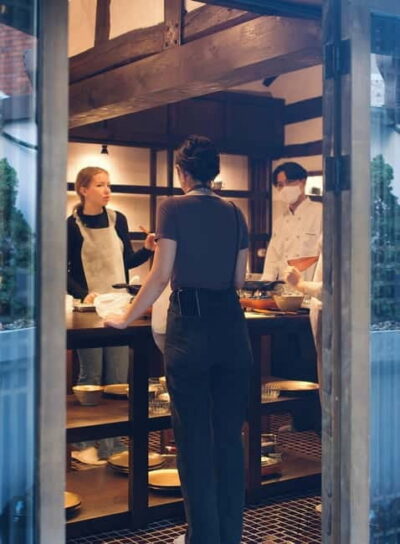
Royal Seoul Cooking Class in a 100-Year-Old Hanok
Read our review →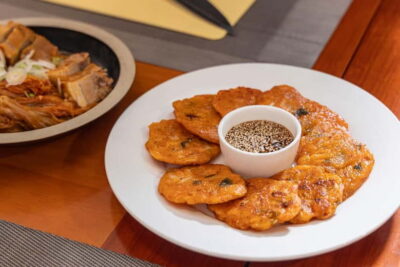
Temple Vegan Cooking Class & Oriental Medicine Tour
Read our review →Browse the lists this tour appears in