
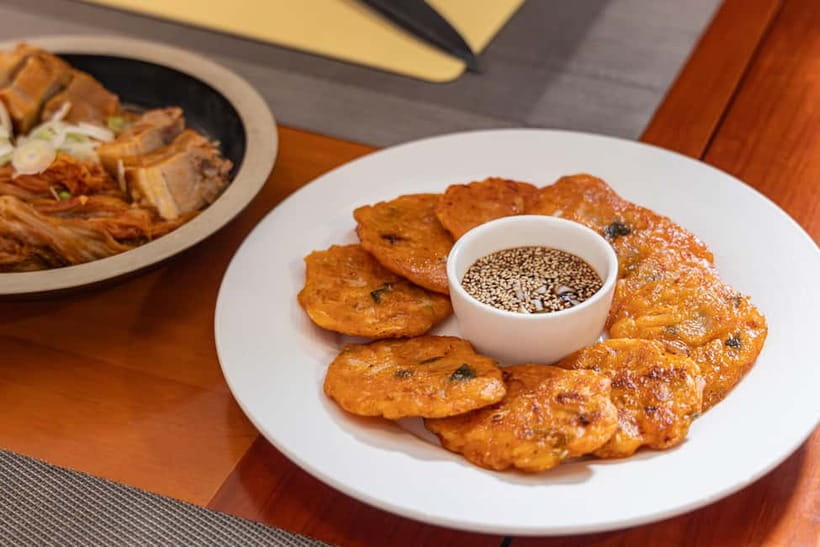
Review · SEOUL COOKING CLASSES
Seoul: Kimchi Dishes Cooking Class with Wine Pairing
Kimchi is more than a spicy side dish here. In this two-hour class near Gyeongbokgung Palace, host and sommelier Suyeon turns it into pancakes, noodles, fried rice, and a shared meal with braised pork belly. The four-kimchi tasting gives you a useful introduction before you start cooking.
I like the small group of six or fewer, which leaves room for questions and conversation. I also like that the recipes are simple enough to repeat at home, instead of being impressive dishes you can only make in a professional kitchen.
The main consideration is the 18-and-over rule, plus the fact that the exact cooking lineup can change with group size. You choose from three dishes, but not every session will unfold in exactly the same way.
Quick points before you book
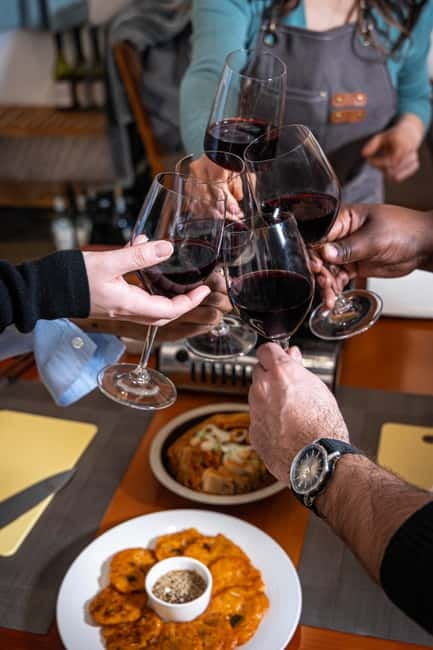
- Four styles of kimchi: Taste cabbage kimchi, white kimchi, radish kimchi, and aged kimchi before cooking.
- Three possible hands-on dishes: Choose kimchi pancake, white kimchi noodles, or radish and bacon stir-fried rice.
- A special shared main course: Suyeon prepares aged kimchi with braised pork belly in advance.
- Wine knowledge built into the meal: A former wine bar owner and sommelier selects a pairing for the food.
- Convenient palace location: The studio is about five minutes from Gyeongbokgung Palace and roughly 200 meters from Exit 2 of Gyeongbokgung Station.
- An intimate English class: The group is limited to six people, and the host teaches in English.
Why this kimchi class is different
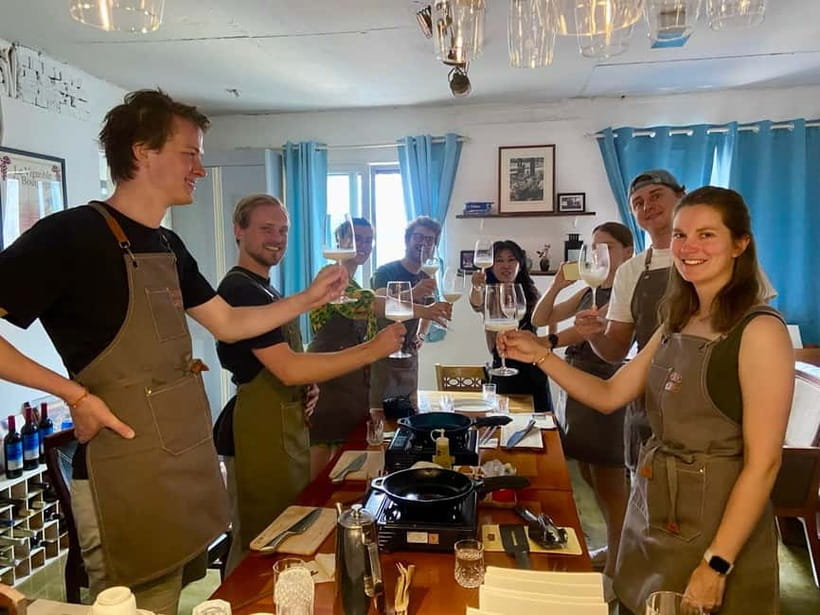
Many Korean cooking classes focus on familiar dishes such as bibimbap, bulgogi, or dumplings. This one takes a narrower path and uses kimchi as the main subject. That focus gives the class a clear purpose: by the end, you should understand how different kimchi styles taste, how they change during fermentation, and how to use them in easy home cooking.
That is useful because kimchi varies a lot. Cabbage kimchi can be spicy and direct. White kimchi is milder and refreshing. Radish kimchi brings a firmer texture and a different kind of heat. Aged kimchi has more developed, sour flavors that work especially well in cooked dishes.
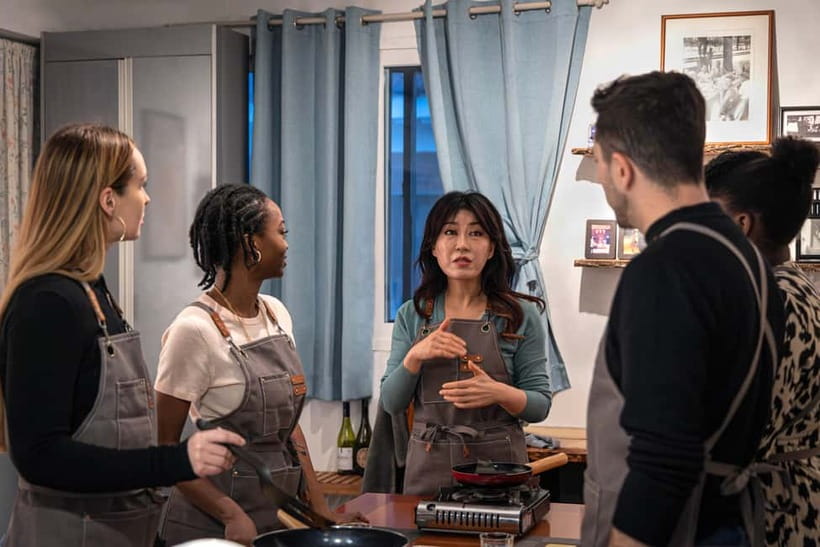
Suyeon guides the tasting and explains the food’s place in Korean culture. The class is not just a recipe lesson. It gives you a way to notice the difference between fresh, mild, crisp, and aged flavors once you return to Korean restaurants or a supermarket at home.
The wine pairing adds another layer. Kimchi is acidic, spicy, salty, and sometimes sweet, so it can be tricky with drinks. A sommelier can point out why one wine works better than another, rather than simply pouring something alongside the meal. Some sessions have also included makgeolli, including a yuja-flavored version, but the advertised pairing is wine, so treat wine as the standard offering.
More Korean Classes in Seoul:
- Local Home Korean Cooking Class & Market Adventure in Seoul
★ 5.0 · 1,024 reviews - Master Korean traditional cooking with a Kimchi chef
★ 5.0 · 385 reviews - Seoul: Korean Cooking Class at a Local Home and Market Tour
★ 5.0 · 348 reviews
Starting with four kinds of kimchi
The class begins with tasting rather than chopping. That is a smart order. You get to pay attention to the kimchi on its own before other ingredients and cooking methods change its character.
You taste cabbage kimchi, white kimchi, radish kimchi, and aged kimchi. Each one gives you a different lesson in texture, seasoning, and fermentation. The tasting also helps you decide which flavors you prefer before choosing your cooking activity.
For first-time visitors, this is probably the most useful part of the class. Kimchi is often treated as one single food, but the differences matter. White kimchi, for example, offers a gentler taste than the spicy red varieties. Aged kimchi can be stronger and more sour, which makes it particularly suited to stews, fried rice, and meat dishes.
Suyeon also explains the history and culture connected with kimchi. Her teaching style is patient and conversational, which helps if you know little about Korean food. You can ask about preparation, flavors, and how to use the ingredients at home instead of simply copying steps without context.
Choosing your hands-on dish
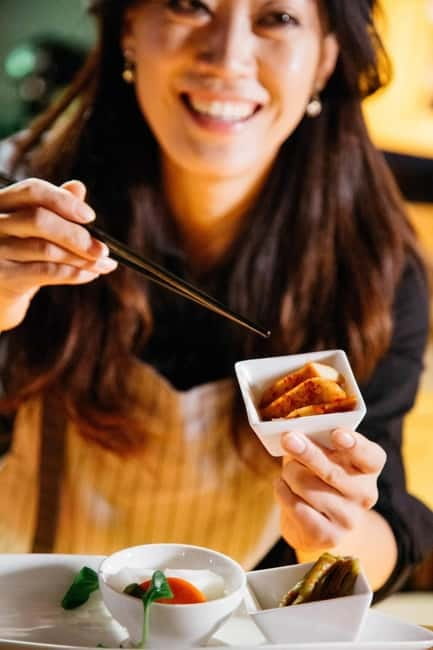
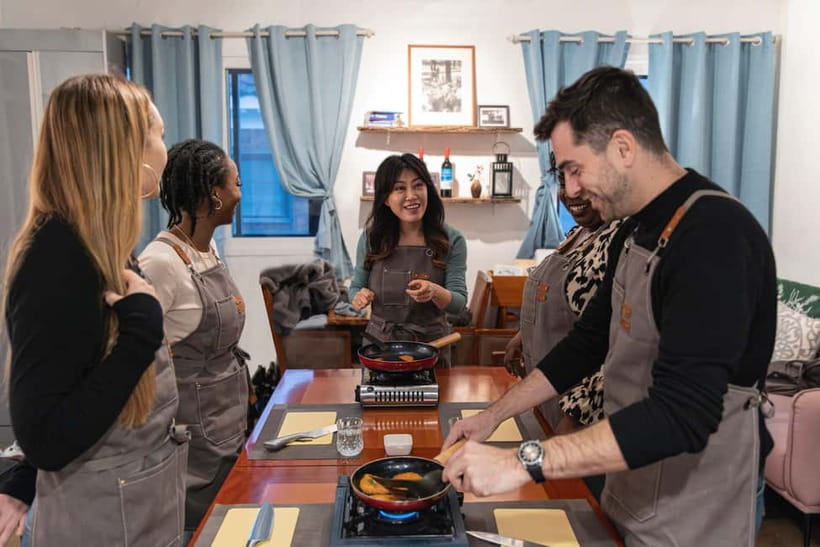
After the tasting, you select a dish from three options. The choices are kimchi pancake, white kimchi noodles, and radish and bacon stir-fried rice. The exact arrangement can vary according to the number of people attending, so you should not assume every class will produce the identical menu.
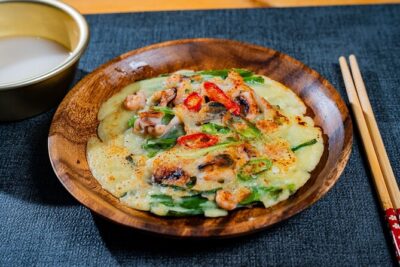
Kimchi pancake
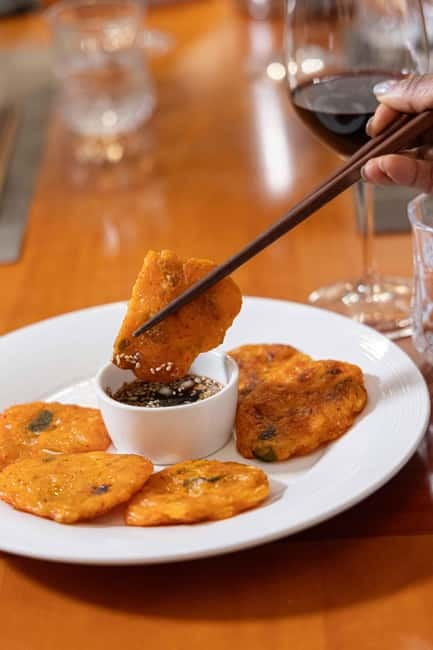
Kimchi pancake is the most immediately recognizable choice. The kimchi gives the pancake a sharp, savory flavor, while the batter turns it into something crisp and filling. It is also a practical home recipe, since it does not require complicated equipment or advanced technique.
This is a good pick if you want a straightforward Korean snack or light meal to recreate after your holiday. The cooking process gives you a feel for balancing batter, kimchi, and heat without making the class overly technical.
More Cooking Classes with Wine Tasting in Seoul:
- Florence: Pasta Cooking Class with Unlimited Wine
★ 4.9 · 10,285 reviews - Florence: Pasta & Tiramisu Cooking Class with Unlimited Wine
★ 4.9 · 6,708 reviews - Florence: Pasta Cooking Class with Unlimited Wine
★ 5.0 · 6,413 reviews - Rome: Pasta Making Class with Wine, Limoncello, and Dessert
★ 4.9 · 3,177 reviews
White kimchi noodles
White kimchi noodles offer a cooler, lighter contrast. The white kimchi brings freshness rather than the heavier spice of standard cabbage kimchi. In some sessions, this dish may work well as a refreshing final course, though the menu order can depend on the group.
Choose this option if you want to learn how mild kimchi can be used outside the usual side-dish role. It also shows why tasting several kinds at the start is worthwhile. Without that comparison, it is easy to assume all kimchi will produce the same result.
Radish and bacon stir-fried rice
Radish and bacon stir-fried rice is the heartiest of the three choices. The radish kimchi supplies acidity and crunch, while bacon adds richness. It is the sort of practical, flexible dish that can use leftover rice and a small amount of kimchi to make a full meal.
This option may suit you best if you prefer savory food with a stronger, more substantial flavor. It also demonstrates how aged or assertive kimchi can balance fatty ingredients.
The ingredients and instructions are designed for beginners. You will not need professional cooking experience, and the class is built around sharing the finished food rather than competing over technique. That keeps the mood relaxed and makes it easier to ask for help.
The pork belly dish you do not cook
The host prepares aged kimchi with braised pork belly before the class. This is not a shortcut to be disappointed about. The dish takes longer to cook and can be difficult for beginners, so preparing it in advance allows you to taste a more involved Korean combination without spending the whole two hours waiting for it.
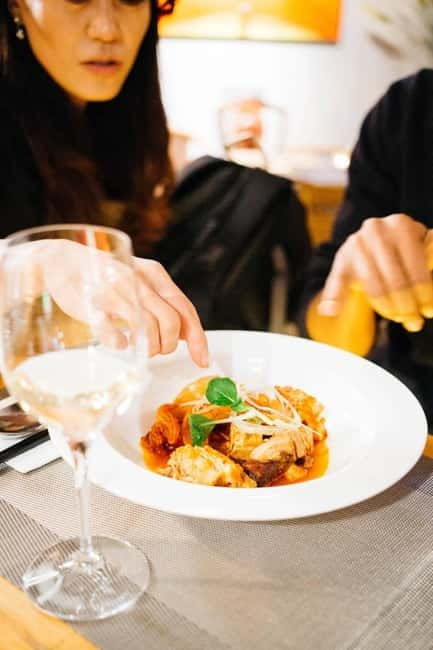
Aged kimchi and pork belly make sense together. The kimchi’s sour, developed flavor cuts through the pork’s richness. It is also a good example of how fermentation is used in Korean cooking, not just as a condiment placed beside the meal.
This specialty dish becomes part of the shared table at the end. You get to compare your own cooking with something made by an experienced host, while still keeping the class focused on recipes you can reasonably repeat at home.
Sharing the meal and pairing the drink

The final stage brings the class together. Participants share the dishes they have made, along with the aged kimchi and pork belly. The meal is social by design, so the small group matters here. With six or fewer people, you have a better chance to talk with the host and taste what others prepared.
The pairing is selected by Suyeon, who previously owned a wine bar and works as a sommelier. Her role is more useful than a simple wine tasting because the drink is considered alongside the food. Kimchi can overpower a delicate wine, while high acidity or the right amount of sweetness can make the combination work.
You receive a glass of wine with the meal. The point is not to sample a long list of bottles. It is to understand a few sensible matches and take away a better feel for pairing Korean flavors with wine.
Some feedback also refers to makgeolli and yuja makgeolli during the meal. Since the experience details describe a wine pairing, the exact drink may vary by session. If the wine element matters greatly to you, confirm the current arrangement when booking.
The meal is generous enough that you probably will not need to plan a large dinner immediately afterward. One participant described a sequence of kimchi pancake, kimchi fried rice with pork, and cold noodles, but your precise dishes can differ depending on the class setup.
A useful stop after Gyeonggung Palace
The studio is especially easy to combine with a palace visit. From Exit 2 of Gyeongbokgung Station, walk straight for about 200 meters, turn left at Woori Bank, pass the bar Cham, and look for the building with Cuisine La Cle restaurant on the first floor. The studio is on the third floor.
The class is about five minutes from Gyeongbokgung Palace, making it a sensible follow-up after touring the palace grounds. You can spend the morning with royal architecture and then move into an ordinary but important part of Korean food culture in the afternoon.
The location also puts you near other places to continue your day. Suyeon has suggested the palace and the Museum of Contemporary and Modern Art to participants, and the surrounding area includes bars and restaurants. You may want to check the walking route before class, since the studio is upstairs rather than at street level.
Allow a few extra minutes to find the entrance. The directions are clear once you identify Woori Bank and Cuisine La Cle, but a city building with several businesses can be easy to pass if you are rushing.
What the two-hour format really gives you
Two hours is short enough to fit into a sightseeing day, but long enough for a proper tasting, explanation, hands-on cooking, and shared meal. You are not signing up for a full-day culinary workshop, and that is part of the appeal.
The tradeoff is that the class cannot cover every aspect of kimchi making. You learn how to cook with prepared kimchi, not necessarily how to ferment a large batch from raw cabbage over several days. The emphasis is on easy dishes and pairing, not a detailed production course.
That focus suits most visitors who want an edible cultural experience without giving up half a day. It also makes the recipes more realistic for home use. The class has been described as beginner-friendly, and the clear instructions are meant to give you confidence after you leave.
The small group helps protect the pace. If only two people attend, the host may still run the class and, in one session, prepared all three dishes with the pair. That can create a more personal lesson, though the exact experience depends on attendance.
Who should book this experience
I would recommend this class to anyone who enjoys food but wants more than a restaurant meal. It is especially good for people who have eaten kimchi often but never stopped to compare types or ask how it works in cooked recipes.
It also suits couples, friends, and solo visitors who like conversation. The small setting encourages questions, and Suyeon’s discussions can move beyond ingredients into Korean culture and food traditions.
Wine lovers have a clear reason to choose it. The sommelier background makes the pairing more than an add-on, and you get a practical explanation of how acidity, spice, salt, and richness interact.
The class is also a good choice for a post-palace itinerary. It gives you a break from monuments and museums while staying close to Gyeongbokgung. If your day already includes the palace, the timing and location are hard to beat.
You should think twice if you want a highly structured class with one fixed menu. The dish choice can change with the group, and the activity is designed around sharing. It is also not suitable for children under 18.
Is $58 a fair price?
At $58 per person, the value depends on what you want from a food activity. You are paying for two hours of instruction, four kimchi tastings, a hands-on dish, a prepared pork belly course, a shared meal, and a selected drink pairing.
That is more useful than paying for a basic tasting alone. You leave with several ideas you can recreate, not just a memory of eating kimchi in Seoul. The host’s sommelier experience also gives the class a more specialized angle than a standard beginner cooking lesson.
The strongest value comes if you take advantage of the explanations. Ask why one kimchi is used in a particular dish, how aged kimchi changes the flavor, and which ingredients you could substitute at home. The class becomes less worthwhile if you only want a quick meal and are not interested in the food culture behind it.
Free cancellation up to 24 hours before the start gives you some flexibility, and you can reserve now and pay later. Starting times vary, so check availability against your palace plans.
Final verdict: book it if kimchi is more than a side dish
Book this class if you want a friendly, small-scale food experience with a clear theme. The strongest points are Suyeon’s patient teaching, the four-style tasting, beginner-friendly recipes, and the unusual pairing of Korean fermented food with wine.
It is not the right pick for children, for anyone seeking a full kimchi fermentation workshop, or for visitors who need a fixed menu. For most adults spending a day around Gyeongbokgung, though, it offers a tasty change of pace and a practical skill you can take home.
The best plan is to visit the palace first, arrive with enough time to find the third-floor studio, and come ready to share food with the group. At the end, you should know not only how kimchi tastes, but how to use it.
FAQ
Where does the kimchi cooking class meet?
Meet at the kimchi and wine cooking studio near Gyeongbokgung Station. From Exit 2, walk straight about 200 meters to Woori Bank, turn left, pass the bar Cham, and find the building with Cuisine La Cle restaurant on the first floor. The studio is on the third floor.
How long does the experience last?
The class lasts two hours.
How many people are in the group?
The activity is limited to six participants.
Is the class taught in English?
Yes. The host or greeter provides the experience in English.
Which kinds of kimchi will I taste?
You will taste cabbage kimchi, white kimchi, radish kimchi, and aged kimchi.
Which dishes can I learn to make?
The choices are kimchi pancake, white kimchi noodles, and radish and bacon stir-fried rice. The exact dishes can vary slightly according to the number of participants.
Is the aged kimchi and pork belly dish made by participants?
No. The host prepares the aged kimchi with braised pork belly in advance because it can be difficult for beginners and takes a long time to cook. Everyone shares it with the other dishes.
Is wine included?
The experience includes a glass of wine selected by the sommelier to pair with the meal. Some sessions have also included makgeolli, but the advertised pairing is wine.
Can children join the class?
No. The activity is not suitable for children under 18.
Can I cancel the booking?
You can cancel up to 24 hours in advance for a full refund. The reserve-now, pay-later option also lets you hold a place without paying immediately.
Newest classes around Seoul
- Seoul: Korean Kimchi Cooking Class in the Heart of the City★ 5.0 · 3 reviews
- Seoul: Premium Korean Feast Cooking Class★ 5.0 · 3 reviews
- Seoul: Korean Home Visit, Cooking & Cultural Experience★ 5.0 · 2 reviews
- Seoul: Korean Cooking Class with Local Grocery Shopping★ 5.0 · 13 reviews
- (Seoul) Korean Cooking Class with a Professional Chef★ 5.0 · 14 reviews
- Seoul: Authentic Korean Cooking Class and Market Tour★ 5.0 · 6 reviews
- Seoul: Cooking Class and Tour with Michelin-Trained Chef★ 5.0 · 11 reviews
- Seoul: Royal Seoul Cooking Class in a 100-Year-Old Hanok★ 5.0 · 96 reviews
Seoul Cooking Classes, compared.
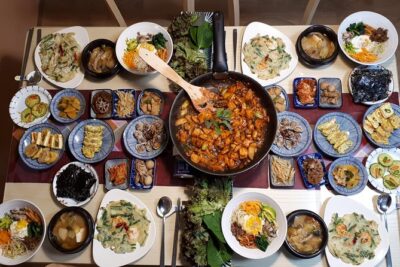
Local Home Korean Cooking Class & Market Adventure in Seoul
Read our review →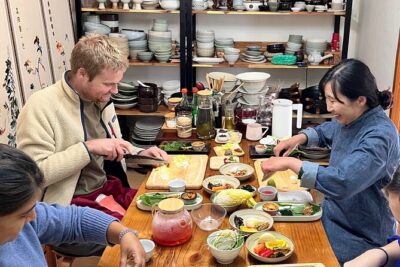
Master Korean traditional cooking with a Kimchi chef
Read our review →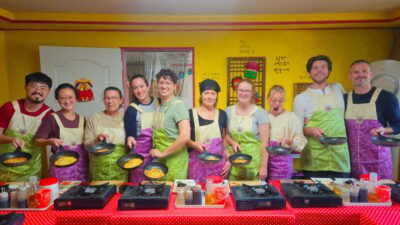
Korean Cooking Class at a Local Home and Market Tour
Read our review →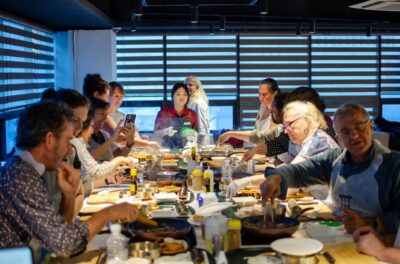
Taste of Korea, Authentic Home Style Cooking Class
Read our review →
Royal Seoul Cooking Class in a 100-Year-Old Hanok
Read our review →
Temple Vegan Cooking Class & Oriental Medicine Tour
Read our review →Browse the lists this tour appears in