
Review · OSAKA COOKING CLASSES
Osaka: Ramen and Gyoza Cooking Class in Dotonbori
The best part of this Osaka class is that you do not simply watch someone assemble ramen. You knead the wheat, roll and cut the noodles, prepare the broth, fold the gyoza, and eat the finished meal. It turns two familiar Japanese dishes into something you understand with your hands.
I like the small-group setup, usually capped at about eight people, and the patient instruction from guides including Miki, June, Yoshi, and Kasa. I also like that the class sends you home with recipes, so the experience does not end when the bowls are empty. The main consideration is time: allow roughly two to three hours, and arrive ready for a full meal rather than a quick snack.
Key points to know before booking
- Fresh noodles from wheat: Knead the dough yourself, then cut it with a noodle machine.
- A real ramen-and-gyoza meal: You prepare both dishes and sit down to eat what you made.
- Small English-speaking class: Two instructors may work with a group of no more than eight people.
- Japanese food basics included: Learn about soy sauce ramen, dashi, miso, toppings, and gyoza filling.
- Good for families: Children and teenagers can take part, with one family praising the pace for an 11-year-old.
- Dietary flexibility: Plant-based substitutions and alternatives to fish broth have been made, but ask when booking.
Why making ramen beats simply ordering another bowl
Dotonbori is packed with places to eat ramen. That is part of the fun, but after a few bowls, it can be hard to remember one from another. This class gives you the missing piece: an understanding of how the noodles, soup, filling, and toppings come together.
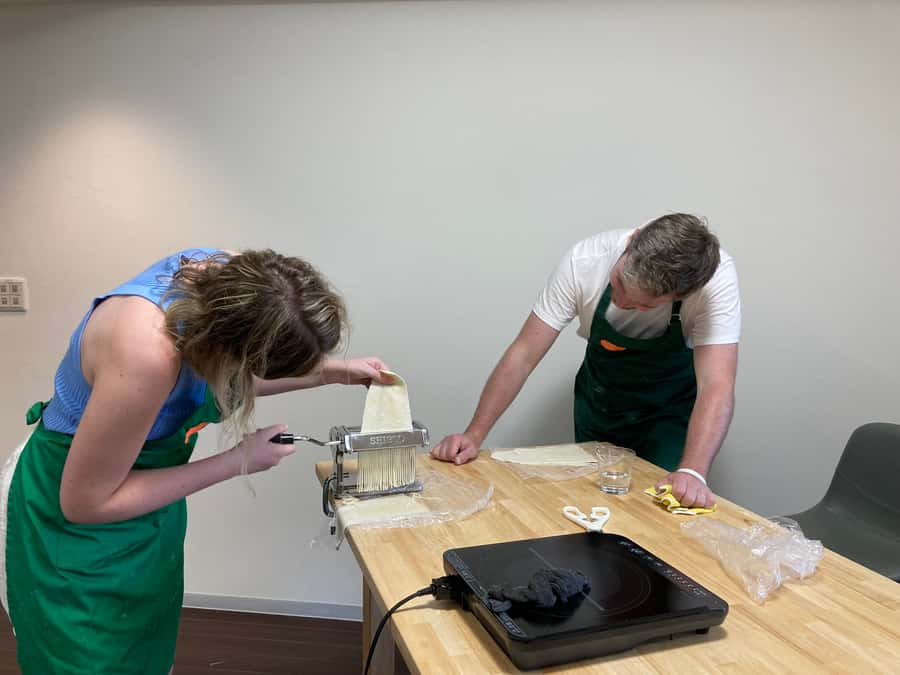
You start with basic ingredients and work toward a meal that feels personal. The noodles are not pulled by a master in front of you while you stand back. You handle the dough, learn how it changes as you knead it, and use a machine to cut it into strands. The gyoza follows a similar path, taking minced chicken and other ingredients and turning them into dumplings you shape yourself.
I like this kind of cooking class because it gives you useful skills without pretending you are about to become a ramen chef. The instructors break the work into clear stages, and they step in when someone falls behind. Several people found the explanations easy to follow, even when they began the class feeling nervous.
The class is also a pleasant way to learn about everyday Japanese food. Ramen and gyoza are not presented as rare ceremonial dishes. They are familiar favorites, commonly ordered together at ramen shops. You get a closer look at why that pairing works.
More Sushi and Japanese Classes in Osaka:
- Sushi Making Osaka! Popular Sushi Class in Japan!
★ 5.0 · 500 reviews - Osaka Cooking Class: Okonomiyaki &Japanese cuisines experience
★ 5.0 · 261 reviews - Osaka: Roll and Authentic Sushi Making Class in Dotonbori
★ 4.9 · 239 reviews
Finding Cooking Sun Osaka near Dotonbori
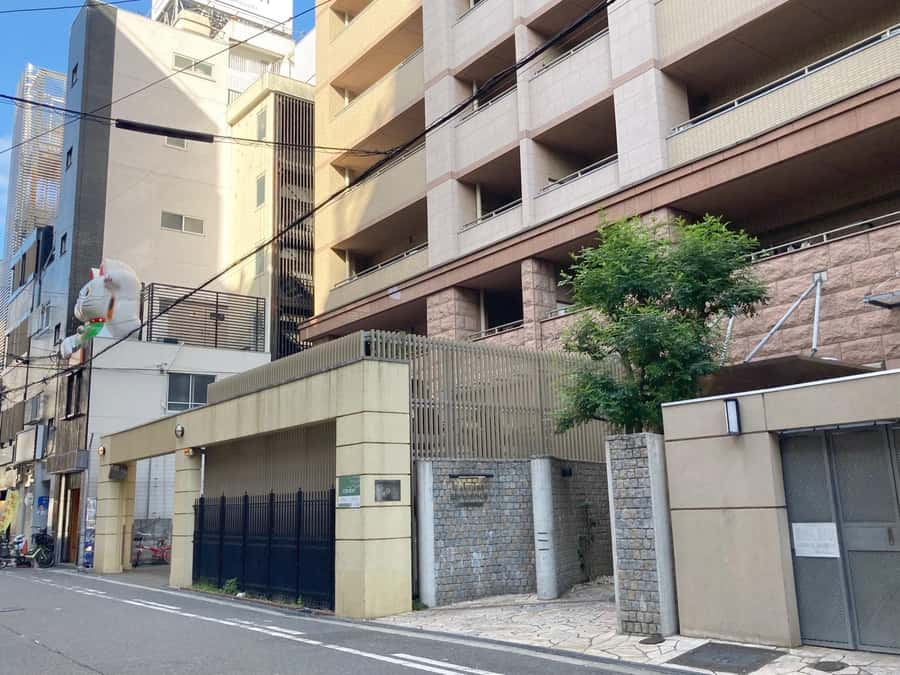
The meeting point is Cooking Sun Osaka, room 807. At the entrance, press 807 and then the button marked 呼出, which means call. This detail matters because the building entrance may not be immediately obvious, and one person specifically found the location tricky to find.
Give yourself extra time to locate the building rather than arriving at the last minute. The class ends where it begins, with no hotel pickup or drop-off. That makes it easy to fit into a day around Dotonbori, but you are responsible for getting to the meeting point and back into the neighborhood afterward.
Once inside, the kitchen gives each person enough working space. One useful feature is the two-instructor format. With a maximum of about eight people, you are not left trying to see a demonstration from the back of a crowded room.
Building the broth: chicken bones, dried sardines, and soy sauce
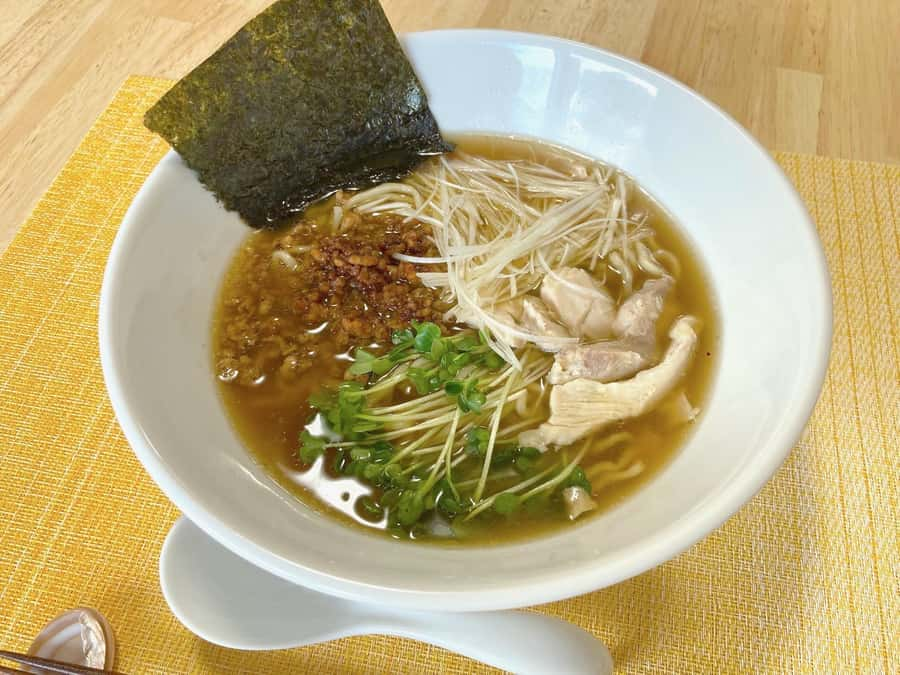
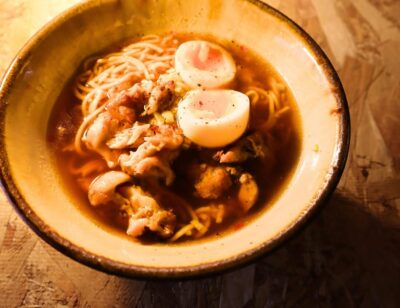
The soup is the heart of ramen, and this class begins by showing you the ingredients behind it. The standard version uses chicken bones and dried sardines, creating a savory base for soy sauce ramen.
This is a valuable part of the class because it puts restaurant ramen in context. At home, many people think of ramen as noodles dropped into boiling water with a seasoning packet. Here, you see how the broth gets its flavor and why Japanese cooks pay attention to the balance between soup, noodles, and toppings.
The class focuses on standard soy sauce ramen, but you can make changes to the bowl. Miso can be added to create a miso-style soup, and you can choose toppings to make the final dish your own. The exact topping choices are not specified, so do not book this expecting a long buffet of options. The point is learning the basic method and then making small changes.
The broth also gives you a chance to ask about Japanese ingredients. The instructors explain items such as different kinds of miso and when each is useful. That information is practical, especially if you want to reproduce the dish at home and do not know which miso to buy.
Kneading wheat and cutting noodles with a machine
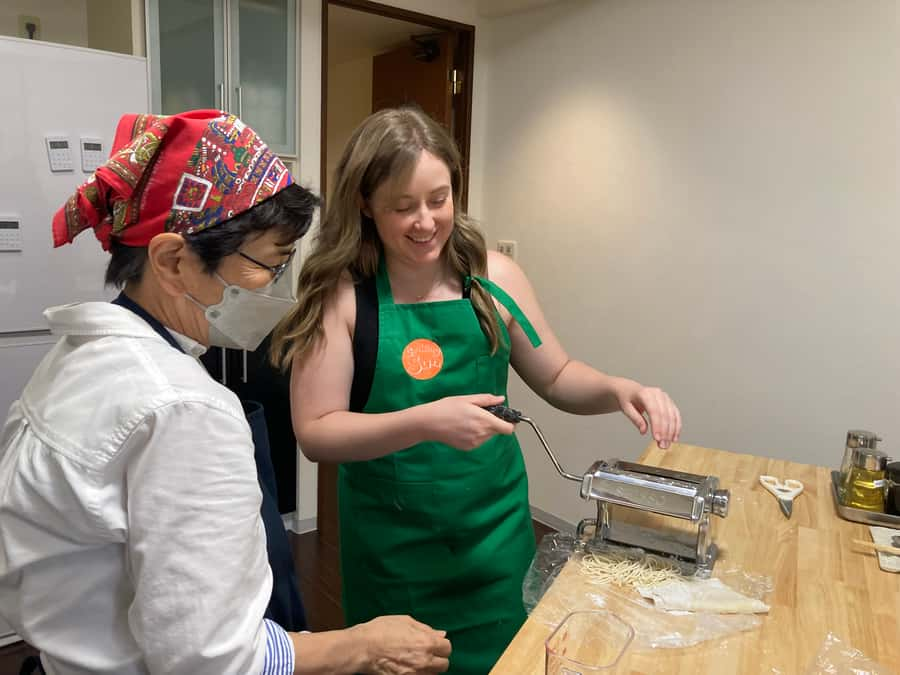
The most hands-on stage is making the noodles. You knead wheat dough and learn how to prepare it for cutting. This is more physical than ordering ramen, but it is not presented as a test of strength. The instructors guide you through each step and help if your dough or timing gets off track.
After the dough is ready, you use a noodle machine to cut it. This is one of the class’s most distinctive activities. You are not just learning a recipe in broad terms. You see the dough become actual ramen strands, with a clear connection between the ingredients and the noodles in your bowl.
The dough needs time to rest while you work on the gyoza. That gives the class a natural rhythm. You are not standing around waiting for something to happen, and you are not rushed through the dumpling preparation. One person described the pace as carefully timed, with enough room to keep up and ask questions.
The noodles you produce will not be identical to factory-made noodles, and that is part of the appeal. Small differences in thickness or texture make the final bowl yours. The instructors’ job is to show you the method, not erase every sign that you made it yourself.
More Cooking Classes in Osaka:
- Ramen and Gyoza Cooking Class in Osaka
★ 5.0 · 202 reviews - Osaka Sake Tasting with Takoyaki Cooking
★ 5.0 · 156 reviews - Osaka: Cooking Class Ramen & Gyoza Course in Nanba
★ 4.9 · 86 reviews - Osaka: Gluten-Free Ramen and Gyoza Cooking Class
★ 5.0 · 42 reviews
Folding chicken gyoza while the dough rests
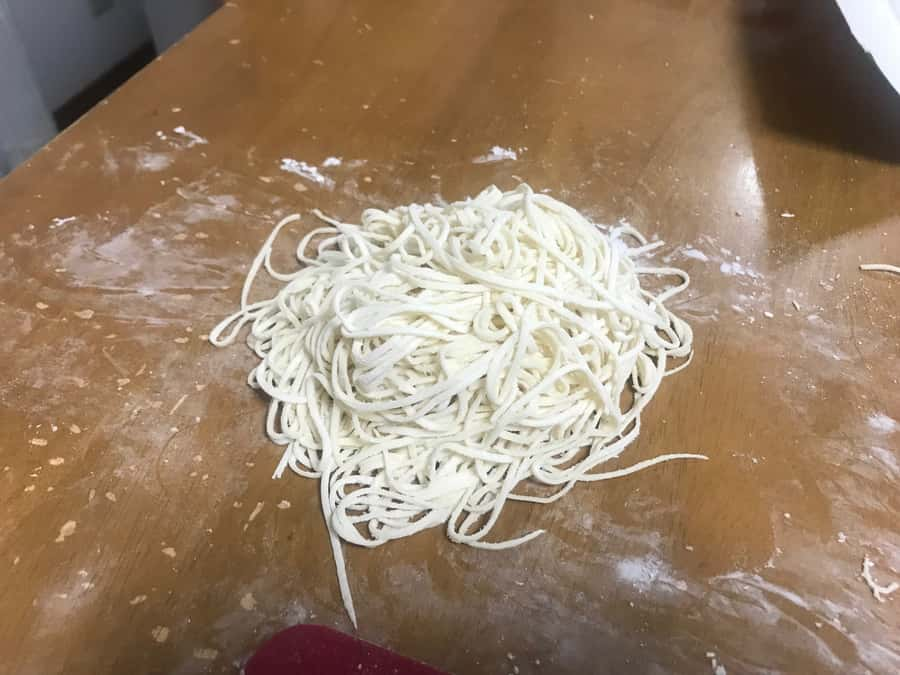
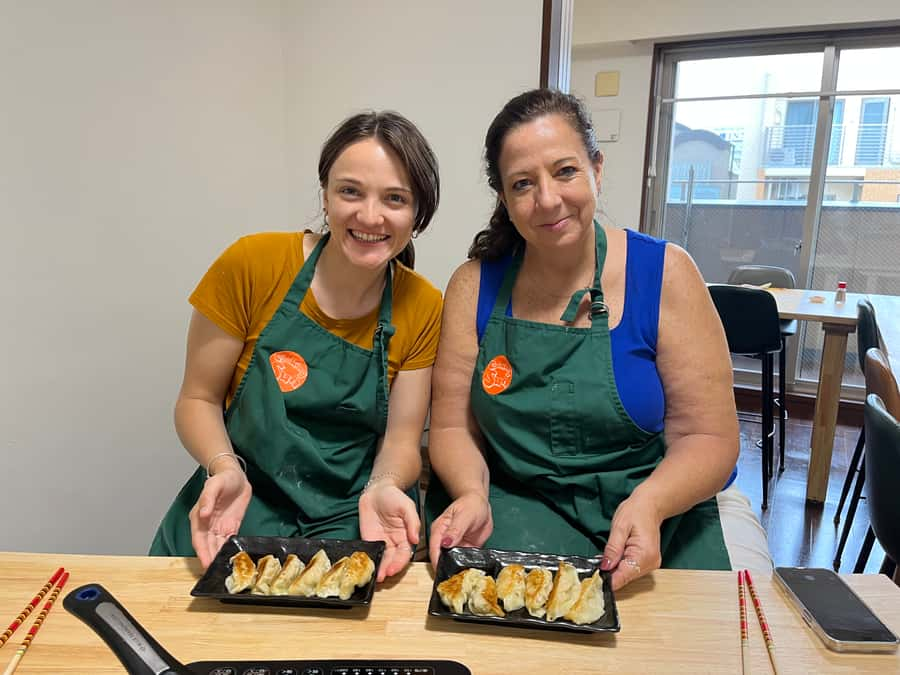
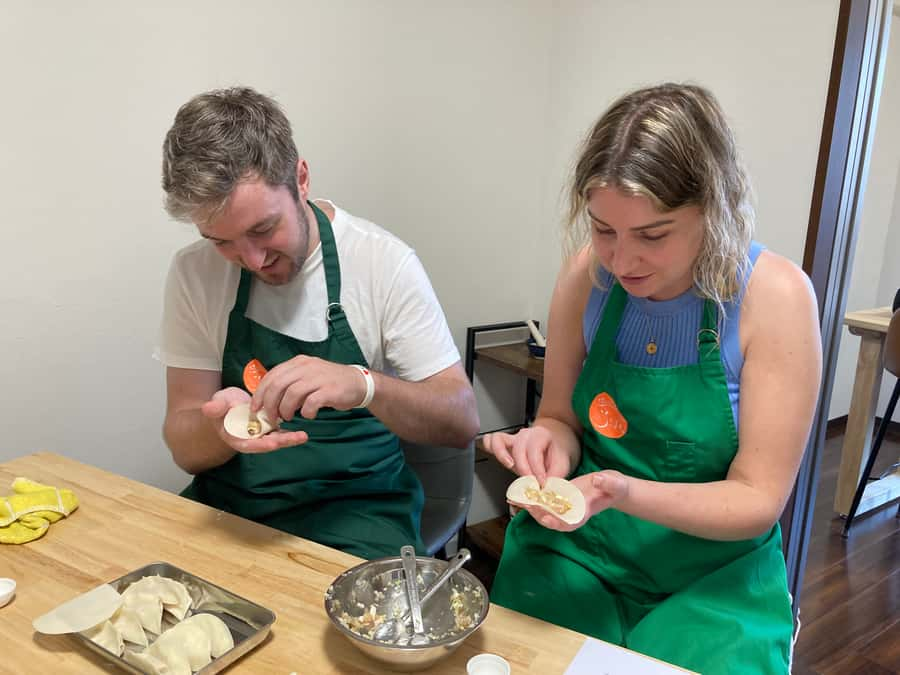
While the ramen dough rests, you prepare the gyoza filling. The class uses minced chicken, giving the dumplings a lighter alternative to the pork filling commonly associated with gyoza.
You mix the filling and then shape the dumplings. Folding gyoza looks simple until you try to keep the filling inside and close the wrapper neatly. The instructors demonstrate the process and help you correct your technique without making the activity feel like a formal exam.
This is a good stage for families and couples because everyone can work at a different speed. An 11-year-old enjoyed the class as part of a family group, and the small class size means you can ask for help instead of waiting for an instructor to reach you.
The dumplings also create a nice contrast with the ramen. The noodles require kneading and machine work, while the gyoza is about filling, folding, and cooking. You get two different kinds of Japanese kitchen practice in one sitting.
If you do not eat fish, an alternative to fish broth has been provided for some participants. Plant-based adjustments have also been made for a vegan participant. I would still state your dietary needs when booking or before the class starts, since the standard ingredients include chicken and dried sardines.
Eating the meal you made
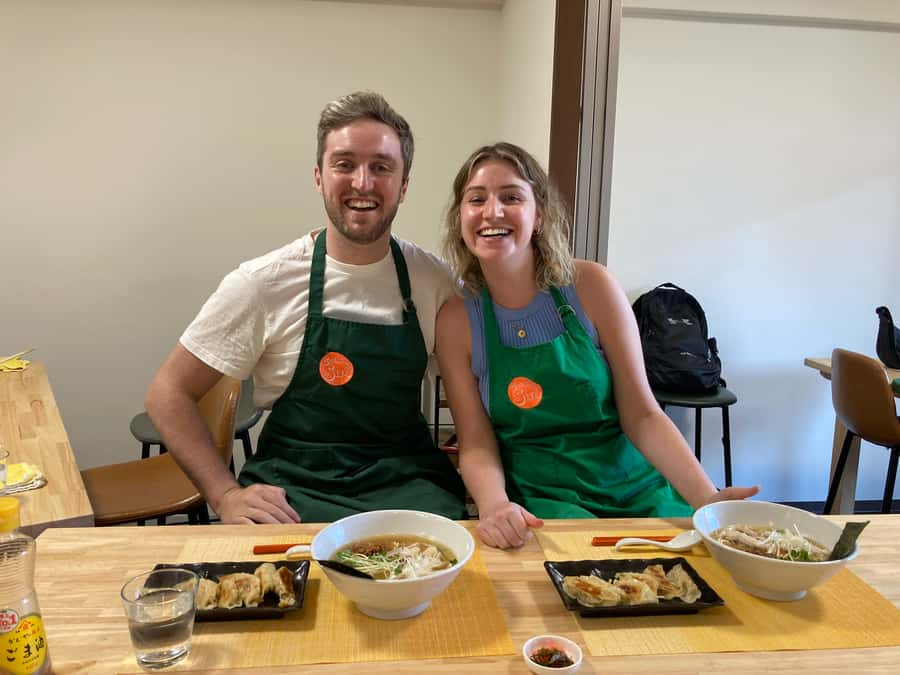
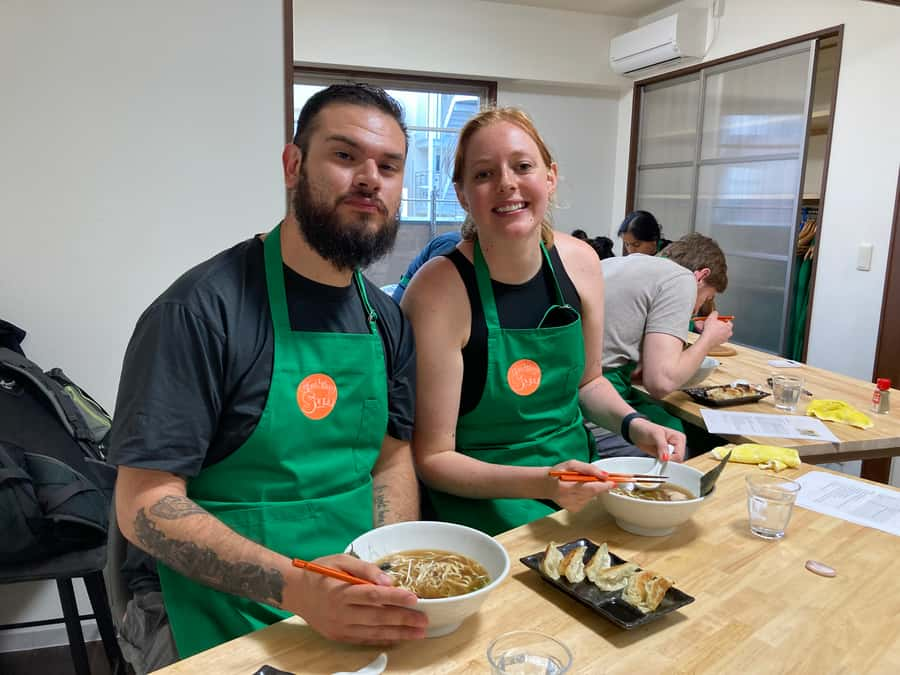
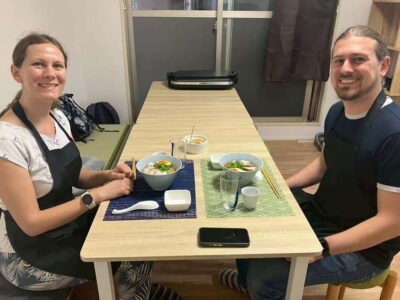
The reward comes at the end, when the noodles, broth, toppings, and dumplings come together. You sit down and eat your own ramen and gyoza rather than receiving a separate restaurant meal.
That meal is more satisfying because you have followed every step. You know how the dough was made, what went into the soup, and how much care went into folding the dumplings. Several people were surprised by how good the final food tasted, especially after expecting a basic beginner result.
Come hungry. The class produces a proper meal, and one person specifically advised arriving with an empty stomach. If you have a busy dinner reservation soon afterward, leave plenty of time. The cooking itself may take about two hours, and some sessions have lasted around three hours.
The food is also the best measure of value. At $70 per person, this is not the cheapest way to eat ramen in Osaka. You can buy a bowl for much less. But the fee covers the ingredients, instruction, kitchen use, and a substantial meal, plus recipes to take home. If you value the activity as well as the food, the price is reasonable.
The teaching style and group size
The strongest feature of this class is the instruction. The English explanations are clear, and the instructors keep an eye on the whole room. Miki and June are praised for helping people who fall behind, while Yoshi and Kasa are also named as friendly and patient guides in different sessions.
That matters in a cooking class. A poorly paced lesson can leave you with cold food, a messy work surface, or no idea what you just did. Here, the class is organized so the steps keep moving, but the instructors can pause to explain an ingredient or technique.
The maximum group size of eight keeps the lesson fairly intimate. Two instructors for that number gives you a better chance of receiving hands-on help. It also makes the session social without turning it into a loud demonstration with dozens of people.
The class is conducted in English. The guides also explain Japanese dining customs and the background of the ingredients, so you get more than a list of measurements. The cultural information is not the main event, but it adds useful context to dishes you will probably eat several times during your stay.
Who will enjoy this Osaka cooking class
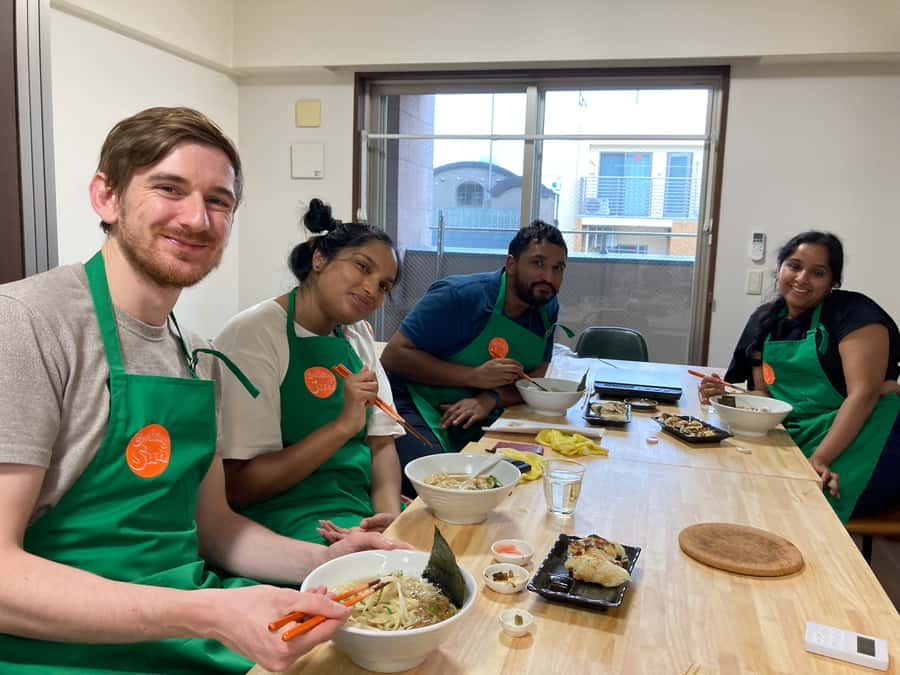
I would recommend this class to anyone who likes food enough to wonder how it is made. You do not need previous cooking experience. The step-by-step format suits beginners, and the instructors help when the noodles or dumplings do not go exactly as planned.
It works especially well for:
- Couples looking for a shared activity beyond sightseeing
- Families with older children or teenagers
- Visitors who want a practical souvenir from Japan
- Ramen fans who want to understand the dish rather than only photograph it
- People interested in recreating Japanese food at home
- Anyone who prefers a small class to a large group demonstration
The class may be less appealing if you want a quick activity or dislike working with dough. It is also not the right pick if you want a broad survey of many Japanese dishes. The focus is narrow: ramen and gyoza, taught in detail.
Vegetarians and vegans should also be careful with the standard ingredients. Adjustments have been made, including a plant-based option and an alternative to fish broth, but the normal recipes involve chicken and sardines. Confirm what can be changed for your booking.
Practical timing, cost, and booking details
The listed price is $70 per person. Ingredients used in the class are included, while hotel transportation is not. Because the activity ends back at the starting point, you can plan the rest of your Osaka day without arranging a separate return transfer.
The activity is offered in English. You can reserve now and pay later, and cancellation is allowed up to 24 hours in advance for a full refund. Those terms are useful if your Osaka schedule is still shifting.
For the smoothest visit, I would do three things:
- Find the building before the starting time.
- Arrive hungry enough for a full meal.
- Tell the instructors about vegetarian, vegan, or fish-related needs at the start, or preferably before arrival.
Bring patience rather than a rushed schedule. The cooking is the point, and you will enjoy it more if you are not watching the clock.
Should you book the ramen and gyoza class?
Book it if you want an active food experience, not just another restaurant meal. The class gives you several useful takeaways: a basic ramen method, fresh noodle practice, gyoza folding skills, ingredient knowledge, and recipes you can use after Japan.
I especially like it for families, couples, and first-time visitors who want an approachable introduction to Japanese home-style cooking. The class is friendly without being overly formal, and the finished meal gives the activity a clear payoff.
Skip it if your schedule is tight, you dislike cooking, or you only want the lowest-cost bowl of ramen in Dotonbori. For everyone else, $70 is fair for a small English-language lesson and a meal you made yourself. Just allow two to three hours and use the room 807 call button at the entrance.
FAQ
Where does the ramen and gyoza class meet?
The class meets at Cooking Sun Osaka, room 807. At the entrance, press 807 and then press the button marked 呼出, which means call.
Where does the activity end?
The activity ends back at the meeting point at Cooking Sun Osaka.
How long does the class take?
Plan for roughly two to three hours. The stated duration varies in the available information, with one session described as two hours and another as three hours.
What dishes will I make?
You will make ramen and gyoza. The ramen uses fresh wheat noodles, while the gyoza filling uses minced chicken.
What kind of ramen will I prepare?
The standard recipe is soy sauce ramen. You may add toppings, and miso can be added to the soup to make miso ramen.
Is the class taught in English?
Yes. English is the listed language for the activity.
Are ingredients included in the price?
Yes. All ingredients used in the cooking class are included. Hotel pickup and drop-off are not included.
Can the class accommodate vegan, vegetarian, or fish-free diets?
Plant-based substitutions and alternatives to fish broth have been provided in some sessions. The standard recipes use chicken and dried sardines, so tell the organizers about your dietary needs before or at the start of the class.
Newest classes around Osaka
- Okonomiyaki&Takoyaki for Families:Osaka Street Food Festival★ 5.0 · 4 reviews
- Osaka: Gluten-Free Ramen and Gyoza Cooking Class★ 5.0 · 42 reviews
- Osaka Okonomiyaki Cooking Experience for Families & Groups★ 4.9 · 8 reviews
- Osaka Sake Tasting with Takoyaki Cooking★ 5.0 · 156 reviews
- Osaka : Exclusive Tea Ceremony & Wagashi Cooking★ 5.0 · 2 reviews
- Osaka: Okonomiyaki Cooking Class with Beer or Soft Drink★ 4.9 · 9 reviews
- Osaka: Japanese Cooking Class with Matcha Experience★ 5.0 · 4 reviews
- Osaka: Cooking Class & Sake Tasting with Local Market Visit★ 4.8 · 31 reviews
Osaka Cooking Classes, compared.

Sushi Making Osaka! Popular Sushi Class in Japan!
Read our review →
Osaka Cooking Class: Okonomiyaki &Japanese cuisines experience
Read our review →
Roll and Authentic Sushi Making Class in Dotonbori
Read our review →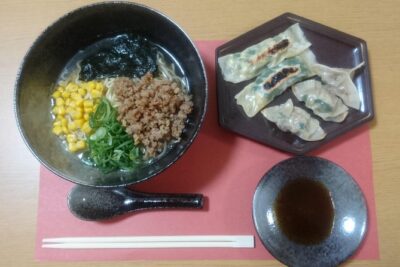
Cooking Class & Sake Tasting with Local Market Visit
Read our review →Browse the lists this tour appears in