
Review · OSAKA COOKING CLASSES
Sushi Making Osaka! Popular Sushi Class in Japan!
The main appeal here is simple: you make two classic kinds of sushi, then eat what you have prepared. The class covers nigiri, the hand-shaped sushi most closely tied to the familiar image of sushi in Japan, and maki, the rolled form found around the world.
I like the small group limit of 10 and the friendly teaching style. The short history lesson and trivia make the class more than a cooking demonstration, while clear English instruction keeps the process easy for beginners. The one thing to consider is the location. It is in a central shopping and nightlife area, but one person found the exact entrance a little hard to locate.
Key points to know before booking
- Two sushi styles: Learn hand-shaped nigiri and rolled maki in the same class.
- About 90 minutes: The first half focuses on instruction and preparation, followed by eating your sushi.
- Small class size: A maximum of 10 people gives you a better chance to receive personal help.
- English instruction: Staff explain the techniques clearly and keep the mood light.
- A full meal: The amount of sushi can be substantial, so arrive hungry.
- Central Osaka setting: The class is at 1-chōme-16-20 Higashishinsaibashi, close to public transport and nearby shopping.
Making sushi in the heart of Osaka
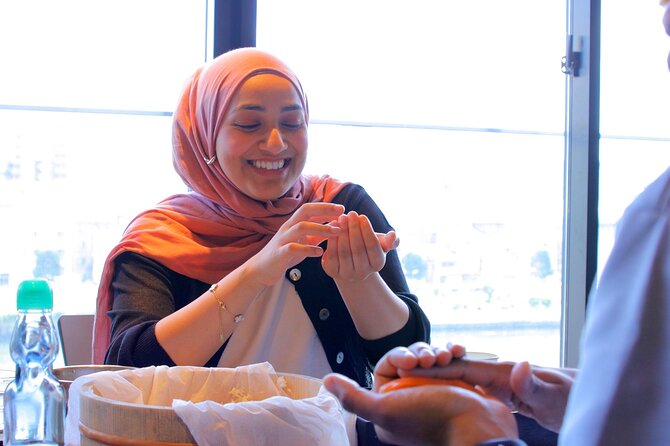
This is a practical way to spend part of a day in Osaka. You are not simply watching a chef work behind a counter. You handle the rice, fillings, seaweed, and toppings yourself, with an instructor showing you how to shape and roll everything.
The class takes place at Sushi Making Osaka in Higashishinsaibashi, a central part of Chuo Ward. The address puts you in a useful area for a day of sightseeing, shopping, and eating. After class, you can continue exploring the neighborhood rather than spending time traveling out to a remote cooking studio.
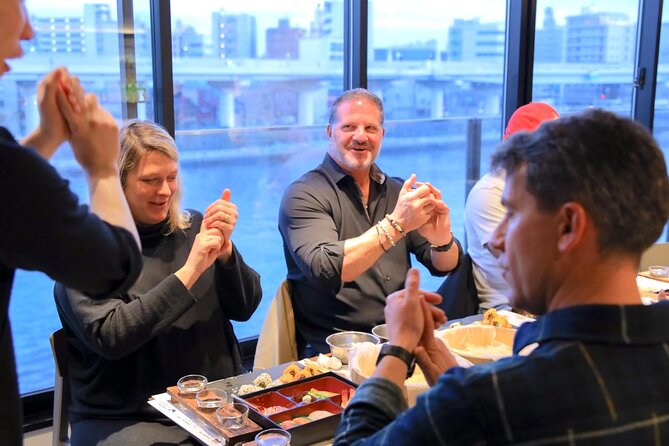
The setting is described as clean, modern, and comfortable. It is also compact, which helps the lesson feel personal. A group of eight can fit around a shared table, giving you a chance to talk with other people while you work. The maximum group size is 10, so this is not the kind of large demonstration where you sit at the back and hope to see the instructor’s hands.
You should allow a little extra time to find the entrance. One person found the location confusing, so check the address carefully before setting out. The class ends at the same place where it begins.
More Sushi and Japanese Classes in Osaka:
- Osaka: Ramen and Gyoza Cooking Class in Dotonbori
★ 5.0 · 378 reviews - Osaka Cooking Class: Okonomiyaki &Japanese cuisines experience
★ 5.0 · 261 reviews - Osaka: Roll and Authentic Sushi Making Class in Dotonbori
★ 4.9 · 239 reviews
What you learn: nigiri and maki
The class concentrates on two forms of sushi.
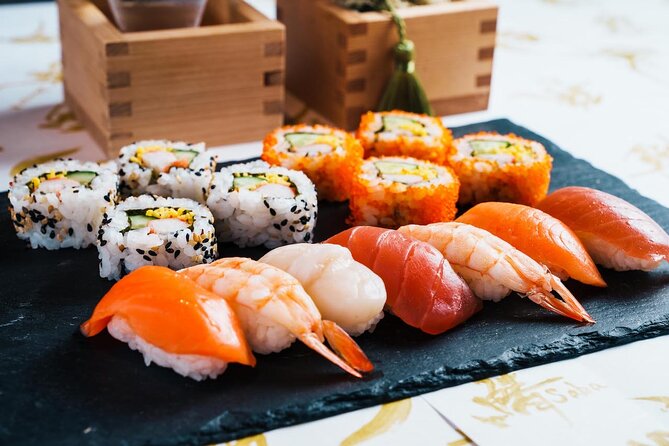
Nigiri sushi is made by pressing seasoned rice into a small hand-shaped mound and placing an ingredient on top. It looks simple, but the size and firmness of the rice matter. Too much pressure makes a dense piece, while too little leaves it falling apart. This is a useful technique to learn because nigiri is one of the most recognizable forms of Japanese sushi.
Maki sushi, also called roll sushi, places ingredients with rice and seaweed before everything is rolled together. You learn how to spread the rice, arrange the fillings, and form the roll. The finished roll is then cut into pieces.
You can make as many pieces as the class allows during the preparation period, and the food is served as your meal afterward. The exact fillings and presentation are not specified, so do not book expecting a particular fish or an advanced chef’s menu. The point is to learn the basic methods and enjoy the result.
The instructions are aimed at people who have never made sushi before. That matters. Sushi can look easy from the outside, but beginners often struggle with rice sticking to their hands, uneven rolls, or pieces that lose their shape. The instructors demonstrate each step and then let you try it yourself.
The class is not designed to train professional sushi chefs. If you already make sushi at home, you may find the techniques introductory. For most visitors, though, the hands-on pace is just right.
The 90-minute schedule
The class lasts about an hour and a half. The first part introduces sushi and gives you a little background on how it developed in Japan. You may also get games or trivia to make the introduction more active.
This opening section gives useful context without taking over the class. Sushi has changed over time, and the familiar raw-fish image is only one part of its story. A short explanation helps you understand why rice, vinegar, seaweed, and toppings are handled in different ways.
After the introduction, the instructors show you how to make the sushi. You follow along rather than trying to memorize a long set of instructions. That works well for first-time cooks, especially when English is not your first language.
The final part is the reward: you eat the sushi you made. Several people found there was enough food for a full meal, not just a few sample pieces. You should plan around that. A heavy breakfast or an early lunch may leave you too full to enjoy the tasting portion.
The timing also works well as a break between sightseeing stops. At roughly 90 minutes, the class is long enough to feel worthwhile but short enough to fit into a busy Osaka day. You can schedule it before shopping in Shinsaibashi or use it as a meal before continuing to nearby sights.
English instruction and the teaching style
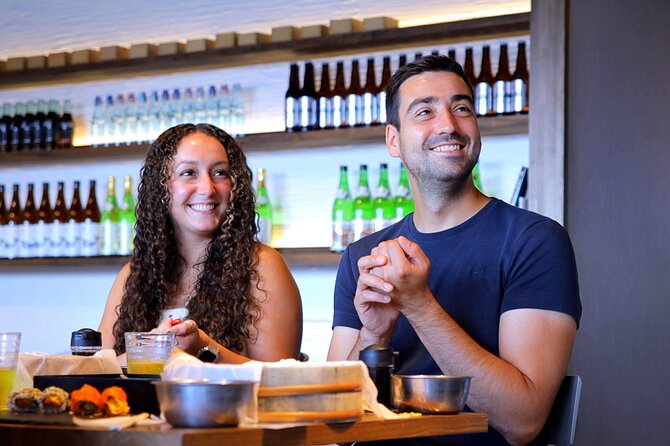
The class is conducted in English by local staff. The stated aim is clear instruction, and the teaching style is friendly and encouraging rather than formal.
Hayato is named as an instructor in several class descriptions, and Takara is also praised for giving clear, helpful guidance. Since staffing can vary, you should not assume that one particular instructor will lead your session. What you can expect is an English-speaking teacher who walks you through the process step by step.
That support is especially useful during the rice and rolling stages. The basic movements are easy to copy once you see them, but small corrections can make the difference between a tidy piece and a loose one. The instructors also keep the mood relaxed, which helps if your first roll looks more like a rice bundle than a restaurant-quality maki.
The class includes an interactive element. You are encouraged to make the sushi yourself, ask questions, and take part in the activity rather than simply follow a lecture. The staff also offer local suggestions when asked. One useful example is a recommendation for Hanahana, an okonomiyaki restaurant, after a class member asked where to try one of Osaka’s best-known dishes.
That kind of local advice can be a nice bonus, though it should not be the reason you book. The core value is the sushi lesson and meal.
More Cooking Classes in Osaka:
- Ramen and Gyoza Cooking Class in Osaka
★ 5.0 · 202 reviews - Osaka Sake Tasting with Takoyaki Cooking
★ 5.0 · 156 reviews - Osaka: Cooking Class Ramen & Gyoza Course in Nanba
★ 4.9 · 86 reviews - Osaka: Gluten-Free Ramen and Gyoza Cooking Class
★ 5.0 · 42 reviews
Fresh ingredients, food choices, and restrictions
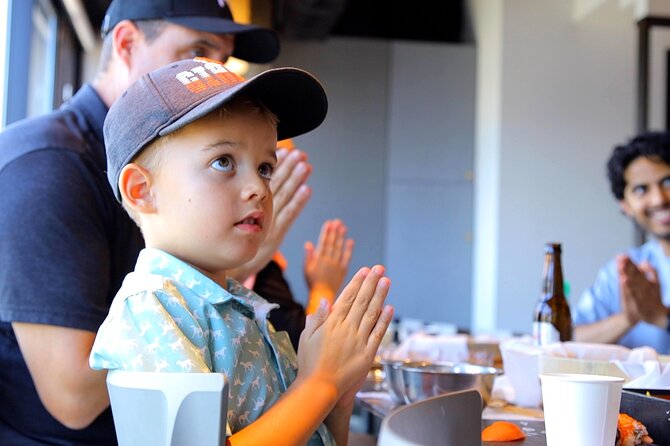
Ingredients for the class and the meal are included in the price. The food is described as fresh, and the amount provided can fill you up.
Menu alternatives are available for standard gluten-free, vegan, vegetarian, and halal requests. Allergy menus are also listed, with meat, nuts, fruits, and dairy not used for that option.
You must request a menu change when you book. The staff cannot respond to changes made on the day, and they do not accept individual ingredient specifications. This distinction matters. If you have a serious allergy or a strict dietary need, give the provider clear information in advance and confirm that the available menu suits you.
The standard menu does not promise a particular set of seafood. You should also avoid assuming that every personal preference can be accommodated. The published choices are set menu types, not a custom sushi counter.
For people who eat standard sushi, this is straightforward. For vegans, vegetarians, halal diners, or people avoiding gluten, the available alternatives make the class more practical, but advance planning is essential.
Is the class good value at $35.75?
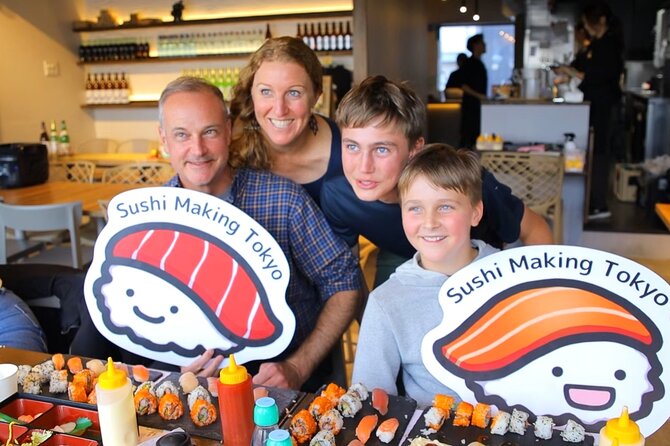
At $35.75 per person, the price covers the instructor, ingredients, and the meal you make. There is no hotel pickup or drop-off, but that is not a serious disadvantage in central Osaka, where you can reach the meeting point by public transport.
The value comes from combining food with instruction. You could spend the same money on a restaurant meal and leave with nothing more than a full stomach. Here, you get a meal, a cultural introduction, and techniques you can try again at home.
The class is also a reasonable choice for families with mixed ages. A teenager and grandparents have all enjoyed the pace, and the hands-on format gives everyone a task. It is social without requiring a long commitment.
The value is weaker if you want advanced knife skills, fish preparation, or a serious look at professional sushi work. This is a beginner activity. You are learning how to shape and roll prepared ingredients, not breaking down a whole fish or training behind a sushi counter.
The class is often reserved well ahead of time, with bookings averaging about 26 days in advance. That is a useful signal for planning. If you know your Osaka dates, reserve early rather than waiting until the evening before.
Who will enjoy this most?

I would recommend this class to first-time visitors who want a food activity with a clear cultural connection. It gives you something to do with your hands and a meal at the end, which is more memorable than another sightseeing stop for many people.
It also suits:
- Couples looking for a short shared activity
- Families with older children or teenagers
- Solo visitors who like meeting people around a table
- Beginners who want patient English instruction
- Food lovers who want to try making Japanese dishes at home
- Visitors with a free hour and a half in central Osaka
You may want to choose another activity if you dislike seafood, have highly specific dietary restrictions, or already have extensive sushi-making experience. The provider offers several dietary menu types, but cannot promise individual ingredient changes.
This is also not a quiet, private lesson. The shared-table arrangement encourages conversation with the rest of the group. That can be a plus or a drawback, depending on how you like to travel.
Planning your visit around the class
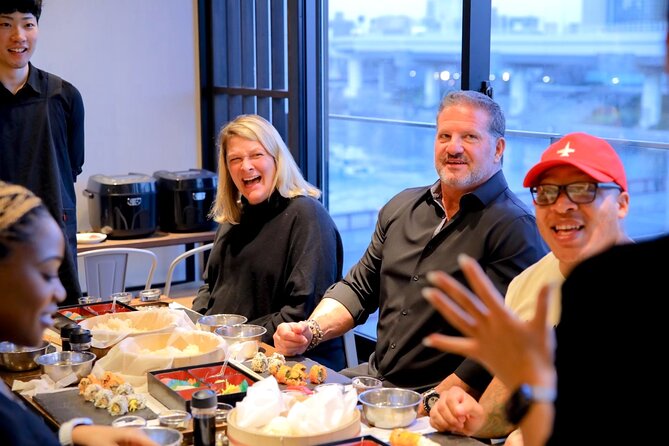
The meeting point is Sushi Making Osaka, 1-chōme-16-20 Higashinsaibashi, Chuo Ward, Osaka, 542-0083, Japan. The activity begins and ends there.
Because the location is near public transportation and shopping, you can combine the class with other plans in central Osaka. Leave enough time to arrive, especially if you are unfamiliar with the neighborhood or traveling with children. The address is specific, but finding the correct entrance may take a moment.
Bring a phone with your mobile ticket ready. Confirmation is provided when you book, and the ticket is mobile rather than paper.
You do not need to arrange transportation through the provider. Hotel pickup and drop-off are not included. Service animals are allowed, and the activity is near public transportation.
The cancellation rule is simple but strict close to the start time. You can receive a full refund if you cancel at least 24 hours ahead. Cancellations or changes made inside that 24-hour window are not accepted for a refund, and the cut-off follows Osaka local time.
My final take
I would book this class if you want a friendly, affordable food activity that fits neatly into an Osaka itinerary. The best parts are the small group, clear English instruction, two sushi styles, and the fact that you eat your work at the end.
It is not a specialist culinary course, and the fixed menu will not suit every dietary preference. But for beginners, families, couples, and anyone curious about Japanese food, it offers a good balance of learning and fun at a modest price.
Book early if your schedule is fixed. Arrive hungry, check the meeting point carefully, and give the staff advance notice about dietary needs. If you do that, this is an easy way to leave Osaka with a full meal and a skill you can try again at home.
FAQ
How long does the sushi class last?
The class lasts approximately 90 minutes.
What types of sushi will I make?
You will learn to make nigiri sushi and maki sushi, also called roll sushi.
Is the class taught in English?
Yes. An English-speaking instructor leads the class and explains the preparation steps.
What is included in the price?
The price includes the cooking class ingredients and the meal you make. Hotel pickup and drop-off are not included.
Where does the class meet?
The meeting point is Sushi Making Osaka at 1-chōme-16-20 Higashinsaibashi, Chuo Ward, Osaka, 542-0083, Japan. The activity ends at the same location.
How many people can join the class?
The activity has a maximum of 10 participants.
Are special dietary menus available?
Yes. Standard gluten-free, vegan, vegetarian, halal, and allergy menus are available. You must request a menu change when booking. The provider cannot respond to changes on the day and does not accept individual ingredient specifications.
Can I cancel for a full refund?
Yes, if you cancel at least 24 hours before the experience start time. Cancellations or changes made less than 24 hours before the start are not eligible for a refund.
Newest classes around Osaka
- Okonomiyaki&Takoyaki for Families:Osaka Street Food Festival★ 5.0 · 4 reviews
- Osaka: Gluten-Free Ramen and Gyoza Cooking Class★ 5.0 · 42 reviews
- Osaka Okonomiyaki Cooking Experience for Families & Groups★ 4.9 · 8 reviews
- Osaka Sake Tasting with Takoyaki Cooking★ 5.0 · 156 reviews
- Osaka : Exclusive Tea Ceremony & Wagashi Cooking★ 5.0 · 2 reviews
- Osaka: Okonomiyaki Cooking Class with Beer or Soft Drink★ 4.9 · 9 reviews
- Osaka: Japanese Cooking Class with Matcha Experience★ 5.0 · 4 reviews
- Osaka: Cooking Class & Sake Tasting with Local Market Visit★ 4.8 · 31 reviews
Osaka Cooking Classes, compared.
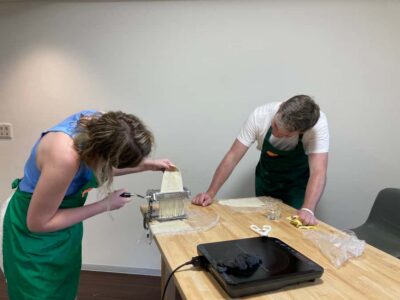
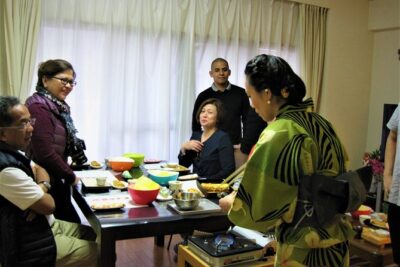
Osaka Cooking Class: Okonomiyaki &Japanese cuisines experience
Read our review →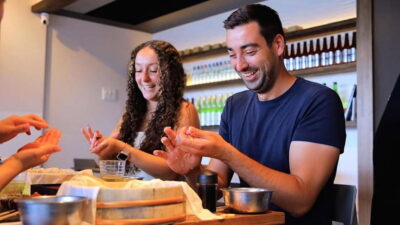
Roll and Authentic Sushi Making Class in Dotonbori
Read our review →
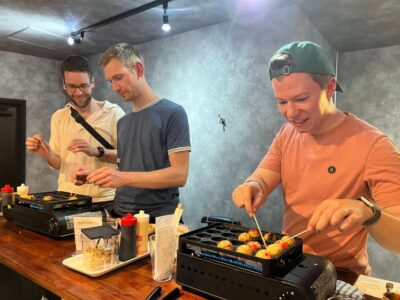
Cooking Class & Sake Tasting with Local Market Visit
Read our review →Browse the lists this tour appears in