
Review · TOKYO COOKING CLASSES
Tokyo: Private Japanese Cooking Class with a Local Chef
Tokyo food becomes much more personal when you cook it in Chef Sato’s small Shinjuku apartment instead of simply ordering it in a restaurant. You chop, season, shape, and cook a Japanese meal, then sit down together to eat it. Sato also explains why seasonal ingredients matter and shares family cooking traditions that give the meal a clear sense of place.
I like two things here. First, you do real kitchen work, not just watch a chef perform. Second, the private setting leaves room for questions, conversation, and a relaxed walk through parts of Tokyo you might otherwise miss. The main consideration is the changing menu: you do not choose from one fixed class every day, so check the schedule and your preferred date before booking.
Key points to know before booking
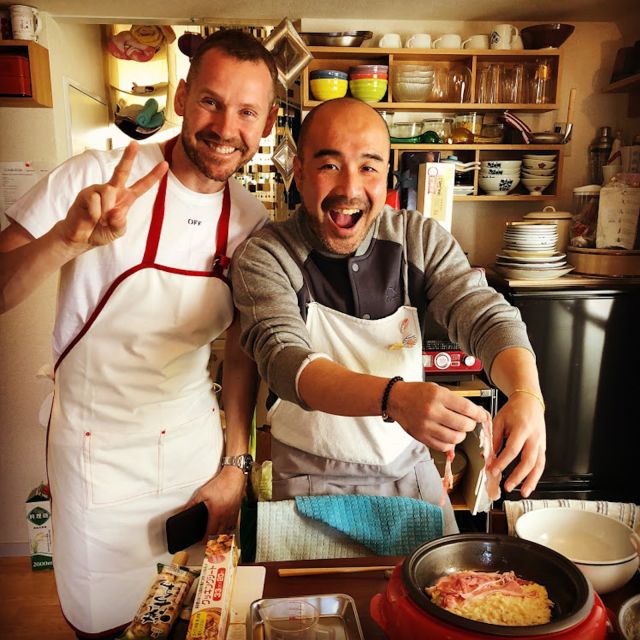
- Cook in Sato’s Shinjuku home: This is a private, home-style class rather than a large commercial kitchen.
- Expect a menu that changes by weekday: Traditional set meals usually run Saturday through Tuesday, while ramen, gyoza, curry, and other popular foods are offered Wednesday through Friday.
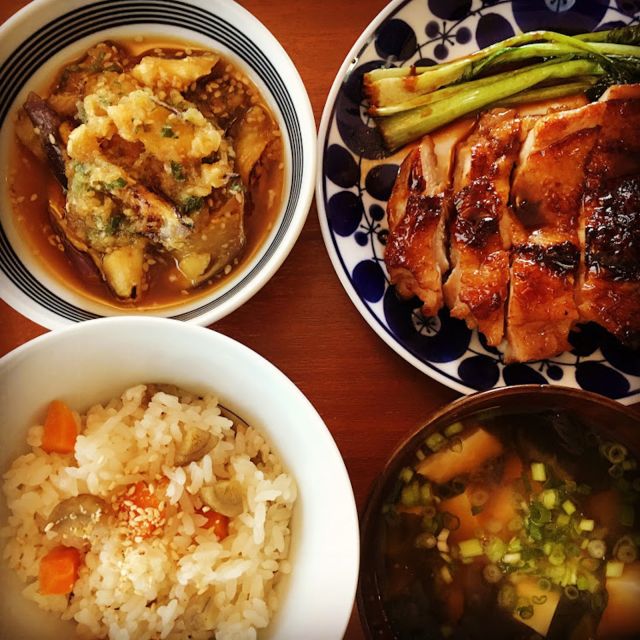
- You prepare two to four dishes: Past menus have included ramen, gyoza, miso soup, teriyaki chicken, rice, salads, katsu curry, and seasonal side dishes.
- English instruction is included: Chef Sato teaches in English and makes time for questions about ingredients, technique, and Japanese food customs.
- The morning class can lead to a local walk: After the 10:30 AM class, an optional 1 PM to 3:30 PM short trip visits places around Shinjuku and Nakano.
- Budget $120 per person: That is a fair price for a private class, a full meal, drinks, and personal time with a local host, though it is more than a group cooking lesson.
Meeting Chef Sato near Shinjuku Station
Your meeting point is the police box at the east exit of Shinjuku Station, listed at 3-38-38-1, Shinjuku, Shinjuku-ku. That is a useful choice because Shinjuku Station can feel like a small city, not a simple train stop. Give yourself enough time to reach the east exit and locate the police box without rushing.
From there, Sato leads you to his apartment. The walk is part of the change in mood. You leave the large station district behind and enter a more ordinary side of Tokyo, where the class takes place in a private home rather than a purpose-built tourist venue.
This meeting arrangement also keeps the first step simple. You do not need to find an unfamiliar apartment building on your own. The host meets you in a public spot, then takes you to the class location.
More Private Cooking Classes in Japan
- Private Home Cooking in Yanaka – Local Flavors in a Warm Setting
★ 5.0 · 173 reviews - Unique Private Cooking Class with a Tokyo Local Emi
★ 5.0 · 131 reviews - Private Kyoto Sushi Cooking Class & Tea Ceremony with Emika
★ 5.0 · 66 reviews
Inside the apartment kitchen
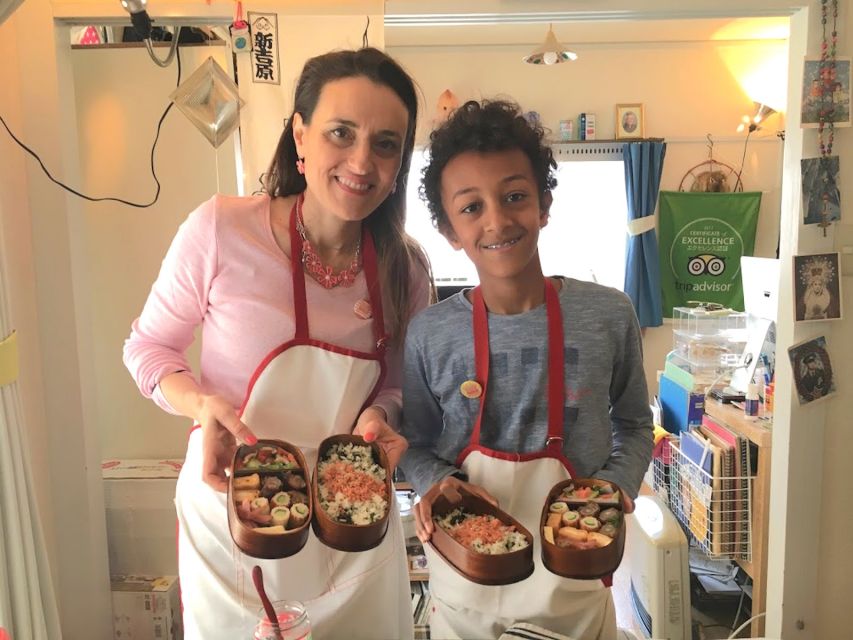
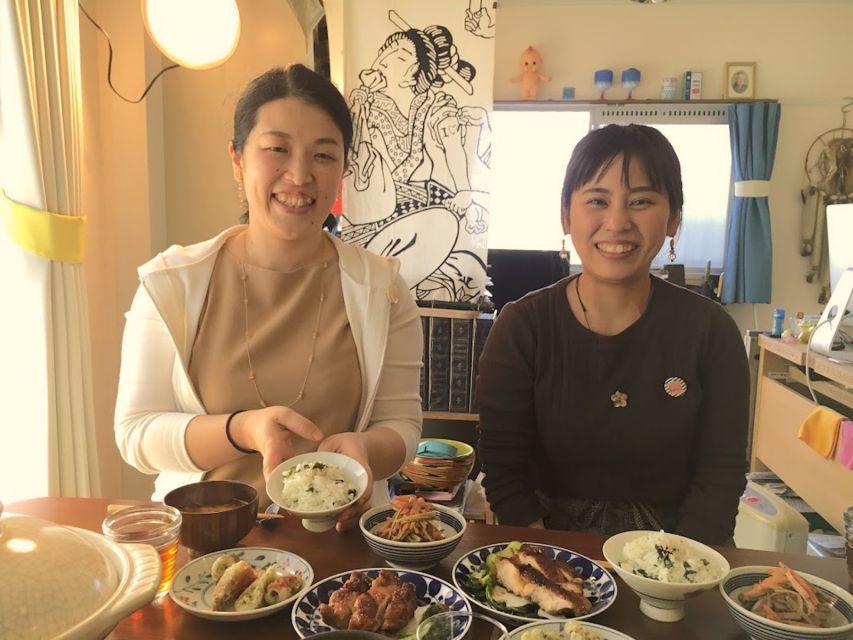
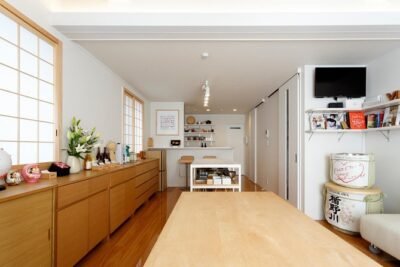
The setting is small and personal. You are not entering a polished cooking school with rows of workstations and a staff of assistants. You are being welcomed into Sato’s own apartment, where the meal is prepared in the style of a home kitchen.
That setting is one of the strongest reasons to book. You see how Japanese food can be prepared in an everyday home, with practical methods and familiar ingredients. Sato has cooked traditional Japanese food since childhood, learning from his parents, and he uses the class to explain the family background behind his cooking.
The atmosphere is intended to be relaxed. You can ask why a certain ingredient is used, how a dish fits into Japanese meals, or how to repeat a technique at home. Past menus have included simple lessons such as removing dark spots from potatoes, arranging dishes attractively, and using ingredients in more than one way.
The private format matters here. With a group of only your own booking party, you have more chances to handle ingredients and ask questions. It also means the class may feel closer to cooking with a friend than attending a formal lesson.
How the weekday menu works
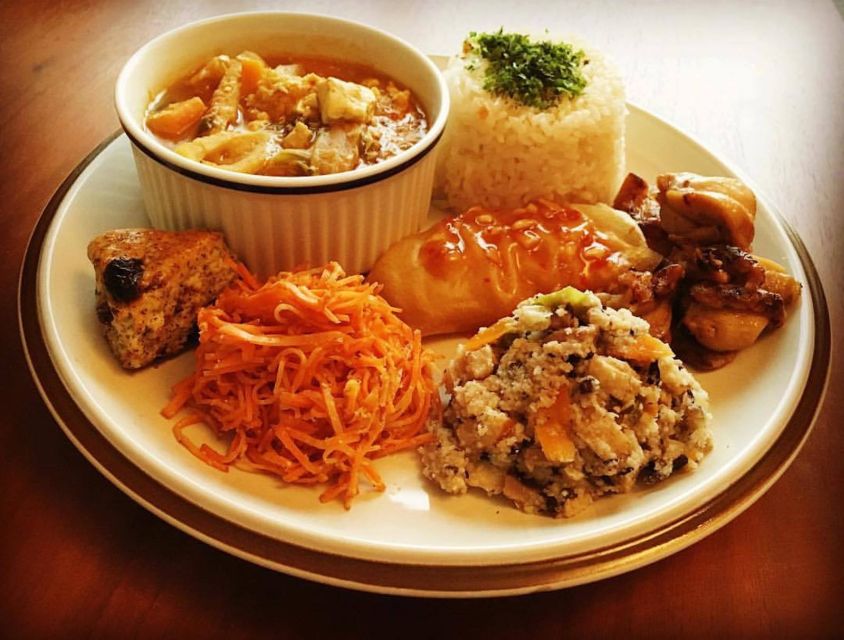
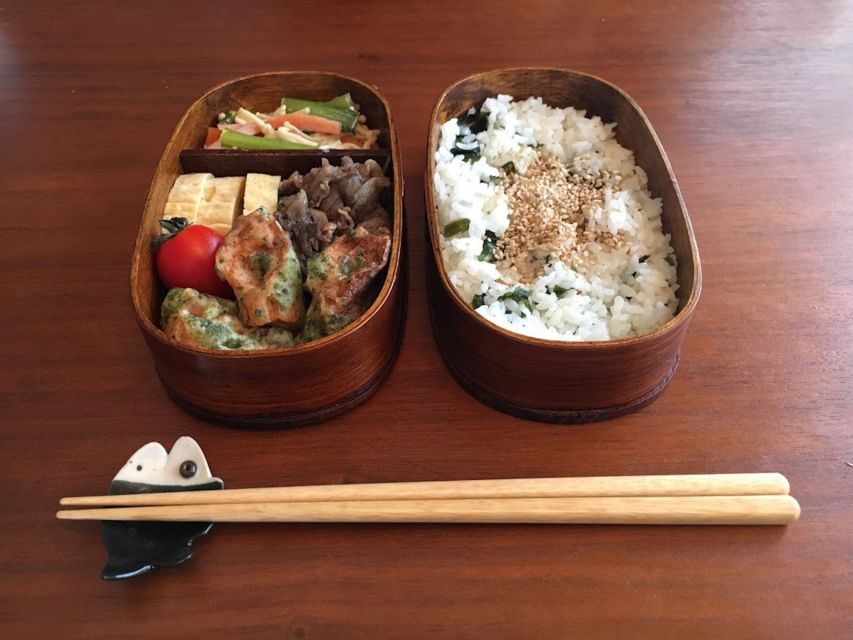
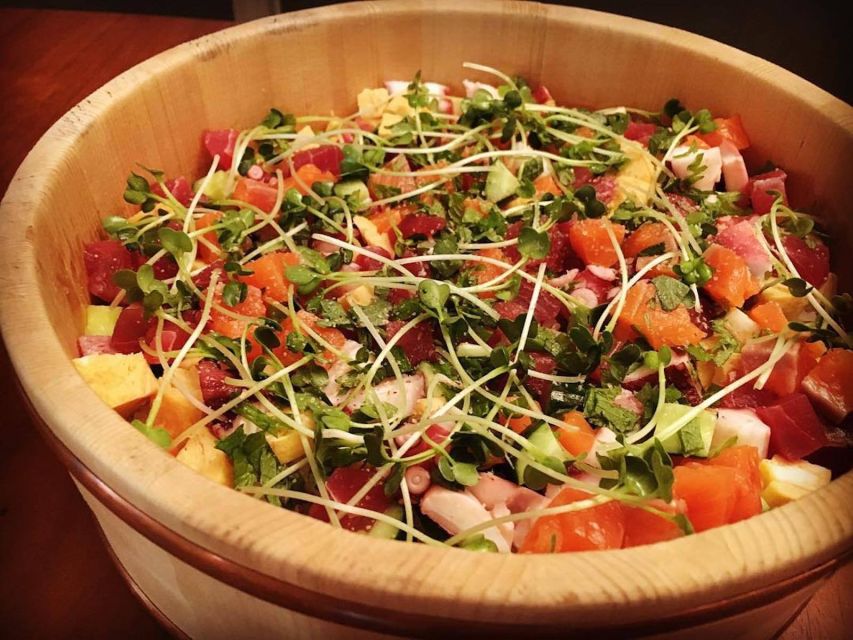
The menu is the key detail to understand before you reserve. Saturday, Sunday, Monday, and Tuesday are traditional meal days. These classes may include a teishoku, or set meal, with rice, a seasonal main dish, and two seasonal side dishes. Other possible meals include donburi, bento, tonjiru, and rice balls.
Wednesday, Thursday, and Friday are popular food days. Possible dishes include curry rice, okonomiyaki, gyoza, ramen, rice burgers, kara-age, and yakisoba. The menu still changes with the season, so the exact meal is not guaranteed simply because you choose a particular weekday.
This division gives you a useful planning choice:
- Pick Saturday through Tuesday if you want a traditional Japanese home meal with several smaller components.
- Pick Wednesday through Friday if you are especially interested in familiar favorites such as ramen, gyoza, or okonomiyaki.
- Contact the host about food preferences before the class if you want to ask about a particular menu.
Past menus show how varied the cooking can be. One class prepared gyoza and miso ramen from scratch. Another covered katsu curry over rice, a fresh tofu salad, and chikuwa vegetable appetizers. Other meals included teriyaki chicken, miso soup, rice, salad, stuffed fishcake, and seasonal vegetables.
That variety is useful if you plan to return to Tokyo. A second visit on a different weekday may give you a very different meal.
What you actually do during the three-hour class
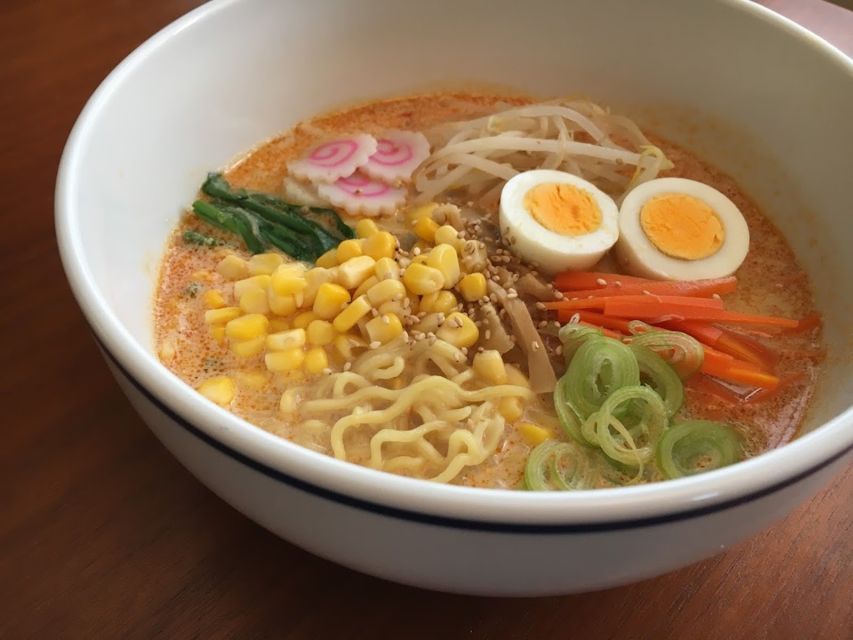
The class is hands-on. You should expect to chop, season, prepare fillings, shape food, and help cook the dishes rather than stand back and watch. The pace can be efficient, especially when several dishes are prepared together.
The work is not only about following recipes. Sato explains the ingredients and the place each dish has in Japanese cooking. Seasonal produce is a basic part of the class, and he uses the meal to show how Japanese cooking balances a main item with rice, soup, and smaller sides.
After cooking, you sit down and eat the meal you helped make. Japanese barley tea is included as a free drink. The meal is a real part of the experience, not a small tasting at the end, which helps explain the $120 price.
You also receive practical ideas you can carry home. Some earlier participants were eager to recreate ramen, gyoza, curry, and family-style side dishes after returning home. The recipes and methods are aimed at home cooks, including beginners, rather than professional chefs.
Do not expect a silent technical lesson. Conversation is part of the format. Sato discusses his family, his path into cooking, Japanese food customs, and daily life in Tokyo. If you enjoy asking questions and sharing your own food traditions, the private format gives you room to do that.
More Sushi and Japanese Classes in Tokyo:
- Ramen & Gyoza Cooking Class in Tokyo with Local Supermarket Visit
★ 5.0 · 823 reviews - Tokyo Tsukiji Fish Market Tour and Sushi Making Lesson
★ 5.0 · 390 reviews - Tokyo: Easy Ramen Cooking Experience in Kabukicho, Shinjuku
★ 4.6 · 321 reviews - Ramen and Sushi Cooking Class with Sake Pairing Set in Tokyo
★ 5.0 · 291 reviews
The optional afternoon walk through Shinjuku and Nakano
Morning-class participants can add a short trip from 1 PM to 3:30 PM. The walk visits several places that are not typically found in guidebooks, with Sato pointing out local sights around Shinjuku and Nakano.
The available information does not give a fixed list of stops, so you should treat this as a flexible local walk rather than a standard sightseeing circuit. That can be a plus. Sato can give context about the neighborhoods and point out places you might pass without noticing.
The timing works well after the morning class, since you finish around 1 PM and continue directly into the afternoon option. Confirm whether the walk is included in your booking and what route is planned, since the cooking class itself is the clearly described main activity.
Several people have found this add-on worth the extra time because it extends the home visit into a look at ordinary Tokyo. You do not get only food instruction. You also get a local contact who can suggest places for dessert, explain an area, or help you understand parts of the city beyond the major sights.
Why the private format is worth the price
At $120 per person, this is not a budget meal or a cheap group workshop. You are paying for a private class, an English-speaking instructor, ingredients, a prepared meal, barley tea, and several hours of personal attention.
I think the price makes the most sense for couples, families, and small groups who want more contact with their host. A large cooking school may offer a lower rate, but the private apartment setting would be difficult to match. You can ask about your interests, work at your own pace, and talk about more than the recipe.
The value is also in the meal structure. You are not making one small dish and leaving. Depending on the menu, you may prepare two to four items that form a complete lunch or dinner. A traditional set meal can show you how rice, soup, a main dish, and side dishes fit together.
The price is less appealing if you mainly want to eat ramen or gyoza without learning the process. Tokyo has many restaurants for that. Book this class when you want the cooking, the conversation, and the home setting as much as the food.
The strongest part: Sato as teacher and host
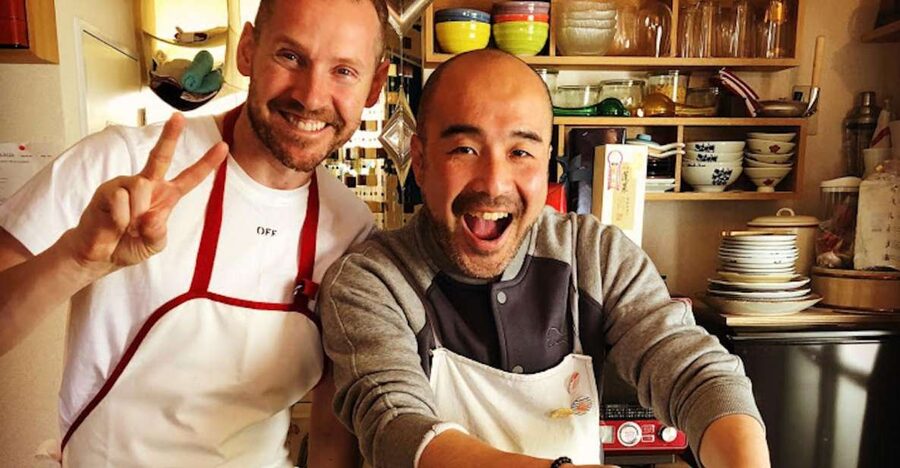
The cooking matters, but Sato is central to the experience. His English is described as strong, and he teaches with patience, humor, and clear explanations. That is important when you are learning unfamiliar ingredients or techniques in a small kitchen.
He also brings personal stories into the class. You may hear about his parents, his family’s cooking traditions, and why seasonal ingredients are so important in Japanese meals. These details turn a recipe into a lesson about how food fits into everyday life.
The best version of this class is social as well as practical. You cook, eat, talk, and ask questions. The tone is welcoming, and the apartment setting can feel more like a visit with a friend than a standard paid attraction.
That personal side is not for everyone. If you prefer a formal cooking school, written measurements for every step, and a polished demonstration kitchen, this may feel informal. If you prefer local contact and a slower conversation, the informality is a major advantage.
Who should book this Tokyo cooking class
I would recommend it to:
- First-time visitors who want more than restaurant meals.
- Couples looking for a private activity in Tokyo.
- Home cooks who want recipes they can repeat after the trip.
- Families or friends who enjoy preparing food together.
- People interested in seasonal Japanese ingredients and meal structure.
- Anyone who values conversation with a local host.
It is also a good choice late in a longer Japan trip. After many meals in restaurants, cooking and eating a home-style meal can give you a different view of Japanese food. You are no longer only asking what tastes good. You begin to see how dishes are balanced and served together.
The class may be less suitable for someone who wants a fixed menu. You should also pay attention to the weekday schedule if ramen, gyoza, curry, or a traditional teishoku is your priority.
Timing, language, and booking details
Morning classes run from 10:30 AM to 1 PM, and evening classes run from 6 PM to 8:30 PM. The activity information also describes the experience as three hours, with a separate duration field showing 270 minutes, so check the exact timing when you select a date.
Instruction is in English, and the group is private. Meals and Japanese barley tea are included, along with pickup at the stated meeting point. The class offers free cancellation up to 24 hours before the start time, and you can reserve now and pay later.
The menu changes by day and season. For a special request, send your food preferences ahead of time rather than assuming the class will include a particular dish. This is especially important for anyone choosing the experience mainly for ramen, gyoza, sushi, or curry.
Should you book it?
Book this class if you want a personal Tokyo food experience, not simply a meal. Chef Sato’s apartment, family cooking stories, hands-on instruction, and optional neighborhood walk create a full afternoon or evening with a strong local feel.
I would choose a Wednesday through Friday date for ramen, gyoza, curry, or another popular dish. Choose Saturday through Tuesday for a more traditional set meal built around rice, a seasonal main dish, soup, and side dishes.
At $120 per person, the class asks more than a casual restaurant meal, but it gives you something a restaurant cannot: time in a local home, direct instruction, and recipes you can use later. If that is the sort of memory you want from Tokyo, this is a very good use of half a day.
FAQ
Where does the cooking class meet?
Meet at the police box by the east exit of Shinjuku Station, at 3-38-38-1, Shinjuku, Shinjuku-ku, Tokyo, 160-0022. Pickup at this meeting point is included.
How long does the class last?
Morning classes run from 10:30 AM to 1 PM, and evening classes run from 6 PM to 8:30 PM. The activity details also describe the experience as three hours and list a duration of 270 minutes, so check the selected date for the exact schedule.
Is the class private?
Yes. The group type is private, so you attend with your own booking party rather than joining a large shared group.
What language does Chef Sato speak during the class?
The instructor teaches in English, and English is the listed language for the activity.
What food will I cook?
The menu depends on the weekday and season. Traditional meal days may include teishoku, donburi, bento, tonjiru, rice balls, and seasonal side dishes. Popular food days may include curry rice, okonomiyaki, gyoza, ramen, rice burgers, kara-age, and yakisoba.
Is food included?
Yes. Meals are included, along with a free drink of Japanese barley tea.
Is there a walking tour after the cooking class?
An optional short trip runs from 1 PM to 3:30 PM after the morning class. It visits several places around Shinjuku and Nakano that may not appear in standard guidebooks.
Can I cancel the booking?
You can cancel up to 24 hours in advance for a full refund. The activity also allows you to reserve now and pay later.
More Private Cooking Classes in Tokyo
- PRIVATE Authentic Balinese Cooking Class in Ubud at Putu’s Home
★ 5.0 · 644 reviews - Rome: Pasta Making Class with Tiramisu & Wine PRIVATE OPTION
★ 4.8 · 404 reviews - Private Market Tour & Cooking Class in Puerto Vallarta with Manu
★ 5.0 · 241 reviews - Private Cooking Class with 5 dishes of your choice
★ 5.0 · 227 reviews
Newest classes around Tokyo
- Tokyo: Sushi roll and side dish cooking experience★ 5.0 · 2 reviews
- Tokyo: Sushi Making Experience & Japanese Cooking Class★ 5.0 · 2 reviews
- Tokyo: Sushi Cooking Class with Sake Tasting★ 4.8 · 55 reviews
- Tokyo: Real Ramen & Dumpling Cooking with Master Chef★ 5.0 · 10 reviews
- Tokyo: Sushi and Ramen Cooking Class with Sake Pairing Set★ 5.0 · 81 reviews
- Tokyo: Kawaii Bento Cooking Class – Cute Character Lunchbox★ 4.9 · 55 reviews
- Tokyo: Gyoza Making from Scratch – Ultimate Cooking Class★ 5.0 · 2 reviews
- Tokyo: Night Cooking Class: 5 Home-Cooked Japanese Dishes★ 4.9 · 13 reviews
Tokyo Cooking Classes, compared.
Ramen & Gyoza Cooking Class in Tokyo with Local Supermarket Visit
Read our review →
Tokyo Tsukiji Fish Market Tour and Sushi Making Lesson
Read our review →
Easy Ramen Cooking Experience in Kabukicho, Shinjuku
Read our review →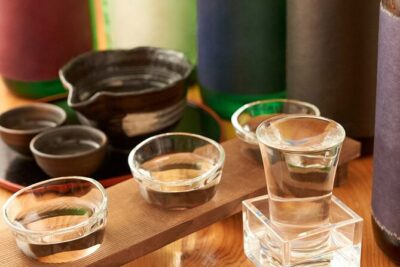
Ramen and Sushi Cooking Class with Sake Pairing Set in Tokyo
Read our review →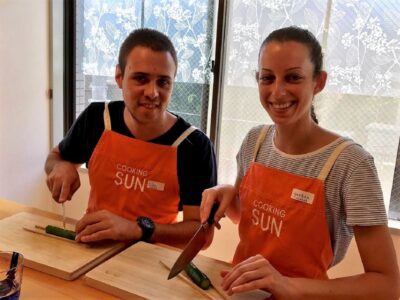
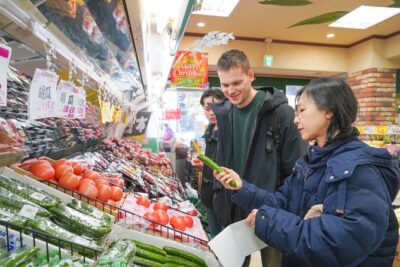
Tokyo Washoku 4-hour Cooking Class: From Market to Table
Read our review →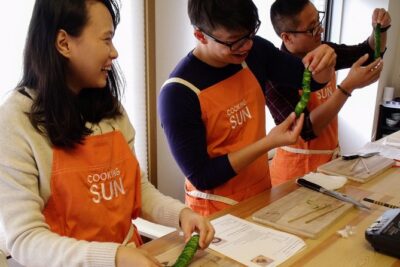
Small-Group Wagyu Beef and 7 Japanese Dishes Tokyo Cooking Class
Read our review →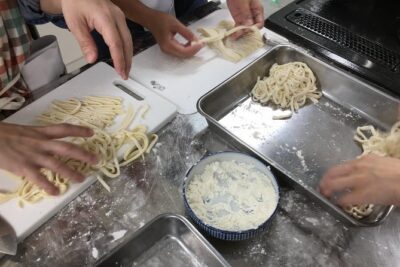
Private Home Cooking in Yanaka – Local Flavors in a Warm Setting
Read our review →Browse the lists this tour appears in