
Review · KYOTO COOKING CLASSES
Kyoto: Japanese Washoku Bento Small Group Cooking Class
Kyoto’s bento class turns a simple lunch box into a lesson in Japanese cooking. In 150 minutes, you make sushi rolls, tempura, tofu salad, and a Japanese rolled omelette, then arrange and eat the meal you prepared. The small group size keeps the class personal, and the cooking is hands-on rather than a chef’s demonstration from across the room.
I like two things right away: the practical skills you can use at home, especially dashi and dashimaki tamago, and the cultural context around how bento developed. The class costs $58 per person, which is fair for four dishes, ingredients, equipment, instruction, and a full meal. The main catch is timing: arrive more than 15 minutes late and the booking is canceled without a refund.
Key points before you book
- Four distinct Japanese dishes: Make sushi rolls, tempura, tofu salad, and rolled omelette rather than focusing on one recipe.
- Dashi is part of the lesson: You learn the stock that gives many Japanese dishes their savory base.
- A genuinely small class: With a limit of five participants, you should get direct help with knives, frying, rolling, and seasoning.
- English instruction is available: Ai, Rie, and Miyu are among the chefs who lead the sessions in English and Japanese.
- A filling final meal: The amount of food is generous, so arrive ready to eat.
- Near Saiin Station: Meet at Kyoto Laundry Cafe, about five minutes from the Hankyu Railway station, where the chef collects the group.
What this Kyoto bento class really teaches
A bento box is more than food packed into separate compartments. It is a practical way to present a meal with different colors, textures, flavors, and cooking methods side by side. This class uses the bento as a small window into washoku, Japanese cuisine built around fresh ingredients, seasonal thinking, balance, and careful preparation.
That makes the experience more useful than a single recipe lesson. You are not only making something to eat at the end. You are learning how dashi supports flavor, how a rolled omelette gets its shape, how tempura batter and oil require care, and how separate dishes can make one meal feel complete.
I also like the format for a first visit to Japan. Food can be easier to understand when you are holding the knife, tasting the stock, and assembling the finished box. The class gives you something active to do while also explaining the food customs behind it.
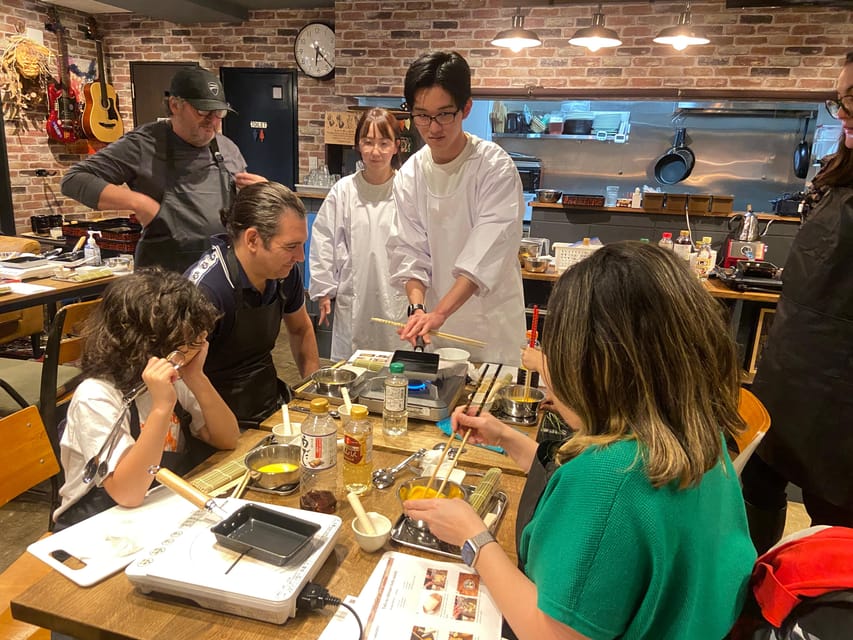
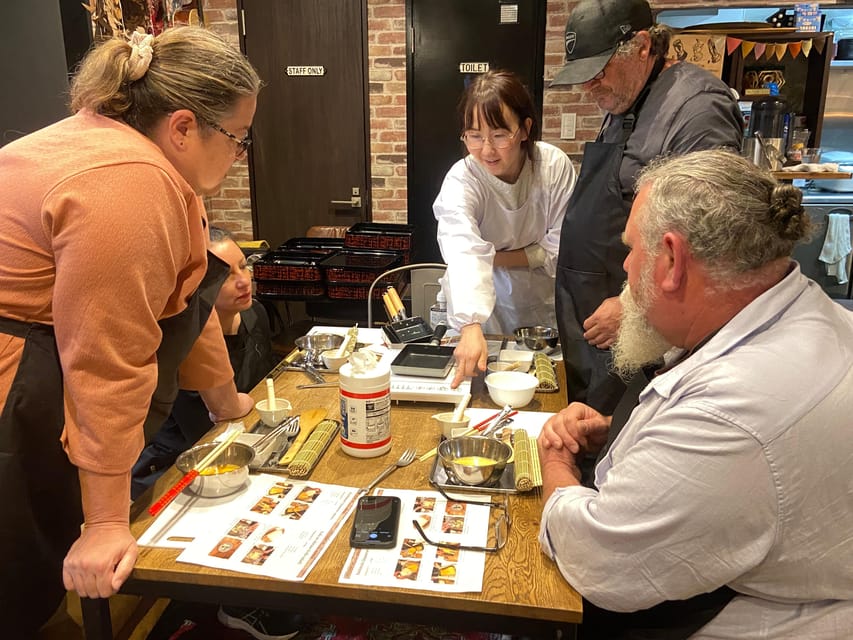
The group is limited to five people. That matters here. Knife work, omelette rolling, sushi shaping, and frying all benefit from a chef who can look closely at what you are doing. A large class could turn these steps into a show-and-tell session. This one is designed for participation.
More Sushi and Japanese Classes in Kyoto:
- Ramen Cooking Class at Ramen Factory in Kyoto
★ 5.0 · 1,937 reviews - Kyoto: Ramen Cooking Class at a Ramen Factory with Souvenir
★ 4.9 · 532 reviews - Kyoto: Ramen, Gyoza, and Onigiri Cooking Class
★ 5.0 · 445 reviews
Meeting at Kyoto Laundry Cafe near Saiin Station
The official meeting point is Kyoto Laundry Cafe, near Saiin Station on the Hankyu Railway. The cafe is about five minutes from the station, and the chef comes to collect the group there before the cooking begins.
Use Google Maps to find the cafe. The instructions specifically warn against using the map function on Instagram, so this is one of those small details worth handling before you leave your hotel. Kyoto has plenty of narrow streets and similar-looking entrances. A few minutes spent checking the route is better than starting the class flustered.
Arrive early. The chef will not wait indefinitely, and arriving more than 15 minutes after the scheduled meeting time results in automatic cancellation. There is no refund or same-day schedule change for a late arrival. Build in extra time for finding the station exit and walking to the cafe.
The meeting point is practical rather than part of the cooking lesson itself. You should think of it as the handoff point where the class begins, not as a major cafe visit. Once the chef collects you, the focus shifts to the kitchen and the food.
The first lesson: washoku, bento, and kitchen basics
The session begins with an introduction to washoku and the bento box. You learn why a bento is arranged as separate portions and how its dishes work together. The emphasis is not only on taste. Color, texture, seasonality, and balance all matter.
This opening gives useful meaning to the cooking that follows. A tofu salad, for example, brings a different texture from a crisp piece of tempura. A rolled omelette adds softness and sweetness, while sushi and rice provide a satisfying base. The four dishes are chosen to show contrast.
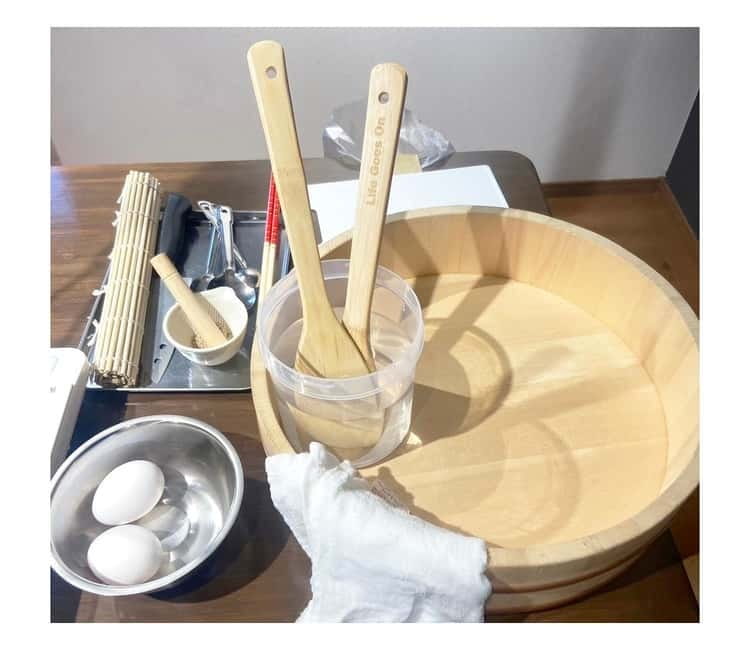
The chef also introduces ingredients and equipment as you work. You learn the Japanese approach to knife handling and food preparation, with attention to controlled cuts and efficient movement. You do not need to arrive with professional skills. The instructors are described as patient and encouraging, and the class is set up for people learning from the beginning.
Chef Ai receives particular praise for explaining Japanese food culture as she teaches. Chef Rie is also noted for clear demonstrations and an easy, friendly manner. Miyu has led sessions that combine cooking with background on bento and Japanese home food. The instructor can vary by date, but English and Japanese are the listed languages.
Dashi gives the meal its Japanese backbone
One of the most useful parts of the class is learning how to make dashi. This stock is a basic building block in Japanese cooking, and the lesson shows you how it supports flavor rather than simply making food salty.
The process is worth paying attention to because it gives you a technique you can repeat at home. One participant later used the dashi and dashimaki method for regular lunches, which tells you how practical this part of the class can be. You should leave with a better sense of how Japanese dishes get depth from a few carefully handled ingredients.
The class also explains how the stock fits into the broader meal. Dashi helps connect the dishes without making every item taste the same. That is a good example of the washoku idea of harmony: the food should work together while keeping its own character.
If you are interested in Japanese food beyond restaurant menus, this is likely the most valuable lesson. Sushi and tempura are fun to make, but dashi is the kind of foundation that can change how you cook afterward.
More Cooking Classes in Kyoto:
- Kyoto Ramen and Gyoza Cooking Class with Professional Chefs
★ 5.0 · 282 reviews - Kyoto: Afternoon Japanese Izakaya Cooking Class
★ 4.9 · 241 reviews - Izakaya Style Cooking Class
★ 5.0 · 219 reviews - Gyoza Cooking Class in Kyoto: Traditional Japanese Dumplings
★ 5.0 · 210 reviews
Making a Japanese rolled omelette
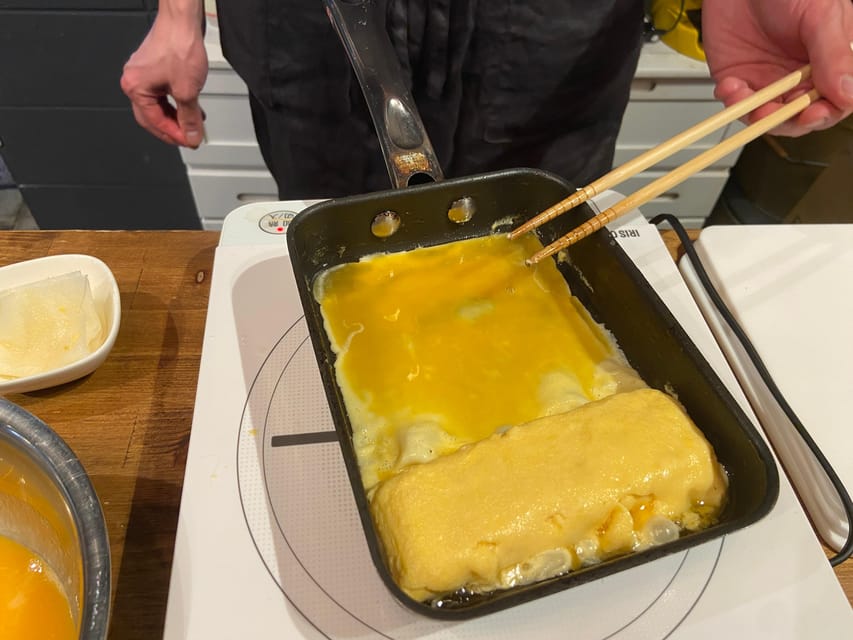
The rolled omelette, often called dashimaki tamago, is one of the class highlights. It looks simple on the plate, but rolling thin layers neatly takes practice. The egg is cooked in stages, then shaped into a compact cylinder with a soft texture.
This is a good task for a small class because you can watch the chef’s hand position and get help as you work. The technique also shows the Japanese preference for precision. A successful omelette is not just cooked egg. It has an even shape, clean layers, and a texture that comes from adding the mixture gradually.
Do not worry if your first roll looks less tidy than the chef’s. The point is to understand the method and gain enough confidence to try it again. That is one reason this class works better than simply eating a beautifully arranged bento. You see the care hidden inside familiar food.
The finished omelette becomes one part of the larger box, where its color and soft texture balance the other dishes.
Sushi rolls, tempura, and tofu salad
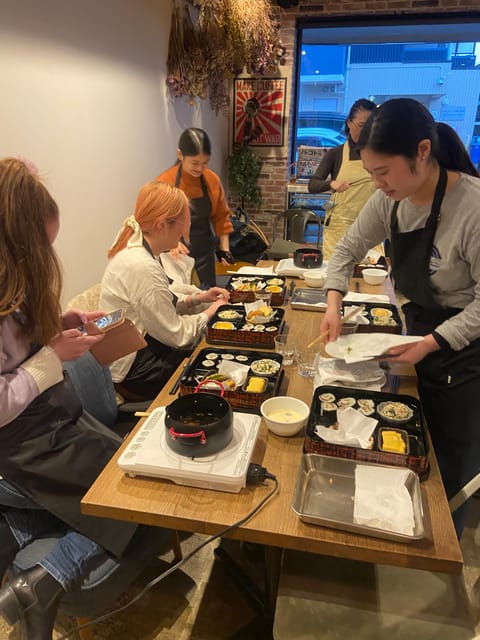
The class covers several techniques in a short period, but the menu is varied enough to keep the work interesting. You make sushi rolls, learning how to handle and shape the ingredients so the roll holds together. This is a straightforward introduction to the form rather than a specialist sushi course.
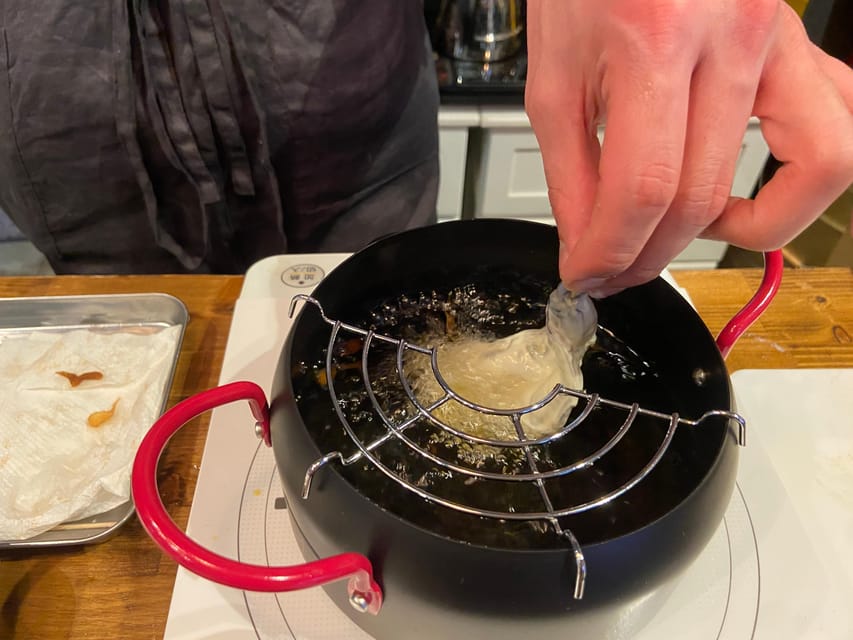
Tempura brings a different set of skills. You learn how to prepare and fry it, including the basic care needed when working with hot oil. The chef demonstrates the method, and you get to try it yourself. The result should be light and crisp when handled correctly, which makes tempura a useful lesson in timing and texture.
The tofu salad offers a calmer change of pace. It introduces another common Japanese ingredient and gives the bento a fresh, softer element. Together, the four dishes cover raw or lightly handled ingredients, frying, egg cookery, seasoning, and stock.
A useful point for people with food restrictions: one participant with a shrimp allergy received a suitable substitution. Still, you should tell the provider about allergies before booking or as early as possible. The available information confirms one substitution, but it does not promise that every dietary need can be accommodated.
Eating the bento you made
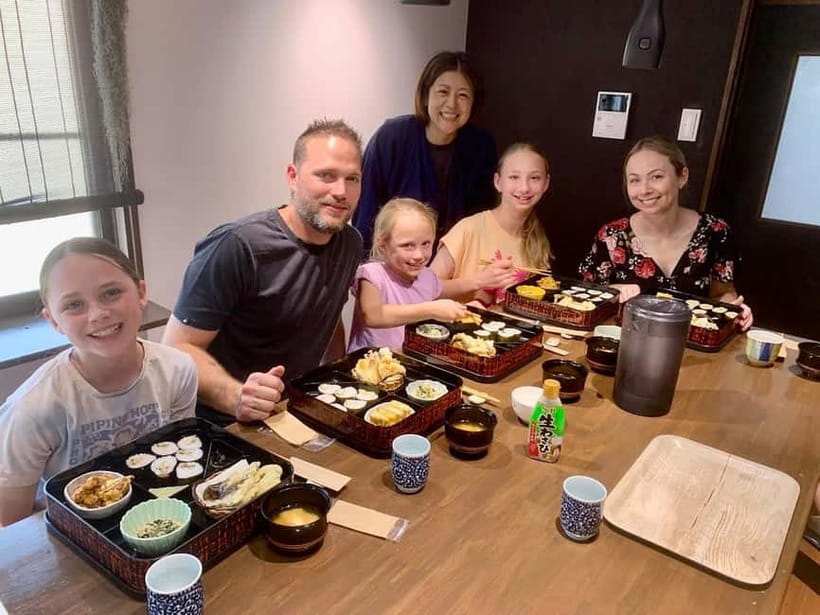
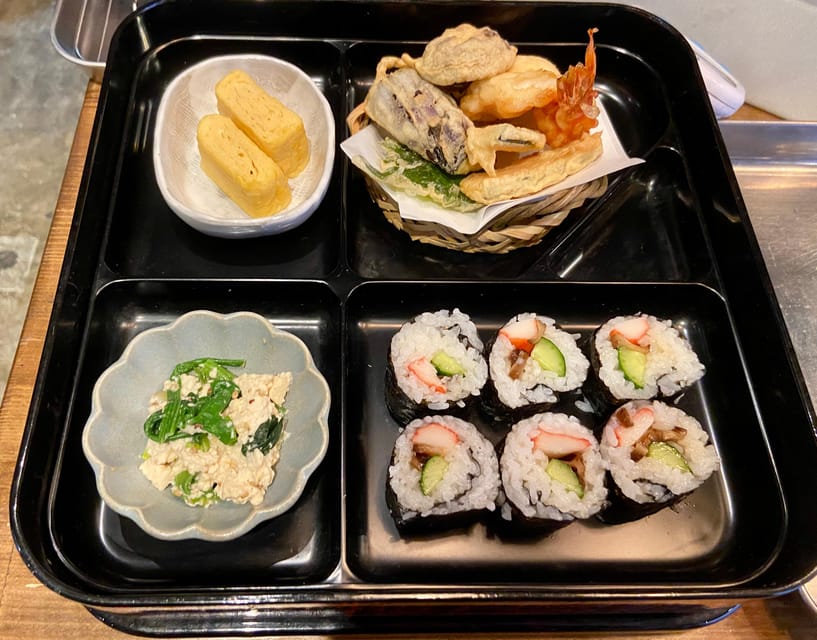
After the cooking, you arrange your own bento and sit down to eat. This is not a rushed tasting of one small sample. The portions are described as generous, and several people specifically recommend arriving hungry.
The final meal is also the social part of the class. You eat together and chat with the people in the group, which suits solo visitors, couples, and families who want an easy way to meet others. With only five places, conversation should be more natural than it would be in a large workshop.
I like the fact that the meal comes at the end of real work. You understand each item because you made it. The crisp tempura, rolled egg, tofu salad, and sushi are not just dishes on a menu. They are a record of the techniques you practiced.
The presentation also matters. A bento rewards neat arrangement, and the separate dishes make your finished meal look more special than an ordinary plate of home cooking. Several participants were proud of how their boxes turned out, even when they had started with little experience.
Recipes and skills you can take home
The best souvenir here is not a printed object. It is a set of methods you can repeat. The class covers dashi, tempura, sushi rolls, tofu salad, rolled omelette, and Japanese knife handling. Recipes have also been sent to participants after some sessions, giving you a way to recreate the food at home.
That makes the experience more useful than a one-off meal. You can practice the omelette for breakfast, make dashi for soup or seasoning, and use the bento idea to build lunches from separate portions. The dishes are traditional, but the lesson is practical enough for an ordinary kitchen.
You should keep your expectations realistic. Two and a half hours is enough to learn the basics and make a full meal, but not enough to turn you into a tempura specialist or sushi chef. Think of this as a guided introduction with useful techniques, not professional culinary training.
Is $58 a fair price?
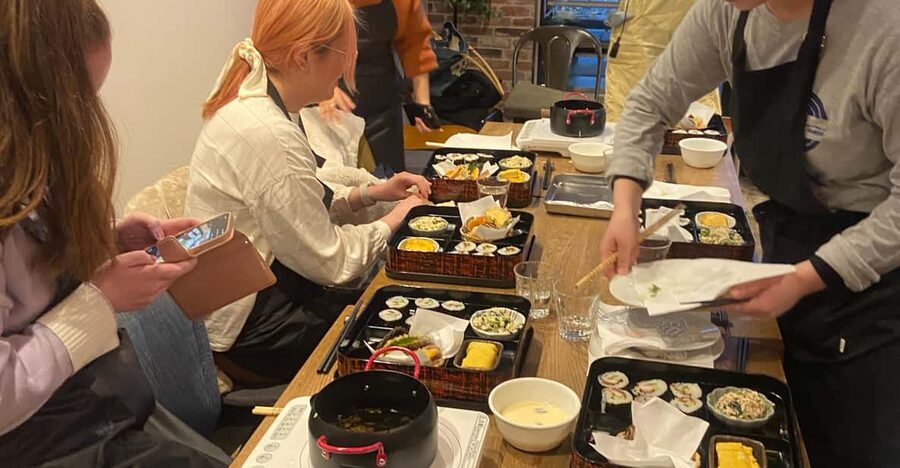
At $58 per person, the class offers solid value if you want both food and instruction. The price includes the chef, ingredients, four dishes, apron, equipment, and the meal you eat afterward. You are also paying for a small group, which is important when the lesson involves knives, frying, and rolling.
A cheaper food activity might give you a tasting but little participation. A private cooking lesson would likely cost more. This class sits between those options, offering hands-on work without the cost of a fully private session.
The value depends on your interests. If you only want to eat Japanese food, a restaurant will be simpler. If you want to understand how the food is made and take home skills you can use, the price is easier to justify.
The 150-minute length is another plus. It is long enough to feel substantial without taking an entire day away from Kyoto’s temples, gardens, and neighborhoods. Allow extra time before the start for the meeting point, but the actual activity remains a manageable half-day plan.
Who should book this class?
I would recommend it to home cooks, first-time visitors who want a cultural activity, couples, families with older children, and anyone who likes learning by doing. The class is especially good early in a Japan trip, since it can help you recognize dashi, rolled egg, tofu, tempura, and bento-style presentation during the rest of your visit.
Families can also find it a good shared activity. One session worked well for a parent and a nine-year-old, and another family found that even teenagers enjoyed the food and relaxed setting. Children under four are not suitable, and the activity is not suitable for wheelchair users or people with diabetes.
It also suits people who want direct contact with a local chef without committing to an elaborate formal meal. The tone is friendly, practical, and social. You get food culture alongside cooking instruction.
You may want to skip it if you dislike group activities, have strict dietary requirements that have not been confirmed, or prefer a quiet restaurant meal. The class includes several tasks and a large amount of food, so it is not designed as a passive tasting.
Practical details that affect your choice
The activity is offered in English and Japanese, but the instructor may vary. Ai, Rie, and Miyu are among the chefs associated with the sessions, and the information available describes clear English instruction from them. If having a specific chef matters to you, confirm that before booking rather than assuming.
Free cancellation is available up to 24 hours before the activity, and you can reserve now and pay later. That gives you some room to adjust a Kyoto schedule, but it does not protect against arriving late on the day.
The group limit is five people. A smaller booking may feel almost like a private lesson, while a full group gives you more conversation and shared laughs when someone struggles with an omelette roll. Either way, the scale is small enough for hands-on guidance.
Should you book the Kyoto bento class?
Book it if you want a tasty, active lesson that explains Japanese food instead of simply serving it. The strongest reasons are the small group, the mix of four dishes, the dashi lesson, and the chance to practice techniques you can use at home.
I would give it priority for a first Kyoto visit, especially if you are traveling with a partner or family member and want one activity that feels both social and useful. Arrive early, come hungry, use Google Maps, and expect to leave with a very full stomach and a better understanding of why a Japanese bento feels so carefully balanced.
FAQ
Where does the cooking class meet?
You meet at Kyoto Laundry Cafe, or Kyoto Laundry Cafe in Japanese, near Saiin Station on the Hankyu Railway. The cafe is about five minutes from the station.
How long does the activity last?
The cooking class lasts 150 minutes, or two and a half hours.
How many people can join the class?
The class is limited to five participants.
Which languages are available?
Instruction is available in English and Japanese.
Which dishes will I make?
You will make sushi rolls, tempura, tofu salad, and a Japanese rolled omelette. The class also covers dashi stock and Japanese knife skills.
Are ingredients and equipment included?
Yes. The price includes ingredients, aprons, equipment, the instructor, the cooking class, and four dishes.
Do I eat the food I prepare?
Yes. After cooking, you arrange your bento and eat the meal with the group.
What happens if I arrive late?
The chef collects the group at Kyoto Laundry Cafe. If you arrive more than 15 minutes after the scheduled meeting time, the reservation is automatically canceled, with no refund or same-day schedule change.
Can I cancel or pay later?
You can cancel up to 24 hours in advance for a full refund. You can also reserve now and pay later.
Newest classes around Kyoto
- Kyoto Udon & Tempura Cooking Class with Professional Chefs★ 3.8 · 3 reviews
- Kyoto: Wagashi (Japanese sweets) Cooking near Fushimiinari★ 5.0 · 40 reviews
- Kyoto Home Cooking Class &Supermarket tour near Fushimiinari★ 5.0 · 31 reviews
- Kyoto: Morning Japanese Bento Cooking Class★ 5.0 · 149 reviews
- Kyoto: Authentic Sushi Making Cooking Lesson★ 5.0 · 103 reviews
- Kyoto: Cooking class, learning how to make authentic sushi★ 4.2 · 9 reviews
- Authentic Japanese Cooking Experience at Izakaya restaurant★ 4.2 · 5 reviews
- Gyoza Cooking Class in Kyoto: Traditional Japanese Dumplings★ 5.0 · 12 reviews
Kyoto Cooking Classes, compared.
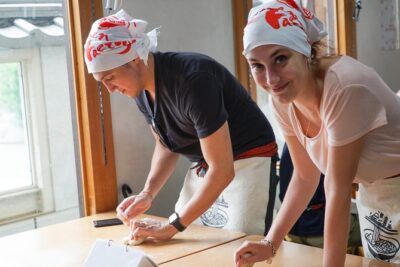
Ramen Cooking Class at Ramen Factory in Kyoto
Read our review →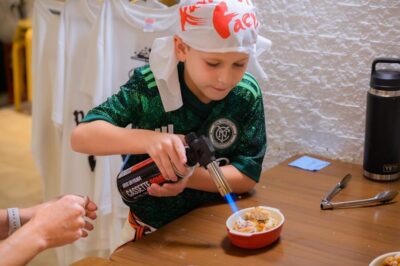
Ramen Cooking Class at a Ramen Factory with Souvenir
Read our review →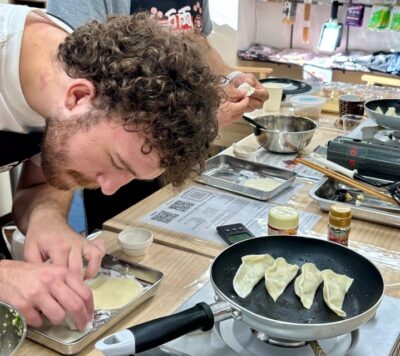
Kyoto Ramen and Gyoza Cooking Class with Professional Chefs
Read our review →
Gyoza Cooking Class in Kyoto: Traditional Japanese Dumplings
Read our review →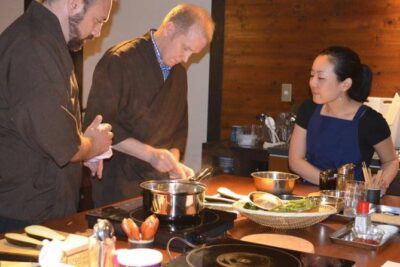
Browse the lists this tour appears in