
Review · KYOTO COOKING CLASSES
Kyoto: Authentic Sushi Making Cooking Lesson
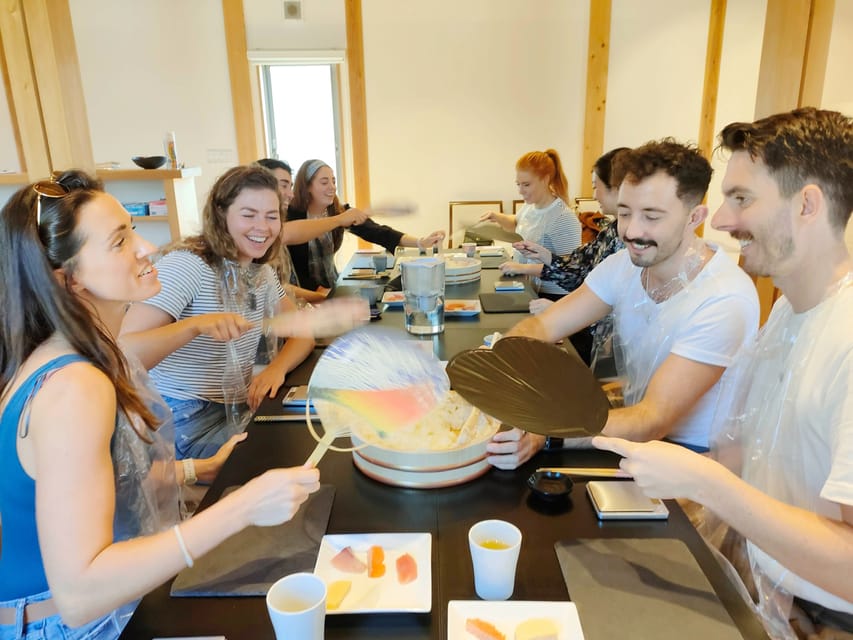
What makes this Kyoto class special is the chance to turn a familiar restaurant dish into something you understand and can repeat at home. In a small group of no more than eight, Kana guides you through seasoned rice, nigiri, gunkan sushi, and maki rolls, then you eat the results for lunch.
I like the fresh fish sourced locally that morning and the relaxed conversation about Kyoto, Japanese food, and history. I also like the practical gift bag: a rolling mat, chopsticks, and recipe card give the lesson a life beyond your holiday. The main consideration is that this is not suitable for vegetarians or wheelchair users, and raw seafood is central to the meal.
Key points to know before booking
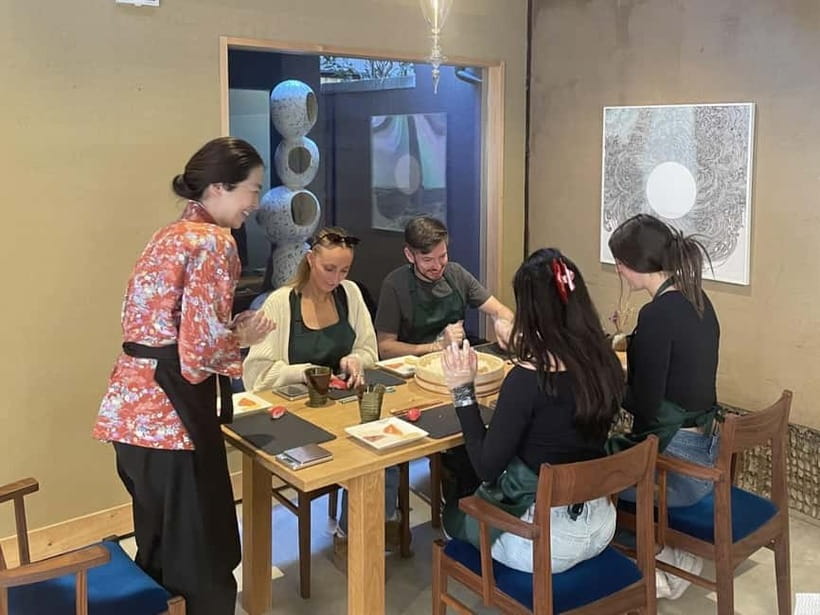
- You make a generous lunch: Expect plenty of sushi, plus miso soup, soy sauce, wasabi, and ginger.
- Kana leads the class: She teaches in English and takes time to answer questions about food, culture, and Kyoto.
- The group stays small: The class is limited to eight people, so you should receive close help at the worktable.
- You learn several styles: The lesson covers nigiri and maki, with examples from the class also including gunkan sushi and egg omelette.
- The location is convenient: atelier SUSHI is in the Kyoto Wand building, a short walk from Kiyomizu-Gojō Station and near Kiyomizu-dera and Gion.
- You take home useful tools: The gift bag includes a sushi rolling mat, chopsticks, and a recipe card.
Making sushi near Kiyomizu-Gojō Station
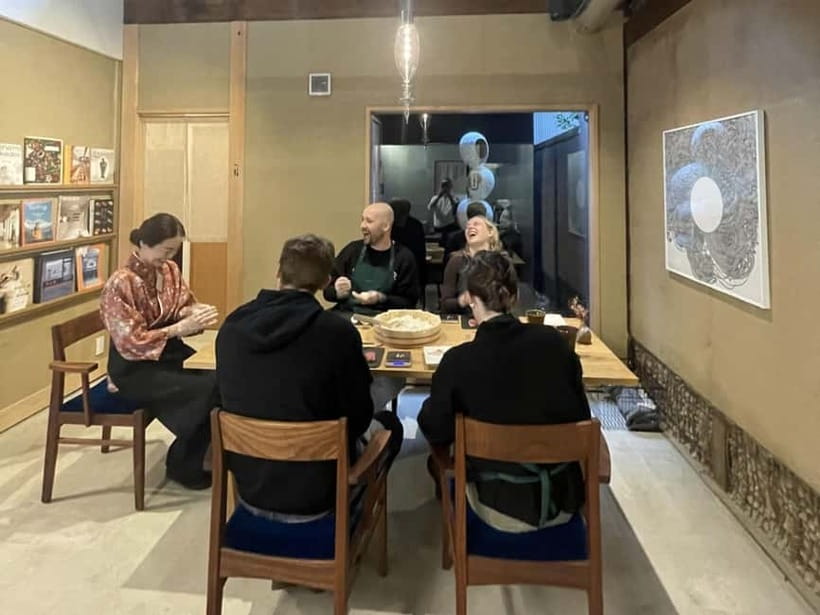
The class takes place at atelier SUSHI in the Kyoto Wand building, a few minutes on foot from Kiyomizu-Gojō Station on the Keihan Main Line. This puts you in a handy part of eastern Kyoto, within walking distance of major sights such as Kiyomizu-dera Temple and the Gion district.
That location matters. You can fit the lesson between sightseeing stops without committing to a long journey across the city. It also gives you a reason to spend time around Kiyomizu-Gojō, an area that can be easy to pass through on the way to better-known attractions.
Look for the Google Plus Code XQVC+J7 Kyoto if you rely on map apps. The activity begins and ends at the same meeting point, so you do not need to arrange transport back to your hotel. Hotel pickup and drop-off are not included.
The setting is described as cozy and welcoming rather than formal. That suits this lesson. You are here to handle rice, shape sushi, ask questions, and eat what you make, not sit silently through a chef demonstration.
More Sushi and Japanese Classes in Kyoto:
- Ramen Cooking Class at Ramen Factory in Kyoto
★ 5.0 · 1,937 reviews - Kyoto: Ramen Cooking Class at a Ramen Factory with Souvenir
★ 4.9 · 532 reviews - Kyoto: Ramen, Gyoza, and Onigiri Cooking Class
★ 5.0 · 445 reviews
A 1.5-hour lesson with a clear rhythm
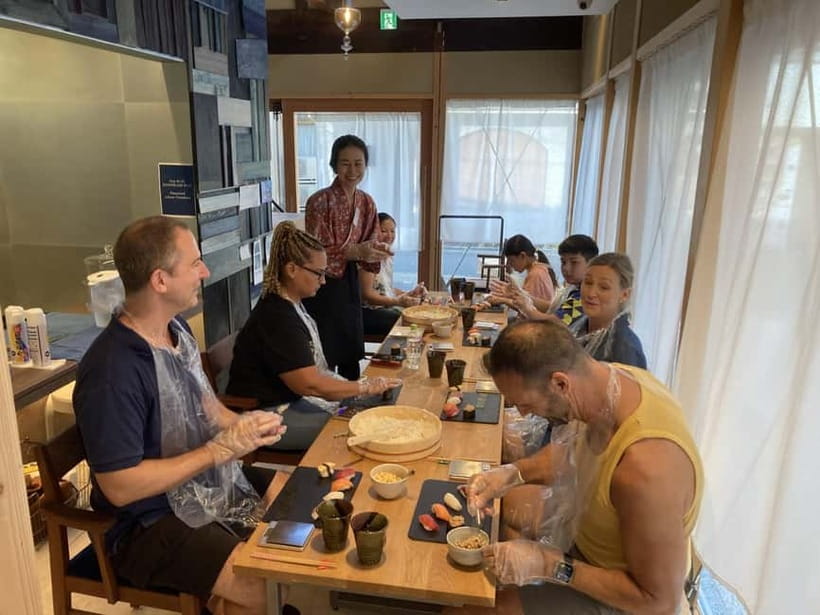
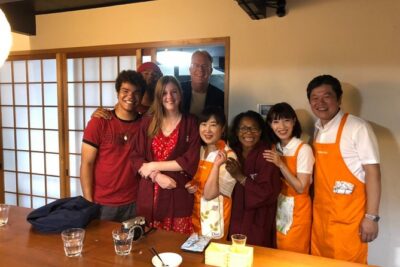
The session lasts about 90 minutes, though you will need to check the available start times when booking. You arrive at the workshop, put on the supplied apron and disposable gloves, and settle in with the other members of your group.
Kana and her assistant, including Kenneth on some sessions, create a friendly start. A parent who attended with a 10-year-old son described being greeted by name and offered water while waiting for the activity to begin. That small touch helps families and solo participants feel at ease before the practical work starts.
The first important lesson is the rice. Sushi depends on the rice as much as the fish, and the class shows you how to season properly cooked rice before you begin shaping it. This is useful home cooking advice, not just a quick trick for the day.
Kana demonstrates each stage slowly and then lets you try it yourself. If your first piece looks more like a rice mountain than a neat piece of nigiri, that is part of the point. You get direct guidance rather than being left to guess.
The format works well for mixed ability levels. You can join with no sushi-making experience, but people who already make sushi at home can still learn about traditional local techniques and presentation.
Nigiri, gunkan, maki, and the fish on your board
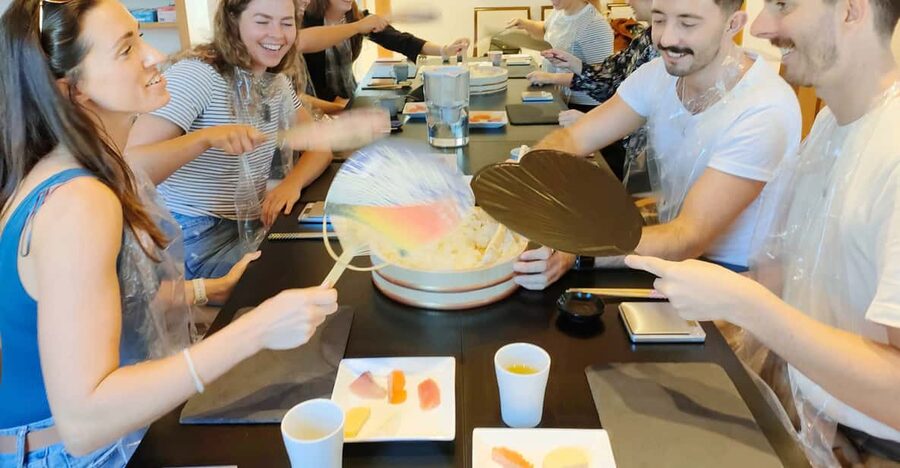
The exact selection can vary, but the class teaches more than one kind of sushi. You work with nigiri and maki, and class examples have included salmon, tuna, squid, yellowtail, and egg omelette.
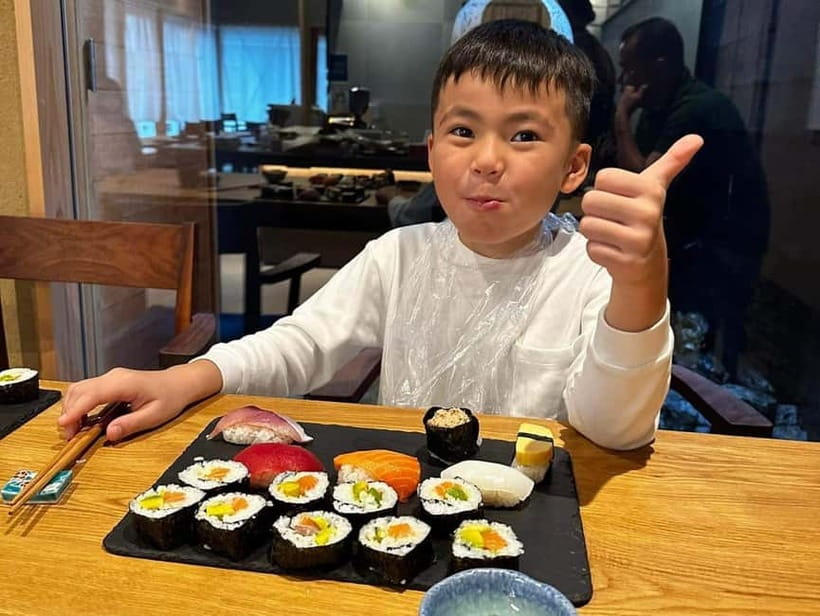
One detailed class experience included gunkan sushi filled with corn and tuna salad, along with a salmon and avocado maki roll. These examples show the range of the session: you are not simply pressing rice into one shape again and again.
Nigiri teaches control. You shape a portion of rice, add the fish, and learn how much pressure is enough. Maki requires a different rhythm, since you spread ingredients, roll them, and cut the finished cylinder into pieces.
You should not expect to fillet or cut the fish yourself. The fish preparation is handled for you, which is sensible in a short class and keeps the focus on rice, shaping, and assembly. If cutting fish is the skill you most want to learn, this activity may feel limited.
The fish is sourced locally that morning, and freshness is one of the strongest reasons to choose this class. The lesson also gives you a useful introduction to how raw seafood, rice, condiments, and presentation work together in Japanese food.
You can ask about sushi, home-style cooking, or ingredients as you work. The class is hands-on, but it is also conversational. Kana’s discussions can move into Japanese history and local Kyoto culture, giving you more context than a recipe alone.
Lunch is part of the lesson, not an afterthought
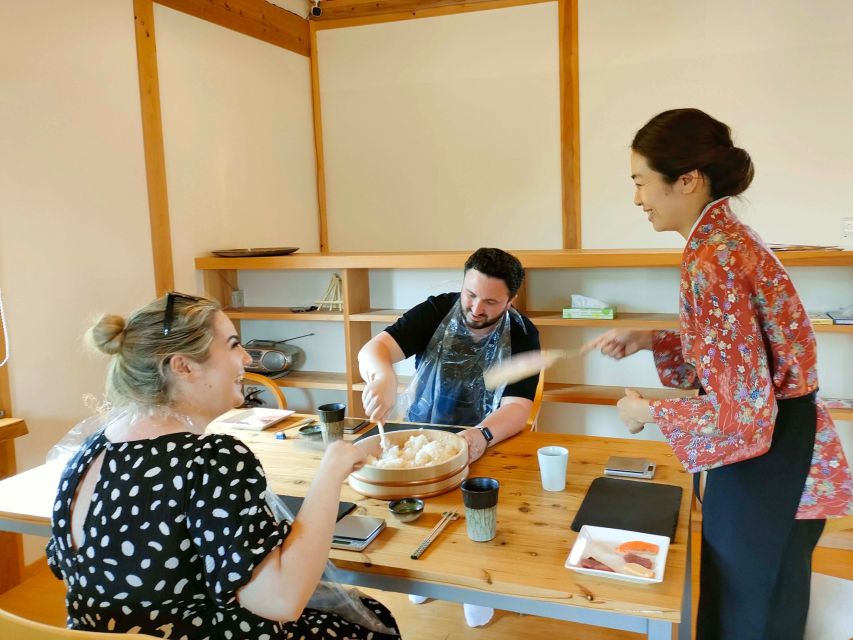
At the end, you eat the sushi you have made. This is a satisfying finish because you can see exactly how your work turned into a meal. The class includes miso soup, and you can enjoy the sushi with soy sauce, wasabi, and ginger.
Plan to arrive hungry. Participants have described making a large amount, with one family producing 32 pieces between two people. Another class experience included so much sushi that the advice was simple: do not eat a large meal beforehand.
The meal also gives the group time to talk. Solo visitors, couples, families, and small groups can compare their creations and share Kyoto suggestions. The social side is natural because everyone has just worked through the same steps.
This is not a restaurant meal where someone else does all the work. You may produce uneven pieces, and that is part of the charm. The reward is the fresh taste and the satisfaction of knowing how the food was assembled.
Raw fish can make some people nervous. The class uses fresh fish, and one participant who had been unsure about raw seafood found it delicious. Still, you should be honest with yourself before booking. If you do not eat raw fish, ask about dietary restrictions in advance, but do not assume the class can provide a full vegetarian alternative.
More Cooking Classes in Kyoto:
- Kyoto: Japanese Washoku Bento Small Group Cooking Class
★ 5.0 · 380 reviews - Kyoto Ramen and Gyoza Cooking Class with Professional Chefs
★ 5.0 · 282 reviews - Kyoto: Afternoon Japanese Izakaya Cooking Class
★ 4.9 · 241 reviews - Izakaya Style Cooking Class
★ 5.0 · 219 reviews
Kana’s teaching style and the cultural conversation
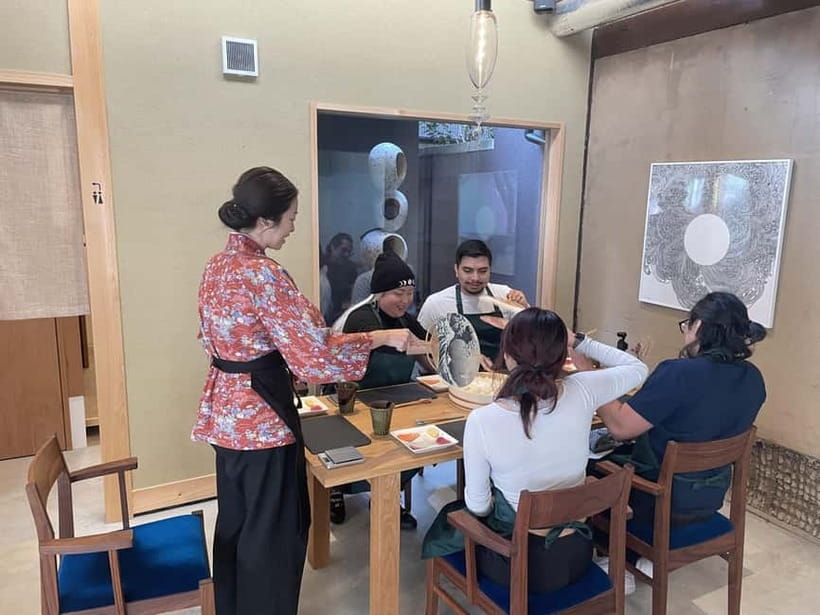
Kana is the heart of the experience. She teaches in English, demonstrates patiently, and keeps the tone calm rather than rushed. Her interest in Japanese history adds another layer to the class, especially if you enjoy learning about a place through its food.
The English instruction is an important practical advantage. You can ask why a technique is used, clarify a step, or discuss local customs without relying only on gestures. The activity is also suitable for families, with children taking part in the preparation under adult supervision.
The maximum group size is eight. That is small enough to make a real difference during shaping and rolling. You should have a better chance of receiving individual help than in a large cooking school, while still meeting other people.
The atmosphere appears especially good for solo visitors. You do not need to arrive with a group to enjoy the class, since the shared work gives everyone an easy topic of conversation. Couples and families can also take the class privately if their booking happens to be the only one for that time, though you should not assume a private session.
The hosts also offer local suggestions. You can ask about Kyoto restaurants, sightseeing, and places to visit after class. Treat this as a useful bonus rather than a formal city tour.
What the gift bag adds
The included gift bag is a practical touch rather than a throwaway souvenir. You receive a sushi rolling mat, chopsticks, and a recipe card.
The rolling mat is the most useful item. Maki is often the style people want to repeat at home, and having the proper tool removes one barrier. The recipe card should help you remember the basic process after the details of your Japan trip start to blur.
You also receive the apron and disposable gloves during the lesson. These keep the activity tidy and make it easier for you to focus on the food rather than worry about clothing or cleanup.
Do not expect to take home fish or a prepared meal. The point is to eat your sushi at the workshop and leave with the tools and instructions to try again.
Is $102 a fair price?
At $102 per person, this is not a cheap lunch. You are paying for a 1.5-hour guided activity, fresh fish, instruction in English, the meal you make, miso soup, equipment, and the gift bag.
The value is strongest if you want an experience rather than just food. A sushi lunch alone would cost less, but it would not teach you how the rice is seasoned or how nigiri and maki are formed. The class also gives you direct access to a local host for questions about Japanese food and Kyoto.
The amount of sushi matters too. This is not a tiny tasting session. You should receive enough for a substantial lunch, which helps balance the price. The rolling mat, chopsticks, and recipe card add modest but real value if you plan to cook at home.
I would be less likely to recommend it to someone who already has advanced sushi skills, dislikes raw fish, or wants to learn fish cutting. For a first lesson, a family activity, or a cultural experience with food at its center, the price is easier to justify.
Free cancellation up to 24 hours before the activity and the option to reserve now and pay later make planning less risky. Check the exact terms when booking, especially if your Kyoto schedule is still changing.
Who should take this Kyoto cooking class?
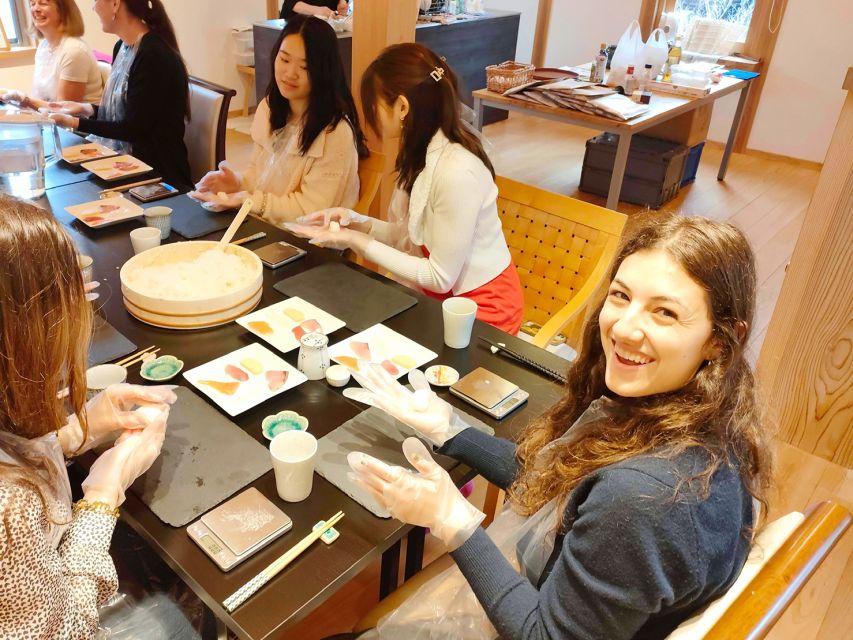
This class fits first-time sushi makers particularly well. The instruction is broken into manageable steps, and the small group gives you room to ask for help.
It is also a good choice for families. A 10-year-old took part successfully with a parent, and another family found the activity suitable for different ages. You will need to decide what level of supervision your own children need around food preparation.
Couples can use it as a shared morning or afternoon activity, while solo visitors can meet people without signing up for a large group tour. If you enjoy food, culture, and conversation in equal measure, this offers a good mix.
You should look elsewhere if you are vegetarian, cannot use the workshop setting because of wheelchair access, or have dietary needs that cannot be accommodated. The booking information asks you to provide dietary restrictions in advance, so do that before paying.
Timing the class with your Kyoto sightseeing
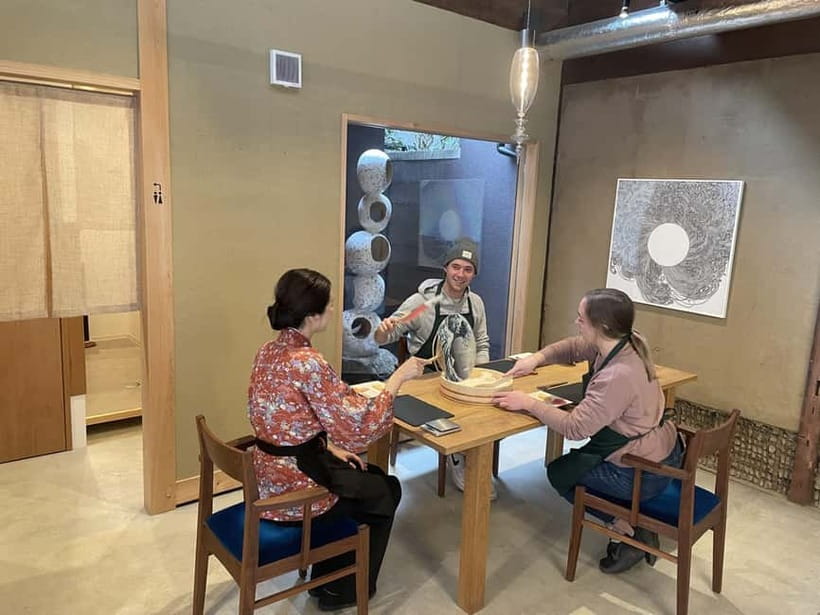
Because the workshop lasts 90 minutes and ends at the same location, it is easy to pair with nearby eastern Kyoto sights. You might schedule it before or after time around Kiyomizu-dera and Gion, both identified as being within walking distance.
A food class can also be a sensible break from temple visits. Kyoto sightseeing involves a lot of walking and visual detail. Sitting down to work with your hands gives you a change of pace without losing the connection to local culture.
Allow enough time to find the Kyoto Wand building and arrive without rushing. Starting times vary, so check availability before building the rest of your day around the class.
Should you book atelier SUSHI?
I would book this class if you want to learn a useful Japanese skill, eat a generous lunch, and talk with a local English-speaking host. Kana’s patient teaching, the fresh fish, and the cultural conversation are the strongest reasons to choose it.
The $102 price makes sense for visitors who value hands-on instruction and a small group. It makes less sense for anyone seeking only an inexpensive meal or a detailed lesson in fish preparation.
Bring an appetite, mention dietary restrictions when booking, and keep your schedule flexible around the start time. If you are comfortable eating raw seafood and want a souvenir you can actually use, this is a practical and friendly addition to a Kyoto visit.
FAQ
Where is the sushi-making class held?
The class is held at atelier SUSHI in the Kyoto Wand building, a short walk from Kiyomizu-Gojō Station on the Keihan Main Line. The Google Plus Code is XQVC+J7 Kyoto.
How long does the activity last?
The sushi-making experience lasts 1.5 hours. Starting times vary, so check availability when booking.
Is the class taught in English?
Yes. The workshop includes an English-speaking host, and English is the listed activity language.
What food and drinks are included?
You eat the sushi you make for lunch, and miso soup is included. The sushi is served with items such as soy sauce, wasabi, and ginger.
What types of sushi will I learn to make?
The lesson includes nigiri and maki sushi. Examples from the class also include gunkan sushi, with ingredients such as salmon, tuna, squid, yellowtail, avocado, and egg omelette.
Is the workshop suitable for vegetarians or wheelchair users?
The activity is listed as not suitable for vegetarians and not suitable for wheelchair users.
What do I take home after the class?
You receive a gift bag containing a sushi rolling mat, chopsticks, and a recipe card.
Newest classes around Kyoto
- Kyoto Udon & Tempura Cooking Class with Professional Chefs★ 3.8 · 3 reviews
- Kyoto: Wagashi (Japanese sweets) Cooking near Fushimiinari★ 5.0 · 40 reviews
- Kyoto Home Cooking Class &Supermarket tour near Fushimiinari★ 5.0 · 31 reviews
- Kyoto: Morning Japanese Bento Cooking Class★ 5.0 · 149 reviews
- Kyoto: Cooking class, learning how to make authentic sushi★ 4.2 · 9 reviews
- Authentic Japanese Cooking Experience at Izakaya restaurant★ 4.2 · 5 reviews
- Gyoza Cooking Class in Kyoto: Traditional Japanese Dumplings★ 5.0 · 12 reviews
- Private Plant-Based Japanese Cooking Class – Kyoto Edition★ 5.0 · 15 reviews
Kyoto Cooking Classes, compared.
Ramen Cooking Class at Ramen Factory in Kyoto
Read our review →
Ramen Cooking Class at a Ramen Factory with Souvenir
Read our review →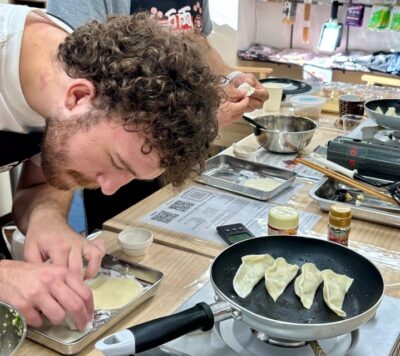
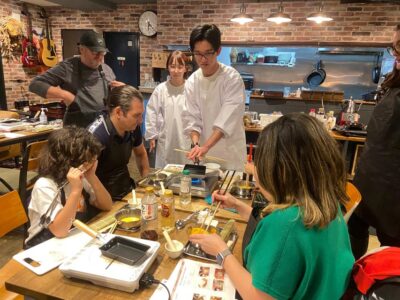
Japanese Washoku Bento Small Group Cooking Class
Read our review →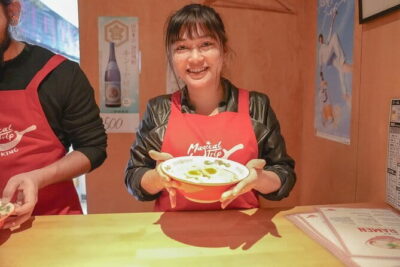
Kyoto Ramen and Gyoza Cooking Class with Professional Chefs
Read our review →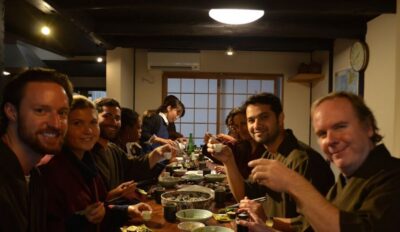
Gyoza Cooking Class in Kyoto: Traditional Japanese Dumplings
Read our review →Browse the lists this tour appears in