Review · KYOTO COOKING CLASSES
Private Plant-Based Japanese Cooking Class – Kyoto Edition
Kyoto’s food culture is about restraint, seasonality, and careful preparation, and this private cooking class gives you a practical way to see those ideas at work. In about two hours, you’ll prepare Buddhist-style plant-based dishes, fresh rice, miso soup, and two kinds of yatsuhashi, the soft Kyoto sweet.
I like the hands-on format, since everyone in your group takes part instead of watching a chef work from a distance. I also like the bamboo lunchbox souvenir, which gives the lesson a useful afterlife at home. The main limitation is time: two hours is enough for a friendly introduction, not a serious culinary course with complex knife work or advanced techniques.
Key points to know before booking
- Private for your group: You cook with your own party rather than joining a large public class.
- A plant-based Kyoto menu: Prepare shojin ryouri with seasonal vegetables, rice, miso soup, and yatsuhashi.
- Two kinds of Kyoto mochi: The dessert portion adds a sweet and distinctly local finish.
- English-friendly instruction: Staff members can explain the steps in English and Japanese.
- Central meeting point: Start at LAQUE Shijo Karasuma, with direct station access nearby.
- A take-home bamboo lunchbox: Your meal comes with a practical souvenir you can use later.
Why this class fits Kyoto so well
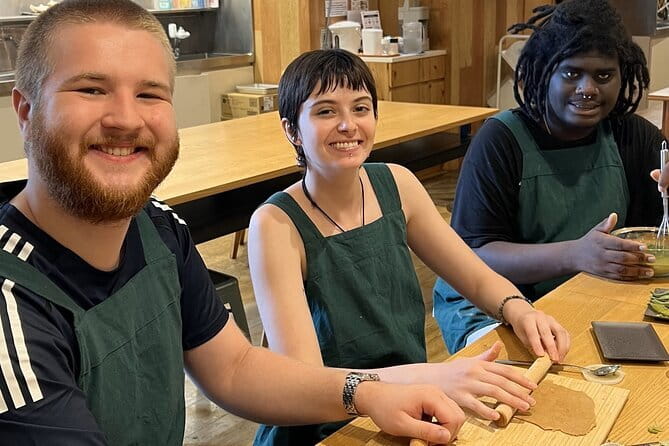
Kyoto is famous for temple food, refined presentation, and ingredients that change with the seasons. Shojin ryouri grew from Buddhist traditions that avoid meat and focus on vegetables, grains, tofu, and careful cooking. You will not be sitting down to a formal temple meal here. Instead, you get to handle the ingredients and learn how simple food can have plenty of flavor.
That distinction matters. A restaurant can show you the finished dish, but a cooking class explains the choices behind it. You see how rice, miso soup, vegetables, and sweets fit together as a Japanese meal. You also get a clearer sense of how much attention goes into preparation, even when the ingredient list looks modest.
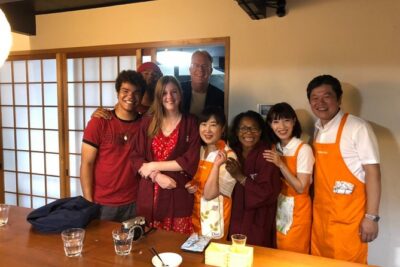
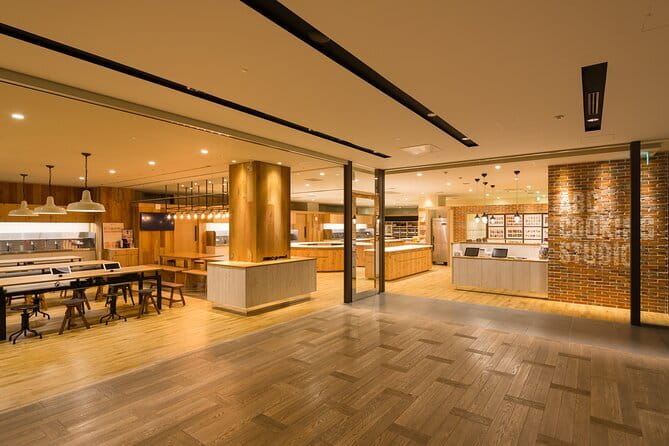
The lesson is run by ABC Sustainatable at a cooking studio near Shijo Karasuma. The setting is described as clean, spacious, welcoming, and inviting, which helps make the class feel relaxed rather than formal. If Haruhi is leading your session, you can expect a patient instructor who explains the process clearly and leaves room for questions.
This also makes a smart early-trip activity. The staff can offer Kyoto suggestions, and the central location means you can continue sightseeing after the class instead of spending half a day reaching an out-of-the-way kitchen.
More Private Cooking Classes in Japan
- Private Kyoto Sushi Cooking Class & Tea Ceremony with Emika
★ 5.0 · 66 reviews - Private Cooking Class Udon in Kyoto Japan
★ 5.0 · 23 reviews - Private Ramen or Gyoza Cooking Class in Kyoto with Chef Midori
★ 5.0 · 18 reviews
Meeting at LAQUE Shijo Karasuma
You begin at LAQUE Shijo Karasuma, at 101 Kankobokochō in Shimogyo Ward. The location has direct access to the station, and the activity is close to public transportation, so it is a practical choice if you are staying in central Kyoto or already planning time around Shijo.
That convenience is more important than it sounds. Cooking classes often require an early arrival, and hunting for a small studio in an unfamiliar neighborhood can add needless stress. Here, you have a recognizable commercial building and a central starting point. Check your confirmation carefully for the exact meeting instructions and local start time.
The class ends back at the same meeting point. You do not need to arrange a separate ride to a restaurant or return to a distant hotel area. Plan to leave with your bamboo lunchbox, so you may want a little extra room in your day bag.
Preparing shojin ryouri with seasonal vegetables
The main lesson centers on shojin ryouri, or traditional Buddhist plant-based cooking. The ingredients are sourced from local farmers, with the menu built around fresh seasonal vegetables. That seasonal approach is part of the point: the food is not trying to overpower you with heavy sauces or a long list of ingredients.
You will take part in preparing the vegetables and assembling the meal. The exact tasks can depend on the day’s menu and the instructor, but the class is designed for participation at all cooking levels. You do not need to arrive with Japanese cooking experience.
The strongest part of this section is the change in perspective. Vegetables are not treated as a side dish that needs rescuing. They are the center of the meal, and the cooking focuses on bringing out their texture and natural taste. One class member was surprised by how satisfying the vegetable dishes were, which is a useful clue for anyone who normally considers plant-based food an afterthought.
Do not book this expecting elaborate restaurant-level recipes. The class favors accessible dishes you can understand and try again at home. That is a benefit if you want a lesson you can remember, but a drawback if you are looking for advanced culinary training.
Cooking rice and miso soup from scratch
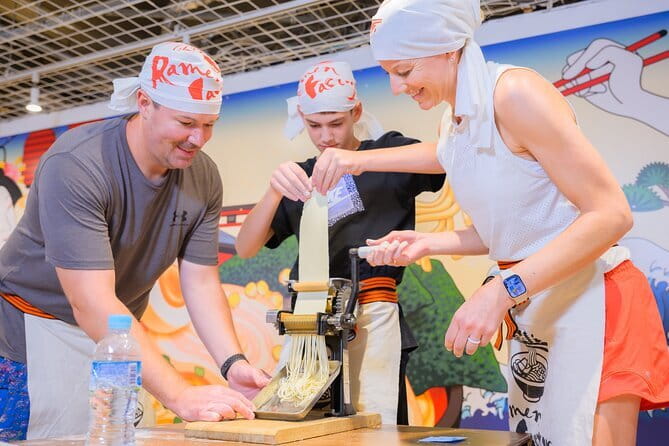
Rice and miso soup sound basic, but they are useful lessons for first-time visitors and experienced home cooks alike. The class shows you how to prepare both in the traditional way, rather than simply handing you finished components.
Rice is the backbone of the meal. Learning how it is handled and cooked gives you a better feel for the balance of a Japanese table. Miso soup brings another layer, with tofu and other ingredients creating a light but savory bowl. These are everyday foods, not novelty dishes made only for a demonstration.
This part of the lesson should appeal to you if you want practical skills rather than a one-off tasting. You can use the ideas again at home, especially if you already cook rice or keep miso in your kitchen. The process also helps explain why Japanese meals can feel complete without being heavy.
The time limit keeps this section fairly straightforward. You should expect clear instruction and active preparation, not a long lecture on regional miso varieties or a detailed study of fermentation. For a short class, that is a sensible trade.
More Private Cooking Classes in Kyoto
- Private Guided Traditional Buddhist Cooking in Japan
★ 5.0 · 16 reviews
Making two styles of Kyoto yatsuhashi
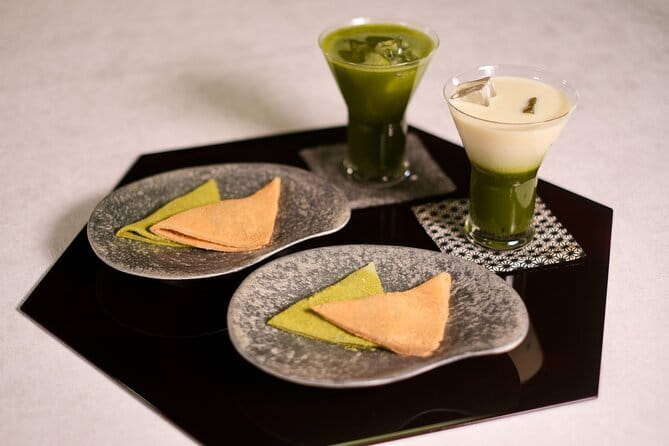
The sweet course is yatsuhashi, one of Kyoto’s best-known traditional treats. The class includes instructions for making two flavors or styles of Kyoto-style mochi, giving you a pleasant contrast with the savory part of the meal.
Yatsuhashi is closely associated with Kyoto, so this is more useful than making a generic Japanese dessert. You get to connect the sweet to the city you are visiting, then eat it soon after preparing it. The hands-on shaping also gives the class a lighter, more playful ending.
For many people, this will be the most memorable part. It is easy to share, photograph, and repeat at home, although the precise ingredients and flavors can vary with the session. The information provided does not specify the two flavors in advance, so do not book with the expectation of a particular filling.
The dessert also helps balance the lesson. Shojin ryouri can sound austere if you picture only plain vegetables and soup. Yatsuhashi shows the sweeter side of Kyoto food culture and gives you a treat to look forward to after the main cooking is done.
Eating the meal you prepared
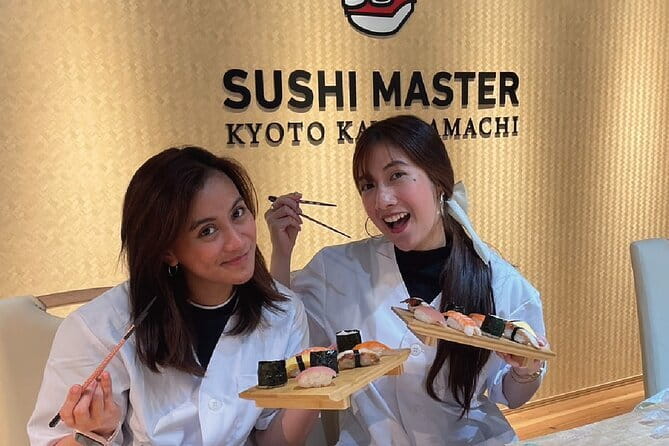
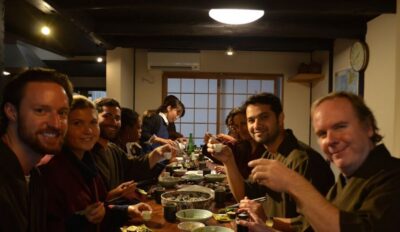
Once the cooking is finished, you sit down and eat what you made. That meal is an important part of the experience. You are not rushing from one recipe to the next without tasting the result, and you can see how the individual dishes work together.
The food is intended to be filling, not just a few samples. The rice, soup, vegetables, and sweets create a complete break in the middle of your sightseeing day. If you have a busy Kyoto schedule, this can replace a restaurant lunch while giving you a story and a skill to take with you.
The meal is also a good time to ask questions. The instructors are described as friendly, approachable, and willing to talk about Kyoto beyond the cooking itself. English and Japanese are spoken, and the class is set up to be comfortable for people who do not understand much Japanese.
Keep your expectations sensible. This is a short cooking experience, not a full restaurant meal with a large menu. The appeal comes from making the food yourself and understanding the process, rather than receiving a wide selection of dishes.
The bamboo lunchbox souvenir
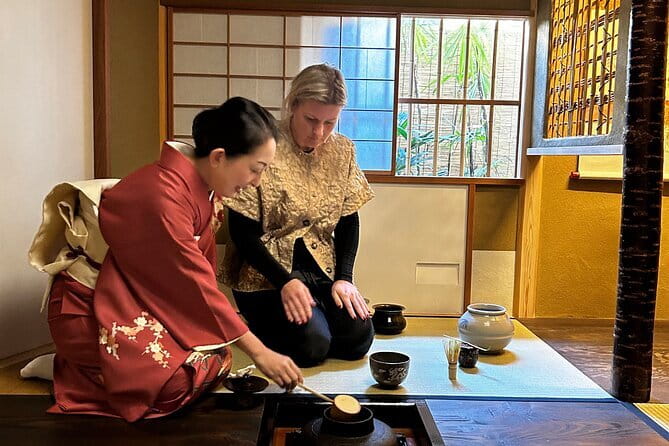
After the meal, you can take the bamboo lunchbox home. This is one of the more useful extras included in the experience. Many activity souvenirs are attractive but difficult to use once you return home. A lunchbox has a clear purpose, and it connects neatly with the meal you prepared.
It also gives the class a physical reminder beyond photos. You can use it for packed lunches, snacks, or another homemade Japanese-style meal. Since the class has a bento-related feel, the container fits the subject rather than feeling like a random gift.
You should still confirm how much food or packaging you will be carrying before booking other activities that day. The information does not specify the lunchbox’s size or whether it is packed for transport, so bring a bag that can handle a small souvenir comfortably.
What the two-hour format really means
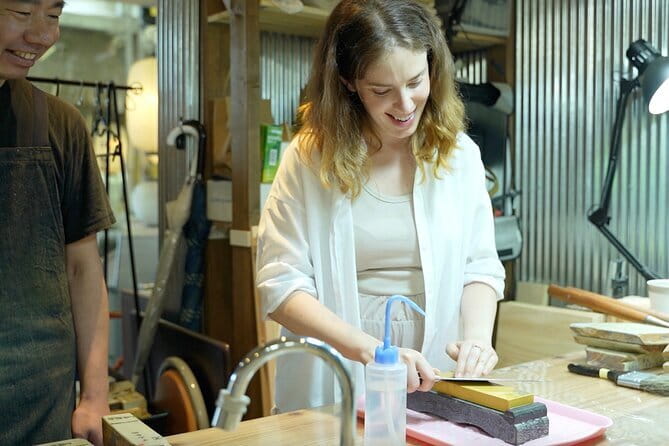
Two hours is a good length for a cooking activity during a Kyoto trip. It is long enough to prepare, cook, eat, and make dessert, but short enough to fit between temples, shopping, or an evening reservation.
The pace should be active. You will likely move from explanation to preparation to cooking without long pauses. That suits people who want to participate. It may feel quick if you want to ask many detailed questions or carefully repeat every technique.
I would plan to arrive ready to focus. Avoid stacking the class against a tight train connection or a timed attraction across town. Although the studio is centrally placed, Kyoto’s transport and station areas can still take longer than expected when you are unfamiliar with them.
The private format helps the timing. Your group can ask questions without waiting for a roomful of unrelated participants, and the instructors can adjust explanations to your level. It is especially useful for friends or families who want to work together instead of being split into separate tasks.
Price, group value, and who should book
At $98 per person, this is not a cheap lunch. It becomes easier to justify when you count the private instruction, the meal, the dessert lesson, the central location, and the bamboo lunchbox. You are paying for an activity and a meal in one two-hour block, with practical instruction attached.
The value improves for people who will actually use what they learn. If you enjoy cooking, plant-based food, or Japanese sweets, you are getting more than a tasting. If you only want to eat traditional Kyoto food, a restaurant may offer more dishes for less money.
Group discounts are available, which may make the class more attractive for friends or family. Because the activity is private, you are also paying for a more personal setting rather than a standard large-group demonstration. The experience is booked about 13 days ahead on average, so I would reserve early if your Kyoto dates are fixed.
This is a strong choice for first-time visitors who want an easy introduction to Japanese food. It is also suitable for mixed cooking abilities, since the instructions are designed for beginners and the staff can explain the steps clearly. Children may enjoy the interactive format, but the supplied information does not state a minimum age, so confirm that before booking for young children.
Practical details before you reserve
Confirmation is provided at booking, and mobile tickets are accepted. The meeting point is near public transportation, but you should still allow time to find LAQUE Shijo Karasuma and reach the correct entrance.
Free cancellation is available if you cancel at least 24 hours before the start time. A cancellation or change made less than 24 hours in advance is not eligible for a refund, and the cutoff follows Kyoto local time.
The activity is private, with only your group taking part. Group discounts may apply, but the exact discount is not provided, so check the price for your party before completing the reservation.
Food restrictions are worth raising before you go. The menu is plant-based and based on Buddhist-style cooking, but the available information does not specify every ingredient or whether all dietary allergies can be accommodated. Ask the provider directly if you need strict allergy handling.
Should you book the Kyoto plant-based cooking class?
Book it if you want a short, friendly, hands-on introduction to Kyoto food rather than a formal culinary course. The combination of seasonal vegetables, rice, miso soup, yatsuhashi, English-friendly teaching, and a central private studio gives you a useful look at everyday Japanese cooking.
I would especially recommend it for friends, families, and couples who enjoy doing something together. The class has enough structure for beginners, but it still gives confident home cooks something practical to take away. The bamboo lunchbox is a nice bonus, and the staff’s Kyoto advice can help you plan the rest of your visit.
Skip it if your priority is a long, highly technical cooking lesson, a broad restaurant-style meal, or the lowest possible food cost. At two hours and $98 per person, the value is in the shared activity, the instruction, and the chance to make Kyoto food yourself.
FAQ
Where does the cooking class begin?
The class begins at LAQUE Shijo Karasuma, 101 Kankobokochō, Shimogyo Ward, Kyoto, 600-8009, Japan.
Where does the activity end?
The activity ends back at the meeting point.
How long does the cooking class last?
The experience lasts approximately two hours.
Is the experience private?
Yes. Only your group participates in the activity.
What type of food will I prepare?
You will prepare traditional plant-based Buddhist cuisine, known as shojin ryouri, using seasonal vegetables.
Will I make rice and miso soup?
Yes. The lesson includes making fresh rice and miso soup from scratch in the traditional way.
Does the class include dessert?
Yes. You will learn how to make two flavors or styles of Kyoto-style yatsuhashi mochi.
Is the class suitable for people who do not speak Japanese?
The class is designed to be friendly to international participants, and staff members speak English and Japanese.
Do I receive anything to take home?
Yes. After the meal, you can take the bamboo lunchbox home as a souvenir.
Can I cancel for a full refund?
Yes, if you cancel at least 24 hours before the experience start time. Cancellations or changes made less than 24 hours before the start time are not refunded or accepted.
More Sushi and Japanese Classes in Kyoto
- Ramen Cooking Class at Ramen Factory in Kyoto
★ 5.0 · 1,937 reviews - Kyoto: Ramen Cooking Class at a Ramen Factory with Souvenir
★ 4.9 · 532 reviews - Kyoto: Ramen, Gyoza, and Onigiri Cooking Class
★ 5.0 · 445 reviews - Kyoto: Japanese Washoku Bento Small Group Cooking Class
★ 5.0 · 380 reviews
More Vegetarian Cooking Classes in Japan
- Ramen & Dumpling Cooking in Tokyo with Chef/Vegan possible
★ 5.0 · 107 reviews - Vegan/Vegetarian Ramen and Gyoza by Bentoya cooking
★ 5.0 · 59 reviews - Zen Buddhist Vegetarian(Shojin Ryori): Cooking Experience
★ 5.0 · 9 reviews - Culinary Home Cooking with Grandmothers – Vegan Friendly
★ 5.0 · 5 reviews
Newest classes around Kyoto
- Kyoto Udon & Tempura Cooking Class with Professional Chefs★ 3.8 · 3 reviews
- Kyoto: Wagashi (Japanese sweets) Cooking near Fushimiinari★ 5.0 · 40 reviews
- Kyoto Home Cooking Class &Supermarket tour near Fushimiinari★ 5.0 · 31 reviews
- Kyoto: Morning Japanese Bento Cooking Class★ 5.0 · 149 reviews
- Kyoto: Authentic Sushi Making Cooking Lesson★ 5.0 · 103 reviews
- Kyoto: Cooking class, learning how to make authentic sushi★ 4.2 · 9 reviews
- Authentic Japanese Cooking Experience at Izakaya restaurant★ 4.2 · 5 reviews
- Gyoza Cooking Class in Kyoto: Traditional Japanese Dumplings★ 5.0 · 12 reviews
Kyoto Cooking Classes, compared.
Ramen Cooking Class at Ramen Factory in Kyoto
Read our review →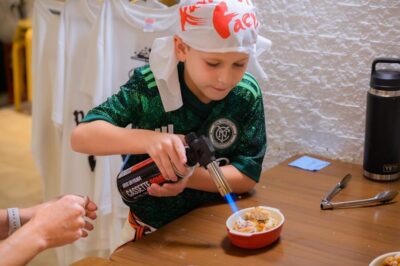
Ramen Cooking Class at a Ramen Factory with Souvenir
Read our review →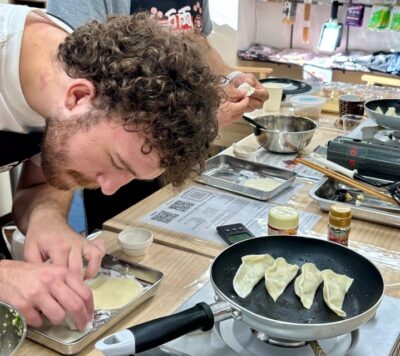
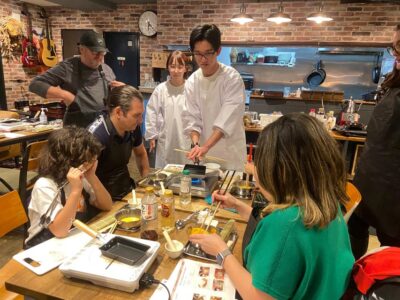
Japanese Washoku Bento Small Group Cooking Class
Read our review →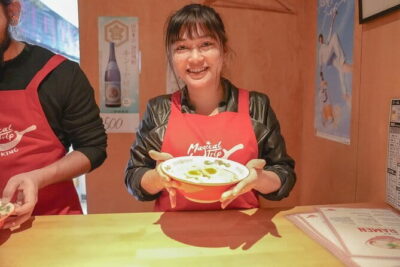
Kyoto Ramen and Gyoza Cooking Class with Professional Chefs
Read our review →