
Review · TOKYO COOKING CLASSES
Zen Buddhist Vegetarian(Shojin Ryori): Cooking Experience
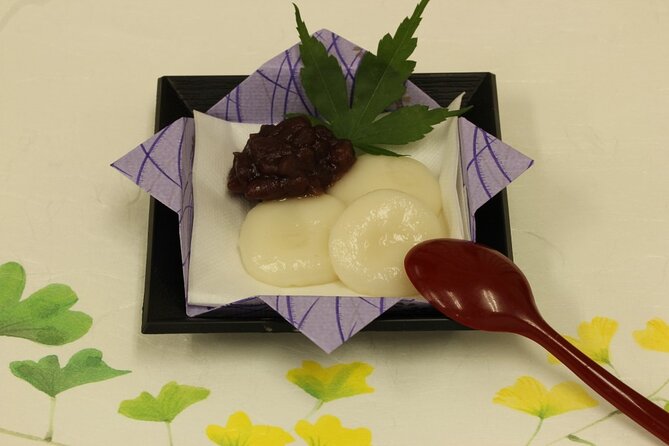
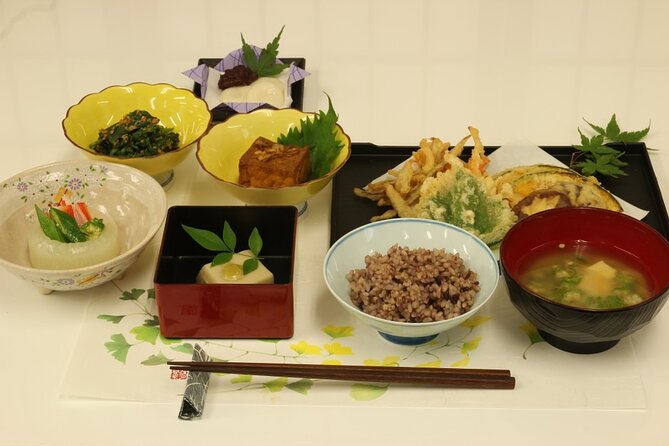
Shojin ryori turns a cooking class into a lesson in Zen Buddhist food culture. Over about two and a half hours, you’ll prepare sesame tofu, dashi broth soup, vegetable tempura, and other vegetarian staples, then sit down to eat what you made.
I like the eight-person limit, which gives you room to ask questions, and I like that the recipes are practical enough to try at home. The main consideration is price: at $114.67 per person, this costs more than a casual meal, and transportation to the venue is not included.
Key points at a glance
- A 700-year-old cooking tradition: Learn methods linked to Zen Buddhist monks and shojin ryori’s cruelty-free philosophy.
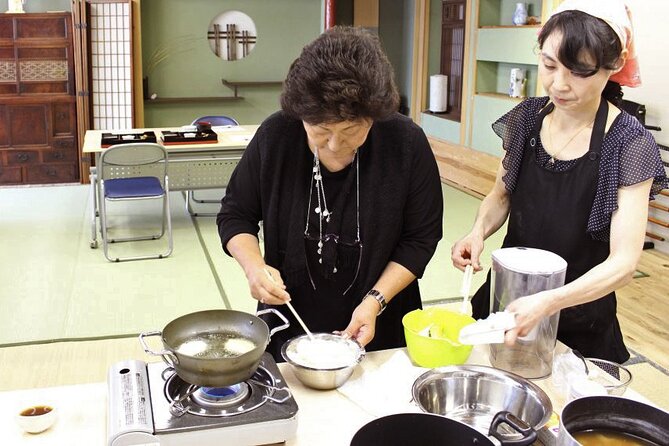
- A genuinely hands-on class: You prepare the food rather than simply watch a demonstration.
- A small group of eight maximum: The format suits cooks who want personal help from the instructor.
- A useful menu: Sesame tofu, dashi broth soup, vegetable tempura, and other recipes can be attempted at home.
- Optional Japanese tea pairing: Add tea to make the meal feel more like a complete cultural lesson.
- Easy central Tokyo meeting point: The class begins and ends at Kikai Shinkō Kaikan in Shibakōen.
Why shojin ryori is worth your time
Tokyo is an easy place to eat well, but many famous Japanese dishes center on seafood, meat, or both. Shojin ryori gives you another way into Japanese food, one based on vegetables, careful preparation, and Buddhist ideas about avoiding harm.
The tradition developed over roughly 700 years among Zen Buddhist monks. That long development matters because shojin ryori is not simply ordinary Japanese cooking with meat removed. It is a cooking style with its own methods, ingredients, and way of thinking about a meal.
You’ll hear about the philosophy as you work. That makes the food easier to understand. A dish such as sesame tofu may look simple, but the lesson shows how texture and preparation can carry a meal when meat and seafood are absent.
I especially like this approach for visitors who have already tried sushi, ramen, or tempura in restaurants. You are not just adding another meal to your Tokyo schedule. You are learning why a different part of Japanese food culture developed and how to reproduce parts of it at home.
More Vegetarian Cooking Classes in Japan
- Ramen & Dumpling Cooking in Tokyo with Chef/Vegan possible
★ 5.0 · 107 reviews - Vegan/Vegetarian Ramen and Gyoza by Bentoya cooking
★ 5.0 · 59 reviews - Private Plant-Based Japanese Cooking Class – Kyoto Edition
★ 5.0 · 15 reviews
From Shibakōen to the cooking table
The meeting point is Kikai Shinkō Kaikan, at 3-chōme-5-8 Shibakōen in Minato City. The activity starts at 11:00 a.m. and finishes back at the same meeting point.
Transportation is not included, so you need to make your own way there. The venue is near public transportation, which helps, but you should still allow enough time to find the building and arrive ready for an 11:00 start.
This fixed meeting point is useful in one way: you do not need to worry about finding a restaurant or changing locations during the class. The tradeoff is that the experience does not include pickup or a neighborhood walk. It is focused on the cooking table.
The class lasts about two hours and 30 minutes. That is long enough for instruction, preparation, and a sit-down meal without taking an entire day from your Tokyo plans. I would place it on a morning when you can keep the afternoon flexible rather than squeezing it between several distant attractions.
Cooking sesame tofu, soup, and vegetable tempura
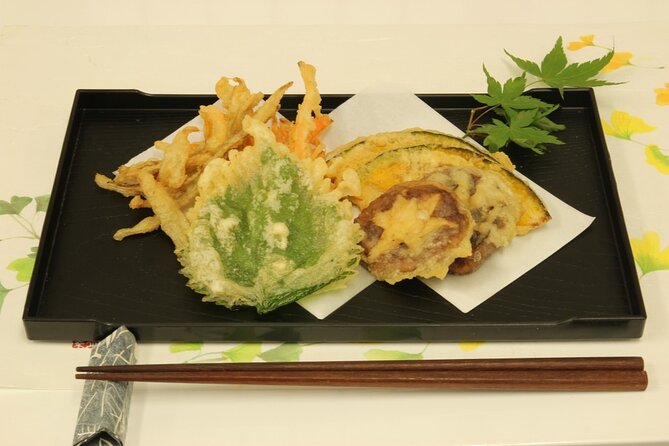
The menu includes sesame tofu, dashi broth soup, vegetable tempura, and other vegetarian dishes. The exact order of preparation is not specified, but you can expect the session to move from instruction and food preparation to eating the finished meal.
Sesame tofu is a particularly good choice for a class because it teaches you to pay attention to texture. It is not the same as ordinary tofu, and preparing it gives you a clearer sense of how Japanese cooks build interest without heavy seasoning or meat.
The soup introduces dashi, one of the foundations of Japanese cooking. Since dietary requirements can vary, tell the provider about your needs in advance and ask how the broth is prepared for this class. That small step matters to vegans, strict vegetarians, and anyone avoiding particular ingredients.
Vegetable tempura brings a familiar Japanese favorite into the lesson. You will learn how vegetables fit into a shojin-style meal rather than simply ordering a plate in a restaurant. The cooking process also gives the class a more active feel than a lecture.
The value here is practical. You receive the ingredients and work through recipes with an instructor’s help. The goal is not to watch an expert do everything while you stand back. It is to leave with methods you can attempt in your own kitchen.
A small class changes the experience
The group is limited to eight people. That is one of the strongest features of the program because cooking classes can become frustrating when too many people crowd around one work area or compete for the instructor’s attention.
With eight participants at most, you have a better chance to ask about a technique, get help with a step, or clarify an ingredient. The format also suits people with limited cooking experience. The class feedback specifically praises Masue and Hiro for clear demonstrations, patience, and kind instruction.
You should not read that as a promise that every session will have both instructors. Still, the teaching style described is encouraging for beginners. You do not need to arrive as a skilled Japanese cook.
I also like the social scale. A group of eight is large enough to make the class feel shared but small enough to avoid the anonymous feel of a mass-market food demonstration. It can be a good choice for couples, friends, and solo visitors who enjoy learning alongside a few other people.
More Vegetarian Cooking Classes in Tokyo:
- Oaxacan Vegetarian Cooking Class
★ 5.0 · 235 reviews - Marrakech: Moroccan Cooking Class for vegetarians and vegan
★ 4.9 · 156 reviews - Hoi An: Vegetarian Cooking Class w Local Family and transfer
★ 4.9 · 145 reviews - Oaxaca: Vegetarian Cooking Class
★ 4.8 · 139 reviews
The meal at the end
After the preparation, you sit down to eat the food you have made. This is an important part of the class, not just a reward at the end. Eating the dishes helps you understand how the separate recipes work together as a Japanese meal.
The meal also gives you time to slow down. One piece of feedback describes the class as a quiet activity, which fits the subject well. Shojin ryori is a thoughtful change of pace from Tokyo’s crowded shopping streets and fast restaurant meals.
You can upgrade the class to include Japanese tea pairings while you eat. The tea option makes sense if you want a fuller cultural program and enjoy matching drinks with food. If your main goal is learning the recipes, the standard meal may be enough.
The food is vegetarian, and the program describes shojin ryori as vegan and vegetarian cooking. Even so, tell the provider about dietary requirements or special requests in advance. Do not wait until the class begins, especially if you need strict control over ingredients.
What the $114.67 price means
At $114.67 per person, this is a premium cooking class. You are paying for more than the ingredients: the guide-interpreter, the instruction, the small group, the cultural background, and the prepared meal all form part of the price.
The value is strongest if you want to learn. A restaurant meal could cost less, but it would not show you how to make sesame tofu, prepare soup, or handle vegetable tempura. You also would not get the same explanation of Zen Buddhist food traditions.
The price is harder to justify if you only want a quick vegetarian lunch. This is a two-and-a-half-hour activity, and the class requires your attention and participation. You should choose it for the lesson as much as for the food.
Group discounts may be available, which could help if you are booking for several people. The tea pairing is an optional upgrade, so check the final price before booking if you want it included.
This activity is booked on average 24 days in advance. That does not guarantee every date will sell out, but it is a useful planning signal. If the class fits your schedule, booking well ahead is sensible, especially for a particular morning.
Who will get the most from this class
I would recommend this experience most strongly to:
- Vegetarians and vegans who want more than a standard restaurant meal
- Cooks who enjoy learning recipes they can repeat at home
- Visitors interested in Buddhist culture and Japanese food traditions
- Couples or small groups who prefer personal instruction
- First-time cooks who appreciate demonstrations and patient guidance
- People who want a calm, focused morning activity in Tokyo
It is also a good choice for someone who has already covered the usual Japanese food stops. Sushi and ramen are worthwhile, but shojin ryori offers a different story and a different set of techniques.
You may enjoy it less if you dislike cooking, want a tour with several Tokyo sights, or need a completely flexible start time. There is no sightseeing route attached to the class, and the schedule begins at 11:00 a.m. at a fixed venue.
Practical planning before you book
Wear something that lets you work comfortably around a cooking area, though no special clothing requirement is provided. The most important preparation is dietary: send all requests to the provider before the program.
The class is near public transportation, but you arrange your own transport. Plan your route to Kikai Shinkō Kaikan in advance and leave time for Tokyo’s large stations and busy streets.
Confirmation is sent within 48 hours of booking, subject to availability. The activity is open to most people, and the stated maximum is eight participants. No separate accessibility details are provided, so contact the provider if you have mobility or other access concerns.
Free cancellation is available if you cancel at least 24 hours before the local start time. Cancellations or changes made inside that window are not accepted for a refund.
Should you book the shojin ryori class?
Book it if you want a hands-on lesson with cultural meaning, especially if vegetarian food is important to you. The small group, practical recipes, and sit-down meal make the $114.67 cost easier to defend for people who value instruction rather than simply eating.
Skip it if you are looking for the cheapest meal, a broad city tour, or a casual activity that requires little participation. For the right person, though, this class offers a useful souvenir that fits in your memory and your kitchen cupboard: several Japanese recipes you can make again after Tokyo.
FAQ
Where does the cooking experience begin?
It begins at Kikai Shinkō Kaikan, 3-chōme-5-8 Shibakōen, Minato City, Tokyo 105-0011, Japan.
What time does the class start?
The scheduled start time is 11:00 a.m.
How long does the activity last?
The cooking experience lasts approximately two hours and 30 minutes.
Where does the activity finish?
It ends back at the meeting point.
How many people can join the class?
The group has a maximum of eight participants.
What food will I learn to prepare?
The class includes sesame tofu, dashi broth soup, vegetable tempura, and other vegetarian dishes.
Are ingredients included?
Yes. Ingredients and the vegetarian cooking lesson are included.
Is transportation included?
No. Transportation to the venue is not included.
Can I add Japanese tea pairings?
Yes. Japanese tea pairings are available as an optional upgrade with the meal.
Can I cancel for a full refund?
Yes, if you cancel at least 24 hours before the experience start time. Cancellations made less than 24 hours in advance are not refundable.
Newest classes around Tokyo
- Tokyo: Sushi roll and side dish cooking experience★ 5.0 · 2 reviews
- Tokyo: Sushi Making Experience & Japanese Cooking Class★ 5.0 · 2 reviews
- Tokyo: Sushi Cooking Class with Sake Tasting★ 4.8 · 55 reviews
- Tokyo: Real Ramen & Dumpling Cooking with Master Chef★ 5.0 · 10 reviews
- Tokyo: Sushi and Ramen Cooking Class with Sake Pairing Set★ 5.0 · 81 reviews
- Tokyo: Kawaii Bento Cooking Class – Cute Character Lunchbox★ 4.9 · 55 reviews
- Tokyo: Gyoza Making from Scratch – Ultimate Cooking Class★ 5.0 · 2 reviews
- Tokyo: Night Cooking Class: 5 Home-Cooked Japanese Dishes★ 4.9 · 13 reviews
Tokyo Cooking Classes, compared.

Ramen & Gyoza Cooking Class in Tokyo with Local Supermarket Visit
Read our review →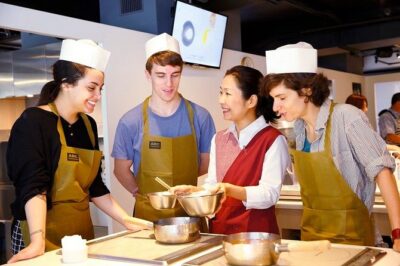
Tokyo Tsukiji Fish Market Tour and Sushi Making Lesson
Read our review →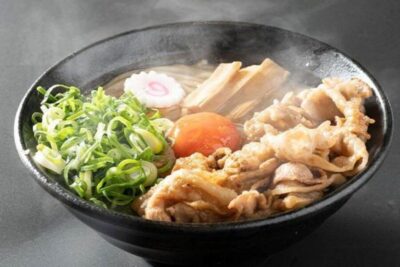
Easy Ramen Cooking Experience in Kabukicho, Shinjuku
Read our review →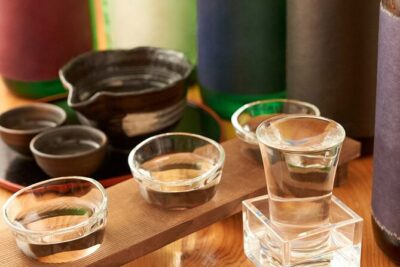
Ramen and Sushi Cooking Class with Sake Pairing Set in Tokyo
Read our review →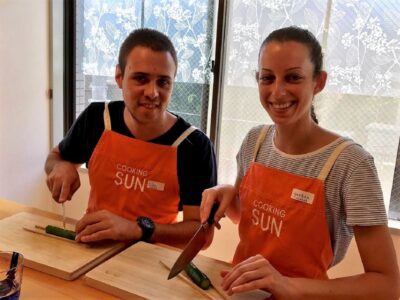
Tokyo Washoku 4-hour Cooking Class: From Market to Table
Read our review →
Small-Group Wagyu Beef and 7 Japanese Dishes Tokyo Cooking Class
Read our review →
Private Home Cooking in Yanaka – Local Flavors in a Warm Setting
Read our review →Browse the lists this tour appears in