
Review · KYOTO COOKING CLASSES
Bento Box Cooking Class
Kyoto’s bento class turns a familiar boxed lunch into a full cooking lesson. At Cooking Sun, you learn why bento matters, watch Japanese chefs demonstrate each dish, then prepare several items yourself before sitting down to eat the finished meal. It is a useful way to spend a morning, especially when you want more than another temple visit.
I like the hands-on format and the range of dishes: tempura, sushi, teriyaki chicken, egg rolls, miso soup, and vegetable sides may all appear, depending on the seasonal menu. I also like the small-group setup, with no more than eight people per booking and several instructors available to give one-on-one help.
The main consideration is timing. The class begins at 9:30 a.m. and you may not eat until the end, so a light breakfast is wise. The class is filling, and the three-hour session may feel long if you only want a quick demonstration.
Key points to know before booking
- You make more than one bento item: Expect a varied menu that can include sushi rolls, tempura, egg rolls, teriyaki chicken, miso soup, and vegetable dishes.
- The class is genuinely hands-on: Ingredients are prepared to keep the lesson moving, but you still cook, roll, shape, and assemble the food yourself.
- English instruction is included: The cooking leaders explain techniques clearly and demonstrate tasks such as layered egg rolls and sushi rolling.
- The menu changes with the seasons: Dishes are adjusted about every three months to use ingredients at their best.
- You eat a proper lunch afterward: Your finished bento is the meal, not just a sample, and many people find it more substantial than expected.
- Recipes go home with you: The class is useful beyond Kyoto because you receive recipes for making the dishes again.
What makes this Kyoto bento class worthwhile
Bento is easy to see as a pretty lunch box. This class shows you the work behind it. A well-made bento balances colors, textures, flavors, and portions, with each small item prepared separately before it is packed together.
The course also gives you a little cultural context. You learn about the origins of bento and how the idea of a convenient packed meal developed over time. The history begins in the 13th century, when the word bento was used in the Song Dynasty as slang for something convenient.
That background is brief, but it gives the meal more meaning. You are not simply learning how to fill a box. You are seeing how Japanese cooking often turns several modest dishes into a balanced meal.
I find this especially useful for people who have eaten plenty of Japanese food but have not learned how it is prepared. The class connects familiar flavors to actual techniques. You begin to see why a tamagoyaki egg roll needs patience, why tempura batter must be handled carefully, and how several simple ingredients can work together in one compact lunch.
More Sushi and Japanese Classes in Kyoto:
- Ramen Cooking Class at Ramen Factory in Kyoto
★ 5.0 · 1,937 reviews - Kyoto: Ramen Cooking Class at a Ramen Factory with Souvenir
★ 4.9 · 532 reviews - Kyoto: Ramen, Gyoza, and Onigiri Cooking Class
★ 5.0 · 445 reviews
Arriving at Cooking Sun Kyoto at 9:30 a.m.
The class begins at Cooking Sun Kyoto, at 679 Funayacho in Kyoto’s Shimogyo Ward. The meeting point is near public transportation, but hotel pickup and drop-off are not included, so you need to make your own way there.
The 9:30 a.m. start suits a morning in Kyoto. You can take the class, eat lunch, and still have much of the afternoon for sightseeing. It also means you should plan your route in advance rather than rush across town after breakfast.
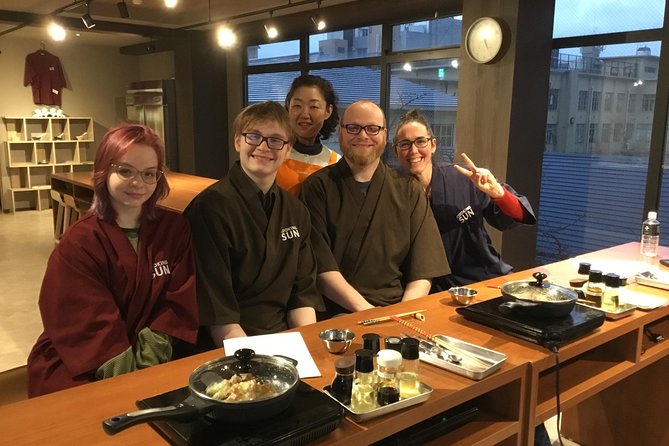
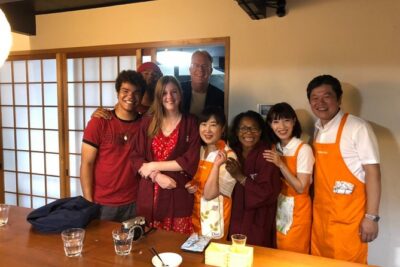
Once you arrive, expect an apron and a prepared cooking station. The class is limited to eight people per booking, and the activity has a maximum of eight participants. Some sessions described in the available feedback had more people overall, supported by three instructors, so the exact room arrangement can vary. The useful point is that the teaching is set up for individual help rather than a large lecture.
You should tell the provider about dietary needs when booking. Food allergies were handled carefully in one account, with staff taking time to explain ingredients and help the person cook safely. That is encouraging, but you should still communicate clearly before the class begins.
A short introduction to bento culture
The lesson starts with an explanation of bento’s origins and place in Japanese food culture. This is not a long academic talk. It is a practical introduction that helps you understand what you are about to make.
The word bento is tied to convenience, but the food is not careless or plain. A bento may include several small portions, each with a different taste and texture. The box works because the dishes are planned together.
That is one of the class’s most useful lessons. You are not only cooking recipes. You are learning how a Japanese meal can include soup, protein, vegetables, fried food, rice, and an egg dish without feeling disorganized.
The seasonal menu adds another good touch. It changes every three months to use the best available ingredients. You should not book expecting one fixed menu on every date. The main style remains the same, but individual dishes may differ.
Demonstrations from Japanese cooking instructors
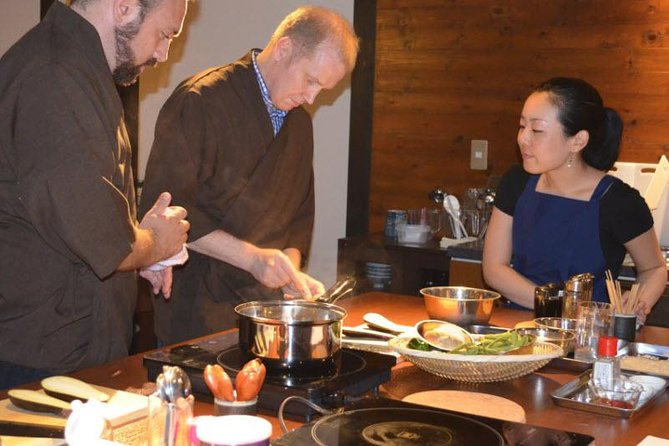
After the introduction, the instructors demonstrate the techniques used for the bento dishes. The teaching is in English, and the strongest feature here is clarity. The instructors show the task first, then give you a chance to try it.
That order matters. Some Japanese cooking methods look simple until you attempt them. Rolling an egg omelet in layers, shaping sushi, and frying tempura all benefit from watching the movement before picking up your own tools.
The class is designed for beginners, but it does not talk down to people who already cook. One experienced home cook found useful new methods, including tips on dashi and the use of different kinds of soy sauce. If you already make Asian food, you may still pick up small details that improve your results.
The instructors are described as patient, friendly, relaxed, and good at explaining why a technique matters. That combination makes a difference. A rushed teacher can make cooking feel like a race. Here, the pace allows you to ask questions, repeat a step, and correct a mistake before moving on.
More Cooking Classes in Kyoto:
- Kyoto: Japanese Washoku Bento Small Group Cooking Class
★ 5.0 · 380 reviews - Kyoto Ramen and Gyoza Cooking Class with Professional Chefs
★ 5.0 · 282 reviews - Kyoto: Afternoon Japanese Izakaya Cooking Class
★ 4.9 · 241 reviews - Izakaya Style Cooking Class
★ 5.0 · 219 reviews
Making the bento: egg rolls, tempura, sushi, and more
The exact menu changes, but the class can include a generous collection of Japanese dishes. Possible items include miso soup, tempura vegetables, tempura shrimp, egg rolls, teriyaki chicken, a spinach and sesame salad, and sushi rolls.
The layered egg roll is one of the more distinctive tasks. It is a regular favorite in Japanese school lunches, and the class gives you a chance to make it rather than simply eat it. The technique calls for adding and rolling the egg in stages, which is more precise than making a standard omelet.
Sushi rolling is another highlight. You get to roll your own maki, with the instructors showing how to keep the filling in place and shape the roll. It is a good activity for couples, families, and friends because you can compare the results at the end without taking the process too seriously.
Tempura gives the lesson a different texture. You learn how vegetables or shrimp become light and crisp through frying. The class does not only focus on one kind of cooking, so the session feels varied rather than repetitive.
Teriyaki chicken and vegetable dishes bring the menu back to familiar home cooking. These recipes are practical for a kitchen at home, especially if you want to recreate the meal without unusual equipment.
In some classes, the ingredients are chopped or prepared in advance. That helps the group finish several dishes within about three hours, but it also means you are not doing every single step from raw ingredients. You still cook and assemble the food, but this is a focused lesson rather than a full professional kitchen simulation.
The finished lunch is part of the lesson
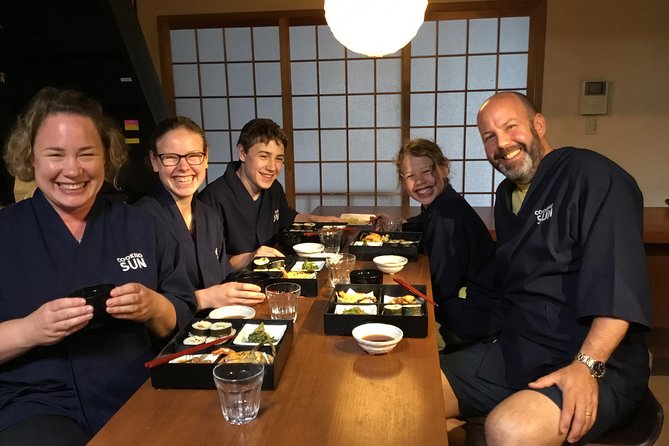
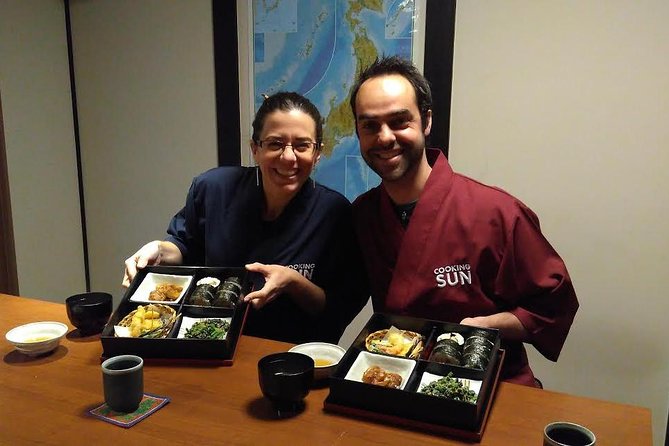
At the end, you pack the food into your bento and sit down to eat it with the other people in the class. This is a proper lunch, not a tiny tasting plate. Several accounts describe the meal as generous and filling, so you should not plan a large lunch immediately afterward.
The shared meal is useful because it lets you see how the separate dishes work together. The egg roll, fried items, chicken, vegetables, sushi, and soup each have their own role. A dish that seemed like a small side while cooking becomes part of a complete meal once everything is arranged.
I also like the sense of payoff. Cooking classes can sometimes end just as the food is ready, leaving you to find lunch elsewhere. Here, the meal is built into the experience. You can relax, eat what you made, and talk through the dishes with the instructors.
The timing tip is simple: eat something light before you arrive. The class begins in the morning, and you may spend much of the session cooking before you sit down to eat. Arriving hungry is understandable, but skipping breakfast entirely may make the wait uncomfortable.
Recipes and skills you can use at home
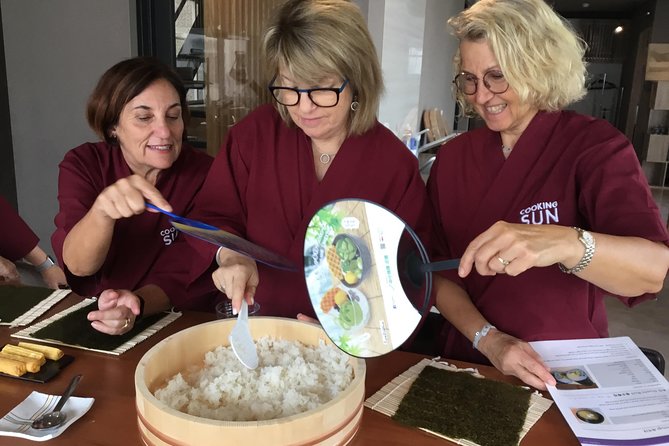
The recipes are provided at the end of the class. That changes the value of the experience. You are not paying only for a meal in Kyoto. You are also taking home instructions for dishes you can prepare for friends and family.
The recipes are aimed at real home cooking. Chicken teriyaki, egg rolls, tempura, sushi rolls, vegetable salads, and dashi are all useful additions to a basic Japanese menu. You may not reproduce the bento with perfect Kyoto presentation on your first attempt, but you will have a workable starting point.
The dashi tips are especially useful for anyone interested in Japanese soups and sauces. You also learn about different soy sauces and when to use them. These small explanations can help you understand flavor rather than simply follow a list of steps.
The class is a good fit for someone who wants to cook after returning home. If you only want a meal and have no interest in preparation, a restaurant will be faster and cheaper. If you like learning techniques and collecting recipes, the class offers more lasting value.
Price, group size, and what you receive
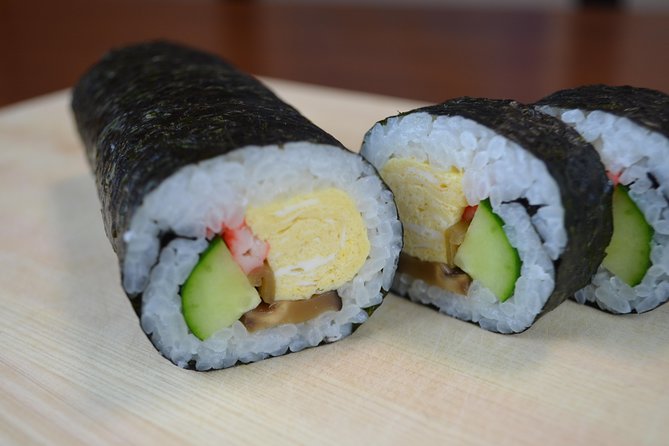
The price is about $71.35 per person. That is not the cost of a casual lunch, so the value depends on what you want from the morning.
Included are the ingredients, the English-speaking instructor, an apron, and lunch. You also receive the recipes. Since you prepare several dishes rather than one main course, the price compares reasonably with other hands-on food activities, particularly if you plan to cook the recipes again.
The small maximum group size is another part of the value. Cooking is much more enjoyable when you can see the demonstration and get help at your own station. The class is not private, but the format allows personal guidance.
Group discounts are available, which may help families or friends booking together. Service animals are allowed, and the studio is near public transportation. Hotel transfers are not included, so add local transport and enough time to reach the studio.
With a 5 rating and a 99 percent recommendation rate from 171 ratings, the class has a strong record. The praise focuses on the same practical points: clear instruction, friendly teachers, tasty food, good organization, and the chance to cook many dishes rather than watch from the side.
Who will enjoy this class most
I would choose this experience for:
- Couples who want a shared activity beyond sightseeing
- Families with older children or teenagers who enjoy making food
- First-time visitors who want a gentle introduction to Japanese home cooking
- Confident cooks looking for techniques such as sushi rolling, tempura, dashi, and layered omelets
- People with a short Kyoto stay who want a compact morning activity
- Anyone who values recipes and wants to continue cooking at home
It may be less suitable if you need a private class, dislike group activities, or want a very short food tasting. The session lasts about three to three and a half hours, and the menu includes several separate dishes. That is the appeal for many people, but it takes commitment.
The food is prepared with seasonal changes, so you should accept some uncertainty about the exact menu. The core experience remains Japanese bento cooking, but you may not receive every dish listed in a sample description.
Practical details before you book
Confirmation is provided at booking. The start time is 9:30 a.m., and the activity ends back at the cooking studio after lunch.
Free cancellation is available if you cancel at least 24 hours before the local start time. Changes or cancellations made inside that window are not accepted for a refund.
Tell Cooking Sun about allergies or dietary requirements when you book. The staff have handled food allergies with care, but advance notice gives the instructors a fair chance to explain ingredients and adjust the session where possible.
Wear something comfortable for cooking. An apron is included, but you will be working with food, heat, and frying, so practical clothing makes sense. The class provides the ingredients and cooking tools needed for the lesson.
Should you book the Kyoto bento class?
Yes, if you want to learn by doing. The class gives you a full meal, a look at bento culture, several Japanese cooking techniques, personal guidance, and recipes to take home. The strongest value comes from the variety: you are not spending $71.35 to learn one dish.
Book it early in your Kyoto planning if the 9:30 a.m. start fits your schedule. I would leave the rest of that day flexible enough to enjoy lunch without rushing to the next attraction.
Skip it if you only want a quick taste of Japanese food or prefer a private lesson. For most food-loving visitors, though, this is a practical and satisfying morning, with enough instruction to make the bento feel like your own work.
FAQ
Where does the bento cooking class take place?
The class takes place at Cooking Sun Kyoto, 679 Funayacho, Shimogyo Ward, Kyoto, 600-8466, Japan.
What time does the class start?
The class starts at 9:30 a.m.
How long does the experience last?
The class lasts approximately three hours, with the full course described as taking about three to three and a half hours.
What food might I make?
Possible dishes include miso soup, tempura vegetables, tempura shrimp, egg rolls, teriyaki chicken, spinach and sesame salad, and sushi rolls. The menu changes about every three months with seasonal ingredients.
Is lunch included?
Yes. You eat the bento you prepare during the class, and lunch is included in the price.
Is the class taught in English?
Yes. An English-speaking cooking instructor is included.
Can I cancel for a refund?
Yes, if you cancel at least 24 hours before the experience start time. Cancellations made less than 24 hours before the start are not refunded.
Newest classes around Kyoto
- Kyoto Udon & Tempura Cooking Class with Professional Chefs★ 3.8 · 3 reviews
- Kyoto: Wagashi (Japanese sweets) Cooking near Fushimiinari★ 5.0 · 40 reviews
- Kyoto Home Cooking Class &Supermarket tour near Fushimiinari★ 5.0 · 31 reviews
- Kyoto: Morning Japanese Bento Cooking Class★ 5.0 · 149 reviews
- Kyoto: Authentic Sushi Making Cooking Lesson★ 5.0 · 103 reviews
- Kyoto: Cooking class, learning how to make authentic sushi★ 4.2 · 9 reviews
- Authentic Japanese Cooking Experience at Izakaya restaurant★ 4.2 · 5 reviews
- Gyoza Cooking Class in Kyoto: Traditional Japanese Dumplings★ 5.0 · 12 reviews
Kyoto Cooking Classes, compared.
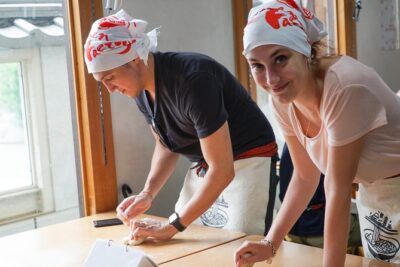
Ramen Cooking Class at Ramen Factory in Kyoto
Read our review →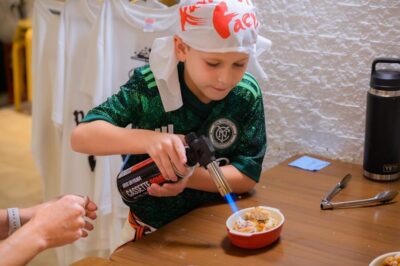
Ramen Cooking Class at a Ramen Factory with Souvenir
Read our review →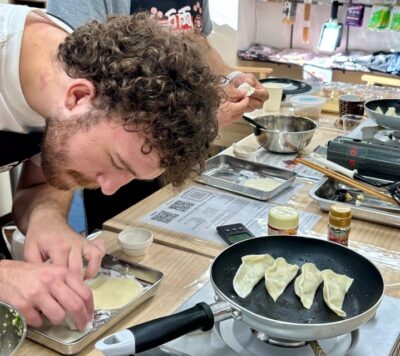
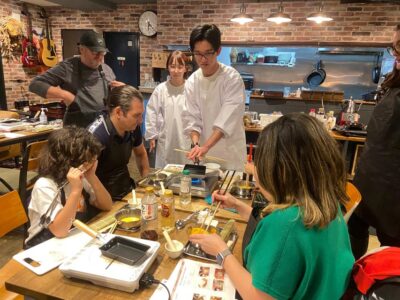
Japanese Washoku Bento Small Group Cooking Class
Read our review →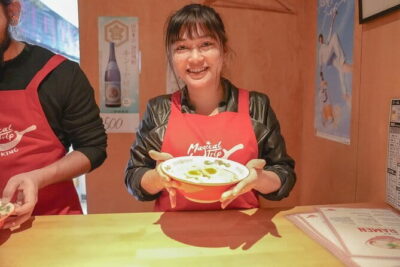
Kyoto Ramen and Gyoza Cooking Class with Professional Chefs
Read our review →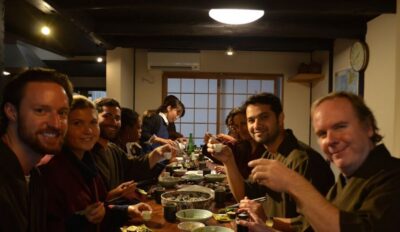
Gyoza Cooking Class in Kyoto: Traditional Japanese Dumplings
Read our review →Browse the lists this tour appears in