
Review · CAPE TOWN COOKING CLASSES
Cape Town: Bo-Kapp Walking Tour and Malay Cooking Class
Bo-Kaap is easy to reduce to a row of colorful houses and a few quick photographs. This four-hour experience gives you a better reason to stay: you walk the neighborhood with a local guide, then enter a Bo-Kaap home to cook and eat a Cape Malay meal. The food lesson is the heart of the afternoon, especially when you learn to make flaky roti and fold samosas by hand.
I like the clear link between place and plate. The walk introduces the neighborhood’s Muslim Cape Malay culture, oldest mosque, museum, shops, and spice traditions before the cooking begins. I also like the welcoming, personal teaching style associated with Faldela, Gadija, Ilyas, and the other local hosts. The main drawback is the small cooking area, which can mean that only one or two people work at the counter at a time.
Key points to know before booking
- Bo-Kaap comes first: Start with a guided walk through cobbled streets, historic buildings, local shops, and the colorful residential quarter.
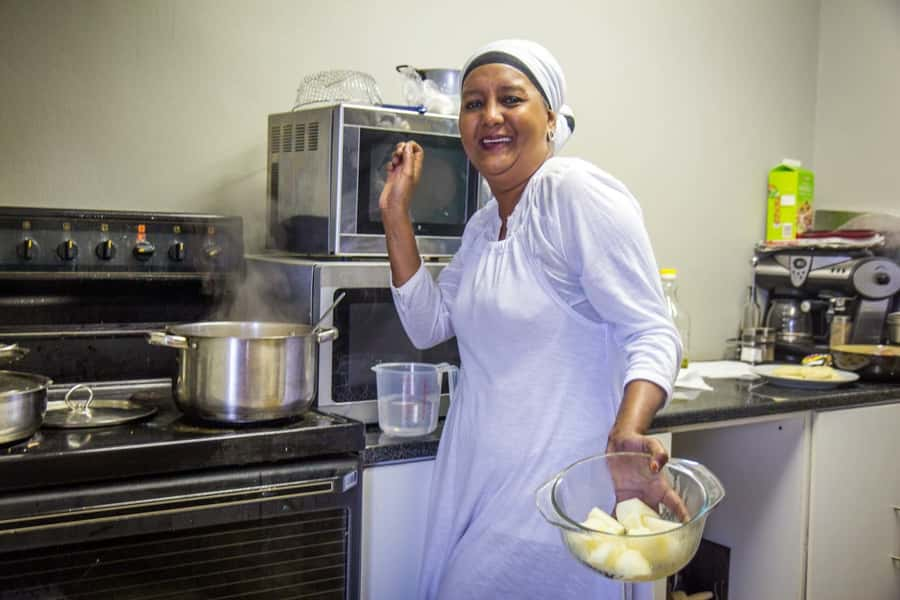
- The cooking is genuinely hands-on: You help fold samosas, prepare chicken curry, make roti, and mix sambal, though some steps may be demonstrated by the host.
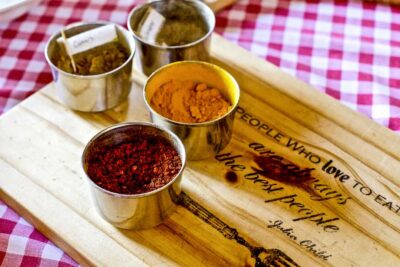
- Spice instruction is a highlight: The stop at a spice shop explains different seasonings and their cooking uses and health benefits.
- You eat what you make: The meal includes Cape Malay dishes such as curry, roti, salsa salad, samosas, and koesisters with cardamom tea.
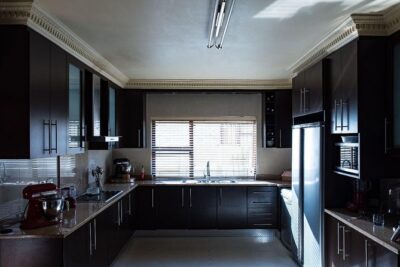
- Expect a small home kitchen: The setting feels personal, but space at the work surface is limited.
- The price is $68 per person: For four hours, museum admission, a local walk, a cooking lesson, a full meal, water, and recipes, the value is strong.
Why this Bo-Kaap walk is more than a photo stop
Bo-Kaap’s painted houses are the obvious draw, but the color is only the starting point. You’ll walk cobbled streets and hear about the people, faith, buildings, and traditions that shaped this close-knit part of Cape Town.
The route includes some of the area’s oldest buildings, the first and oldest mosque in South Africa, and the cultural museum. The guide also explains how the neighborhood’s architecture reflects different periods of Cape Town’s past. That context changes the way you see the houses. They stop being a backdrop and become part of a lived-in community.
Guides vary, and names connected with this experience include Faldela, Gadija, Ilyas, and Gandija. Their roles can differ between the walk and the kitchen, but the format remains local and personal. Ilyas, for example, has led walks through the neighborhood, while Gadija has handled both the historical walk and cooking instruction. Faldela is closely associated with the home cooking portion and is known for her lively, funny teaching style.
I like that the walk may include local art, souvenir, and food shops rather than treating Bo-Kaap as a museum piece. You might meet artists or see a home being renovated. Those small encounters help you understand that this is a residential area, not a decorative set built for visitors.
The walk is also a useful length. It gives you enough time to get your bearings and work up an appetite without turning the afternoon into a long march. Wear comfortable shoes, since the streets are cobbled and the tour is on foot.
More Walking Tours in South Africa:
- GQ: City Walking Tour & African Cuisine Cooking Class
★ 4.6 · 11 reviews - Tokyo: Tsukiji Market Walking Tour & Sushi Cooking Class
★ 4.6 · 122 reviews - Japanese Home Cooking Class & Walk in Todoroki Temple Tokyo
★ 5.0 · 88 reviews
The mosque, museum, and local story
The cultural part of the walk gives the cooking class its proper setting. Cape Malay food is not presented as a random collection of spicy recipes. It is tied to the history, faith, family traditions, and daily life of the Bo-Kaap community.
You’ll hear about Islam’s role in local culture and about the first and oldest mosque in South Africa. The cultural museum adds another layer, and the entrance fee is included in the $68 price.
One point needs a little care. The listed plan includes museum admission, but at least one guest found that the museum was not part of the actual walk and suggested making separate time for it. If seeing the museum matters to you, confirm the timing at the start rather than assuming the walking portion will include a full museum visit.
The history is strongest when it stays connected to the streets around you. You may hear about the architecture, local families, community spirit, and current concerns visible on house walls. One person felt that a political discussion during the cooking class was less suited to the setting, so you should expect the tour to touch on present-day community and political issues as well as the past.
That is not a flaw for every visitor. It may be useful if you want a fuller picture of Bo-Kaap. If you prefer a strictly food-focused class, keep in mind that this is also a cultural walking tour.
The spice-shop stop and the logic of Cape Malay cooking
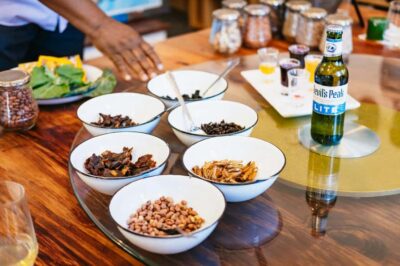
The spice shop is a practical bridge between the walk and the kitchen. Instead of simply handing you a recipe, the guide introduces the ingredients that give Cape Malay food its character.
You’ll learn about different spices, how they can be used, and their reported health benefits. This can become one of the most memorable parts of the afternoon because the guide explains the ingredients in an animated, personal way. If you want to remember the information, have your phone ready for notes or video, provided the host is comfortable with it.
The stop also helps explain why the meal tastes layered rather than simply hot. Cape Malay cooking uses spice for aroma, warmth, sweetness, and depth. The class then gives you a chance to use those ideas at home.
Do not expect a formal culinary school with individual workstations. This is a home-based lesson, so you may watch some preparation while the host handles a hot pan or a complicated step. That is part of the trade-off. You get access to a local kitchen and family-style instruction, but not unlimited counter space.
Inside the home kitchen with Faldela and the local hosts
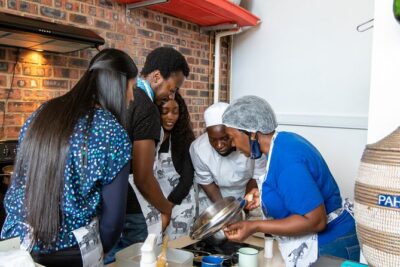
The cooking portion takes place in a local host’s home. Faldela is the name most often associated with this part of the experience, while other sessions have included hosts such as Bilquis. You return from the walk and begin preparing a substantial meal together.
The class can include chili bites, samosas, chicken curry, roti, sambal or salsa salad, and koesisters. The exact sequence may vary, but the core lesson focuses on techniques you can repeat at home.
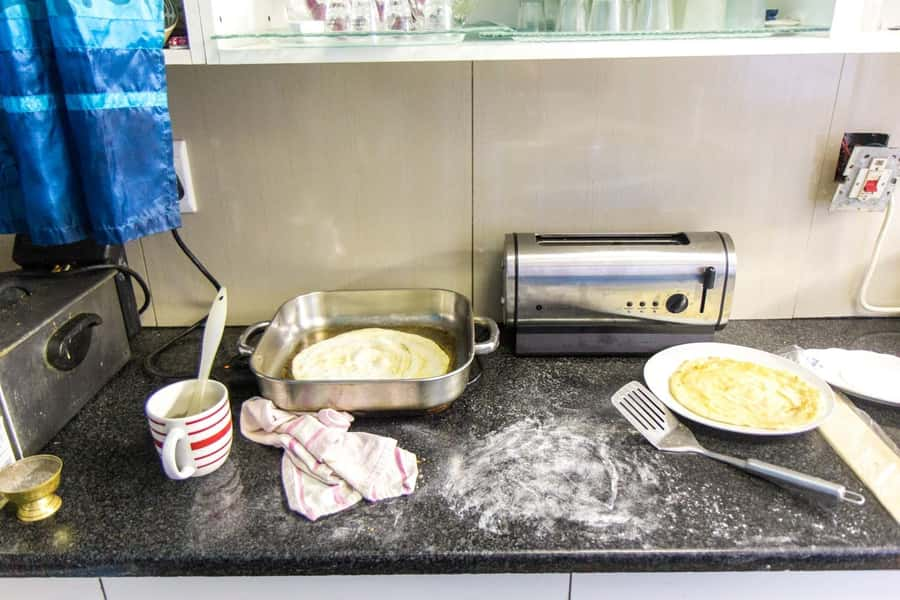
You’ll help fold samosas rather than simply watch them appear on a plate. You’ll also work on roti, the flatbread that many people find the most satisfying skill to take home. Learning to roll and cook it from scratch gives you a better feel for the dough than a recipe alone.
The curry is prepared as the main dish, and the salsa salad adds a fresh counterpoint. Koesisters provide the sweet finish. The supplied description calls them spicy, savory donuts served with cardamom tea, while the wider meal description presents them as a traditional dessert. Either way, expect a spiced doughnut-style ending rather than a plain cake or pastry.
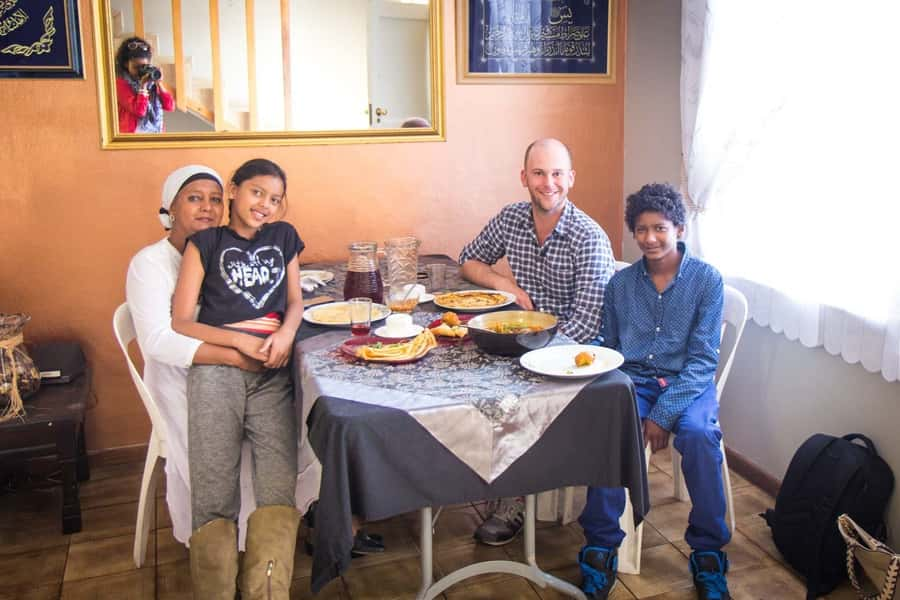
Faldela’s teaching style is a major part of the appeal. She is described as warm, funny, and energetic, and she makes an effort to involve everyone. Her home is also a social setting, so you’ll sit down with the host and fellow participants after the cooking. That shared table is valuable. You are not just collecting a recipe; you are spending time in the kind of setting where food is normally passed around and discussed.
Still, the kitchen is small. One person specifically noted that the work area realistically suits only one or two people at a time. If you are in a larger group, you may rotate between folding, mixing, watching, and eating. The class remains interactive, but not everyone will have a continuous task.
You do not need to be a confident cook. The host demonstrates the steps, keeps the meal organized, and helps the group reach a good result. If you are not interested in cooking at all, the cultural walk, spice lesson, and meal still give the afternoon plenty of substance, but you should not book this expecting a restaurant visit.
More Cooking Classes in South Africa:
- Cape Town: Malay Cooking Class and Lunch in Bo-Kaap
★ 4.8 · 515 reviews - Authentic African Cuisine Cooking Experience
★ 5.0 · 236 reviews - Cape Town: Cape Malay Cooking Class in Bo-Kaap
★ 4.8 · 120 reviews - Cape Town: Authentic African Cuisine Cooking Experience
★ 4.9 · 31 reviews
What you actually eat at the shared table
The meal is generous enough to function as lunch or dinner, depending on the start time. You prepare and eat chicken curry with roti, along with samosas and sambal or salsa salad. Chili bites may also be part of the cooking session, and koesisters with cardamom tea close the meal.
This menu gives you several kinds of Cape Malay cooking in one sitting. The samosas and chili bites are small, fried items with crisp texture. The curry and roti show how sauce and bread work together. The salad keeps the plate from feeling too heavy, and the koesisters bring spice into the dessert course.
You also leave with the recipes for the dishes you prepared. That is an important part of the value. The meal does not disappear when you leave Cape Town, and the recipes are simple enough to make the experience useful beyond one afternoon. Several people have gone home keen to try the samosas, roti, or curry again.
The description lists water as included and alcohol as not included. It also lists food and drinks under items not included, even though you prepare and eat a meal during the class. Because of that wording, check the final booking details if you need a precise explanation of what ingredients and beverages are covered. The clear point is that the cooking and meal are central to the activity, while alcohol is not part of it.
Dietary needs have been handled well in at least one session, but the available information does not promise specific substitutions for every diet. Tell the provider about your requirements before booking and confirm what can be changed.
Is $68 a fair price for four hours?
At $68 per person, this is not the cheapest way to see Bo-Kaap. You can walk through the neighborhood on your own for no admission fee, and you can eat Cape Malay food at a restaurant without paying for a lesson.
The comparison changes when you count what is bundled together. The price covers four hours, an English-speaking live guide, a neighborhood walk, local storytelling, a spice-shop visit, museum admission, cooking instruction, a shared meal, water, and recipes. You are also paying for access to a private home setting, something a standard sightseeing walk cannot offer.
I consider the price good for anyone who values food and conversation as much as monuments. It is especially fair if you would otherwise book a separate walking tour and a separate cooking class. The experience combines both, and the walk gives meaning to the meal.
The value is less convincing if you want a polished cooking studio with lots of personal workspace. The home kitchen is compact, and some of the lesson involves watching rather than doing. You are paying for local contact and a home atmosphere, not a commercial culinary facility.
Timing, meeting point, and simple preparation
The activity lasts four hours, with starting times available according to the date you choose. You meet the host at a purple house with flower pots on top. That description is specific, but you should still keep your booking details handy so you can identify the correct meeting place.
The tour is conducted in English. Comfortable shoes are the one item specifically recommended, and they make sense for the cobbled streets and walking portion.
The experience offers free cancellation up to 24 hours before the start for a full refund. You can also reserve and pay later, which is useful if your Cape Town schedule is still shifting. No separate transport is listed, so plan to reach the meeting point on your own.
The format suits a half-day gap in a Cape Town itinerary. It is long enough to feel substantial but short enough to leave room for other plans. I would avoid scheduling a rushed attraction immediately afterward, since the meal and conversation are meant to be enjoyed rather than hurried.
Who should book this Cape Malay experience?
I would choose this for you if you want to meet local people, understand Bo-Kaap beyond its painted facades, and learn dishes you can try at home. It suits solo visitors, couples, families, and small groups who enjoy talking as much as sightseeing.
It also works well for people who say they are not cooks. You can take part at your own level, and the host guides the process. The class is social and practical, not a test of technique.
You may want to skip it if you dislike group cooking, have strict dietary needs that have not been confirmed, or want a large, highly equipped kitchen. The compact workspace is the main practical limitation.
The strongest reason to book is the connection between the neighborhood and its food. You first see the streets, mosque, museum, shops, and spice traditions. Then you sit down in a local home and taste a meal built from that culture.
Should you book the Bo-Kaap walking tour and cooking class?
Yes, if you want a personal introduction to Bo-Kaap rather than a quick photograph stop. The walk gives you context, the spice shop adds useful detail, and the cooking class lets you take part in the culture instead of only observing it.
Book it with realistic expectations about the kitchen. You may not have a task every minute, and the museum portion may need confirmation. But for $68, the mix of local guiding, Cape Malay recipes, a full meal, museum admission, and time in a home is strong value.
If you can choose your timing, allow the full four hours and arrive ready to eat. Wear comfortable shoes, bring an appetite, and pay close attention when the roti lesson begins. That is the skill you are most likely to keep practicing after you leave Cape Town.
FAQ
How much does the Bo-Kaap walking tour and cooking class cost?
The price is $68 per person.
How long does the experience last?
The activity lasts four hours.
What language is the tour conducted in?
The live tour guide conducts the experience in English.
What food will I prepare and eat?
The meal includes chicken curry, roti flatbread, samosas, sambal or salsa salad, and koesisters with cardamom tea. Chili bites may also be included in the cooking session.
Is museum admission included?
Yes, the museum entrance fee is listed as included. The timing of the museum visit may vary, so confirm this when you meet the host.
Where is the meeting point?
You meet the host at a purple house with flower pots on the top.
What should I bring?
Bring comfortable shoes for the walking portion on cobbled streets.
Can I cancel the booking?
You can cancel up to 24 hours in advance for a full refund. Reserve now and pay later is also available.
Newest classes around South Africa
- Cape Town Shore Excursion| South African Cooking & Port Transfers★ 5.0 · 3 reviews
- Private Cape Malay Cooking Class in Cape Town with a Local Family★ 5.0 · 24 reviews
- Langa Township and Bokaap Cooking Class Half Day Tour★ 5.0 · 4 reviews
- South African Cooking Class in Cape Town with a Local Family★ 5.0 · 2 reviews
- South African Cooking in Cape Town with Local Chef Richard★ 4.5 · 10 reviews
- Cape Malay/Creole Cooking Class and Local Shopping in Salt River★ 5.0 · 2 reviews
- Private Authentic Cape Malay Cooking Class in Manenberg with Locals★ 5.0 · 5 reviews
- Johannesburg: Pan-African Cooking & Dinning Experience★ 4.5 · 6 reviews
Cape Town Cooking Classes, compared.
Private Cape Malay Cooking Class in Cape Town with a Local Family
Read our review →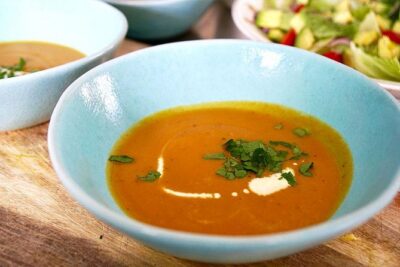
South African Cooking in Cape Town with Local Chef Richard
Read our review →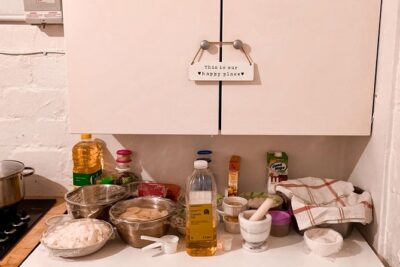
Private Authentic Cape Malay Cooking Class in Manenberg with Locals
Read our review →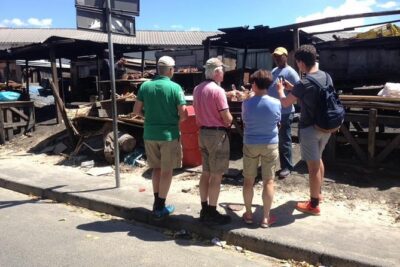
Langa Township and Bokaap Cooking Class Half Day Tour
Read our review →Browse the lists this tour appears in