
Review · SOUTH AFRICA COOKING CLASSES
GQ: City Walking Tour & African Cuisine Cooking Class
Gqeberha reveals itself best on foot, then at the kitchen table. This tour pairs a city walk through old streets, the Campanile, Donkin Reserve, markets, and street art with a hands-on African cooking class. You learn to prepare sadza, stews, greens, chakalaka, and beans, then eat with the hosts.
I like the small group limit of 10, which gives the guide room to answer questions and help with cooking. I also like the local feel: guide Rawson, also spelled Rowson in one booking, is praised for showing more than the polished sights and for helping solo visitors get good photos.
The main caution is to confirm exactly which option you have booked. The city walk and the combined walk-and-cooking class are separate choices, and one booking reported that the cooking portion did not happen. Timing also varies from about two hours to 210 minutes.
Key details to know before booking
- Walk Gqeberha’s historic core: See the Campanile Memorial, Donkin Reserve, Victorian buildings, cobbled lanes, markets, and street art.
- Cook a full African meal: Help prepare sadza, beef bones with greens, chicken stew, chakalaka, and sugar beans.
- Choose your format: Book the city walking tour alone or the longer city tour with cooking class.
- Eat with the hosts: The meal is shared communally after you help prepare it.
- Use included local transport: Pickup is offered around Port Elizabeth, with drop-off available within Port Elizabeth.
- Keep the group personal: The maximum group size is 10, and the tour runs in English.
Starting with Gqeberha’s story on foot
The walking portion is the foundation of the outing. You are not simply being taken from one landmark to another. The guide uses the streets to explain how Gqeberha, formerly Port Elizabeth, developed and why it is known as the Friendly City.
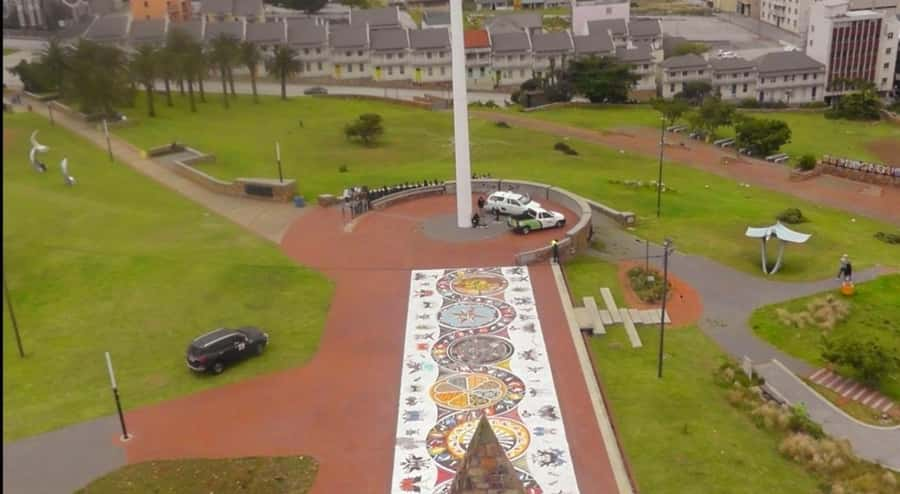
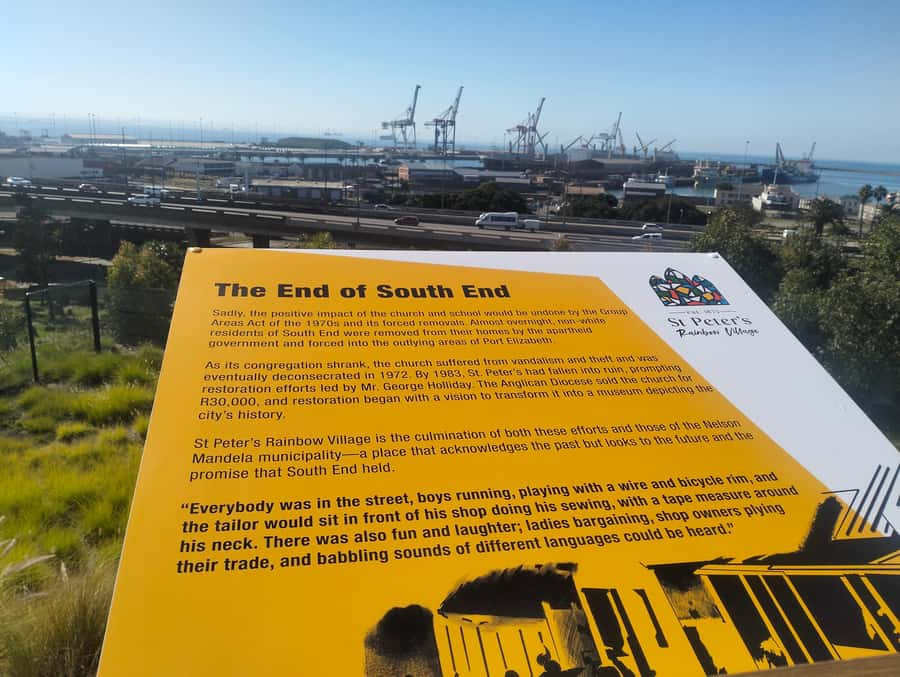
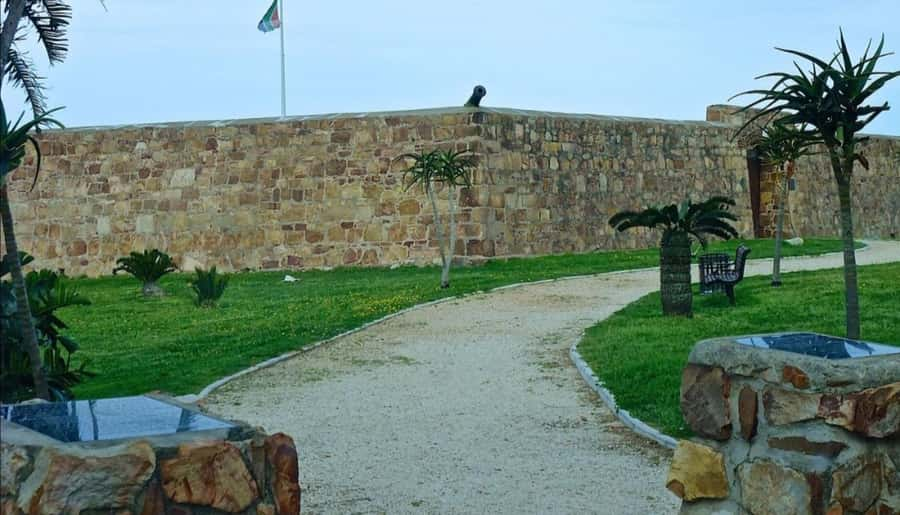
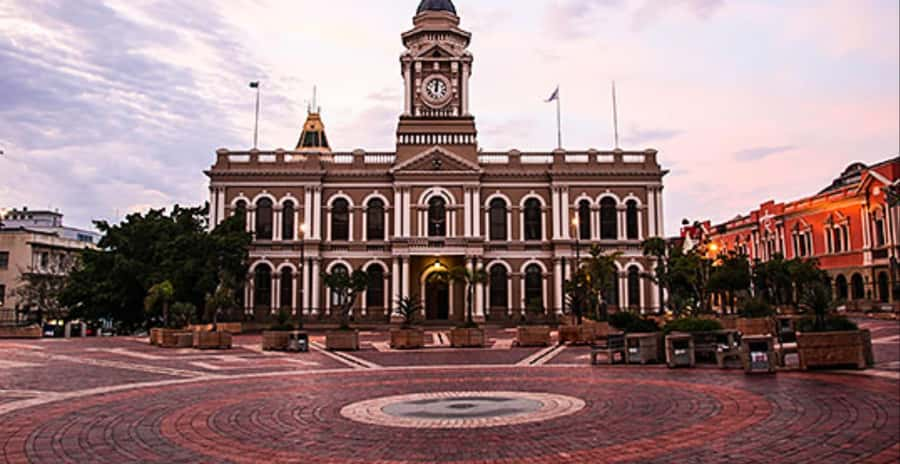
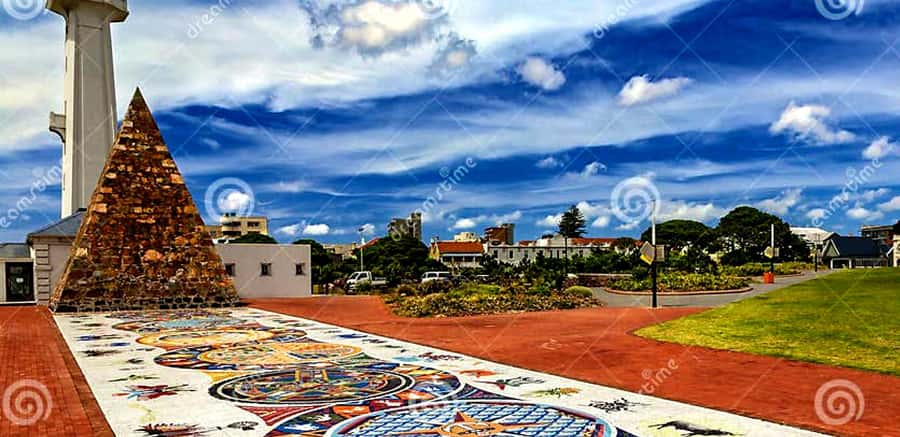
The route includes Victorian architecture, the Campanile Memorial, Donkin Reserve, local markets, cobbled alleyways, and street art. That mix matters. You get the formal civic story through monuments and buildings, then see the city as it is now through crafts, food, color, and creative work in public spaces.
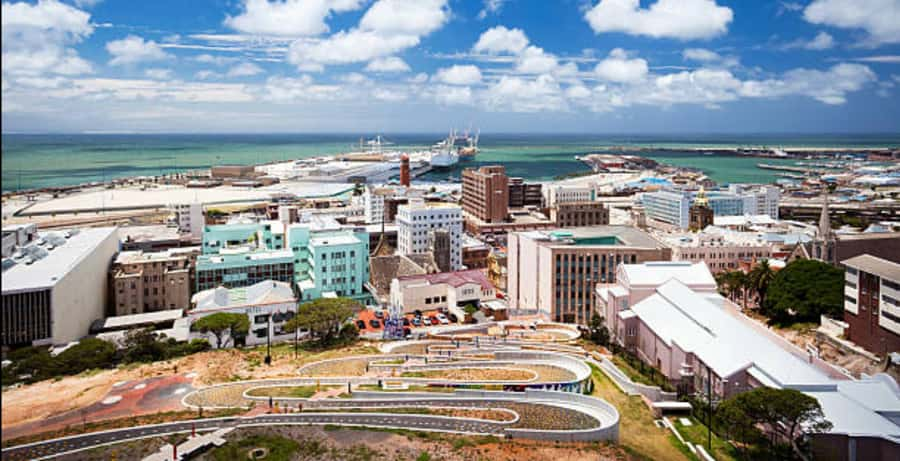
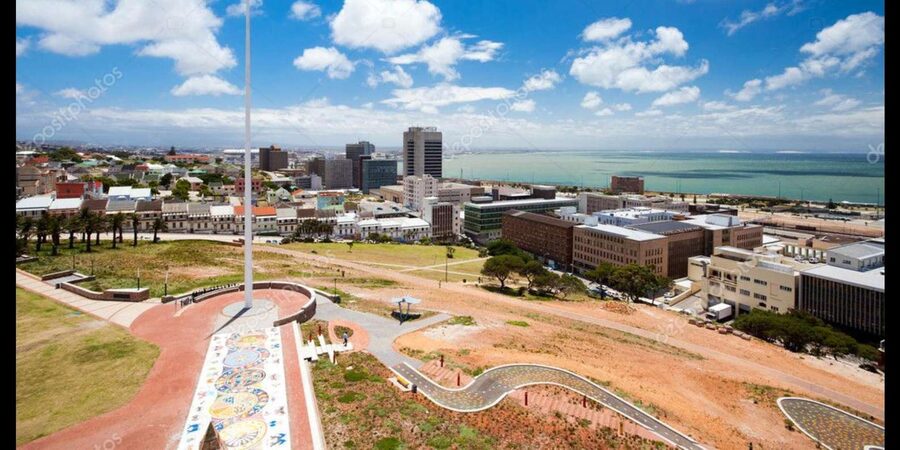
The Campanile is one of the strongest early stops. Its height gives you broad views across the city and toward Algoa Bay. The memorial also provides a useful entry point into the city’s settler past. If you enjoy seeing a place from above before exploring it at street level, this is a good reason to take the walk near the start of your stay.
Donkin Reserve brings a different tone. Its mosaics and memorial features connect the city’s public spaces with its past. The stop is not only about taking photographs. Your guide explains the people and events tied to the area, helping you place Gqeberha’s buildings and monuments in a wider story.
More Walking Tours in South Africa:
- Cape Town: Bo-Kapp Walking Tour and Malay Cooking Class
★ 4.7 · 105 reviews - Tokyo: Tsukiji Market Walking Tour & Sushi Cooking Class
★ 4.6 · 122 reviews - Japanese Home Cooking Class & Walk in Todoroki Temple Tokyo
★ 5.0 · 88 reviews
What the guide adds to the route
A local guide makes the city walk more than a checklist of landmarks. The guide can point out details you could easily pass without noticing, from architectural features to small public artworks and ordinary corners that help explain daily life.
Rawson is the guide name attached to the most specific feedback, although one comment spells it Rowson. The useful point for you is the style of guiding described: friendly, easy company, and willing to show the less polished side of the city. One direct comment praises him for not showing only the shiny places. That is exactly what I want from a city walk.
The guide also helps with small social moments. One booking from Japan placed special value on greetings along the route and the chance to take photographs with people encountered during the walk. You should not expect a staged cultural show. The appeal is the simple contact that can happen when a guide knows the streets and introduces you naturally.
Solo visitors should take note. The walk is suited to a person traveling alone as well as to families, friends, and work groups. Having someone available to take photos is a small but practical benefit, especially at the Campanile and Donkin Reserve.
Markets, crafts, and the modern city

The market portion adds color and flavor to the route. You may see local crafts and food, and the setting gives you a chance to compare the city’s older stone and Victorian details with its present-day creative life.
The published schedule also mentions beer, lunch, wine tasting, and an arts and crafts market visit. These items appear in the activity outline, but the timing is not explained in detail. I would treat them as possible parts of the wider stop rather than assume a full meal, formal tasting, or long market session is guaranteed.
That uncertainty is worth keeping in mind if you are choosing this for a specific food or wine itinerary. The dependable core is the guided city walk. The combined option then adds the cooking class, which is the more distinctive part of the day.
Moving from city streets to the kitchen
After the walk, the combined option shifts from seeing food culture to taking part in it. You begin with traditional drinks and starter snacks before the host explains the ingredients, methods, and family traditions behind the meal.
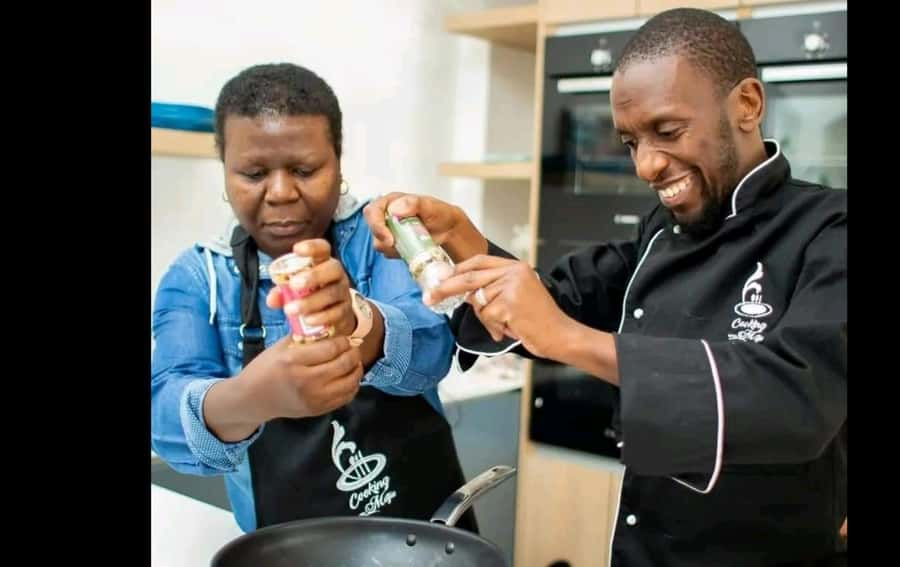
The cooking is practical rather than demonstrative. You do not sit and watch a chef handle everything. Each person takes part, with the host explaining the steps as the group prepares the food. That makes the class useful for anyone who wants to take ideas home instead of simply eating a finished plate.
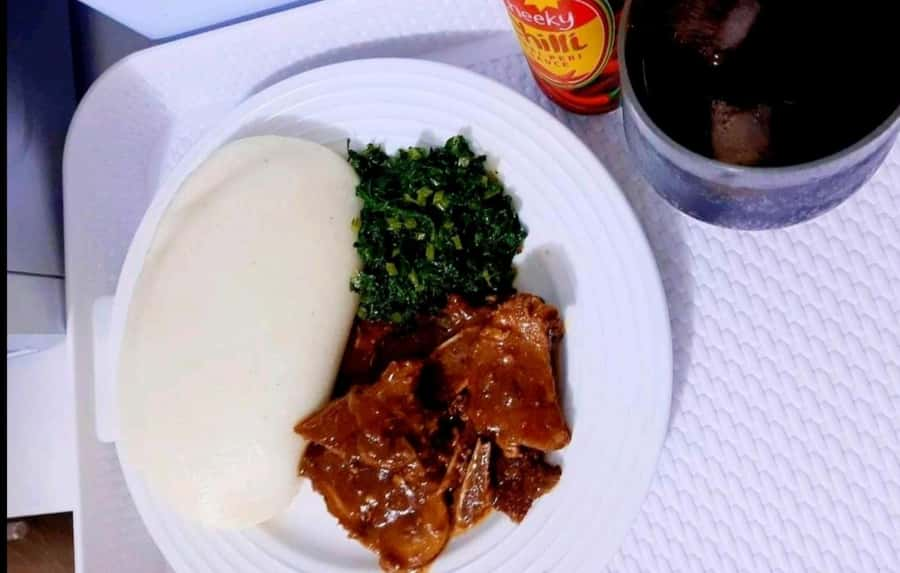
The menu gives you a broad introduction to everyday African cooking. Sadza, made from ground maize, provides the staple base. The other dishes add different textures and flavors:
- Beef bones with greens
- Chicken stew
- Chakalaka
- Sugar beans
- Sadza
The description also gives vegetarian and vegan options. If that matters to you, mention your needs when booking or before the class begins. The available information confirms that options exist, but it does not specify the exact replacement dishes.
More Cooking Classes in South Africa:
- Cape Town: Malay Cooking Class and Lunch in Bo-Kaap
★ 4.8 · 515 reviews - Authentic African Cuisine Cooking Experience
★ 5.0 · 236 reviews - Cape Town: Cape Malay Cooking Class in Bo-Kaap
★ 4.8 · 120 reviews - Cape Town: Authentic African Cuisine Cooking Experience
★ 4.9 · 31 reviews
The meal you help make
The best part of the class is the shared meal at the end. You sit with the hosts and eat what the group prepared, following the custom of sharing food around a table rather than treating cooking as a performance for outsiders.
That shared ending gives the class its human value. You have already walked through public parts of Gqeberha. Now you see hospitality in a home setting and learn how food carries family knowledge from one generation to the next.
The menu also gives you a useful taste of several staples in one sitting. Sadza shows the importance of maize as a filling base. Chakalaka brings a spicy vegetable element, while beans, greens, chicken, and beef bones show how a meal can combine affordable ingredients into something substantial.
The class ends with an African hot beverage. It is a small final touch, but it keeps the meal from feeling rushed and gives you time to talk with the hosts before leaving.
How much time should you allow?
The timing needs careful reading. The activity is advertised as lasting from two hours to 210 minutes, while the walking portion is described as about two and a half hours. The longer figure clearly fits the combined walking and cooking option better than the city walk alone.
Allow at least half a day if you want to avoid pressure, especially when pickup and drop-off are included. The published outline lists a brief four-minute stop connected with beer, lunch, wine tasting, and the arts and crafts market, which is too short to interpret as a full food-and-market visit. Treat the schedule as flexible and confirm the start time and selected option before you pay.
This tour works well before a flight or on a day when you want a guided introduction to the city. One person booked it with spare time before departure and found it worthwhile. Still, you should not place it so close to a flight that a late pickup or a longer conversation in the kitchen creates stress.
Pickup, group size, and practical value
Pickup is included from the location supplied with your booking around Port Elizabeth, and drop-off is available in any area within Port Elizabeth. The activity information also gives Port Elizabeth and Addo as pickup choices, so check the exact pickup point shown for your booking. The drop-off information specifically refers to Port Elizabeth.
A maximum of 10 people keeps this from feeling like a coach excursion. That matters during the cooking section, where a large crowd would make it harder for everyone to chop, stir, taste, and ask questions. A small group also gives the guide more freedom to adjust the pace of the city walk.
The price is $56 per person. I see fair value if you choose the combined version, since the fee covers the guide, pickup and drop-off around Port Elizabeth, the city walk, ingredients, instruction, and the meal. The value is weaker if you only want a short city orientation and do not care about cooking, so compare the two options before booking.
The price also buys access to a local home setting, which is harder to arrange independently than a landmark visit. You are paying for time, food, transport, and a guided introduction to local traditions rather than just admission to a site.
What the feedback tells you
The overall rating is 4.6 from 11 ratings. The strongest pattern is the city walk and the personal quality of the guiding. Comments praise Rawson for his company, his knowledge of the best spots, his clear explanations, and his willingness to take photographs.
A South African booking specifically values the way the guide went beyond the polished sights. That is a good sign if you want context and ordinary city details, not only the main monuments.
The one clear warning concerns the cooking class. A German booking rated the city tour highly but said the cooking portion was missing. This could reflect a booking mix-up, an operational problem, or a misunderstanding over the selected option. You should confirm that your reservation says city tour plus cooking class, and ask the provider to confirm the cooking portion if it is the main reason you are booking.
The feedback also shows that the walk works across different kinds of visitors. Solo participants, couples, and small groups can all fit the format. The positive comments come from South Africa, Germany, Austria, and Japan, suggesting that the guide’s friendly approach works without depending on one particular type of visitor.
Who will enjoy this most?
I would choose this for you if you want a first look at Gqeberha with a personal guide and prefer a meal with a story behind it. It suits curious eaters, solo visitors, families, friends, and colleagues who enjoy doing something together.
It is also a good choice if you have limited time in the city. The walk covers several important areas in one outing, and the guide helps you understand what you are seeing instead of leaving you to piece it together from signs.
The cooking version is especially suitable for people who like hands-on activities. If you only want photographs and landmark facts, the city tour alone may be enough. If you dislike shared meals, kitchen participation, or unfamiliar ingredients, the longer option may not be the right fit.
The activity is listed as not suitable for pregnant women. English is the stated language, so you should be comfortable following an English-speaking guide and cooking instructions.
City walk or combined class?
Choose the city walking tour alone if you want a focused introduction to Gqeberha, have a tighter schedule, or prefer to decide later where to eat. You will still see the Campanile, Donkin Reserve, architecture, markets, and street art with a local guide.
Choose the combined option if food is central to your plans. You get the same city orientation, then help prepare a full meal and share it with the hosts. The cooking class gives you a closer look at household traditions than sightseeing alone can provide.
I would not book the combined option without checking the exact duration and confirming that the cooking class is included. The activity offers free cancellation up to 24 hours before the start time and allows you to reserve now and pay later, which gives you some flexibility while you settle the details.
Should you book GQ City Walking Tour and Cooking Class?
Book it if you want Gqeberha explained by a local person and you like the idea of learning through food. The city route has a useful mix of memorials, views, architecture, markets, and street art, while the cooking class adds the personal connection that many city walks lack.
For the best value, choose the combined option, confirm the cooking portion in writing, and allow up to 210 minutes or more for transport and an unhurried meal. If you are short on time, book the walk alone. Either way, the strongest reason to go is the guide’s personal approach, especially the willingness to show more than the postcard sights.
FAQ
Where does the tour take place?
The activity takes place in Gqeberha, formerly known as Port Elizabeth, in South Africa’s Eastern Cape.
Can I choose only the city walking tour?
Yes. You can choose the normal city tour or the combined option with the cooking class.
What landmarks are included in the walking tour?
The route includes the Campanile Memorial, Donkin Reserve, Victorian architecture, cobbled alleyways, local markets, and street art.
What food will I prepare?
The meal can include sadza, beef bones with greens, chicken stew, chakalaka, and sugar beans.
Are vegetarian or vegan options available?
Yes. Vegetarian and vegan options are available for the cooking class.
Is pickup included?
Yes. Pickup is included from the location supplied when you book, with pickup choices listed for Port Elizabeth and Addo.
Where can I be dropped off?
Drop-off is available in areas within Port Elizabeth.
What language is the tour conducted in?
The live guide conducts the tour in English.
How large is the group?
The group is limited to 10 participants.
Can I cancel the booking?
You can cancel up to 24 hours in advance for a full refund. You can also reserve now and pay later.
Newest classes around South Africa
- Private Cape Malay Cooking Class in Cape Town with a Local Family★ 5.0 · 24 reviews
- Langa Township and Bokaap Cooking Class Half Day Tour★ 5.0 · 4 reviews
- Cape Town Shore Excursion| South African Cooking & Port Transfers★ 5.0 · 3 reviews
- South African Cooking Class in Cape Town with a Local Family★ 5.0 · 2 reviews
- South African Cooking in Cape Town with Local Chef Richard★ 4.5 · 10 reviews
- Cape Malay/Creole Cooking Class and Local Shopping in Salt River★ 5.0 · 2 reviews
- Private Authentic Cape Malay Cooking Class in Manenberg with Locals★ 5.0 · 5 reviews
- Johannesburg: Pan-African Cooking & Dinning Experience★ 4.5 · 6 reviews
South Africa Cooking Classes, compared.
Private Cape Malay Cooking Class in Cape Town with a Local Family
Read our review →
South African Cooking in Cape Town with Local Chef Richard
Read our review →
Johannesburg: Pan-African Cooking & Dinning Experience
Read our review →Browse the lists this tour appears in