
Review · CAPE TOWN COOKING CLASSES
Cape Town: Malay Cooking Class and Lunch in Bo-Kaap
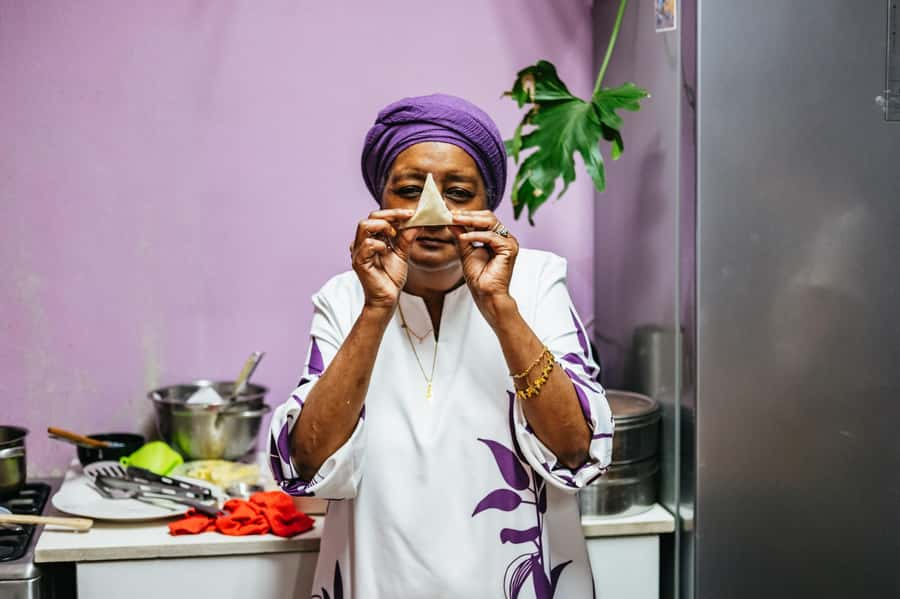
Cape Malay cooking is best understood at the kitchen table, not from a restaurant menu. In Bo-Kaap, local chef Faldela welcomes you into her home, explains the food’s Malaysian and Indonesian roots, and turns a few hours of chopping, stirring, and spice mixing into a shared lunch. The neighborhood’s hot pink and burnt-orange houses make a memorable setting.
I like two things especially: Faldela’s warm, funny teaching style and the chance to learn why each spice matters, not simply toss ingredients into a pot. I also like that you eat what you make, with soft drinks included, and receive recipes so the class can continue in your own kitchen.
The main consideration is group size. Some sessions can be large, so you may not handle every stage of every dish yourself. Arrive close to the meeting time rather than very early, since one participant had to wait outside before the class began.
Key points at a glance
- Cook in a Bo-Kaap home: Meet at 109 Wale Street and take part in a class held in a local home rather than a formal cooking school.
- Learn Cape Malay flavor basics: Use turmeric, ginger, fennel, star anise, and tamarind in stews, curries, roasts, sauces, and other dishes.
- Expect Faldela’s personal touch: Her humor, family stories, spice advice, and relaxed manner are central to the experience.
- Eat a full lunch afterward: The meal you help prepare is served at the end, with soft drinks included.
- Take the recipes home: The class is useful for home cooks because recipes are shared after the session.
- Plan around the timing: The activity lasts 150 minutes, with no transportation included, and has free cancellation up to 24 hours ahead.
Why Bo-Kaap is the right kitchen setting
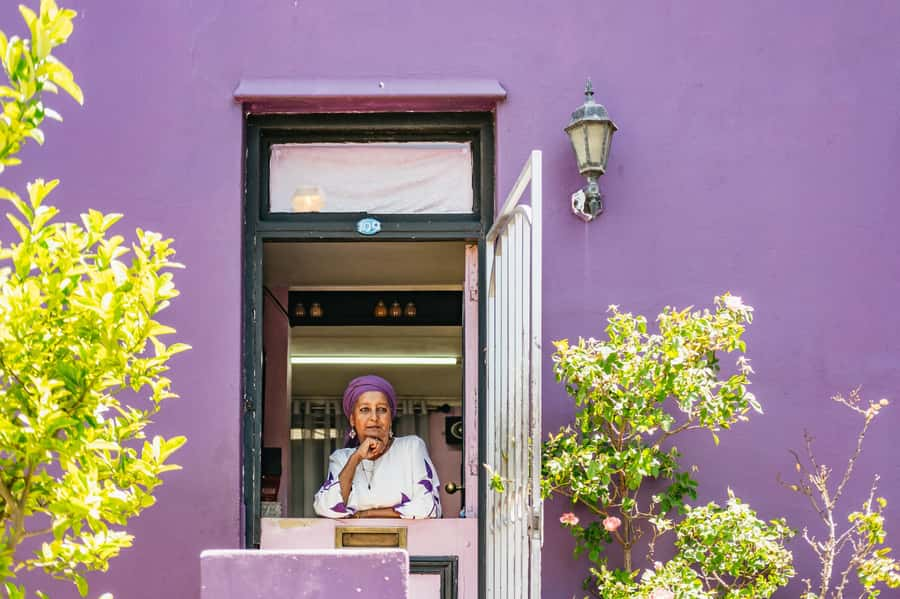
Bo-Kaap is one of Cape Town’s most recognizable neighborhoods, with brightly painted houses climbing the lower slopes of Signal Hill. The colors are a natural part of the setting for this class, but the real value is being invited beyond the postcard view and into a local home.
You meet at 109 Wale Street, Schotsche Kloof, then take part in the cooking session before returning to the same location. The arrangement keeps the experience simple: no long drive, no bus commentary, and no separate restaurant stop. You spend your time with the chef, the food, and the people at your table.
There is also time to take a photo among the colorful houses. Treat that as a short neighborhood moment rather than a full walking tour. The heart of the activity is the kitchen, not a detailed exploration of Bo-Kaap streets.
More Lunches Out in South Africa:
- Cooking Class and Lunch at a Tuscan Farmhouse with Local Market Tour from Florence
★ 5.0 · 4,831 reviews - Paris Cooking Class and Lunch with Wine plus Market Visit Option
★ 5.0 · 1,024 reviews - Austrian Apple Strudel Cooking Class including Lunch in Salzburg
★ 5.0 · 929 reviews
Meeting Faldela and learning through conversation
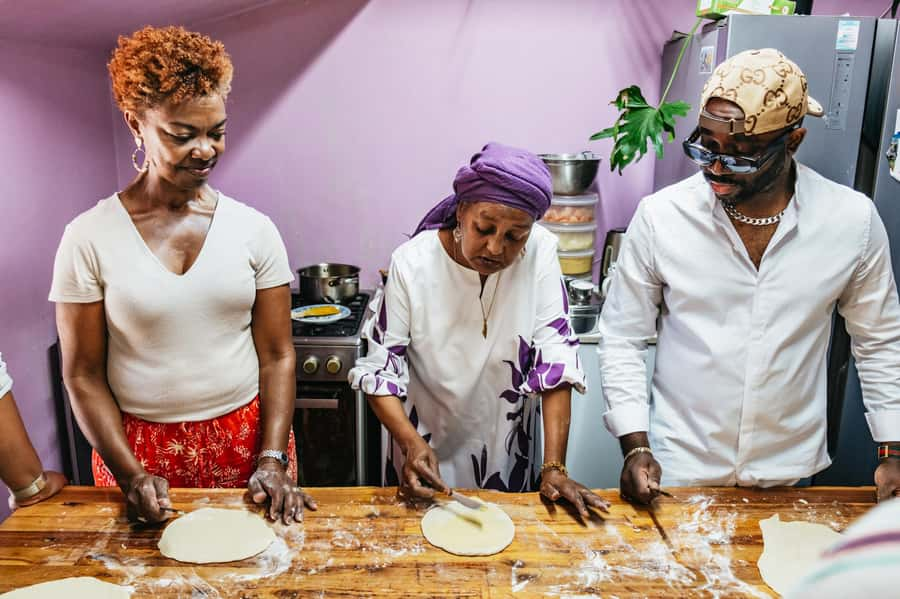
The cooking class is led in English by Faldela, whose humor and personal stories are as important as the recipes. She is joined at times by family members, including her daughter or sister, and the class takes place in a home atmosphere rather than a formal demonstration space.
That setting changes the pace. You are not simply watching a chef prepare a finished dish from a distance. You learn through conversation, questions, hands-on tasks, and stories about food, family, heritage, and everyday life. Faldela is known for remembering names and making people from different countries feel included.
Her teaching style suits beginners. You do not need previous cooking experience, and the atmosphere is described as relaxed rather than demanding. You can expect jokes, explanations, and encouragement instead of a strict lesson where every movement must be perfect.
This is also a social activity. People of different ages and nationalities share the kitchen and then sit down to eat together. Solo visitors can fit in well, while couples and groups of friends get an easy way to meet others without signing up for a noisy party activity.
What Cape Malay food brings to the table
Cape Malay cooking reflects the history of enslaved Malaysians and Indonesians brought to the Cape by the Dutch in the 17th and 18th centuries. The class presents this food tradition through practical cooking, showing how African, Malaysian, and Indonesian influences meet in Cape Town.
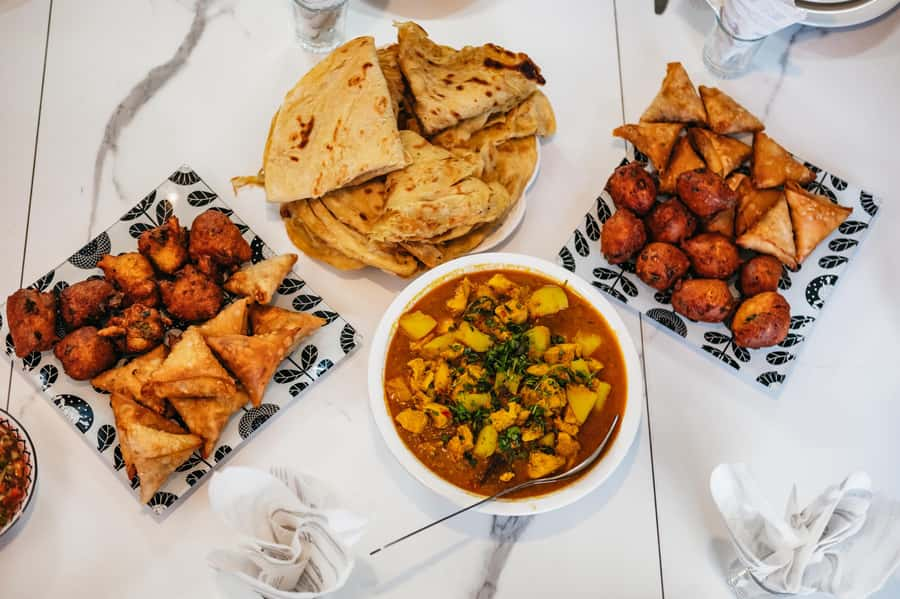
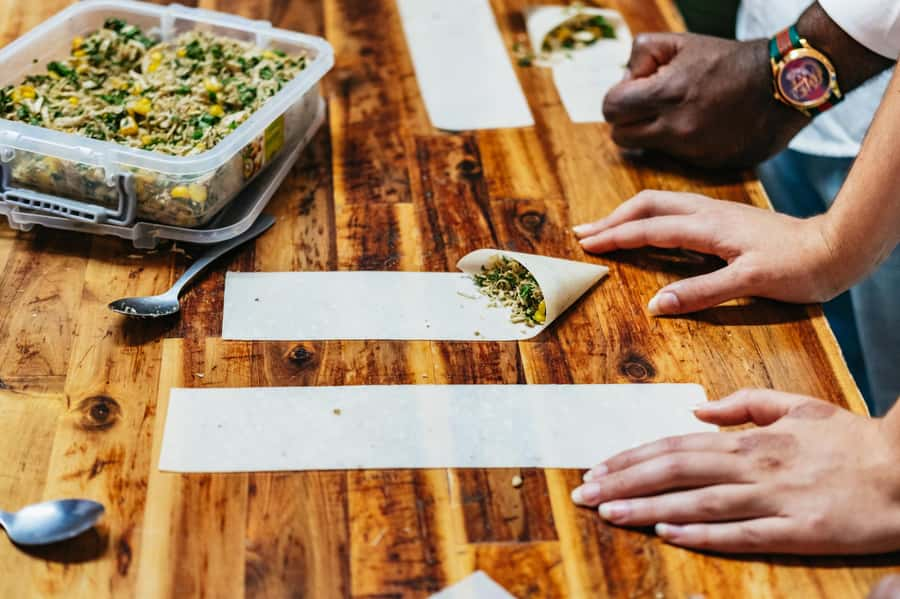
Expect bold seasoning, fragrant sauces, filling stews, and curries that rely on careful spice combinations rather than simple heat. The exact menu may vary, but dishes can include stews, roasts, sauce-heavy curries, rotis, samosas, salads, juice, and dessert.
The ingredient list gives you a good sense of the class’s focus:
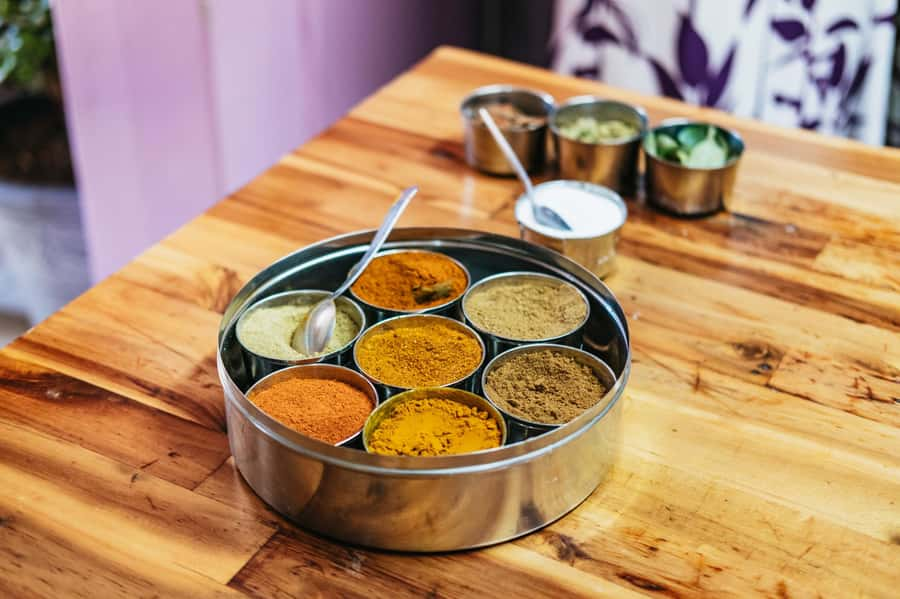
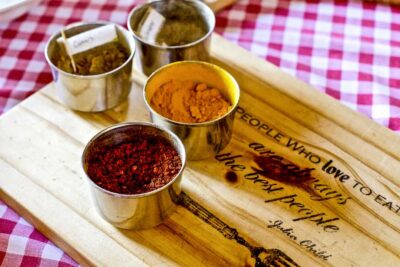
- Turmeric adds color and a warm, earthy aroma.
- Ginger brings freshness and heat.
- Fennel adds a sweet, lightly anise-like note.
- Star anise gives sauces and stews a deep fragrance.
- Tamarind contributes a sour edge that balances richer flavors.
I like that the class explains what these ingredients do rather than treating spices as a mysterious formula. You may also hear about their traditional health uses and other ways to use them at home. That extra information helps you understand why a dish tastes balanced, not simply what went into it.
The 150-minute cooking session
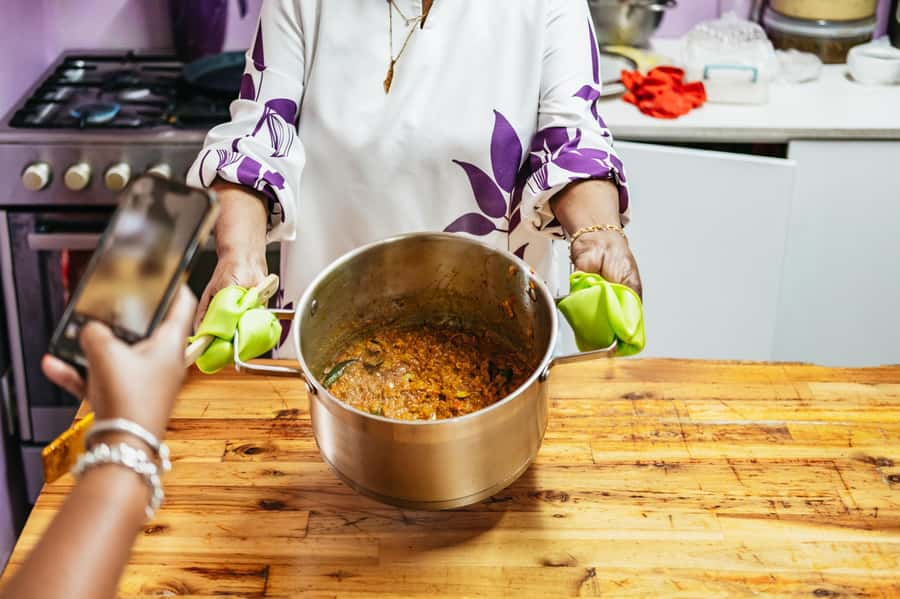
The class lasts two and a half hours, long enough to cover several preparations without turning the day into a full professional course. You begin by meeting the chef and getting introduced to the food and the neighborhood.
The kitchen work may include preparing a curry or stew, making rotis, assembling samosas, and working with sauces or side dishes. The class is hands-on, though the amount of individual cooking depends on the number of people in your session. In a smaller group, you may have more direct time with each step. In a larger group, you may watch some stages while helping with others.
That is the main tradeoff. A larger class can bring more conversation and a wider mix of people, but it may feel less like private instruction. If your priority is mastering every technique yourself, ask about group size when booking. If your priority is a friendly cultural activity with a meal, the shared format works well.
The class is not designed for speed. Faldela explains the reasons behind the process, adds stories, and answers questions as you work. You will likely spend as much time understanding flavor and tradition as you do physically preparing food.
More Cooking Classes in South Africa:
- Authentic African Cuisine Cooking Experience
★ 5.0 · 236 reviews - Cape Town: Cape Malay Cooking Class in Bo-Kaap
★ 4.8 · 120 reviews - Cape Town: Bo-Kapp Walking Tour and Malay Cooking Class
★ 4.7 · 105 reviews - Cape Town: Authentic African Cuisine Cooking Experience
★ 4.9 · 31 reviews
Lunch made by the group
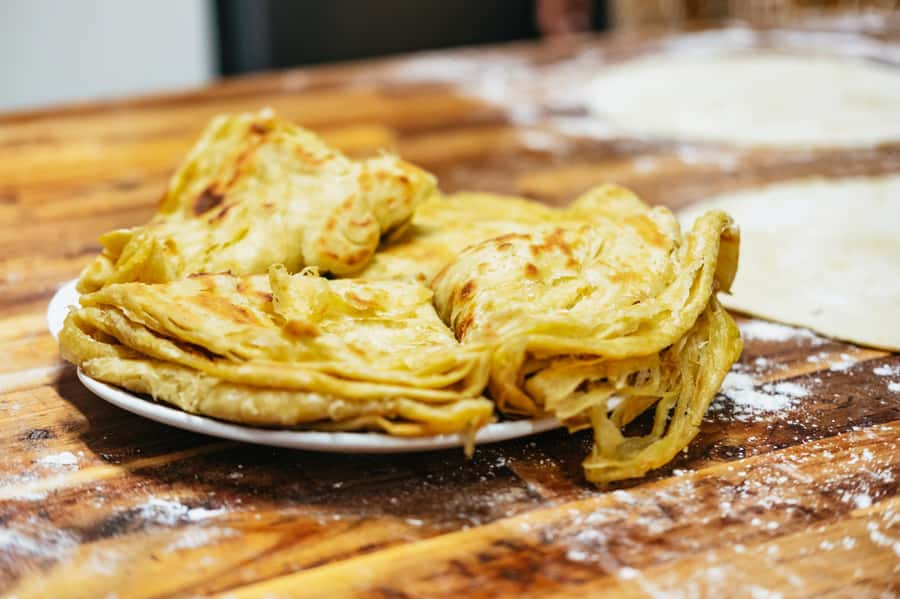
At the end, everyone sits down to eat the dishes prepared during the class. This is more than a tasting portion. The food is intended as lunch, and the meal can include several parts, such as curry, bread, salad, dessert, or juice depending on the menu.
The shared table is one of the strongest parts of the activity. You have seen the ingredients change from separate spices and raw components into a complete meal, so the lunch feels connected to the lesson. It also gives the group time to relax and talk after the cooking is finished.
Soft drinks are included. Alcohol is not included and is not allowed, along with smoking, drugs, and pets. If you have dietary requirements, tell the provider in advance. Faldela has accommodated different dietary needs in past sessions, but the supplied details do not promise that every request can be met.
Come ready to eat. The food is the payoff, and the portions are intended to make a proper lunch rather than a small sample. You may also want to leave room for dishes such as dessert or a sweet drink if they are part of your session.
Recipes and useful skills after Cape Town
A cooking class earns its price when it gives you something to use later. Here, recipes are shared after the session, which makes it possible to recreate the meal at home. That matters because Cape Malay food can look complicated when you encounter it on a menu, but the class breaks the process into manageable steps.
You also leave with a better sense of how to build flavor. You learn how spices work together, how sour notes can balance rich sauces, and how breads and side dishes support a main course. Even if you never reproduce every dish exactly, those principles are useful in other cooking.
A practical tip: make a note of the spice names and proportions while the class is fresh in your mind. One early participant specifically wished for the recipes, while later sessions included recipes on departure. It is sensible to confirm how recipes will be provided when you arrive.
Is $49 a fair price?
At $49 per person, the price includes the cooking class, ingredients, equipment, chef instruction, lunch, and soft drinks. You are paying for both a meal and a personal cultural activity, not just a plate of Cape Malay food.
Compared with eating lunch at a restaurant, the extra value is the instruction and the home setting. You spend 150 minutes learning, preparing, eating, and talking with a local host. The recipes add another practical benefit, since you can try the dishes again after returning home.
The price is less compelling if you only want a quick meal or a formal culinary lesson with individual attention at every stage. A large group may limit how much you personally cook. But for a visitor who values conversation, local context, and food made together, the cost is reasonable.
The booking terms also help with planning. You can reserve now and pay later, and cancellation is free up to 24 hours in advance for a full refund. Transportation is not included, so you need to make your own way to Wale Street.
Who will enjoy this most?
I would recommend this class to first-time visitors who want something beyond major sights, food lovers curious about Cape Malay cooking, and solo visitors who enjoy meeting people around a table. It also suits families and mixed-age groups because no cooking background is required.
It is a good choice for anyone interested in food as a way to understand culture. Faldela’s explanations cover heritage, spices, family, and local life, so the class is not just a recipe lesson.
You may want to choose another activity if you dislike group participation, have strict requirements that cannot be discussed in advance, or want a private chef lesson. The setting is welcoming, but it is still a shared class, and your personal cooking time can vary.
The experience is wheelchair accessible, and the tour language is English. Pets, smoking, alcohol, and drugs are not allowed.
Should you book this Bo-Kaap cooking class?
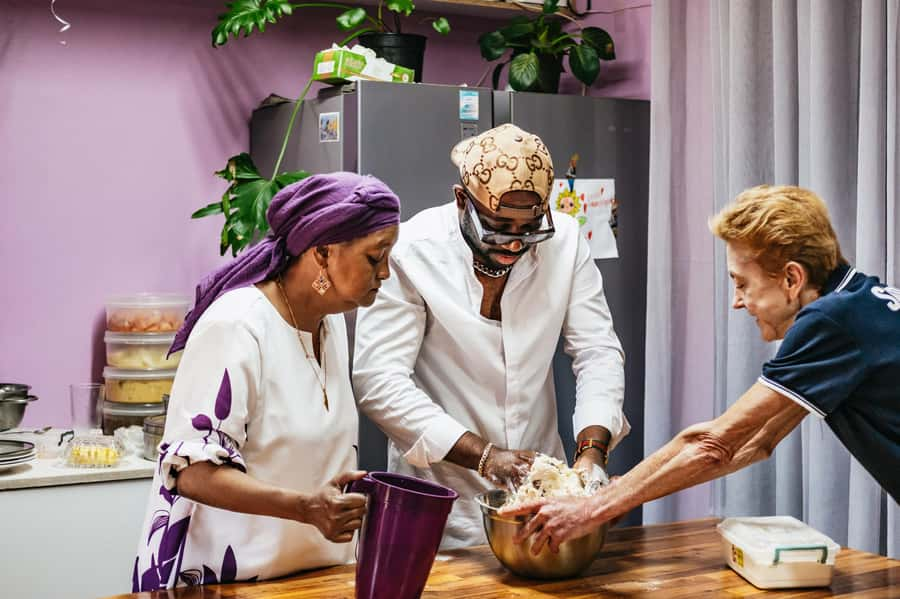
Book it if you want a warm, social afternoon built around Cape Malay food and a local host. Faldela’s humor, clear explanations, spice tips, and family stories give the class its character, while the shared lunch and take-home recipes make it useful beyond the day itself.
Think of it as a home-based cultural meal with cooking attached, rather than a technical chef school. If you can accept that some tasks may be shared in a larger group, the $49 price gives you a meal, a lesson, a neighborhood setting, and recipes to try later.
FAQ
Where does the cooking class meet?
Meet at 109 Wale Street, Schotsche Kloof, Cape Town. The activity returns to 109 Wale Street after the class.
How long does the experience last?
The cooking class and lunch last 150 minutes, or two and a half hours.
What language is the class conducted in?
The live class is conducted in English.
Who teaches the cooking class?
The class is led by local chef Faldela. Family members may also help host the experience.
What food will I learn to prepare?
The dishes may include stews, roasts, sauce-heavy curries, rotis, samosas, salads, juice, and dessert. The exact menu can vary.
Are ingredients and cooking equipment included?
Yes. The price includes the ingredients and equipment used during the cooking class.
Is lunch included?
Yes. You eat the food prepared during the class, and soft drinks are included.
Are alcoholic drinks included?
No. Alcoholic drinks are not included, and alcohol is not allowed during the activity.
Is the experience wheelchair accessible?
Yes, the activity is listed as wheelchair accessible.
Can I cancel for a full refund?
Yes. You can cancel up to 24 hours in advance for a full refund.
Can I reserve now and pay later?
Yes. The activity offers a reserve-now, pay-later option.
Are pets allowed?
No. Pets, smoking, alcohol, and drugs are not allowed.
Newest classes around South Africa
- Private Cape Malay Cooking Class in Cape Town with a Local Family★ 5.0 · 24 reviews
- Langa Township and Bokaap Cooking Class Half Day Tour★ 5.0 · 4 reviews
- Cape Town Shore Excursion| South African Cooking & Port Transfers★ 5.0 · 3 reviews
- South African Cooking Class in Cape Town with a Local Family★ 5.0 · 2 reviews
- South African Cooking in Cape Town with Local Chef Richard★ 4.5 · 10 reviews
- Cape Malay/Creole Cooking Class and Local Shopping in Salt River★ 5.0 · 2 reviews
- Private Authentic Cape Malay Cooking Class in Manenberg with Locals★ 5.0 · 5 reviews
- Johannesburg: Pan-African Cooking & Dinning Experience★ 4.5 · 6 reviews
Cape Town Cooking Classes, compared.
Private Cape Malay Cooking Class in Cape Town with a Local Family
Read our review →
South African Cooking in Cape Town with Local Chef Richard
Read our review →
Private Authentic Cape Malay Cooking Class in Manenberg with Locals
Read our review →
Langa Township and Bokaap Cooking Class Half Day Tour
Read our review →Browse the lists this tour appears in