
Review · CAPE TOWN COOKING CLASSES
South African Cooking in Cape Town with Local Chef Richard
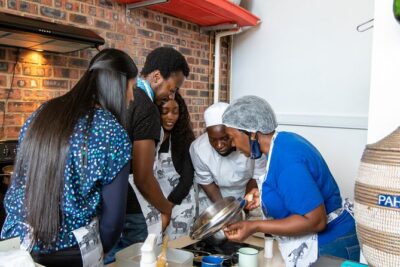
The best part of this Cape Town experience happens around a family kitchen table, not in a restaurant dining room. Richard and Gillian welcome you into their Wynberg home, demonstrate two or three South African dishes, and then sit down with you for the meal. You may watch a braai, help with chicken in tomato sauce, or learn how malva pudding comes together.
I like the personal menu planning. Richard and Gillian contact you before the meal to learn what you like, what you avoid, and which dishes interest you. I also like the chance to hear about South Africa’s mixed food traditions directly from local cooks, with Cape Malay curry, Afrikaans bredie, English influences, and African dishes all part of the conversation.
The main consideration is that this is an interactive demonstration, not a formal cooking class. You may get some hands-on time if you ask, but the format is mainly watching, talking, and eating. Wynberg is also away from the main waterfront visitor zone, so a rush-hour Uber trip can take much longer than expected.
Key points to know before booking
- Private meal in a local home: Only your own group takes part, creating a relaxed setting for conversation.
- Richard and Gillian plan around you: Tell them your food preferences and dietary needs before the visit.
- Two or three South African dishes: The menu can include braai, curry, bredie, chicken in tomato sauce, and malva pudding.
- About 1.5 hours of cooking demonstration: The full experience lasts roughly three hours, including the meal.
- Wine is part of the table: Richard is a winemaker and can discuss local wines as you eat.
- Wynberg location: The meeting point is in Wynberg, and you arrange your own transport there and back.
A home kitchen instead of a restaurant table
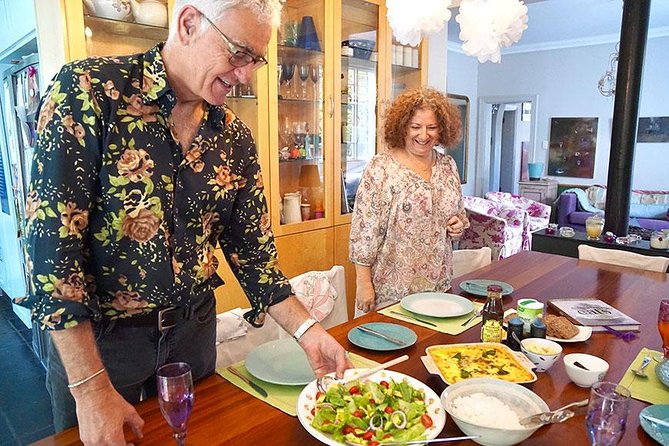
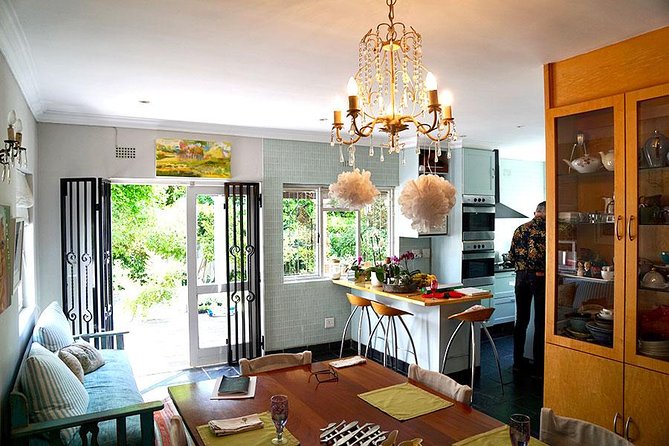
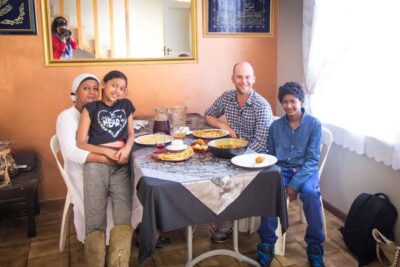
This experience is built around hospitality. You arrive at Richard and Gillian’s home in Wynberg and settle into a setting designed for food and conversation, with indoor and outdoor dining tables, a kitchen, and a braai area.
That setting matters. In a restaurant, you get a finished plate and perhaps a short description from the server. Here, you can ask why a dish is prepared a certain way, how the hosts use the braai, and how different South African communities have shaped the meal. The food becomes a doorway into daily life rather than just another stop for lunch.
The format is private, so you do not share the table with an unrelated group. That makes it a good choice if you want an unhurried meal with plenty of conversation, or if your group has specific tastes. It also means the experience depends on how much you enjoy social interaction. This is not a quick cooking demonstration followed by a silent meal.
Richard and Gillian are chefs and restaurant owners, but the atmosphere is home-based. You are not entering a training kitchen with workstations and timed assignments. Think of it as being welcomed into a food-loving household where the hosts explain what they are doing and invite you into the process.
More Cooking Classes in South Africa:
- Cape Town: Malay Cooking Class and Lunch in Bo-Kaap
★ 4.8 · 515 reviews - Authentic African Cuisine Cooking Experience
★ 5.0 · 236 reviews - Cape Town: Cape Malay Cooking Class in Bo-Kaap
★ 4.8 · 120 reviews
The first 90 minutes: watching, asking, and helping
The cooking portion lasts about an hour and a half. During that time, Richard and Gillian prepare two or three authentic South African dishes and explain the ingredients and methods as they go.
You might watch Richard cook rump steak over the braai, South Africa’s much-loved barbecue tradition. The braai is more than a cooking tool here. It is a favorite meal and social activity, so this part of the visit gives you a useful look at how food and conversation meet in South African homes.
Another possible dish is chicken stuffed and braised in fresh tomato sauce. You might also see a bredie, a slow-cooked stew, or a curry influenced by Cape Malay cooking. The exact menu is not fixed, which is a strength if you communicate your preferences in advance. Seasonal conditions also affect whether braai dishes appear.
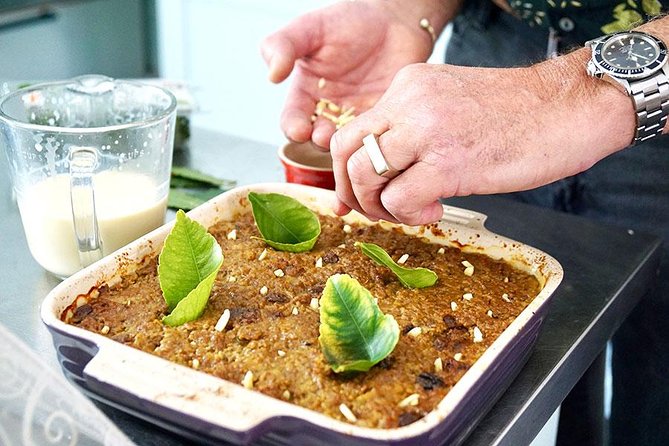
Dessert may be malva pudding, a classic South African sweet with a soft, comforting texture. Seeing it prepared at home gives you a better sense of how the meal fits together, from savory dishes to dessert, rather than treating pudding as an afterthought.
You should tell your hosts if you want to do more than watch. The standard format is demonstration-led, but they can provide a more hands-on experience if you prefer. This distinction is important. If you are looking for knife-skills instruction, detailed technique drills, or a recipe-focused class, this may feel too informal. If you want to cook a little, ask questions, and enjoy the company, the format should suit you well.
Four food traditions on one table
South African cooking is not one single style. The meal may draw from Cape Malay, Afrikaans, English, and African traditions, reflecting the country’s varied cultural background.
Cape Malay influence often appears in spiced dishes and curries. Afrikaans cooking contributes hearty stews such as bredie and a strong braai tradition. English cooking has also shaped local home food, while African culinary customs add further depth to the country’s everyday meals.
You do not need to arrive with a detailed knowledge of South African cuisine. Richard and Gillian explain the food as they prepare it, giving you context at the same time as you watch the cooking. I find this especially useful for anyone who has eaten South African food in restaurants but wants to understand how it fits into ordinary home life.
The menu can be adjusted around your interests. If you are curious about braai, say so. If you want to understand curry or a stew, mention that before the visit. The hosts make a point of learning your likes and dislikes ahead of time, and that advance exchange helps turn a general meal into a more personal one.
Lunch or dinner with local wine
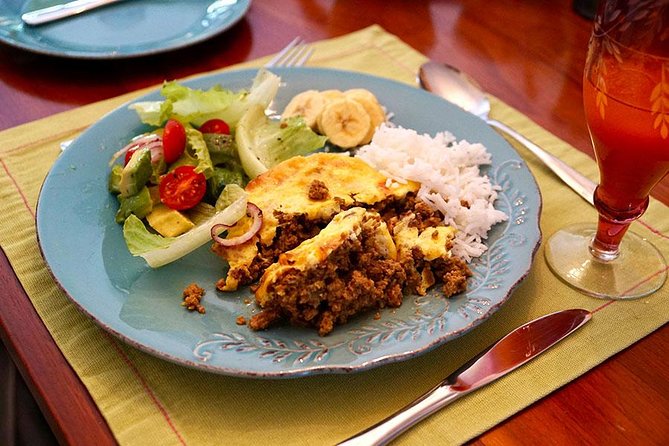
After the demonstration, you sit down to eat the two or three dishes prepared during the session. Lunch or dinner is included, along with bottled water and alcoholic drinks.
Richard’s background as a winemaker adds another useful layer. You can ask about South African wine while you eat, rather than treating wine as a separate tasting appointment. This is a practical bonus for anyone interested in how local wines fit with braai, curry, stews, or dessert.
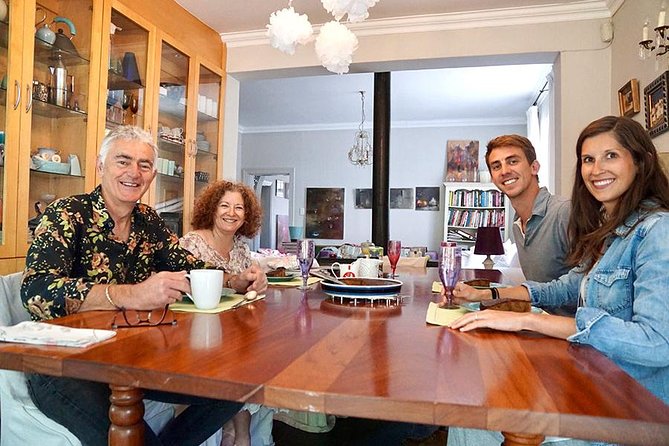
The meal is also where the social side of the experience becomes most important. Several ratings praise the friendly home atmosphere, lively conversation, and feeling of being welcomed as friends rather than processed through a standard tour. That warm tone is clearly one of the experience’s strongest features.
The same point can be a drawback for someone who wants a tightly scheduled activity. Conversation is part of the value, so the pace may feel leisurely. You are paying for food, instruction, and time with the hosts, not just for a fixed number of recipes.
Same region, a different dish to learn:
- Cape Town: Bo-Kapp Walking Tour and Malay Cooking Class
★ 4.7 · 105 reviews - Cape Town: Authentic African Cuisine Cooking Experience
★ 4.9 · 31 reviews - Private Cape Malay Cooking Class in Cape Town with a Local Family
★ 5.0 · 24 reviews - GQ: City Walking Tour & African Cuisine Cooking Class
★ 4.6 · 11 reviews
What the private format is worth at $76
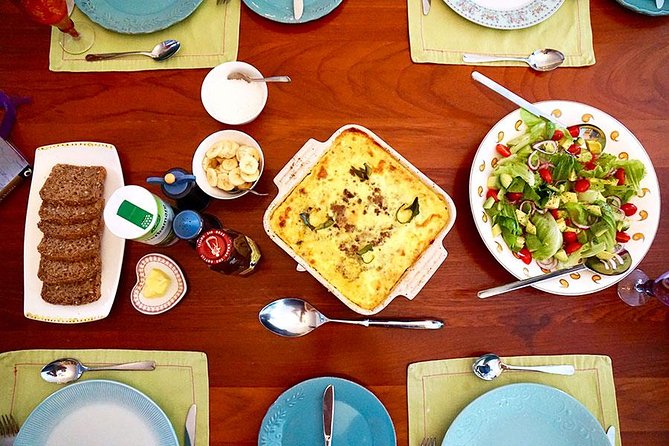
At $76 per person, this is not the cheapest meal you can buy in Cape Town. You could eat at a local restaurant for less, depending on your choice of venue. The price makes more sense when you count what is included: a private setting, a cooking demonstration, two or three dishes, lunch or dinner, wine, bottled water, and time with local hosts.
You are also paying for flexibility. Richard and Gillian can shape the menu around your preferences, and only your group participates. That privacy has real value for families, couples, and small groups who want a more personal evening.
I would not choose this experience mainly to save money on food. I would choose it because it replaces a standard restaurant meal with something more social and informative. The most praised elements are the excellent food, warm hosting, useful local conversation, and the feeling of sharing a real home setting.
The price becomes harder to justify if you are mainly seeking a technical cooking lesson. Since the experience is primarily a demonstration, you may not spend much time preparing each dish yourself. Ask in advance for a more hands-on format if that is important to you.
Getting to Wynberg from central Cape Town

The meeting point is in Wynberg, Cape Town, and there is no hotel pickup or drop-off. You need to arrange your own taxi or Uber.
The distance is manageable, but traffic can change the calculation. One visitor staying near the V&A Waterfront needed about 1.5 hours by Uber during rush hour. Another estimate put the trip from central Cape Town at roughly 25 minutes in easier conditions and described taxi or Uber travel as straightforward and inexpensive.
The practical lesson is simple: do not leave from the Waterfront at the last minute. Allow extra time during rush hour, and plan your return as well. Since the activity ends back at the meeting point, you will need another ride after the meal.
Wynberg also contributes to the sense that you are leaving the main visitor circuit. That is part of the appeal, but it requires more planning than a tour that begins at a central hotel or waterfront pier.
Dietary needs, pets, and comfort
Vegetarian meals are available, and the hosts can accommodate other dietary restrictions if you tell them when booking. You should also share strong dislikes or allergies before the menu is planned, since the hosts like to build the meal around your preferences.
Richard and Gillian have a pet dog. The dog can be placed in another room during the experience, so mention any concern ahead of time. Service animals are allowed.
The home setting is comfortable for people who enjoy a casual meal and conversation, but it is not presented as a professional teaching facility. You should expect a domestic kitchen and dining area rather than a commercial classroom.
Who will enjoy this Cape Town food experience
I would recommend this to couples, families, and small private groups who want a meal with conversation built in. It is also a good fit if you have already seen Cape Town’s main sights and want an evening centered on local food and personal contact.
Food lovers will appreciate the chance to compare braai, bredie, curry, and malva pudding within one meal. Wine enthusiasts have an added reason to book because Richard can discuss local wine from personal experience.
This is less suitable for anyone who wants a short, highly structured class. It may also disappoint you if you expect to prepare every dish from start to finish. The hosts are happy to involve you, but you should request that in advance instead of assuming the standard format is fully hands-on.
The experience has an overall rating of 4.4 from 10 ratings, with especially strong praise for the food, hospitality, conversation, and welcoming home atmosphere. One of the clearest patterns is that people arrive expecting a meal and leave valuing the friendship and local insight just as much.
Small details that help you decide
The activity lasts about three hours, with roughly half of that devoted to the demonstration and the rest to eating and conversation. That is long enough to feel like an evening visit rather than a quick stop between sightseeing activities.
Gratuities are included, along with alcoholic beverages, lunch or dinner, and the cooking demonstration. A mobile ticket is available, and group discounts may apply.
Cancellation is flexible up to two full days before the local start time, when you can receive a full refund. Cancellations or changes made within two days are not refunded or accepted, so leave some room in your Cape Town schedule before committing.
Should you book Richard and Gillian’s home cooking experience?
Book it if you want a private South African meal with a story behind it, and if you enjoy talking with the people who prepare your food. The hosts’ flexibility, local wine knowledge, and range of culinary influences make this more personal than a normal restaurant visit.
Skip it if your priority is a formal cooking course with extensive hands-on practice. Also plan your transport carefully from the Waterfront, especially during rush hour.
For the right kind of evening, $76 buys more than dinner. It buys a seat at a local table, a look at South African home cooking, and several unhurried hours with hosts who are happy to share their food and Cape Town advice.
FAQ
Where does the cooking experience begin?
It begins in Wynberg, Cape Town, at the home of hosts Richard and Gillian. The activity ends back at the same meeting point.
How long does the experience last?
The full experience lasts approximately three hours. The cooking demonstration itself takes about 1.5 hours, followed by the meal and conversation.
Is this a private activity?
Yes. Only your own group participates in the experience.
Is this a hands-on cooking class?
It is mainly an interactive cooking demonstration rather than a professional cooking class. You can ask for a more hands-on experience, but you should tell your hosts if that is your preference.
What kinds of food might be prepared?
Possible dishes include braai rump steak, chicken braised in fresh tomato sauce, bredie, curry, and malva pudding. The menu may vary by season and can be planned around your preferences.
Can vegetarian or special dietary requests be accommodated?
Yes. A vegetarian option is available, and other dietary restrictions can also be accommodated if you advise the hosts when booking.
Is transportation included?
No. Hotel pickup and drop-off are not included. You arrange your own taxi or Uber to Wynberg and back.
Newest classes around South Africa
- Langa Township and Bokaap Cooking Class Half Day Tour★ 5.0 · 4 reviews
- Cape Town Shore Excursion| South African Cooking & Port Transfers★ 5.0 · 3 reviews
- Private Cape Malay Cooking Class in Cape Town with a Local Family★ 5.0 · 24 reviews
- South African Cooking Class in Cape Town with a Local Family★ 5.0 · 2 reviews
- Cape Malay/Creole Cooking Class and Local Shopping in Salt River★ 5.0 · 2 reviews
- Private Authentic Cape Malay Cooking Class in Manenberg with Locals★ 5.0 · 5 reviews
- Johannesburg: Pan-African Cooking & Dinning Experience★ 4.5 · 6 reviews
- GQ: City Walking Tour & African Cuisine Cooking Class★ 4.6 · 11 reviews
Cape Town Cooking Classes, compared.

Private Cape Malay Cooking Class in Cape Town with a Local Family
Read our review →
Private Authentic Cape Malay Cooking Class in Manenberg with Locals
Read our review →
Langa Township and Bokaap Cooking Class Half Day Tour
Read our review →Browse the lists this tour appears in