
Review · CAPE TOWN COOKING CLASSES
Cape Town: Cape Malay Cooking Class in Bo-Kaap
Cape Malay cooking is best understood at the kitchen table, not from a restaurant menu. In Bo-Kaap, you prepare a three-course meal with a local host, work with familiar spices in a different way, and hear how food connects with family and community. The cooking is hands-on, though not every person gets an individual work station.
I like the home setting, which gives this two-hour class a personal feel, and I like the plain, useful cooking tips, such as how to fold a samoosa so it stays closed during cooking. The meal, lunch, and soft drinks are included in the $52 price, but transport is not, and one eating area requires walking down steep stairs.
Key points at a glance
- Cook in a Bo-Kaap family home: The class takes place in a traditional local home rather than a formal cooking school.
- Prepare a three-course meal: You take part in starters and a main course, then eat what the class has made.
- Learn the story behind the food: Hosts discuss Malay culture, Bo-Kaap, family customs, spices, and cooking methods.
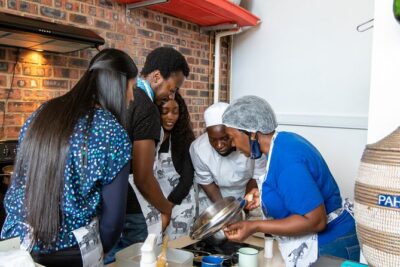
- Expect shared preparation: You may chop, mix, fold, and shape food as part of a group instead of working alone at a private station.
- Allow for stairs: At least one eating area is reached by steep stairs, an important point if you have back or mobility concerns.
- Pay for participation, not just lunch: At $52 per person, the value comes from the instruction, conversation, meal, and local setting.
Cooking Cape Malay food in Bo-Kaap
This is a small cultural experience built around food. You meet a local resident in Bo-Kaap and spend about two hours preparing a three-course Cape Malay meal. The class is conducted in English or Afrikaans, and the host guides you through the process from raw ingredients to a shared lunch.
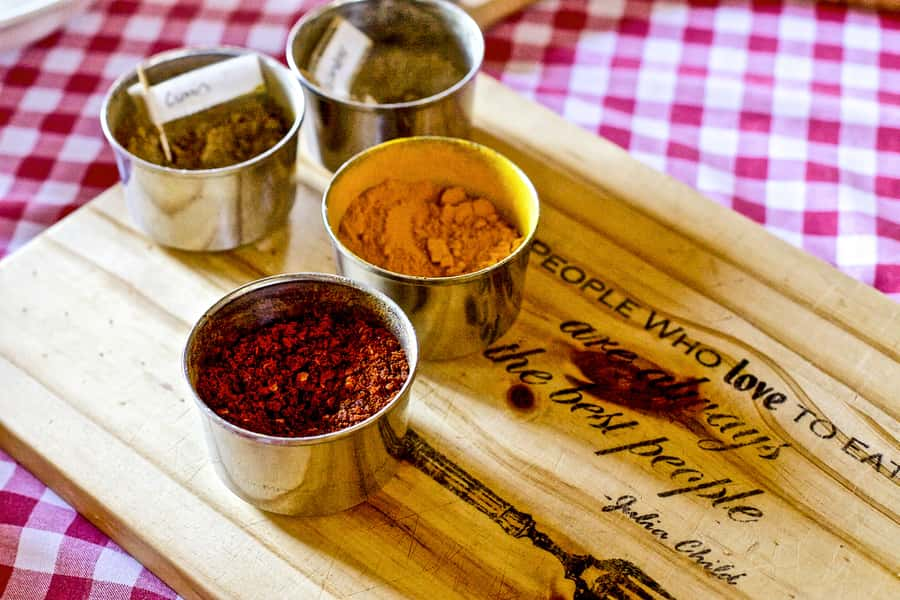
Cape Malay cuisine has its own character within South African food culture. The class focuses on the use of authentic spices and fresh ingredients, while the host explains what makes the cooking different from other traditional dishes in the country. You are not simply handed a plate and given a short explanation. You take part in making it.
That distinction matters. A restaurant meal can show you the finished flavors, but it cannot show you how the food is folded, mixed, seasoned, or cooked. Here, you learn small techniques that may stay with you after Cape Town. The samoosa folding lesson is a good example. It turns a seemingly simple pastry into a practical skill.
The class is also a social occasion. You prepare food alongside other people, then sit down with the host to talk about family, local traditions, and the Bo-Kaap community. If you enjoy meeting people during a trip, this gives you more contact than a standard guided walk or restaurant booking.
More Cooking Classes in South Africa:
- Cape Town: Malay Cooking Class and Lunch in Bo-Kaap
★ 4.8 · 515 reviews - Authentic African Cuisine Cooking Experience
★ 5.0 · 236 reviews - Cape Town: Bo-Kapp Walking Tour and Malay Cooking Class
★ 4.7 · 105 reviews
What happens during the two hours
The exact order can vary with the host and the group, but the experience follows a clear pattern. You arrive at the home in Bo-Kaap, meet the host, and begin with an introduction to the food and its cultural setting.
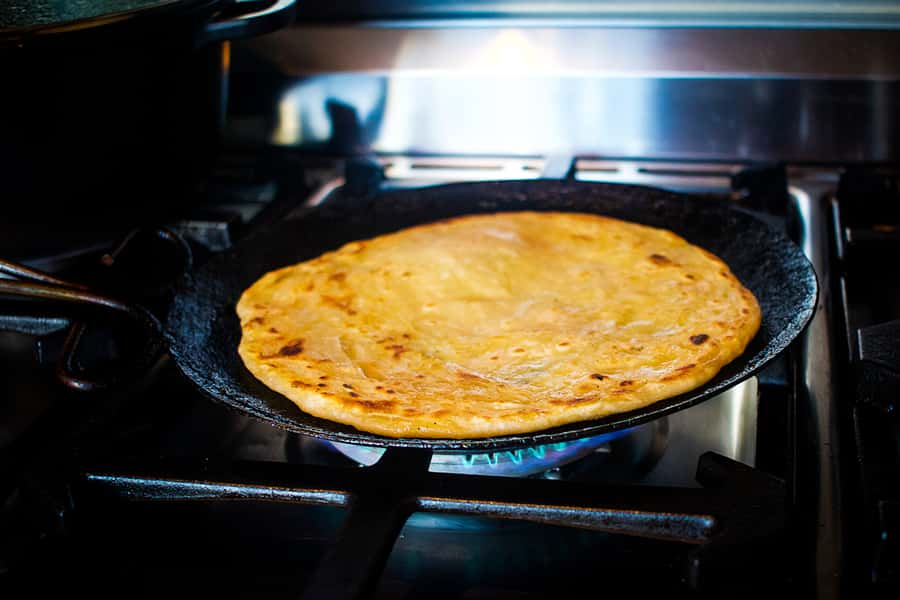
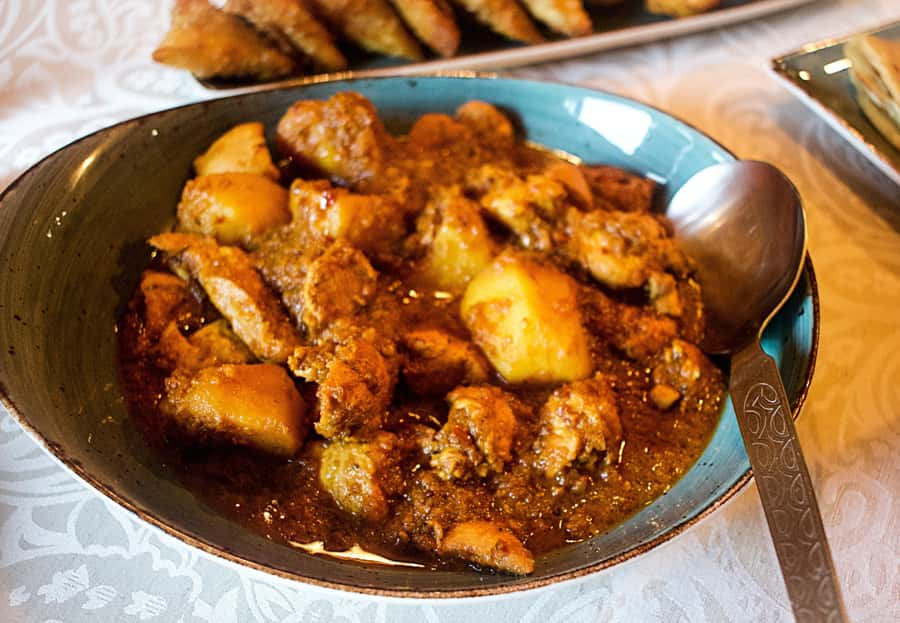
You then help prepare several dishes from scratch. Examples from past sessions include samoosas, chilli bites, flatbread or roti, and a beef or chicken curry. The advertised experience describes a three-course meal, but you should not assume that every class serves exactly the same menu. Ingredients and dishes can change.
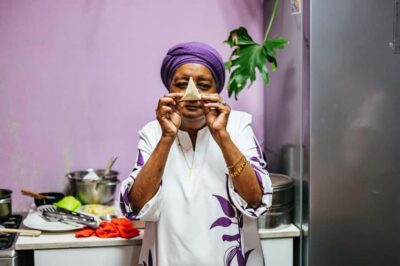
The starters give you the most direct hands-on work. Folding samoosas, shaping dough, or preparing chilli bites lets you learn by doing. One useful tip is how to fold a samoosa so the filling stays inside while it cooks. These are the kinds of details that make a cooking lesson worth remembering.
The main course usually brings the spices into focus. You learn how ingredients work together, how the host handles the preparation, and how a Cape Malay meal builds its flavor. The host also explains where ingredients can be found, which helps if you want to try the recipes at home.
The dessert is prepared beforehand according to one detailed account of the class. That means this is not a fully from-scratch three-course workshop in which you personally make every dish. It is better described as a shared cooking session, with the class actively preparing much of the meal while some elements may already be ready.
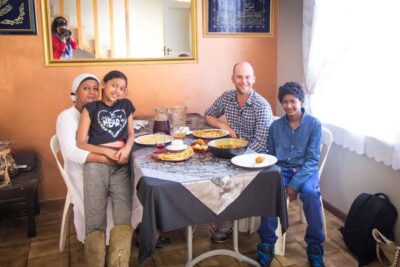
Once the cooking is complete, you eat together. Lunch and soft drinks are included, so the final meal is not an extra charge. This shared table is an important part of the experience. You are not just tasting your work in silence. You have time to talk with the host and the other people in the class.
A home kitchen instead of a cooking studio
The setting is one of the strongest reasons to book. You cook in a family home in Bo-Kaap, and the atmosphere is more personal than a commercial kitchen. Several hosts have been described as warm, gracious, and happy to welcome people into their homes.
Past sessions have included hosts named Shafeeqah, Fuad, Jacinda, and Jasmina, though the host for your booking may be different. Their role is not limited to demonstrating recipes. They also share stories about family, culture, and the local community.
That setting comes with a small trade-off. This is not a polished cooking school where every participant necessarily has a separate counter, knife, and complete set of ingredients. The group works together, with people taking different parts in the preparation. If you want a technical class focused on individual skill-building, that format may feel less structured.
I see the shared work as a strength for most people. You can watch how other participants handle a task, help with different stages, and talk while the food comes together. It feels closer to being welcomed into someone’s home for a meal than attending a formal culinary lesson.
The food: samoosas, chilli bites, roti, and curry
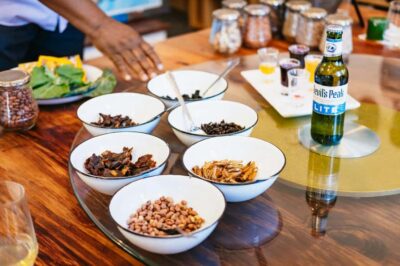
The menu is a major part of the appeal, but the exact dishes should be treated as changeable. The experience promises a three-course Cape Malay meal, and past sessions have included samoosas, chilli bites, flatbread or roti, and curry.
Samoosas offer a clear introduction to the class. You learn how to fill and fold them properly, then see why the shape matters once they are cooked. Chilli bites provide another starter with a different texture and spice profile. Making these dishes as a group keeps the early part of the class active.
The flatbread or roti adds a useful contrast. It gives you a chance to work with dough rather than pastry, and it can accompany the curry. The main course has included beef curry in some sessions and chicken curry in another, so ask ahead if the exact meat matters to you.
The meal is described repeatedly as plentiful and tasty, but I would not book this expecting a restaurant-style tasting menu. The point is participation. Some dishes may look uneven, and that is part of the fun. You are learning the method, not competing for a place in a professional kitchen.
Dietary needs can sometimes be accommodated. One family with dietary restrictions received understanding from the host, but you should share your requirements before booking rather than assume every request can be met. The available information does not specify vegetarian, vegan, halal, allergy, or gluten-free menus.
Same region, a different dish to learn:
- Cape Town: Authentic African Cuisine Cooking Experience
★ 4.9 · 31 reviews - Private Cape Malay Cooking Class in Cape Town with a Local Family
★ 5.0 · 24 reviews - GQ: City Walking Tour & African Cuisine Cooking Class
★ 4.6 · 11 reviews - South African Cooking in Cape Town with Local Chef Richard
★ 4.5 · 10 reviews
The history lesson around the table
The cooking is only half the experience. Your host also explains the history of Bo-Kaap and Cape Malay culture, connecting the food to local life. These conversations give meaning to the spices and methods you are learning.
The history is delivered by a local resident rather than through a long formal lecture. That makes it easier to ask questions about family traditions, community life, and the food served in the home. The tone is conversational, which suits the setting.
I especially like this balance. You get enough cultural background to understand what you are eating, but the class remains active. You are chopping, folding, shaping, or helping with preparation while the conversation develops.
The language options are English and Afrikaans. If you want a class where the cooking instructions and cultural discussion are both accessible in English, this meets that basic need. The experience does not advertise other languages.
How much value do you get for $52?
At $52 per person, the price is fair if you value the full experience rather than the meal alone. You receive a two-hour cooking class, lunch, and soft drinks. You also receive local instruction, a cultural conversation, and access to a family home in Bo-Kaap.
A comparable lunch in Cape Town might cost less if you only want to eat. But it would not include the preparation, the explanations, or the chance to learn how the dishes are made. The price makes more sense for someone who wants a memory and a skill, not simply a midday meal.
The group format also helps the value. You are not paying for a private chef or one-to-one tuition. Instead, you share the work and the table with other participants. That keeps the experience social, but it means the class may not suit someone seeking intensive personal instruction.
Transportation is not included. You must make your own way to the Bo-Kaap meeting point, so factor in the cost and time of reaching the neighborhood. The activity lasts two hours, and you should also allow a little extra time for arrival and departure, although no additional duration is specified.
The booking terms are practical. You can reserve now and pay later, and cancellation is free up to 24 hours in advance for a full refund. Starting times vary, so check availability before building the class into a tight sightseeing schedule.
The staircase and other practical details
The main physical caution is the stairs. One participant with a severe back injury found the steep staircase to the eating area difficult and had not known about it before booking. This does not mean the experience is unsuitable for everyone with limited mobility, but the information provided is not detailed enough to promise step-free access.
If stairs, back problems, or balance issues affect you, contact the provider before booking and ask exactly where the cooking and meal take place. This is a more useful step than relying on the general activity description.
Alcohol and drugs are not allowed. Lunch and soft drinks are included, but alcoholic drinks are not part of the experience.
The kitchen has been described as clean and well equipped. Still, remember that this is a working family home, not a purpose-built classroom. The layout may feel intimate, and space may be shared during the preparation.
The class is suitable for families, couples, solo visitors, and people who like meeting others. Teenagers have enjoyed taking part after initial reluctance, which suggests the hands-on work can hold attention better than a passive cultural talk.
Who should book this Cape Town experience?
I would recommend it to you if food is one of your favorite ways to understand a place. It suits people who want a local conversation, a meal they helped create, and a look at home cooking in Bo-Kaap.
It is also a good choice for families. Children or teenagers can take part in simple preparation, though the activity is not described as a special children’s class. Parents should decide how well their children will manage a shared kitchen setting.
Couples and solo visitors may enjoy the social side. The group format makes it easier to meet people, and the shared meal gives you a natural reason to talk. If you prefer quiet, private dining, this may feel too communal.
You should think twice if you want a precise culinary curriculum. You may not have your own station, and the dessert can be prepared in advance. The experience is strongest as a cultural cooking session, not as professional chef training.
You should also ask about dietary needs and stairs before paying. These are the two practical points most likely to affect your enjoyment.
Should you book the Bo-Kaap cooking class?
Book it if you want to spend two hours cooking, eating, and talking with a local host in a family home. The strongest parts are the personal setting, the useful hands-on techniques, the explanation of Cape Malay food, and the chance to eat what you helped prepare.
At $52, it offers good value for a three-course meal plus instruction and cultural context. It is less suitable if you need private work space, full control over the menu, step-free access, or a class where every dish is made entirely from scratch.
For most people, I would choose this over a standard lunch in Bo-Kaap. You leave with a full meal, a better sense of local food traditions, and at least a few techniques you can try again at home.
FAQ
Where does the cooking class take place?
The class takes place in a family home in the historic Bo-Kaap neighborhood of Cape Town.
How long does the experience last?
The cooking class lasts two hours.
How much does the experience cost?
The listed price is $52 per person.
What is included in the price?
The price includes the cooking class, lunch, and soft drinks.
Is transportation included?
No. Transportation is not included, so you must make your own way to the experience.
What language is the class conducted in?
The host or greeter can conduct the experience in English or Afrikaans.
Do I make all three courses from scratch?
You prepare a three-course meal from scratch as a group, but some elements, including dessert in one class format, may be prepared in advance.
Can I cancel for a full refund?
Yes. You can cancel up to 24 hours in advance for a full refund.
Is the experience suitable for someone with mobility or back problems?
A steep staircase leads to at least one eating area, so ask the provider about access before booking if stairs or back problems are a concern.
Newest classes around South Africa
- Private Cape Malay Cooking Class in Cape Town with a Local Family★ 5.0 · 24 reviews
- Langa Township and Bokaap Cooking Class Half Day Tour★ 5.0 · 4 reviews
- Cape Town Shore Excursion| South African Cooking & Port Transfers★ 5.0 · 3 reviews
- South African Cooking Class in Cape Town with a Local Family★ 5.0 · 2 reviews
- South African Cooking in Cape Town with Local Chef Richard★ 4.5 · 10 reviews
- Cape Malay/Creole Cooking Class and Local Shopping in Salt River★ 5.0 · 2 reviews
- Private Authentic Cape Malay Cooking Class in Manenberg with Locals★ 5.0 · 5 reviews
- Johannesburg: Pan-African Cooking & Dinning Experience★ 4.5 · 6 reviews
Cape Town Cooking Classes, compared.

Private Cape Malay Cooking Class in Cape Town with a Local Family
Read our review →
South African Cooking in Cape Town with Local Chef Richard
Read our review →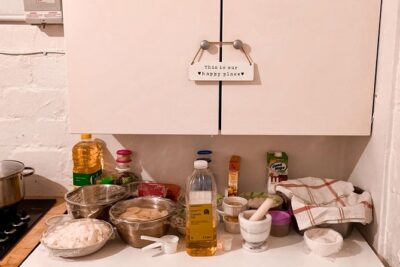
Private Authentic Cape Malay Cooking Class in Manenberg with Locals
Read our review →
Langa Township and Bokaap Cooking Class Half Day Tour
Read our review →Browse the lists this tour appears in