
Review · CAPE TOWN COOKING CLASSES
Authentic African Cuisine Cooking Experience
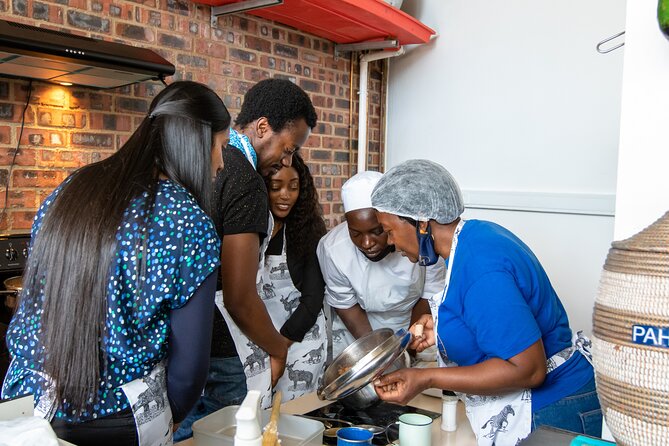
The best part of this Cape Town cooking class is that you do not simply sit down to an African meal. You help make one. Caleb explains the background of the food, Florence leads the cooking, and everyone takes part in preparing dishes such as Sadza, chicken stew, chakalaka, and greens with peanut butter.
I like the small group size, capped at 10, and the way the class brings food, family customs, and conversation together. I also like that vegetarian and vegan options are available. The main consideration is that this is designed for beginners, so experienced cooks may find the hands-on technique fairly basic.
Key points at a glance
- Cook a full Southern African meal: Make Sadza, chicken stew, beef bones with greens, chakalaka, sugar beans, and peanut-butter greens.
- Learn from Caleb and Florence: Caleb covers food history and ingredients, while Florence takes the lead in the kitchen.
- Eat communally: The finished food is shared together in the style of an African home meal.
- Small group setting: The experience accepts a maximum of 10 people, with some sessions feeling especially personal for couples or small groups.
- Vegetarian and vegan choices: Meat-free diners can be accommodated during the cooking experience.
- Simple Salt River logistics: Meet at Pahari African Restaurant, with public transport nearby and no private transportation included.
Starting at Pahari African Restaurant in Salt River
The experience begins at Pahari African Restaurant, at 121 Cecil Road in Salt River, Cape Town. It ends at the same place, so you do not need to arrange a second meeting point or find your way back across town after dinner.
You receive confirmation when you book, and the venue is near public transportation. If you use an Uber, give the driver the full restaurant name and address. One useful local tip is to say you are going to Pahari African Restaurant, since drivers may know the restaurant more readily than the street number alone.
This is not a cooking class set in a large culinary school. The group limit of 10 keeps the setting fairly close and gives each person a chance to contribute. That matters here. The appeal is not only learning a recipe, but also sharing a meal and having direct contact with the people preparing it.
The class lasts about two and a half hours. That is enough time for an introduction, preparation, cooking, eating, and a hot drink at the end, without taking up an entire day of your Cape Town schedule.
More Cooking Classes in South Africa:
- Cape Town: Malay Cooking Class and Lunch in Bo-Kaap
★ 4.8 · 515 reviews - Cape Town: Cape Malay Cooking Class in Bo-Kaap
★ 4.8 · 120 reviews - Cape Town: Bo-Kapp Walking Tour and Malay Cooking Class
★ 4.7 · 105 reviews
African drinks and snacks set the tone
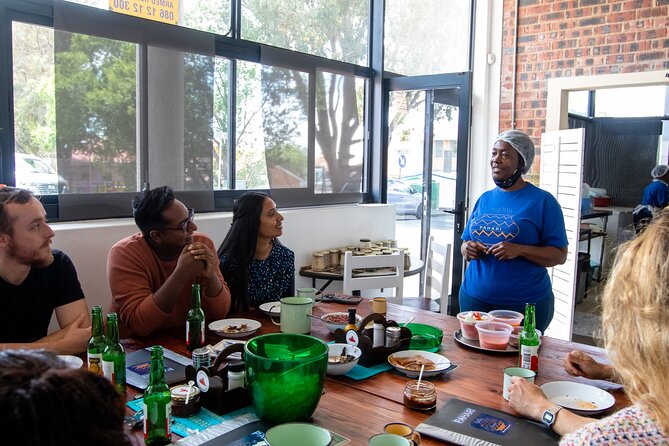
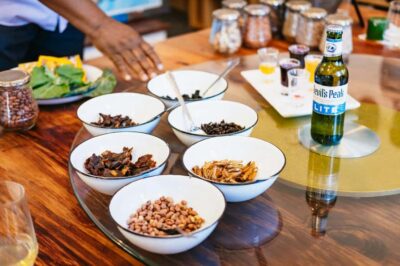
The welcome begins with a selection of African drinks and starter snacks. Alcoholic beverages are included, as are nonalcoholic drinks, snacks, lunch or dinner, and coffee or tea.
The exact drink selection can vary, so you should not book this expecting one particular beverage. The important point is that the food experience begins before the main cooking. You get a chance to settle in, meet the hosts, and start hearing about the ingredients before the meal takes shape.
Caleb explains the background of African cuisine, including how ingredients and recipes have changed over time and passed through generations. This gives the cooking a useful frame. Sadza, greens, beans, and stews are not presented as isolated dishes. They are part of a wider home-cooking tradition in which filling staples and shared plates bring people together.
The introduction is one of the strongest parts for anyone who wants more than a recipe card. It also helps if you are new to African food. You can ask questions before the pots and pans take over, then connect the explanation to what you are preparing.
Caleb’s food history lesson
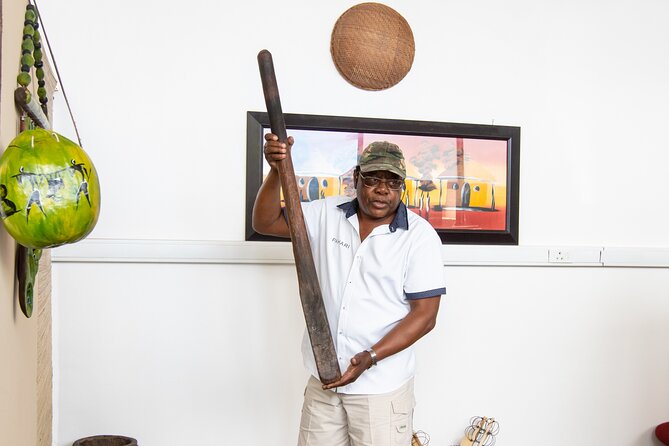
Caleb handles much of the early discussion and explains the dishes, ingredients, and their place in African cooking. He also discusses starter foods and their nutritional value, giving the class more context than a simple demonstration of chopping and stirring.
This section suits curious first-time visitors particularly well. You hear how recipes have evolved and been passed down, then see those ideas reflected in the food on the table. The class is not just about producing a meal quickly. It gives you a clearer sense of why these dishes matter.
The teaching style is conversational and welcoming. The hosts are praised for making people feel at home, and that warmth is central to the experience. You should expect plenty of interaction rather than a formal lecture.
If you have taken many professional cooking classes, keep your expectations in check. One less positive assessment described the cooking portion as geared toward very basic cooks. That is a fair warning. The value here is cultural context, shared preparation, and hospitality, not advanced knife skills or restaurant-level technique.
Florence leads the hands-on cooking
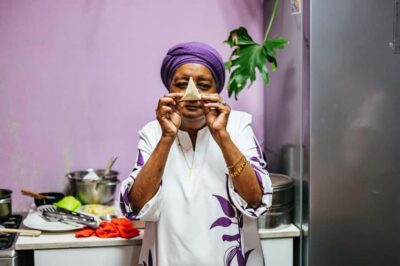
After the introduction, Florence takes you through the cooking. She demonstrates the dishes and shows you how the ingredients come together. In some groups, each person prepares one or two dishes, giving everyone a practical role instead of leaving one person to do all the work.
You will make Sadza, also called mealie pap, a staple made from maize meal. You also prepare meaty beef bones with green vegetables, chicken stew, greens with peanut butter, chakalaka, and sugar beans.
That is a generous spread for a two-and-a-half-hour experience. The dishes cover several textures and flavors: a soft staple, stewed meat, vegetables, beans, and a spicy vegetable relish. Since you help with the preparation, you get a better sense of how the meal fits together than you would from simply ordering several plates at a restaurant.
The phrase get your hands dirty is appropriate here. This is participatory cooking, not a demonstration viewed from the sidelines. You may be stirring, mixing, shaping, or helping with preparation, depending on the dish and the size of your group.
Florence is also noted for her kindness and patience. That matters for families and mixed-ability groups. Children as young as 11 have enjoyed the experience, and younger cooks can take part without needing advanced skills.
Same region, a different dish to learn:
- Cape Town: Authentic African Cuisine Cooking Experience
★ 4.9 · 31 reviews - Private Cape Malay Cooking Class in Cape Town with a Local Family
★ 5.0 · 24 reviews - GQ: City Walking Tour & African Cuisine Cooking Class
★ 4.6 · 11 reviews - South African Cooking in Cape Town with Local Chef Richard
★ 4.5 · 10 reviews
What each dish adds to the meal
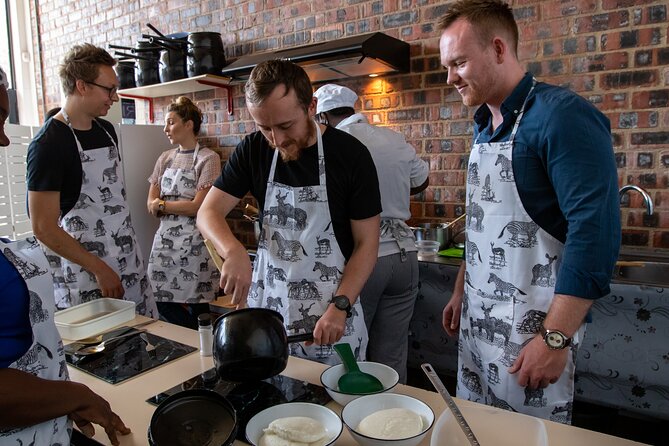
Sadza, or mealie pap, acts as the foundation. It is a plain, filling staple that works with stews and vegetables. Preparing it yourself helps explain how a simple base can anchor a varied meal.
The chicken stew offers a familiar entry point, while the beef bones with green vegetables bring a more substantial, slow-cooked element. These are useful dishes for anyone who wants to move beyond the idea that African cooking is one single style of food.
The greens with peanut butter are especially interesting because they combine a vegetable dish with a nutty, creamy element. The hosts also demonstrate how peanut butter was traditionally made, adding a practical detail that many visitors would not encounter at a standard restaurant meal.
Chakalaka provides a strongly flavored vegetable component, and sugar beans add another hearty, plant-based dish. With the staple, stews, vegetables, and beans served together, the meal feels complete rather than like a series of unrelated samples.
The class includes meat dishes, but you can request vegetarian or vegan options. If you have dietary needs, state them when booking so the hosts can plan appropriately. The information provided confirms that these options are available, but it does not specify the exact replacement dishes.
Sharing the meal in an African home style
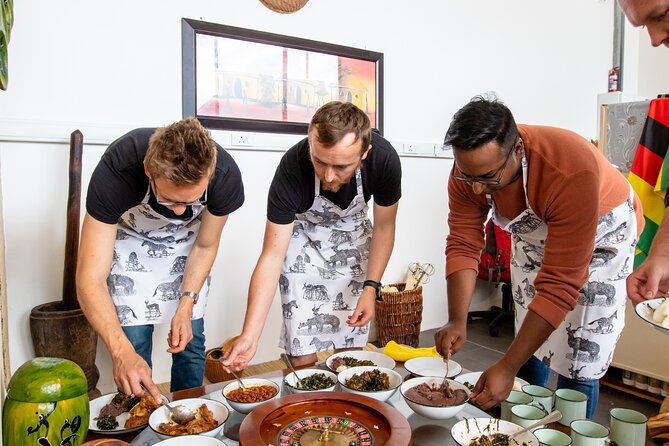
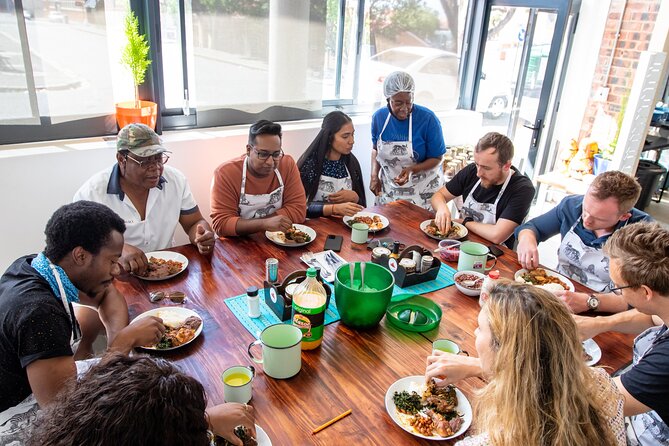
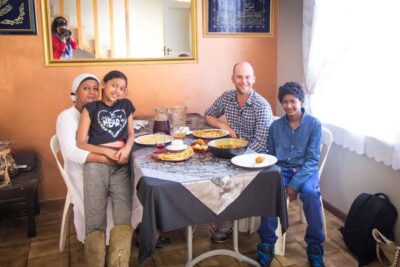
Once the cooking is finished, everyone sits down to eat together. The meal is communal, reflecting the way food is often enjoyed in an African home.
This is where the experience becomes more social than a standard restaurant visit. You have prepared the food alongside the hosts and other members of your group, so the final meal has a shared history. Conversation and laughter are part of the format, not an extra add-on.
You may also be invited to eat with your hands, a detail that can make the meal feel more connected to the tradition being explained. If that is new to you, it is a chance to try a different way of eating without the pressure of a formal dining room.
The hosts’ hospitality receives particularly strong praise. Small groups can feel almost like a family gathering, and a couple may receive a more intimate lesson if there are few bookings that day. The group maximum is 10, but the exact number at your session may be smaller.
For some people, the company will matter as much as the food. If you prefer to cook alone, move quickly, or keep conversation to a minimum, this may not be your ideal class. The communal format is the point.
What the $57.51 price includes
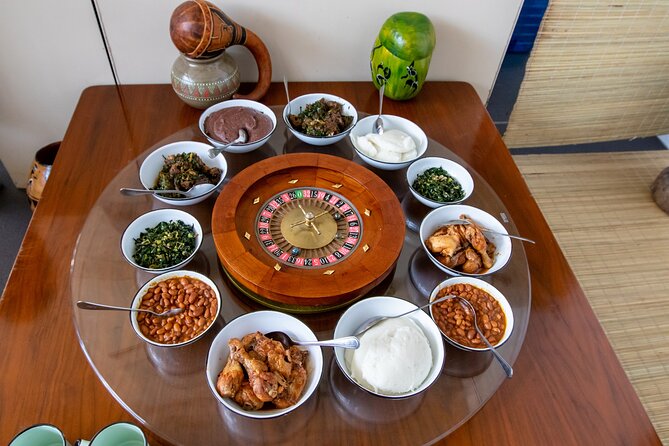
At $57.51 per person, the price covers about two and a half hours of instruction, food, starter snacks, African drinks, alcoholic beverages, and coffee or tea. It is more than the cost of a basic restaurant meal, but you are also paying for the teaching, preparation, cultural explanation, and social setting.
I see the strongest value for someone who would otherwise book both a restaurant dinner and a separate cultural activity. Here, the meal is the activity. You learn how the dishes are made, contribute to the preparation, and then eat what you helped create.
The value is less clear for an experienced home cook seeking technical instruction. Since the class is aimed at basic cooks, you may not learn advanced methods. You are paying for access to the hosts, the stories behind the food, and the chance to prepare a substantial African meal in a small group.
The inclusion of drinks and a hot beverage also makes the price easier to assess. You do not need to budget separately for the main meal or the closing tea or coffee. Private transportation is not included, so factor in your own fare to Salt River.
The experience is often booked about 33 days ahead. That suggests you should reserve early if your Cape Town dates are fixed, especially if you want a particular evening or are traveling with a group.
Who will enjoy this most
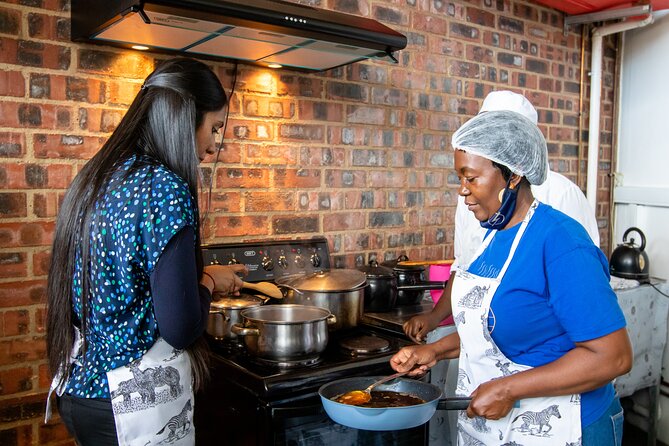
This suits first-time visitors to Cape Town who want an introduction to African food that feels personal rather than packaged. It is also a good choice for couples, families, work colleagues, and small groups looking for an activity they can share.
Families should take note of the welcoming format. Children and teenagers can participate in the cooking and try unfamiliar foods in a relaxed setting. The hands-on nature gives them something to do, rather than asking them to sit quietly through a long food talk.
Vegetarians and vegans have a reason to consider this class, too. Meat appears in the standard menu, but the hosts offer meat-free options. Confirm your needs in advance rather than assuming every dish will be adapted automatically.
I would also recommend it near the start of a Cape Town visit. The class introduces Southern African flavors and food customs early, giving you a better reference point for later meals.
You may want to skip it if you are looking for a polished, technique-heavy cooking school, a private class guaranteed for just your own party, or a quick meal with little conversation. The class is social, educational, and beginner-friendly.
Booking, cancellation, and practical details
The activity uses a mobile ticket, and booking confirmation is provided at the time of purchase. The meeting and end point are both Pahari African Restaurant, so keep the address handy when arranging transport.
Free cancellation is available up to 24 hours before the local start time for a full refund. Cancellations or changes made less than 24 hours before the experience are not accepted for a refund.
The maximum group size is 10. Private transportation is not included, but the restaurant is near public transportation. Since the experience includes a meal, snacks, drinks, and coffee or tea, you should arrive ready to take part in both the kitchen work and the communal table.
Should you book the Authentic African Cuisine Cooking Experience?
Book it if you want a warm, social introduction to African food and are happy to learn at a beginner level. The combination of Caleb’s food background, Florence’s kitchen guidance, a small group, and a shared meal gives you more than a plate of unfamiliar dishes.
The strongest reasons to go are the personal welcome, the range of food you prepare, and the chance to learn how the recipes connect to home cooking and family tradition. The biggest limitation is that serious cooks may find the instruction too simple.
For most visitors, the $57.51 price is fair because it covers the meal, drinks, teaching, and cultural exchange in one sitting. Reserve ahead, especially since the experience is commonly booked about a month in advance, and make sure your Uber driver has the restaurant name and Salt River address.
FAQ
Where does the cooking experience take place?
It takes place at Pahari African Restaurant, 121 Cecil Road, Salt River, Cape Town, 7925, South Africa.
How long does the experience last?
The experience lasts approximately 2 hours and 30 minutes.
What dishes will I learn to cook?
You will learn to make Sadza, also called mealie pap, meaty beef bones with green vegetables, chicken stew, greens with peanut butter, chakalaka, and sugar beans.
Are vegetarian and vegan options available?
Yes. Vegetarian and vegan options are available.
What is included in the price?
The price includes coffee or tea, alcoholic beverages, lunch or dinner, and snacks.
Is transportation included?
No. Private transportation is not included. The meeting point is near public transportation, and the activity ends back at the restaurant.
What is the cancellation policy?
You can cancel up to 24 hours before the experience start time for a full refund. Cancellations or changes made less than 24 hours before the start time are not accepted for a refund.
Newest classes around South Africa
- Private Cape Malay Cooking Class in Cape Town with a Local Family★ 5.0 · 24 reviews
- Langa Township and Bokaap Cooking Class Half Day Tour★ 5.0 · 4 reviews
- Cape Town Shore Excursion| South African Cooking & Port Transfers★ 5.0 · 3 reviews
- South African Cooking Class in Cape Town with a Local Family★ 5.0 · 2 reviews
- South African Cooking in Cape Town with Local Chef Richard★ 4.5 · 10 reviews
- Cape Malay/Creole Cooking Class and Local Shopping in Salt River★ 5.0 · 2 reviews
- Private Authentic Cape Malay Cooking Class in Manenberg with Locals★ 5.0 · 5 reviews
- Johannesburg: Pan-African Cooking & Dinning Experience★ 4.5 · 6 reviews
Cape Town Cooking Classes, compared.

Private Cape Malay Cooking Class in Cape Town with a Local Family
Read our review →
South African Cooking in Cape Town with Local Chef Richard
Read our review →
Private Authentic Cape Malay Cooking Class in Manenberg with Locals
Read our review →
Langa Township and Bokaap Cooking Class Half Day Tour
Read our review →Browse the lists this tour appears in