
Review · CAPE TOWN COOKING CLASSES
Cape Town: Authentic African Cuisine Cooking Experience
The unusual pleasure here is that you do not simply eat African food, you help make it. At Pahari African Restaurant, Florence and Caleb explain how family recipes developed, then put you to work on sadza, chicken stew, chakalaka, sugar beans, and vegetables. I like the family connection behind the cooking and the chance to share the finished meal in the traditional communal style. I also like that you can ask for recipes to use at home.
The main consideration is that this is a full meal rather than a polished restaurant tasting, and dessert is not part of the experience. You will also need to reach the restaurant yourself, so allow extra time for getting there before the 150-minute class begins.
Key points at a glance
- Recipes from Florence’s family: She learned to cook from her mother, and the dishes reflect recipes passed down through generations.
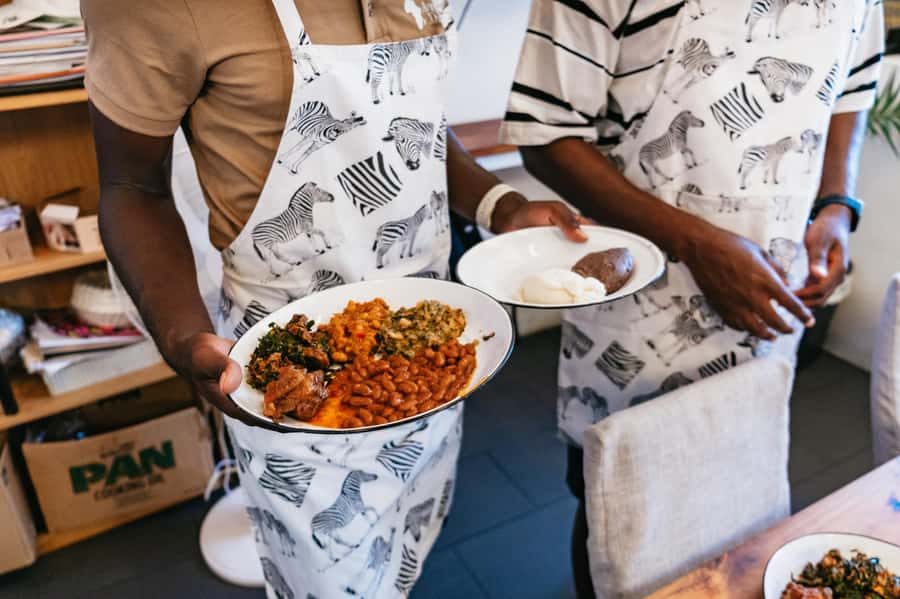
- A proper hands-on meal: You help prepare sadza, beef bones with greens, chicken stew, chakalaka, and sugar beans.
- Drinks are included: Expect African juice, African beer, and tea or coffee.
- Communal dining: Once the food is ready, you sit down and eat together, often using your hands.
- Small groups: The class is limited to 10 people, with vegan and vegetarian options available.
- A useful takeaway: You can request easy-to-follow recipes for cooking the dishes at home.
Why this Cape Town cooking class is different
Many food activities give you a plate and a story. This one gives you a cooking task, a plate, and the story behind it. That difference matters. You are not only learning what a dish tastes like, you are seeing how several staples work together in an African home-style meal.
The cooking takes place in a separate room next to Pahari African Restaurant. It is not a large culinary school with rows of workstations and formal demonstrations. The setting is more personal, with the hosts guiding you step by step and giving each person a chance to contribute.
Florence is a co-owner of the restaurant and learned to cook at an early age from her mother. She and her husband have worked in food service for two decades. Caleb also helps explain the food, its ingredients, and the customs around it. That family and business background gives the class a clear sense of purpose: the meal is tied to people, not just a menu.
You should expect a relaxed pace rather than a race to produce restaurant-perfect plates. That makes the class a good fit if you want conversation, cultural context, and a little practical cooking. It is less suited to someone looking for advanced knife skills or a highly technical chef-led lesson.
More Cooking Classes in South Africa:
- Cape Town: Malay Cooking Class and Lunch in Bo-Kaap
★ 4.8 · 515 reviews - Authentic African Cuisine Cooking Experience
★ 5.0 · 236 reviews - Cape Town: Cape Malay Cooking Class in Bo-Kaap
★ 4.8 · 120 reviews
The welcome: African drinks and small bites
Your visit begins when you arrive at Pahari African Restaurant and ask for Florence. You are welcomed with a choice of African drinks, including African juice and beer. Tea or coffee comes later, at the end of the meal.
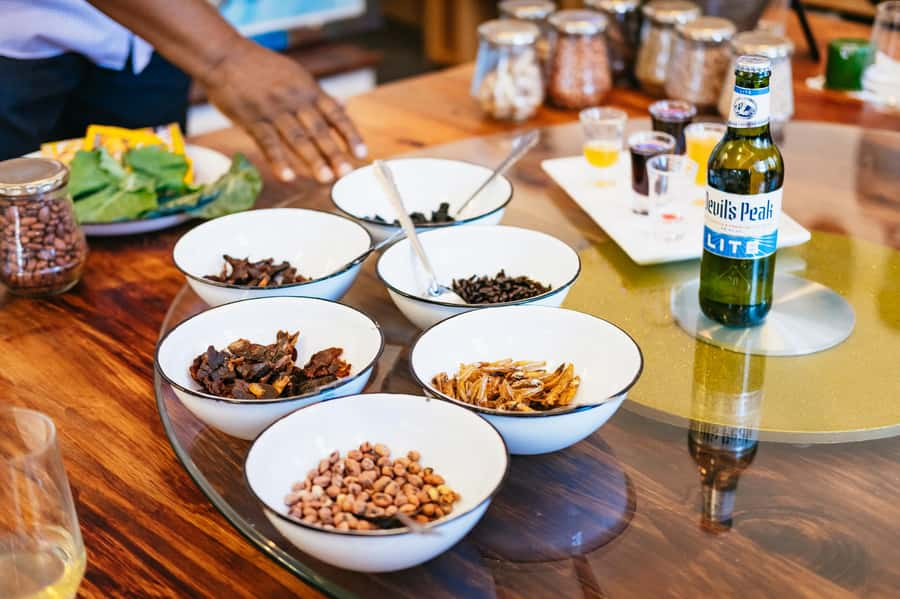
Starter snacks are part of the welcome. These can give you a first taste of ingredients that may be unfamiliar. One session included caterpillars and termites among the small bites, which makes the opening especially memorable for adventurous eaters. Since the exact starter selection is not set out in the activity details, treat unusual snacks as a possibility rather than a guarantee.
This is a good time to ask questions. If you are unsure about an ingredient, ask before tasting it. The hosts are there to explain the food and its place in African cooking, not to pressure you into trying anything.
The drinks and snacks also help ease you into the social side of the class. You are likely to be cooking with family, friends, colleagues, or people from several countries. With a maximum group size of 10, the room should feel small enough for conversation without making you perform in front of a crowd.
The food story: ingredients, customs, and family recipes
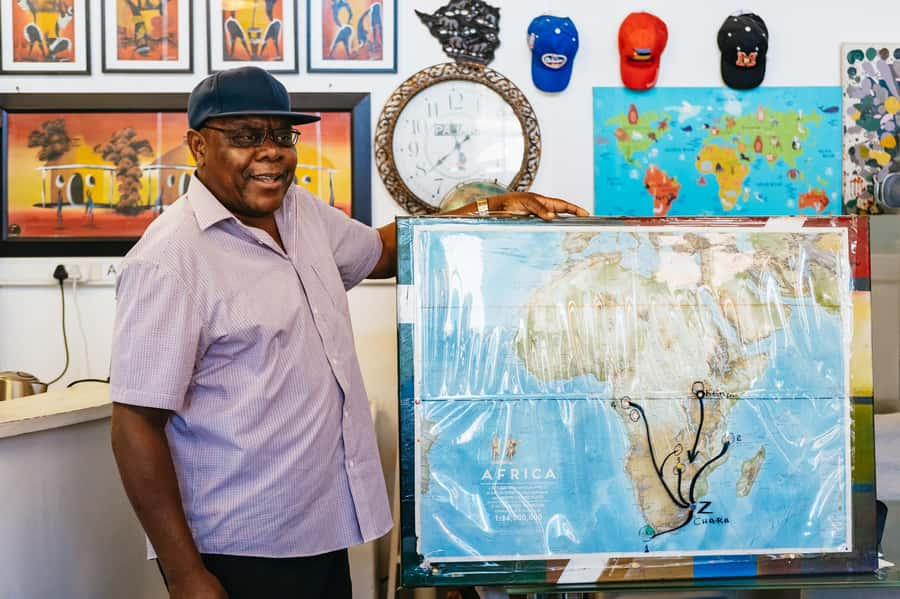
Before the main cooking begins, Caleb explains the background of traditional African cuisine. You learn about ingredients, how recipes changed over time, and how cooking methods passed from one generation to the next.
That context is one of the strongest reasons to book this activity. A dish such as sadza can look simple on the plate, but the explanation helps you understand why it is such an important part of the meal. You also see how grains, beans, meat, and greens form a filling menu rather than a collection of unrelated side dishes.
The hosts focus on ingredients that are as local and organic as possible, according to the cooking session details shared about the class. The lesson is not presented as a single fixed version of African food. Instead, it shows how family cooking develops through available ingredients, inherited methods, and personal taste.
You will also hear about the social side of eating. This is not just a lesson in measurements. It is preparation for sharing food around one table, a practice that shapes the whole experience.
Cooking sadza and the main dishes
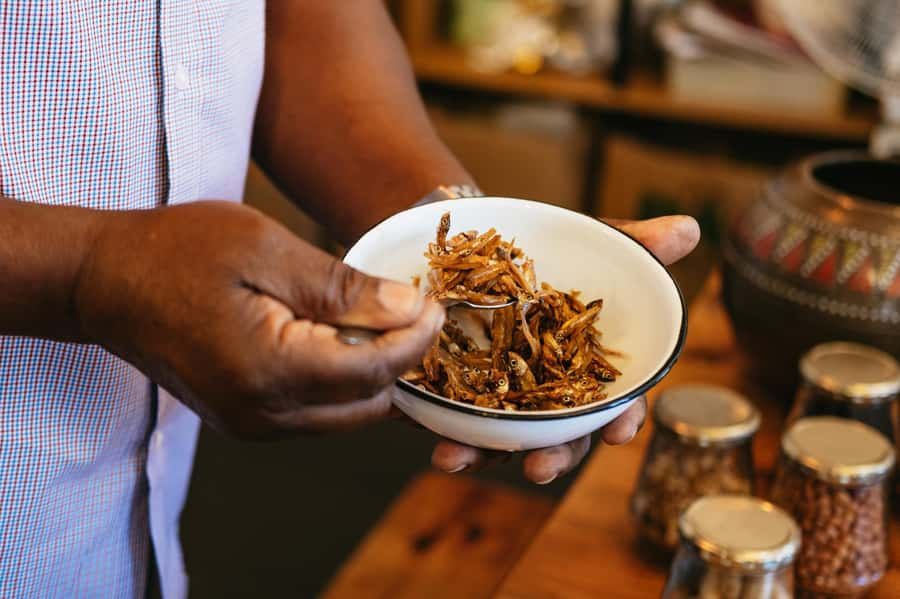
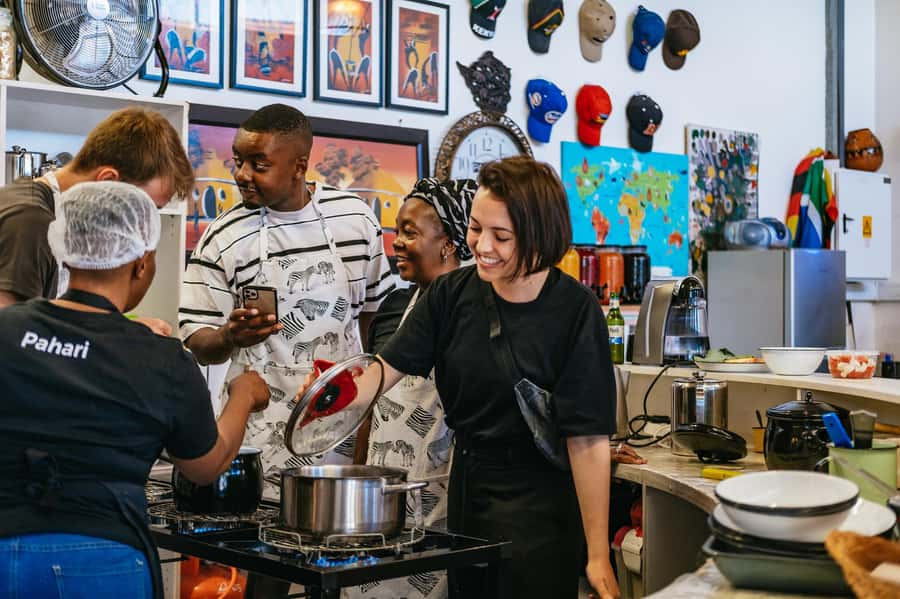
The cooking portion covers several of Pahari African Restaurant’s popular dishes. Each person has a chance to take part, so you should expect to get involved rather than watch from the side.
Same region, a different dish to learn:
- Cape Town: Bo-Kapp Walking Tour and Malay Cooking Class
★ 4.7 · 105 reviews - Private Cape Malay Cooking Class in Cape Town with a Local Family
★ 5.0 · 24 reviews - GQ: City Walking Tour & African Cuisine Cooking Class
★ 4.6 · 11 reviews - South African Cooking in Cape Town with Local Chef Richard
★ 4.5 · 10 reviews
Sadza, or ground mealie meal
Sadza is made from ground mealie meal and serves as the foundation of the plate. Its texture and preparation are central to the meal, and the hosts show you how to make it from start to finish.
For many people, this will be the most useful lesson because it introduces a staple that may not appear in familiar Western cooking. You will see how a basic grain preparation can carry stews, vegetables, and sauces.
Meaty beef bones with green vegetables
This dish combines meaty beef bones with green vegetables. It brings a hearty element to the table and shows how African home cooking can make full use of a cut that is valued for its flavor.
Do not expect boneless, delicate portions. Beef bones are part of the dish, and eating them is tied to the meal’s straightforward, home-style character. If you prefer only lean meat, this may be the least appealing part of the menu.
Chicken stew
The chicken stew adds another savory centerpiece. You learn how it is prepared alongside the other dishes, rather than treating it as an isolated recipe.
The value here is seeing how timing works when several dishes must come together. You are not just learning one pot of food. You are helping build an entire meal with different textures and flavors that are meant to be eaten together.
Chakalaka
Chakalaka brings a vegetable-based, spiced element to the plate. It adds color and heat to the meal and gives you a useful recipe to recreate at home.
If you do not eat meat, chakalaka is one of the dishes that can make the meal feel complete rather than like a reduced version of the standard menu. The class also offers vegetarian and vegan options, but you should mention your dietary needs when booking or on arrival so the hosts can guide you clearly.
Sugar beans
Sugar beans round out the meal with a filling plant-based dish. Together with sadza, greens, and chakalaka, they show how satisfying the menu can be even without relying only on meat.
The menu has a good balance for a cooking class: a staple, meat dishes, vegetables, beans, and a spicy accompaniment. It is substantial, so arrive ready to eat a proper lunch or dinner.
Eating the meal together
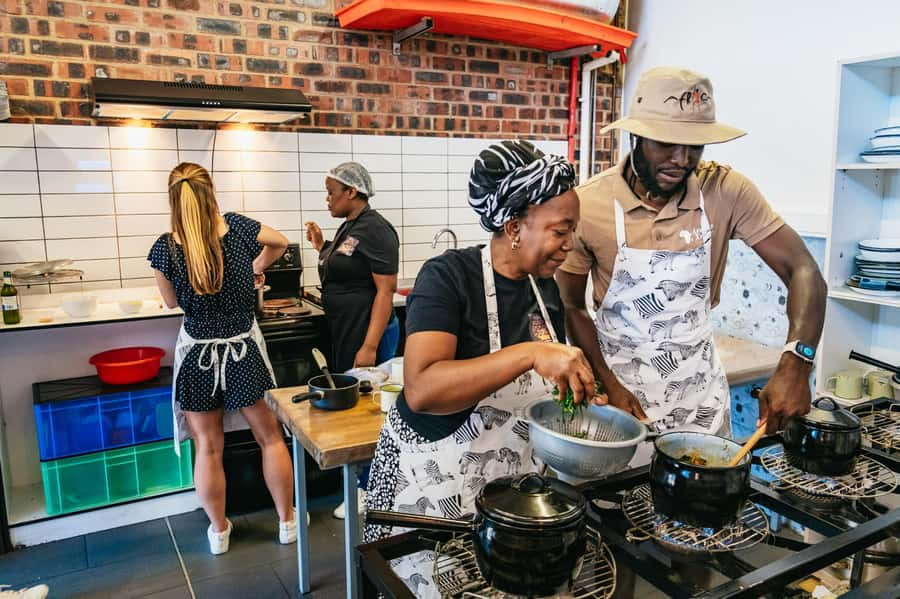
Once the cooking is finished, you sit down and eat the food you helped prepare. The meal is served communally, in the way it is typically done in an African home.
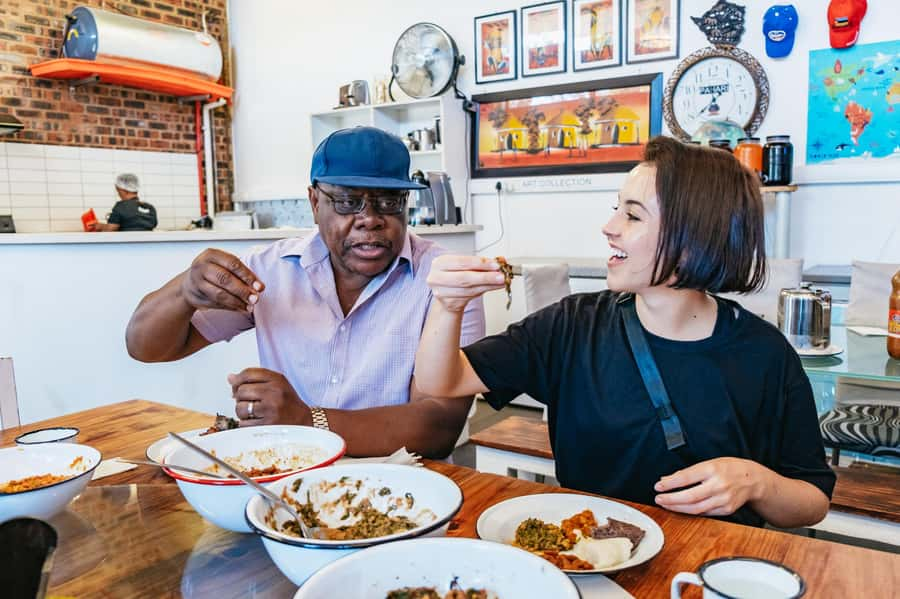
You may be encouraged to eat with your hands rather than with a knife and fork. This is not a gimmick added for tourists. It is part of learning how the meal is traditionally enjoyed, and it changes the way you handle sadza and the accompanying dishes.
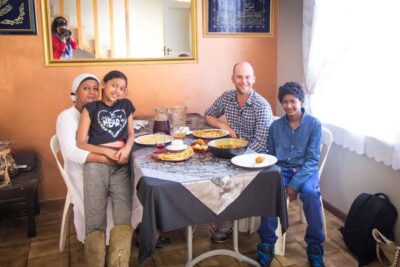
That said, it can feel unfamiliar. One family found that putting aside cutlery was harder than expected. If you have never eaten this way, ask the hosts to show you how to shape and combine the food. You can take your time, and nobody expects perfect technique on the first attempt.
The shared table is also where the class becomes most social. You can talk about the food, compare cooking habits, and hear more about the hosts’ experiences with African cuisine and family traditions. If you prefer a quiet, private meal, note that the class is designed around shared participation.
The experience ends with an African hot beverage, either tea or coffee. There is no dessert included, so anyone with a sweet tooth may feel that the meal finishes sooner than expected.
What the $71 price includes
At $71 per person, the price is reasonable if you value a full meal, drinks, instruction, and cultural context in one sitting. You are not paying only for a cooking demonstration. The fee covers the food you prepare, African juice, African beer, and tea or coffee, plus the time and attention of the hosts.
The small group limit also matters. With no more than 10 participants, each person has a better chance to stir, season, shape, or prepare part of the meal. A larger class could offer the same menu, but it would be easier to end up watching from the edge.
The price is less compelling if you only want to sample African food. You could spend less on a restaurant meal and avoid the 150-minute commitment. This experience earns its value through participation and explanation, not through a long list of courses.
Hotel pickup and drop-off are not included. You need to arrange your own way to Pahari African Restaurant, and the meeting instruction is simple: arrive at the restaurant and ask for Florence.
Timing, language, and group size
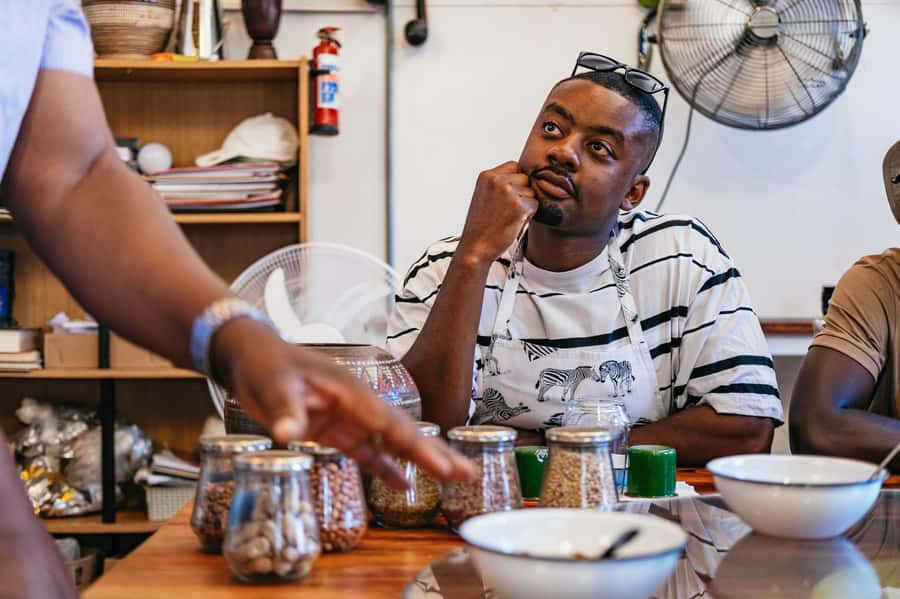
The class lasts 150 minutes, or two and a half hours. That is enough time for the welcome, food explanation, cooking, shared meal, and final drink without turning the session into an all-day event.
English is the listed teaching language. The hosts welcome people from different countries, but you should be comfortable following cooking instructions and conversation in English.
The group limit is 10 participants. A small group works especially well here because everyone is expected to contribute. It also makes the hosts’ personal stories easier to hear.
The activity can also work as a private gathering for family, friends, or colleagues if availability allows, though the supplied details do not promise a private booking for every date. If privacy matters, ask before reserving.
Free cancellation is available up to 24 hours before the experience for a full refund, and you can reserve now and pay later. Those terms are useful if your Cape Town schedule is still moving around, but check the available starting time before booking because the class does not run as an open drop-in session.
Who should book this experience
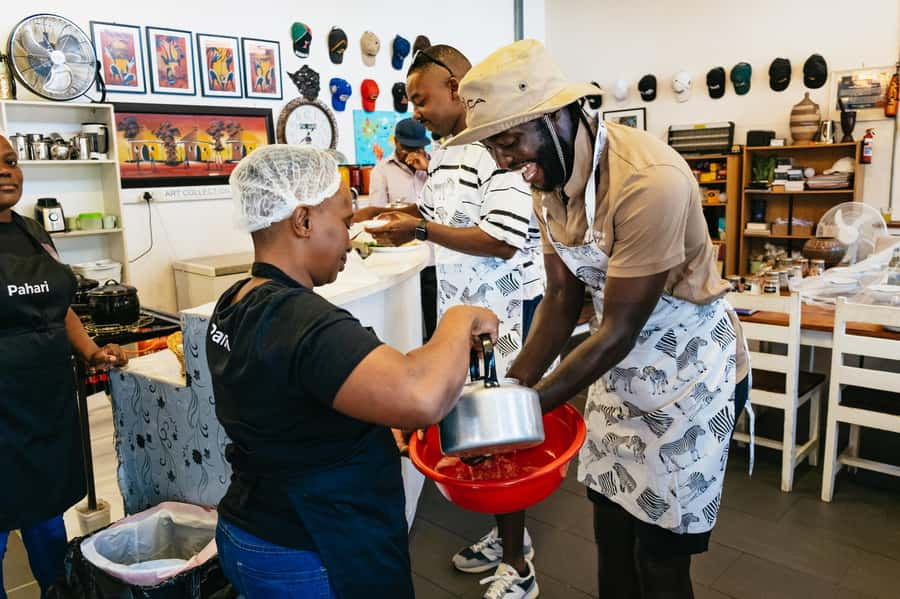
I would choose this class for you if you want food to be a way into local culture. It suits curious eaters, families, small groups, and anyone who likes meeting hosts rather than moving through a checklist of sights.
It is particularly useful for:
- People who want to learn recipes they can repeat at home
- Visitors who enjoy eating communally
- Adventurous eaters interested in unusual snacks
- Vegetarians and vegans, since alternatives are available
- Families seeking a shared activity in Cape Town
- Food lovers who want history and custom alongside the meal
You may want to skip it if you dislike group activities, do not want to handle food, or prefer a formal restaurant setting. It is also not the best choice if you need hotel transportation included.
Should you book the Pahari African cooking class?
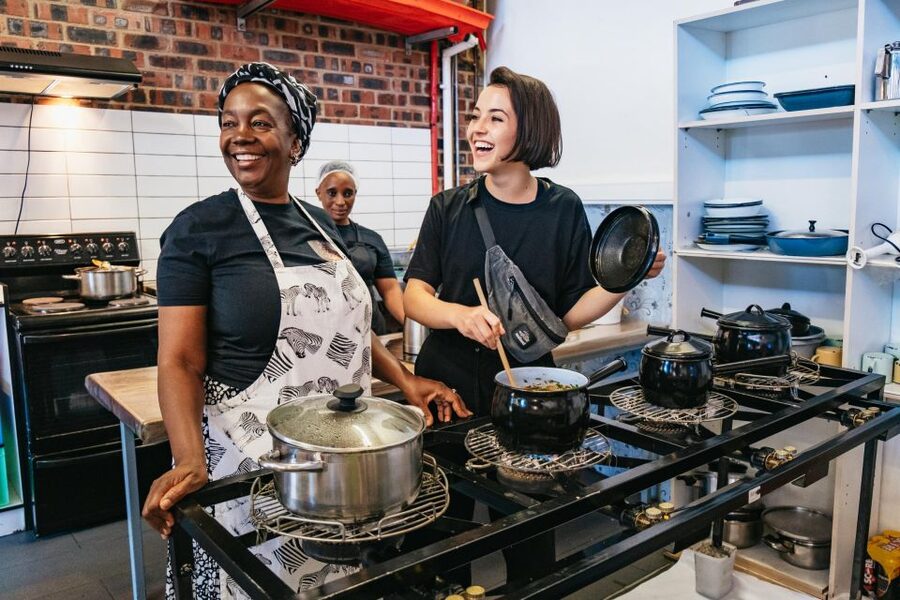
Yes, if you want a warm, participatory introduction to African home cooking in Cape Town. Florence, Caleb, and the kitchen team offer more than a list of recipes. You get a meal built around family tradition, a chance to work with unfamiliar ingredients, and a communal table where the food makes sense in its cultural setting.
The strongest parts are the hosts, the personal cooking instruction, and the range of dishes. The drawbacks are modest but worth knowing: you must arrange your own transport, dessert is not included, and some dishes use bones or unusual ingredients.
At $71, book it for the hands-on lesson and the connection with the hosts, not simply for dinner. If that sounds like your kind of evening, this is one of the better ways to spend two and a half hours with food in Cape Town.
FAQ
Where does the cooking class take place?
It takes place in a separate room adjacent to Pahari African Restaurant in Cape Town, in South Africa’s Western Cape.
Who should I ask for when I arrive?
Ask for Florence at Pahari African Restaurant.
How long does the experience last?
The cooking experience lasts 150 minutes.
What language is the class taught in?
The instructor language is English.
How many people can join the class?
The group is limited to 10 participants.
What dishes will I learn to cook?
You will learn to prepare sadza made from ground mealie meal, meaty beef bones with green vegetables, chicken stew, chakalaka, and sugar beans.
Are drinks included?
Yes. African juice, African beer, and African tea or coffee are included.
Are vegetarian and vegan options available?
Yes. Vegetarian and vegan options are available.
Is hotel pickup included?
No. Hotel pickup and drop-off are not included.
Can I cancel the booking?
You can cancel up to 24 hours in advance for a full refund. Reserve now and pay later is also available.
Newest classes around South Africa
- Private Cape Malay Cooking Class in Cape Town with a Local Family★ 5.0 · 24 reviews
- Langa Township and Bokaap Cooking Class Half Day Tour★ 5.0 · 4 reviews
- Cape Town Shore Excursion| South African Cooking & Port Transfers★ 5.0 · 3 reviews
- South African Cooking Class in Cape Town with a Local Family★ 5.0 · 2 reviews
- South African Cooking in Cape Town with Local Chef Richard★ 4.5 · 10 reviews
- Cape Malay/Creole Cooking Class and Local Shopping in Salt River★ 5.0 · 2 reviews
- Private Authentic Cape Malay Cooking Class in Manenberg with Locals★ 5.0 · 5 reviews
- Johannesburg: Pan-African Cooking & Dinning Experience★ 4.5 · 6 reviews
Cape Town Cooking Classes, compared.

Private Cape Malay Cooking Class in Cape Town with a Local Family
Read our review →
South African Cooking in Cape Town with Local Chef Richard
Read our review →
Private Authentic Cape Malay Cooking Class in Manenberg with Locals
Read our review →
Langa Township and Bokaap Cooking Class Half Day Tour
Read our review →Browse the lists this tour appears in