
Review · CAPE TOWN COOKING CLASSES
South African Cooking Class in Cape Town with a Local Family
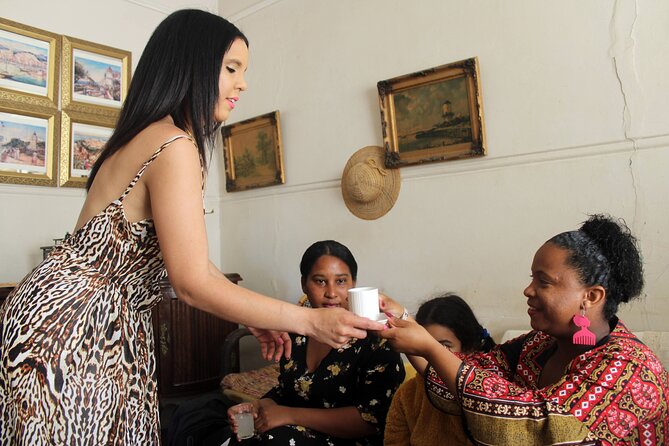
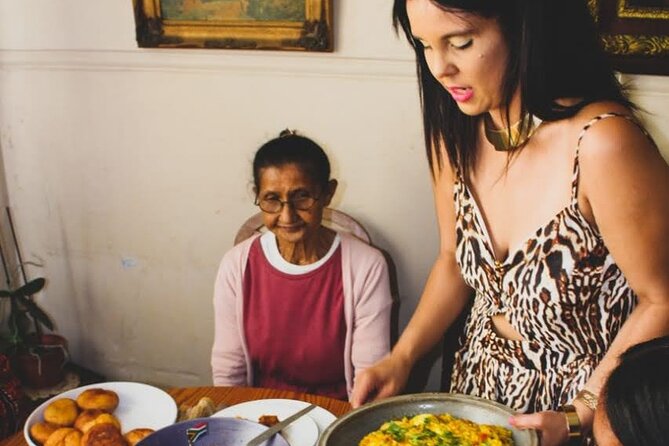
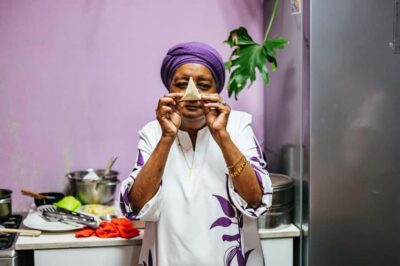
The heart of this experience is simple: you enter Annika’s 1934 Victorian-style home in Kensington and cook food that belongs to her family story. This is not a restaurant demonstration. You prepare an appetizer and main dish yourself, then sit down with your host to eat what you helped make.
I like the hands-on cooking, especially the chance to learn family methods passed down by Annika’s mother and grandmother. I also like the private setting and the chance to connect Cape Malay and African Township dishes with Cape Town’s multicultural life.
The main consideration is location. Kensington is about 10 kilometers from central Cape Town, and hotel pickup and drop-off are not included. You will need to arrange your own way there and back, so allow extra time around the three-hour experience.
Key points at a glance
- Cook in Annika’s 1934 Victorian-style home: The setting gives the meal a personal, lived-in feel that a standard cooking school cannot match.
- Prepare two dishes from scratch: Your 1.5-hour class includes an appetizer and a main dish, with choices such as samosas, bobotie, akni, curry, or chakalaka.
- Taste two South African food traditions: Cape Malay and African Township cooking both appear in the menu, giving you a useful introduction to the country’s varied food culture.
- Share the meal with your host: The class ends at Annika’s table, where you eat the food you prepared together.
- Dietary needs can be accommodated: Vegetarian, vegan, lactose-free, and gluten-free options are available if requested when you book.
- Plan your own transportation: The home is in Kensington, about 10 kilometers from central Cape Town, and transfers are not part of the price.
A home kitchen instead of a tour bus
Many Cape Town food activities take place in restaurants, markets, or formal cooking schools. This one takes you into Annika’s private home. That change of setting matters. You are not just being shown a finished plate. You are seeing how a local cook explains food, organizes a meal, and connects recipes to family life.
Annika grew up in Cape Town in a multicultural household with South African and Danish roots. She is also a culinary school graduate, so the class combines professional training with family cooking. That is a useful balance. You can expect clear instruction, but the food is still tied to the recipes she learned from her mother and grandmother.
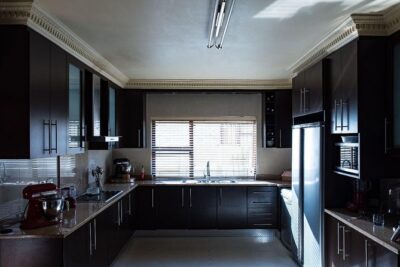
The house itself dates from 1934 and has a Victorian style. You should not think of this as a grand historic house tour. The building is mainly the setting for the meal and conversation. Its value is that you are welcomed into a real home rather than placed in a polished tourist venue.
Kensington is about 10 kilometers from the city center. The distance is manageable, but it affects your planning. Since pickup and drop-off are not included, you should arrange transportation before the class and give yourself enough time to reach the meeting point. The experience begins and ends in Kensington.
More Home Cooking Classes in South Africa:
- Private Cape Malay Cooking Class in Cape Town with a Local Family
★ 5.0 · 24 reviews - Khmer Cooking Class at a Local’s Home in Krong Siem Reap
★ 5.0 · 2,731 reviews - Local Home Korean Cooking Class & Market Adventure in Seoul
★ 5.0 · 1,024 reviews
The 1.5-hour cooking class
The cooking portion lasts about an hour and a half. Annika teaches you to prepare one appetizer and one main dish, with the exact menu depending on the season and the arrangements made for your visit.
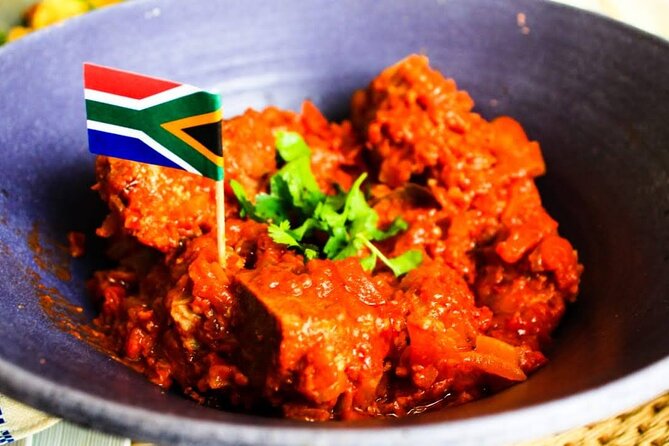
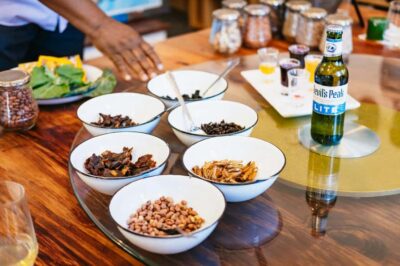
The appetizer may be samosas or bobotie. Samosas are familiar to many people, but preparing them with a Cape Town host gives you the chance to focus on the filling, seasoning, and assembly rather than simply ordering one from a menu. Bobotie is another important option, usually associated with a spiced minced-meat mixture topped with an egg custard. The precise preparation will come from Annika, and the menu can vary.
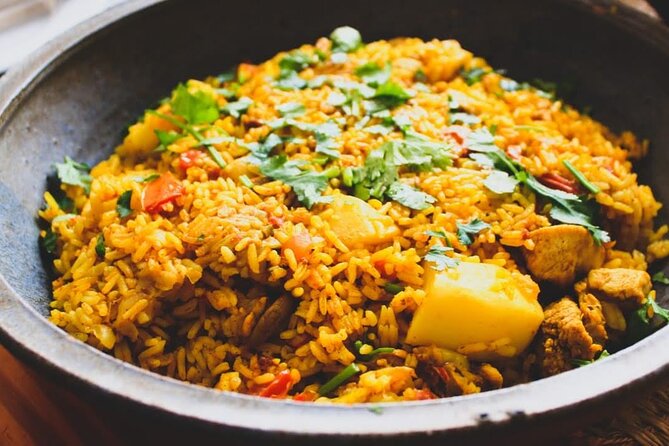
For the main dish, you may help prepare akni, a chicken or beef pulao, or a chicken or beef curry. Chakalaka, a spicy tomato and bean relish, is another possible choice. These dishes give the class a broad range. You might work with rice and meat in one version, fragrant curry spices in another, or the heat and tomato base of chakalaka.
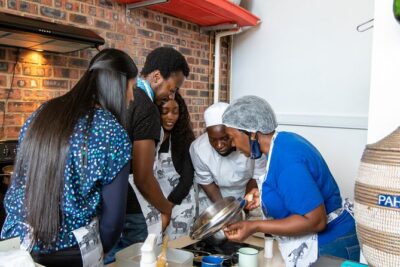
The useful part is the participation. You are not simply watching Annika cook while someone else handles the preparation. The strongest reason to book is the chance to work from scratch and learn the small family techniques that do not always appear in a printed recipe.
Because the class is private, the pace can suit your group. You can ask questions, spend more time on a step that is new to you, or talk about the ingredients as you work. That is particularly helpful if you enjoy cooking but do not want to be one person in a large class.
Cape Malay and African Township flavors
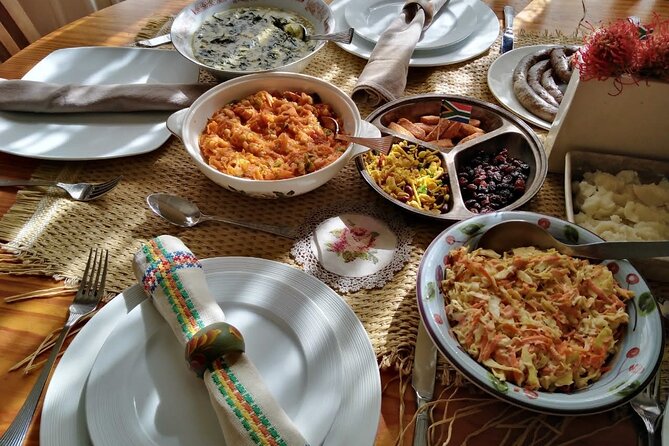
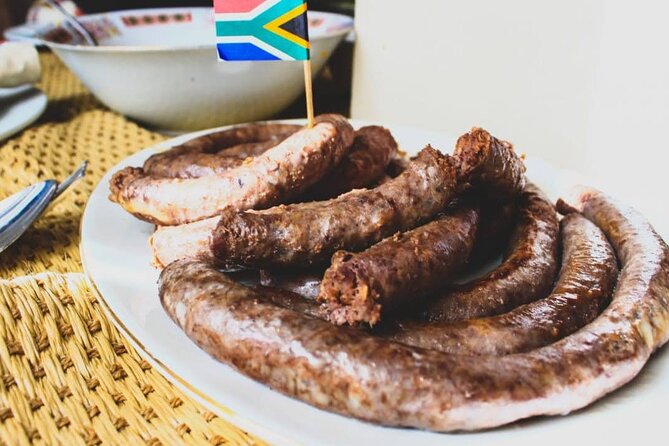
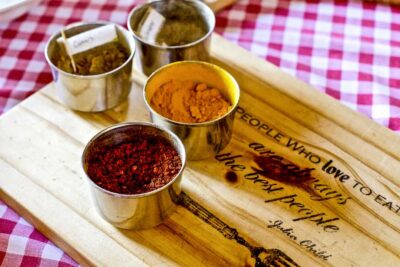
The menu introduces two parts of South African food culture. Cape Malay cooking reflects the Cape’s long multicultural story, with dishes known for warm spices, layered seasoning, and methods shaped by different communities. African Township food brings another set of flavors and home-style traditions to the table.
You should not expect a complete survey of South African cuisine in three hours. That would be too much for any single meal. Instead, think of this as a personal introduction through a small number of dishes that Annika knows well.
The combination is useful because South African food is not one fixed style. A Cape Malay dish and a Township dish can tell different stories about place, family, and migration. Annika’s background, with both South African and Danish roots, adds another personal angle to that conversation.
Ask questions as you cook. The value is not only in the final meal. It is in hearing why a dish is prepared a certain way, how the recipe entered Annika’s family, and which ingredients or methods matter most. The experience information promises insight into culinary traditions, but the home setting makes that insight personal rather than academic.
Sitting down to eat what you prepared

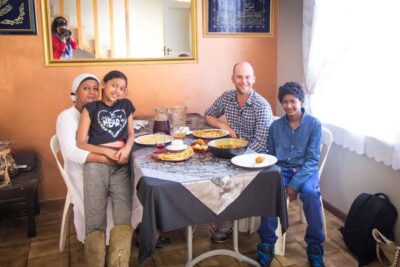
After the class, you join Annika at the table for the meal. This is an important part of the schedule. You are not rushed out once the cooking ends, and the food is not served as an unrelated restaurant course. You share the dishes you helped prepare.
That creates a natural finish to the class. You can taste the result while the cooking steps are still fresh in your mind. If you are interested in improving your own cooking, this is the moment to notice how the seasoning works, how the textures come together, and which parts you would repeat at home.
Alcoholic beverages are included, along with all fees, taxes, and gratuities. That makes the listed price easier to judge because you are not looking at a low starting figure followed by several required additions. The meal and drinks are built into the experience.
Still, the value depends on what you want from a food activity. If you only want an inexpensive meal, $82 per person may feel high. You are paying for a private class, personal instruction, a home meal, and cultural conversation, not just a plate of food. For a couple, family, or small group that wants a more personal activity, the price is easier to justify.
More Cooking Classes in South Africa:
- Cape Town: Malay Cooking Class and Lunch in Bo-Kaap
★ 4.8 · 515 reviews - Authentic African Cuisine Cooking Experience
★ 5.0 · 236 reviews - Cape Town: Cape Malay Cooking Class in Bo-Kaap
★ 4.8 · 120 reviews - Cape Town: Bo-Kapp Walking Tour and Malay Cooking Class
★ 4.7 · 105 reviews
What the $82 price includes
At $82 per person, the experience sits above the cost of an ordinary lunch but offers more than dining. The package includes:
- A private cooking class with Annika
- A home-cooked meal
- Alcoholic beverages
- All fees and taxes
- Gratuities
The absence of hotel transfers cuts both ways. You are not paying for transportation, but you also have to solve that part yourself. Since the home is 10 kilometers from central Cape Town, include the cost and time of getting to Kensington when comparing this with other food activities.
Group discounts are available, which may improve the value for a larger party. Since the activity is private, a group can also enjoy the advantage of having the class focused only on its own interests. You should ask about the group price when booking rather than assume a discount applies automatically.
The experience is often booked about 22 days ahead. That suggests you should not leave it until the last minute if it is an important part of your Cape Town plans. Confirmation is sent within 48 hours, subject to availability.
Dietary choices and menu changes
Vegetarian, vegan, lactose-free, and gluten-free options are available. You must advise the provider at the time of booking if anyone in your group has an allergy, dietary restriction, or cooking preference.
That advance notice matters in a private home kitchen. Annika can plan a suitable menu more effectively if she knows about your needs before the class. Do not wait until you arrive to mention a serious allergy.
The menu can change with the season. That is a benefit if you prefer food that reflects what is available, but it means you should not treat the listed dishes as a guaranteed fixed menu. Samosas, bobotie, akni, curry, and chakalaka are examples of possible dishes, not a promise that every one will appear at your class.
If you have a strong preference, such as wanting a vegetarian Cape Malay dish or hoping to learn chakalaka, include that request when you book. The experience is personalized, but personalization works best when you communicate early.
Who will enjoy this experience most
I would choose this for someone who values conversation and participation more than sightseeing landmarks. It suits home cooks, food-focused visitors, couples, families, and small groups who want a private activity with a local host.
It is also a good choice if you have already seen Cape Town’s major sights and want an afternoon or evening with a different rhythm. The class gives you a reason to spend time in Kensington and an easy way to connect food with local culture.
Families may appreciate the private format, although the supplied information does not set a specific minimum age. If you are booking with children, confirm that the cooking plan suits your group.
This is less suitable if you want a fast, central activity with no transportation planning. It is also not the right pick if you dislike cooking, prefer a formal restaurant meal, or need a guaranteed menu with no seasonal changes.
Practical planning for Kensington
The meeting point is in Kensington, Cape Town, postal code 7405. The activity ends back at the same meeting point. Since there is no hotel pickup or drop-off, plan your route before the day of the class.
The activity lasts about three hours in total. Of that time, 1.5 hours are devoted to cooking. The remaining time includes arriving, settling into the home, eating, and sharing the meal with Annika. Do not schedule a major attraction immediately afterward unless you have left plenty of spare time.
The experience is private, and only your group participates. That is one of its strongest practical features. You do not have to adapt to a large class, compete for a place at the counter, or make conversation with strangers.
Service animals are allowed, and the home is near public transportation. The available information does not give a precise transit route or detail the home’s accessibility, so contact the provider if you need specific access arrangements.
Free cancellation is available if you cancel at least 24 hours before the local start time. Cancellations made less than 24 hours in advance are not refunded, and late changes are not accepted.
The strongest reason to book
The most appealing part is the chance to participate in food preparation from scratch and learn the cooking secrets Annika inherited from her mother and grandmother. That makes the experience more personal than a standard cooking lesson built around a generic recipe.
I also like the way the class ends with a shared meal. You put in the work, then sit down with the person who taught you. That simple structure gives the afternoon a clear purpose and makes the food easier to remember.
The experience does not promise a grand tour of Cape Town, and it should not be judged by that standard. Its value comes from a small setting, a private host, and a few dishes explained with family context.
Should you book this Cape Town cooking class?
Book it if you want a private food experience with a real local host, enjoy hands-on cooking, and are willing to travel beyond central Cape Town for the afternoon. Annika’s South African and Danish background, her culinary training, and her family recipes give the class a personal focus.
Before booking, make sure the timing works with your sightseeing plans, arrange transportation to Kensington, and send dietary requests in advance. At $82, it is best value for people who want instruction, conversation, drinks, and a meal rather than simply lunch.
Skip it if your priority is a cheap meal, a fixed menu, or a centrally located activity with included transfers. For everyone else, this is a thoughtful way to taste Cape Town through a family kitchen instead of a tourist checklist.
FAQ
Where does the cooking class take place?
The experience takes place in Annika’s Victorian-style home in Kensington, Cape Town. Kensington is about 10 kilometers from the city center.
How long does the experience last?
The full activity lasts approximately three hours. The South African cooking class itself lasts 1.5 hours, followed by the shared meal and time with Annika.
What dishes might I prepare?
Possible dishes include samosas or bobotie as an appetizer, followed by akni, chicken or beef pulao, chicken or beef curry, or chakalaka. The menu may change with the season.
Are vegetarian or gluten-free options available?
Yes. Vegetarian, vegan, lactose-free, and gluten-free options are available. You should advise the provider about allergies, dietary restrictions, or cooking preferences when booking.
Is transportation from my hotel included?
No. Hotel pickup and drop-off are not included. The activity begins and ends at the meeting point in Kensington.
What does the price include?
The $82 price includes the private cooking class, home-cooked meal, alcoholic beverages, all fees and taxes, and gratuities. Group discounts may also be available.
Newest classes around South Africa
- Langa Township and Bokaap Cooking Class Half Day Tour★ 5.0 · 4 reviews
- Cape Town Shore Excursion| South African Cooking & Port Transfers★ 5.0 · 3 reviews
- Private Cape Malay Cooking Class in Cape Town with a Local Family★ 5.0 · 24 reviews
- South African Cooking in Cape Town with Local Chef Richard★ 4.5 · 10 reviews
- Cape Malay/Creole Cooking Class and Local Shopping in Salt River★ 5.0 · 2 reviews
- Private Authentic Cape Malay Cooking Class in Manenberg with Locals★ 5.0 · 5 reviews
- Johannesburg: Pan-African Cooking & Dinning Experience★ 4.5 · 6 reviews
- GQ: City Walking Tour & African Cuisine Cooking Class★ 4.6 · 11 reviews
Cape Town Cooking Classes, compared.
Private Cape Malay Cooking Class in Cape Town with a Local Family
Read our review →
South African Cooking in Cape Town with Local Chef Richard
Read our review →
Private Authentic Cape Malay Cooking Class in Manenberg with Locals
Read our review →Browse the lists this tour appears in