
Review · JAPAN COOKING CLASSES
Okinawa: Traditional farming experience & cooking and a meal
The most unusual part of this Sesoko Island outing is that you do not simply eat Okinawan food. You help gather it, cook it, and learn how a family-style seasoning called kusu is made. The recipe is treated as a special tradition, and you take your own batch home.
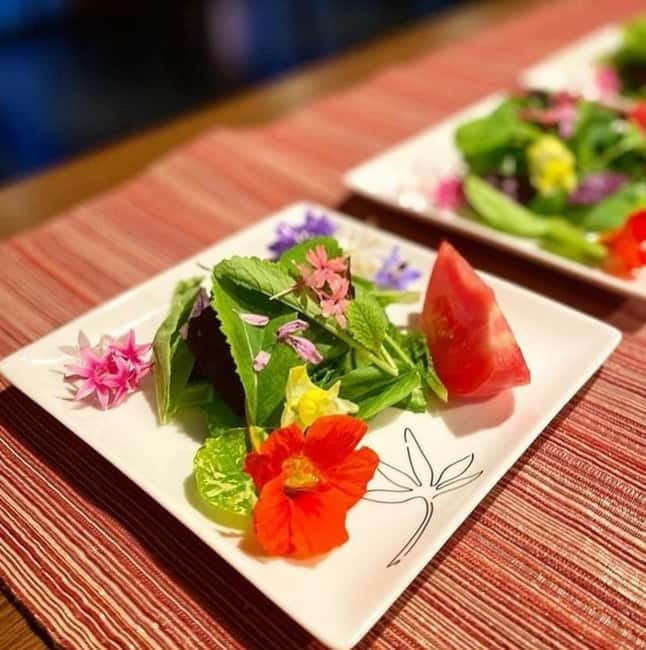
I especially like the chance to eat vegetables and flowers picked during the visit, plus the friendly contact with local farmers. The meal gives the 61-dollar price real weight. The main consideration is timing: the activity lasts 150 minutes, while its three main sections are described as roughly one hour each, so confirm the exact schedule when you book.
- Harvest on Sesoko Island: Handle and gather seasonal vegetables and island ingredients with local farmers.
- Make your own kusu: Learn a traditional seasoning recipe and bring the finished product home.
- Cook what you collect: Use fresh produce in traditional Okinawan dishes rather than watching a cooking show.
- Share a local meal: Sit down with the farmers and eat food prepared from local ingredients.
- Private guiding: The group is private, with support in Chinese, English, or Japanese.
- Easy meeting point: Start and finish at Kadoya Noodle Factory, near the Hoshifuru Mori Beer Garden.
Why this Sesoko Island food experience feels different
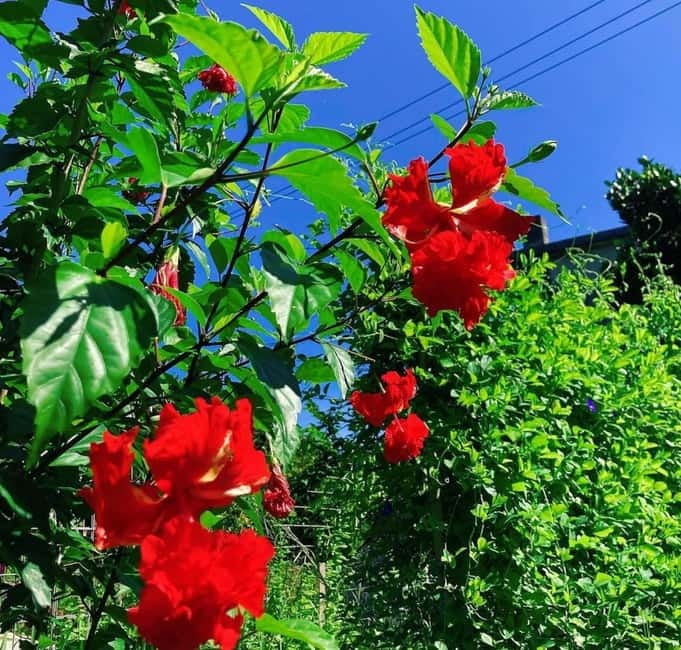
Many food activities put you at a counter with a recipe card and a prepared set of ingredients. This one begins closer to the soil. You walk from the meeting point to Sesoko Island, spend time gathering vegetables and herbs, then use what you collected in the kitchen.
That sequence matters. You see the ingredients before they reach the plate. You handle their texture, hear how farmers use them, and learn why food carries so much meaning in Okinawa. The lesson is practical rather than formal. You can ask simple questions, and the local farmers explain their work as part of the visit.
The activity is led under the name of Master Jun, and Mei is also named as one of the guides. English, Chinese, and Japanese support is available. Since the group is private, you can expect a more personal format than a large cooking class, though the exact size of your party is not specified.
From Kadoya Noodle Factory to the island garden
Your starting point is かどや製麺所 星降る森のビアガーデン, written in English as Kadoya Noodle Factory, Hoshifuru Mori Beer Garden. From there, the route to Sesoko Island is on foot and takes about 10 minutes.
That short walk helps keep the outing local and simple. You do not spend the session being driven between unrelated stops. Still, wear shoes that can handle a rural visit, and choose comfortable clothing. Bring water, since you will be outside and active before sitting down to cook.
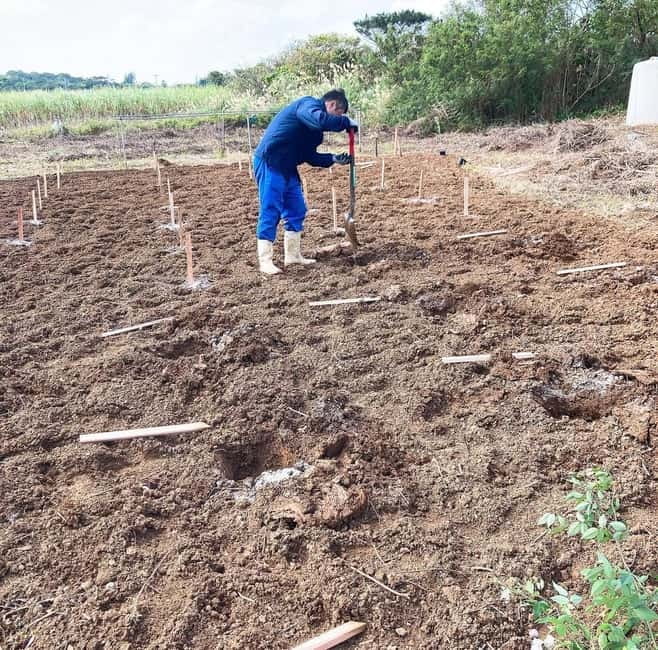
Once you arrive, the agricultural part takes about an hour in the planned sequence. You help harvest vegetables and ingredients native to Sesoko Island. The supplied details do not promise a fixed list of crops, which is sensible for a farm visit. What you collect depends on what is seasonal and available at the time.
You may also encounter flowers and herbs used in Okinawan cooking. The food is not only decorative: one account specifically describes eating handpicked flowers in an Okinawan style. That small detail captures the spirit of the activity. You are encouraged to notice ingredients that might otherwise pass unnoticed in a market or restaurant.
More Cooking Classes in Japan:
- Ramen Cooking Class at Ramen Factory in Kyoto
★ 5.0 · 1,937 reviews - Ramen & Gyoza Cooking Class in Tokyo with Local Supermarket Visit
★ 5.0 · 823 reviews - Kyoto: Ramen Cooking Class at a Ramen Factory with Souvenir
★ 4.9 · 532 reviews
Getting your hands into Okinawan farming
The farm visit is not just a photo stop. You are asked to feel the vegetables and herbs with your fingertips and take part in the work. That gives the first hour a clear purpose: food begins as a living crop, not as an anonymous ingredient in a dish.
Local farmers are present to explain what they do and why agriculture matters to the island. You can ask basic questions without needing prior farming or cooking knowledge. This is useful if you want a cultural activity that explains daily life through food rather than through a museum display.
I like this part because it connects Sesoko Island’s natural setting to the meal later on. You can understand the value of seasonal produce more easily after handling it yourself. The activity also gives children and curious adults something concrete to do, although the supplied information does not set a minimum age or describe the physical demands in detail.
Do not expect a full farming course. The visit lasts only part of an afternoon or evening, and the focus quickly shifts to cooking. Think of it as a hands-on introduction to island agriculture, followed by a meal that uses the results.
The secret seasoning lesson: making kusu
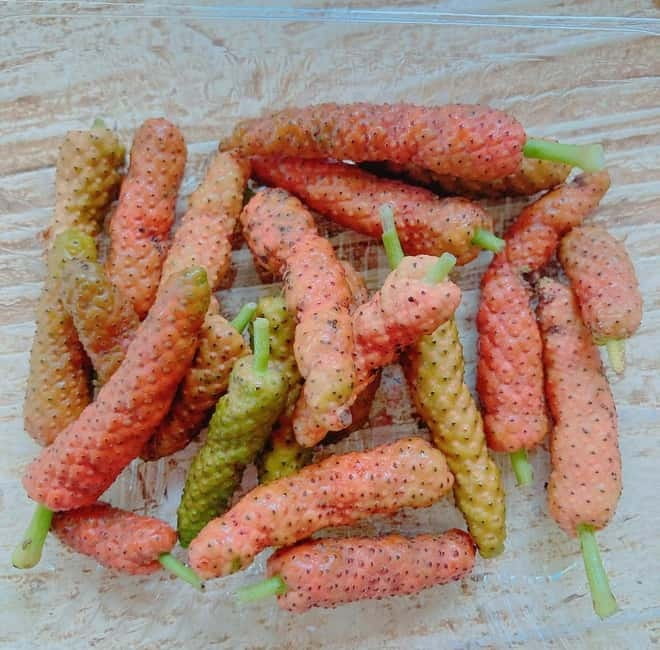
The most memorable souvenir is likely to be your own kusu. The activity presents kusu as a traditional Okinawan seasoning recipe passed through generations, with details usually kept inside families. Here, the method is shared with participants as a special part of the visit.
The exact ingredients and production steps are not provided, so you should not arrive expecting a particular flavor or bottle size. What is clear is that you make the seasoning during the activity and keep it afterward. It is more personal than buying a standard food product in a souvenir shop.
This part also gives the experience a sense of place. You are not only learning that Okinawan food has its own character. You are being shown one small piece of how that character is built, preserved, and passed along.
If you plan to take your kusu home by air, ask about packing and transport before you leave. One participant received help arranging shipment by post, so assistance may be available. However, postage is not listed as part of the 61-dollar price, and the details of international shipping are not supplied.
Cooking traditional dishes with your harvest
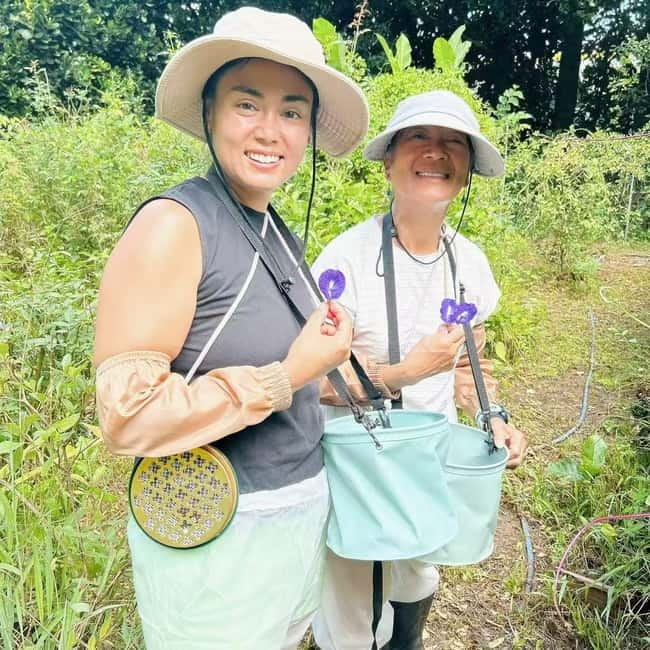
After the farm work and kusu lesson, you prepare traditional Okinawan dishes with seasonal local ingredients. Some of the produce comes from your own harvest, which makes the cooking feel connected to the first part of the outing rather than like a separate class.
You should expect participation, not a passive demonstration. The available details describe making lunch or a meal with the items picked in the garden. Mei is specifically praised for explaining each step, so you will have guidance as you work through the preparation.
The menu is not fixed in the information provided. That is another reason to think seasonally: the dishes may depend on what is growing and what the farmers have available. If you need to avoid a particular food, ask before booking or at the start of the activity, since no allergy or dietary information is provided.
The format should suit you if you enjoy learning by doing. It may be less suitable if you want a polished restaurant meal with no work involved. The cooking is part of the point, and the food tastes more meaningful because you have helped prepare it.
Same region, a different dish to learn:
- Sushi Making Osaka! Popular Sushi Class in Japan!
★ 5.0 · 500 reviews - Kyoto: Ramen, Gyoza, and Onigiri Cooking Class
★ 5.0 · 445 reviews - Tokyo Tsukiji Fish Market Tour and Sushi Making Lesson
★ 5.0 · 390 reviews - Kyoto: Japanese Washoku Bento Small Group Cooking Class
★ 5.0 · 380 reviews
Sitting down to eat with local people
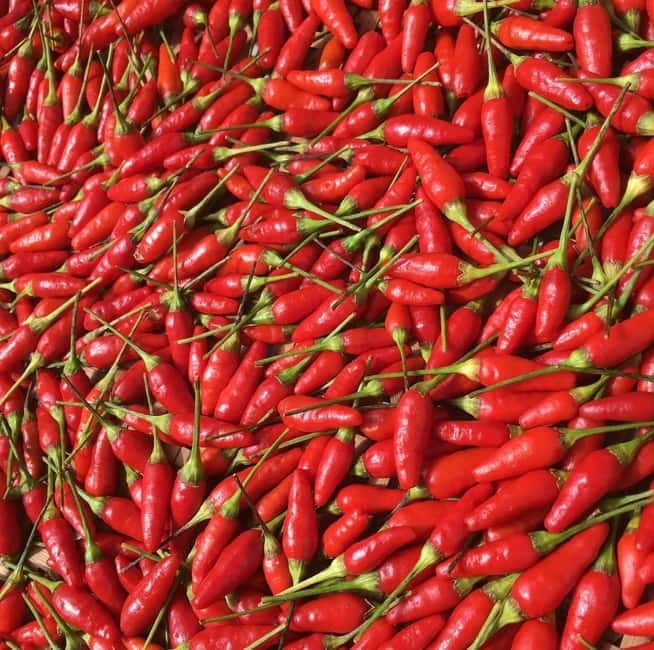
The final stage is a shared meal with freshly harvested vegetables and other local ingredients. The food is served after the agricultural and cooking work, so the meal becomes the payoff for what you have done.
The social side matters as much as the dishes. You have a chance to talk with farmers and local people about the food and the traditions behind it. That conversation can give you a clearer sense of how Okinawan cuisine is tied to family, land, and seasonal habits.
Alcohol is not included. If you want a drink beyond what the meal provides, plan to pay separately if available. The activity details do not specify which beverages are served or sold, so do not assume beer or spirits are part of the meal simply because the starting point includes a beer garden.
A small, useful detail is the presence of cats at the site. Several adorable cats may be around, according to the supplied account. That will be a welcome bonus for many people, but it is not the main reason to book, and the activity does not promise animal interaction.
What the 61-dollar price includes
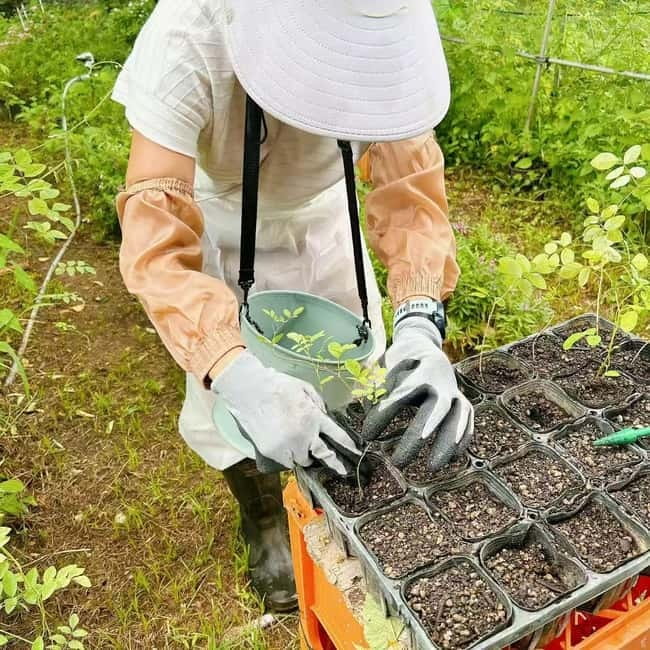
At 61 dollars per person, the price covers more than a meal. You receive the agricultural activity, local farmer interaction, cooking instruction, a meal made with local ingredients, and the kusu-making session. The combination gives you several hours of contact with food at different stages.
The value is strongest if you want a cultural activity rather than simply lunch. A restaurant meal alone would not give you the farm visit, the personal instruction, or the seasoning to take home. A standard cooking class might teach recipes, but it would not necessarily connect those recipes to local agriculture.
The price is harder to justify if you mainly want to eat and have limited interest in gardening or preparation. You are paying for time, participation, and conversation. The food is important, but it is not the only product.
The activity is described as lasting 150 minutes. The planned sequence lists a one-hour visit, a one-hour cooking class, and a one-hour dinner or tasting, plus the walk to and from the meeting point. Those segments add up to more than 150 minutes, so treat the hour labels as approximate and check the start and end time before you commit to another booking.
Private groups, languages, and practical comfort
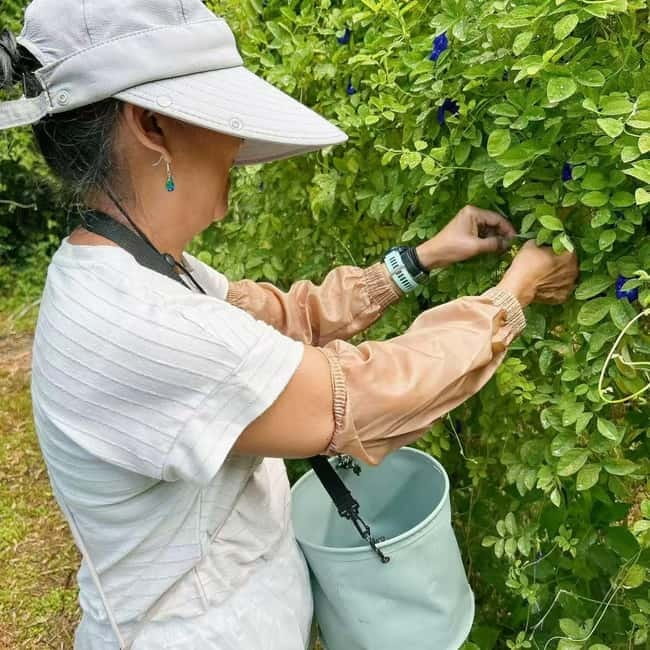
A private group is a strong feature for anyone who wants to ask questions or needs a little more explanation. You will not have to compete with a large crowd for time with the farmers. It can also make the cooking stage less rushed, though the exact group size is not stated.
The live guide languages are Chinese, English, and Japanese. That makes the activity accessible to a wide range of visitors, but you may want to confirm your preferred language at booking, especially if the culinary explanations are important to you.
Wear comfortable clothes and shoes. Farming and cooking are hands-on activities, and you should not dress as if you are heading straight to a formal restaurant. Bring water. The experience is not described as strenuous, but you will be on your feet and outdoors for part of it.
The only stated unsuitability is for people with altitude sickness. Sesoko Island is not described as a high-altitude destination, so this warning is unusual, but it is part of the activity information and should not be ignored if it applies to you.
Free cancellation is available up to 24 hours before the start for a full refund. You can also reserve now and pay later, which is helpful if your Okinawa plans are still shifting.
Who will get the most from this activity
I would choose this for you if you want to meet local people, learn through food, and take part in a small agricultural task. It suits couples, families, and private groups who enjoy a relaxed activity with several parts rather than a single attraction.
It is also a good choice for repeat visitors to Okinawa. If you have already seen beaches and major sights, this offers a quieter look at island life through farming and cooking.
Food-focused visitors will get the most from it. You will handle ingredients, learn about flowers and herbs, prepare traditional dishes, and make kusu. The meal is not an afterthought, and the cultural explanation gives the food context.
You may want to skip it if you dislike outdoor activity, cannot comfortably walk for 10 minutes, or want a fully structured menu in advance. The seasonal nature of the ingredients is part of the appeal, but it also means you may not know every dish before arriving.
Should you book the Sesoko Island farming and cooking experience?
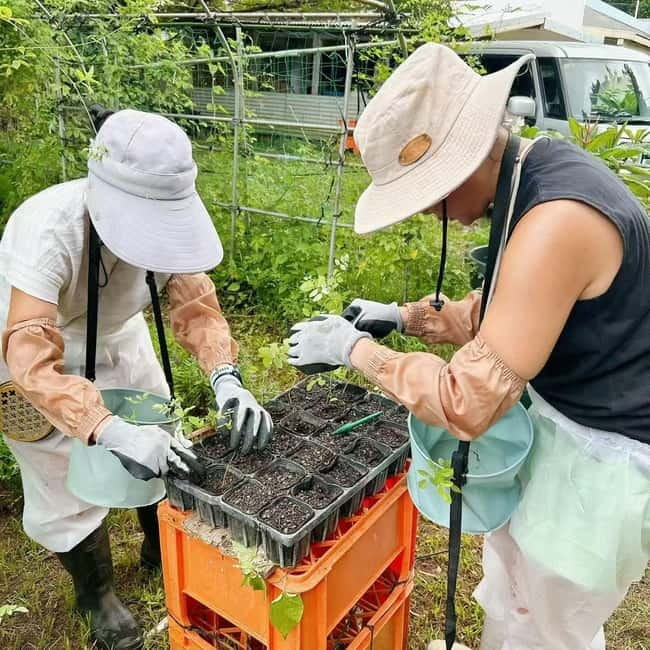
Book it if you want Okinawa to make sense through its food. The strongest features are the harvest, the personal kusu souvenir, the meal made with local ingredients, and the time spent talking with farmers. Those elements give the 61-dollar fee solid value for a private 150-minute activity.
Before booking, confirm the exact schedule because the listed time blocks do not perfectly match the stated duration. Ask about dietary needs, the day’s menu, and how to ship your kusu if you cannot carry it home.
If you want a polished cooking demonstration with no farm work, choose a different class. If you like getting your hands dirty, asking questions, and eating what you helped gather, this is one of the more personal ways to meet Okinawa.
FAQ
Where does the activity start?
It starts and finishes at かどや製麺所 星降る森のビアガーデン, identified in English as Kadoya Noodle Factory, Hoshifuru Mori Beer Garden.
How long is the experience?
The stated duration is 150 minutes. The planned activities include a farm visit, cooking class, meal, and walking between the meeting point and Sesoko Island.
How long is the walk to Sesoko Island?
The walk from the starting point to Sesoko Island takes about 10 minutes.
What does the agricultural activity include?
You take part in harvesting vegetables and ingredients native to Sesoko Island, handle vegetables and herbs, and learn about farming from local farmers.
What is kusu?
Kusu is described as a traditional Okinawan seasoning recipe passed down through generations. You learn to make it and keep the kusu you create as a souvenir.
Is a meal included?
Yes. The activity includes a meal made with freshly harvested vegetables and other local ingredients.
Is alcohol included?
No. Alcoholic drinks are not included in the price.
What languages are available?
Live guiding is available in Chinese, English, and Japanese.
Is the group private?
Yes. The activity is offered as a private group experience.
What should I bring?
Bring comfortable shoes, comfortable clothing, and water.
Newest classes around Japan
- Cooking Class: Make a Local Delicacy in a Japanese House★ 5.0 · 7 reviews
- Culinary Home Cooking with Grandmothers – Vegan Friendly★ 5.0 · 5 reviews
- Nagoya Super Market Tour & Home Cooking Class with a Local, Akiko★ 5.0 · 10 reviews
- Tokyo: Sushi roll and side dish cooking experience★ 5.0 · 2 reviews
- Tokyo: Sushi Making Experience & Japanese Cooking Class★ 5.0 · 2 reviews
- Tokyo: Sushi Cooking Class with Sake Tasting★ 4.8 · 55 reviews
- Tokyo: Real Ramen & Dumpling Cooking with Master Chef★ 5.0 · 10 reviews
- Tokyo: Sushi and Ramen Cooking Class with Sake Pairing Set★ 5.0 · 81 reviews
Japan Cooking Classes, compared.
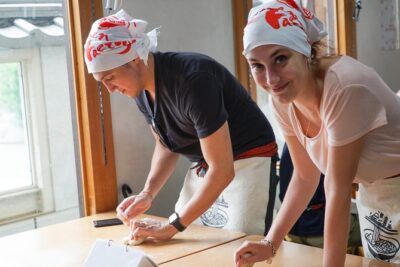
Ramen Cooking Class at Ramen Factory in Kyoto
Read our review →
Ramen & Gyoza Cooking Class in Tokyo with Local Supermarket Visit
Read our review →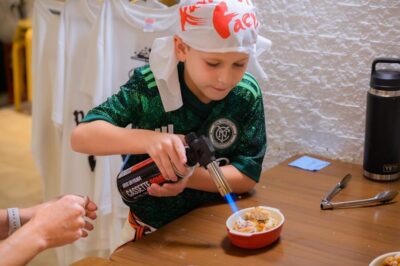
Ramen Cooking Class at a Ramen Factory with Souvenir
Read our review →
Sushi Making Osaka! Popular Sushi Class in Japan!
Read our review →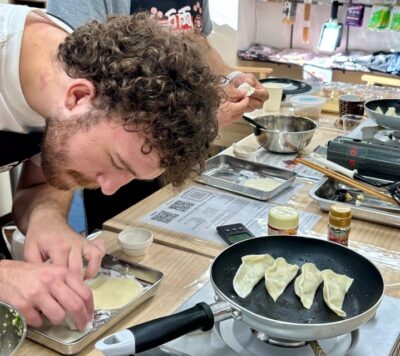
Tokyo Tsukiji Fish Market Tour and Sushi Making Lesson
Read our review →
Japanese Washoku Bento Small Group Cooking Class
Read our review →
Browse the lists this tour appears in