
Review · JAPAN COOKING CLASSES
Okinawa: Traditional Cooking Class at Ufuyaa
At Ufuyaa, you do not just sit down to eat Okinawan food. You help turn island ingredients into a meal, inside a traditional Okinawan house on Sesoko Island. The class covers local favorites such as Goya Champuru, Rafute, Jiimami Tofu, and Aasa Soup, so you leave with more than a full stomach.
I like the hands-on format, especially because the cooking is broken into clear steps for beginners. I also like the connection to everyday island life: you learn why certain ingredients matter, hear local stories, and may even pick ingredients from the garden when the session and season allow.
The main consideration is location. You must make your own way to 59, Sesoko Island, and transportation is not included. If you are staying elsewhere in Okinawa, check the route before booking and allow enough time to arrive comfortably.
Key points to know before booking
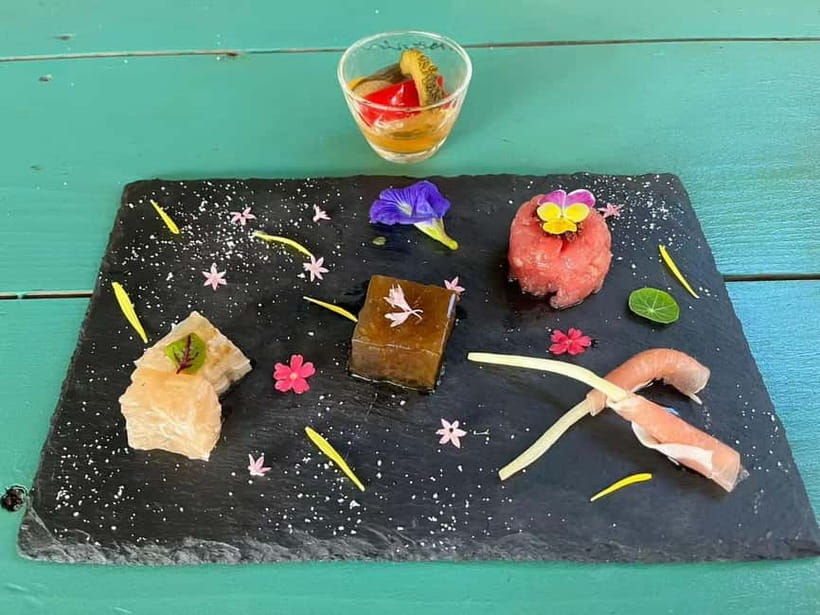
- Cook four classic Okinawan dishes: The menu can include Goya Champuru, Rafute, Jiimami Tofu, and Aasa Soup.
- Work inside a traditional house: The setting gives the class a clear sense of place instead of feeling like a standard cooking school.
- Learn from local hosts: Stories, family recipes, ingredient meanings, and a few Okinawan words are part of the lesson.
- Suitable for complete beginners: You receive step-by-step guidance in English, with other language support available.
- Seasonal ingredients shape the meal: Fresh island produce gives the food a stronger link to Okinawa.
- Plan your own transport: Meet and finish at 59, Sesoko Island, with no transfer included.
A cooking class with Okinawa at the center
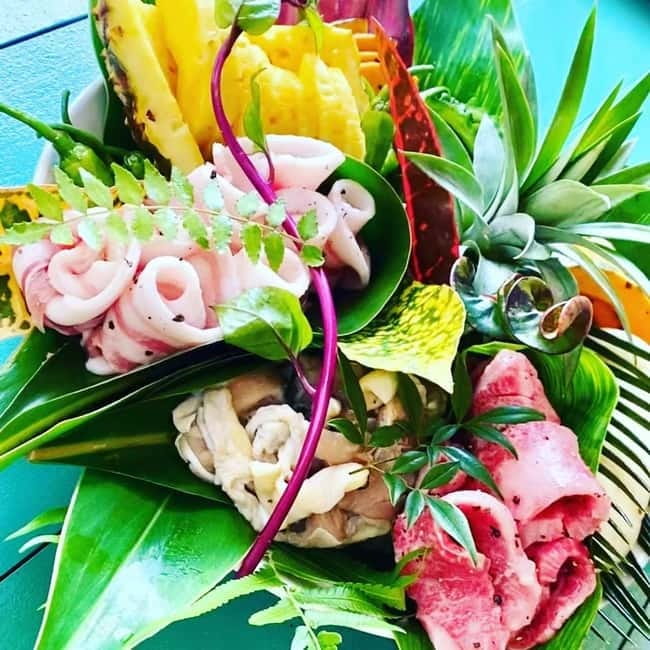
Many food classes teach you a recipe and send you home. Ufuyaa aims to explain the culture behind the recipe as well. That difference matters in Okinawa, where food reflects the island climate, local produce, family habits, and connections with the sea.
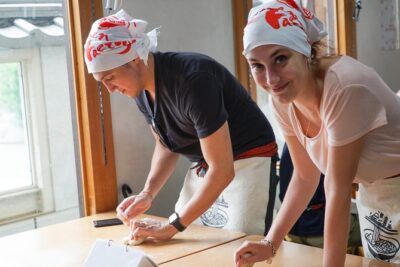
The class takes place in a traditional Okinawan house. You are not cooking in a polished demonstration kitchen built only for visitors. The house setting gives the session a more personal feel, and the hosts share their own stories and family methods as you work.
You can expect a practical lesson rather than a formal lecture. The instructors guide you through preparation, cooking, and serving, while explaining the purpose of the ingredients. You may also pick some ingredients yourself, depending on the season and the day’s plan.
That simple act can change how you see the final meal. Goya is not just a bitter vegetable in a stir-fry. Rafute is not simply pork belly simmered until tender. The dishes become part of a wider Okinawan food tradition, and you learn how local ingredients fit into it.
More Cooking Classes in Japan:
- Ramen Cooking Class at Ramen Factory in Kyoto
★ 5.0 · 1,937 reviews - Ramen & Gyoza Cooking Class in Tokyo with Local Supermarket Visit
★ 5.0 · 823 reviews - Kyoto: Ramen Cooking Class at a Ramen Factory with Souvenir
★ 4.9 · 532 reviews
Meeting at 59, Sesoko Island
The meeting point is 59, Sesoko Island, Okinawa, Japan. The class also ends at this address, so you will not need to arrange a second pickup point after cooking.
Transportation is not included. This is the most important practical detail to settle before booking. If you are already on Sesoko Island, the address keeps the plan simple. If you are based elsewhere, check driving, taxi, or other local transport options before committing to a morning or afternoon session.
The experience is offered in both morning and afternoon time slots. That makes it easier to fit around other Okinawa plans, though the supplied details do not state the exact duration of the class. I would leave breathing room around the booking rather than schedule another fixed activity immediately afterward.
Wear comfortable clothes. Cooking means standing, preparing ingredients, and working around food, so your outfit should be easy to move in and suitable for a relaxed home-style setting. Bring a camera if you want to record the house, ingredients, and finished dishes, but keep your hands free while cooking.
What you cook: four Okinawan staples
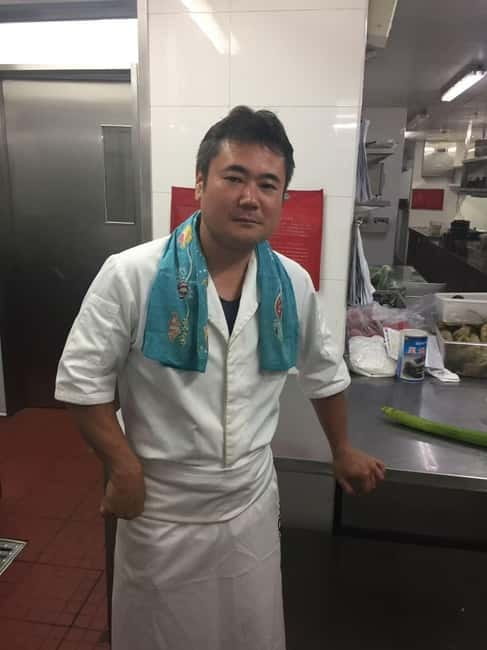
The menu centers on four recognizable local dishes. Exact ingredients can change with the season, but the listed dishes give you a useful idea of the meal’s character.
Goya Champuru
Goya Champuru is one of Okinawa’s best-known home-style dishes. Goya, also called bitter melon, is cooked as part of a mixed dish, often with other ingredients that balance its strong taste.
This is a good choice for a cooking class because it raises a practical question: how do you prepare a vegetable with such a bold flavor? Your instructor can show you the local approach, rather than leaving you to guess at home.
If you are unsure about bitter flavors, pay attention to the preparation steps. You will learn not only what goes into the dish but also how Okinawan cooking makes the ingredient approachable.
Same region, a different dish to learn:
- Sushi Making Osaka! Popular Sushi Class in Japan!
★ 5.0 · 500 reviews - Kyoto: Ramen, Gyoza, and Onigiri Cooking Class
★ 5.0 · 445 reviews - Tokyo Tsukiji Fish Market Tour and Sushi Making Lesson
★ 5.0 · 390 reviews - Kyoto: Japanese Washoku Bento Small Group Cooking Class
★ 5.0 · 380 reviews
Rafute
Rafute is braised pork belly. It is slow, comforting food with a clear place in Okinawan cooking, and it gives the class a chance to show how patience and seasoning work together.
The dish is useful for home cooks because it is the sort of recipe you can repeat after returning home. You learn the basic idea behind a well-known local preparation instead of merely tasting a finished portion in a restaurant.
The class may not provide every detail needed to reproduce the dish perfectly on your first attempt, but the step-by-step format gives you a foundation. Take notes if you want to remember the cooking order and ingredient choices.
Jiimami Tofu
Jiimami Tofu is an Okinawan dish made with peanuts. It offers a different texture and flavor from the other dishes and helps show the range of the local table.
This is also the dish that deserves your attention if you have a peanut allergy or dietary restriction. Vegetarian options are available upon request, but the supplied information does not specify how every dietary need is handled. Contact the organizer before booking if you need ingredient changes or allergy guidance.
Aasa Soup
Aasa is a local seaweed used in soup. Aasa Soup brings a taste of Okinawa’s coastal food culture to the meal and adds a lighter element beside the richer Rafute.
The soup also shows why seasonal and local ingredients matter. You are not simply adding a generic herb or garnish. You are using a product associated with the island and learning how it fits into a familiar home dish.
From garden ingredients to a shared meal

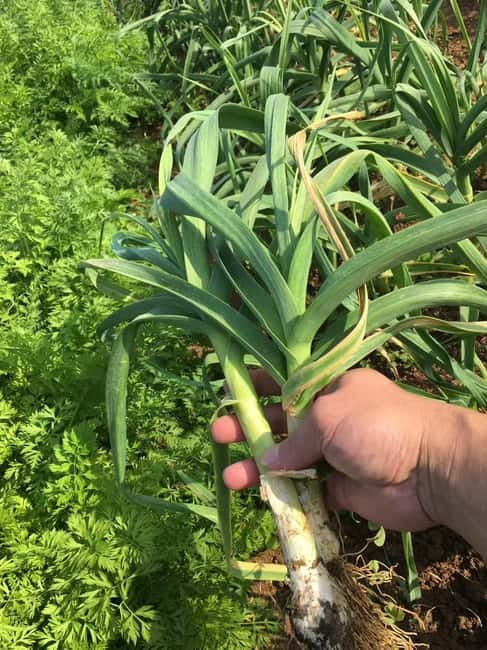
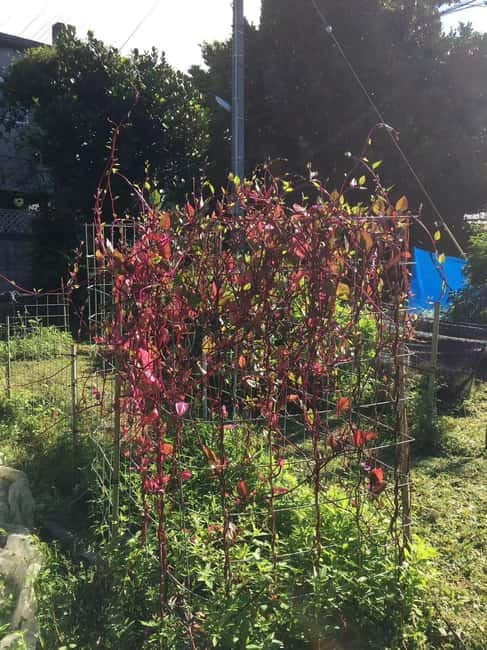
The cooking begins with fresh, seasonal island ingredients. In some sessions, you may pick ingredients yourself. A garden on site also provides fresh lemongrass, which can be cut and used to help keep mosquitoes away while you work outdoors.
That detail gives the class an easy, almost old-fashioned rhythm. You gather something, prepare it, cook it, and then eat it. The food does not feel separated from its source.
Once the ingredients are ready, the instructors lead you through the recipes step by step. You do not need prior cooking experience. The guidance is designed for people who may be unfamiliar with Okinawan ingredients or Japanese home cooking.
The lesson is available in English, with interpreters or language support in Chinese, Traditional Chinese, and Japanese. Language coverage is useful here because the value of the class lies partly in explanations. You want to understand why an ingredient is used, not just watch someone add it to a pot.
After preparing the dishes, you enjoy the meal in the same welcoming setting. Non-alcoholic drinks are included. Alcoholic drinks cost extra, so do not assume they are part of the $57 price.
The cultural side is worth your attention
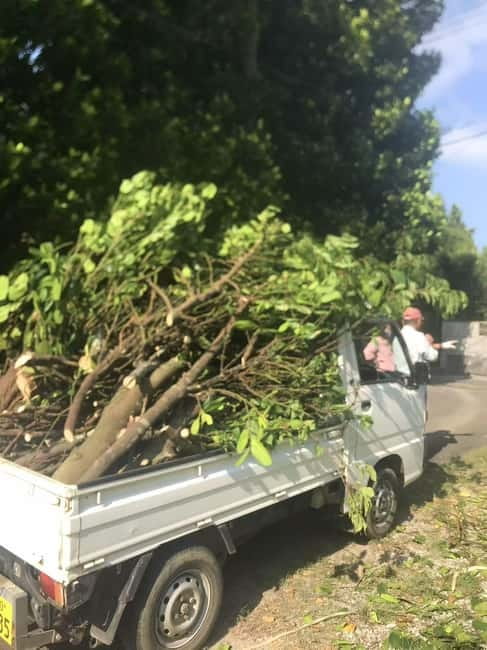
The strongest part of Ufuyaa is not a single recipe. It is the chance to understand Okinawan food as something connected to family and place.
The hosts explain the meanings behind dishes and the role of local ingredients. You may also learn a few Okinawan words. These small additions give the class more character than a basic cooking demonstration, especially if you enjoy learning how people describe their own food culture.
The family recipe element matters too. Recipes passed through a household often include small choices that are not obvious from a cookbook: how an ingredient is handled, what texture to aim for, or how a dish fits into a larger meal.
You should not expect a museum-style history lesson. This is a working cooking session, and the information comes through conversation as you prepare food. That makes it a good fit if you like learning by doing and asking questions along the way.
Why the $57 price can make sense

At $57 per person, the class costs more than buying a simple Okinawan meal. The price is easier to justify if you value the instruction, ingredients, cultural context, and meal as one package.
You are paying for hands-on participation rather than a plate delivered to the table. The fee includes the cooking activity, local guidance, use of fresh seasonal ingredients, the traditional house setting, and non-alcoholic drinks.
The value also depends on how much you use the class. If you take note of the methods and ask about substitutions, you can bring the recipes into your own kitchen. That gives the experience a longer life than a single meal.
Still, the price may feel high if you only want to taste Okinawan food or if you already have several food activities booked. In that case, a restaurant meal is likely the cheaper choice. Ufuyaa is better suited to someone who wants participation, conversation, and practical skills.
Who will enjoy Ufuyaa most
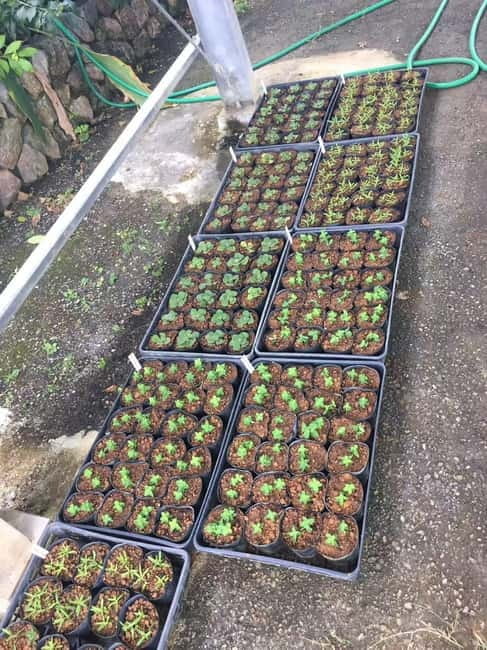
This is a strong choice for solo visitors who want a social activity with a clear focus. Cooking gives you an easy reason to talk, and the shared meal creates a natural ending without requiring you to make conversation from scratch.
Couples can also enjoy the format. You work together, compare your cooking results, and leave with recipes connected to the trip. It is more memorable than simply ordering the same dish at a restaurant.
Families and groups of friends should find the step-by-step approach accessible, though the information does not specify an age minimum or group size. If you are booking for young children or a large party, confirm those details first.
The class also suits food-focused visitors who want to understand Okinawan cooking beyond famous menu names. You will learn about bitter melon, peanut-based tofu, seaweed, pork, seasonal produce, and the way these ingredients come together.
It is less suitable if your schedule is very tight, you dislike cooking, or you need included transportation. The class asks you to make your way to Sesoko Island and take part rather than simply watch.
Food restrictions and language support

Vegetarian options are available upon request. Make that request before the class so the kitchen has time to prepare. The provided information does not promise vegan, gluten-free, nut-free, or allergy-safe menus, so ask specifically about any restriction that affects you.
The class is available in English, Chinese, Traditional Chinese, and Japanese. English guidance is part of the experience, which helps if you want to follow each step without relying only on gestures.
If you speak another language or have detailed food questions, clarify the arrangements when booking. A cooking class is most useful when you can understand the explanations and safely eat the finished meal.
Booking flexibility and what to bring
You can reserve the class and pay later, which helps if you are arranging an Okinawa itinerary that may change. Cancellation is allowed up to 24 hours in advance for a full refund.
Bring a camera and wear comfortable clothes. The camera is useful for recording the food, house, and ingredients, but do not let photography distract you from the preparation. The best notes may be the ones you make about texture, timing, and ingredient handling.
Morning and afternoon sessions are available. Choose the slot that leaves enough time for transport to and from Sesoko Island, especially since no transportation is included.
Should you book the Ufuyaa cooking class?
Book it if you want to do something active, eat a home-style Okinawan meal, and learn recipes you can try again at home. The traditional house, seasonal ingredients, local stories, and possibility of picking produce make it more personal than a standard cooking lesson.
The class is particularly appealing at $57 if you would otherwise pay separately for a meal and a cultural activity. The included non-alcoholic drinks and local instruction add to the value.
Skip it if you only want a quick meal, need a transfer, or have dietary needs that have not been confirmed in advance. For everyone else, Ufuyaa offers a useful way to meet Okinawa through its food, one dish at a time.
FAQ
Where does the cooking class take place?
The class takes place at Ufuyaa, at 59, Sesoko Island, Okinawa, Japan.
Where does the activity finish?
The activity finishes at the same address, 59, Sesoko Island.
How much does the experience cost?
The price is $57 per person.
Is transportation included?
No. Transportation to the location is not included, so you must arrange your own way to Sesoko Island.
Do I need cooking experience?
No. Prior cooking experience is not required, and the instructors provide step-by-step guidance.
Which languages are available?
The experience is available in English, Chinese, Traditional Chinese, and Japanese. Interpreters may also assist with guidance.
What dishes can I learn to make?
The class can include Goya Champuru, Rafute, Jiimami Tofu, and Aasa Soup.
Are vegetarian options available?
Yes. Vegetarian options are available upon request.
Are drinks included?
Non-alcoholic beverages are included. Alcoholic beverages are charged separately.
Can I cancel for a full refund?
Yes. You can cancel up to 24 hours in advance for a full refund.
Newest classes around Japan
- Cooking Class: Make a Local Delicacy in a Japanese House★ 5.0 · 7 reviews
- Culinary Home Cooking with Grandmothers – Vegan Friendly★ 5.0 · 5 reviews
- Nagoya Super Market Tour & Home Cooking Class with a Local, Akiko★ 5.0 · 10 reviews
- Tokyo: Sushi roll and side dish cooking experience★ 5.0 · 2 reviews
- Tokyo: Sushi Making Experience & Japanese Cooking Class★ 5.0 · 2 reviews
- Tokyo: Sushi Cooking Class with Sake Tasting★ 4.8 · 55 reviews
- Tokyo: Real Ramen & Dumpling Cooking with Master Chef★ 5.0 · 10 reviews
- Tokyo: Sushi and Ramen Cooking Class with Sake Pairing Set★ 5.0 · 81 reviews
Japan Cooking Classes, compared.
Ramen Cooking Class at Ramen Factory in Kyoto
Read our review →
Ramen & Gyoza Cooking Class in Tokyo with Local Supermarket Visit
Read our review →
Ramen Cooking Class at a Ramen Factory with Souvenir
Read our review →
Sushi Making Osaka! Popular Sushi Class in Japan!
Read our review →
Tokyo Tsukiji Fish Market Tour and Sushi Making Lesson
Read our review →
Japanese Washoku Bento Small Group Cooking Class
Read our review →
Browse the lists this tour appears in