
Review · JAPAN COOKING CLASSES
Nara: Udon and Tempura Cooking Class with Tasting
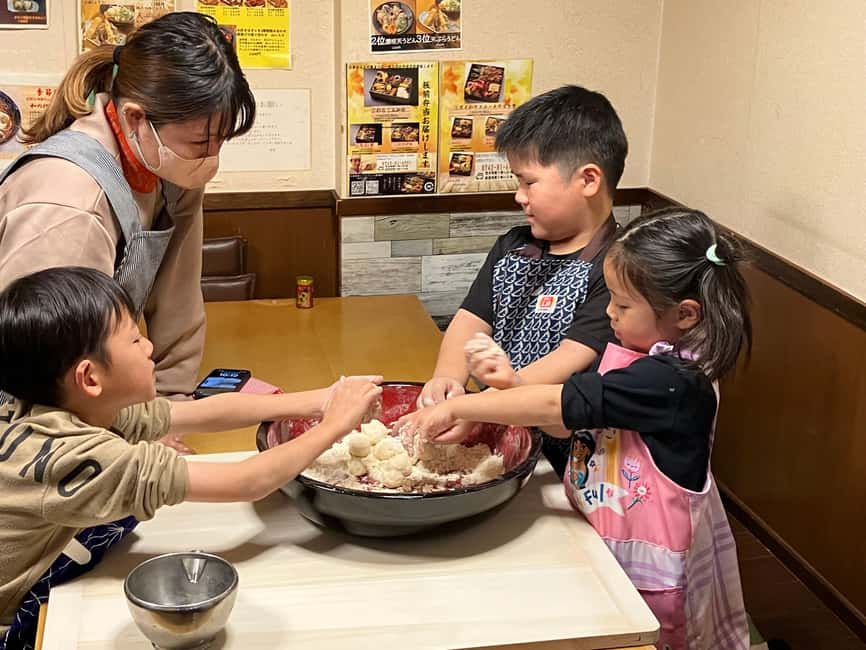
The best part of this Nara class is that you make a bowl of udon from raw flour, not from a prepared dough ball. You mix domestic wheat and water, knead it, step on it to build strength, then roll and cut it before cooking. The hands-on noodle work gives you a real feel for the craft.
I like the careful guidance from professional udon craftsmen, and I like that the meal does not stop with noodles. You also learn tempura batter, oil temperature, dashi, and toppings, then eat the results in the restaurant. The main drawback is simple: this is not suitable for anyone with a wheat allergy or gluten intolerance.
Key points at a glance
- Step on the dough: Kneading and stepping help create the firm, springy texture associated with handmade udon.
- Make the full meal: You prepare noodles, dashi, tempura, and toppings instead of learning only one recipe.
- Small class size: Groups are limited to 10, allowing the craftsmen to help with rolling, cutting, and cooking.
- Pick hot or cold: You can choose the style of udon and add hot spring egg, green onion, grated daikon, or tempura batter.
- Good for families: The process is active, clear, and suitable for beginners, with aprons and tools supplied.
- Useful language support: The class is offered in English, Chinese, and Japanese.
Turning wheat and water into Nara udon
This two-hour class takes place at a popular udon restaurant in Nara City. You arrive for an explanation and demonstration, then begin with domestic wheat and water. The first steps may look plain, but they are the heart of the lesson: small changes in mixing and kneading affect how the finished noodles feel.
I like that the class lets you see the complete process. You are not simply handed a piece of dough and asked to shape it. You measure the ingredients, mix them, and work the dough until it becomes elastic.
The memorable step is walking on the dough. This is not a gimmick added for a photograph. It helps develop the firm texture needed for udon, and it gives children and first-time cooks an active job to do. Comfortable clothes are all you need, since the apron and tools are provided.
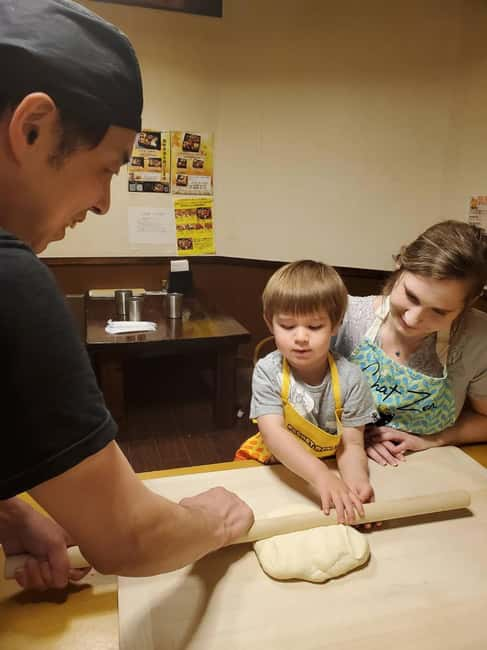
Professional craftsmen demonstrate the method and provide support as you work. That matters most when you start stretching the dough. If the sheet becomes uneven, you receive practical help before moving on to cutting.
More Sushi and Japanese Classes in Japan:
- Ramen Cooking Class at Ramen Factory in Kyoto
★ 5.0 · 1,937 reviews - Ramen & Gyoza Cooking Class in Tokyo with Local Supermarket Visit
★ 5.0 · 823 reviews - Kyoto: Ramen Cooking Class at a Ramen Factory with Souvenir
★ 4.9 · 532 reviews
Rolling and cutting noodles by hand
Once the dough is firm, you stretch it evenly on a rolling board. This is where handmade udon begins to look different from factory-made noodles. The goal is an even sheet, since uneven thickness can lead to uneven cooking.
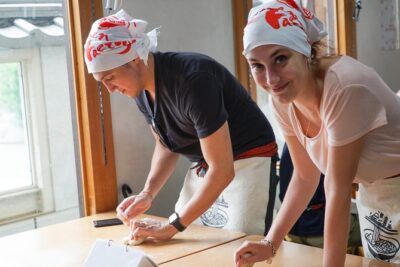
You then cut the dough with a knife. The class gives you the chance to handle this stage yourself, while the craftsmen help you keep the cuts consistent. I would not expect every strand to look identical, and that is part of the appeal. Your bowl shows the work you put into it.
The cutting stage also gives the class a useful rhythm. It is careful rather than rushed, but the two-hour schedule keeps the activity moving. You spend enough time on each task to understand it without turning the lesson into a full-day cooking course.
If you are visiting with children, this is one of the sections where an adult should pay close attention to the knife work. The class includes safety guidance, and the craftsmen provide support, but the dough still needs to be cut with care.
Learning tempura beside the noodle lesson
The class adds a second Japanese staple: tempura. You learn how to make the batter and how to judge the oil temperature before cooking seasonal vegetables and shrimp.
That temperature lesson is especially useful. Good tempura depends on more than dipping food in batter. Oil that is too cool can leave the coating heavy, while oil that is too hot can cook the outside before the inside is ready. The class also explains fire management and ways to prevent oil splashes.
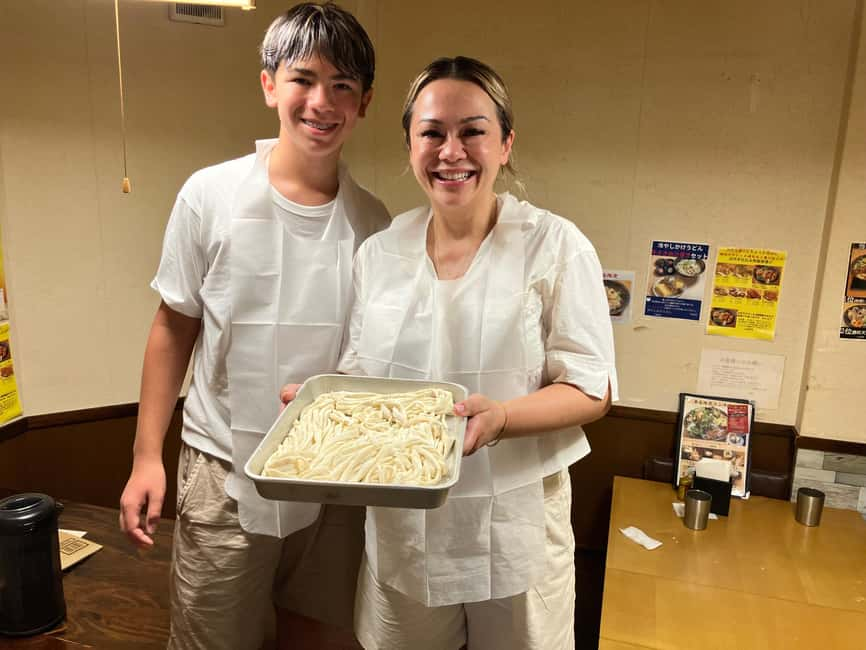
You cook the tempura yourself, then use it as a topping for your udon. This links the two parts of the class. Instead of tasting separate dishes, you build a meal in which the crisp fried pieces meet the noodles and broth.
Seasonal vegetables are used along with shrimp. The exact vegetables can change, so you should not expect a fixed list. That variation is part of the meal, but anyone with strict dietary needs should discuss adjustments in advance.
Dashi, toppings, and your finished bowl
After the noodles and tempura are ready, the class covers dashi and condiments. The dashi has the umami of kelp and bonito, giving the broth more depth than plain water or a simple sauce.
You can choose hot or cold udon. A hot bowl makes sense on a cool day, while cold udon lets you notice the texture of the noodles more directly. The choice also makes the class easier to fit into different seasons and personal tastes.
Topping choices include:
- Hot spring egg
- Green onions
- Grated daikon radish
- Tempura batter
You add the toppings to suit your bowl. The tempura goes on top, and the dashi brings the pieces together. This is a small but useful lesson in balance: chewy noodles, fragrant broth, crisp tempura, and fresh condiments all have different roles.
The tasting is the payoff for the work. You eat in the restaurant after preparing the food, rather than packing it away or receiving a sample portion. The final meal also helps you understand why each earlier step mattered.
More Food and Drink Outings in Japan:
- Ramen and Sushi Cooking Class with Sake Pairing Set in Tokyo
★ 5.0 · 291 reviews - Osaka Sake Tasting with Takoyaki Cooking
★ 5.0 · 156 reviews - Tokyo: Sushi and Ramen Cooking Class with Sake Pairing Set
★ 5.0 · 81 reviews - Tokyo: Sushi Cooking Class with Sake Tasting
★ 4.8 · 55 reviews
Why the two-hour format works
Two hours is enough time to cover the complete sequence without asking you to commit half a day. The class has seven clear stages:
- Explanation and demonstration by the craftsmen
- Mixing wheat and water
- Kneading and stepping on the dough
- Rolling the dough evenly
- Cutting the noodles
- Cooking seasonal vegetable and shrimp tempura
- Serving and eating
The order makes sense. You learn the craft before working with heat, and the food is ready for tasting at the end. You also avoid the common problem of a cooking class that spends nearly all its time on preparation and leaves only a few minutes to eat.
The class is limited to 10 participants. That is large enough for a social family or small group activity, but small enough for the instructors to assist with the physical parts of noodle making. The group size is important here because rolling, cutting, and frying all benefit from timely help.
The class runs in rainy weather as well as clear weather. Since it takes place in Nara City and does not depend on outdoor conditions, it can be a useful backup for a wet day.
The value of a $52 cooking experience
At $52 per person, this is more than the price of a restaurant bowl. You are paying for a two-hour class, instruction from professional craftsmen, the food you prepare, an apron, tools, and language support in English, Chinese, or Japanese.
I see the value in the complete format. A cheaper meal might give you udon, but it would not show you how domestic wheat becomes noodles or how tempura batter and oil temperature work. A more advanced cooking school might offer more dishes, but it could also be harder for beginners and families.
The class includes the handmade udon, tempura lesson, and tasting. Additional seasonal dishes and sake from Nara Prefecture cost extra. That can be a pleasant option if you want to extend the meal, but you should treat those orders as optional expenses rather than part of the $52 price.
The strongest value comes if you enjoy learning by doing. If you only want a quick bowl of noodles, a restaurant visit will cost less time and likely less money. If you want a food activity that explains a familiar Japanese dish from start to finish, the price is reasonable.
Language, safety, and practical comfort
Instruction is available in English, Chinese, and Japanese. The class is designed for beginners, so you do not need previous cooking experience. The craftsmen demonstrate the work and guide you through each stage.
Aprons and tools are supplied. Wear comfortable clothes that allow you to kneel, stretch, and work around the cooking area. You can arrive empty-handed apart from suitable clothing.
Safety guidance covers oil splashes and fire management. Pay particular attention during the tempura section, especially if you are cooking with children. The class includes supervision and instructions, but hot oil always deserves full attention.
Photography is welcome. The dough-stepping, rolling, cutting, and final bowl all offer good moments to record. Ask before photographing other participants closely, and keep your camera or phone clear of the cooking area.
Vegetarian options and changes to spiciness can be discussed as far as possible. The information provided does not promise every substitution, so explain your needs when reserving rather than waiting until the class begins. Anyone with a wheat allergy or gluten intolerance should not participate.
Pickup points and reservations in Nara
Pickup is listed from one of three locations:
- Tenri Stamina Ramen JR Nara Station Front
- Henn na Hotel Nara Premier
- Hotel Novotel Nara
You should write your preferred pickup point in the reservation notes. If no other booking is scheduled, pickup from your hotel may sometimes be possible, so ask in advance rather than counting on it.
A reservation is required, and advance booking should make the meeting arrangements smoother. The class is limited to 10 people, which means popular dates can fill before you decide at the last minute.
The activity offers free cancellation up to 24 hours before the start time for a full refund. You can also reserve now and pay later, a useful option when your Nara schedule is still changing. Check the available starting times before booking, since the two-hour duration alone does not identify every departure time.
Who will enjoy this class most
I would recommend this experience to families who want more than sightseeing. Children can take part in mixing, kneading, and stepping on the dough, while adults can focus on the knife and hot-oil sections. The class gives everyone a job, though younger children need close supervision around the cooking equipment.
It also fits a group introducing overseas friends to Japanese food. The meal is familiar enough to enjoy, but the process adds something you will not get from simply ordering udon. English and Chinese support make the instructions easier to follow.
Beginners are the target audience. You do not need to know how to make noodles, prepare dashi, or fry tempura. The craftsmen explain the process and help you correct mistakes as you go.
I would be less likely to choose it for someone who dislikes flour, kneeling, or hands-on cooking. It is also the wrong choice for anyone with a wheat allergy or gluten intolerance. Vegetarians should contact the provider to discuss what can be adjusted, since shrimp is part of the stated tempura preparation.
What the praise gets right
The strongest points are the clear instruction and the sense of achievement at the meal. You learn udon from start to finish, rather than watching a short demonstration and receiving food made by someone else.
The tasting also works as a reward. By the time you sit down, you have mixed, kneaded, stepped on, rolled, cut, and cooked. The fresh noodles and tempura feel connected to your effort, which is why the final bowl is more memorable than an ordinary lunch.
The experience has received two five-star verified ratings, including one from Cyprien of France in December 2025 and one from Francois of France in October 2025. Their praise focuses on clear explanations, the fun of the activity, and learning the entire noodle process like a Japanese craftsman. That is a useful guide to the class: the main attraction is not luxury dining, but learning a traditional food skill in a friendly setting.
Should you book the Nara udon and tempura class?
Book it if you want a practical food experience with a real meal at the end. The strongest reasons are the full noodle-making process, careful support from professional craftsmen, the added tempura lesson, and the small group limit of 10.
I would also choose it for a rainy Nara day, a family outing, or a group activity that works across language levels. The $52 price makes sense when you value instruction and participation, not just lunch.
Skip it if you need a gluten-free experience, want a short and passive tasting, or dislike cooking around hot oil. For everyone else, this is a solid way to spend two hours learning why udon depends on texture, patience, and a little work under your feet.
FAQ
How long does the Nara udon and tempura class last?
The class lasts two hours, including the noodle-making lesson, tempura preparation, and tasting.
How many people can join the class?
The class is limited to 10 participants, so it is held in a small-group format.
Which languages are available?
Instruction is available in English, Chinese, and Japanese.
Is the class suitable for beginners and families?
Yes. The activity is designed for beginners and is suitable for families and groups. Professional craftsmen demonstrate the process and provide support.
What food and toppings are included?
You make udon and seasonal vegetable and shrimp tempura, then taste the meal. You can choose hot or cold udon and add toppings such as hot spring egg, green onion, grated daikon radish, and tempura batter.
Can I join if I have a wheat allergy or gluten intolerance?
No. The activity is not suitable for people with wheat allergies or gluten intolerance because you work with wheat flour and make udon noodles.
Newest classes around Japan
- Cooking Class: Make a Local Delicacy in a Japanese House★ 5.0 · 7 reviews
- Culinary Home Cooking with Grandmothers – Vegan Friendly★ 5.0 · 5 reviews
- Nagoya Super Market Tour & Home Cooking Class with a Local, Akiko★ 5.0 · 10 reviews
- Tokyo: Sushi roll and side dish cooking experience★ 5.0 · 2 reviews
- Tokyo: Sushi Making Experience & Japanese Cooking Class★ 5.0 · 2 reviews
- Tokyo: Sushi Cooking Class with Sake Tasting★ 4.8 · 55 reviews
- Tokyo: Real Ramen & Dumpling Cooking with Master Chef★ 5.0 · 10 reviews
- Tokyo: Sushi and Ramen Cooking Class with Sake Pairing Set★ 5.0 · 81 reviews
Japan Cooking Classes, compared.
Ramen Cooking Class at Ramen Factory in Kyoto
Read our review →
Ramen & Gyoza Cooking Class in Tokyo with Local Supermarket Visit
Read our review →
Ramen Cooking Class at a Ramen Factory with Souvenir
Read our review →
Sushi Making Osaka! Popular Sushi Class in Japan!
Read our review →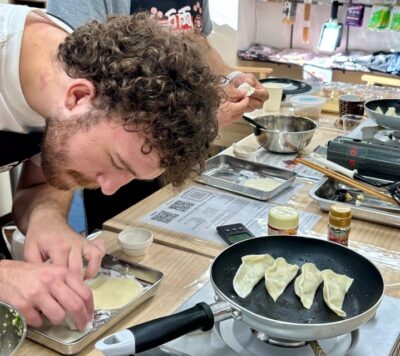

Tokyo Tsukiji Fish Market Tour and Sushi Making Lesson
Read our review →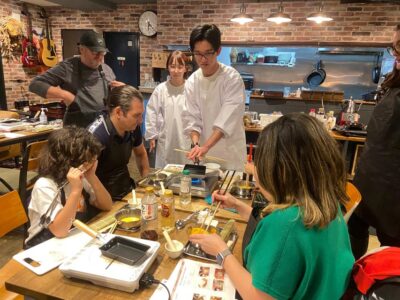
Japanese Washoku Bento Small Group Cooking Class
Read our review →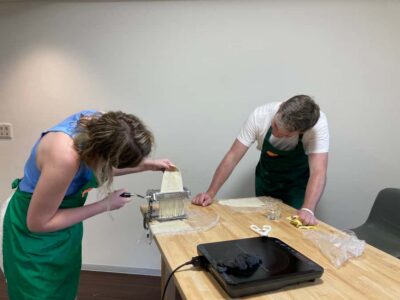
Browse the lists this tour appears in