
Review · JAPAN COOKING CLASSES
Lake Kawaguchiko: Ramen Cooking Class with Souvenir
Fresh noodles, your choice of soup, and a hot bowl you cooked yourself are the heart of this 90-minute ramen class near Lake Kawaguchiko. You watch a short video, prepare the noodles, handle the ingredients, and finish by eating the ramen while the experience is still fresh.
I like the hands-on format, especially the chance to make the noodles yourself rather than simply watch a chef. I also like the practical extras: an apron and headscarf, a choice of broth and sauce, and four souvenir options. The main drawback is the $133 price, which is a lot for a cooking class, particularly since drinks and transportation are not included.
Key points
- Three minutes from Kawaguchiko Station: The Ramen Factory is easy to reach on foot from the station’s front exit.
- Fresh noodles made by you: The class takes you through preparing, boiling, and eating your own ramen.
- Choose your flavor: You select from available soup and sauce options, with miso a popular choice.
- Short, focused format: The complete class lasts 90 minutes, making it easy to fit around Lake Kawaguchiko sightseeing.
- English instruction: The activity is conducted in English, with step-by-step guidance for beginners.
- A souvenir is included: You choose one of four souvenir types before leaving.
Making Ramen Three Minutes From Kawaguchiko Station
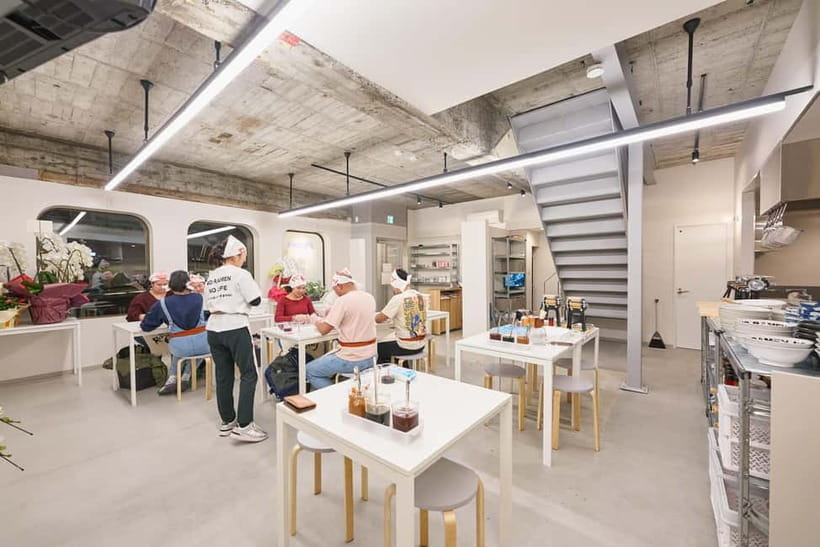
The Ramen Factory is a particularly handy stop if you are already exploring Lake Kawaguchiko. From the station, exit onto the front street and walk straight to the left for about three minutes. The venue is diagonally across from Fujitempra IDATEN, so you do not need a taxi or a long transfer from the train and bus hub.
That easy location matters. Lake Kawaguchiko sightseeing can involve buses, walks, and changing weather, so a nearby indoor activity gives you a useful break. You can also place the class at the start or end of a day around the lake without giving up hours to transportation.
Arrive 10 minutes early. You need that small cushion to check in, prepare, and put on the provided cooking gear. Comfortable clothing is the sensible choice. This is a working class, not a demonstration where you sit back and keep your hands clean.
The experience ends at the same place where it begins. Transportation to and from the factory is not included, but the short walk from the station keeps that part simple.
More Sushi and Japanese Classes in Japan:
- Ramen Cooking Class at Ramen Factory in Kyoto
★ 5.0 · 1,937 reviews - Ramen & Gyoza Cooking Class in Tokyo with Local Supermarket Visit
★ 5.0 · 823 reviews - Kyoto: Ramen Cooking Class at a Ramen Factory with Souvenir
★ 4.9 · 532 reviews
What Happens During the 90-Minute Class
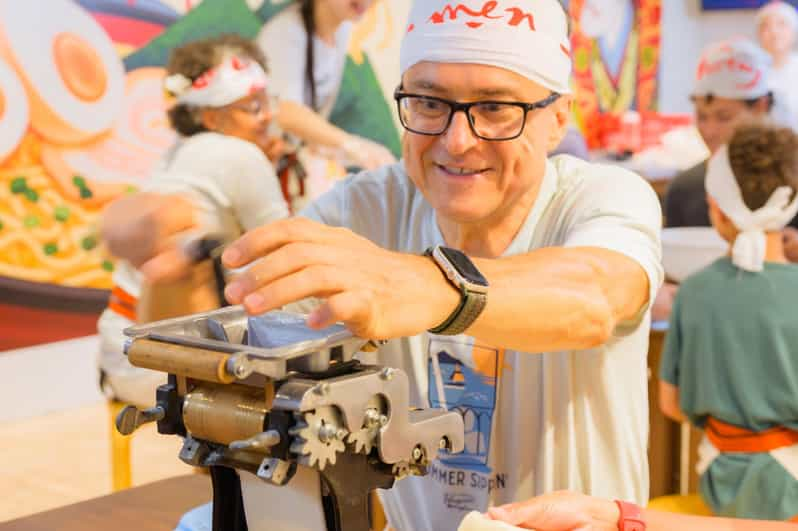
The session begins with an overview video about the ramen-making process. This gives you a useful picture of how the separate parts come together before you start handling ingredients. It also helps set expectations for the class, especially if you have never made ramen before.
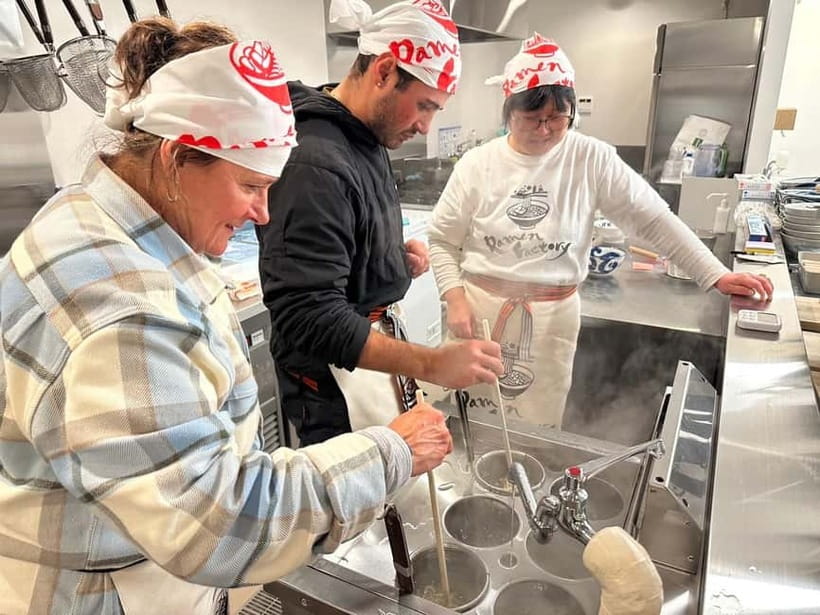
From there, the work becomes practical. You prepare fresh noodles, boil them, and assemble the finished bowl. You also handle the meat preparation, including marinating the meat, according to the class steps. The appeal is that you are not just adding toppings to a ready-made base. You take part in several stages of the meal.
The class is designed for beginners. You do not need professional cooking skills, and the instructor guides you through each stage in English. The teaching style is friendly and hands-on, with time to ask questions as you work.
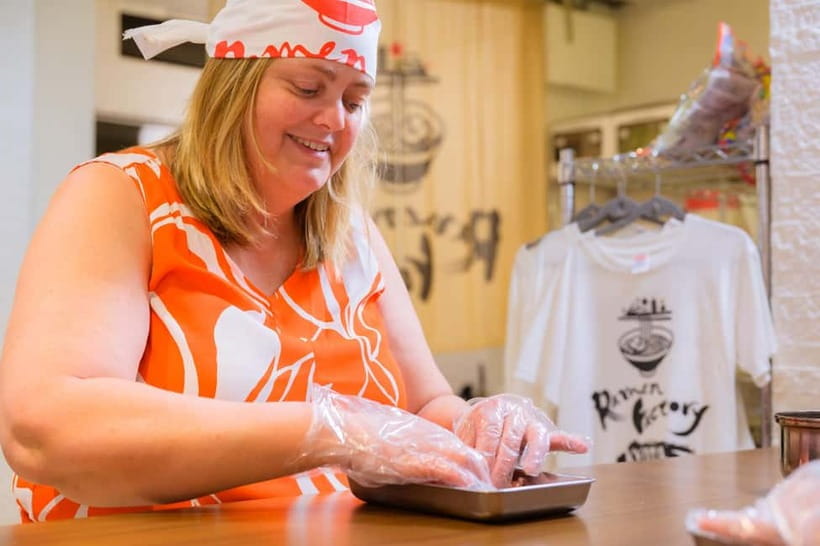
The supplied apron and headscarf are more than a cute photo prop. They help keep the activity tidy and make the class feel like a proper kitchen session. Wear clothes you can move in and do not choose an outfit that needs to stay spotless.
Choosing Soup, Sauce, and Your Own Ramen Style
One of the better parts of the class is the chance to choose your soup and sauce. That gives you some control over the final flavor instead of making exactly the same bowl as everyone else.
Miso soup is one confirmed option, and it received particular praise as a satisfying choice. If you like a fuller, savory taste, miso may be the natural place to start. The available choices can depend on the class setup, so listen carefully when the instructor explains the options.
The process also gives you a better sense of how ramen is built. You see how noodles, broth, sauce, and toppings work together rather than treating ramen as one mysterious dish. That makes the experience useful beyond the meal itself. You can take the basic method home and try to recreate parts of it for friends.
The class is not presented as a long cooking course, so keep your expectations in the right place. In 90 minutes, you can learn the main steps and enjoy the finished dish, but you will not cover every regional ramen style or spend hours making a complex stock.
Eating the Bowl You Cooked Yourself
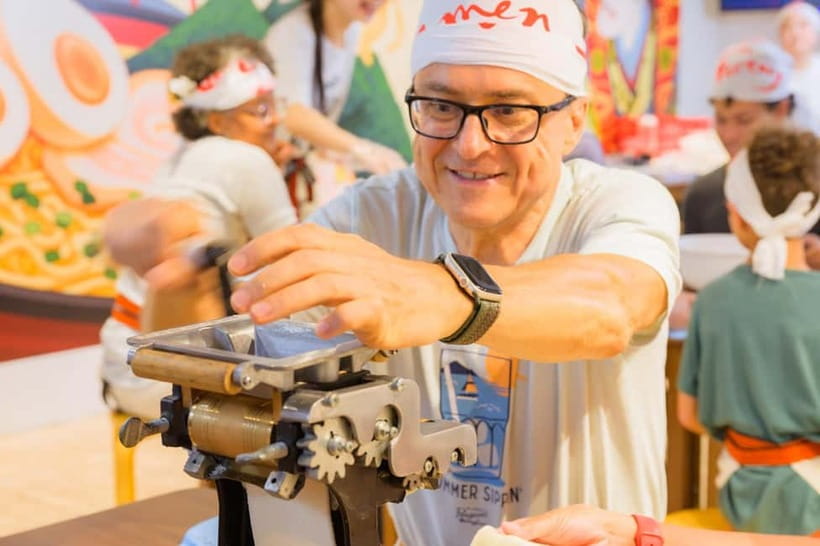
The reward comes at the end, when you eat the ramen you have prepared. This is where the class feels more satisfying than a standard restaurant meal. You have seen the ingredients, shaped the noodles, boiled them, prepared the meat, and selected the flavor direction.
The final bowl also gives the activity a clear finish. You are not sent away with a recipe and a promise to cook later. You eat the result on site and have time to look back at the process.
That practical payoff is important at this price. The meal is part of what you are paying for, along with the instruction, ingredients, kitchen use, and souvenir. If you already planned to buy ramen during your visit, the class combines lunch or an early dinner with a cultural activity.
Drinks are not included, so budget for one separately if you want something with your meal. The available information does not specify the drink selection or prices.
More Cooking Classes in Japan:
- Sushi Making Osaka! Popular Sushi Class in Japan!
★ 5.0 · 500 reviews - Kyoto: Ramen, Gyoza, and Onigiri Cooking Class
★ 5.0 · 445 reviews - Kyoto: Japanese Washoku Bento Small Group Cooking Class
★ 5.0 · 380 reviews - Osaka: Ramen and Gyoza Cooking Class in Dotonbori
★ 5.0 · 378 reviews
The Four Souvenir Choices
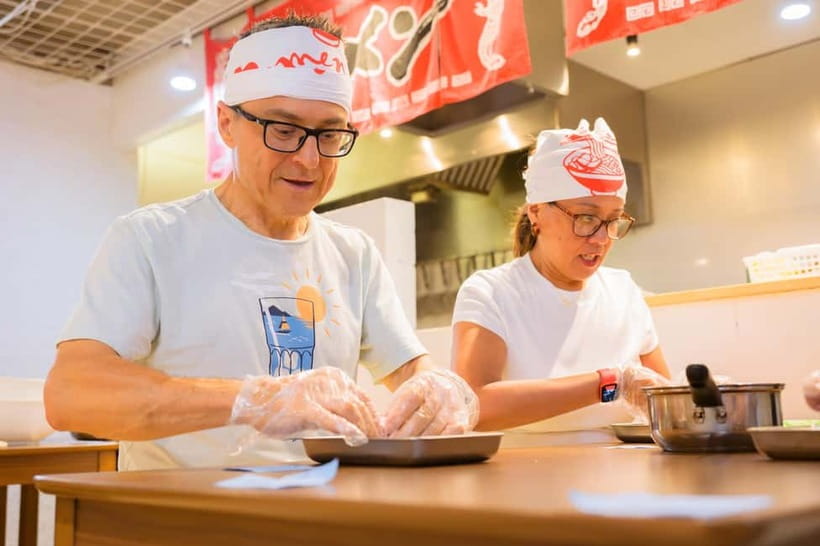
Each participant can choose from four types of souvenirs. The exact souvenir designs are not specified, so you should ask the instructor to explain the four options before making your choice.
This is a small but useful addition. A cooking class can fade into a pleasant memory once you leave, while a physical souvenir gives you something to take home with the rest of your Japan keepsakes. It also makes the class more attractive if you are looking for a gift connected to Japanese food culture.
The souvenir should not be the main reason to book. The real value comes from making and eating the ramen. Think of the gift as an extra rather than a substitute for a lower price.
Teaching Style and Language
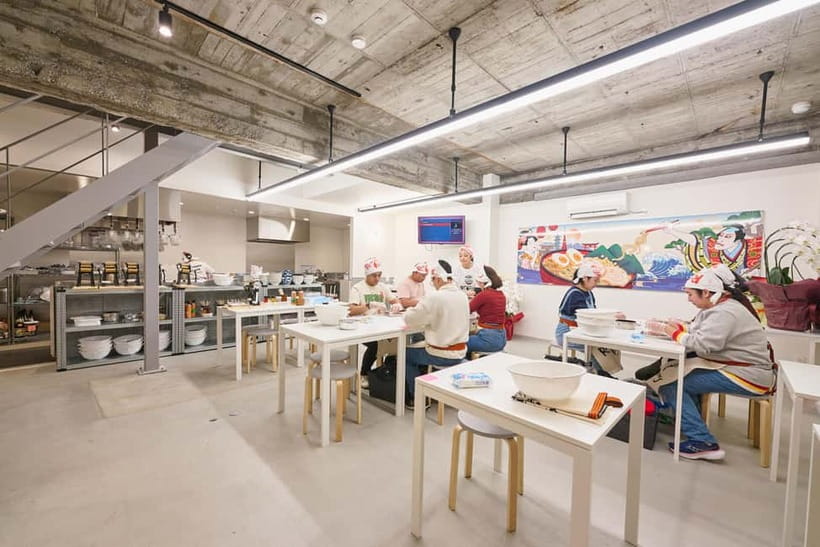
Instruction is provided in English, which makes the class suitable for visitors who do not speak Japanese. The teaching is step by step, with the instructor helping participants through the practical work and answering questions as they go.
The class has a light, friendly tone. That matters because cooking with unfamiliar equipment or ingredients can feel awkward at first. Clear instructions and a relaxed setting make it easier to take part instead of worrying about making a mistake.
No instructor names are provided, so you should not book this expecting a particular named chef. The important point is the format: English guidance, active participation, and help throughout the process.
Food allergies should be reported in advance. The class includes several ingredients, including noodles, broth, sauce, and meat, so you should not wait until the day of the activity to raise a concern.
Is $133 a Fair Price?
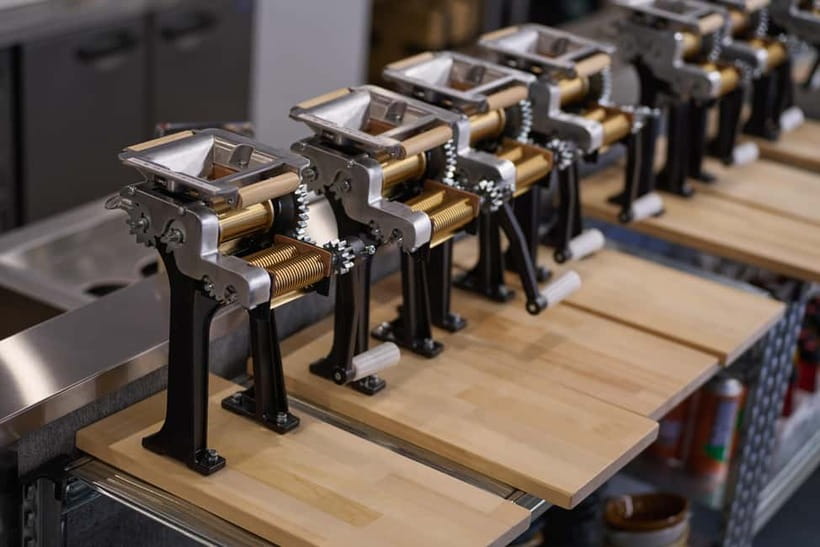
At $133 per person, this is not a bargain ramen lunch. You are paying for an organized activity, instruction, ingredients, use of the cooking space, a meal, cooking accessories, and one souvenir.
The price makes more sense if you want a structured Japanese food experience rather than simply a bowl of ramen. You get to work through the process yourself, and the class fills 90 minutes with a clear beginning, middle, and end. It also sits in a convenient location near the station, which saves time and extra transport costs.
The value is weaker if your main goal is just to eat inexpensive ramen or learn a full professional recipe. A restaurant meal will cost less, and this short class cannot cover every detail of ramen production.
I would see it as a special-occasion activity for a Japan trip, especially if you enjoy cooking, want something indoors near the lake, or are traveling with family and friends who like making food together. The souvenir improves the package, but the price still calls for genuine interest in the class itself.
Who Will Enjoy This Most?
This experience suits first-time cooks because the format is guided and manageable. You do not need prior ramen-making experience, and the instructors explain the process as you go.
It is also a good choice for people who want an activity beyond temples, viewpoints, and scenic walks. Lake Kawaguchiko is famous for views of Mount Fuji, but weather can affect sightseeing. A cooking class gives you a planned indoor option that does not depend on clear skies.
Families and small groups may enjoy the shared work, although the provided information does not state a minimum age or exact group size. For that reason, check those details before booking with young children.
Food lovers will get the most from the class, particularly if you have always wanted to make ramen but never found the time. If you only want a quick meal, the 90-minute commitment and higher cost may feel excessive.
Planning Your Visit Around Lake Kawaguchiko
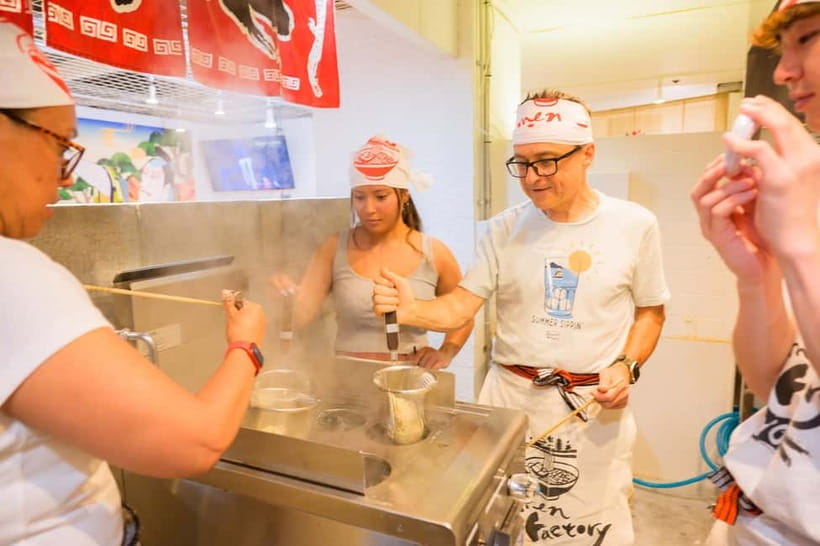
The class is easiest to pair with other activities near Kawaguchiko Station. Since the meeting point is a short walk from the station, you can schedule it before heading out around the lake or after returning from sightseeing.
Give yourself more than the required 10-minute early arrival if you are unfamiliar with the station area. The directions are simple, but you still need to identify the front street and locate the venue diagonally across from Fujitempra IDATEN.
Do not count on transportation being arranged. You are responsible for reaching the Ramen Factory, but the station location means you can walk there in a few minutes.
The activity ends where it starts, so you can continue with your day immediately afterward. You leave with your souvenir and no separate return transfer to organize.
Booking and Cancellation Details
You can reserve the class and pay later, which helps if your Lake Kawaguchiko plans may change. Cancellation is allowed up to 24 hours in advance for a full refund.
That policy is useful when your Japan itinerary depends on train schedules, weather, or Mount Fuji viewing conditions. Still, make sure you arrive on time on the day itself, since the class begins with preparation and is built around a fixed 90-minute schedule.
The experience is offered in English. If you have a food allergy, notify the provider ahead of time rather than relying on an explanation at the kitchen counter.
Should You Book the Ramen Factory Class?
Book this if you want to make fresh ramen from start to finish, enjoy a guided food activity, and like the idea of eating your own work near Lake Kawaguchiko. The easy station access, English instruction, broth choice, included cooking gear, and souvenir make it a well-organized option.
Think twice if $133 feels high for a 90-minute activity or if you are mainly looking for a cheap meal. This is not a full culinary school course, and drinks cost extra.
For the right person, the class offers something a restaurant cannot: you handle the noodles, prepare the meat, choose your flavor, and then sit down to eat the finished bowl. If that sounds more appealing than simply ordering ramen, this is a worthwhile addition to your Kawaguchiko plans.
FAQ
Where does the ramen cooking class meet?
It meets at the Ramen Factory near Kawaguchiko Station. From the station, exit onto the front street, walk straight to the left for about three minutes, and look for the venue diagonally across from Fujitempra IDATEN.
How long does the ramen class last?
The class lasts 90 minutes, including the cooking activities and time to eat the ramen you prepare.
Is the class taught in English?
Yes. The activity is conducted in English, with step-by-step guidance from the instructor.
What is included in the experience?
The package includes the 90-minute ramen-making class, an apron and headscarf, an overview video, ramen ingredients, a choice of soup and sauce, and one choice from four souvenir types.
Are drinks included?
No. Drinks are not included in the price.
Do I need to arrive early?
Yes. You should arrive 10 minutes before the class begins so you have time to prepare.
What should I wear?
Wear comfortable clothing suitable for cooking. An apron and headscarf are provided, but practical clothes are still recommended.
Can I attend if I have a food allergy?
You should notify the provider in advance about any food allergy.
Newest classes around Japan
- Cooking Class: Make a Local Delicacy in a Japanese House★ 5.0 · 7 reviews
- Culinary Home Cooking with Grandmothers – Vegan Friendly★ 5.0 · 5 reviews
- Nagoya Super Market Tour & Home Cooking Class with a Local, Akiko★ 5.0 · 10 reviews
- Tokyo: Sushi roll and side dish cooking experience★ 5.0 · 2 reviews
- Tokyo: Sushi Making Experience & Japanese Cooking Class★ 5.0 · 2 reviews
- Tokyo: Sushi and Ramen Cooking Class with Sake Pairing Set★ 5.0 · 81 reviews
- Tokyo: Sushi Cooking Class with Sake Tasting★ 4.8 · 55 reviews
- Tokyo: Real Ramen & Dumpling Cooking with Master Chef★ 5.0 · 10 reviews
Japan Cooking Classes, compared.

Ramen Cooking Class at Ramen Factory in Kyoto
Read our review →
Ramen & Gyoza Cooking Class in Tokyo with Local Supermarket Visit
Read our review →
Ramen Cooking Class at a Ramen Factory with Souvenir
Read our review →
Sushi Making Osaka! Popular Sushi Class in Japan!
Read our review →

Tokyo Tsukiji Fish Market Tour and Sushi Making Lesson
Read our review →
Japanese Washoku Bento Small Group Cooking Class
Read our review →
Browse the lists this tour appears in