
Review · JAPAN COOKING CLASSES
Kyoto: Learn Sushi at cooking studio with 20 years history
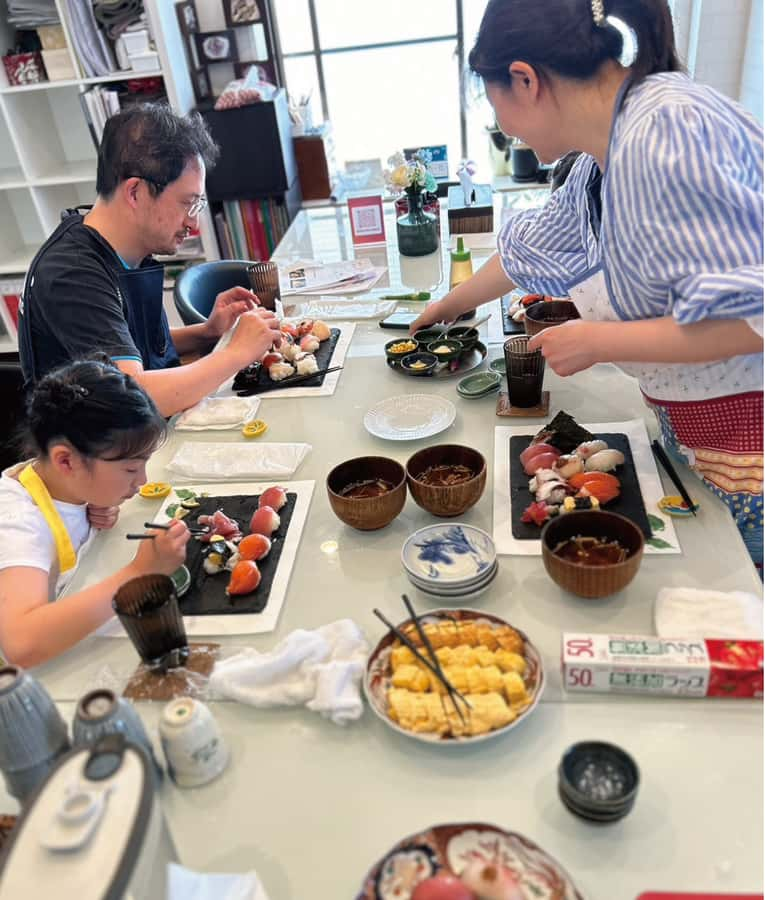
Kyoto sushi here is more than fish on rice. You’ll learn how dashi shapes Japanese cooking, watch the hostess prepare dashimaki, and then make your own sushi in a small kitchen studio. I like the choice between nigiri and chirashi, and I like that the meal includes soup, namafu dengaku, and dessert rather than ending with a few sushi pieces.
The main thing to consider is the price: $96 per person is a serious spend for a two-hour class. Still, the full meal, small group of no more than 10, and teacher with 20 years of experience make this a better value than a short sushi demonstration with little hands-on work.
Key points to know
- A 20-year Kyoto cooking teacher leads the class, with a focus on sushi, dashi, and everyday Japanese food culture.
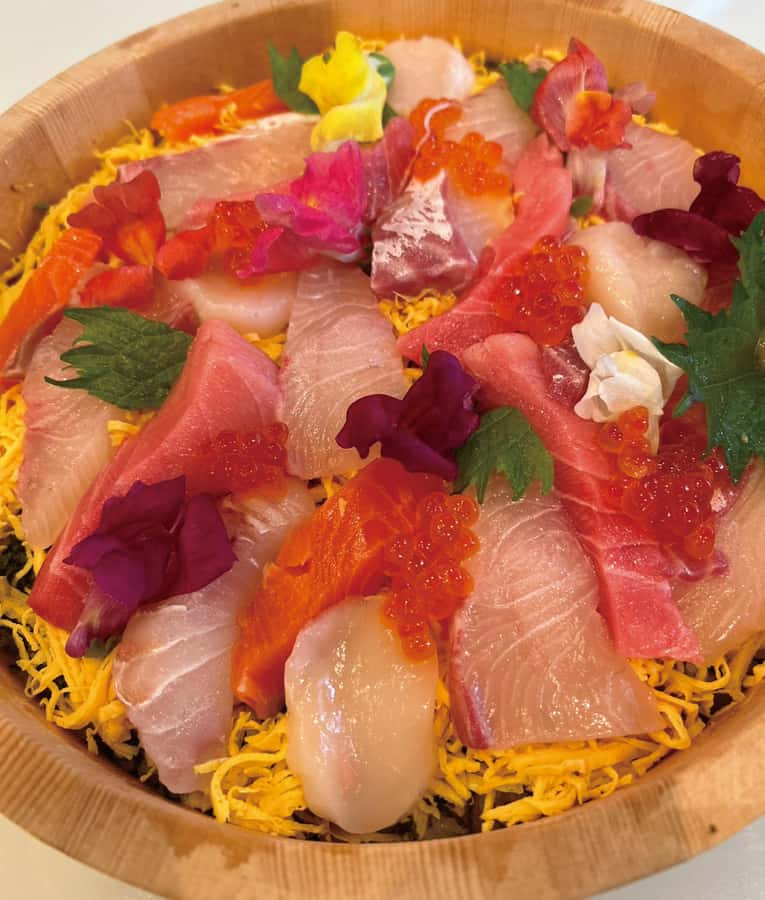
- Choose your sushi style: make classic nigiri sushi or colorful chirashi sushi.
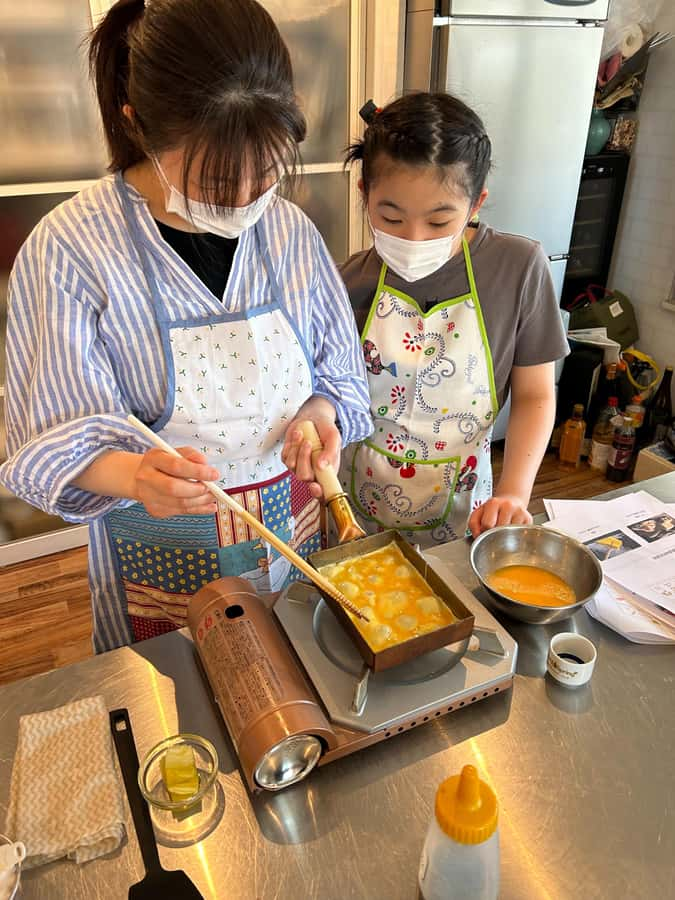
- Taste dashi before cooking, then watch the hostess make dashimaki, a Japanese rolled omelet.
- The meal goes beyond sushi, with namafu dengaku, dashi soup, and mitarashi dumpling dessert.
- The indoor studio works in any weather, and the small group is limited to 10 people.
- The location is convenient, about 10 minutes from Kyoto Station and five minutes from Shijo Subway Station.
What this Kyoto sushi class is really about
Many sushi classes focus on shaping rice and placing fish on top. This one gives you a wider look at Japanese food by starting with dashi, the basic stock used in soups, sauces, and many home dishes.
That matters because dashi is easy to overlook when you first eat Japanese food. You notice the sushi, but the quiet savory flavor in soup, omelet, and simmered dishes often comes from this stock. Tasting it directly helps you understand why Japanese cooking can taste full without being heavy.
The hostess has run Kyoto cooking classes for 20 years. Her role is not limited to handing you ingredients and reading instructions. She also explains the history of sushi and the place it holds in Japanese food culture.
You can expect a class that mixes explanation, demonstration, and hands-on preparation. The pace is likely to feel friendly rather than rushed, though two hours is still a compact window for several dishes.
More Sushi and Japanese Classes in Japan:
- Ramen Cooking Class at Ramen Factory in Kyoto
★ 5.0 · 1,937 reviews - Ramen & Gyoza Cooking Class in Tokyo with Local Supermarket Visit
★ 5.0 · 823 reviews - Kyoto: Ramen Cooking Class at a Ramen Factory with Souvenir
★ 4.9 · 532 reviews
Finding the studio near Kyoto Station
The cooking studio is in a useful part of Kyoto for visitors. It is about 10 minutes from Kyoto Station and five minutes from Shijo Subway Station, so you can fit the class into a day of sightseeing without making a long trip across the city.
The meeting point is Sumaya cooking class. Look for the third floor of a hair salon called Salon Roll. This detail is worth saving before you set out. A cooking studio inside a hair salon is not the kind of entrance you might expect, and you will want the name Salon Roll ready when you arrive.
The exact starting time depends on availability. Plan your day around the class rather than assuming it runs at a fixed hour. If you have a train, restaurant booking, or evening ticket to catch, allow time after the two-hour session instead of cutting it close.
This is an indoor activity, which gives it extra value on a rainy Kyoto day. It also provides a break from temple visits and long walks. You can spend two hours sitting, cooking, tasting, and listening instead of carrying an umbrella through another wet garden.
Starting with dashi and Japanese food culture
The dashi tasting gives the class a useful opening. You get to focus on the base flavor before it is mixed into another dish. The teacher can then connect that taste to the food you prepare later.
For a first-time visitor, this is one of the most worthwhile parts of the class. You are not simply copying a recipe. You are learning one of the building blocks behind Japanese cooking.
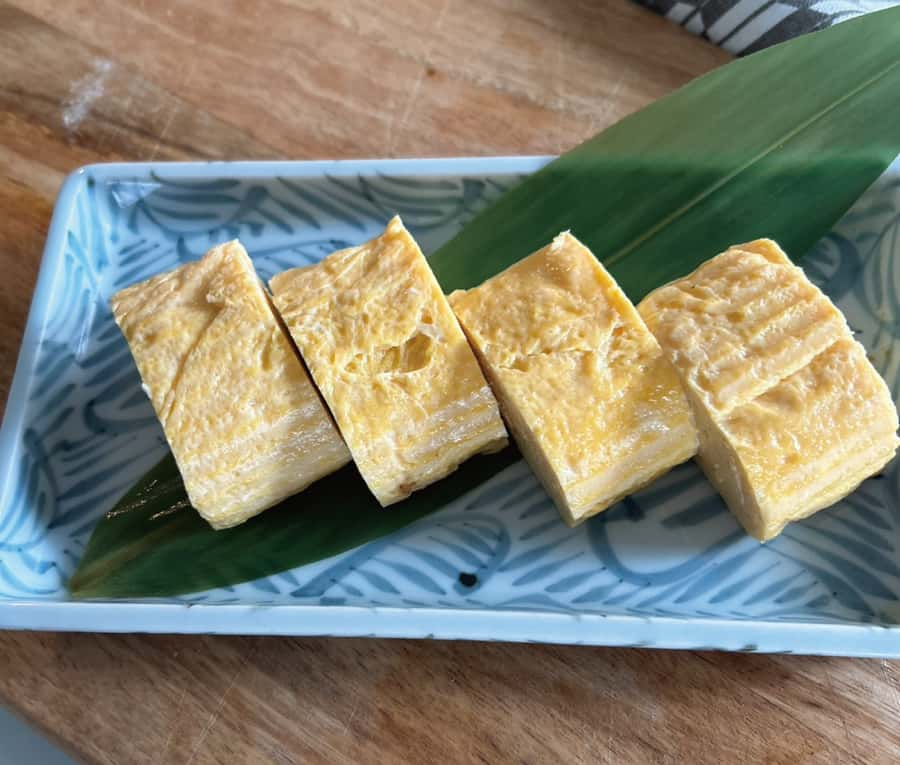
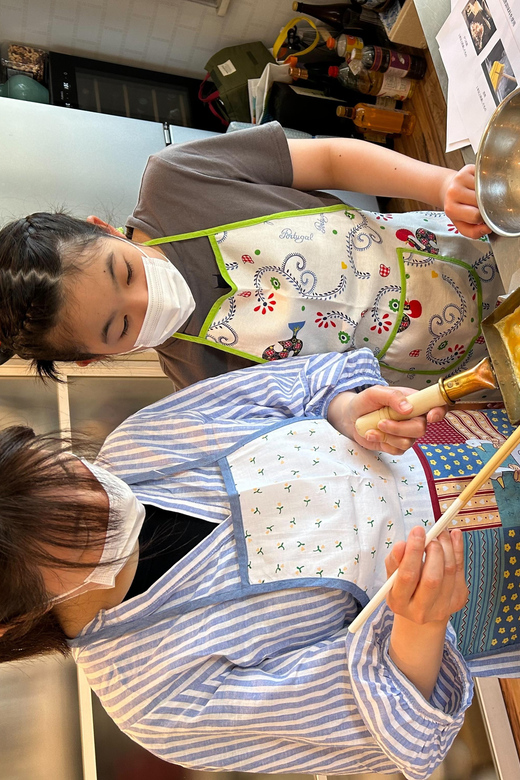
The hostess also demonstrates dashimaki, a Japanese-style omelet. Dashimaki is made with eggs and dashi, and its soft texture and savory flavor show how a simple ingredient can change when combined with stock.
Watch closely during this part. Rolling the omelet is a technique that can look easy when someone experienced does it. The demonstration gives you a clear picture of the process without putting pressure on you to master every movement immediately.
The class information specifically includes the dashimaki demonstration by the hostess herself. That personal touch helps connect the food to the teacher. You are seeing a dish prepared by someone who has spent two decades teaching Kyoto cooking.
Choosing between nigiri and chirashi sushi
You can choose between two distinct sushi styles.
Nigiri sushi is the familiar form with hand-shaped sushi rice topped with fish. It is the more direct choice if you want to practice the basic shape associated with sushi restaurants. You will pay attention to the rice, the topping, and how the two fit together.
Nigiri offers a small lesson in proportion. Too much rice overwhelms the fish. Too little makes the piece hard to handle. The class is a good setting to learn the basic idea without the formality of a restaurant counter.
Chirashi sushi uses sushi rice topped with assorted ingredients such as seafood, egg, and vegetables. It is less about forming individual pieces and more about arranging a complete bowl or platter.
Choose chirashi if you prefer variety or if shaping neat nigiri sounds fiddly. It also gives you more visual contrast from the egg, seafood, and vegetables. The finished dish can feel generous and colorful.
The choice is practical because it lets you match the class to your interest. If you want the classic sushi-making skill, choose nigiri. If you want a broader mix of ingredients and a simpler assembly style, choose chirashi.
The available information does not specify how much fish each person receives or how many pieces you make. Keep that in mind if you are booking mainly for a large sushi feast. The experience includes a full menu, but the exact serving sizes are not stated.
More History Outings in Japan:
- Undiscovered Charleston: Half Day Food, Wine & History Tour with Cooking Class
★ 5.0 · 948 reviews - Taipei Cooking Class & Market Adventure in Historic Dadaocheng
★ 5.0 · 77 reviews - Cooking Class in a Historic Home in the Heart of Brindisi
★ 4.7 · 28 reviews - Sicilian cooking class in the historic baglio Florio Adamo
★ 5.0 · 27 reviews
Making sushi rice and assembling the meal
Sushi rice is part of the hands-on work. That step deserves more attention than it often gets. Rice provides the structure for both nigiri and chirashi, and its seasoning affects the balance of the finished dish.
You will prepare the rice before making your selected sushi style. The teacher’s explanation of sushi history and Japanese food culture gives context to the practical steps.
The order of the class also makes sense. First you taste dashi and see the dashimaki demonstration. Then you work with sushi rice and assemble the sushi. By the time you eat, the meal reflects several basic Japanese techniques rather than one isolated activity.
Fresh fish is part of the experience. The description emphasizes making sushi with fresh fish, but it does not provide the exact fish varieties. If a particular fish matters to you, ask about it before booking.
The class is capped at 10 participants. That is small enough to make personal instruction possible, though the exact amount of individual attention can vary depending on how many people attend that day.
The extra dishes make the meal feel complete
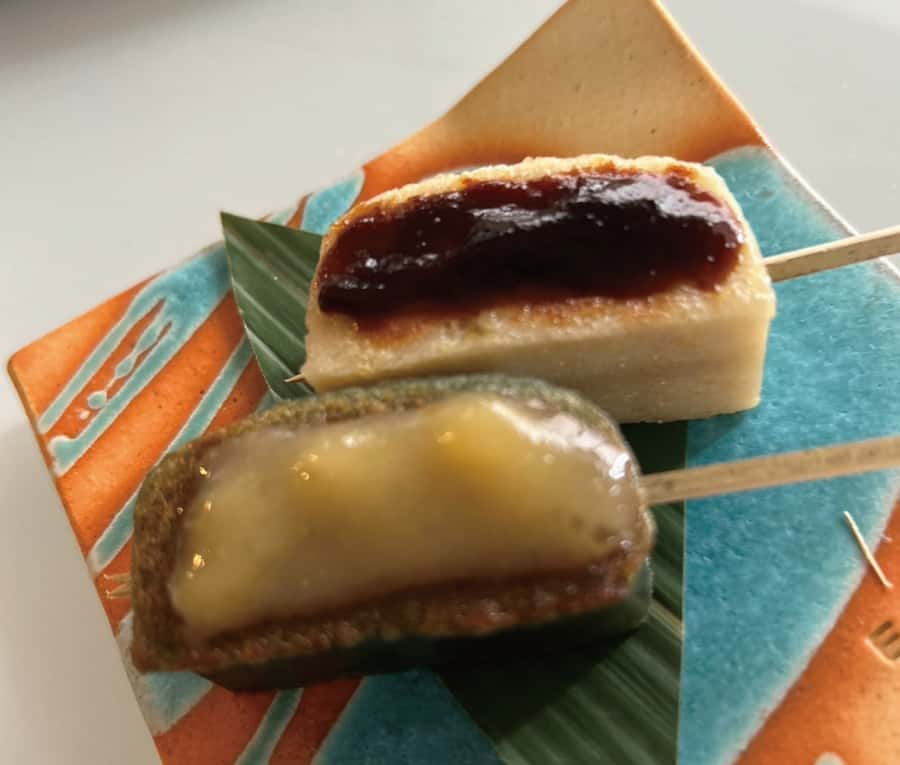
The sushi is not the whole meal. You also receive dashimaki, dashi soup, namafu dengaku, and mitarashi dumpling dessert.
Namafu dengaku is a Kyoto-style dish built around namafu, a soft wheat-gluten food, with a sweet miso topping. It gives you a taste of a local ingredient that you might not order on your own.
Dashi soup brings the class back to its opening lesson. You taste dashi by itself, see it used in dashimaki, and then eat it in soup. That repetition helps you notice how the same base can work in different forms.
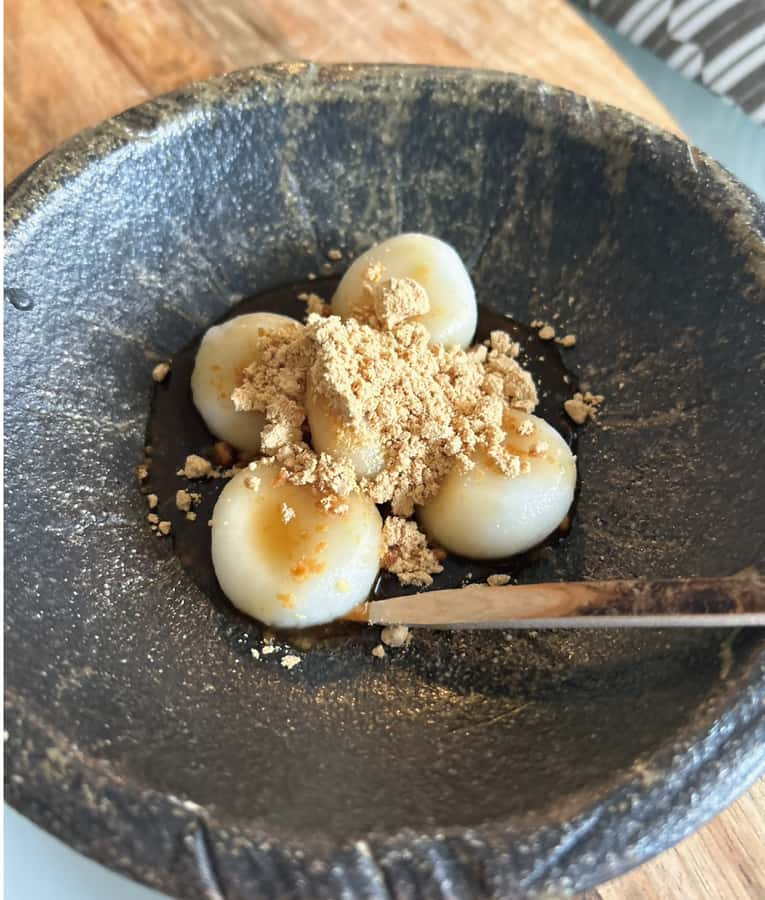
Mitarashi dumpling provides a sweet finish. These dumplings are associated with a sweet soy-based glaze, giving the meal a different flavor from the savory dishes that come before.
One useful advantage here is that you are not paying $96 for sushi alone. You receive a multi-part meal and a lesson that covers stock, omelet, rice, sushi, a Kyoto ingredient, and dessert. That broader menu improves the value, especially if you are interested in Japanese food beyond restaurant sushi.
How the $96 price measures up
At $96 per person, this is not a budget activity. You can eat sushi for less elsewhere, and a two-hour class may cost more than some visitors expect.
The price makes more sense if you value instruction and a full meal. You are paying for the hostess’s 20 years of teaching experience, fresh fish, ingredients for several dishes, the use of the kitchen studio, and a small group setting.
The class also saves you from having to choose each dish separately. You taste dashi, eat soup, try dashimaki, sample namafu dengaku, and finish with dessert. That variety would be difficult to recreate during a quick meal at a sushi restaurant.
For a couple or family marking a special day, the price may feel reasonable. For a solo visitor watching every yen, it requires more thought. Ask yourself if you want a food lesson you can remember and repeat, or if you mainly want the cheapest way to eat sushi in Kyoto.
The class has a five-out-of-five rating from three verified bookings, including strong praise for the friendly hostess, clear information about sushi, and generous amount of food. That is encouraging, but the sample is small. I would treat it as a positive sign, not a guarantee that every class will match the same experience.
Who will enjoy this class most
This activity suits first-time visitors who want a clear introduction to Japanese food. You do not need to arrive with advanced cooking skills. The format gives you a teacher, a demonstration, and a set menu to follow.
It also fits people who like to understand what they eat. The dashi tasting and sushi history add context that you will not get from simply ordering a sushi platter.
Families with older children may enjoy the hands-on format, though babies under one year old are not suitable for the class. The information does not state an upper age limit or specific child policy beyond that restriction, so ask ahead if you are booking for children.
The experience works well for food-focused visitors, couples, and small groups of friends. It is less suitable if you want a long professional cooking course, a market visit, or a restaurant meal led by a sushi chef. The session lasts two hours and stays inside the cooking studio.
Allergies, drinks, and practical planning
Tell the provider about food allergies or dietary restrictions when you book. Sushi, fish, egg, soy, wheat, and dashi can involve ingredients that matter for many diets. Do not wait until you arrive to raise the issue.
Alcoholic drinks are available for an extra charge. They are optional, so you can keep the cost at the listed price if you prefer not to drink.
Cancellation is flexible up to 24 hours before the activity for a full refund. You can also reserve now and pay later, which helps if you are arranging a Kyoto schedule before all your plans are fixed.
The class is indoors and lasts two hours. Wear something comfortable for a kitchen setting, though no special clothing requirement is provided. Most important, save the meeting point details: Sumaya cooking class, on the third floor of Salon Roll.
My call: book it for the food lesson, not just the sushi
I would book this class if you want to learn how several Japanese dishes connect. The dashi tasting, dashimaki demonstration, sushi choice, Kyoto-style namafu dengaku, soup, and dumpling dessert give you a fuller food experience than a basic sushi assembly lesson.
The best value comes when you take part rather than simply watch. Choose nigiri if you want to practice the classic sushi form. Choose chirashi if you prefer a mixed topping of seafood, egg, and vegetables with less emphasis on shaping individual pieces.
I would skip it if your only goal is an inexpensive sushi meal or if you need a class built around a specific fish, diet, or advanced technique. But if the $96 price fits your budget, this is a sensible rainy-day Kyoto activity and a useful introduction to the food culture behind the sushi.
FAQ
How long does the Kyoto sushi class last?
The class lasts two hours.
How much does the experience cost?
The price is $96 per person.
Where does the class meet?
It meets at Sumaya cooking class, on the third floor of a hair salon called Salon Roll.
How far is the studio from Kyoto Station?
The studio is about 10 minutes from Kyoto Station.
How far is the studio from Shijo Subway Station?
The studio is about five minutes from Shijo Subway Station.
Can I choose the type of sushi I make?
Yes. You can choose nigiri sushi or chirashi sushi.
What is chirashi sushi?
Chirashi sushi is sushi rice topped with assorted ingredients such as seafood, egg, and vegetables.
What food is included besides sushi?
The class includes dashimaki, dashi soup, namafu dengaku, and mitarashi dumpling dessert.
Are drinks included?
Alcoholic drinks are available as an option for an additional cost.
Can I cancel the booking?
You can cancel up to 24 hours in advance for a full refund. You can also reserve now and pay later.
Newest classes around Japan
- Cooking Class: Make a Local Delicacy in a Japanese House★ 5.0 · 7 reviews
- Culinary Home Cooking with Grandmothers – Vegan Friendly★ 5.0 · 5 reviews
- Nagoya Super Market Tour & Home Cooking Class with a Local, Akiko★ 5.0 · 10 reviews
- Tokyo: Sushi roll and side dish cooking experience★ 5.0 · 2 reviews
- Tokyo: Sushi Making Experience & Japanese Cooking Class★ 5.0 · 2 reviews
- Tokyo: Sushi Cooking Class with Sake Tasting★ 4.8 · 55 reviews
- Tokyo: Real Ramen & Dumpling Cooking with Master Chef★ 5.0 · 10 reviews
- Tokyo: Sushi and Ramen Cooking Class with Sake Pairing Set★ 5.0 · 81 reviews
Japan Cooking Classes, compared.
Ramen Cooking Class at Ramen Factory in Kyoto
Read our review →
Ramen & Gyoza Cooking Class in Tokyo with Local Supermarket Visit
Read our review →
Ramen Cooking Class at a Ramen Factory with Souvenir
Read our review →
Sushi Making Osaka! Popular Sushi Class in Japan!
Read our review →
Tokyo Tsukiji Fish Market Tour and Sushi Making Lesson
Read our review →
Japanese Washoku Bento Small Group Cooking Class
Read our review →
Browse the lists this tour appears in