
Review · JAPAN COOKING CLASSES
Japanese cooking class
This experience combines two good Osaka pleasures: a local shopping street and hands-on cooking. You walk with a guide, see ingredients connected to Japanese food, then use them in a studio instead of simply watching a chef work. Recent classes with Shohei and Max have included ramen and gyoza, with families able to take part at every stage.
I like the useful souvenirs and the recipe handouts, since they let you repeat the meal at home. I also like the small, practical setting: the lesson includes food, equipment, tableware, venue use, and the shopping street guide. The main thing to consider is the $83 price, which is fair for a 150-minute package but does not cover personal purchases or drinks in the shopping district.
Key points to know before booking
- A short walk from Matsuya-cho Station: Meet at Exit 3, only about five minutes from the venue.
- A food lesson with local context: The shopping street visit comes before the cooking, giving you a look at a traditional neighborhood setting.
- Ramen and gyoza may be on the menu: Recent sessions prepared both dishes, though the exact menu can vary.
- English, Chinese, and Japanese instruction: Shohei and Max have both led successful classes.
- Recipes and souvenirs are included: You leave with a practical reminder of what you made.
- Budget for shopping separately: Drinks, alcohol, and personal purchases along the street are not included.
From Matsuya-cho Station to the old shopping street
The meeting point is Nagahori Tsurumi-ryokuchi Line Matsuya-cho Station, Exit 3. Look for guides dressed as blue samurai and holding a placard. That unusual meeting detail should make the group easier to spot, but give yourself enough time to find the correct exit in the station.
From there, the walk to the studio takes about five minutes. The route includes a nearby old-fashioned shopping street, which gives the outing a little more shape than a standard cooking class. You are not simply transported into a kitchen and handed a recipe. You first get a taste of the neighborhood and its everyday food culture.
The shopping street portion is guided, but it is not a separate shopping tour. You can look around and make personal purchases, yet those costs are yours. Drinks and alcohol are also excluded, so bring a little extra money if you want to buy something along the way.
I see this stop as a useful introduction rather than the main event. It helps you understand that Japanese cooking begins with ingredients, shopping, and local habits, not just cooking techniques. Still, shoppers hoping for a long market visit should keep expectations in check. The full activity lasts 150 minutes, so the walk is one part of a compact schedule.
More Sushi and Japanese Classes in Japan:
- Ramen Cooking Class at Ramen Factory in Kyoto
★ 5.0 · 1,937 reviews - Ramen & Gyoza Cooking Class in Tokyo with Local Supermarket Visit
★ 5.0 · 823 reviews - Kyoto: Ramen Cooking Class at a Ramen Factory with Souvenir
★ 4.9 · 532 reviews
Cooking ramen and gyoza in the studio
The heart of the experience is the shared cooking lesson. You work in a studio with the ingredients, cooking equipment, and tableware provided. The price also covers material costs, the venue fee for cooking and drinking, and the instructor’s time, so you do not need to arrange kitchen supplies yourself.
Recent classes with Shohei and Max focused on ramen and gyoza. That pairing works well for a group because it gives you two different kinds of tasks: preparing a soup-based noodle dish and shaping or cooking dumplings. The exact menu is not stated as fixed, so check the available session details if you are booking for a particular dish.
Shohei has been singled out for explaining not only what to do but why each step matters. That distinction is important in a short class. You can copy a recipe from a demonstration, but you gain more when the instructor explains the logic behind the process.
Max has also led a lively session, making the cooking fun and engaging while still keeping it educational. That balance matters for families and mixed-age groups. One birthday booking even received an extra slice of cake arranged by the instructor, though you should not book expecting that personal touch as a standard part of the package.
The format is active rather than purely demonstrative. A family of five was able to participate throughout the meal, which suggests the class is a good choice when you want everyone involved. You should still remember that the exact level of hands-on work can depend on the group and the menu. One piece of feedback called for more opportunity to cook independently, so anyone looking for a serious chef lesson may find the experience more social and guided than technical.
Eating together after the work
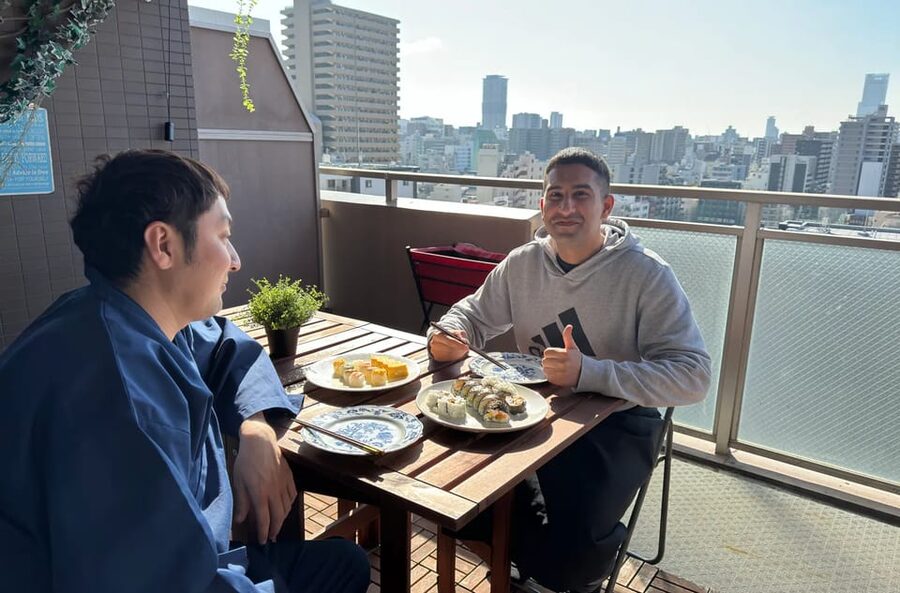
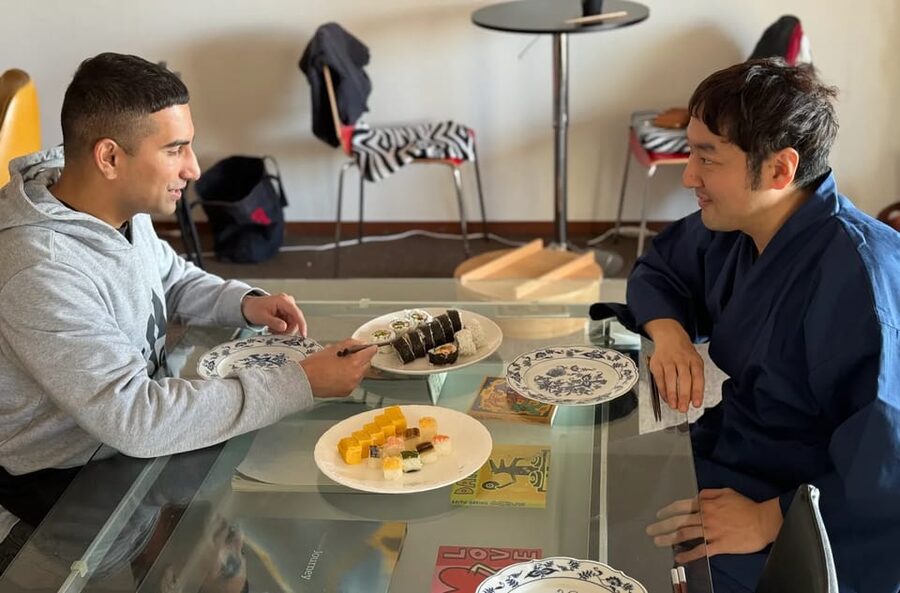
Once the cooking is done, you eat the food you prepared at the studio. This is a simple but important part of the experience. You get to see how the finished dishes turn out, and the meal gives the group time to talk with the instructor and compare results.
The format also makes the activity practical for a family or small group. Everyone can take part in preparation, then sit down to eat the same meal. That shared finish gives the class a natural rhythm: walk, cook, eat, and take home something useful.
The food quality appears to be a strong point. Ramen and gyoza have both been described as turning out excellent in a recent family session. That does not guarantee identical results at every class, since cooking depends on the menu and group, but it does suggest that the lesson is designed to produce a proper meal rather than a token sample.
You should also note what is not included. Personal spending in the shopping district, including drinks and alcohol, is separate. The cooking venue does include cooking and drinking use, but that does not mean every beverage or purchase outside the studio is covered.
Recipes and souvenirs you can actually use
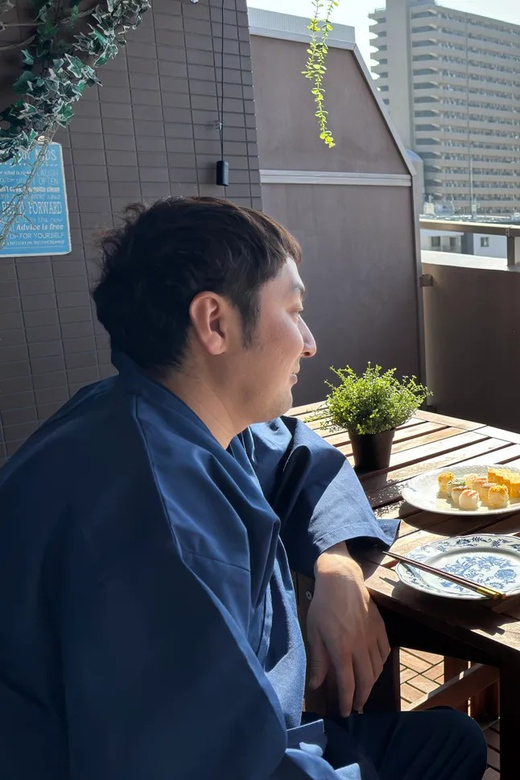
At the end, you receive the recipes used in the lesson and souvenirs based on them. This is one of the best features for anyone who wants more than a pleasant afternoon. A food tour disappears quickly from memory; a recipe gives you a chance to make the dish again.
The souvenirs are connected to the cooking experience rather than being random merchandise. The information does not specify their exact form, so you should not expect a particular item. The useful point is that both the recipes and souvenir fee are included in the booking price.
I would keep the recipe handout safe if you are planning a longer trip. It gives you a concrete reminder of the dishes, ingredients, and steps covered in class. It may also help you explain the meal to friends or family at home.
More Cooking Classes in Japan:
- Sushi Making Osaka! Popular Sushi Class in Japan!
★ 5.0 · 500 reviews - Kyoto: Ramen, Gyoza, and Onigiri Cooking Class
★ 5.0 · 445 reviews - Kyoto: Japanese Washoku Bento Small Group Cooking Class
★ 5.0 · 380 reviews - Osaka: Ramen and Gyoza Cooking Class in Dotonbori
★ 5.0 · 378 reviews
What the $83 price includes
At $83 per person, this is not the cheapest way to eat in Osaka. You can find a filling bowl of ramen or a plate of gyoza for far less. The value comes from the full package, which includes the guided walk, ingredient costs, cooking instruction, studio use, equipment, tableware, the meal, recipes, and souvenirs.
The 150-minute duration also matters. You are paying for a structured activity lasting two and a half hours, not only for lunch or dinner. If you want to learn by doing and enjoy a guided neighborhood walk, the price is easier to justify.
The value is strongest for people who would otherwise book both a food activity and a cultural workshop. It is also reasonable for families, since the whole group can participate rather than splitting up for separate activities. For a solo visitor who only wants to eat Japanese food, the price may feel high.
Remember to add transportation to the meeting point and any personal shopping to your budget. The station is close to the venue, which keeps local logistics simple, but transportation costs are not part of the package.
Language, group style, and instructor experience
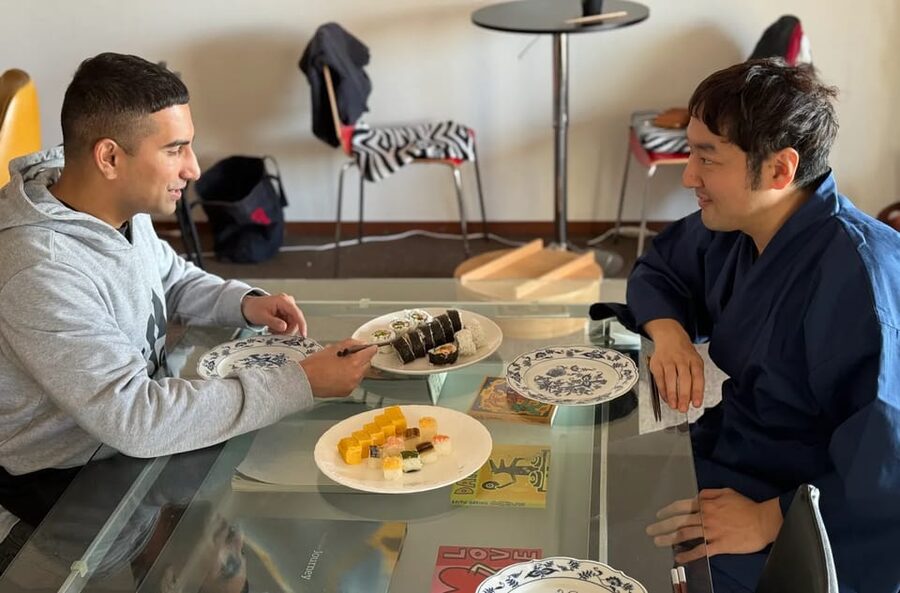
Instruction is available in Japanese, Chinese, and English. That makes the activity accessible to a wide range of international visitors, but the actual instructor may vary by date. Shohei has been praised for speaking very good English and giving clear explanations. Max has been noted for bringing energy and humor to the kitchen.
The class can work well for families, couples, and small groups. A family of five took part actively, and a private class happened when only one booking was scheduled. You should not assume every session will be private, but a small booking may result in a more personal format.
The experience is social by design. You cook together, eat together, and take photos as part of the session. If you prefer a quiet, highly technical lesson with lots of individual cooking space, this may not be your ideal match. One comment specifically wished for more independent cooking, so that is worth weighing before you book.
On the other hand, beginners may appreciate the guided approach. You are not expected to arrive with professional kitchen skills. The instructor shows the steps, explains the process, and keeps the group moving through the recipe.
Timing and cancellation details
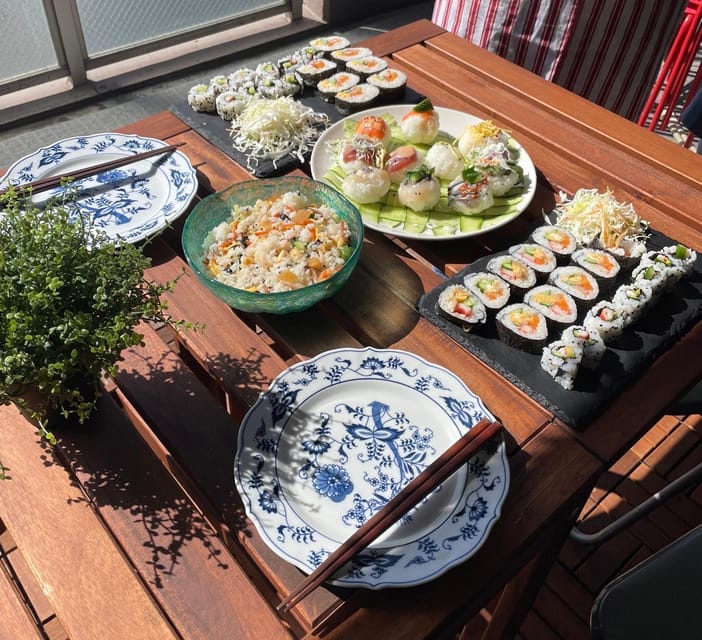
The activity lasts 150 minutes, and starting times depend on availability. Check the date and time before booking, especially if you are planning other Osaka activities around it.
Free cancellation is available up to eight days before the activity for a full refund. After that point, the supplied information does not promise a full refund, so make your plans carefully.
The meeting point is easy to identify in theory because the guides wear blue samurai clothing and carry a placard. Even so, station exits can be confusing. Use the stated Exit 3 and avoid arriving at the last minute.
Who will enjoy this cooking class most
I would recommend this experience to you if you want to take part instead of simply watch. It suits first-time visitors who want an approachable introduction to Japanese food, as well as families who need an activity that keeps everyone involved.
It is also a good fit for food-focused visitors who enjoy learning how a meal comes together. The shopping street walk adds local atmosphere, while the recipes and souvenirs give the experience a useful afterlife once you return home.
Couples may like the relaxed, shared format, especially if they want a birthday or special-occasion activity. The instructor may add a thoughtful touch, as happened with a birthday cake, but treat that as an unexpected extra rather than a promised service.
You may want to choose another activity if your main goal is a long market tour, a fixed menu, or advanced culinary training. The shopping walk is part of a larger experience, and the lesson is designed for broad participation. Also, make sure the price fits your food budget, since the class costs more than simply eating at a restaurant.
Should you book it?
Book this class if you want a compact Osaka activity that combines neighborhood walking, cooking, eating, and take-home recipes. The strongest reasons are the clear instruction from guides such as Shohei and Max, the chance for a whole family to participate, and the practical extras included in the price.
Skip it if you only want a cheap meal or if you need a highly specialized cooking course. For everyone else, $83 is a reasonable price for two and a half hours of guided food culture, provided you remember to budget separately for shopping street purchases and drinks.
FAQ
Where does the Japanese cooking class meet?
Meet at Exit 3 of Matsuya-cho Station on the Nagahori Tsurumi-ryokuchi Line. The guides wear blue samurai clothing and hold a placard.
How far is the venue from the station?
The venue is about a five-minute walk from Matsuya-cho Station.
How long does the activity last?
The cooking class and shopping street experience last 150 minutes.
What languages are available?
Instruction is available in Japanese, Chinese, and English.
What food will I cook?
Recent sessions have included ramen and gyoza, but the exact menu is not stated as fixed for every booking.
Are ingredients and cooking equipment included?
Yes. Material costs, cooking equipment, tableware, the cooking lesson, and venue use are included.
Are shopping street purchases and drinks included?
No. Personal expenses during the shopping district visit, including drinks and alcohol, are not included.
Do I receive anything after the class?
Yes. You receive the recipes used during the lesson and souvenirs based on them.
Newest classes around Japan
- Cooking Class: Make a Local Delicacy in a Japanese House★ 5.0 · 7 reviews
- Culinary Home Cooking with Grandmothers – Vegan Friendly★ 5.0 · 5 reviews
- Nagoya Super Market Tour & Home Cooking Class with a Local, Akiko★ 5.0 · 10 reviews
- Tokyo: Sushi roll and side dish cooking experience★ 5.0 · 2 reviews
- Tokyo: Sushi Making Experience & Japanese Cooking Class★ 5.0 · 2 reviews
- Tokyo: Sushi Cooking Class with Sake Tasting★ 4.8 · 55 reviews
- Tokyo: Real Ramen & Dumpling Cooking with Master Chef★ 5.0 · 10 reviews
- Tokyo: Sushi and Ramen Cooking Class with Sake Pairing Set★ 5.0 · 81 reviews
Japan Cooking Classes, compared.
Ramen Cooking Class at Ramen Factory in Kyoto
Read our review →
Ramen & Gyoza Cooking Class in Tokyo with Local Supermarket Visit
Read our review →
Ramen Cooking Class at a Ramen Factory with Souvenir
Read our review →
Sushi Making Osaka! Popular Sushi Class in Japan!
Read our review →
Tokyo Tsukiji Fish Market Tour and Sushi Making Lesson
Read our review →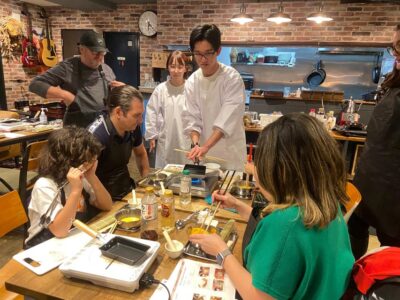
Japanese Washoku Bento Small Group Cooking Class
Read our review →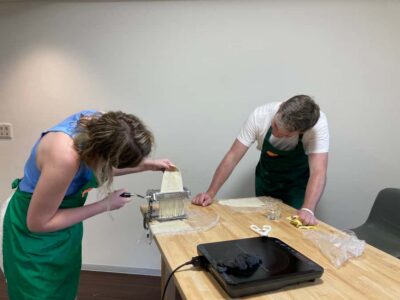
Browse the lists this tour appears in