Review · TOKYO COOKING CLASSES
Ramen & Dumpling Cooking in Tokyo with Chef/Vegan possible
Tokyo’s best food lessons often happen away from the famous restaurant streets. This two-hour ramen and gyoza class takes you to the residential Ekoda area, where Yoshi and Amo welcome you into their home and guide you through fresh noodles, dumplings, toppings, and a finished bowl of ramen.
I like the small-group format, which gives you room to ask questions and get hands-on help. I also like that you learn practical techniques you can repeat at home, from folding gyoza to building a balanced bowl. The main consideration is the location: Ekoda is outside the center, so you need to allow time for the train ride and meeting-point connection.
Key points to know before booking
- Fresh noodles and handmade gyoza: You make the noodles and practice folding dumplings rather than simply watching a chef cook.
- Hosted by Yoshi and Amo: Their warm, conversational approach adds Japanese food culture and restaurant stories to the cooking.
- A real residential Tokyo setting: You meet near Ekoda Station and walk to a clean, comfortable home for the class.
- Morning or noon start: The schedule can fit around sightseeing, though you should arrive hungry because the meal is generous.
- Vegetarian and vegan options: Vegetarian dishes have been prepared successfully, and vegan cooking is listed as possible.
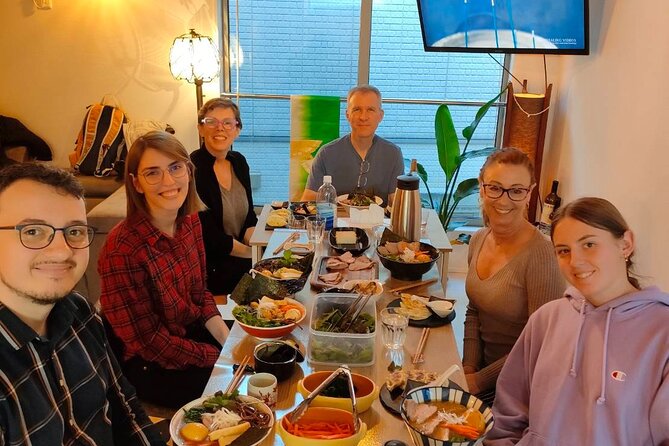
- Small group, maximum 12 people: The class suits families, couples, and food lovers who want direct instruction.
A ramen class in a real Tokyo neighborhood
The experience begins at Ekoda Station, at 1 Chome-78 Asahigaoka in Nerima City. This is not central Tokyo’s neon core, and that is part of the appeal. You get a look at a quieter residential area before settling into the cooking class.
Amo meets you at the station and walks with you to the home. Since the meeting point is public and easy to reach by train, this arrangement removes much of the stress of finding a private address. Still, leave enough time to reach Ekoda. Tokyo’s rail system is efficient, but station transfers and unfamiliar exits can eat up minutes.
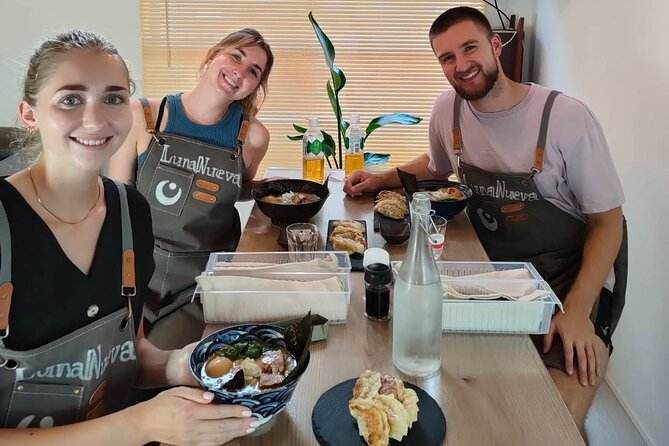
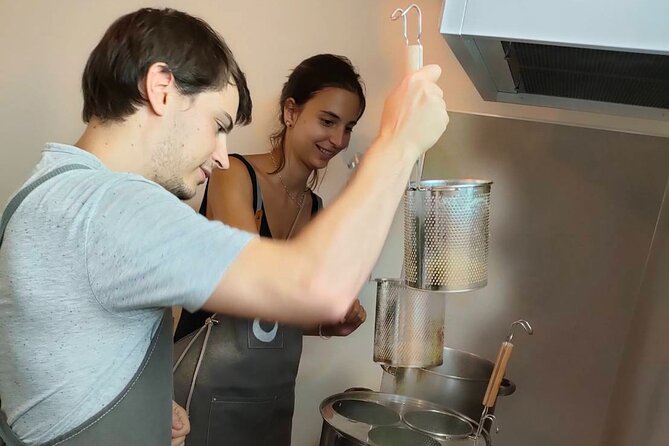
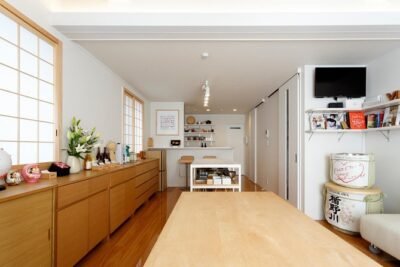
The class takes place in a clean, cozy home setting. That gives the session a personal feel that a large commercial cooking school cannot easily match. You are not sitting in rows while an instructor works at the front. You are working at close range, talking with your hosts, and taking part in each stage that makes sense for a two-hour lesson.
The group can include up to 12 people. That is not an intimate private class, but it is still small enough for direct help, especially compared with a large sightseeing activity. Several family groups have joined, including children around 12 and 13, and the format has worked well for mixed-age groups.
More Vegetarian Cooking Classes in Japan
- Vegan/Vegetarian Ramen and Gyoza by Bentoya cooking
★ 5.0 · 59 reviews - Zen Buddhist Vegetarian(Shojin Ryori): Cooking Experience
★ 5.0 · 9 reviews - Private Plant-Based Japanese Cooking Class – Kyoto Edition
★ 5.0 · 15 reviews
Starting with ingredients, broth, and the work behind ramen
Yoshi leads the cooking side of the class, while Amo helps host and guide the session. The lesson includes conversation about Japanese ingredients, ramen, and the restaurant world. You get more than a recipe card because the hosts explain how the parts fit together.
One useful detail is that some long-cooking elements, including broth and meat, may be prepared in advance. That is not a shortcut that weakens the class. A truly developed ramen broth can take far longer than a two-hour activity allows, so advance preparation lets you focus on the parts you can realistically repeat at home.
You still learn about the broth process and taste the finished result. This distinction matters. You are not promised a complete restaurant kitchen apprenticeship in two hours. Instead, you see the time-consuming work, then spend your class time on fresh noodles, toppings, dumplings, seasoning, and assembly.
The hosts also bring insider stories and useful cooking tips into the lesson. The tone is conversational rather than formal. You can ask questions as you go, and the small group allows the instruction to respond to your pace.
Making noodles from scratch
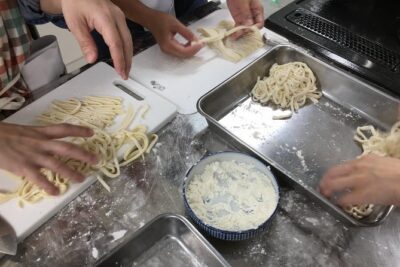
Making fresh noodles is one of the most hands-on parts of the class. You work through the noodle process rather than simply receiving a bowl at the end. For many people, this becomes the most memorable part because it reveals how much texture and character come from the noodles themselves.
The class is a good fit if you like learning by doing. You should expect flour, shaping, handling, and practical correction from the instructor. It is not designed for someone who wants to sit back and sample food with no kitchen work.
Fresh noodles also give you a useful home-cooking skill. Ramen restaurants can seem difficult to copy because the broth and toppings are so carefully balanced. Homemade noodles are one element you can understand and practice without needing a professional kitchen.
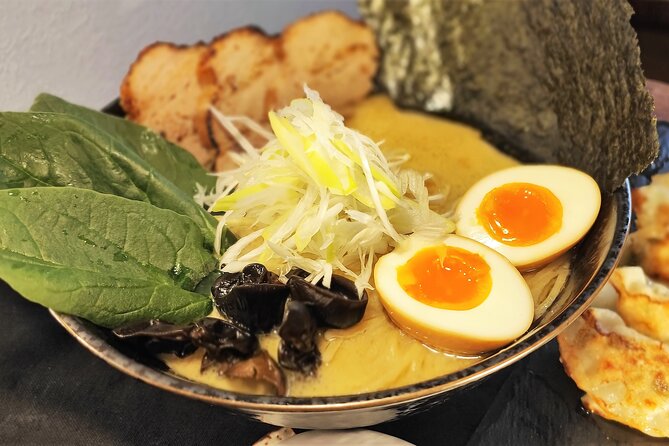
The lesson also covers seasoned eggs and colorful toppings. These details may seem small, but they shape the final bowl. A ramen serving is not just noodles and soup. Texture, color, seasoning, and arrangement all affect the result.
Folding gyoza and building the meal
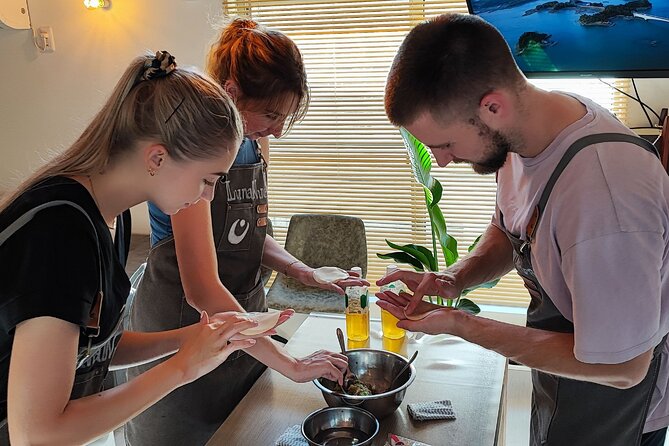
The dumpling portion adds variety to the class. You practice making and folding gyoza, with Yoshi offering feedback on technique. This is especially enjoyable for families because everyone can work at once, and the folding process gives children a clear task they can manage with help.
Do not expect every dumpling to look perfectly identical. That is part of the fun, and the class is meant to teach you how the process works. You learn the basic movement and can continue improving at home.
The food is substantial. Several people have noted that you should arrive hungry, since the class produces plenty to eat. That makes the $102.41 price easier to assess. You are paying for a guided activity, instruction, ingredients, and a full meal, not simply for a restaurant lunch.
The value is strongest if you want food education and a personal cultural exchange. If you only want an inexpensive bowl of ramen, a neighborhood restaurant will cost less. If you want to understand how the bowl comes together and leave with methods you can use again, the price is more defensible.
More Sushi and Japanese Classes in Tokyo:
- Ramen & Gyoza Cooking Class in Tokyo with Local Supermarket Visit
★ 5.0 · 823 reviews - Tokyo Tsukiji Fish Market Tour and Sushi Making Lesson
★ 5.0 · 390 reviews - Tokyo: Easy Ramen Cooking Experience in Kabukicho, Shinjuku
★ 4.6 · 321 reviews - Ramen and Sushi Cooking Class with Sake Pairing Set in Tokyo
★ 5.0 · 291 reviews
Creating your own ramen bowl
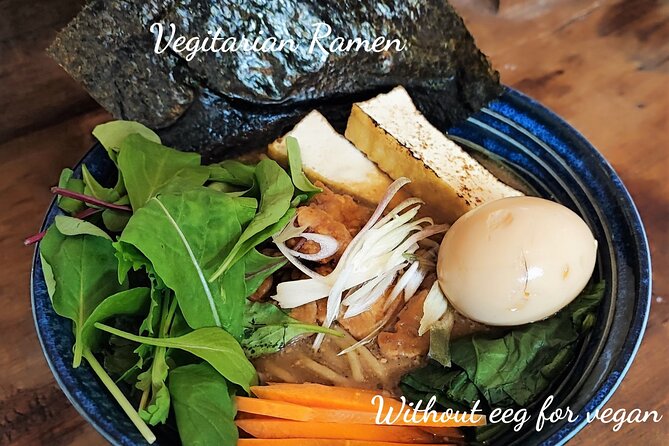
The final stage is the most rewarding part of the class. You plate noodles, broth, seasoned egg, and toppings to create your own ramen bowl. You get to decide how your finished meal looks and, to some degree, how it is balanced.
That personal assembly is useful because it shows how ramen can be adjusted. A picky eater can choose preferred toppings, and family members can create different bowls from the same prepared ingredients. This flexibility has helped the class work well for children and adults with different tastes.
The meal also gives you a chance to appreciate the work in sequence. You have handled the noodles, folded the gyoza, learned about broth, prepared toppings, and then sat down to eat. That makes the final bowl feel earned rather than simply served.
The food has received especially strong praise, with the broth and homemade noodles drawing particular attention. I would treat claims of the best ramen in Tokyo as personal enthusiasm, not an objective promise. Still, the class clearly places real weight on flavor, not just on the novelty of cooking.
A friendly class with room for conversation
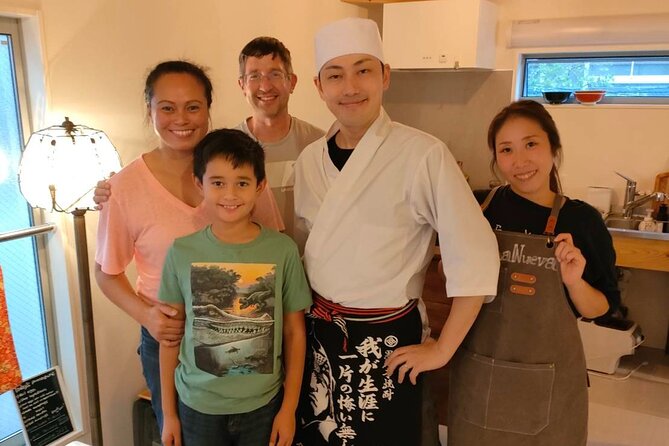
Yoshi and Amo are a major part of the experience. Their style is warm and informal, with plenty of conversation during the cooking. The class includes stories about food, tips for Tokyo, and a relaxed social setting.
That makes this more than a technical lesson. You get the chance to ask about Japanese cooking and daily life while working beside your hosts. Some sessions may include playful extras, such as a little music or a hip-hop lesson, but those details should be treated as a bonus rather than a scheduled part of the activity.
The couple’s approach works particularly well for families. Parents and children can share tasks, and the hosts are patient about explaining each step. Couples also have enough time to talk with the instructors and other members of the group without feeling rushed from one station to another.
The tradeoff is that the experience depends partly on your interest in social interaction. If you prefer a quiet, highly structured cooking school with little conversation, this may feel more relaxed than you want. If you enjoy meeting local hosts and asking questions, the home setting is a strong point.
Vegetarian and vegan cooking options
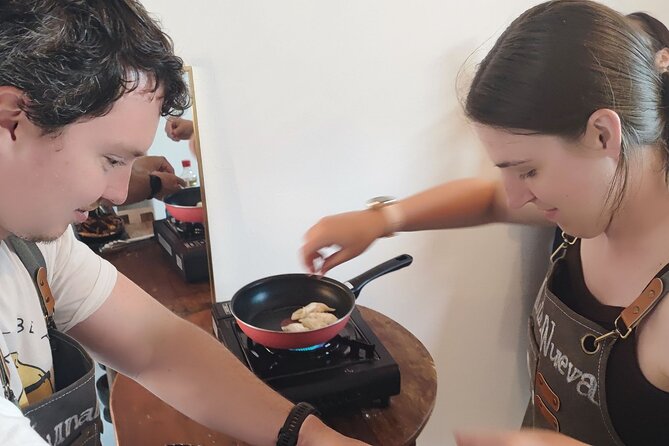
Vegetarian arrangements have been handled successfully, including meals without fish or seafood. Vegan cooking is listed as possible, so this class can suit people who avoid animal products, but you should communicate your needs clearly when booking.
Ramen can contain hidden ingredients, especially in broth and seasoning. The important point is that the hosts have prepared alternatives for dietary restrictions, rather than leaving you to remove ingredients from a standard meal at the table.
If you have a serious allergy or a strict diet, use the booking conversation to confirm exactly what can be provided. The available information supports vegetarian and vegan options, but it does not list every ingredient or allergy-control procedure.
Timing, transport, and the two-hour format
You can choose a morning or noon class. A morning session works well if you want food to become the first major activity of your day. A noon start may fit better after a slow breakfast or a morning visit elsewhere in Tokyo.
The class lasts about two hours. That is long enough for meaningful participation, but short enough to fit into a busy itinerary. You should not schedule a major attraction with a tight timed entry immediately afterward. The cooking itself has a stated duration, while walking from the station, gathering the group, and finishing the meal can affect your total time.
The activity ends back at the meeting point. Since the class begins near Ekoda Station and Amo walks you to the home, you can return to the station area afterward and continue exploring. One nice option is to spend a little time walking around the neighborhood rather than rushing straight back to central Tokyo.
A mobile ticket is accepted. Confirmation is sent within 48 hours of booking, subject to availability. The meeting point and train access are important details, so check the location carefully before choosing a session.
Is $102.41 a fair price?
At $102.41 per person, this is not a cheap meal. It is also not simply a meal. The fee covers about two hours of instruction, ingredients, fresh noodles, gyoza, toppings, broth, and a hosted experience in a private home.
I see the best value for people who would otherwise pay for a food tour or a cooking lesson. You get a substantial lunch or early dinner and practical recipes that can continue to pay off after your trip. Families may find the cost adds up quickly, especially with several adults and children, but the shared activity can replace another paid outing.
The value is weaker if you are focused only on eating ramen at the lowest price. Tokyo has many affordable ramen shops, and a restaurant will be faster. This class earns its price through participation, personal instruction, and the chance to take recipes home.
There has been one reported issue with recipe delivery after the class, although the hosts explained that the recipe had been sent through the booking platform and could still be available in the previous message thread. Save any recipes or messages before the conversation closes, just to avoid confusion later.
Who will enjoy this most?
I would recommend the class to:
- Families with children who enjoy hands-on activities
- Couples looking for a shared food experience
- First-time visitors who want a quieter side of Tokyo
- Home cooks who want repeatable ramen and gyoza techniques
- Vegetarians and vegans who arrange their needs in advance
- Anyone who prefers conversation and personal hosting to a large formal class
It may be less suitable for people with very limited time in Tokyo, since Ekoda is not beside the city’s main sightseeing districts. It may also disappoint you if you expect to prepare every ingredient from start to finish, since some broth and meat preparation is done ahead of time.
Should you book this ramen and gyoza class?
Book it if you want to cook, eat, ask questions, and spend time in a welcoming Tokyo home. The strongest parts are the fresh noodles, handmade dumplings, generous meal, and direct help from Yoshi and Amo.
Skip it if you only want a quick restaurant meal or if your schedule cannot spare the trip to Ekoda. For most food-focused visitors, families, and anyone seeking a personal activity outside central Tokyo, this is a well-balanced choice. Free cancellation is available up to 24 hours before the start time, which gives you some useful flexibility while planning.
FAQ
Where does the ramen and gyoza class begin?
The meeting point is Ekoda Station at 1 Chome-78 Asahigaoka, Nerima City, Tokyo 176-0005, Japan.
Where does the activity end?
The activity ends back at the meeting point.
How long does the class last?
The class lasts approximately two hours.
Is the class available in the morning?
Yes. You can choose a morning or noon class.
What food will I make?
You will work with ramen, fresh noodles, seasoned eggs, colorful toppings, and gyoza. You will also plate your own finished ramen bowl.
Can vegetarians or vegans join?
Vegetarian options have been prepared for past participants, and vegan cooking is listed as possible. Share your dietary requirements when booking so the hosts can plan appropriately.
How many people can join the class?
The maximum group size is 12 people.
Is cancellation free?
You can cancel for a full refund up to 24 hours before the experience start time. Cancellations or changes made less than 24 hours before the start time are not refunded or accepted.
More Vegetarian Cooking Classes in Tokyo
- Oaxacan Vegetarian Cooking Class
★ 5.0 · 235 reviews - Marrakech: Moroccan Cooking Class for vegetarians and vegan
★ 4.9 · 156 reviews - Hoi An: Vegetarian Cooking Class w Local Family and transfer
★ 4.9 · 145 reviews - Oaxaca: Vegetarian Cooking Class
★ 4.8 · 139 reviews
More Chinese Classes in Tokyo
- Tokyo: Real Ramen & Dumpling Cooking with Master Chef
★ 5.0 · 10 reviews - Warsaw’s No 1 cooking class-Polish dumplings with liqueur tasting
★ 5.0 · 576 reviews - Gyoza Cooking Class in Kyoto: Traditional Japanese Dumplings
★ 5.0 · 210 reviews - Flavors of Beijing: Eat Like A Real Chinese
★ 5.0 · 78 reviews
Newest classes around Tokyo
- Tokyo: Sushi roll and side dish cooking experience★ 5.0 · 2 reviews
- Tokyo: Sushi Making Experience & Japanese Cooking Class★ 5.0 · 2 reviews
- Tokyo: Sushi Cooking Class with Sake Tasting★ 4.8 · 55 reviews
- Tokyo: Real Ramen & Dumpling Cooking with Master Chef★ 5.0 · 10 reviews
- Tokyo: Sushi and Ramen Cooking Class with Sake Pairing Set★ 5.0 · 81 reviews
- Tokyo: Kawaii Bento Cooking Class – Cute Character Lunchbox★ 4.9 · 55 reviews
- Tokyo: Gyoza Making from Scratch – Ultimate Cooking Class★ 5.0 · 2 reviews
- Tokyo: Night Cooking Class: 5 Home-Cooked Japanese Dishes★ 4.9 · 13 reviews
Tokyo Cooking Classes, compared.
Ramen & Gyoza Cooking Class in Tokyo with Local Supermarket Visit
Read our review →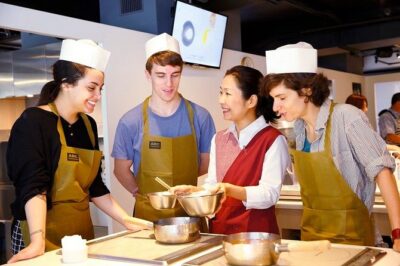
Tokyo Tsukiji Fish Market Tour and Sushi Making Lesson
Read our review →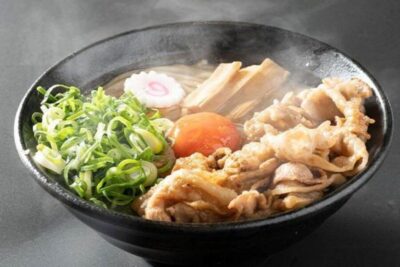
Easy Ramen Cooking Experience in Kabukicho, Shinjuku
Read our review →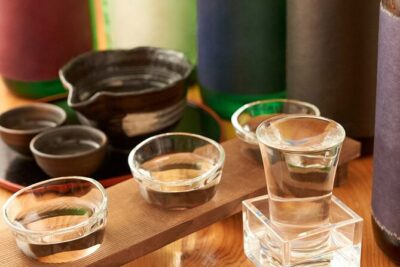
Ramen and Sushi Cooking Class with Sake Pairing Set in Tokyo
Read our review →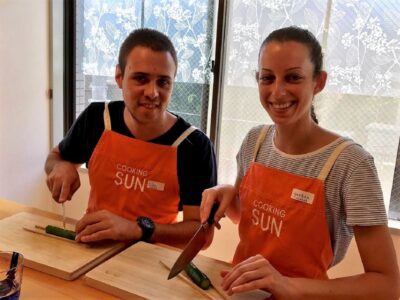
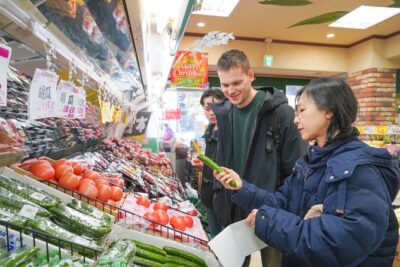
Tokyo Washoku 4-hour Cooking Class: From Market to Table
Read our review →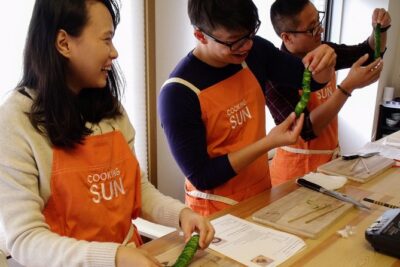
Small-Group Wagyu Beef and 7 Japanese Dishes Tokyo Cooking Class
Read our review →