
Review · BEIJING COOKING CLASSES
Flavors of Beijing: Eat Like A Real Chinese
The best part of this Beijing food experience is the trip to a local market before you cook. Chef Chao points out unfamiliar produce, sauces, spices, meats, and snacks, then takes you through a hutong to a family home for a hands-on meal. I like the market-to-table format and the chance to learn practical skills with a wok and cleaver. The main drawback is the mixed timing information: the listing says about three hours, while the cooking program is described as five hours.
I also like that the menu changes by day. You might make dumplings, noodles, steamed fish, sweet and sour pork, or chili beef, and at least one vegetarian dish is prepared each day. The small maximum of 12 suits anyone who wants real instruction, but the kitchen can feel hot in summer and the meeting address may take close attention to find.
Key points to know before booking
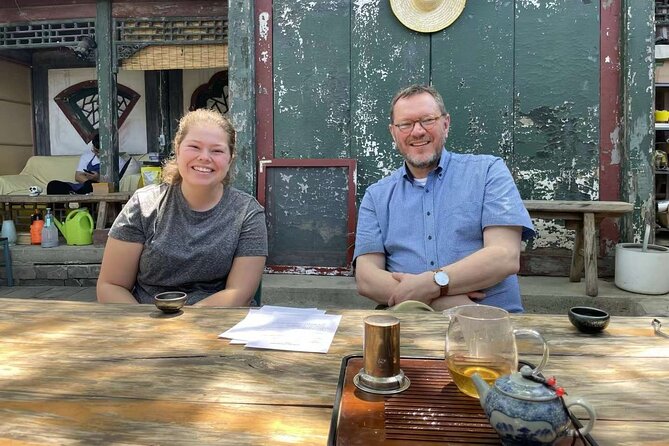
- Chef Chao leads the class: He teaches in English and is praised for patient demonstrations, clear explanations, and useful recipes to take home.
- The market comes first: You walk through a local food market, learn about the ingredients, and help choose what goes into the meal.
- Menus change by day: Dumplings and dim sum appear on some days, while other sessions focus on several main dishes. One day each week is vegetarian.
- You cook in a hutong home: The setting gives you a look at everyday Beijing life rather than a formal restaurant kitchen.
- The group is limited to 12: Smaller sessions may offer more time with the chef, and some dates have operated as one-on-one classes.
- Bring patience and practical shoes: You walk through markets and alleyways, handle cooking tools, and may spend several hours in a warm kitchen.
Why this class feels different from a standard Beijing food tour
Many food outings in Beijing keep you at the eating end of the process. This one starts with the raw materials. You meet at noon near the Bell and Drum Towers, walk to a nearby market, and learn how Chinese cooks select vegetables, meat, noodles, spices, and condiments.
That shift matters. A dish such as dumplings can seem simple on a plate, but the class shows you the work behind the dough, filling, folding, and cooking. The same is true of sauces. You learn how seasonings and marinades change a dish, rather than simply being handed a finished meal.
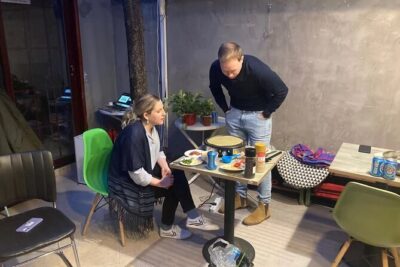
The experience is also built around a local home in a hutong, Beijing’s traditional alleyway neighborhood form. You are not only sitting in a teaching kitchen designed for tourists. You move through an old residential setting, then cook and eat at a family table.
The group limit is 12 people, which keeps the class from becoming a large demonstration. It may be smaller on your date. Some sessions have had just one or two students, giving the chef time to answer questions and correct technique.
More Chinese Classes in China:
- Shanghai-Cooking Dumpling & Meal in Local Family-w/Vegan
★ 4.9 · 36 reviews - Private Cooking Class: Make Your Own Dim Sum In Shanghai
★ 5.0 · 27 reviews - 2.5hrs Chinese Kitchen Cooking Class: Xiaolongbao Soup Dumplings
★ 5.0 · 12 reviews
Starting near the Bell and Drum Towers
The official meeting point is on Jiu Gu Lou Da Jie, near Subway Line 8 and the Bell and Drum Towers area. Start time is 12:00 pm. You do not receive hotel pickup, so you need to make your own way to the meeting point.
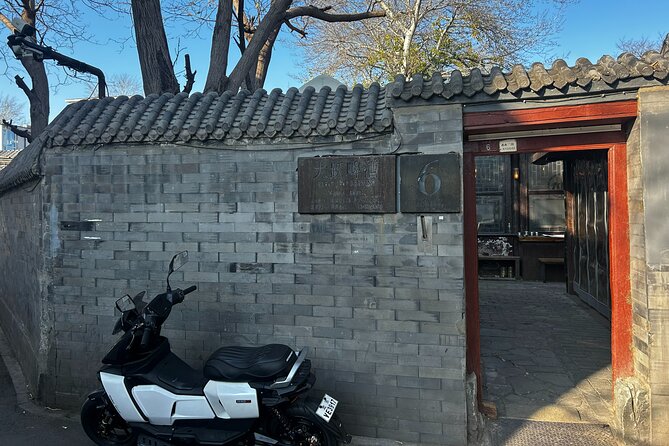
Pay attention to the numbered addresses. The cooking school does not have a large outside sign, and that has made the arrival less obvious for some people. I would allow extra time to locate the exact entrance, especially if you are coming straight from another part of Beijing.
The opening route includes the Bell and Drum Towers, then Yandai Xie Street and Yinding Bridge. These stops give the outing a useful neighborhood setting before the food work begins. The route is not only a transfer to the market. It places the class in one of Beijing’s older central districts, with hutong lanes and traditional streets around you.
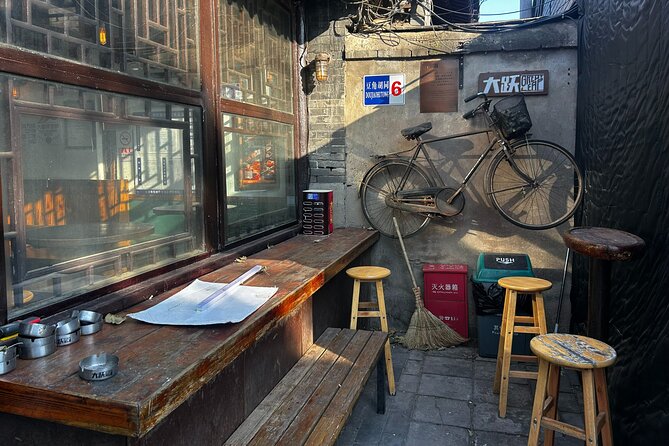
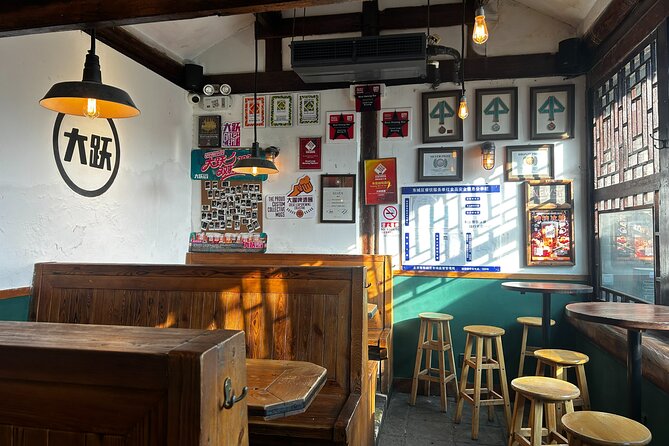
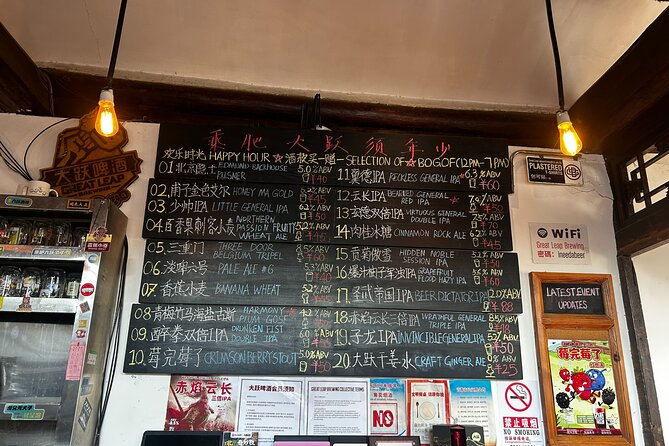
The itinerary also lists Songzhu Temple and Zhizhu Temple, plus Great Leap Brewing Original #6. These stops appear as part of the wider walking route. Beer or other drinks at Great Leap Brewing are not included, so bring money if you want something there. The cooking class itself includes food tasting and ingredients, but not extra drinks.
The local market is the real opening lesson
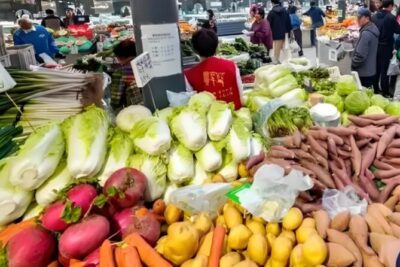
At the market, Chef Chao explains the ingredients as you walk. This is where the class earns much of its value. You may see familiar foods beside items that are less common outside China, including unusual vegetables, different cuts of meat, fresh noodles, fruit, nuts, and specialty products.
The market has also been described as a place where you can try breakfast and visit more than one market, depending on the session. The exact route and purchases can vary. Your ingredients are included, so you are not left to bargain over the shopping bill or guess how much food to buy.
Use this time to ask questions. You can learn what a sauce is used for, which vegetables suit a stir-fry, how an ingredient is prepared, and how Chinese cooks use products that may look unfamiliar. The value is not just visual. You leave with a better sense of how a home meal begins.
The market can be crowded and full of strong smells. That is part of the point, but it may not suit someone who prefers a quiet, polished food setting. Keep your group together and watch your footing while moving through stalls and narrow lanes.
Walking through the hutong to a home kitchen
After shopping, you walk through a hutong to the cooking location. Several people have singled out the home setting as a memorable part of the day. It gives the class a personal scale, with cooking, conversation, and eating taking place in the same general setting.
This is also where expectations matter. A local home kitchen is not necessarily built for comfort or space. One session was described as hot in August, so summer participants should be ready for warmth while standing over stoves and working with hot pans.
The setting adds character, but it may feel less polished than a commercial culinary studio. I see that as a fair trade if your goal is to understand home-style cooking. If you need air conditioning, wide work surfaces, or a carefully staged classroom, this may not be your ideal activity.
More Food Outings in China:
- China’s Favourite Street Food Cooking Workshop
★ 5.0 · 16 reviews - Beijing: Vegan Home Cooking & Local Market Tour with Sanxia
★ 4.8 · 4 reviews - Small Group Cooking Class & Market Food Tour in Florence
★ 5.0 · 1,574 reviews - Athens: Food Market Visit and Cooking Class with Wine
★ 4.9 · 1,087 reviews
What you may cook: dumplings, dim sum, and main dishes
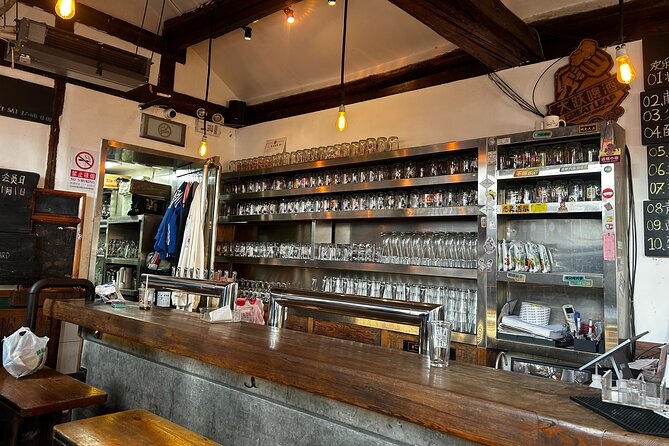
The daily menu is not fixed. That is useful for repeat visitors, but it means you should not book expecting one particular dish unless the date’s menu has been confirmed.
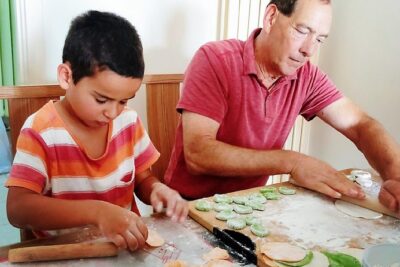
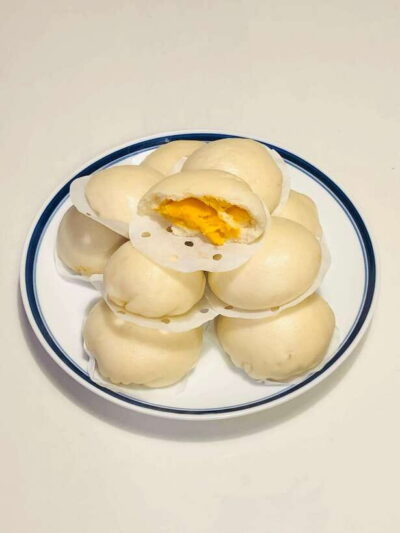
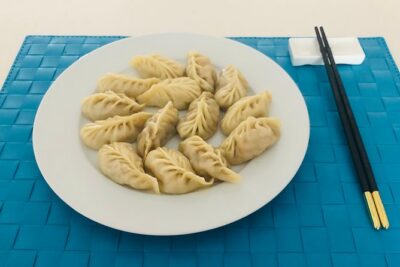
On dim sum or dumpling days, you might prepare barbecued pork buns, stir-fried noodles, sesame rolls, or several types of dumplings. Dumpling sessions can include making the dough, preparing vegetarian, pork, or beef fillings, folding the dumplings, and cooking them by steaming, boiling, or frying.
The folding lesson is more demanding than it looks. The shape, seal, and crimp all take practice. You may never again see a dumpling as a quick, effortless snack after making one from scratch.
On main-dish days, possible recipes include steamed ginger fish, sweet and sour pork, and stir-fried chili beef. At least one vegetarian dish is prepared every day, and one scheduled day each week offers an entirely meat-free menu. Vegan participants have also been accommodated, but you should state your needs when booking so the class can plan properly.
The class covers knife skills, including the use of a large Chinese cleaver, and wok technique. You also learn how sauces, marinades, and condiments build flavor. These are practical skills you can use at home, especially because recipes are supplied after the session.
Eating what you make at the family table
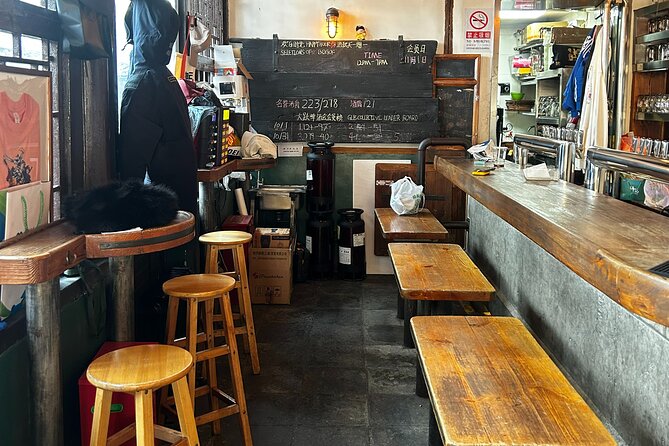
After the cooking, everyone sits down to eat. This is not a separate restaurant meal with food prepared in advance. Your group shares the dishes made during the class, which gives the final meal a satisfying purpose.
The portions can be generous. Some small sessions have produced more food than one person could reasonably eat, so solo participants should expect a substantial meal. A larger group makes it easier to sample several dishes without feeling responsible for finishing everything.
The meal also gives you time to talk with Chef Chao and the other participants. Solo visitors may find this especially useful, since the format naturally creates conversation without turning the class into a forced social event.
The food is the reward, but the bigger benefit is knowing how it was made. You have seen the raw ingredients, handled the tools, and practiced the techniques. That makes the meal more memorable than a plate ordered from a menu.
The walking route and its extra stops
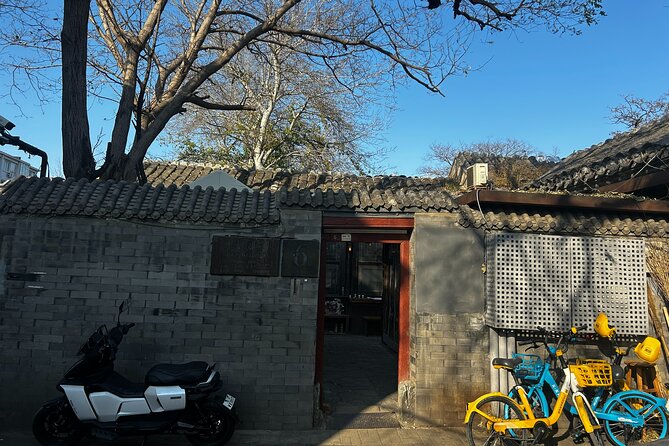
The Bell and Drum Towers, Yandai Xie Street, and Yinding Bridge help frame the experience around Beijing’s traditional central neighborhoods. If you are already planning to see these areas, the meeting point fits neatly into a day of exploring.
Songzhu Temple and Zhizhu Temple are also listed among the stops. The supplied details do not specify how long you spend at each place, so treat them as parts of the route rather than a series of full guided sightseeing visits.
Great Leap Brewing Original #6 adds an optional drinks stop to the route, but drinks are not part of the price. If you are mainly booking for the cooking, do not assume the brewery is an included tasting stop.
The class ends back at the meeting point. That makes onward planning simple, though you should not expect hotel drop-off. Afterward, you can continue exploring independently in the surrounding area.
Is $99 a fair price?
At $99 per person, this is not the cheapest way to eat in Beijing. It is better judged as a market visit, cooking lesson, guided neighborhood walk, and full meal in one package.
The price includes the market tour, ingredients, equipment, food tasting, and a professional English-speaking guide. It also covers the instruction, which can be the most valuable part if you want to repeat the dishes at home. Recipes provided after the class add lasting value.
The deal looks strongest for people who would otherwise pay separately for a meal and a guided food outing. It is less attractive if you only want to sample inexpensive street food or watch someone else cook.
A small group helps justify the cost. With a maximum of 12, you have a better chance to work directly with the chef than in a large demonstration. If your date has only a few participants, the instruction may feel especially personal.
The listing gives conflicting duration information. The summary says about three hours, while the detailed program describes a five-hour cooking class, and the experiences described by participants sound like a half-day activity. Confirm the expected end time before booking, especially if you have an evening train, show, or timed attraction.
Who should book this Beijing cooking class?
I would choose this for you if food is one of your main ways of understanding a place. It suits curious cooks, solo visitors, couples, families with older children, and anyone who wants more than a quick restaurant meal.
It is particularly useful early in a Beijing visit. The market, hutong walk, ingredients, and home meal can help you get your bearings and understand flavors you will encounter elsewhere in China.
You should also book it if you enjoy learning by doing. The class is not passive. You handle dough, fillings, cleavers, woks, seasonings, and cooking methods. Children can join, but they need to behave well around tools, heat, and the other participants.
I would hesitate if you dislike markets, warm kitchens, walking, or changing menus. I would also avoid scheduling it too close to another fixed activity until you clarify whether your session will last three hours or closer to five.
The experience is recommended by 99 percent of its published participants and holds a 4.9 rating from 78 reviews. Those figures support the practical strengths of the class: Chef Chao’s patient teaching, the market visit, the home setting, and the meal you prepare yourself.
Final booking advice
Book this experience if you want a hands-on introduction to Chinese cooking and local food shopping, not just a list of dishes to taste. The strongest reasons are the market-to-kitchen flow, Chef Chao’s clear instruction, the hutong home, and the recipes you can use after returning home.
Before paying, check the menu for your date, tell the provider about vegetarian or vegan needs, confirm the actual duration, and note that drinks at Great Leap Brewing are extra. If you make those checks and enjoy practical food experiences, this is a very good use of half a day in Beijing.
FAQ
How long does the experience last?
The information gives two durations. The tour summary says approximately three hours, while the detailed cooking program describes five hours. Confirm the expected length for your date before booking.
What time does the class begin?
The stated start time is 12:00 pm.
Where does the experience begin?
It begins near the Bell and Drum Towers at Jiu Gu Lou Da Jie, close to Subway Line 8 in Beijing.
Is hotel pickup included?
No. Hotel pickup and drop-off are not included. You need to reach the central meeting point yourself.
How many people can join?
The maximum group size is 12 participants.
Is the class suitable for vegetarians?
Yes. At least one vegetarian dish is prepared each day, and one day each week offers an entirely vegetarian menu. Vegan participants have also been accommodated, but you should provide dietary details when booking.
Are food and cooking equipment included?
Yes. Ingredients and equipment are included, as are food tastings. Beer and other drinks at Great Leap Brewing are not included.
What is the cancellation policy?
You can cancel for a full refund up to 24 hours before the local start time. Cancellations or changes made less than 24 hours before the experience are not accepted for a refund.
Newest classes around China
- Private Panda Tour with Cooking Class One-day Trip★ 5.0 · 11 reviews
- Half-day Chengdu Handmade Tofu Making and Mapo Tofu Cooking Class★ 5.0 · 3 reviews
- Half-day Dandan Noodles Cooking Class with a Local Market Visit★ 5.0 · 8 reviews
- Half-Day Private Hot-Pot Cooking Class with a Local Market Visit★ 5.0 · 3 reviews
- Half-Day Sichuan Cooking Class Experience in Chengdu★ 4.0 · 17 reviews
- Chengdu Dujiangyan Leshan Buddha Tea Plantation and Sichuan Cooking 3 Days★ 5.0 · 2 reviews
- Half day Chengdu Dumpling Class: Make from Scratch★ 5.0 · 8 reviews
- Beijing: Private Dumpling Cooking Class in Local Family★ 5.0 · 3 reviews
Beijing Cooking Classes, compared.
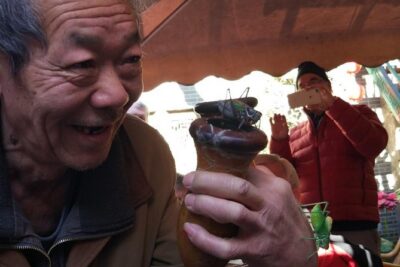
Private Hutong Culture Tour with Dumpling Cooking Class plus Cricket Fighting Game
Read our review →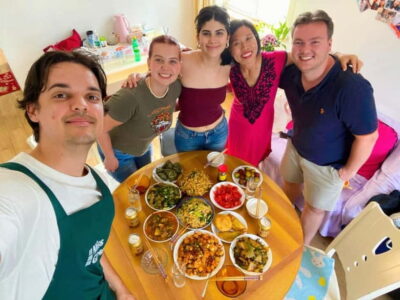
Vegan Home Cooking & Local Market Tour with Sanxia
Read our review →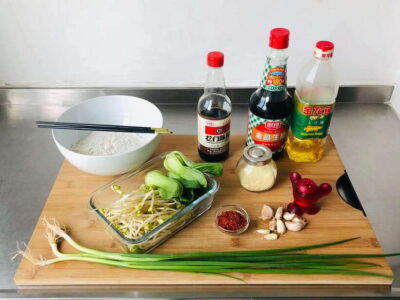
Chinese Cooking Class with Badminton Experience in Beijing
Read our review →Browse the lists this tour appears in