
Review · BEIJING COOKING CLASSES
Online Cooking Class Steamed Buns by Chef Sunflower Li
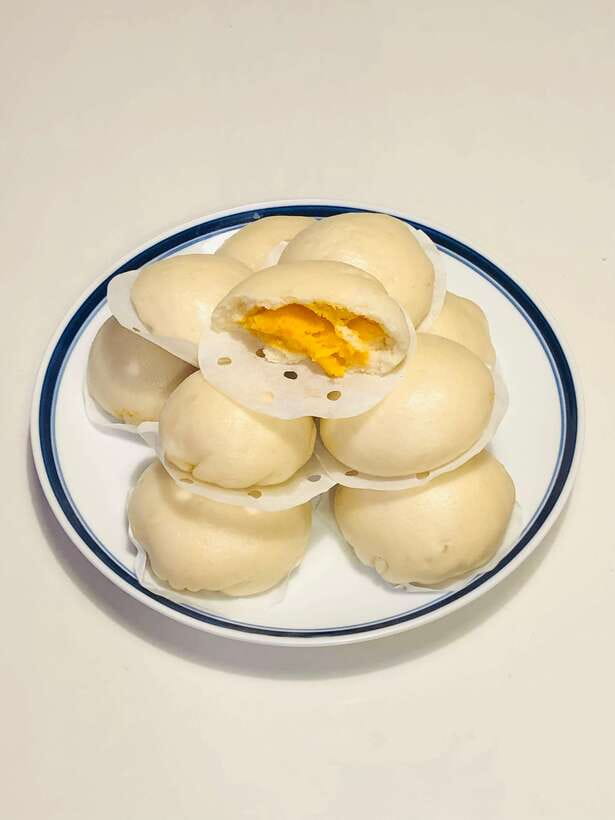
Steamed buns have been part of Chinese cooking for more than 1,800 years, and Chef Sunflower Li turns that long tradition into a hands-on online lesson. You will mix dough, prepare a filling, shape the buns, and learn why dough behaves the way it does, all from your own kitchen.
I like the private group format, which keeps the class personal for a family, birthday gathering, bridal shower, or work team. I also like the flexible timing and recipe follow-up, especially if you live in North America or Europe. The main drawback is simple: you must buy and measure all ingredients before class, and your kitchen setup may not match the chef’s.
Key points to know
- Chef Sunflower Li leads the class in English, with live instruction through Zoom.
- The $99 fee covers up to five people, making it useful for small groups.
- You make traditional Northern Chinese steamed buns, including the dough and filling.
- Meat, vegetarian, and vegan-friendly options are available, with substitutions provided for several ingredients.
- The class lasts about 90 minutes to two hours, depending on the pace of the group.
- You receive the family recipe afterward, so the class can become a repeat meal at home.
Making 1,800 years of steamed buns at home
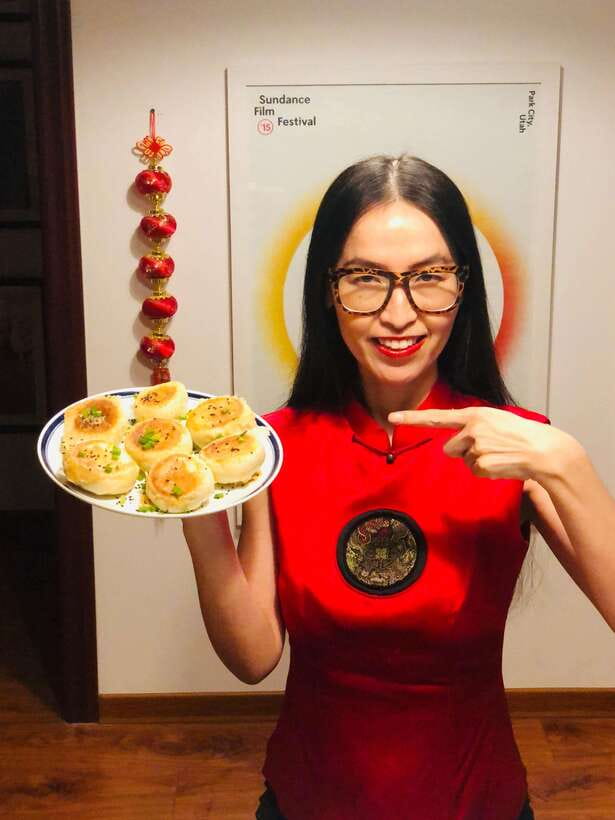
The appeal here is not simply eating a Chinese dish. You learn how an everyday Northern Chinese food is made from basic ingredients: flour, yeast, water, seasonings, vegetables, and a filling. Steamed buns are common home cooking in China, and that gives the class a practical feel. You are not watching a chef prepare an elaborate restaurant plate. You are learning something you can make again.
Chef Sunflower Li focuses on the science of dough as well as the recipe. That matters because steamed buns can look easy until the dough turns sticky, dry, dense, or difficult to shape. Understanding how yeast and flour work gives you a better chance of repeating the result after the class ends.
The class usually takes between 90 minutes and two hours. I would plan on the full two hours, particularly if your group includes children, first-time cooks, or people who want to ask questions. The extra time also allows everyone to work at a comfortable pace rather than rushing through shaping.
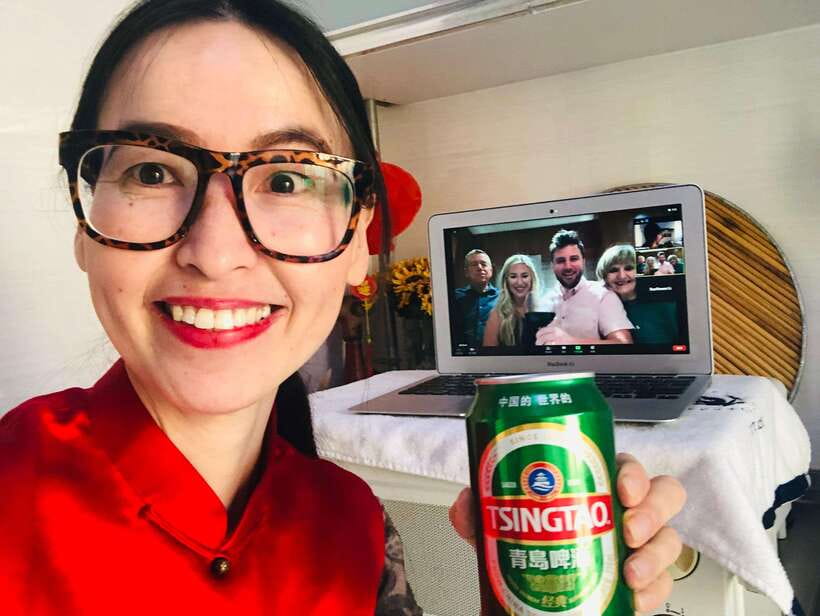
You meet the chef online through Zoom. There is no in-person meeting and no trip to a cooking studio. That makes this a good choice if you want a cultural food activity without adding transportation, but it also means you need a reasonably organized kitchen and a device you can see while cooking.
More Cooking Classes in China:
- Half-Day Chengdu Cooking Class with a Local Market Visit
★ 5.0 · 465 reviews - Chengdu: Cooking Class with Fresh Market Half Day Experience
★ 5.0 · 42 reviews - Shanghai-Cooking Dumpling & Meal in Local Family-w/Vegan
★ 4.9 · 36 reviews
What happens during the Zoom class
After booking, you receive the Zoom meeting link and the ingredient list through WhatsApp or iMessages. Read the list carefully and shop before class. Ingredients are not included in the $99 price.
The first part centers on the dough. You work with all-purpose flour and yeast, following Chef Sunflower Li’s guidance as you combine and handle them. The useful part is not just the measurement. You learn what the dough should feel like and how its texture affects the finished bun.
Next comes the filling. The meat version uses ground pork, beef, or chicken with green onion, ginger, egg, soy sauce, vinegar, sesame oil, cooking wine, chicken bouillon, 13 spice, black pepper, salt, and optional chili paste. The exact choice of meat is yours from the listed options.
If you prefer a meat-free class, the vegetarian version uses cabbage, green onion, carrot, egg, ginger, and the same general collection of seasonings. Tofu can replace the egg. A vegan option is available, although you should confirm the exact substitutions when arranging the class.
The filling ingredients give you a useful introduction to the flavor balance of Northern Chinese home cooking. Soy sauce brings salt and depth, ginger adds sharpness, sesame oil adds fragrance, and the spice blend brings warmth. Vinegar and optional chili paste let you adjust the final character of the filling.
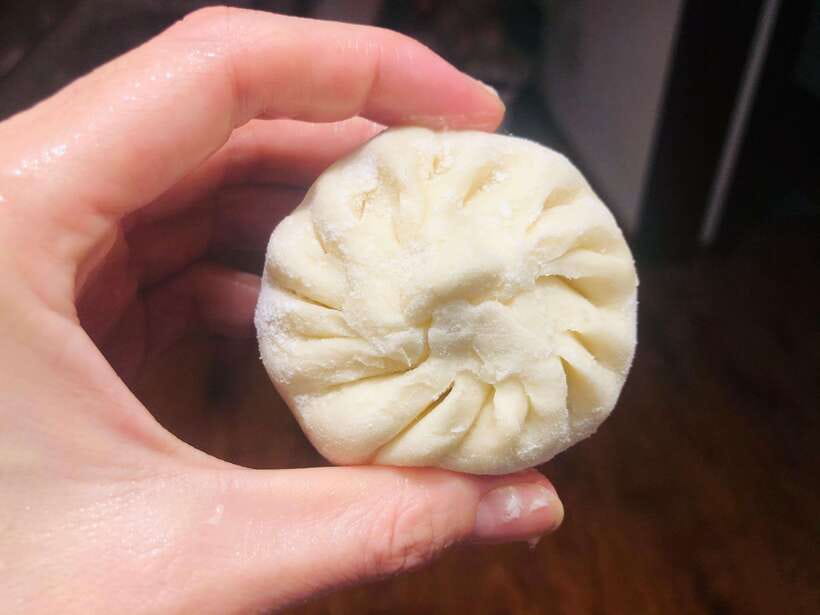
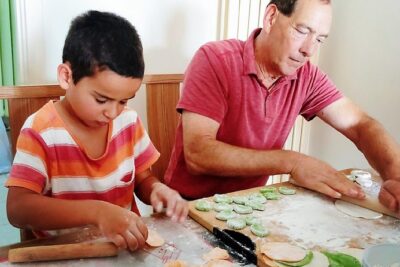
You then shape the buns. This is likely the most hands-on part of the session, and it is where a live class helps. You can watch Chef Sunflower Li demonstrate the process and follow along with your own dough and filling. Different people in the same group may work at different speeds, so the private format is helpful here.
The final step is steaming. The cooking method gives the buns their soft texture and keeps the activity focused on a familiar Chinese technique rather than frying or baking. You finish with food you have prepared yourself, not just a recipe demonstration.
Why the dough lesson matters
A recipe alone cannot always tell you when dough is ready. Flour absorbs liquid differently, room conditions vary, and beginners often add too much flour when dough feels sticky. A live explanation of texture can help you make better choices than a fixed set of instructions.
Chef Sunflower Li’s focus on dough science also gives the class value beyond one meal. Once you understand the basic process, you can approach the recipe with more confidence the next time. The family recipe shared after class gives you a written reference, while the live instruction helps explain what the recipe cannot show.
This is also a forgiving format for a mixed group. One person may already cook often, while another may be making dough for the first time. Since the class is private, your group can ask for clarification instead of trying to keep up with a large public session.
Choosing the right filling for your group
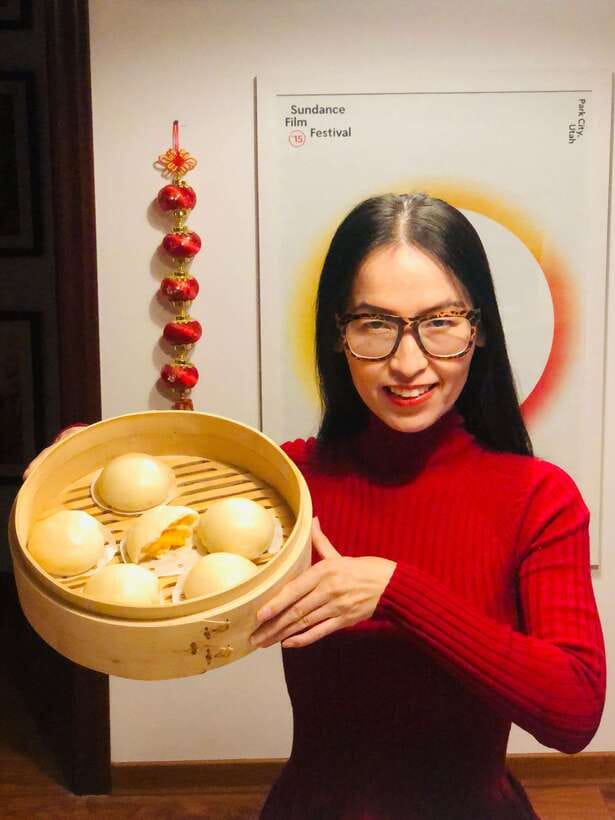
The meat version is a good fit if your group wants a traditional savory filling built around ground meat and strong aromatic seasoning. Pork, beef, and chicken are all listed, so you have some flexibility at the shopping stage.
For a vegetarian group, cabbage provides the main filling base, joined by carrot and green onion. You can use tofu instead of egg. This option is not treated as an afterthought, since a full ingredient list and substitutions are provided.
The vegan option makes the class accessible to more groups, but ingredient substitutions should be settled before the lesson. The supplied information confirms that vegan cooking is available, but it does not provide a separate complete vegan ingredient list. Ask for that list when you schedule so you do not arrive with the wrong items.
If you are planning a class for a team or party, collect dietary needs before booking. A little planning avoids buying both meat and vegetarian ingredients unnecessarily. It also helps Chef Sunflower Li know which version to teach.
Same region, a different dish to learn:
- Flavors of Beijing: Eat Like A Real Chinese
★ 5.0 · 78 reviews - Private Cooking Class: Make Your Own Dim Sum In Shanghai
★ 5.0 · 27 reviews - Half-Day steamed Buns Cooking Class with a Local Market Visit
★ 5.0 · 26 reviews - Half-Day Professional Mapo Tofu Cooking with a Local Market Visit
★ 5.0 · 19 reviews
The value of a $99 private class
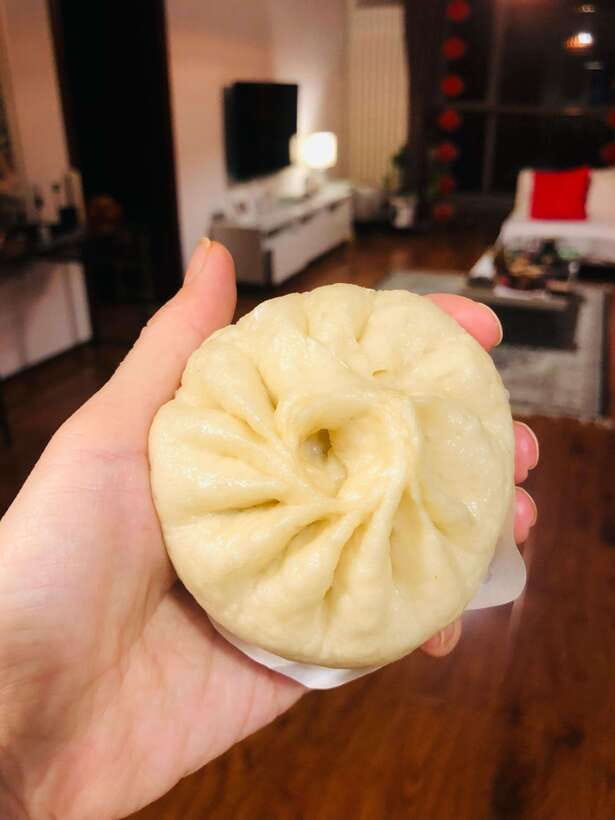
The price is $99 per group of up to five people. That is not a per-person charge, so the value improves quickly when you fill the group. Five people are effectively paying less than $20 each, before ingredients.
For a household or small friend group, the fee buys a private two-hour activity rather than a one-way video. You get a live instructor, a shared cooking project, and a recipe to use later. Ingredients cost extra, but many are ordinary grocery items such as flour, yeast, cabbage, green onions, carrots, eggs, and seasonings.
The price makes the most sense for an occasion. A birthday party, bridal shower, anniversary, or team event can use the class as the main activity rather than as a short add-on. It also works for families who want something more active than watching a cooking program together.
A solo cook may find the group price less attractive. The experience is designed for a private group of up to five, so its strongest value comes when several people share the fee.
A good fit for team building and celebrations
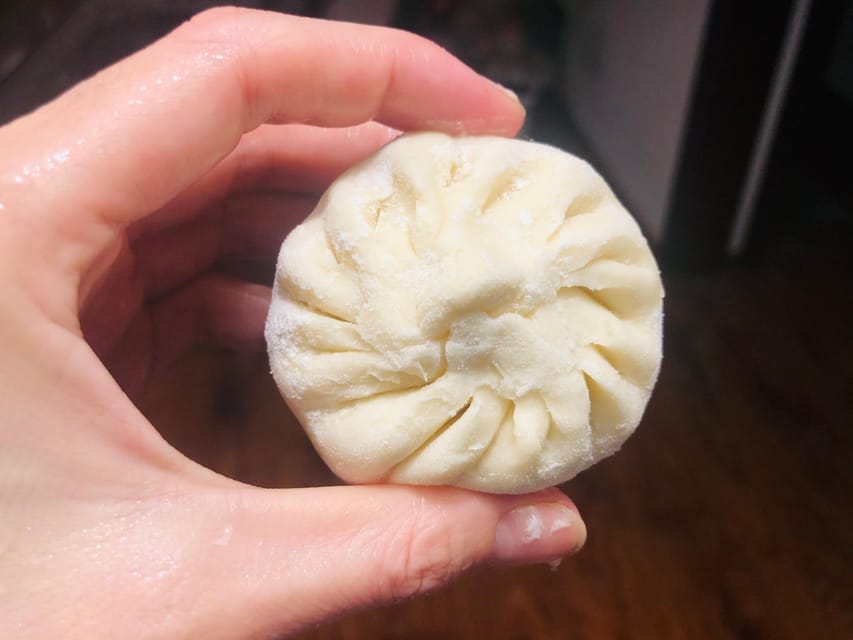
Cooking gives a group a shared task without requiring everyone to have the same level of experience. One person can focus on dough, another on the filling, and another on shaping. The work is simple enough for beginners but still gives experienced cooks something to pay attention to.
The class has been used for teams connected with companies including LinkedIn, Openspace, eBay, Meta, TikTok, Nuna, DoorDash, Paiger, and Block. That does not guarantee a particular corporate format, so ask about your group’s needs when arranging the session. Still, the range of team events shows that the format can work beyond a family kitchen.
For a birthday or bridal shower, the private Zoom setup removes the need to find a venue. Everyone cooks from home, and the flexible scheduling can help when people live in different time zones. The tradeoff is that each participant must shop, measure, and prepare a cooking area.
Children and adults can both take part. For younger cooks, an adult should handle hot equipment and any tasks that require extra care. The provided information does not give a minimum age, so ask before booking if your group includes small children.
Scheduling for North America and Europe
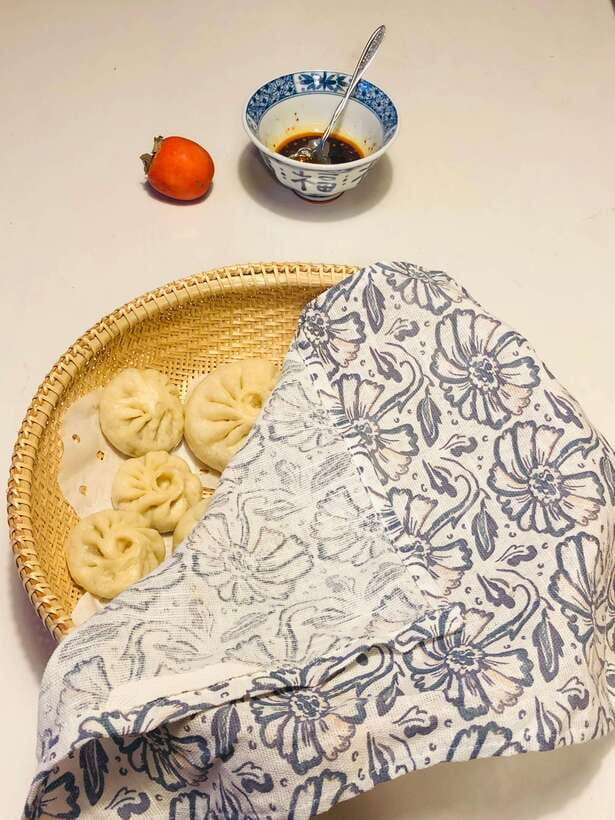
Chef Sunflower Li offers flexible scheduling, with class times designed to work for US and European time zones. That makes it possible to plan the class around lunch or dinner rather than forcing everyone into an inconvenient hour.
You can change the time to suit your schedule and time zone. This is especially useful for international teams, families spread across countries, or celebrations with guests in different regions. Confirm the time carefully after booking, since the class is live and depends on everyone joining at the agreed hour.
The total session may last 90 minutes or two hours. I would avoid placing it directly against another appointment. Cooking, questions, shaping, and steaming all take time, and a relaxed pace is part of the fun.
What the strong feedback tells me
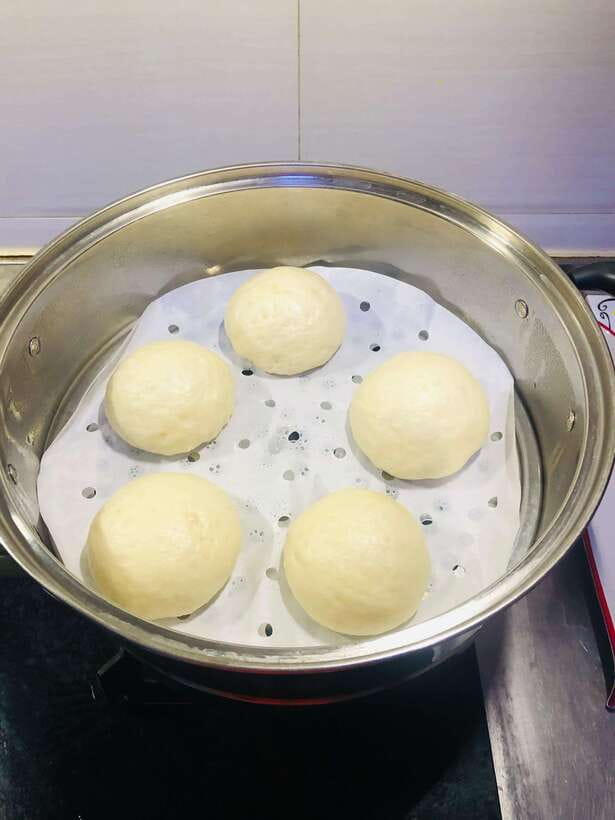
The experience has a five-star rating from two verified bookings. That is a small sample, so I would not treat it as a complete measure of every possible class. Still, both detailed comments point to the same strengths: Chef Sunflower Li makes the class fun and educational, guides people clearly, and helps them produce a dish they can make again.
Cheryl from the United States said the instruction led to good results and left her eager to make the buns again. That is an important point for an online class. If the finished food works and the recipe feels repeatable, the activity has value beyond the live session.
Stephanie from the United States emphasized the cheerful instruction, the educational side, and the fact that the group finishes with a tasty meal and a recipe for later. I would book this for people who want to cook, not for anyone hoping to sit back and watch a demonstration.
The praise centers on the teacher and the hands-on result. It does not tell you that every group will have identical buns, since your flour, tools, timing, and cooking experience can affect the outcome. Expect guidance, not a guarantee of professional-looking folds.
Practical preparation before class
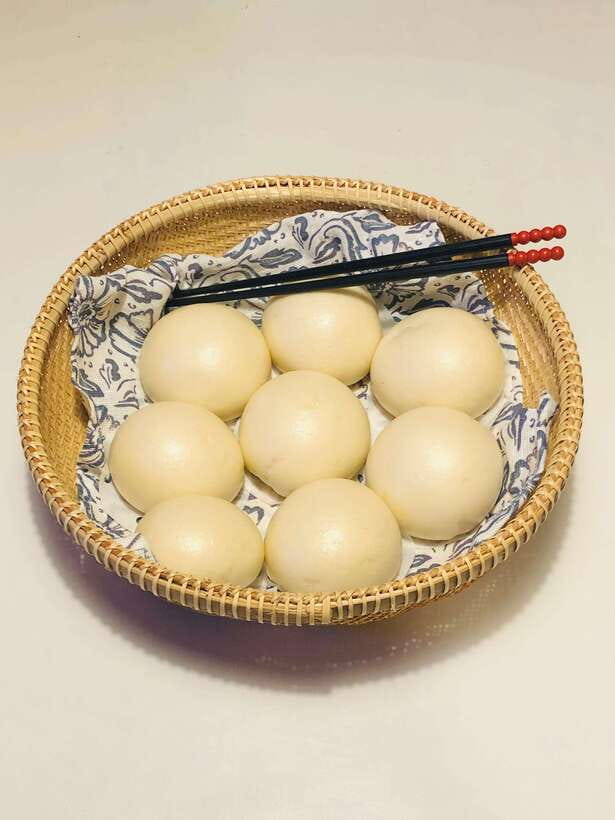
You need to buy the ingredients yourself. For the meat version, prepare two cups of all-purpose flour, yeast, your choice of ground meat, green onion, ginger, egg, soy sauce, vinegar, sesame oil, cooking wine, chicken bouillon, 13 spice or five spice, black pepper, optional Laoganma chili paste or a local substitute, and salt.
For the vegetarian version, prepare two cups of flour, yeast, cabbage, green onion, carrot, egg or tofu, ginger, soy sauce, vinegar, sesame oil, 13 spice or five spice, black pepper, optional chili paste, and salt.
Measure ingredients before the class if possible. That keeps the session moving and leaves more time for technique. Since this is a live class, missing one seasoning or discovering that the yeast is unavailable can disrupt your group.
You also need a computer, tablet, or phone for Zoom. The information does not specify the required cookware or steaming equipment, so ask about that before the lesson. Do not assume every kitchen has the same setup.
The class is wheelchair accessible because it takes place online. Physical accessibility may still depend on your own kitchen arrangement, counter height, and ability to handle cooking equipment.
Who should book this class
I would recommend it to families, food-focused friends, small corporate teams, and anyone planning a birthday, bridal shower, or anniversary activity. It is particularly useful when people live far apart but want to do something together at the same time.
It also suits cooks who want a recipe with cultural context and practical technique. You learn about a familiar Chinese home food, not just a quick party snack. The finished buns give the session a clear reward.
I would be more cautious if you want a fully catered event, a polished restaurant-style demonstration, or a class where ingredients and equipment are supplied. This is a hands-on cooking appointment, and the work begins before the Zoom call.
Should you book Chef Sunflower Li’s steamed bun class?
Book it if your group wants to cook together, can shop in advance, and values a private lesson over a passive show. The $99 group rate is sensible for four or five people, and the flexible schedule helps international groups find a workable lunch or dinner time.
The strongest reasons to choose it are Chef Sunflower Li’s live guidance, the focus on dough technique, the meat and vegetarian choices, and the family recipe you can use later. The main caution is preparation: ingredients are not included, and you need to organize your kitchen before the class begins.
If those details suit your group, this is a practical way to spend two hours making a classic Chinese food at home and learning enough to try it again.
FAQ
Where does the cooking class take place?
The class takes place online through Zoom. You do not meet Chef Sunflower Li in person.
How long does the class last?
The class usually lasts between 90 minutes and two hours. The stated duration is two hours.
How much does the class cost?
The price is $99 per private group of up to five people.
Is the class private?
Yes. The class is offered as a private group experience.
What language does Chef Sunflower Li use?
The class is taught in English.
Are ingredients included?
No. You must purchase and prepare the cooking ingredients before the class.
Is a vegetarian option available?
Yes. A vegetarian version uses ingredients such as cabbage, green onion, carrot, egg or tofu, and the listed seasonings.
Is a vegan option available?
Yes. A vegan option is available. Ask for the exact vegan substitutions and ingredient list when scheduling.
How do I receive the Zoom link?
After booking, you receive the Zoom class meeting link through WhatsApp or iMessages, along with the ingredients list.
Can I cancel for a full refund?
Yes. You can cancel up to 24 hours in advance for a full refund.
Newest classes around China
- Private Panda Tour with Cooking Class One-day Trip★ 5.0 · 11 reviews
- Half-day Chengdu Handmade Tofu Making and Mapo Tofu Cooking Class★ 5.0 · 3 reviews
- Half-day Dandan Noodles Cooking Class with a Local Market Visit★ 5.0 · 8 reviews
- Half-Day Private Hot-Pot Cooking Class with a Local Market Visit★ 5.0 · 3 reviews
- Half-Day Sichuan Cooking Class Experience in Chengdu★ 4.0 · 17 reviews
- Half day Chengdu Dumpling Class: Make from Scratch★ 5.0 · 8 reviews
- Chengdu Dujiangyan Leshan Buddha Tea Plantation and Sichuan Cooking 3 Days★ 5.0 · 2 reviews
- Beijing: Private Dumpling Cooking Class in Local Family★ 5.0 · 3 reviews
Beijing Cooking Classes, compared.
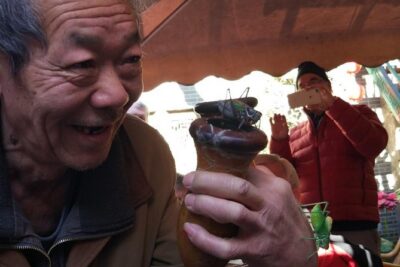
Private Hutong Culture Tour with Dumpling Cooking Class plus Cricket Fighting Game
Read our review →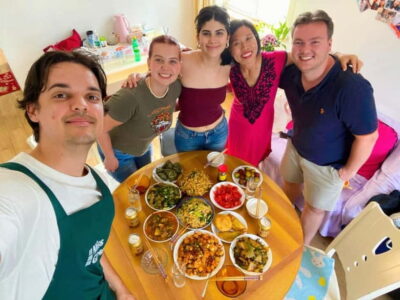
Vegan Home Cooking & Local Market Tour with Sanxia
Read our review →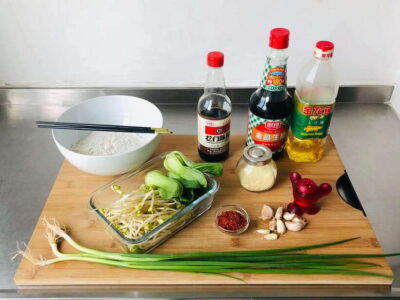
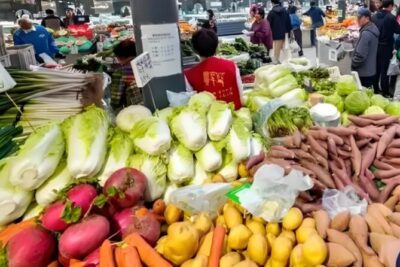
Chinese Cooking Class with Badminton Experience in Beijing
Read our review →Browse the lists this tour appears in