
Review · CHENGDU COOKING CLASSES
Half-Day Professional Mapo Tofu Cooking with a Local Market Visit
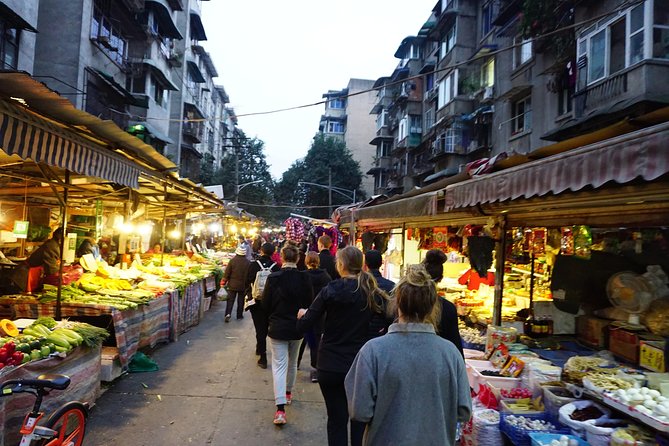
Chengdu is the right place to learn mapo tofu, and this experience begins where the dish starts: with the spices. You visit a local market, examine the ingredients used in Sichuan cooking, then bring those flavors into a professional kitchen for a hands-on class with a chef.
I like the small maximum of 10 people, which should make it easier to follow the cooking and ask questions. I also like the practical finish: you sit down to eat your own mapo tofu with beer or another drink, and you receive recipes to take home. The main consideration is that the meeting point is in Jinniu District, and round-trip transport is offered only from select Chengdu locations, so check the pickup details before booking.
Key points at a glance
- A market visit comes first: See Sichuan spices and cooking ingredients before using them in class.
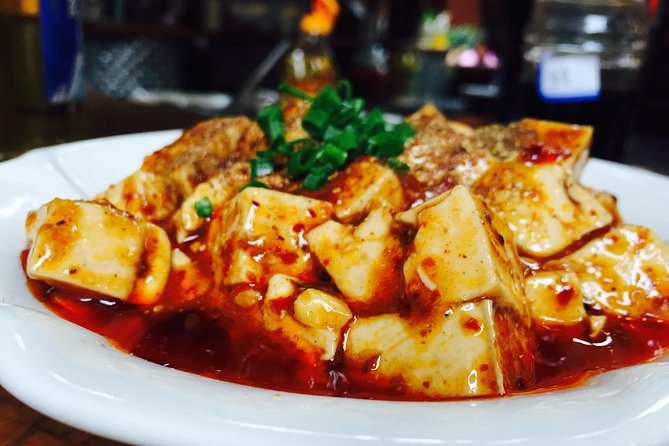
- Mapo tofu is the focus: Learn to prepare one of Chengdu’s best-known dishes in a professional cooking school.
- Small-group format: The class is limited to 10 participants.
- Jerry may be your guide: He has helped participants with workshop details and met them at the station for the market visit.
- Food and teaching are bundled: Ingredients, tea, refreshments, a meal, drinks, recipes, and a souvenir are included.
- Plan for four to five hours: Wear comfortable walking shoes and be ready for the activity to run in any weather.
Why mapo tofu is a smart Chengdu cooking class
Mapo tofu is more than a convenient dish to cook in a short class. It brings together several flavors that define Sichuan food: chili heat, aromatic spices, savory fermented ingredients, tofu, and a sauce that needs careful handling.
You are not simply watching a chef make dinner. You first see the raw materials in a local market, then use ingredients from that food culture in a finished dish. That order matters. It gives you a clearer sense of how the final bowl is built.
The class is also a welcome change from another restaurant meal. Chengdu has plenty of excellent food, but eating dish after dish can become passive. Here, you handle the process yourself, then get a meal at the end. The cooking creates a useful bridge between sightseeing and eating.
You should not expect a full survey of Sichuan cuisine. The central dish is mapo tofu, and the class is designed around it. That focus is a strength if you want to learn one famous recipe rather than rush through several unrelated dishes.
More Cooking Classes with a Market Tour in China
- Half-Day Chengdu Cooking Class with a Local Market Visit
★ 5.0 · 465 reviews - Chengdu: Cooking Class with Fresh Market Half Day Experience
★ 5.0 · 42 reviews - Half-Day steamed Buns Cooking Class with a Local Market Visit
★ 5.0 · 26 reviews
Starting at Chilli Cool China and the local market
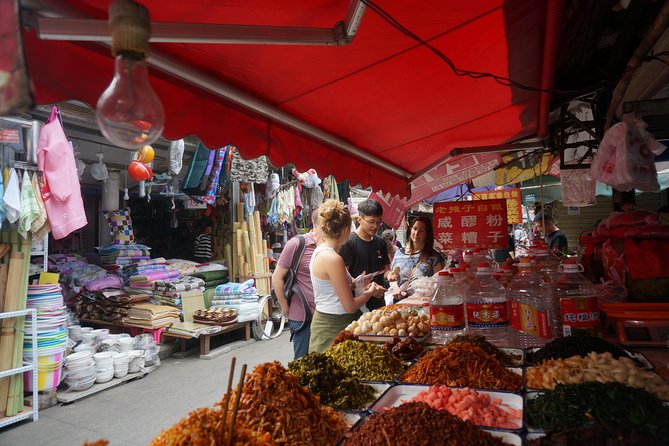
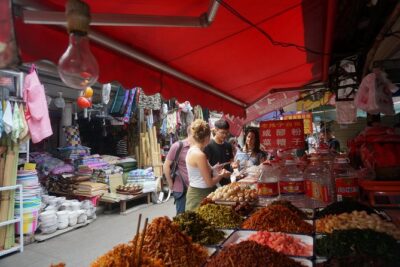
The first stop is Chilli Cool China, followed by a visit to a local market. The market portion is not just a quick shopping stop. It is where you get an introduction to the different spices and ingredients used in Chinese cooking, including the items that will matter during the lesson.
A guide such as Jerry can help you get oriented at the start. He has contacted participants before the activity to clarify workshop options, and he has met people at the station before taking them into the market. That kind of early contact is useful in Chengdu, especially if you are unsure about the meeting arrangement or the exact class format.
Expect walking and plenty to look at. You will be asked to notice ingredients rather than simply pass through the market. The experience includes fun challenges, which gives the visit a little structure and keeps it from feeling like a standard food stop.
One practical benefit is that the market can help you recognize spices later. Once you have seen the ingredients in their original setting, the cooking lesson has more context. You might also find something you want to take home. Jerry helped one participant identify spices to buy after the market visit, which is a nice extra for anyone building a small Sichuan pantry.
The market is likely to be the least polished part of the experience, and that is part of its value. It is a working local food setting, not a staged display. If you prefer a quiet, tidy environment with no walking, this first section may feel less comfortable.
Moving to Chilli Cool’s professional kitchen
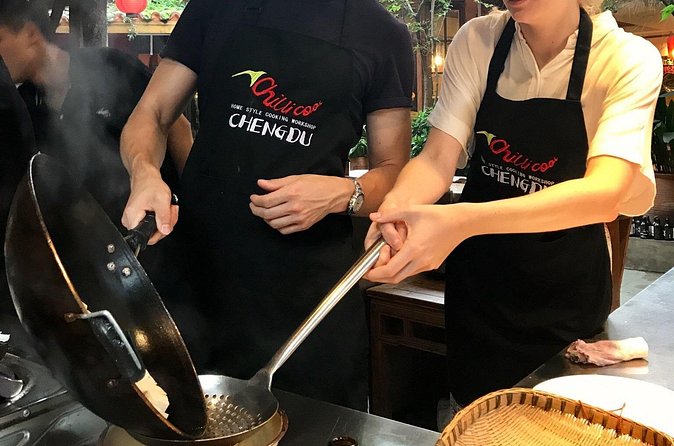
After the market, you go to Chilli Cool’s Kitchen for the cooking class. The lesson takes place in a professional cooking school, so you get a more organized setup than you would in a casual home kitchen.
The class begins with local Sichuan tea, traditionally offered to friends and visitors. This gives you a short pause between the market and the cooking. It also adds a small cultural detail that many food classes leave out.
A professional chef guides the preparation in a cozy kitchen. The supplied information does not specify the exact cooking stations or the number of burners, so it is best to think of this as a guided group workshop rather than an independent kitchen rental. With a maximum of 10 people, you should have a reasonable chance to follow along and get help.
The class is suitable for people who want to cook, not just watch. The guide and chef lead you through the process, and the ingredients are provided. You do not need to shop for the food beforehand or bring cooking supplies.
For families, the minimum age is 3. Very young children may enjoy the market and tea more than the detailed cooking, but the age policy allows families to book together. Anyone with dietary needs should give notice when booking. A vegetarian option is available, though you should request it in advance rather than assume it can be arranged on arrival.
What you learn while making mapo tofu
The main lesson is Sichuan-style mapo tofu, one of China’s most popular dishes. Tofu is a simple base, but the character of the dish comes from the seasoning and the balance of the sauce.
That makes it a good recipe for a class. You can see how a small number of ingredients can create a strong result, and you can later use the recipe at home. The included recipe booklet makes this more useful than a meal you simply remember by taste.
The cooking is likely to be the most rewarding part for anyone who enjoys practical instruction. You work toward a dish you will eat immediately, rather than preparing something only for demonstration. The lesson also gives you a chance to ask about ingredients that may be unfamiliar outside China.
The experience is not advertised as a broad course in Sichuan cooking. You should book it for a focused introduction to mapo tofu and local spices. If you want to make several dishes, practice knife work, or study regional cooking in depth, this four-hour format may feel limited.
Still, the narrow focus works well for a half-day. You learn one recognizable dish, taste it fresh, and leave with instructions for another attempt at home.
Same region, a different dish to learn:
- Flavors of Beijing: Eat Like A Real Chinese
★ 5.0 · 78 reviews - Shanghai-Cooking Dumpling & Meal in Local Family-w/Vegan
★ 4.9 · 36 reviews - Private Cooking Class: Make Your Own Dim Sum In Shanghai
★ 5.0 · 27 reviews - Half-Day Sichuan Cooking Class Experience in Chengdu
★ 4.0 · 17 reviews
Sitting down to eat your own cooking
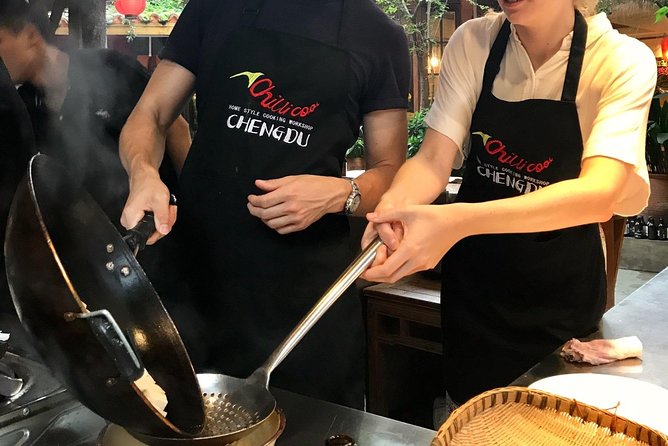
At the end, you sit down to enjoy the mapo tofu you helped prepare. Beer and other beverages are included, along with local tea, light refreshments, and lunch or dinner depending on the class schedule.
This final meal is important. It gives the class a clear payoff and lets you judge the result while the techniques are still fresh. It also turns the lesson into a social experience rather than a series of instructions.
The meal is not presented as a large tasting menu. The central reward is your mapo tofu, with drinks and refreshments around it. If you want a wide selection of dishes, you may need a separate restaurant visit later.
You also receive a souvenir. The supplied details do not specify what the souvenir is, so treat it as a small extra rather than a reason to book. The recipes are likely to be more useful over time, especially if you want to recreate the dish after returning home.
Group size, guide support, and the overall pace
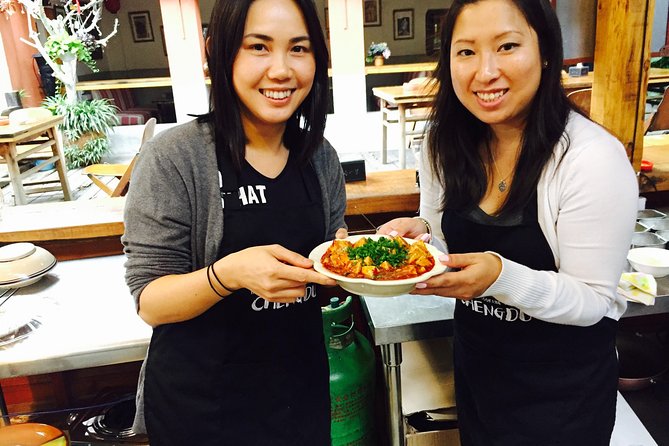
The maximum group size is 10. That is small enough to keep the class from feeling like a lecture, while still giving the activity a social feel.
The guide support is one of the stronger practical features. Jerry has helped with pre-class questions and station meetups, while Lance has followed up with recipe information and spice details. The exact guide depends on the date, but you should have a named local contact connected with Chilli Cool China.
The total duration is about four hours, though the detailed description allows four to five hours. Build some flexibility into your day. The market walk, transfers, cooking, and meal all take time, and you do not want to schedule a major attraction immediately afterward.
The meeting point is at Liangjiaxiang in Jinniu District, Chengdu, with the activity ending back at that meeting point. Round-trip transport is provided from select Chengdu locations, not necessarily from every hotel. Confirm your pickup arrangement before the day of the class.
The activity operates in all weather. Chengdu weather can change, and the market visit means you should dress for outdoor conditions even though the cooking takes place indoors. Comfortable walking shoes are specifically advised.
Is the $69.24 price good value?
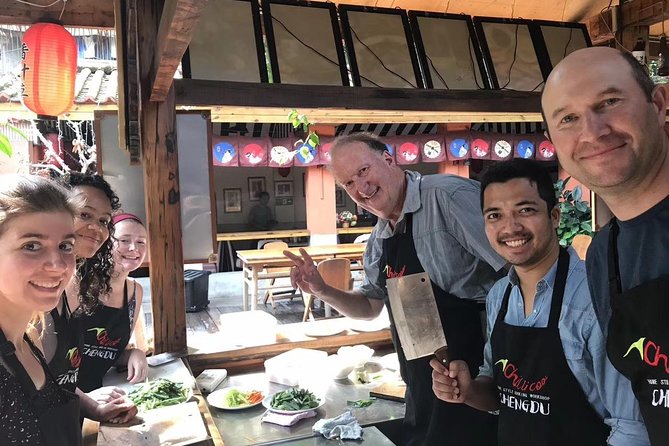
At $69.24 per person, the experience costs more than a simple Chengdu meal, but it includes much more than food. You receive a market tour, ingredients, professional instruction, tea, refreshments, drinks or beer, lunch or dinner, recipes, and a souvenir.
The value depends on what you want from a food activity. If your only goal is to taste mapo tofu, a restaurant will cost less and require less time. If you want a local food lesson with a market visit and hands-on cooking, the price is easier to justify.
Transport from select locations adds convenience, especially if you are new to Chengdu. The small group also matters. A 10-person limit gives the experience more personal attention than a large demonstration class.
Advance planning is sensible. The activity averages booking about 11 days ahead, and booking early helps avoid a sold-out date. You can cancel for a full refund if you do so at least 24 hours before the start time. Changes or cancellations inside that window are not accepted for a refund.
Who should book this Chengdu experience?
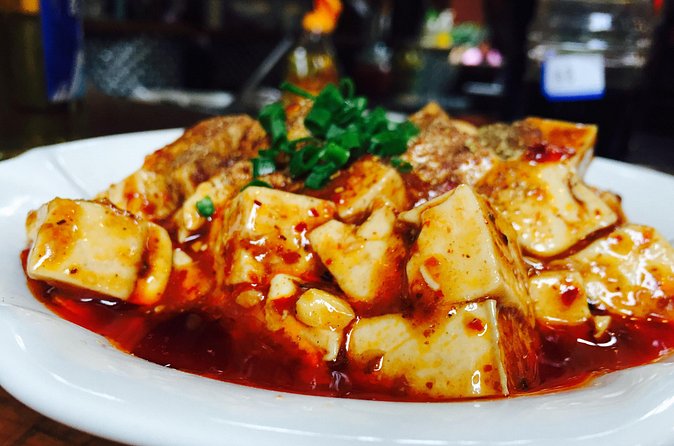
I would recommend it to you if you enjoy food, want a practical cultural activity, and have half a day to spend away from Chengdu’s usual restaurant circuit. It suits first-time visitors who want a friendly introduction to Sichuan ingredients, as well as returning visitors looking for a more active way to eat.
It is also a good choice for families because children from age 3 can participate, though adults should judge how much cooking their young children can manage. Couples, friends, and solo participants can all fit into the small-group setup.
You should think twice if you dislike spicy food, though the supplied details do not state how the heat level can be adjusted. You should also reconsider if you want a fully private class, a long culinary course, or a broad menu of dishes.
Give the activity extra thought if walking through a market in uncertain weather is not appealing. The market is an important part of the experience, not a minor add-on.
My verdict: book it if you want to cook, not just eat
I would book this class if you want one focused Sichuan dish, a local market visit, and an easy meal at the end. The strongest features are the small group, the connection between market ingredients and the cooking lesson, and the practical recipe you take home.
The experience is less suitable if you only have time for a quick meal or want a polished restaurant-style food tour. But for about four hours and $69.24, you get a useful look at Chengdu food culture with the chance to make your own mapo tofu. Check the pickup location, mention dietary needs in advance, wear walking shoes, and reserve ahead if your schedule is fixed.
FAQ
How long does the cooking experience last?
The experience lasts about four hours, with the detailed schedule allowing four to five hours.
Where does the activity begin?
It begins at Liangjiaxiang in Jinniu District, Chengdu, China, postal code 610051.
Where does the activity end?
The activity ends back at the meeting point.
Is transportation included?
Round-trip transport is provided from select Chengdu locations. The provided information does not state that pickup is available from every hotel.
What dish will I learn to cook?
You will learn to make Sichuan-style mapo tofu, a popular Chinese dish.
How many people can join the class?
The activity has a maximum of 10 participants.
Is a vegetarian option available?
Yes. A vegetarian option is available, but you should advise the provider when booking.
What is included in the price?
The price includes the market tour, food ingredients, local tea, beverages or beer, light refreshments, lunch or dinner based on the class schedule, recipes, and a souvenir.
Can I cancel for a full refund?
Yes. You can cancel at least 24 hours before the local start time for a full refund. Cancellations or changes made less than 24 hours before the start time are not accepted for a refund.
More Half-Day Outings in China
- Half-day Dandan Noodles Cooking Class with a Local Market Visit
★ 5.0 · 8 reviews - Half-day Chengdu Handmade Tofu Making and Mapo Tofu Cooking Class
★ 5.0 · 3 reviews - Half-Day Private Hot-Pot Cooking Class with a Local Market Visit
★ 5.0 · 3 reviews - Half-Day Thai Cooking Class at Organic Farm in Chiang Mai
★ 5.0 · 19,087 reviews
Newest classes around China
- Private Panda Tour with Cooking Class One-day Trip★ 5.0 · 11 reviews
- Half-day Chengdu Handmade Tofu Making and Mapo Tofu Cooking Class★ 5.0 · 3 reviews
- Half-day Dandan Noodles Cooking Class with a Local Market Visit★ 5.0 · 8 reviews
- Half-Day Private Hot-Pot Cooking Class with a Local Market Visit★ 5.0 · 3 reviews
- Half-Day Sichuan Cooking Class Experience in Chengdu★ 4.0 · 17 reviews
- Half day Chengdu Dumpling Class: Make from Scratch★ 5.0 · 8 reviews
- Chengdu Dujiangyan Leshan Buddha Tea Plantation and Sichuan Cooking 3 Days★ 5.0 · 2 reviews
- Beijing: Private Dumpling Cooking Class in Local Family★ 5.0 · 3 reviews
Chengdu Cooking Classes, compared.
Half-Day Chengdu Cooking Class with a Local Market Visit
Read our review →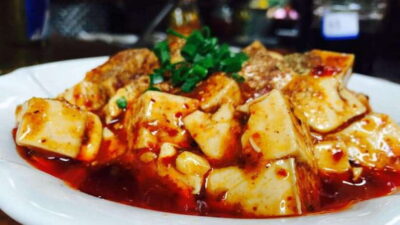
Cooking Class with Fresh Market Half Day Experience
Read our review →
Half-Day steamed Buns Cooking Class with a Local Market Visit
Read our review →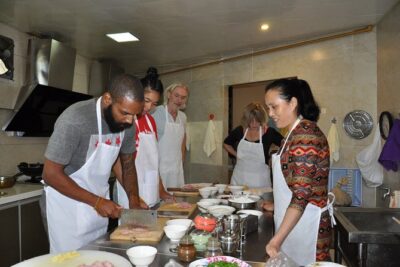
Half-Day Sichuan Cooking Class Experience in Chengdu
Read our review →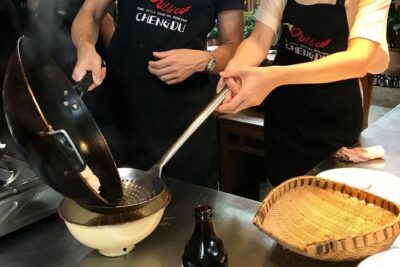
Private Panda Tour with Cooking Class One-day Trip
Read our review →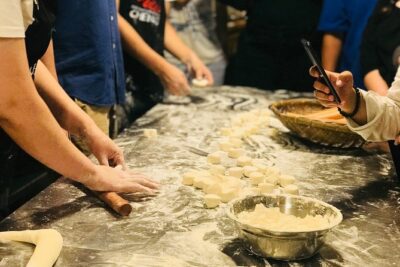
Half day Chengdu Dumpling Class: Make from Scratch
Read our review →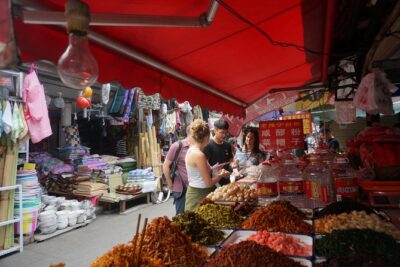
Half-day Dandan Noodles Cooking Class with a Local Market Visit
Read our review →
Half-Day Private Hot-Pot Cooking Class with a Local Market Visit
Read our review →Browse the lists this tour appears in