
Review · KYOTO COOKING CLASSES
Kyoto Home Cooking Class &Supermarket tour near Fushimiinari
The best part of this Kyoto experience is that it feels less like a staged food demonstration and more like being invited into a Japanese home for lunch. You learn dashi, prepare several dishes with clear guidance, and eat in a traditional room overlooking a garden.
I like the small maximum of six people, which gives Miho and the other licensed guide interpreters time to correct your technique. I also like the supermarket visit, where Japanese cooking becomes easier to understand through real packages, seasonings, and ingredients. The main consideration is that the class is held in a traditional home, so you need to bring socks and manage steps or floor-level seating comfortably.
Key points at a glance
- A traditional home near Fushimi Inari: Cook and eat in an authentic Japanese room with garden views.
- Dashi comes first: Learn the soup stock that forms the base of many Japanese dishes.
- About five dishes: Depending on the menu and season, you may prepare sushi, tempura, miso soup, rolled omelet, salad, mochi, or other dishes.
- Small English-speaking class: Groups are limited to six, with licensed guide interpreters leading the lesson.
- Supermarket learning: See the actual ingredients and Japanese products after lunch, with explanations to help you shop later.
- Useful for home cooks: You receive recipes and can buy ingredients to recreate the meal for family and friends.
Cooking lunch inside a Kyoto home
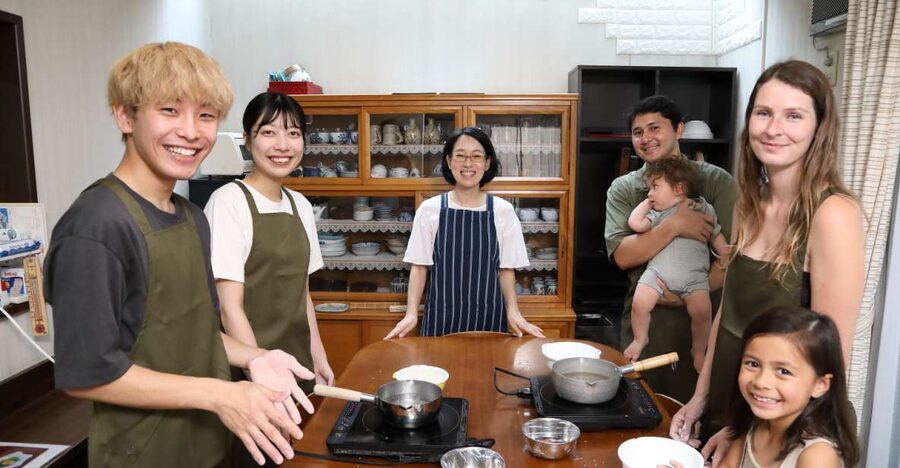
This four-hour class takes place near Fushimi Inari, but its main attraction is not another shrine view or a quick food sample. It gives you time inside a traditional Japanese home, where the setting shapes the whole experience.
You cook in an authentic room and later sit down for lunch with a garden view. That change matters. Instead of eating at a restaurant and moving on, you see how a Japanese meal comes together from basic ingredients, then enjoy it in a calm home setting.
I like this format for anyone who wants more than a list of famous dishes. You learn how food fits into daily life, from the stock in the soup to the products lined up in a supermarket aisle.
The traditional room also means you should dress for comfort. Socks are required, and the experience is not suitable for wheelchair users. The information does not specify every seating arrangement, but the home setting may involve traditional floor-level seating, so ask ahead if that could be difficult for you.
More Home Cooking Classes in Japan
- Near Fushimiinari: Kyoto Home Cooking Class & Supermarket tour
★ 5.0 · 100 reviews - Private Home Cooking in Yanaka – Local Flavors in a Warm Setting
★ 5.0 · 173 reviews - Japanese Home Cooking Class & Walk in Todoroki Temple Tokyo
★ 5.0 · 88 reviews
Why dashi is the right place to start
The class begins with dashi, the Japanese soup stock used in a wide range of dishes. This is a smart starting point because dashi is not just one recipe. It is a basic flavor-building step that helps explain why Japanese soups, sauces, and other foods taste the way they do.
Rather than treating Japanese cuisine as a collection of difficult restaurant dishes, the class shows you the foundation first. Once you understand the stock and seasonings, the rest of the meal makes more sense.
This part is especially useful if you want to cook Japanese food after returning home. You do not simply copy a finished plate. You learn which basic ingredients help create the flavor, then see related products during the supermarket visit.
Vegetarian and vegan participants are welcome because the class uses vegetarian dashi. If you follow a special diet, tell the provider in advance so the menu can be arranged correctly. The menu may also change with the season, so do not book expecting one fixed list of dishes.
Preparing sushi, tempura, omelet, and more
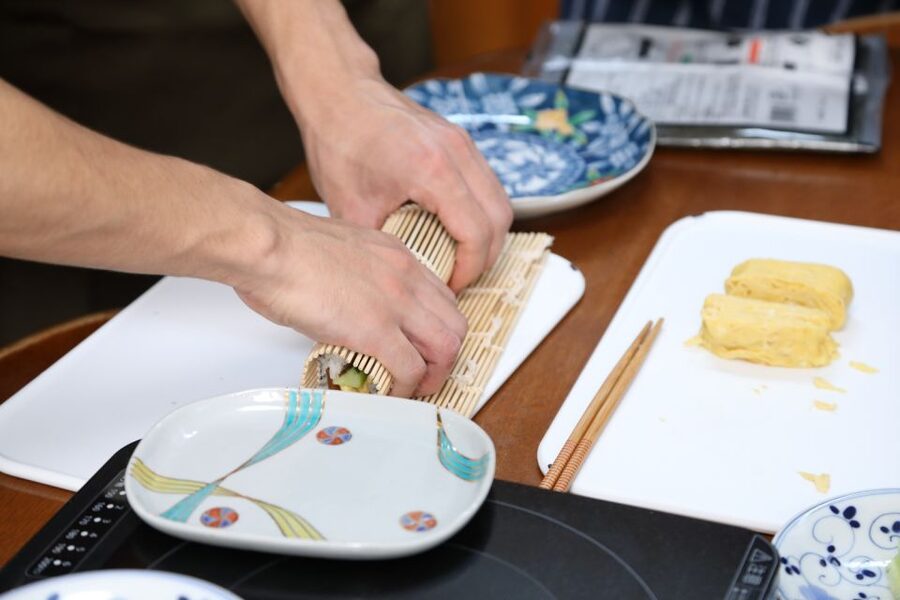
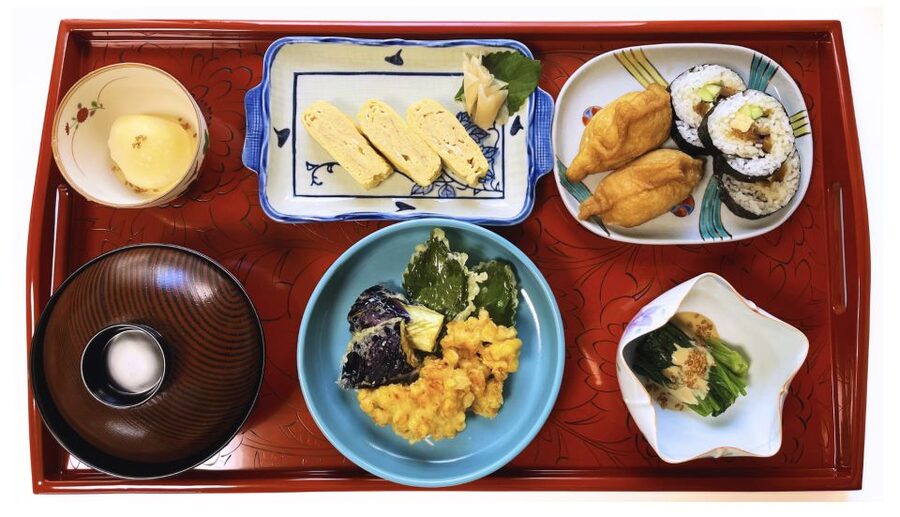
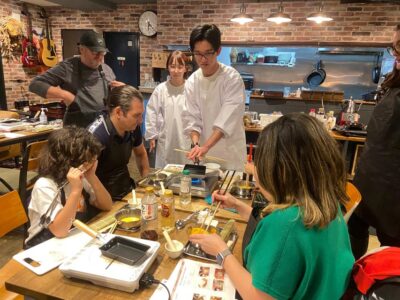
After the demonstration, you prepare about five dishes yourself or with a partner. The exact menu depends on the season and the day, but past classes have included miso soup, tempura, sushi, Japanese rolled omelet, salad, and dessert.
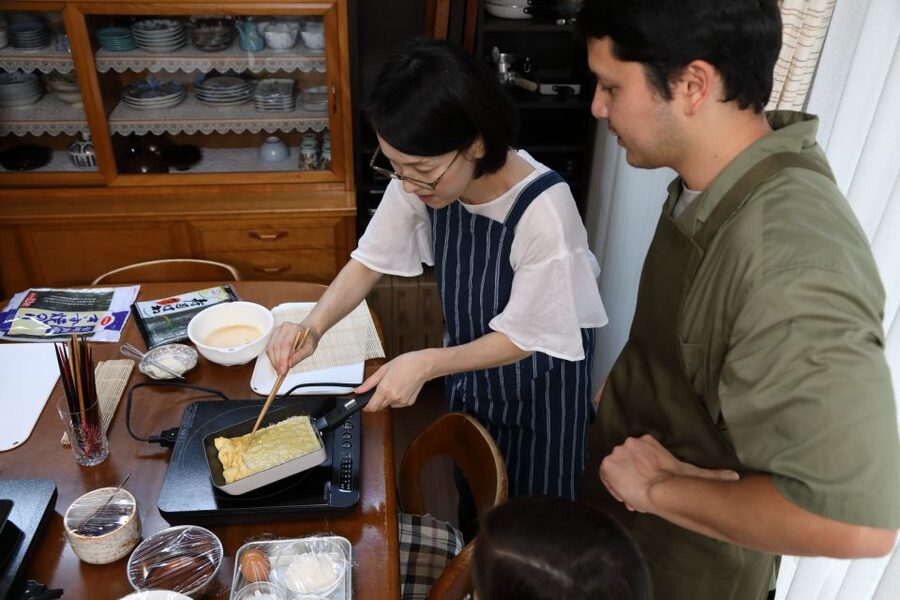
One particularly useful dish is the Japanese omelet. It looks simple, but shaping it properly takes some care. Having Miho or another instructor demonstrate it first gives you a better chance of getting the texture and form right.
You may also prepare mochi, which adds a sweet finish to the meal. Other menus have included around seven dishes, according to the cooking session, so the amount of food can be generous. The important point is not the exact number. It is the chance to work through several parts of a Japanese meal in one sitting.
The instructors demonstrate each task before you begin. That makes the class suitable for cooks with different levels of experience. You will not need to arrive with professional knife skills or knowledge of Japanese ingredients.
I would still keep your expectations practical. This is a compact four-hour lesson, not a professional cooking course. You will learn useful methods and recipes, but you will not master every dish in one morning.
Miho’s friendly, patient teaching style
Miho is the instructor most often named in the supplied information, and her teaching style is a major part of the appeal. She is described as direct, detailed, patient, passionate about food, and happy to adjust the class for children and different needs.
That mix is important in a small cooking class. A host who talks too quickly can make even an easy recipe feel hard. A host who explains each step clearly helps you focus on the food instead of worrying about missing instructions.
All instructors are licensed guide interpreters, and the lesson is conducted in English. That gives you more than a translated recipe. You can ask why an ingredient is used, how it is sold, or what to buy later.
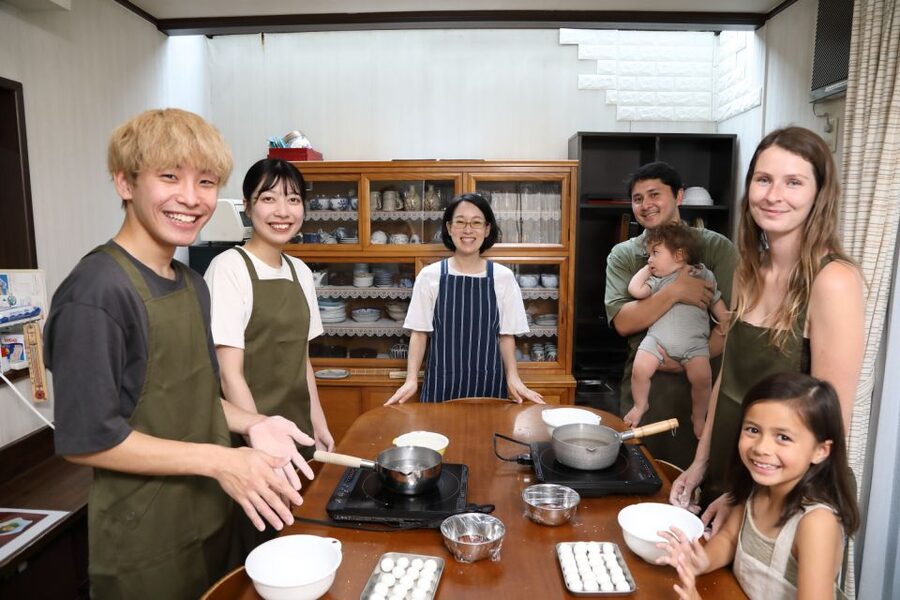
The group limit of six keeps the lesson personal without making it a fully private class. If you come alone, you will still have a chance to work with others. If you book as a family or couple, you can prepare dishes together and share the meal afterward.
Children aged 12 and below must participate with a guardian, and children under six cannot join. One family with young children received a menu adjustment and patient instruction, but you should still confirm arrangements before booking if your children are close to the age limit.
More Home Cooking Classes in Kyoto:
- Khmer Cooking Class at a Local’s Home in Krong Siem Reap
★ 5.0 · 2,731 reviews - Local Home Korean Cooking Class & Market Adventure in Seoul
★ 5.0 · 1,024 reviews - Marrakech: Moroccan Cooking Class with a Local Family
★ 4.9 · 668 reviews - Mexican Cooking from Scratch in a Local Home in Tulum
★ 5.0 · 585 reviews
Eating what you made in a garden-view room
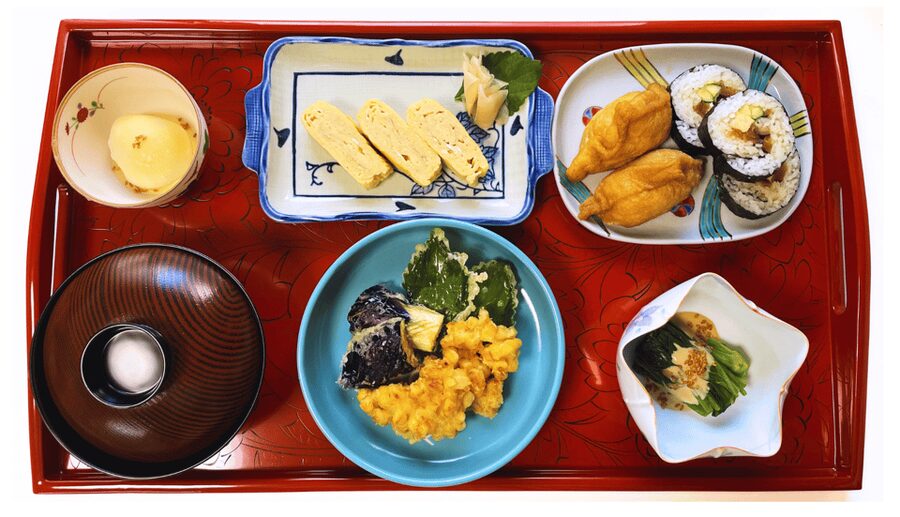
Once the cooking is finished, you sit down together and eat the meal in a traditional Japanese room. This is where the experience shifts from lesson to shared lunch.
I like that the meal is not rushed into a disposable tasting. You have prepared the food yourself, so you can compare the result with the instructor’s demonstration and notice which techniques worked best.
The garden view adds a quiet visual break after the activity. It also gives you a better sense of a Japanese home than a standard restaurant meal would. The room, the food, and the shared table work together to create the feeling of a local invitation.
The class includes lunch, along with all seasonings and ingredients. At $127 per person, that makes the price easier to assess. You are paying for a four-hour small-group lesson, an English-speaking licensed guide interpreter, a full meal, a home setting, recipes, and a supermarket tour.
That is not the cheapest way to eat in Kyoto. If you only want lunch, a restaurant will cost less. But if you want instruction and ingredients you can use later, the price is reasonable for the amount of personal attention and practical information included.
The supermarket visit makes the lesson useful
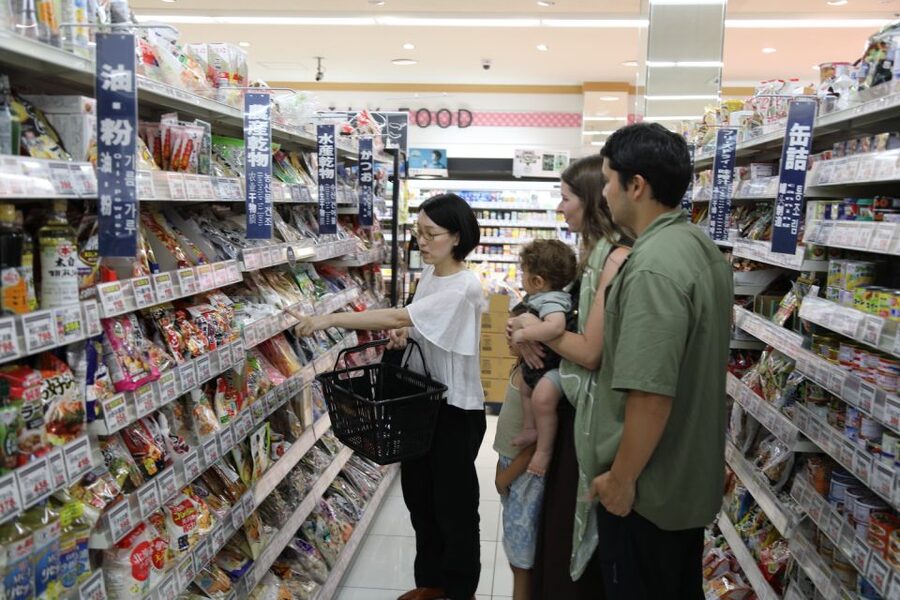
After lunch, you go to a local supermarket with the instructor. This is more valuable than it may sound. Japanese grocery packaging can be difficult to read, and many products look unfamiliar even when you know what type of food you want.
The instructor shows you the ingredients used during the class and explains other Japanese products along the aisles. You can ask what to buy, how products differ, and which items may help you recreate the recipes at home.
This is also where the class becomes practical for cooks outside Japan. You may understand how to make miso soup during the lesson, but the supermarket visit helps you recognize miso, seasonings, vegetables, and other items when you shop on your own.
If you like, you can buy the ingredients for your own kitchen. That option is useful if you want to prepare the dishes for family and friends after returning home. You will receive the recipes for the dishes made during the class, so the supermarket visit and recipe package work together.
I would not treat this as a major shopping trip. Its value is the explanation and translation, not a long period of browsing or a large food purchase. Plan to pay for anything you decide to buy separately.
What the four-hour schedule feels like
The class has a steady rhythm:
- You begin by learning about dashi and the basic ingredients.
- The instructor demonstrates selected dishes and techniques.
- You prepare the menu yourself or with a partner.
- You sit down to eat the meal in the traditional room.
- You visit a local supermarket and review ingredients and products.
Four hours gives the lesson enough breathing room. You can cook, ask questions, eat, and shop without reducing everything to a quick demonstration.
The tradeoff is that this activity takes a substantial part of your day. If you are trying to fit several major sights around Fushimi Inari into one morning, check the starting time before booking. Availability and start times vary.
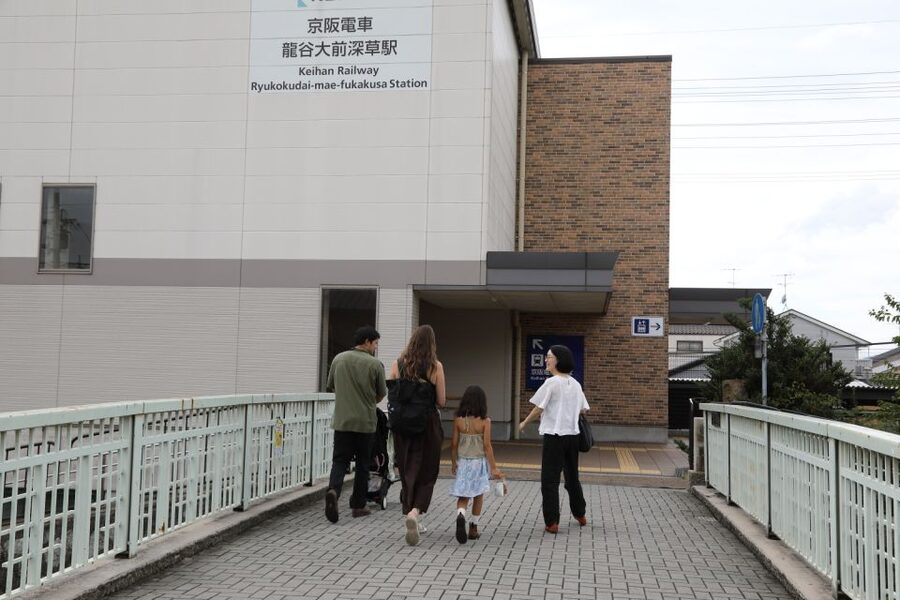
There is no hotel pickup or drop-off service, so you need to make your own way to the meeting point. The experience is near Fushimi Inari, which makes it a sensible addition to a sightseeing plan in that part of Kyoto, but the exact meeting instructions should be checked when you reserve.
Vegetarian cooking and seasonal menus
The vegetarian dashi makes this class more flexible than many Japanese cooking experiences. Vegetarian and vegan participants can take part, but you should notify the provider in advance so the dishes can be prepared appropriately.
The menu changes with the season. That is a good thing for a class focused on Japanese home cooking, since seasonal ingredients are part of the cuisine. It also means you should see the menu as a sample rather than a promise.
If there is one particular dish you want to learn, ask before booking. The supplied information confirms several dishes that have appeared in classes, but it does not guarantee a fixed menu for every date.
Who will get the most from this class
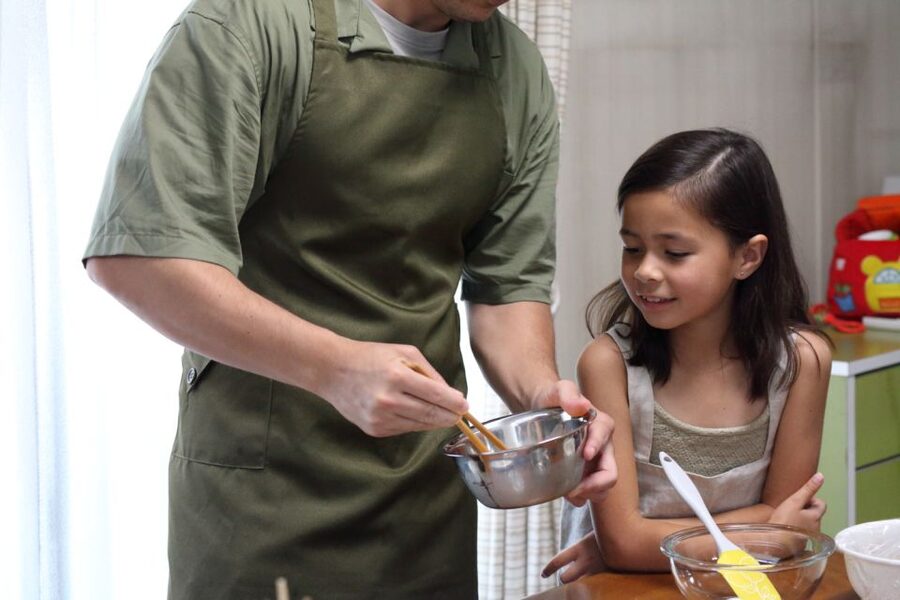
I would recommend this experience to you if you:
- Want to understand Japanese food beyond sushi and ramen
- Enjoy hands-on activities more than passive sightseeing
- Prefer a small group to a large demonstration
- Want recipes and shopping advice you can use at home
- Like the idea of eating inside a traditional Japanese home
- Are comfortable with a four-hour lesson and a supermarket visit
- Need English instruction
- Are traveling alone but would enjoy a social meal
It is also a good choice for families with children old enough to participate safely, provided a guardian joins children aged 12 and below.
I would hesitate if you dislike cooking, need wheelchair access, cannot sit comfortably in a traditional home setting, or want a short activity with no fixed schedule. The class is also less suitable if your main goal is simply to eat a large number of dishes without preparing them.
Booking details and practical limits
The experience costs $127 per person and lasts four hours. Lunch, ingredients, and seasonings are included, but gratuity and transportation are not.
You can cancel up to 24 hours in advance for a full refund, and the reserve-now, pay-later option helps if your Kyoto schedule is still changing. Check the available start times before you commit, since the class takes up a large block of your day.
Bring socks. Children under six cannot participate, and children aged 12 and below need a guardian. The activity is not suitable for wheelchair users.
Should you book the Kyoto home cooking class?
Book it if you want a personal introduction to Japanese home cooking, not just another meal in Kyoto. The combination of dashi instruction, hands-on preparation, a garden-view lunch, recipes, and a supermarket visit gives you something useful to take home.
At $127, it costs more than an ordinary lunch, but the four-hour format and six-person limit add real value. Miho’s clear teaching, the traditional home, and the grocery guidance are the strongest reasons to choose it.
Skip it if your schedule is tight or you prefer restaurant dining to cooking. For everyone else, especially home cooks, food-focused families, vegetarians, and solo visitors who want a friendly small group, this is one of the more practical ways to connect Japanese food with everyday life.
FAQ
How long does the Kyoto home cooking class last?
The experience lasts four hours, including the cooking lesson, lunch, and local supermarket visit.
Where does the activity take place?
It takes place in a traditional Japanese home near Fushimi Inari on Honshu, with a garden-view room used for the meal.
How many people can join the class?
The group is limited to six participants.
Is the class taught in English?
Yes. The class is conducted in English, and the instructors are licensed guide interpreters.
What food will I prepare?
You will prepare about five dishes, though the menu may change with the season. Dishes that have appeared include dashi-based soup, miso soup, sushi, tempura, Japanese rolled omelet, salad, mochi, and other desserts.
Are vegetarian and vegan participants welcome?
Yes. The class uses vegetarian dashi and welcomes vegetarian and vegan participants. Tell the provider about your dietary needs in advance.
Is lunch included?
Yes. Lunch, all seasonings, and all ingredients used in the class are included. Gratuity and hotel transportation are not included.
What should I bring, and are there age restrictions?
Bring socks. Children aged 12 and below must participate with a guardian, and children under six cannot join. The activity is not suitable for wheelchair users.
Newest classes around Kyoto
- Kyoto Udon & Tempura Cooking Class with Professional Chefs★ 3.8 · 3 reviews
- Kyoto: Wagashi (Japanese sweets) Cooking near Fushimiinari★ 5.0 · 40 reviews
- Kyoto: Morning Japanese Bento Cooking Class★ 5.0 · 149 reviews
- Kyoto: Authentic Sushi Making Cooking Lesson★ 5.0 · 103 reviews
- Kyoto: Cooking class, learning how to make authentic sushi★ 4.2 · 9 reviews
- Authentic Japanese Cooking Experience at Izakaya restaurant★ 4.2 · 5 reviews
- Gyoza Cooking Class in Kyoto: Traditional Japanese Dumplings★ 5.0 · 12 reviews
- Private Plant-Based Japanese Cooking Class – Kyoto Edition★ 5.0 · 15 reviews
Kyoto Cooking Classes, compared.
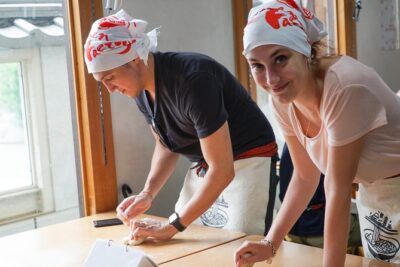
Ramen Cooking Class at Ramen Factory in Kyoto
Read our review →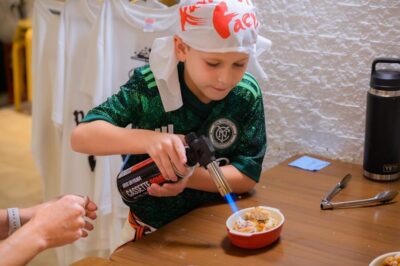
Ramen Cooking Class at a Ramen Factory with Souvenir
Read our review →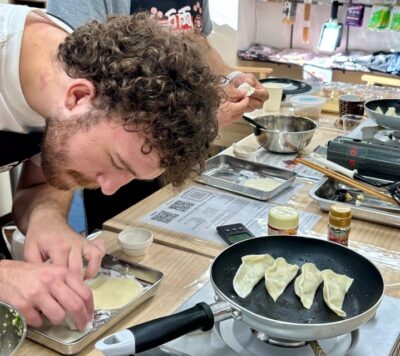
Japanese Washoku Bento Small Group Cooking Class
Read our review →
Kyoto Ramen and Gyoza Cooking Class with Professional Chefs
Read our review →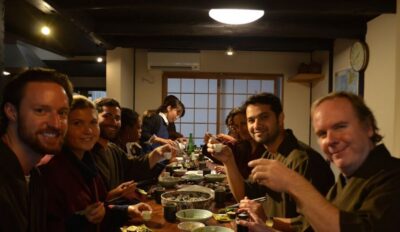
Gyoza Cooking Class in Kyoto: Traditional Japanese Dumplings
Read our review →Browse the lists this tour appears in