
Review · JAPAN COOKING CLASSES
Kushiro: Japanese Bento Cooking Class with a Local Host
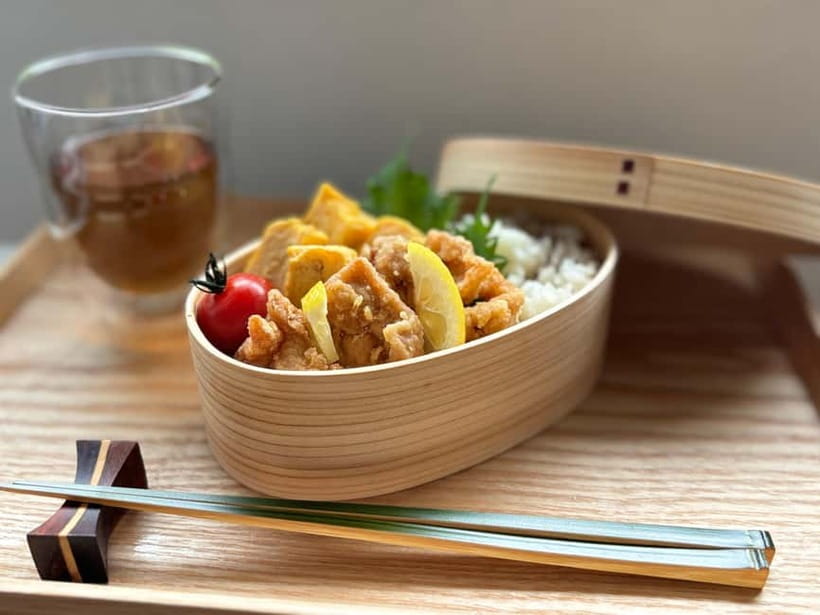
A neatly packed bento is much more than lunch in Japan. It is a small lesson in balance, color, texture, and everyday care. In Kushiro, host Yuko shows you how to make one from scratch, including tamagoyaki, the sweet-savory rolled omelet that looks harder than it is once you know the method.
I like the one-on-one format, which gives you room to ask questions and work at a comfortable pace. I also like that you eat your own bento with Yuko, turning a cooking lesson into a friendly look at daily Japanese life. The main consideration is the menu: chicken, pork, or fish are used, so this class is not suitable for vegetarians or people with food allergies.
Key points to know before booking
- Make your own complete bento: Prepare several dishes, arrange them neatly, and eat a full homemade lunch.
- Learn tamagoyaki: Yuko can show you how to make the rolled omelet, a useful Japanese kitchen skill you can repeat at home.
- Cook with local guidance: The class is taught in English or Japanese by host Yuko at Kushiro Fisherman’s Wharf MOO.
- Choose meat or fish: The bento uses chicken, pork, or fish, so tell the host about dietary restrictions before booking.
- Take home practical extras: Ingredients, tools, apron use, tea, and recipes are included in the $61 price.
- Allow two relaxed hours: Comfortable clothes matter, and you can eat the bento there or take it with you.
Why a bento class makes sense in Kushiro
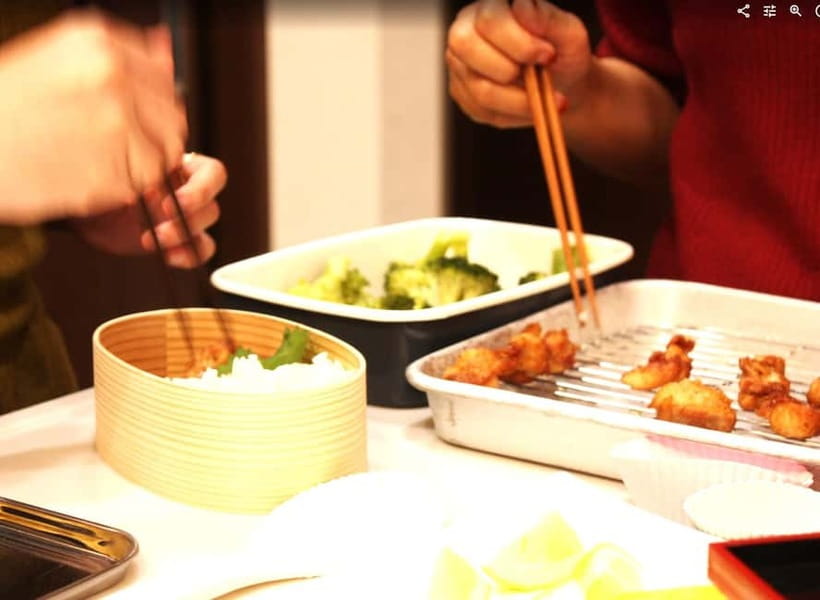
Kushiro is a good place for a food experience that feels connected to ordinary life rather than designed only for sightseeing. A bento is the sort of meal Japanese families prepare for school, work, outings, and travel. You are not simply learning a recipe. You are learning how several modest dishes fit together in one compact meal.
That balance is the heart of the class. A bento usually combines a main item with smaller portions of vegetables, egg, rice, and other side dishes. The food needs to taste good, but it also needs to look appealing when packed. You will work with color, shape, and spacing as much as with heat and seasoning.
The location helps keep things simple. You meet at the information counter on the ground floor of Kushiro Fisherman’s Wharf MOO. This gives you a clear starting point and places the class in a familiar central setting, rather than sending you to an unknown private address.
More Sushi and Japanese Classes in Japan:
- Ramen Cooking Class at Ramen Factory in Kyoto
★ 5.0 · 1,937 reviews - Ramen & Gyoza Cooking Class in Tokyo with Local Supermarket Visit
★ 5.0 · 823 reviews - Kyoto: Ramen Cooking Class at a Ramen Factory with Souvenir
★ 4.9 · 532 reviews
Meeting Yuko at Fisherman’s Wharf MOO
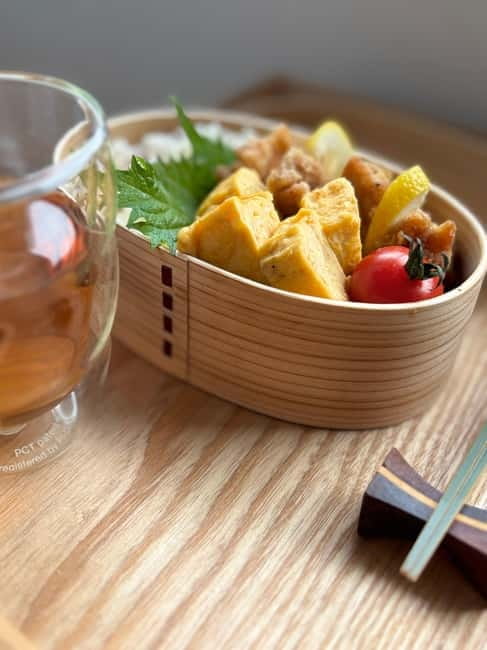
Plan to arrive at the information counter on the ground floor of Kushiro Fisherman’s Wharf MOO. The meeting point is specific, so you should not need to wander around looking for a restaurant entrance or private home. From there, the class moves into the cooking activity with Yuko.
The setting is practical, not theatrical. You are there to cook, talk, and eat. That matters because the best part of this activity is the contact with a local host. Yuko speaks English and Japanese, and her friendly English makes it easier to ask about ingredients, cooking habits, and the small decisions that do not always appear in a recipe.
The class is listed as a small group limited to one participant. In practical terms, that gives you unusually direct attention. You can ask Yuko to repeat a step, adjust the pace, or explain why a dish is cooked or packed in a certain way. If you are booking for more than one person, confirm the group arrangement before paying, since the stated capacity is very limited.
A welcome tea or drink starts the visit. It is a small touch, but it helps you settle in before handling food and gives the first few minutes a natural rhythm.
Building a bento from separate dishes
The cooking begins with the parts of the meal. You will prepare a bento built around meat or fish, with chicken, pork, or fish available according to the class menu. The exact dishes are not listed in detail, so you should expect instruction on a selection of colorful bento foods rather than a fixed restaurant-style menu.
This is useful for learning. Bento cooking is less about one famous dish and more about putting together several small portions that work well side by side. Yuko can show you how Japanese home cooks think about variety: a main protein, something egg-based, vegetables or other side dishes, and a pleasing arrangement in the box.
You will have all ingredients and cooking tools supplied. An apron is available too, so you only need comfortable clothing suitable for cooking. Wear something that lets you move easily and that you will not worry about around oil, sauces, or food coloring.
The hands-on approach is important. You are not watching a demonstration from the other side of a room and then receiving a prepared meal. You make the food yourself, with Yuko guiding the process. That gives you a better chance of remembering the techniques once you return home.
The tamagoyaki lesson
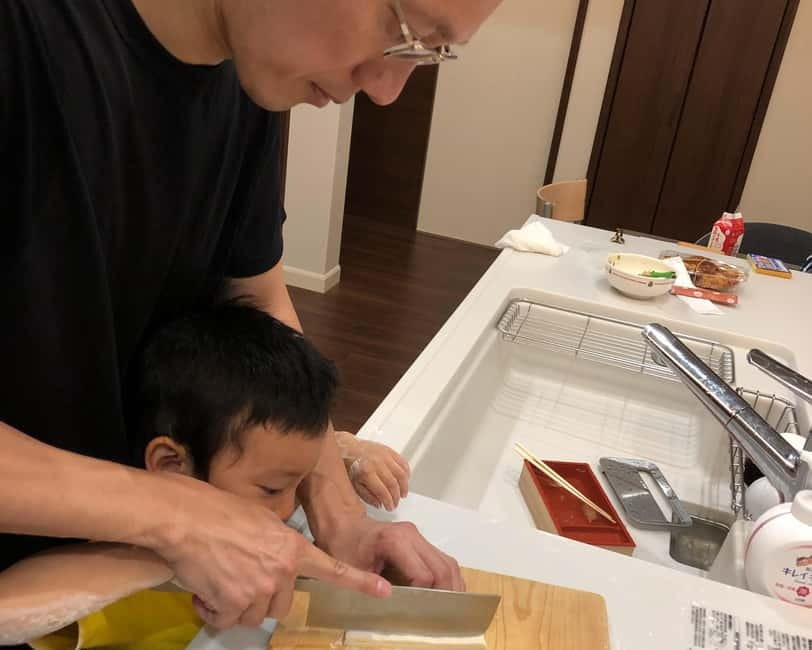
The tamagoyaki may be the most useful single skill in the class. This Japanese rolled omelet is made by cooking thin layers of egg and rolling them together. It often looks like a professional piece of kitchen work, but the basic process becomes much less intimidating with a good demonstration.
Yuko’s method is especially helpful here. She can show you how to handle the pan, when to add another layer, and how to roll the egg without tearing it. One participant found the dish much easier than expected after learning the correct technique, and that is a fair reason to look forward to this part of the class.
You should not expect to master every detail instantly. The value is in learning the sequence and gaining enough confidence to try again. If you enjoy Japanese food, an inexpensive rectangular pan may become a tempting souvenir after this lesson. The technique is practical enough to repeat in your own kitchen.
Tamagoyaki also explains why a bento class is more interesting than a standard meal. You are learning a food that is familiar in Japan but not always obvious to prepare at home. The finished omelet adds a soft texture, gentle sweetness, and a bright yellow color to the box.
More Cooking Classes in Japan:
- Sushi Making Osaka! Popular Sushi Class in Japan!
★ 5.0 · 500 reviews - Kyoto: Ramen, Gyoza, and Onigiri Cooking Class
★ 5.0 · 445 reviews - Kyoto: Japanese Washoku Bento Small Group Cooking Class
★ 5.0 · 380 reviews - Osaka: Ramen and Gyoza Cooking Class in Dotonbori
★ 5.0 · 378 reviews
Packing the box with Japanese balance
Once the dishes are ready, you will arrange them in the bento. This stage deserves more attention than it might receive at first glance. A bento is compact, so every section matters. The food should fit without becoming a crowded pile, and the colors should make the meal look inviting.
Yuko guides you through the arrangement and helps you pack the food beautifully. You will see how small portions can look generous when placed with care. That is a useful lesson for anyone who cooks at home, especially if you often prepare lunches in advance.
The packing step also brings Japanese food culture into focus. A bento is portable, but it is not careless food. The container keeps different items together while allowing them to remain distinct. The result is orderly without being fussy.
You can then enjoy the finished bento with Yuko. Conversation is part of the experience, and the meal gives you a natural chance to ask about everyday food habits and life in Japan. This shared table time is likely to be more memorable than simply receiving a recipe card and leaving.
If you prefer, you can take the bento with you instead of eating it during the class. That option helps if your schedule is tight or you would rather enjoy the meal later, though eating with Yuko gives the visit more of a personal, social feel.
What the $61 price includes
At $61 per person, the class costs more than buying an ordinary lunch in Kushiro. That comparison is not quite fair, since you are paying for a meal plus two hours of instruction and personal contact. The price includes all ingredients, cooking tools, apron rental, a welcome tea or drink, recipes to take home, English or Japanese instruction, and the completed bento.
The strongest value comes from the personal format. A large cooking school can offer a lower per-person price, but it may give you less time with the instructor. Here, the stated one-person group size means your $61 can provide direct guidance rather than a seat in a crowded demonstration.
The recipes also add value after the trip. A food class is a better purchase when you can repeat what you learned at home. Tamagoyaki alone gives you a clear skill to practice, while the bento arrangement can change how you prepare packed lunches.
There are limits. Additional food and drinks outside the bento are not included, and neither is accommodation or insurance. The class is not designed for special dietary needs, so you should not book it expecting a substitute menu unless you have confirmed that in advance.
Who will enjoy this class most
I would recommend the class to you if you like cooking, want a low-key way to meet a local person, or enjoy learning how ordinary meals fit into a culture. It also works well for a short Kushiro itinerary because the activity lasts two hours and has a clearly stated meeting point.
It is a particularly good choice for solo visitors. A one-participant format means you are not left trying to keep up with a large class, and the conversation with Yuko can be shaped around your interests. You can ask about food, home cooking, or the steps that seem unfamiliar.
Families and couples should check the booking setup carefully. The supplied information describes the group as limited to one participant, so the experience may not accommodate several people under one standard reservation. Confirm this before you build it into a shared schedule.
Food lovers who want polished restaurant dishes may find the class too simple. This is home-style bento preparation, not a formal sushi or kaiseki lesson. Its appeal is the everyday nature of the food and the chance to make it yourself.
Dietary limits deserve attention
The menu uses chicken, pork, or fish. Vegetarians are specifically listed as unsuitable, and people with food allergies are also advised not to book. If you have any dietary restriction or allergy, tell the organizer in advance, but do not assume a special menu will be available.
The same caution applies to gluten-free or vegan diets. Special dietary accommodations are not included, and the class may not be able to change the ingredients or cooking process. Ask before reserving rather than hoping to sort it out at the meeting point.
For everyone else, comfortable clothes are the main preparation. Smoking is not allowed indoors, in the vehicle, or during the activity. There is no need to bring cooking tools or ingredients because those are supplied.
The class is wheelchair accessible, which makes the clearly stated meeting location and small format useful practical details. You should still confirm any personal access needs in advance if you require specific arrangements beyond general wheelchair access.
Timing and cancellation flexibility
The activity lasts two hours, with starting times based on availability. That is enough time to cook several items, pack the bento, and sit down for a meal without turning the class into a full-day commitment.
You can cancel up to 24 hours before the start time for a full refund. The reserve-now, pay-later option also helps if your Kushiro plans are still moving around. These policies are useful when weather, transport, or a changing Hokkaido itinerary makes advance planning difficult.
The class does not include hotel accommodation or transport to the meeting point. You are responsible for reaching Kushiro Fisherman’s Wharf MOO and meeting at the ground-floor information counter. Build in a little extra time so you are not arriving flustered just as the cooking begins.
The personal side of the meal
The food is only half the reason to book. The shared meal with Yuko gives the class a human scale. You are able to talk while eating, rather than rushing through a demonstration and leaving with a container of prepared food.
Yuko’s open manner and strong English make conversation easier for English-speaking visitors. That is especially helpful when discussing small cooking details, since timing and texture can be hard to explain through gestures alone.
The experience also offers a useful view of daily Japan. You learn how a balanced lunch is assembled, how a familiar dish such as tamagoyaki is made, and how care goes into packing food for later. These are small details, but they often tell you more about local life than a staged cultural show.
Do not expect a broad tour of Kushiro or a long lesson about Hokkaido history. The focus stays on food and conversation. That narrow focus is a strength if you want something practical, but it may not suit you if you want sightseeing included.
Should you book the Kushiro bento class?
Book it if you want to cook, not just eat. The class offers unusually direct help from Yuko, a full homemade lunch, recipes for later, and a simple way to connect with local life. The tamagoyaki lesson is a useful bonus, especially if you have always assumed that rolled omelets require professional skills.
At $61, the value depends on how much you care about personal instruction. For a basic meal alone, it is expensive. For a two-hour, one-person cooking lesson with ingredients, equipment, tea, apron, recipes, and a complete bento, the price is reasonable.
Skip it if you are vegetarian, have food allergies, or want a broad sightseeing activity. For everyone else, especially solo visitors and home cooks, this is a practical Kushiro experience with something to show for it after the trip: a new lunch idea, a recipe to repeat, and perhaps a new reason to buy a rectangular egg pan.
FAQ
Where does the Japanese bento class meet?
Meet at the information counter on the ground floor of Kushiro Fisherman’s Wharf MOO in Kushiro, Hokkaido.
How long does the activity last?
The class lasts two hours. Starting times depend on availability.
Who teaches the class?
The class is taught by local host Yuko. Instruction is available in English or Japanese.
What food will I prepare?
You will prepare a traditional bento using chicken, pork, or fish, along with a variety of colorful side dishes. The class also includes tamagoyaki instruction.
Is lunch included?
Yes. You prepare and eat a full homemade bento as part of the class. You may also choose to take the bento with you.
Are ingredients and cooking tools provided?
Yes. All ingredients and cooking tools are included, along with apron rental.
Can vegetarians join?
No. The activity is listed as unsuitable for vegetarians.
Can I join if I have a food allergy or special diet?
People with food allergies are listed as unsuitable. Vegan, gluten-free, and other special dietary accommodations are not included, so contact the organizer in advance about any restrictions.
What should I bring?
Wear comfortable clothing suitable for cooking. You do not need to bring ingredients or cooking equipment.
Newest classes around Japan
- Cooking Class: Make a Local Delicacy in a Japanese House★ 5.0 · 7 reviews
- Culinary Home Cooking with Grandmothers – Vegan Friendly★ 5.0 · 5 reviews
- Nagoya Super Market Tour & Home Cooking Class with a Local, Akiko★ 5.0 · 10 reviews
- Tokyo: Sushi roll and side dish cooking experience★ 5.0 · 2 reviews
- Tokyo: Sushi Making Experience & Japanese Cooking Class★ 5.0 · 2 reviews
- Tokyo: Sushi Cooking Class with Sake Tasting★ 4.8 · 55 reviews
- Tokyo: Real Ramen & Dumpling Cooking with Master Chef★ 5.0 · 10 reviews
- Tokyo: Sushi and Ramen Cooking Class with Sake Pairing Set★ 5.0 · 81 reviews
Japan Cooking Classes, compared.
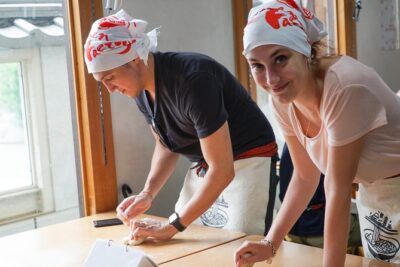
Ramen Cooking Class at Ramen Factory in Kyoto
Read our review →
Ramen & Gyoza Cooking Class in Tokyo with Local Supermarket Visit
Read our review →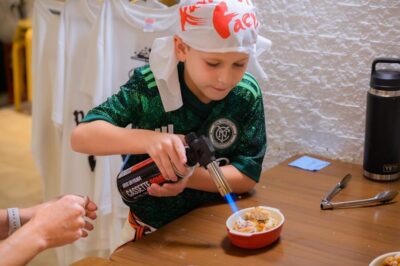
Ramen Cooking Class at a Ramen Factory with Souvenir
Read our review →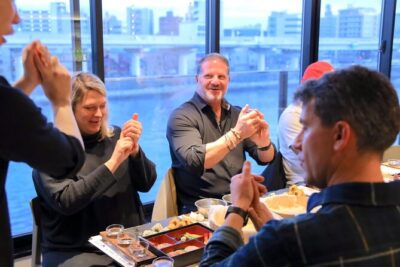
Sushi Making Osaka! Popular Sushi Class in Japan!
Read our review →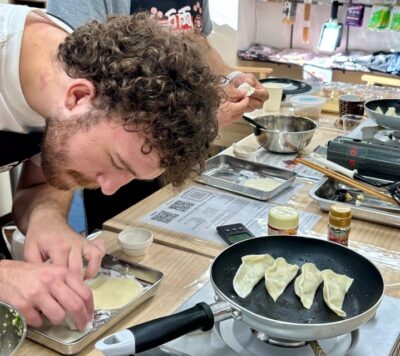
Tokyo Tsukiji Fish Market Tour and Sushi Making Lesson
Read our review →
Japanese Washoku Bento Small Group Cooking Class
Read our review →
Browse the lists this tour appears in