
Review · JAPAN COOKING CLASSES
Kanazawa: Authentic Japanese Cooking and Sushi-Making Lesson
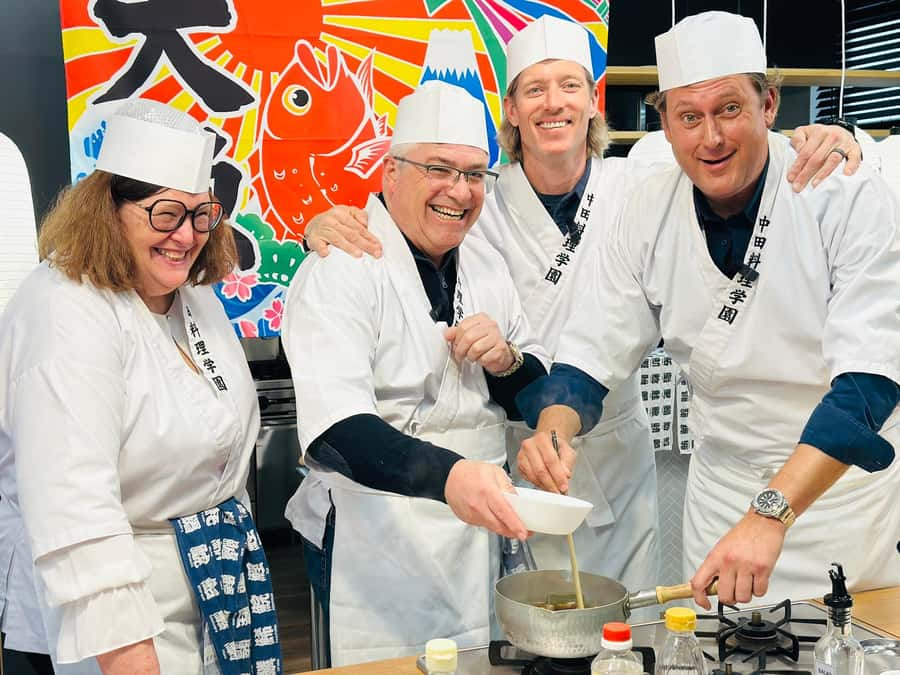
Near Kanazawa Station, you can learn to make pressed sushi and jibuni, a local dish you will not commonly find elsewhere in Japan. Chef Seiji Nakata and his wife run the class in a 56-year-old family cooking school, mixing hands-on instruction with a large-screen AI translation system.
I like the access to premium sashimi from a trusted Omicho Market fishmonger, and I like the warm, personal teaching style. Dressing as a sushi chef, receiving photos, and eating the finished meal make the $94 price easier to justify. The main catch is that the class is on the second floor without a lift, and the bonito-based dashi means it is not suitable for strict vegetarians or vegans.
Key points to know before booking
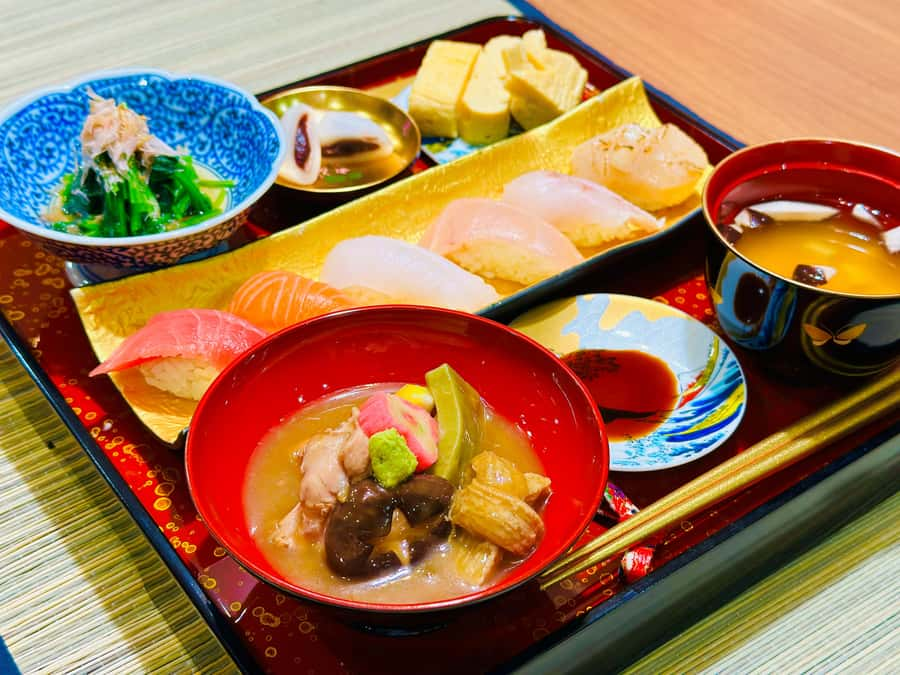
- Kanazawa specialties are front and center: You prepare pressed sushi and jibuni, a stew tied closely to the city.
- Chef Seiji Nakata teaches with his wife: The class is personal, friendly, and designed for beginners.
- AI translation reduces language worries: Instructions appear as text and voice on a large screen, with smart translators also available.
- The meal is more than a quick demonstration: You cook five kinds of Japanese food and dessert, then sit down to eat.
- The location is exceptionally handy: The school is about three minutes from Kanazawa Station and ends where it begins.
- Diet and access need checking in advance: Ingredient changes must be requested before the day, and there is no lift.
A family cooking school three minutes from Kanazawa Station
The first practical advantage is the location. The school is only a short walk from Kanazawa Station, so you can fit the class into a morning, afternoon, or evening around train connections and sightseeing. It also makes this a useful first activity in the city, since the food gives you a quick introduction to Kanazawa’s local character.
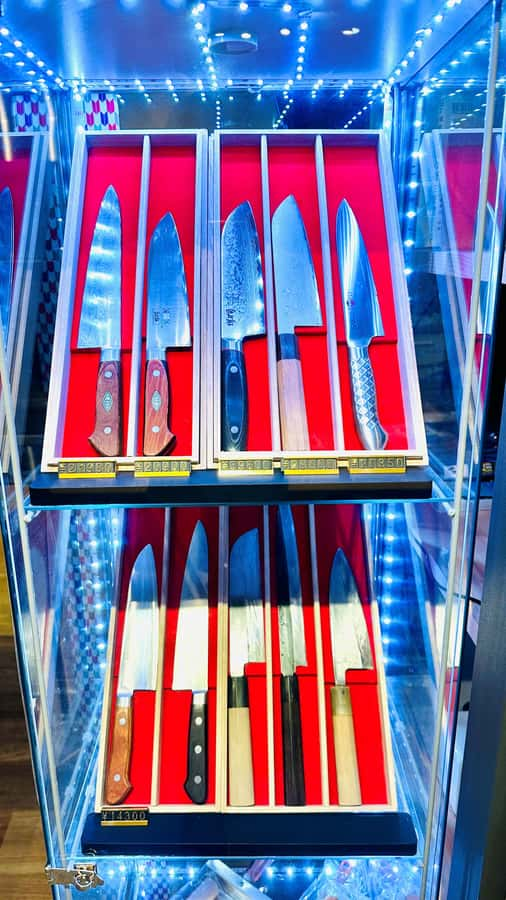
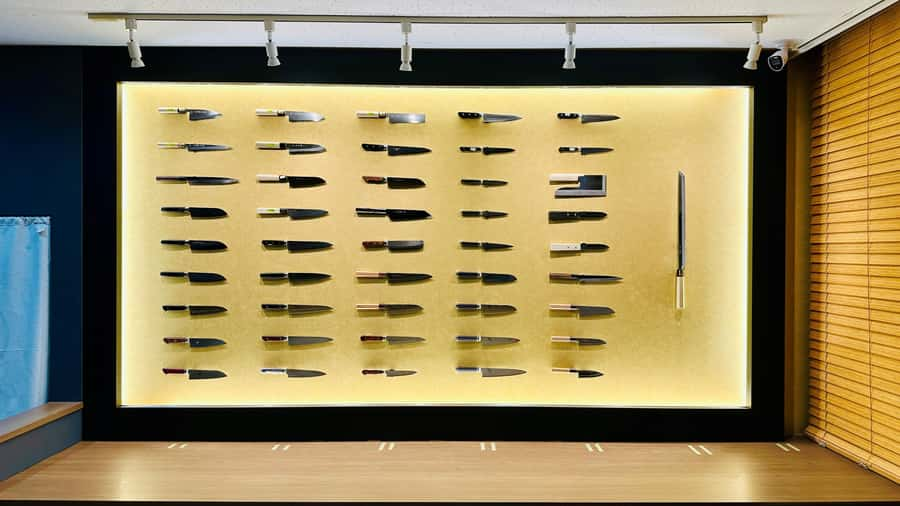
The classroom occupies the second floor of a three-story building. The first floor is set slightly back and used for parking. You will also see a distinctive hotel entrance with a blue noren curtain. Look up at the second-floor window for the display of Japanese knives. That is your clearest landmark.
There is no lift. You need to climb the stairs, so this experience is not suitable for wheelchair users or people who cannot manage stairs. The activity is also not designed for children under 12, pregnant women, or people with visual impairments.
The school has been operating for 56 years and is family-run. That matters because the atmosphere is less like a large demonstration kitchen and more like a welcoming local class. Seiji and his wife handle the teaching and hosting, creating plenty of room for questions, jokes, and help at the counter.
More Sushi and Japanese Classes in Japan:
- Ramen Cooking Class at Ramen Factory in Kyoto
★ 5.0 · 1,937 reviews - Ramen & Gyoza Cooking Class in Tokyo with Local Supermarket Visit
★ 5.0 · 823 reviews - Kyoto: Ramen Cooking Class at a Ramen Factory with Souvenir
★ 4.9 · 532 reviews
What you cook during the roughly 2.5-hour class
This is a working class, not a simple show followed by lunch. You take part in preparing five kinds of Japanese food and dessert, with the exact side dishes described as seasonal accompaniments.
The central dish is oshizushi, or pressed sushi. Instead of shaping each piece by hand in the usual rolled or nigiri style, you press ingredients into a mold. The fish comes from a high-quality supplier at Omicho Market, a major food market in Kanazawa. The fishmonger also supplies Michelin-starred restaurants, so the quality of the main ingredient is a serious part of the experience.
Kanazawa’s position near the coast helps explain why seafood is so important here. Fresh fish is available daily, and sushi is not treated as a generic Japanese dish. You get a closer look at how local seafood becomes a finished meal, rather than simply eating a plate ordered from a menu.
You also prepare jibuni, a Kanazawa specialty. This is a gently simmered dish with a savory dashi-based sauce, chicken or duck, seasonal vegetables, and fu, a wheat gluten cake with a soft, absorbent texture. Jibuni has roots in samurai-era cooking and is closely linked with Kanazawa. It is one of the strongest reasons to choose this class over a standard sushi lesson.
The class includes a fluffy dashi omelet, similar to tamagoyaki but presented as a delicate rolled egg flavored with umami. You also make miso soup and seasonal side dishes, then finish with dessert. The supplied information does not specify the dessert, so do not book expecting a particular sweet.
The sequence gives you a useful spread of Japanese cooking skills. You work with raw fish, a simmered dish, eggs, soup, side dishes, and presentation. That makes the session more worthwhile than an activity focused only on sushi, especially if you want recipes you can try at home.
Why the ingredients matter
Cooking classes can be disappointing when the food is simplified for convenience. Here, the class puts real emphasis on ingredient quality and on techniques that explain how Japanese food gets its flavor.
The fish for the pressed sushi is the clearest example. Premium sashimi needs careful handling, and pressing it into sushi teaches you how texture, rice, and topping work together. You are not simply being handed restaurant-quality sushi. You are shown how one local style is assembled.
Jibuni offers a different lesson. Its appeal comes from gentle cooking, dashi, and the way fu absorbs the sauce. It is a good introduction to the quiet side of Japanese cooking, where flavor does not depend on heavy seasoning.
The dashi omelet also shows why technique matters. Rolled egg looks simple, but its texture depends on timing and careful handling. The chef guides you through the process, and the class is structured so beginners can follow along.
The school describes the result as food that goes beyond an ordinary restaurant meal. That is a bold claim, but the value is easier to understand when you consider what you receive: premium fish, several dishes, instruction, a full meal, recipes, translation support, costumes, and photos. You are paying for participation as much as for lunch.
Seiji Nakata’s teaching style and the language system
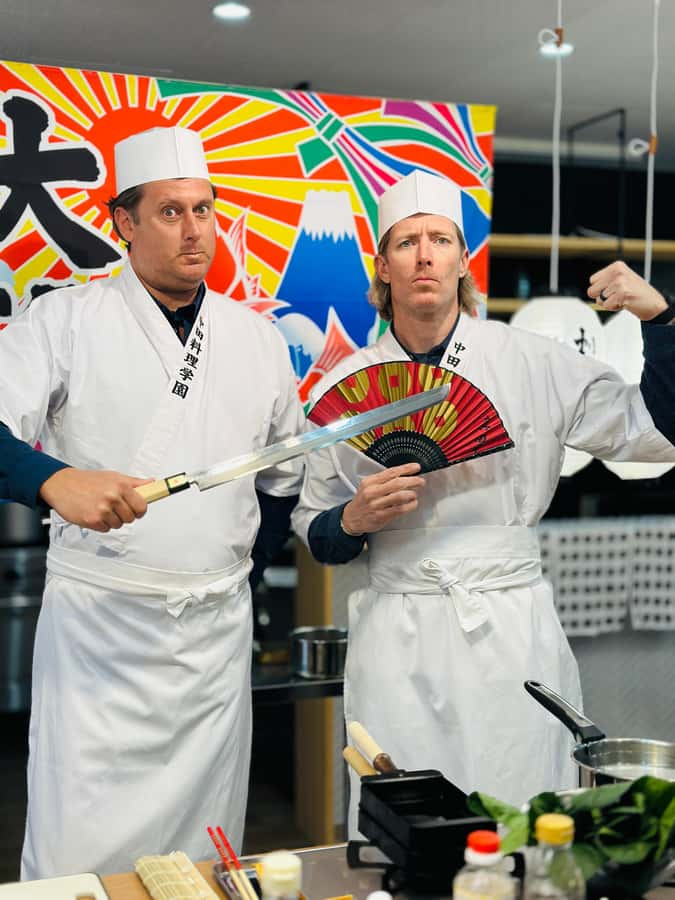
Chef Seiji Nakata is trained in both Osaka and Kanazawa, and the class focuses on technique as well as cultural context. You can expect explanations of what you are doing, why the ingredients are used, and how the dishes fit into Kanazawa’s food culture.
His wife helps create the relaxed tone. You are not left to work through a recipe sheet alone. The teaching is hands-on, and the hosts encourage you as you prepare each dish. The class is suitable for beginners, including people who do not normally cook Japanese food.
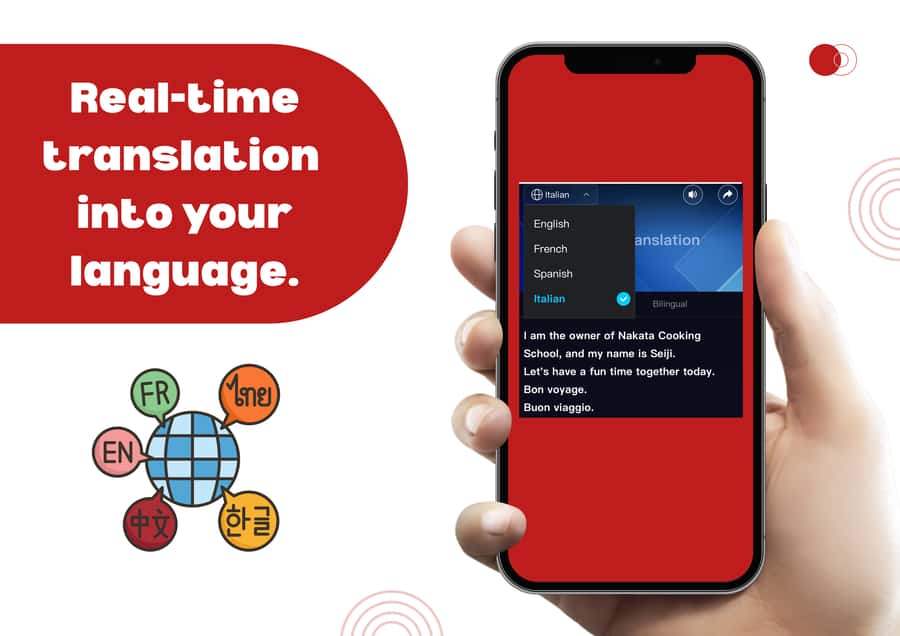
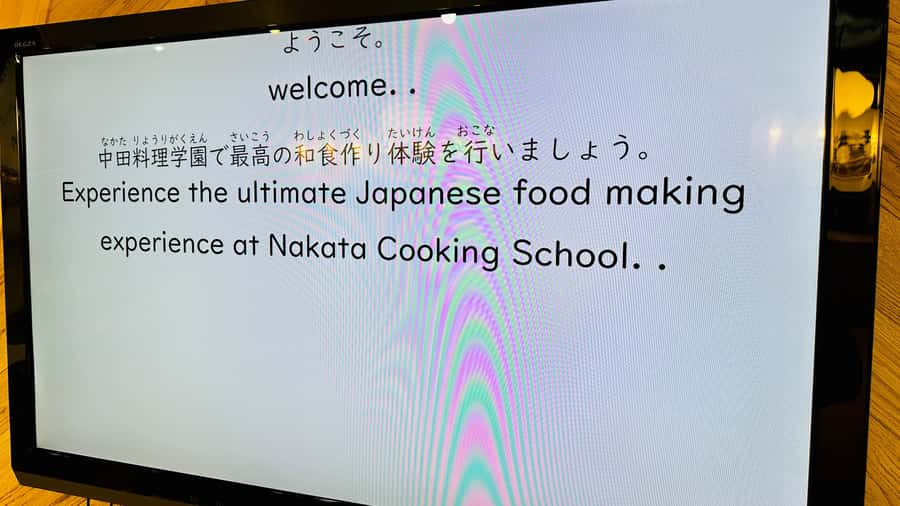
English and Japanese are the listed languages. The large-screen AI translation system is a major practical feature. Spoken instructions can be translated into several languages, with both voice and text support. Free smart translators are also available, and the school provides wireless internet.
Technology can sometimes interrupt the mood of a traditional activity, but here it helps keep the class moving. You can watch the chef, see the translated explanation, and continue cooking instead of waiting for a human interpreter to repeat every step. The translation system also adds some fun to the class, according to the experience details.
Still, AI translation is not a substitute for clear attention. You should expect a mix of spoken guidance, visual demonstrations, and translated text. If you have a complex medical or dietary concern, explain it clearly at booking rather than relying on the device during class.
More Cooking Classes in Japan:
- Sushi Making Osaka! Popular Sushi Class in Japan!
★ 5.0 · 500 reviews - Kyoto: Ramen, Gyoza, and Onigiri Cooking Class
★ 5.0 · 445 reviews - Kyoto: Japanese Washoku Bento Small Group Cooking Class
★ 5.0 · 380 reviews - Osaka: Ramen and Gyoza Cooking Class in Dotonbori
★ 5.0 · 378 reviews
Sushi chef costumes and professional photos
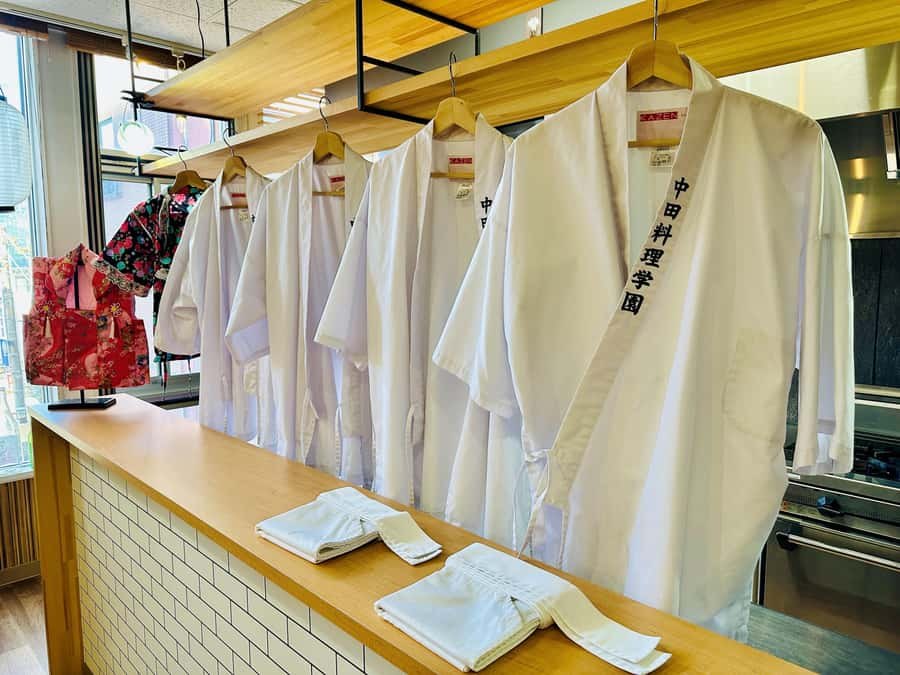
You can put on a custom-made sushi chef costume before cooking. This is a playful touch, but it also gives the session a clear sense of occasion. Families, couples, and friends can take photos without having to arrange their own shots while handling food.
The staff take high-quality souvenir photos during the experience and present them to you. That is more useful than a generic group photo, since it records the actual cooking process. You can expect pictures of the chef costume, preparation, and time at the table.
The costume and photography add value for anyone marking a special trip. If you prefer a quiet, serious cooking lesson, these elements may feel a little theatrical. The class is clearly designed to be social and memorable, not strictly formal.
The meal at the end is part of the lesson
After the cooking, you sit down to eat what you prepared. This is where the class becomes more than a sequence of demonstrations. You can compare the dishes, see how the flavors work together, and ask final questions while the techniques are still fresh.
The meal includes Japanese tea, and you receive detailed recipes by email the day before. Getting the recipes in advance may help you understand the structure of the class, though you should not expect to have every ingredient change made at the last minute.
The food is described as plentiful, and the menu covers a good range of tastes and textures. Pressed sushi gives you fresh seafood and seasoned rice. Jibuni brings warm sauce and tender ingredients. The omelet adds softness and gentle sweetness, while soup and side dishes complete the meal.
You can use the recipes after returning home, but some ingredients may not be easy to find everywhere. The most useful takeaway is likely the method: how to balance dashi, handle eggs, prepare sushi rice, and present several small dishes together.
Dietary restrictions require advance planning
This is not a vegetarian or vegan class. The school can make limited substitutions if you request them when booking.
Sashimi can be replaced with vegetables or egg for sushi. Chicken in the jibuni can be replaced with tofu or vegetables. These changes make the class possible for some people who avoid meat or raw fish.
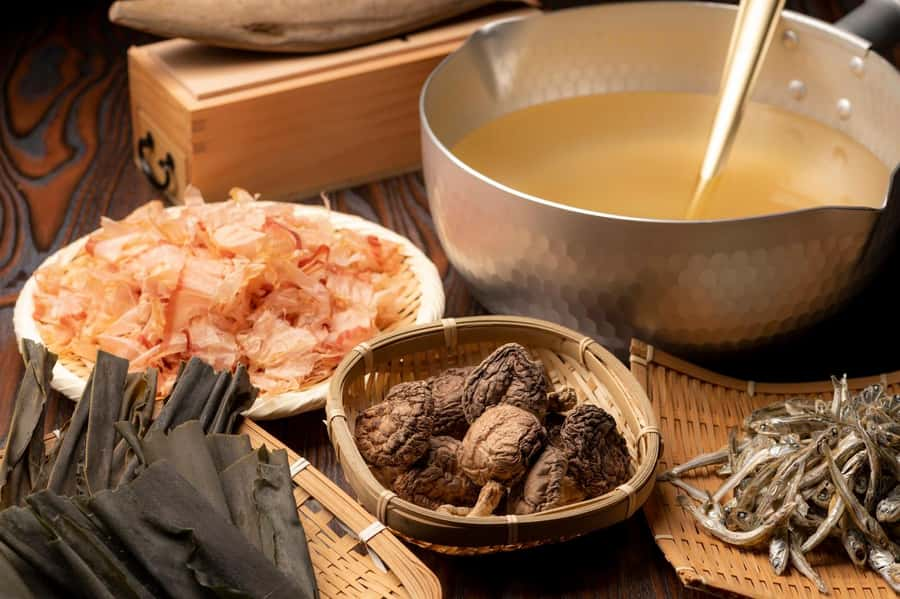
The important limit is the broth. Traditional Japanese dashi made with bonito fish flakes is used, and it cannot be replaced. Strict vegetarians, vegans, and anyone who must avoid animal-based broths should not book this experience.
You should also report allergies and foods you cannot eat at the time of booking. Same-day substitutions are not available. This is especially important in a hands-on class, where ingredients are prepared in advance for a small group.
Is $94 a fair price?
At $94 per person, this is not the cheapest way to eat in Kanazawa. You can find a restaurant meal for less, and a short sushi demonstration may cost less as well.
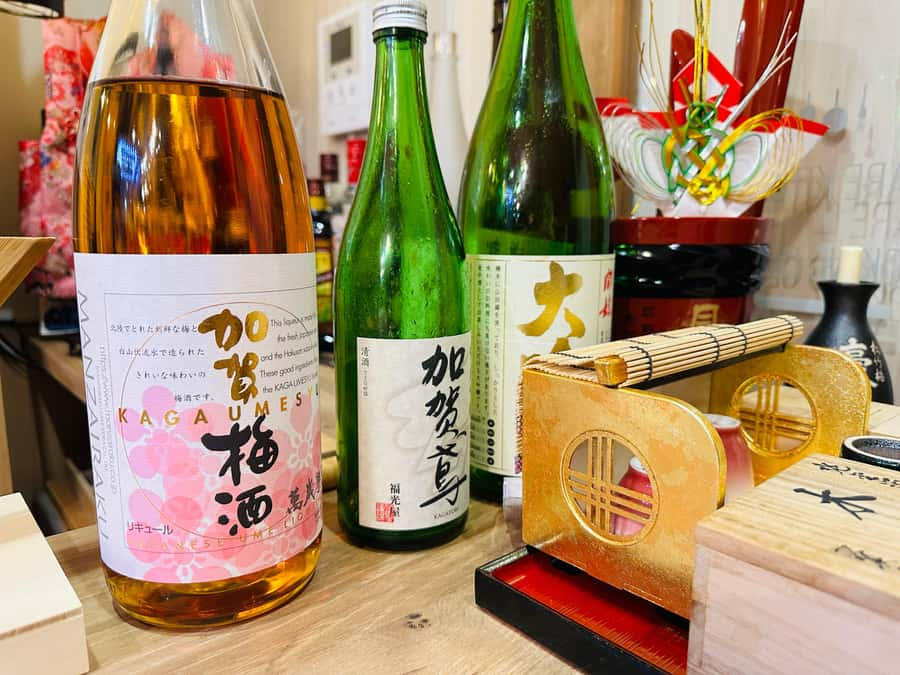
The comparison changes when you count what is included. You receive roughly 2.5 hours of instruction, five kinds of Japanese food and dessert, a full meal, tea, professional photos, chef costumes, translation equipment, internet access, and recipes. The class also uses high-quality seafood and teaches a local Kanazawa dish that you may not encounter in a basic sushi course.
I see the price as fair for someone who values participation and personal instruction. It is especially good value for a family group, a couple celebrating a special day, or anyone who wants an activity that combines food and culture.
It is less convincing if you mainly want to eat premium sushi. In that case, put the money toward a restaurant and spend your time exploring Kanazawa’s markets. Here, the point is that you prepare the food yourself, make mistakes safely, and leave with techniques and photographs.
Who will enjoy this class most?
I would choose this for first-time visitors who want a direct introduction to Japanese food without spending a full day on an organized tour. The station location makes it easy to reach, and the class ends at the same place.
Families with children aged 12 and older should find the format appealing, especially if everyone enjoys hands-on activities. The costume and photos give younger participants something fun to do, while the cooking keeps the session from feeling like a staged photo stop.
It also suits couples and small groups who want a shared activity. The limited-seat format allows more direct help than a large commercial cooking school, though the exact group size is not provided.
Experienced home cooks may still enjoy the class because of the seafood, jibuni, and Kanazawa-specific techniques. If you already know how to make sushi, the local dish and ingredient context may be more interesting than the basic knife work.
This is not the right choice for people who dislike group activities, cannot climb stairs, or need strict vegan food. It is also not ideal if you want a class conducted entirely without technology, since translation screens and devices are part of the teaching setup.
Booking and practical details
The activity begins and ends at the cooking school on the second floor. There is no hotel pickup or drop-off, but the station is only about three minutes away.
The meeting point can be confusing because the building’s first floor is recessed. Look for the blue noren curtain at the entrance of the hotel on the ground floor, then check the second-floor window for the Japanese knife display. Go upstairs for the class.
The activity is offered in Japanese and English, with additional AI translation support. You can reserve and pay later, which helps if your Kanazawa schedule is still changing. Cancellation is allowed up to 24 hours before the class for a full refund.
Since seats are limited and ingredient changes must be arranged ahead of time, I would sort out dietary needs before booking rather than treating them as a small request on arrival.
Should you book the Kanazawa cooking class?
Book it if you want to do more than eat Japanese food. You will make pressed sushi with quality local fish, prepare Kanazawa-style jibuni, learn a few dependable home techniques, and sit down to a meal with the people who taught you.
The strongest reasons to choose it are the station location, the personal teaching from Seiji Nakata and his wife, the unusual focus on jibuni, and the practical translation system. The costumes, photos, and recipes make the experience easy to remember and repeat.
Skip it if you need a strict vegan menu, cannot use stairs, or would rather spend $94 on a restaurant meal. For everyone else, this is a well-rounded way to connect a short stay in Kanazawa with the food traditions of the city.
FAQ
How long does the cooking class last?
The class lasts about 2.5 hours, followed by time to enjoy the meal you prepared.
Where does the activity take place?
The cooking school is on the second floor of a three-story building about three minutes from Kanazawa Station. The class begins and ends at the same location.
What dishes will I make?
You will prepare pressed sushi, Kanazawa-style jibuni, a dashi omelet, seasonal side dishes, miso soup, and dessert. The experience includes five kinds of Japanese food and dessert.
Is the class suitable for beginners?
Yes. The class is designed to be hands-on and accessible to beginners, with step-by-step guidance from chef Seiji Nakata and his wife.
Is the class offered in English?
The listed languages are Japanese and English. A large-screen AI translation system provides voice and text support, and smart translators are available to use.
Can vegetarians or vegans join?
Some substitutions are possible by prior request. Sashimi can be replaced with vegetables or egg, and chicken in the jibuni can be replaced with tofu or vegetables. Traditional bonito-based dashi is always used, so strict vegetarians and vegans cannot be accommodated.
Can I report allergies or food restrictions on the day?
No. You must inform the school when booking, since same-day ingredient changes are not available.
Is the cooking school wheelchair accessible?
No. The classroom is on the second floor and there is no lift. The experience is not suitable for wheelchair users or people who cannot manage stairs.
Are costumes, photos, and recipes included?
Yes. Authentic sushi chef costumes, professional souvenir photos, Japanese tea, wireless internet, translation equipment, and detailed recipes emailed the day before are included.
Newest classes around Japan
- Cooking Class: Make a Local Delicacy in a Japanese House★ 5.0 · 7 reviews
- Culinary Home Cooking with Grandmothers – Vegan Friendly★ 5.0 · 5 reviews
- Nagoya Super Market Tour & Home Cooking Class with a Local, Akiko★ 5.0 · 10 reviews
- Tokyo: Sushi roll and side dish cooking experience★ 5.0 · 2 reviews
- Tokyo: Sushi Making Experience & Japanese Cooking Class★ 5.0 · 2 reviews
- Tokyo: Sushi Cooking Class with Sake Tasting★ 4.8 · 55 reviews
- Tokyo: Real Ramen & Dumpling Cooking with Master Chef★ 5.0 · 10 reviews
- Tokyo: Sushi and Ramen Cooking Class with Sake Pairing Set★ 5.0 · 81 reviews
Japan Cooking Classes, compared.
Ramen Cooking Class at Ramen Factory in Kyoto
Read our review →
Ramen & Gyoza Cooking Class in Tokyo with Local Supermarket Visit
Read our review →
Ramen Cooking Class at a Ramen Factory with Souvenir
Read our review →
Sushi Making Osaka! Popular Sushi Class in Japan!
Read our review →
Tokyo Tsukiji Fish Market Tour and Sushi Making Lesson
Read our review →
Japanese Washoku Bento Small Group Cooking Class
Read our review →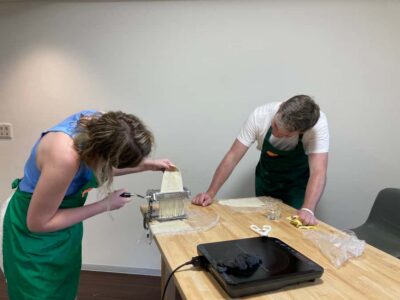
Browse the lists this tour appears in