
Review · KYOTO COOKING CLASSES
Gyoza Cooking Class in Kyoto: Traditional Japanese Dumplings
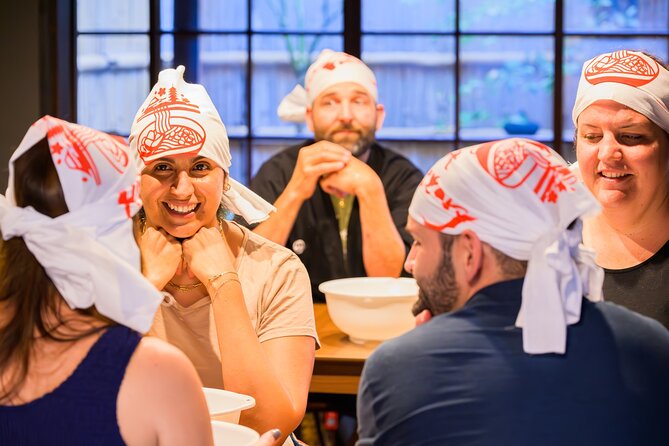
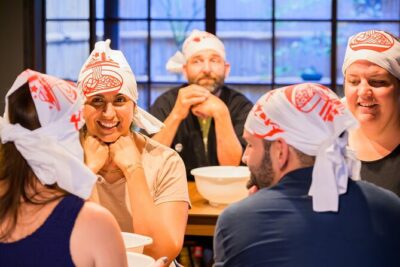
Kyoto’s gyoza class turns a familiar Japanese dish into a hands-on meal. You choose fillings, shape the dumplings, cook them, and eat the results while they are still hot from the pan. I like the friendly English-speaking instruction, and I like that you leave with the recipe rather than only a full stomach. The samurai photo adds a playful Kyoto memory.
The main drawback is the price: $127 per person is a serious spend for a 90-minute cooking class. You should also contact the provider before booking if you have allergies or dietary restrictions, and the activity is not suitable for wheelchair users.
Key points to know before booking
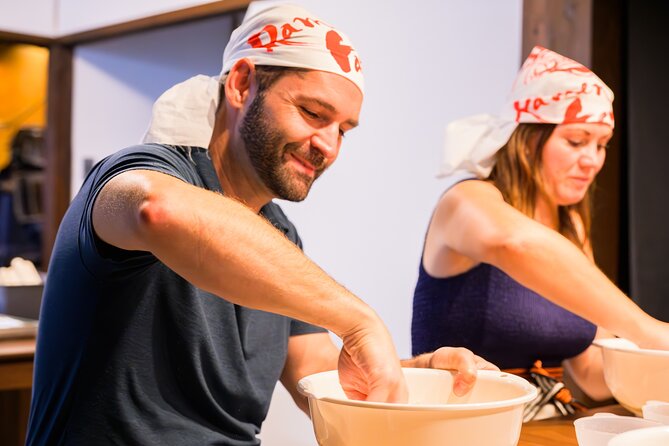
- You make and cook your own gyoza: The class covers fillings, wrapping, and cooking, not just a demonstration.
- A vegetable option can be arranged: Request dietary adaptations in advance rather than waiting until class begins.
- Guide Hama is known for patient teaching: The instruction suits beginners and families, including children around age 11.
- The class is easy to reach: The meeting point is 362 meters, about a five-minute walk, from Exit 2 of Karasuma Oike Station.
- You receive useful take-home extras: Tools, one free drink, the gyoza you make, a samurai photo, and the full recipe are included.
- The timing works well for an evening meal: The 90-minute session can fit neatly after arriving by train or before another Kyoto plan.
Why gyoza makes a good Kyoto cooking class
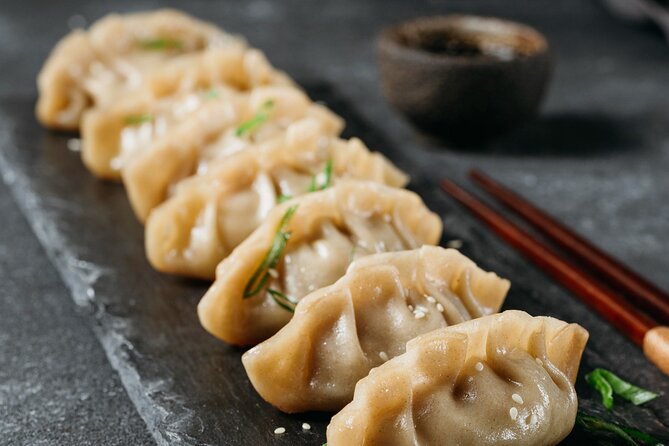
Gyoza is a smart choice for a short food lesson. The dish has several clear steps, and each one gives you something to do. You learn how ingredients are selected, how a filling is prepared, how wrappers are folded, and how the dumplings are cooked until the outside is crisp and the inside stays juicy.
That matters because a class can feel thin if you only watch someone else cook. Here, you take part from the start. Even if your first dumpling looks a little lopsided, you get immediate practice and a chance to improve the next one.
The class also gives you a useful look at everyday Japanese food culture. Gyoza is not presented as a grand ceremonial dish. It is a beloved, practical food that people eat for a satisfying meal, and learning to make it connects you with that familiar side of Japan.
I particularly like the balance of skill and fun. You are learning a real technique, but the activity is not built around strict culinary perfection. The warm setting and patient instruction make it a sensible pick for beginners, families, and anyone who wants a break from temple visits and museums.
More Sushi and Japanese Classes in Kyoto:
- Ramen Cooking Class at Ramen Factory in Kyoto
★ 5.0 · 1,937 reviews - Kyoto: Ramen Cooking Class at a Ramen Factory with Souvenir
★ 4.9 · 532 reviews - Kyoto: Ramen, Gyoza, and Onigiri Cooking Class
★ 5.0 · 445 reviews
What happens during the 90-minute session
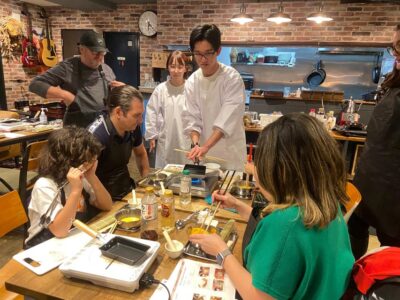
The workshop is short, so expect a focused sequence rather than a long restaurant-style meal. You begin by learning about the ingredients and selecting from available meat and vegetable fillings. This choice lets you adjust the flavor to your preference and gives you a clear role in the cooking.
You then prepare the filling and work with the gyoza wrappers. One useful point from the class experience is that some sessions include making the dough itself. That adds another layer of hands-on work, but it may vary with the exact class format, so ask ahead if homemade dough is especially important to you.
The wrapping stage is where most beginners need help. Gyoza look simple on the plate, but folding the wrapper neatly takes practice. Your instructor demonstrates the technique, then guides you as you shape your own dumplings. The goal is not only a pretty pleat. A proper seal also helps keep the filling inside during cooking.
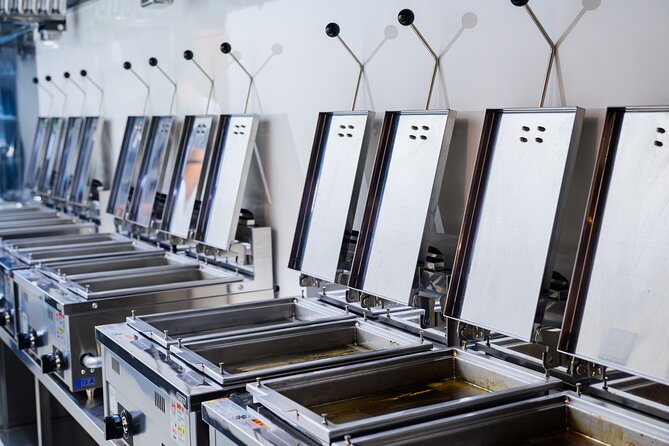
Next comes the pan. You cook the dumplings under instruction and learn how to reach that useful contrast: a crisp base with a tender wrapper and juicy filling. The timing is practical knowledge you can use at home, since gyoza are best enjoyed fresh rather than left sitting around.
Finally, you eat the gyoza you made. The meal is part of the lesson, not a separate restaurant course. You get to see how your ingredient choices and wrapping work affected the finished dish.
A free drink is included. The class also provides the cooking tools, so you do not need to pack anything special beyond normal comfortable clothing and an appetite.
The instructors and the atmosphere
The instruction is available in English and Japanese. For English-speaking visitors, that makes the technical parts easier to follow, especially when the class moves from filling preparation to wrapping and cooking.
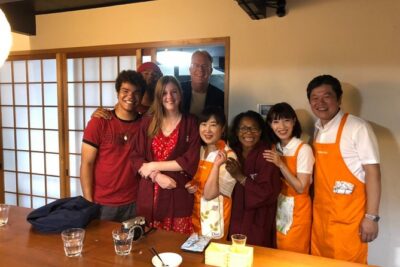
Guide Hama is specifically praised for being friendly, sweet, and a great teacher. Another class included an instructor and an assistant who explained each step clearly and patiently. Those details matter in a food class because small corrections make a big difference. A quick adjustment to how you hold the wrapper or press the edge can save several dumplings from opening in the pan.
The class has also worked well for families. A group with two children around age 11 found the session enjoyable for everyone, and the hands-on format gives children a job to do instead of asking them to sit quietly through a lecture. Keep in mind that children still need to follow cooking instructions around hot equipment.
The mood is relaxed rather than formal. That is a good match for gyoza, where a crooked fold can become part of the fun. You can take the technique seriously without feeling that every dumpling must look like it came from a professional kitchen.
One person had a private lesson because of the group arrangement. You should not assume a private class is guaranteed, but smaller groups may allow for more direct help. If personal instruction is important to you, confirm the group setup when booking.
Meat, vegetable, and allergy considerations
The class offers a variety of meat and vegetable fillings. That is useful if your group has different tastes. One participant requested a vegetable option in advance and found it worked well.
Do not treat this as an automatic vegetarian or allergy-friendly class. The instructions specifically ask you to report allergies and dietary restrictions ahead of time. Give clear information before the activity so the instructors can tell you what can be accommodated.
The ability to customize flavors is one of the class’s best practical features. You are not simply handed a fixed plate. You can learn how a filling changes according to the ingredients you choose, then repeat the idea at home with your own preferred combination.
Still, the available choices and kitchen arrangements are not fully detailed. If you have a serious allergy, ask precise questions before paying. You need to know whether the ingredients, wrappers, tools, and cooking surfaces work for your needs.
More Chinese Classes in Kyoto:
- Gyoza Cooking Class in Kyoto: Traditional Japanese Dumplings
★ 5.0 · 210 reviews - Warsaw’s No 1 cooking class-Polish dumplings with liqueur tasting
★ 5.0 · 576 reviews - Ramen & Dumpling Cooking in Tokyo with Chef/Vegan possible
★ 5.0 · 107 reviews - Flavors of Beijing: Eat Like A Real Chinese
★ 5.0 · 78 reviews
Cooking the dumplings and eating the results
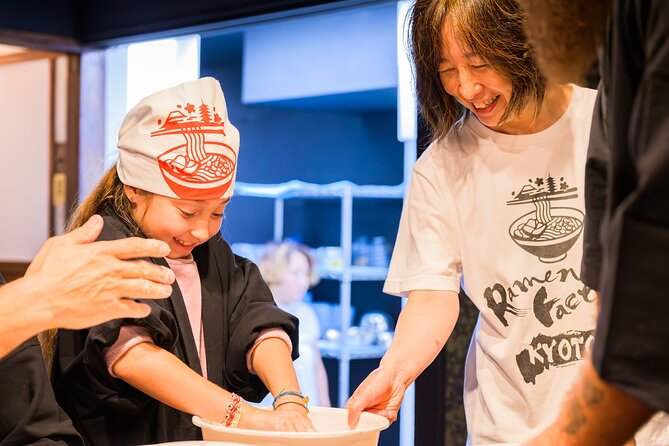
The final cooking stage gives the class its payoff. Gyoza can be crisp outside and juicy inside when cooked correctly, and you get to eat them right after they come from the pan. That freshness is part of the value, since the texture changes quickly once dumplings cool.
I like that the cooking is not left to the instructor. You are responsible for the dumplings you shaped, with guidance available as you go. This makes the result more memorable, especially if you are new to Japanese cooking.
The class is also a useful dinner activity. One group used it as an evening meal after arriving by train, and the 90-minute length makes that plan realistic. You will want to allow extra time around the session for walking, finding the meeting point, and whatever you do afterward, but the class itself does not take up an entire afternoon.
Portion size is not specified, so do not book it expecting a large banquet. You receive the gyoza you make and one drink. For many people, that will feel like a substantial snack or light meal. If you have a big appetite, plan another food stop later.
The samurai photo and other small extras
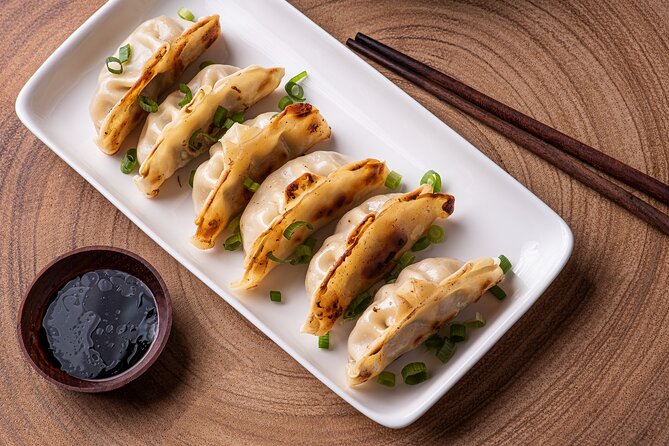
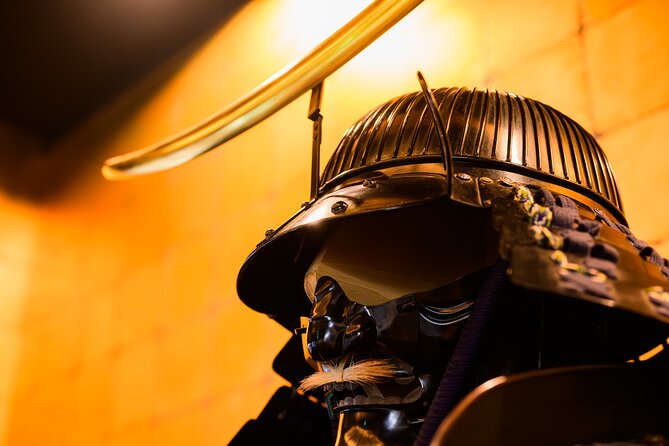
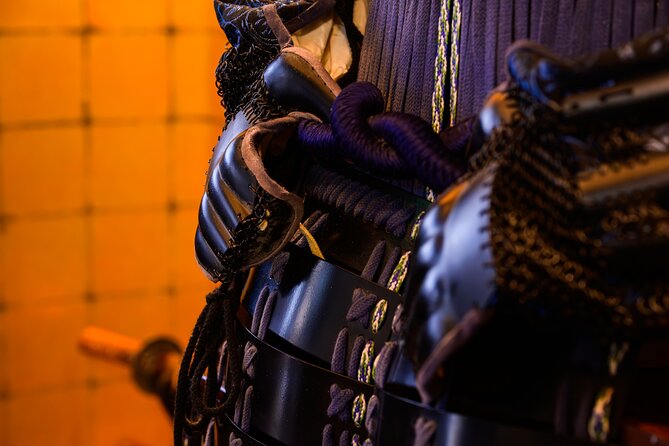
The samurai photo is a lighthearted part of the experience. It is not the reason to book the class, but it adds a cultural souvenir beyond the food itself. Kyoto offers plenty of serious history, so a playful photograph can be a welcome change of pace.
You also receive the full gyoza recipe. This is more useful than a generic cooking souvenir because it gives you a chance to repeat the class at home. The recipe lets you work on your folds, test different fillings, and share the activity with friends or family after your trip.
The tools are supplied during the class, so you can focus on learning rather than wondering what equipment to bring. The ingredients and finished dumplings are part of the experience, while transportation is not included.
Finding the workshop near Karasuma Oike
The meeting point is 362 meters from Karasuma Oike Station, about a five-minute walk from Exit 2. The station is served by both the Kyoto City Subway Karasuma Line and Tozai Line, making the location convenient if you are already using the subway.
I would still leave a few extra minutes. Five minutes is a short walk when you know exactly where you are going, but Kyoto station exits and city streets can slow you down if you are carrying bags or checking a map.
Transportation costs are not included. The activity begins near the station rather than providing pickup, so you handle your own route to and from the class.
Its central location makes the workshop easy to pair with other Kyoto plans. You can schedule it after sightseeing or use it as a food-centered evening activity. Just avoid cramming the start time too tightly against a distant attraction, since the class has fixed starting times and availability varies by date.
Is $127 a fair price?
At $127 per person, this is not a bargain cooking lesson. You are paying for an organized class with an English-speaking instructor, ingredients, cooking tools, a drink, your finished food, a recipe, and the cultural extras. The real question is how much you value guided participation.
If you only want to eat gyoza, a restaurant will cost far less. If you want to learn the process, get personal instruction, and repeat the dish at home, the price makes more sense. The recipe and hands-on practice give the activity value beyond the meal itself.
The price is easier to justify for visitors who want a structured Kyoto experience without spending half a day in a formal culinary school. It also works well for a family or small group looking for something everyone can do together.
For a solo visitor on a tight budget, $127 may feel too high for 90 minutes. You should compare it with other Kyoto activities and decide if cooking is a priority. The perfect 5 rating and repeated praise for friendly, patient teaching suggest a strong level of satisfaction, but price remains the clearest point to weigh carefully.
Who should book this gyoza class?
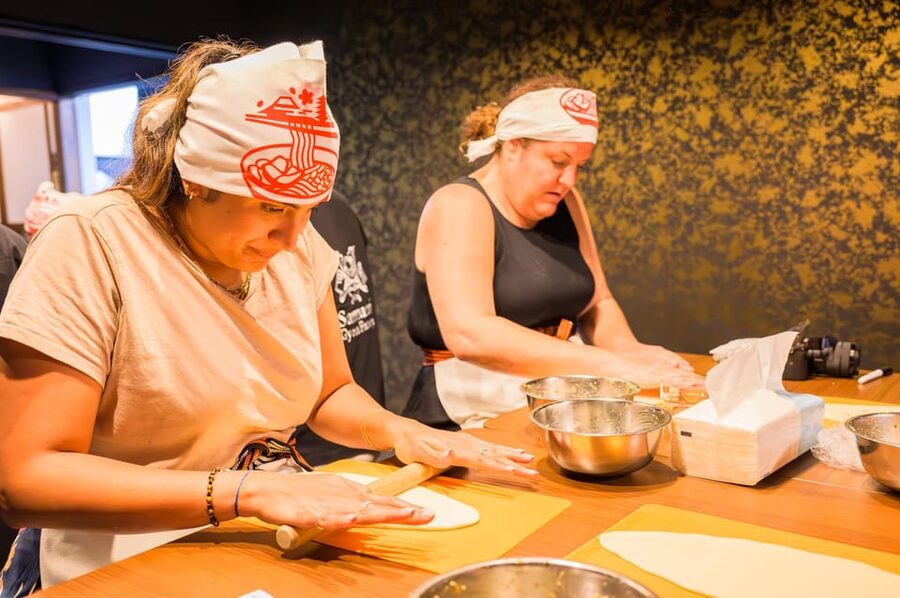
I would choose this class if you like food, want to learn by doing, or need a lighter activity between major sightseeing stops. Beginners are welcome, and the instruction is designed to guide you through each stage rather than assume professional kitchen skills.
Families can also get good value from it, especially with children old enough to follow directions and handle simple preparation tasks. The class offers enough movement and participation to keep the experience from feeling like a passive demonstration.
It suits couples and friends who want a shared activity, too. Everyone can choose fillings, practice folds, and compare the results. A group with different food preferences may appreciate the meat and vegetable choices.
I would be more cautious if you need step-free access, since the activity is not suitable for wheelchair users. I would also ask detailed questions first if you have severe allergies, strict dietary rules, or need a large meal.
Book early if you have a fixed schedule, but the reserve-now-and-pay-later option gives you some flexibility. You can reserve a place without paying immediately, and free cancellation is available up to 24 hours before the activity for a full refund.
Should you book it?
Book this gyoza class if you want a friendly, practical introduction to Japanese cooking and like the idea of eating what you make. The English instruction, patient teaching, vegetable option by request, recipe, and convenient subway location make it easy to fit into a Kyoto visit.
Skip it if $127 feels too steep for a short meal activity, if you prefer simply dining in restaurants, or if accessibility and dietary needs cannot be confirmed in advance. For everyone else, the combination of cooking practice, a fresh meal, and a samurai photo makes this a memorable way to spend 90 minutes in Kyoto.
FAQ
How long does the gyoza cooking class last?
The class lasts 90 minutes.
Where does the class meet?
The meeting point is about 362 meters, or a five-minute walk, from Exit 2 of Karasuma Oike Station. The station serves Kyoto’s Karasuma Line and Tozai Line.
Is the class taught in English?
Yes. Instruction is available in English and Japanese, and an English-speaking instructor is included.
What is included in the price?
The price includes the instructor, cooking tools, one free drink, and the gyoza you make during the class. The full recipe and a samurai photo are also part of the experience.
Can I request a vegetarian option?
Yes, a vegetable option can be requested. You should inform the provider in advance about any dietary restrictions or allergies.
Is transportation included?
No. You are responsible for transportation to and from the meeting point.
Can I cancel the booking?
You can cancel up to 24 hours in advance for a full refund. The reserve-now-and-pay-later option lets you hold a place without paying immediately.
Newest classes around Kyoto
- Kyoto Udon & Tempura Cooking Class with Professional Chefs★ 3.8 · 3 reviews
- Kyoto: Wagashi (Japanese sweets) Cooking near Fushimiinari★ 5.0 · 40 reviews
- Kyoto Home Cooking Class &Supermarket tour near Fushimiinari★ 5.0 · 31 reviews
- Kyoto: Morning Japanese Bento Cooking Class★ 5.0 · 149 reviews
- Kyoto: Authentic Sushi Making Cooking Lesson★ 5.0 · 103 reviews
- Kyoto: Cooking class, learning how to make authentic sushi★ 4.2 · 9 reviews
- Authentic Japanese Cooking Experience at Izakaya restaurant★ 4.2 · 5 reviews
- Private Plant-Based Japanese Cooking Class – Kyoto Edition★ 5.0 · 15 reviews
Kyoto Cooking Classes, compared.
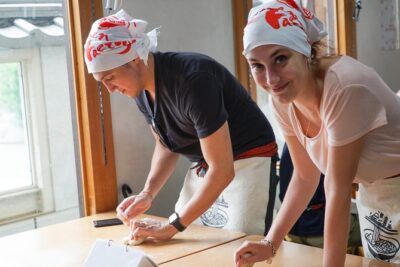
Ramen Cooking Class at Ramen Factory in Kyoto
Read our review →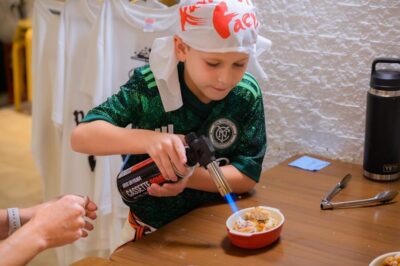
Ramen Cooking Class at a Ramen Factory with Souvenir
Read our review →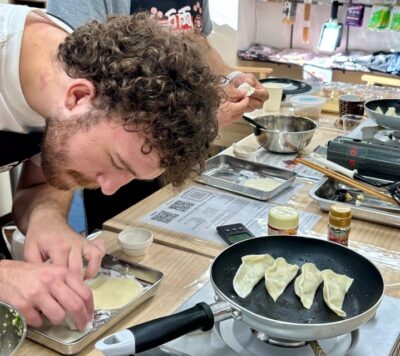
Japanese Washoku Bento Small Group Cooking Class
Read our review →
Kyoto Ramen and Gyoza Cooking Class with Professional Chefs
Read our review →
Gyoza Cooking Class in Kyoto: Traditional Japanese Dumplings
Read our review →Browse the lists this tour appears in