
Review · TOKYO COOKING CLASSES
Vegan/Vegetarian Ramen and Gyoza by Bentoya cooking
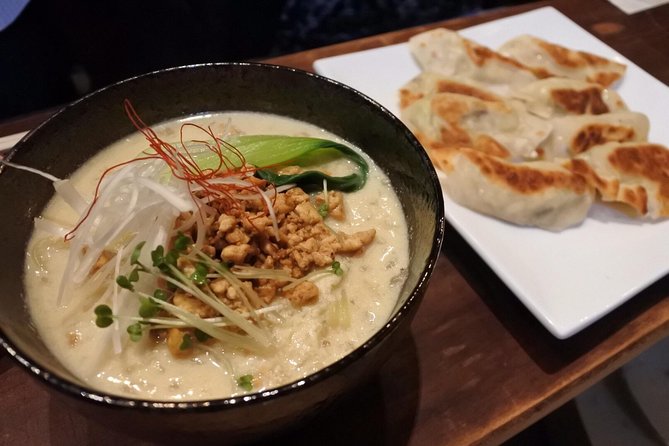
The clever part of this Tokyo cooking class comes before the first noodle hits the bowl: you visit a local supermarket and learn which Japanese ingredients work for a vegan or vegetarian kitchen. Then you return to a home kitchen to make ramen broth and gyoza from scratch. I like that the food problem is treated seriously, since bonito-based dashi hides in many Japanese dishes.
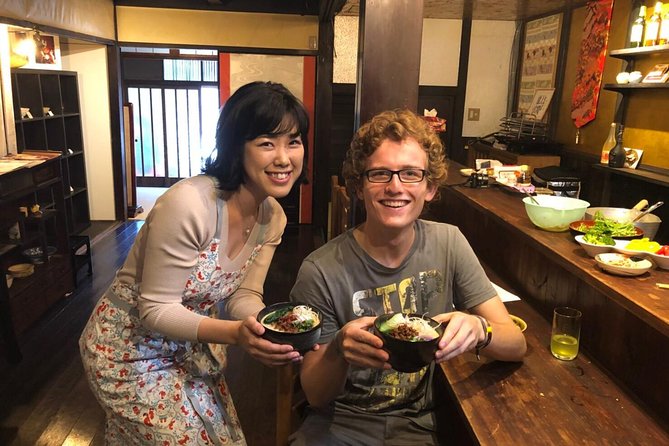
I also like the small group size, capped at six, and the practical recipes you can repeat at home. Past classes have been led by Kaori, with Miwa or Rina also involved in some sessions, and the instruction includes cutting, seasoning, shaping, and presentation. The main drawback is location: Komae is outside central Tokyo, so you need to allow time for the train ride.
Key points to know before booking
- The supermarket visit gives you a useful Japanese food lesson before cooking begins.
- Ramen soup is made from scratch, with vegan or vegetarian ingredients rather than fish-based dashi.
- You make both ramen and gyoza, then sit down to eat the meal you prepared.
- Kaori is a warm, English-speaking host, and some sessions also involve Miwa or Rina.
- The group is limited to six people, making the class personal and hands-on.
- The two-and-a-half-hour class costs $75 per person, a fair price if you value lunch, instruction, and recipes you can reuse.
Why this class matters for vegetarian food in Japan
Japan is easy to enjoy as a food-loving country, but strict vegetarian and vegan eating can take planning. The snag is often not visible meat. It is dashi, the stock used in soups, sauces, and other dishes. Traditional dashi is commonly made with bonito flakes, so a dish that appears meat-free may not fit a vegan or vegetarian diet.
This class addresses that issue directly. You learn how to build ramen soup without relying on fish stock, and you get a closer look at the basic ingredients used in Japanese cooking. That is more useful than simply being served a meat-free meal. You leave with a better sense of what to look for in a supermarket and what questions to ask when eating elsewhere.
I especially like the practical focus. You are not just watching a chef prepare a polished bowl. You are learning techniques that can carry into your own kitchen, including the seasoning and assembly choices that make the final meal satisfying.
More Vegetarian Cooking Classes in Japan
- Ramen & Dumpling Cooking in Tokyo with Chef/Vegan possible
★ 5.0 · 107 reviews - Zen Buddhist Vegetarian(Shojin Ryori): Cooking Experience
★ 5.0 · 9 reviews - Private Plant-Based Japanese Cooking Class – Kyoto Edition
★ 5.0 · 15 reviews
Starting at Komae Station
The meeting point is Komae Station, at 1 Chome-7 Motoizumi in Komae, Tokyo. The class runs from 10:00 a.m. to 1:00 p.m., which makes it a morning activity followed by lunch.
Komae is not one of Tokyo’s main sightseeing districts. That is part of the appeal, but it also means you should plan your route carefully. The class ends back at the meeting point, so you are not left guessing where to go afterward. Since the experience is near public transportation, you can continue your day by train once the meal is finished.
Allow enough time to reach Komae without rushing. The cooking begins in the morning, and arriving late could mean missing the supermarket portion or the first preparation steps. I would treat the trip out as part of the experience rather than trying to squeeze it between two tightly scheduled central Tokyo attractions.
The supermarket visit: Japanese ingredients in context
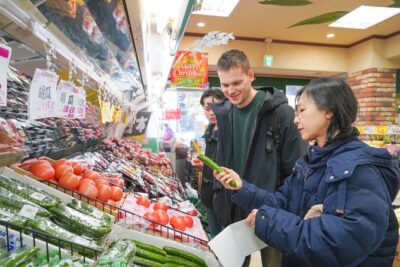
The supermarket stop is one of the most useful parts of the morning. A local instructor can show you ingredients in their normal setting, rather than presenting them as a tidy list on a recipe sheet.
You learn about basic Japanese cooking products and, importantly, how vegetarian or vegan choices fit into that system. Packaging can be difficult to read if you do not know Japanese, and fish-based stock is not always obvious to someone shopping quickly. Seeing the ingredients with an instructor gives you a clearer starting point for future meals.
The supermarket visit also adds a local touch without turning the class into a sightseeing performance. You are doing a normal Japanese errand with someone who can explain what you are seeing. That makes the lesson useful beyond this one lunch.
The exact supermarket route and length of the stop are not specified, so do not expect a full market tour. Think of it as a focused ingredient introduction. Its value comes from the explanations, not from the size or fame of the store.
Making ramen broth from scratch
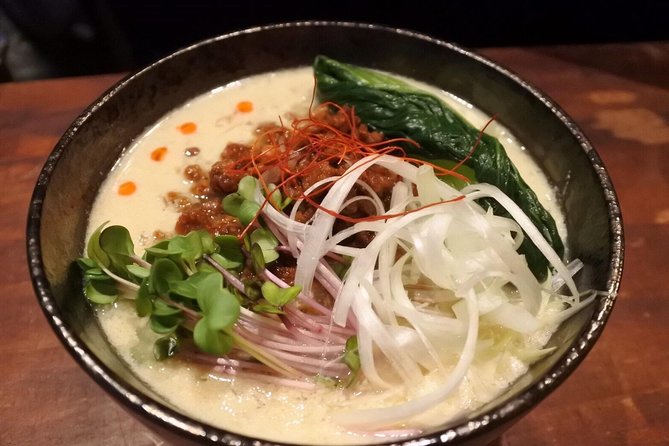
The ramen portion is the heart of the class. Instead of beginning with a prepared packet or a stock cube, you make the soup from scratch. That lets you see how the broth develops and how seasonings shape the final bowl.
For a vegan or vegetarian cook, this is a major advantage. Ramen in Japan often depends on stock that may not suit your diet. Here, the recipe is designed from the start around plant-based or vegetarian requirements, so you are not trying to modify a meat-based dish at the last minute.
The class also helps explain why ramen tastes complete. The noodles matter, but so do the soup, toppings, balance, and final presentation. You can expect to work through the steps under guidance, then assemble the bowl for lunch.
One useful detail from the class experience is that the food is not treated as a museum piece. The recipes are meant to be cooked again at home. That changes the way I judge the lesson. A complicated dish that only works in a professional kitchen would make a poor souvenir. Ramen you can recreate is a better takeaway.
More Sushi and Japanese Classes in Tokyo:
- Ramen & Gyoza Cooking Class in Tokyo with Local Supermarket Visit
★ 5.0 · 823 reviews - Tokyo Tsukiji Fish Market Tour and Sushi Making Lesson
★ 5.0 · 390 reviews - Tokyo: Easy Ramen Cooking Experience in Kabukicho, Shinjuku
★ 4.6 · 321 reviews - Ramen and Sushi Cooking Class with Sake Pairing Set in Tokyo
★ 5.0 · 291 reviews
Folding gyoza and learning basic technique
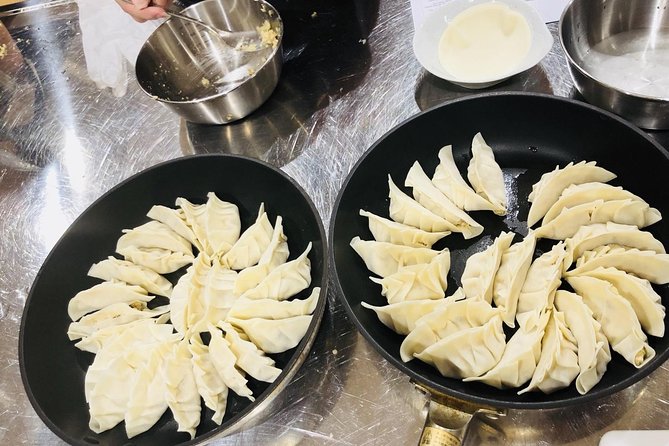
Gyoza brings a different kind of cooking to the morning. You prepare the minced filling, portion it into wrappers, and shape the dumplings. The technique takes practice, but it is approachable, and the instructor can correct your method as you go.
The class covers more than simply putting ingredients together. Instruction includes cutting and cooking techniques, seasoning, and presentation. Those small skills are often what make home cooking easier later. You learn how to prepare the components, not just how to follow a finished recipe.
Gyoza is also a good dish for a small group because everyone can take part. With a maximum of six people, you should have a chance to handle the food rather than watch from the edge of a crowded demonstration. The class is not described as a formal restaurant kitchen, and the home setting gives it a relaxed feel.
Do keep your expectations sensible. This is a short class, not a professional culinary course. You will learn useful basics and make a meal, but you will not master every Japanese cooking technique in one morning.
Lunch in a local home kitchen
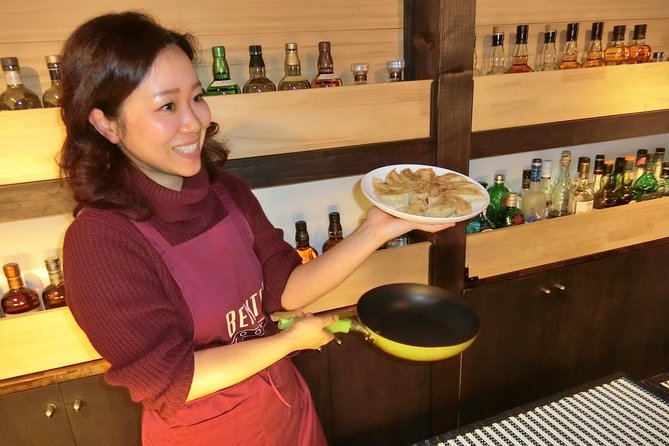
After the preparation, you eat the ramen and gyoza you made. That meal is important because it lets you judge the seasoning, texture, and balance while the lesson is still fresh.
The home setting is one of the experience’s strongest features. You are welcomed into the instructor’s own kitchen rather than placed in a large commercial classroom. That can make the morning feel more personal and gives you a chance to ask questions about food, daily life, and Japan.
Kaori is repeatedly identified as a friendly host with strong English, making the class accessible to English-speaking participants. One birthday booking included plenty of conversation about Japan, food, and her life. That sort of exchange is not guaranteed in every class, but it fits the format well.
Some sessions have included Miwa or Rina. Rina is described as taking the group through supermarkets before leading an easy-to-follow cooking session. If the name of your instructor matters, confirm it when booking, since the available information does not promise one specific host for every date.
What you take home besides lunch
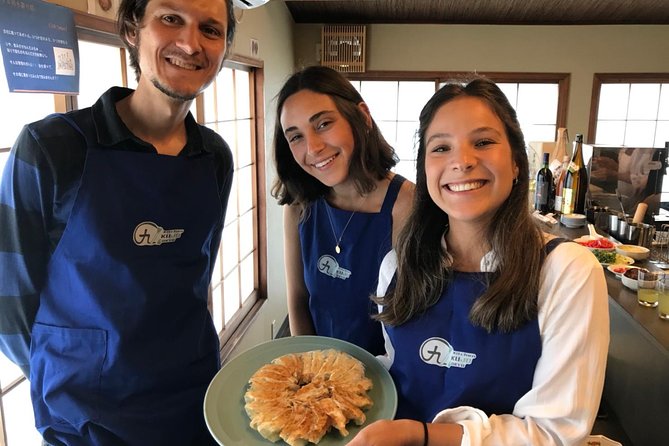
The best souvenir here is not a decorative object. It is a recipe you can use when you return home.
Instruction files are provided afterward, and the recipes have been used successfully at home by people who took the class. That makes the $75 price easier to justify. You are paying for a two-and-a-half-hour activity, a meal, ingredient guidance, personal instruction, and written material for later.
I would still compare the price with your priorities. If you only want an inexpensive lunch, $75 is high. If you want a hands-on cultural activity and need reliable vegan or vegetarian cooking guidance, the value is much better. A meal in Tokyo gives you food for one sitting. This class gives you food plus a repeatable skill.
The class also has a strong appeal for families and small groups. A 13-year-old took part in one session, and the format allows plenty of interaction with the cooking. Younger children may need help with cutting or hot equipment, but the supplied information does not set a minimum age, so ask before booking if that detail affects your plans.
A realistic look at the schedule and group size
The advertised duration is approximately two hours and 30 minutes, with the listed hours running from 10:00 a.m. to 1:00 p.m. That should be enough time for the supermarket introduction, cooking, and meal, but it is not a leisurely all-day food tour.
The group limit of six is a real advantage. Small numbers make it easier to ask about ingredients, get help with gyoza folding, and follow the timing of the ramen. They also suit people who prefer conversation over a large class with a fixed demonstration at the front.
The activity returns to the meeting point. Plan your afternoon from Komae rather than assuming you will finish in central Tokyo. The class is near public transportation, but the exact travel time from your hotel depends on where you are staying.
Confirmation is sent within 48 hours of booking, subject to availability. Since the class is often booked about 27 days ahead, I would not leave it until the last minute if your Tokyo dates are fixed.
Weather, cancellation, and practical planning
The experience offers free cancellation if you cancel at least 24 hours before the start time. Cancellations or changes made within 24 hours are not refunded or accepted, and the cut-off uses local time in Tokyo.
The activity also requires good weather. If poor weather causes a cancellation, you are offered another date or a full refund. That condition is worth noting even though the main activity takes place indoors, because the supermarket portion and travel to the meeting point are part of the morning.
Bring an appetite, but do not eat a large breakfast. The class ends with the ramen and gyoza you prepare, so arriving ready for lunch makes sense. You should also tell the provider about your dietary needs when booking, since the class is specifically designed for vegan and vegetarian food but individual restrictions can vary.
Who will enjoy BentoYa Cooking most
I would recommend this class to you if you want a personal activity rather than a major sightseeing stop. It suits:
- Vegan and vegetarian diners who want to understand Japanese ingredients.
- Anyone who wants to recreate ramen and gyoza at home.
- Couples, families, and small groups who like hands-on lessons.
- Food lovers who enjoy asking questions and meeting a local host.
- Visitors with a free morning who do not mind taking the train to Komae.
It is less suitable if you want a central Tokyo location, a long food tour, or a formal professional cooking course. It also may not be the right choice if you prefer simply to eat rather than prepare the meal yourself.
Should you book this ramen and gyoza class?
I would book it if vegan or vegetarian food is an important part of your trip, or if you want one Tokyo activity that continues to be useful after you fly home. The combination of a supermarket visit, scratch-made ramen, handmade gyoza, personal instruction, and take-home recipes gives the morning real value.
The strongest reasons to go are the small group, the home-kitchen setting, and the attention to fish-free Japanese cooking. The main trade-offs are the trip to Komae, the $75 cost, and the short two-and-a-half-hour schedule.
If those points fit your plans, BentoYa Cooking offers a warm, practical introduction to Japanese food that you can repeat long after your Tokyo visit.
FAQ
Where does the cooking class meet?
The class meets at Komae Station, at 1 Chome-7 Motoizumi, Komae, Tokyo 201-0013, Japan.
What time does the activity run?
The listed schedule is Monday through Sunday from 10:00 a.m. to 1:00 p.m.
How long does the experience last?
The experience lasts approximately two hours and 30 minutes.
What food do you make?
You make vegan or vegetarian ramen and gyoza. The ramen soup is prepared from scratch.
Does the class include a supermarket visit?
Yes. The instructor can show you a local supermarket and introduce basic Japanese ingredients before the cooking session.
Who teaches the class?
The experience is provided by BentoYa Cooking, Japanese Vegan/Vegetarian Cooking School. Instructors named in the available information include Kaori, Miwa, and Rina.
How large is the group?
The activity has a maximum of six participants.
What is the price?
The listed price is $75 per person.
Can I cancel for a refund?
You can cancel at least 24 hours before the start time for a full refund. Cancellations or changes made less than 24 hours before the start time are not refunded or accepted. If poor weather causes the activity to be canceled, you are offered another date or a full refund.
More Food Outings in Tokyo
- Small Group Cooking Class & Market Food Tour in Florence
★ 5.0 · 1,574 reviews - Athens: Food Market Visit and Cooking Class with Wine
★ 4.9 · 1,087 reviews - Undiscovered Charleston: Half Day Food, Wine & History Tour with Cooking Class
★ 5.0 · 948 reviews - Vietnamese Food Cooking Class in Hanoi with Market Experience
★ 5.0 · 778 reviews
More Vegetarian Cooking Classes in Tokyo
- Oaxacan Vegetarian Cooking Class
★ 5.0 · 235 reviews - Marrakech: Moroccan Cooking Class for vegetarians and vegan
★ 4.9 · 156 reviews - Hoi An: Vegetarian Cooking Class w Local Family and transfer
★ 4.9 · 145 reviews - Oaxaca: Vegetarian Cooking Class
★ 4.8 · 139 reviews
Newest classes around Tokyo
- Tokyo: Sushi roll and side dish cooking experience★ 5.0 · 2 reviews
- Tokyo: Sushi Making Experience & Japanese Cooking Class★ 5.0 · 2 reviews
- Tokyo: Sushi Cooking Class with Sake Tasting★ 4.8 · 55 reviews
- Tokyo: Real Ramen & Dumpling Cooking with Master Chef★ 5.0 · 10 reviews
- Tokyo: Sushi and Ramen Cooking Class with Sake Pairing Set★ 5.0 · 81 reviews
- Tokyo: Kawaii Bento Cooking Class – Cute Character Lunchbox★ 4.9 · 55 reviews
- Tokyo: Gyoza Making from Scratch – Ultimate Cooking Class★ 5.0 · 2 reviews
- Tokyo: Night Cooking Class: 5 Home-Cooked Japanese Dishes★ 4.9 · 13 reviews
Tokyo Cooking Classes, compared.

Ramen & Gyoza Cooking Class in Tokyo with Local Supermarket Visit
Read our review →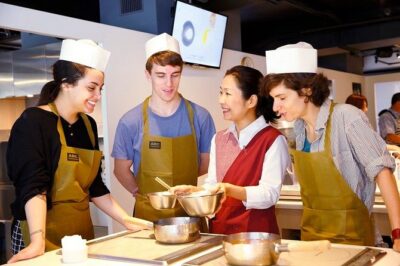
Tokyo Tsukiji Fish Market Tour and Sushi Making Lesson
Read our review →
Easy Ramen Cooking Experience in Kabukicho, Shinjuku
Read our review →
Ramen and Sushi Cooking Class with Sake Pairing Set in Tokyo
Read our review →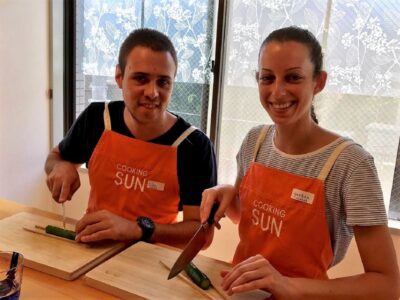
Tokyo Washoku 4-hour Cooking Class: From Market to Table
Read our review →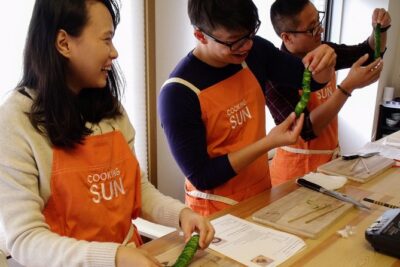
Small-Group Wagyu Beef and 7 Japanese Dishes Tokyo Cooking Class
Read our review →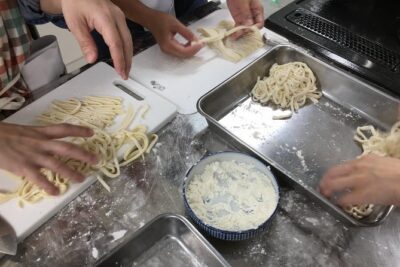
Private Home Cooking in Yanaka – Local Flavors in a Warm Setting
Read our review →Browse the lists this tour appears in