
Review · KYOTO COOKING CLASSES
Private Guided Traditional Buddhist Cooking in Japan
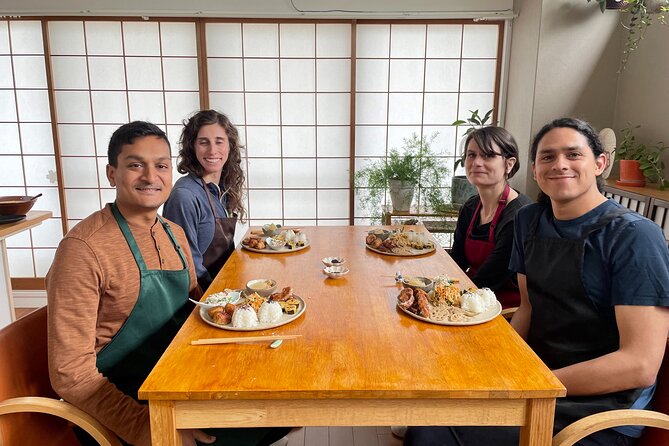
Kyoto’s Buddhist cooking tradition is at the heart of this hands-on class. You’ll prepare a seven-dish vegan meal with seasonal vegetables, tofu, grains, seaweed, and fermented foods, then sit down to eat what you made. This is less about flashy knife work and more about learning how Japanese cooks bring out the natural taste of simple ingredients.
I like the private format, since Yukari or Yuka can give your group direct help rather than sending you through a large demonstration. I also like that recipes are provided, so the class can continue in your own kitchen. The main consideration is that this is a cooking lesson, not a temple tour, and the listed temples may serve as nearby itinerary points rather than guaranteed guided visits.
Key points to know before booking
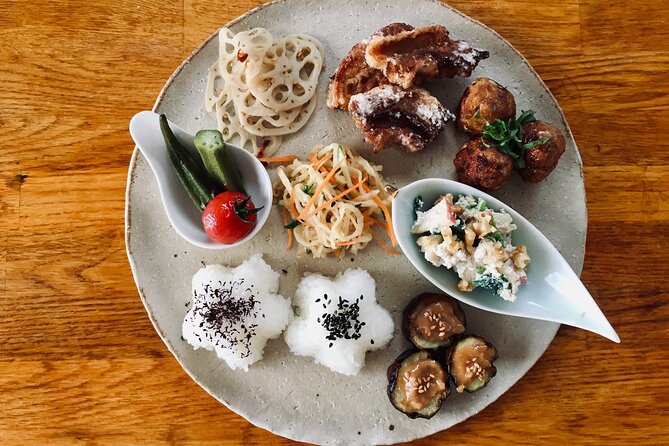
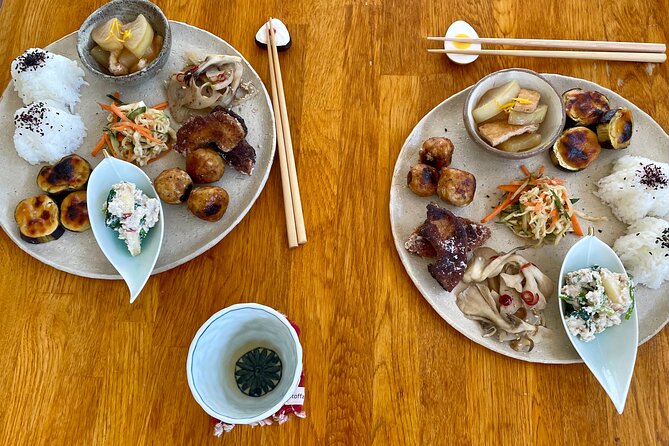
- Seven vegan dishes: Prepare seasonal vegetables, lotus root, eggplant, tofu salad, wheat-gluten fried chicken, rice balls, and more.
- A private class: Only your own group participates, making this a good fit for families and small parties.
- A real Kyoto food tradition: Learn about Shojin-ryori, Buddhist cooking made without meat, fish, or other animal products.
- Recipes to take home: The class includes written recipes, giving you a practical souvenir.
- Central Kyoto setting: Meet near public transportation in the Ichijoji area, with Enkoji, Shisendo, and Ginkakuji listed as itinerary points.
- Good value for a meal and lesson: At $70.94 per person, the price includes ingredients, equipment, an apron, a drink, facility fees, and lunch or dinner.
Why Shojin-ryori makes this class different
Shojin-ryori is not simply Japanese food with the meat removed. It grew from Buddhist temple cooking, where avoiding harm to animals shaped the ingredients, methods, and presentation. The result is a meal built around vegetables, soybeans, grains, seaweed, and fermented products.
That matters because you’ll learn a way of cooking rather than just a set of recipes. A carrot, lotus root, eggplant, or daikon is treated as the main event. Tofu adds substance. Miso and other fermented ingredients bring depth. Careful cutting and gentle cooking help each ingredient keep its own character.
The class also gives you a useful look at Kyoto’s preference for balance. Japanese home cooking often places several small dishes on the table instead of one large centerpiece. You may have something simmered, something fried, something dressed with tofu, and something shaped into rice balls. The meal feels varied without depending on meat or heavy sauces.
I especially like this approach for anyone who has already sampled sushi, ramen, or tempura and wants a different side of Japanese food. It also works well for vegetarians and vegans who want more than a limited restaurant meal.
More Private Cooking Classes in Japan
- Private Kyoto Sushi Cooking Class & Tea Ceremony with Emika
★ 5.0 · 66 reviews - Private Cooking Class Udon in Kyoto Japan
★ 5.0 · 23 reviews - Private Ramen or Gyoza Cooking Class in Kyoto with Chef Midori
★ 5.0 · 18 reviews
Meeting Yukari or Yuka at 10 a.m.
The class begins at 10:00 a.m. at Fairmont Building 16, Ichijoji Nodacho, in Kyoto’s Sakyo Ward, postal code 606-8165. The activity is near public transportation, but private transportation is not included, so you’ll need to make your own way there.
The provider is Yukari’s Japanese Home Cooking. The class is led by Yukari or Yuka, both of whom are presented as warm, patient teachers with long experience in Japanese food. Yukari has written books and articles about Japanese cuisine, and the class places real weight on explaining ingredients and food culture, not just telling you when to stir a pot.
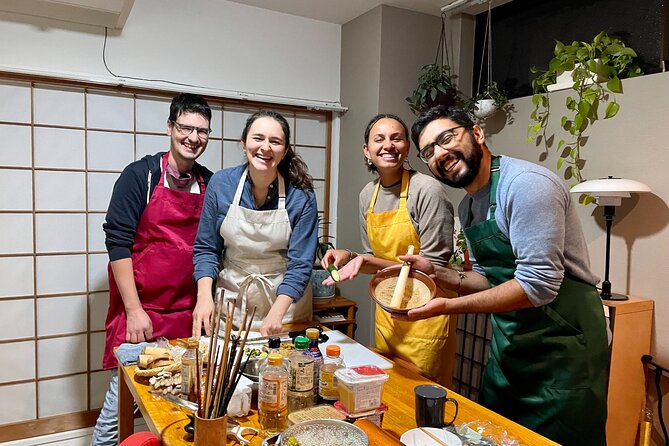
You begin with an introduction to Shojin-ryori and local ingredients. This opening is useful because some products may be familiar by sight but less familiar in use. You’ll learn how these ingredients fit into Japanese cooking before putting on an apron and moving to the practical work.
The private setup should make the teaching feel personal. Families have found the class workable for children around age 11, while couples and friends can move at their own pace. Since only your group participates, you won’t be assigned to a large room full of strangers.
Seven dishes, from lotus root to wheat-gluten chicken
The cooking portion covers a generous range of flavors and techniques for a 2.5-hour class. The exact pace will depend on your group, but the menu includes the following dishes:
- Simmered seasonal vegetables
- Salad made with dried strips of daikon
- Kinpira of lotus root
- Nasu dengaku, or miso-glazed eggplant
- Shiraae, a mashed tofu salad
- Spicy teriyaki balls
- Vegetarian fried chicken using wheat gluten
- Two rice balls
The menu is described as seven dishes, with the rice balls included as part of the meal. That gives you plenty to do, but it also means this is not a slow, single-dish workshop. You’ll be guided through several preparations, then bring them together as a plate lunch or dinner.
The seasonal vegetable dish shows how Japanese cooking can make a meal from produce alone. Simmering allows vegetables to take on flavor while remaining gentle and clean. The dried daikon salad adds a different texture, while lotus-root kinpira brings a pleasant bite and a savory finish.
Nasu dengaku is likely to be a favorite for eggplant lovers. Miso gives the vegetable a sweet and salty coating, and the dish demonstrates how a bold condiment can turn a plain ingredient into a satisfying main part of a meal.
Shiraae introduces one of the class’s most useful ideas: tofu can do more than stand in for meat. Mashed tofu creates a soft dressing for vegetables and adds protein without making the dish heavy. This is the sort of technique you can adapt at home with whatever vegetables you have available.
The wheat-gluten fried chicken is the playful dish on the menu. It uses a meat substitute to recreate the shape and feel of fried chicken while keeping the meal vegan. The teriyaki balls provide another example of how familiar Japanese flavors can be used in a plant-based meal.
Finally, you’ll make two rice balls. Rice balls are simple, practical food, but shaping them by hand makes them feel more personal than a bowl of rice served on the side. Together, the dishes create a complete meal with different textures, temperatures, and levels of seasoning.
Eating what you make at the end
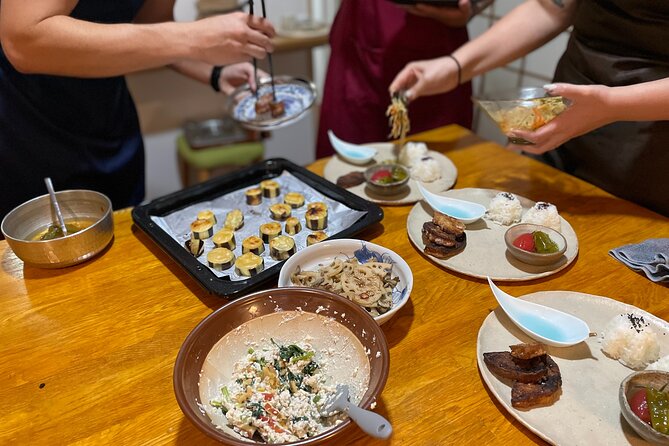
The best part of a hands-on cooking class is usually the meal at the end, and this one makes that meal a central part of the experience. You’ll arrange the dishes into a plate lunch or dinner and eat the food you prepared.
The class includes water or tea, so you do not need to plan on buying a drink with the meal. Ingredients, cooking equipment, an apron, utility charges, and facility fees are also included. That makes the price easier to judge: you’re paying for instruction, food, a sit-down meal, and the practical use of a fully equipped cooking space.
The meal is also where the lesson about balance becomes clear. Seven modest preparations can feel more complete than one large plate because each item contributes something different. The meal is vegan, but it is not presented as a compromise meal. It relies on texture, miso, soy, vegetables, rice, and careful seasoning.
The class is suitable for vegetarian and vegan diners, though you should still share your dietary needs when booking. Gluten-free requests can be accepted if the provider is told in advance. That is especially important here because wheat gluten is part of one of the advertised dishes.
More Private Cooking Classes in Kyoto
- Private Plant-Based Japanese Cooking Class – Kyoto Edition
★ 5.0 · 15 reviews
What the temple stops mean for your day
Enkoji Temple, Shisendo Temple, and Ginkakuji Temple are listed as stops. Their presence helps place the class in eastern Kyoto, an area associated with temples and traditional culture.
You should read the schedule carefully, however. The cooking class itself is the main activity, and the information provided does not promise a guided temple visit, admission, or transportation between these locations. The activity begins and ends back at the cooking meeting point, so do not assume that temple entrance fees or a separate sightseeing walk are part of the $70.94 price.
Still, the location can work well with your Kyoto plans. You might schedule this class on a day when you are already exploring Sakyo Ward and nearby temples. Since the class begins at 10:00 a.m. and lasts about two and a half hours, it can fit naturally into a morning and lunch plan, though you should allow extra time for getting to and from the meeting point.
I would not book this expecting a full sightseeing tour. I would book it as a food experience in a temple-rich part of Kyoto, then arrange your own sightseeing around it.
Why the private format is worth considering
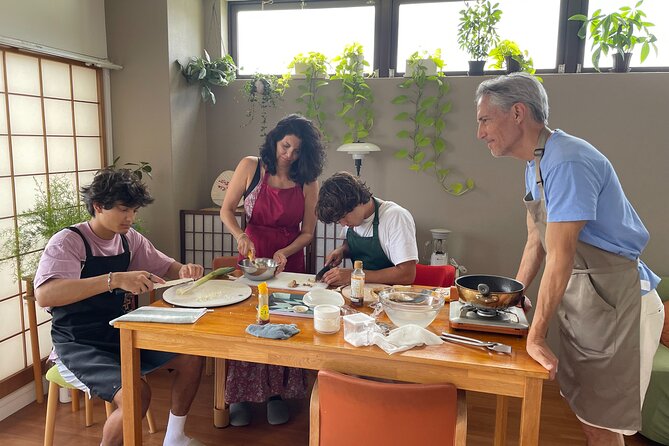
Private classes often cost more than a large group lesson, but here the price remains moderate at $70.94 per person. The value comes from the combination of personal instruction and a full meal rather than from the length alone.
A private class can be especially helpful if your group includes children, first-time cooks, or people with dietary restrictions. Yukari’s teaching style is described as patient and encouraging, and families have found that younger participants can stay involved. You can also ask questions about ingredients as you go instead of waiting for a general demonstration to end.
The format suits couples and small groups particularly well. You’ll have room for conversation, and the class can feel more like being welcomed into a Japanese cooking session than attending a formal culinary school.
The price may feel less attractive if you are only looking for a quick meal or a short demonstration. You could eat a cheaper lunch elsewhere. But that misses the point. You’re paying for the instruction, the cultural background, the chance to prepare seven dishes, and recipes you can use later.
What the cooking reviews tell me about the teaching
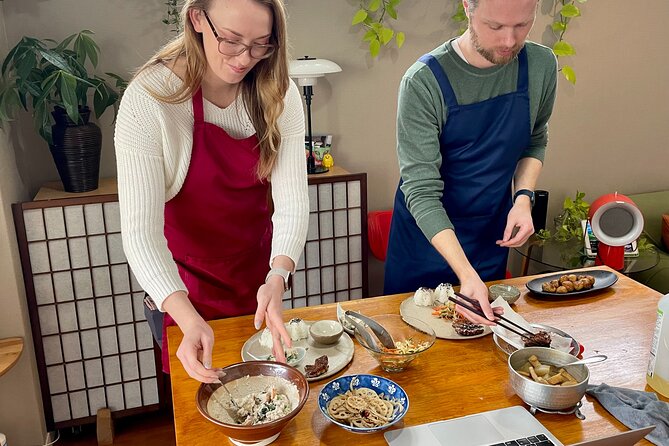
The strongest pattern is the praise for the instructors’ warmth, patience, and clear explanations. Yukari is repeatedly described as a welcoming host, while Yuka is praised for her kindness and teaching ability.
One particularly useful detail is that the recipes are shared in writing. You are not expected to rely on memory after the class. That matters because Japanese cooking often includes unfamiliar ingredients or methods, and a written guide makes it easier to recreate the dishes at home.
The teaching also goes beyond recipes. You’ll hear about the history of Buddhist cooking, the role of common Japanese ingredients, and the particular food culture of Kyoto. The emphasis is not only on producing lunch but on understanding why the meal is built the way it is.
The class has also worked well for people who had taken other Japanese cooking classes. That suggests the lesson offers more than basic sushi rolling or a simple ramen demonstration. The menu is broader, and the Buddhist context gives it a clear focus.
Practical details that matter
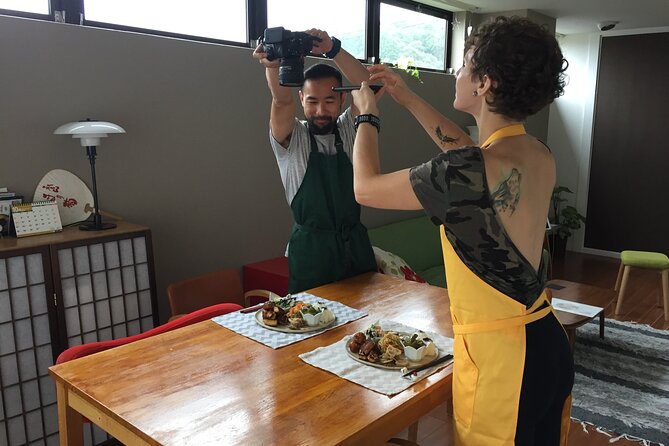
The activity lasts about two hours and 30 minutes. That is enough time for a substantial cooking lesson and a meal, but not so long that it takes over your entire day.
The meeting point is at Japan, 606-8165 Kyoto, Sakyo Ward, Ichijoji Nodacho, 16 Fairmont Building. Check the exact location details carefully before leaving, especially if you are using public transportation. The activity ends at the same meeting point.
Mobile tickets are accepted, and confirmation is provided when you book. Service animals are allowed. The activity is private, and only your group participates.
Free cancellation is available if you cancel at least 24 hours before the 10:00 a.m. start time. Changes or cancellations made less than 24 hours before the start are not accepted for a refund. Since cut-off times use Kyoto’s local time, make any changes early rather than waiting until the last day.
Who should book this Kyoto cooking class?
I would recommend it to you if you want a food experience with cultural meaning rather than a quick recipe demonstration. It is a strong match for:
- Vegetarians and vegans who want a complete Japanese meal
- Couples seeking a private activity
- Families with children who enjoy hands-on tasks
- Visitors interested in Buddhist culture and temple food
- Cooks who want recipes they can recreate at home
- Anyone who has already tried the better-known Japanese dishes
You may want to choose another activity if you dislike structured cooking, have limited time between sightseeing plans, or expect a temple tour to be included. This is also not the right pick if you want to focus on fish, meat, or sushi.
The gluten-free option is a useful plus, but ask about it before arrival. The menu includes wheat gluten, so you should not assume every dish can be altered on the spot.
Should you book it?
Book this class if you want to understand how a satisfying Japanese meal can be built without animal products. The seven-dish menu, private setting, written recipes, and meal at the end make the $70.94 price fair, especially for couples, families, and plant-based diners.
Just keep your expectations precise. You are booking a focused cooking class in Kyoto’s Sakyo Ward, not a guided tour of Enkoji, Shisendo, and Ginkakuji. If that distinction works for you, this is a thoughtful way to spend a morning, learn from Yukari or Yuka, and take home something more useful than a souvenir: a set of dishes you can cook again.
FAQ
How long does the Buddhist cooking class last?
The class lasts approximately two hours and 30 minutes.
What time does the activity begin?
The activity begins at 10:00 a.m.
Where does the class meet?
The meeting point is Fairmont Building 16, Ichijoji Nodacho, Sakyo Ward, Kyoto, Japan, postal code 606-8165.
Does the activity include transportation?
No. Private transportation is not included. The class is near public transportation.
What food will I prepare?
The menu includes simmered seasonal vegetables, dried daikon salad, lotus-root kinpira, miso-glazed eggplant, shiraae tofu salad, spicy teriyaki balls, wheat-gluten vegetarian fried chicken, and two rice balls.
Is the meal vegan?
Yes. Shojin-ryori is Buddhist cooking made without animal products, including meat and fish.
Can the class accommodate gluten-free diets?
Yes, gluten-free requests can be accepted. You need to let the provider know in advance.
What is included in the price?
The price includes lunch ingredients, water or tea, an apron, cooking equipment, utility charges, facility fees, and recipes.
Newest classes around Kyoto
- Kyoto Udon & Tempura Cooking Class with Professional Chefs★ 3.8 · 3 reviews
- Kyoto: Wagashi (Japanese sweets) Cooking near Fushimiinari★ 5.0 · 40 reviews
- Kyoto Home Cooking Class &Supermarket tour near Fushimiinari★ 5.0 · 31 reviews
- Kyoto: Morning Japanese Bento Cooking Class★ 5.0 · 149 reviews
- Kyoto: Authentic Sushi Making Cooking Lesson★ 5.0 · 103 reviews
- Kyoto: Cooking class, learning how to make authentic sushi★ 4.2 · 9 reviews
- Authentic Japanese Cooking Experience at Izakaya restaurant★ 4.2 · 5 reviews
- Gyoza Cooking Class in Kyoto: Traditional Japanese Dumplings★ 5.0 · 12 reviews
Kyoto Cooking Classes, compared.
Ramen Cooking Class at Ramen Factory in Kyoto
Read our review →
Ramen Cooking Class at a Ramen Factory with Souvenir
Read our review →
Japanese Washoku Bento Small Group Cooking Class
Read our review →
Kyoto Ramen and Gyoza Cooking Class with Professional Chefs
Read our review →
Gyoza Cooking Class in Kyoto: Traditional Japanese Dumplings
Read our review →Browse the lists this tour appears in