Review · KYOTO COOKING CLASSES
Private Kyoto Sushi Cooking Class & Tea Ceremony with Emika
Kyoto’s best food lesson may be the one held in Emika’s family home, where you cook, eat, and talk around the same table. You can choose sushi or Kyoto-style Obanzai dishes, then finish with matcha prepared by Emika or her father. It feels personal rather than staged.
I like the use of seasonal vegetables from Emika’s organic garden, and I like that the class is private, so your group can ask questions at its own pace. The food is practical, too: sushi rice, miso soup, vegetable dishes, and special ingredients you can try again at home.
The main consideration is location. The house is about a 10 to 15 minute walk from Katsura Station through winding residential streets, so you will need a phone map and comfortable shoes. The class also takes roughly three hours, especially if you add the market visit afterward.
Key points
- Cook in a local Kyoto home: Emika hosts your private group in her family setting rather than in a large demonstration kitchen.
- Choose your main menu: Request sushi or Kyoto Obanzai cooking when you book.
- Use garden and seasonal produce: Some vegetables come from Emika’s own organic garden.
- Finish with Japanese tea: Matcha is prepared at the beginning or end, followed by a tea ceremony.
- Add a market walk: The optional tour takes you to a supermarket and produce shop after the meal.
- Good for mixed-age groups: Children, teenagers, vegetarians, and guests with dietary needs can be included when arranged in advance.
A Kyoto cooking class around Emika’s table
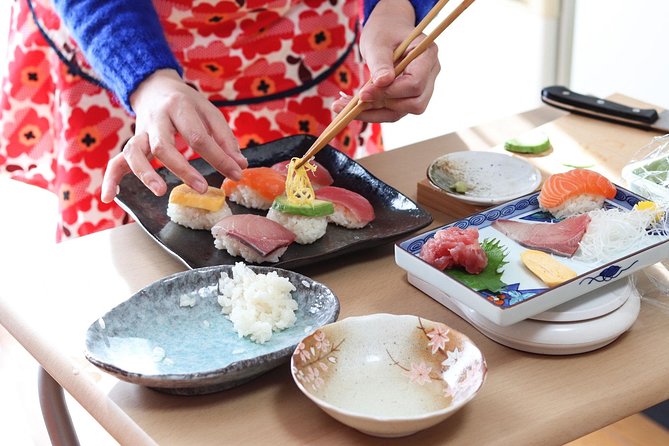
This experience begins at 31-30 Katsurainariyamacho in Kyoto’s Nishikyo Ward. You meet Emika at home, not at a central tourist attraction, and that shapes the whole afternoon or evening.
The walk from Katsura Station takes about 10 to 15 minutes. You pass through local streets rather than heading straight into Kyoto’s famous sightseeing core. I would save the address in your phone before setting out and allow extra time for finding the house. The route can be winding, and Google Maps is useful.
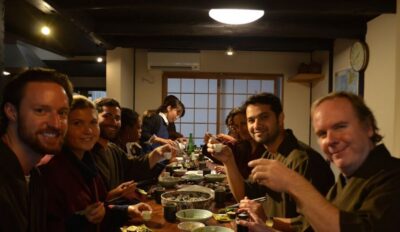
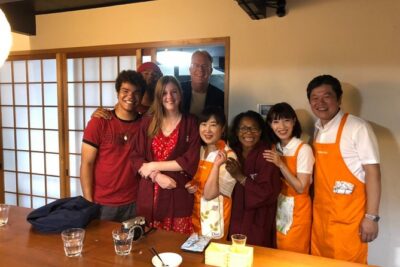
Once inside, the tone is relaxed. Emika welcomes you into her home and explains the plan for the meal. Since this is a private activity, only your group takes part. That matters if you want to ask many questions, need a slower pace, or are traveling with children who may not enjoy a large class.
The total experience lasts about three hours. The cooking itself may take around an hour, followed by the meal, conversation, and tea. If you add the market option, the visit extends with a walk and shopping tour after lunch or dinner.
More Private Cooking Classes in Japan
- Private Cooking Class Udon in Kyoto Japan
★ 5.0 · 23 reviews - Private Ramen or Gyoza Cooking Class in Kyoto with Chef Midori
★ 5.0 · 18 reviews - Private Guided Traditional Buddhist Cooking in Japan
★ 5.0 · 16 reviews
Choosing sushi or Kyoto Obanzai
You should tell Emika at booking time whether you prefer sushi or Obanzai, the home-style cooking associated with Kyoto. This choice gives the class a useful focus, though the actual meal can include several parts.
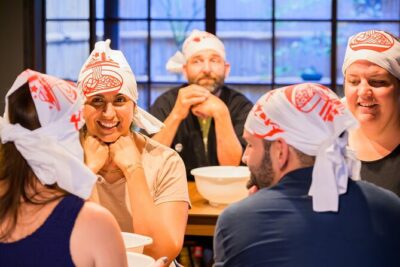
The sushi option can cover sushi rice, hand-shaped pieces, seaweed-wrapped sushi, and related dishes. You learn how to handle the rice and shape it with your hands, then place fish or other toppings on top. The class is not simply a demonstration. You prepare the food yourself, with Emika showing you techniques and correcting your approach as needed.
The Obanzai option offers a different view of Kyoto food. Instead of centering the meal on raw fish, you work with everyday vegetable dishes and traditional home cooking. Possible elements include marinated mushrooms, slow-cooked vegetables, tofu dishes, and miso soup. One class also included Osaka-style okonomiyaki, showing that the menu can be adjusted when arranged in advance.
I like this flexibility because it makes the experience useful for more than sushi fans. If you already eat sushi often, Obanzai gives you a better sense of what a Japanese family meal can look like. If raw fish is not for you, a cooked menu may be the better choice.
Vegetarian guests can be accommodated, and dietary needs should be shared before the class. The same applies to allergies and cooking preferences. Do not wait until you arrive. Emika can plan the menu more effectively when she has the information ahead of time.
Garden vegetables and useful cooking lessons
One of the nicest details here is the use of vegetables grown by Emika. The produce is organic and seasonal, so the meal connects to what is available locally rather than relying only on standard classroom ingredients.
That also gives you a chance to ask practical questions. You can learn how a vegetable is prepared, why a seasoning is used, or how a dish fits into a home meal. The instruction covers more than following a recipe. You pick up small techniques that can help when you try Japanese cooking later.
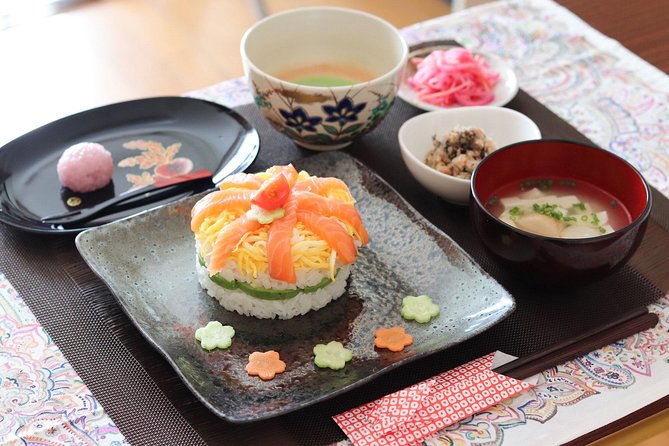
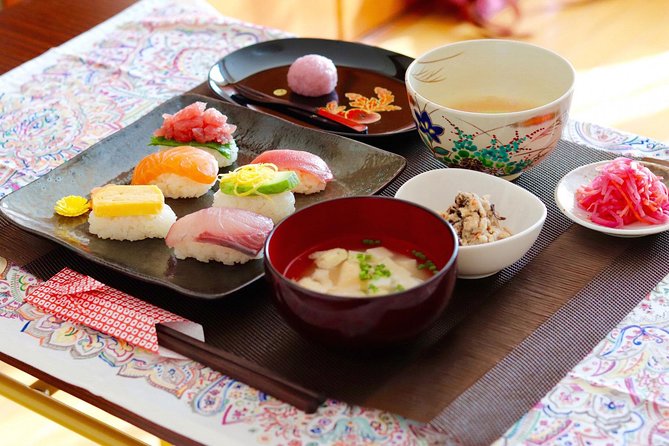
Past menus have included sushi, miso soup, two vegetable side dishes, tofu, mushrooms, and okonomiyaki. The exact selection depends on the menu you request and the ingredients available. You should think of this as a guided home meal rather than a fixed restaurant menu.
Emika’s teaching style is patient and clear. Children and teenagers can take part, and the private format lets her spend time with each person. For a family, that can be the difference between a class where children simply watch and one where they actually shape rice, stir ingredients, and help prepare the meal.
The meal is served after the cooking. You sit down and eat what you made, with time to talk about Japanese customs, food, etiquette, and daily life. That conversation is one of the strongest reasons to choose this class over a standard cooking school.
Matcha, drinks, and the tea ceremony
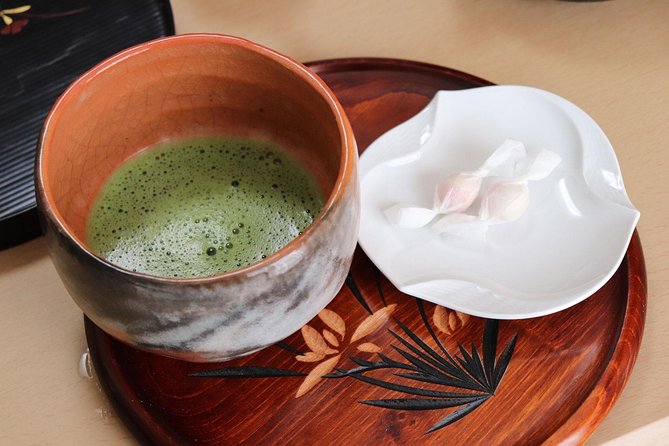
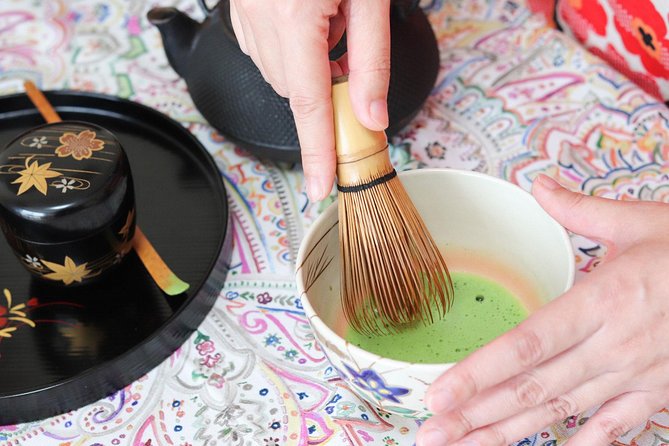
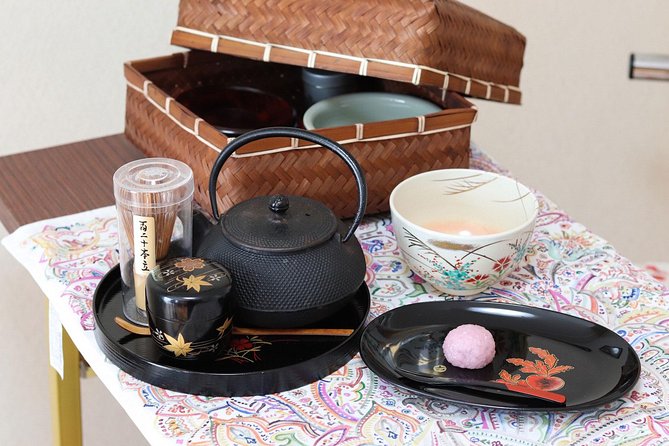
A cup of matcha begins or ends the experience. Emika or her father prepares it, and the class finishes with a tea ceremony. This adds a cultural layer without turning the entire visit into a formal performance.
You also receive one or two glasses of local alcohol. Past participants have chosen nigori sake, though the activity also offers other drink options. If you prefer matcha instead of alcohol, that is part of the experience as well.
The tea ceremony works best when you treat it as a quiet closing ritual. After cooking and eating, you have time to slow down and notice the preparation of the tea. It gives the meal a clear ending and helps connect the cooking lesson with Japanese hospitality.
Do not expect a long formal tea-school lesson. The main focus is food and home life, with tea included as an important cultural touch. If your main goal is a detailed study of tea ceremony procedures, you may want a dedicated tea experience instead.
More Private Cooking Classes in Kyoto
- Private Plant-Based Japanese Cooking Class – Kyoto Edition
★ 5.0 · 15 reviews
The optional market visit comes after lunch or dinner
The market option is useful for anyone who wants to cook Japanese food at home. It is not a pre-class shopping trip. After you finish cooking and eating, you walk about 10 minutes with Emika to a supermarket and produce store where local residents shop.
There, she explains Japanese ingredients, seasonings, and everyday food products. You can ask about items you may have seen in the kitchen but would not know how to identify in a store. Emika can also help you buy ingredients to take home.
The timing is important. If you expected to choose ingredients before cooking, this option may feel backward. The benefit is that you already know what you have eaten, so the market visit becomes more practical. You can point to a seasoning or vegetable and ask how to use it in the dish you just prepared.
The market tour adds about an hour. I would choose it if you enjoy grocery shopping, want cooking supplies for home, or are curious about ordinary Japanese food shopping. If you have a tight sightseeing schedule, the basic cooking class may be enough.
Why the private format matters
At $109 per person, this is not the cheapest way to eat a meal in Kyoto. You are paying for more than food, though. The price includes a private cooking class, a meal, matcha and tea ceremony, and one to two glasses of local alcohol. The market tour is included if you choose that option.
For a couple or small family, the value comes from personal attention and access to a private home. You can set the pace, ask about ingredients, and discuss subjects beyond the recipe. The cost makes more sense if you want a cultural experience and a meal rather than a quick hands-on activity.
Group discounts may improve the price for larger parties. Since only your group participates, this also works well for families, friends, or a multigenerational party with different food interests.
I would not choose it solely because you want the cheapest sushi lesson. A restaurant meal or larger class may cost less. I would choose it if you care about learning how food fits into local life and want a host who can answer questions about Kyoto customs as you cook.
The experience is booked, on average, about 49 days ahead. That does not guarantee every date sells out, but it is a useful sign that you should plan early, especially for a specific lunch or dinner time.
Getting there and planning your time
The meeting point is in the Nishikyo Ward, at Emika’s home. There is no hotel pickup or drop-off. You need to make your own way there and return from the same meeting point when the activity ends.
Katsura Station is the useful reference point in the available directions. From there, allow 10 to 15 minutes on foot and keep your map open. Residential streets can be harder to follow than a straight road through central Kyoto, so do not cut the timing close.
You can choose lunch or dinner. Lunch may fit well between sightseeing plans if you are already in western Kyoto. Dinner gives you more time to enjoy the meal without checking the clock, but you should still allow for the return journey after the class.
The house is near public transportation, and service animals are allowed. If anyone in your party has allergies, dietary restrictions, or specific cooking preferences, tell Emika when booking. Free cancellation is available until 24 hours before the start time, while changes or cancellations inside that window are not accepted.
Who will enjoy this most
I would recommend this for you if you want a small-scale cultural experience that includes food, conversation, and a real residential setting. It is especially suited to:
- Couples who want a shared activity beyond temples and shopping
- Families with children or teenagers
- Visitors who want to learn sushi or Japanese home cooking
- Vegetarians and guests with food preferences, when arranged in advance
- Anyone who wants ingredients and techniques to use at home
- Repeat visitors who have already had plenty of restaurant meals
The class also works for people who are not confident cooks. You do not need advanced skills. Emika guides you through the preparation, and the private setting gives you room to ask basic questions without feeling rushed.
You may want to skip it if your Kyoto schedule is packed with major sights or if you dislike walking to a private home. It is also less suitable if you want a highly formal, professional kitchen class with a fixed restaurant-style menu.
Should you book Emika’s home cooking class?
I would book this experience if you value conversation and local access as much as the food. The private home setting, garden vegetables, flexible menu, and tea ceremony give the class a personal shape that a large cooking school cannot easily match.
Choose sushi if you want hands-on practice with rice, toppings, and shaping. Choose Obanzai if you want to understand everyday Kyoto cooking, especially vegetables, miso soup, tofu, and slow-cooked dishes. Add the market visit if you plan to recreate the meal at home.
The main tradeoff is the location and price. You must walk from the station, arrange your own transport, and pay more than you would for a basic meal or group lesson. For a private cultural visit with food, drinks, tea, and practical instruction, the cost is reasonable. For a quick cooking activity, it may be more than you need.
FAQ
How long does the private Kyoto cooking class last?
The experience lasts approximately three hours. Cooking may take about one hour, followed by the meal, conversation, and tea ceremony.
Can I choose between sushi and Obanzai cooking?
Yes. You should tell Emika when booking whether you prefer a sushi menu or Kyoto-style Obanzai cooking.
Is the activity private?
Yes. Only your group participates in the cooking class and tea ceremony.
Is a tea ceremony included?
Yes. The experience begins or ends with freshly prepared matcha, and the meal concludes with a tea ceremony. Emika or her father prepares the tea.
What is included with the drinks?
The experience includes one to two glasses of local alcohol. Matcha is also part of the tea experience.
Does the market tour happen before cooking?
No. If you select the market option, the supermarket and produce tour takes place after the cooking class and lunch or dinner. You walk about 10 minutes to the market, where Emika explains local ingredients and seasonings.
More Sushi and Japanese Classes in Kyoto
- Ramen Cooking Class at Ramen Factory in Kyoto
★ 5.0 · 1,937 reviews - Kyoto: Ramen Cooking Class at a Ramen Factory with Souvenir
★ 4.9 · 532 reviews - Kyoto: Ramen, Gyoza, and Onigiri Cooking Class
★ 5.0 · 445 reviews - Kyoto: Japanese Washoku Bento Small Group Cooking Class
★ 5.0 · 380 reviews
Newest classes around Kyoto
- Kyoto Udon & Tempura Cooking Class with Professional Chefs★ 3.8 · 3 reviews
- Kyoto: Wagashi (Japanese sweets) Cooking near Fushimiinari★ 5.0 · 40 reviews
- Kyoto Home Cooking Class &Supermarket tour near Fushimiinari★ 5.0 · 31 reviews
- Kyoto: Morning Japanese Bento Cooking Class★ 5.0 · 149 reviews
- Kyoto: Authentic Sushi Making Cooking Lesson★ 5.0 · 103 reviews
- Kyoto: Cooking class, learning how to make authentic sushi★ 4.2 · 9 reviews
- Authentic Japanese Cooking Experience at Izakaya restaurant★ 4.2 · 5 reviews
- Gyoza Cooking Class in Kyoto: Traditional Japanese Dumplings★ 5.0 · 12 reviews
Kyoto Cooking Classes, compared.
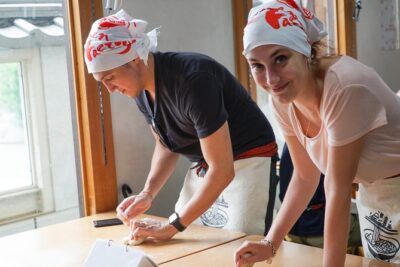
Ramen Cooking Class at Ramen Factory in Kyoto
Read our review →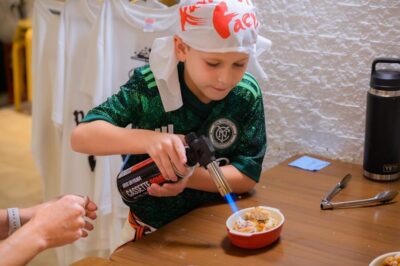
Ramen Cooking Class at a Ramen Factory with Souvenir
Read our review →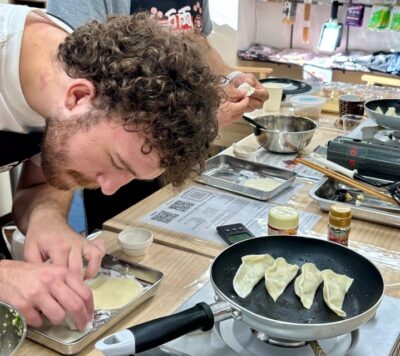
Japanese Washoku Bento Small Group Cooking Class
Read our review →
Kyoto Ramen and Gyoza Cooking Class with Professional Chefs
Read our review →