
Review · KYOTO COOKING CLASSES
Gyoza Cooking Class in Kyoto: Traditional Japanese Dumplings
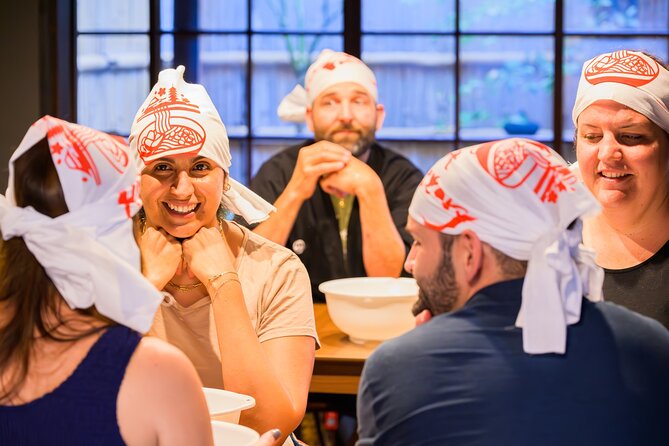
Making gyoza from flour, filling, and a little patience is the heart of this Kyoto experience. You’ll work in a traditional townhouse, learn a few links between dumplings, Japanese food culture, and samurai history, then sit down to eat what you made. The optional samurai armor photos add a playful Kyoto souvenir.
I like two things here. First, you make the wrappers and fold the dumplings yourself, rather than watching a chef do all the work. Second, the class is taught in English by instructors such as Hama, Maya, Ryo, and Yo, and the lessons are designed to be simple enough for families and older children. The main consideration is price: at $118.19 per person, this is not a cheap meal. You are paying for the hands-on lesson, setting, instruction, and cultural extras.
Key points at a glance
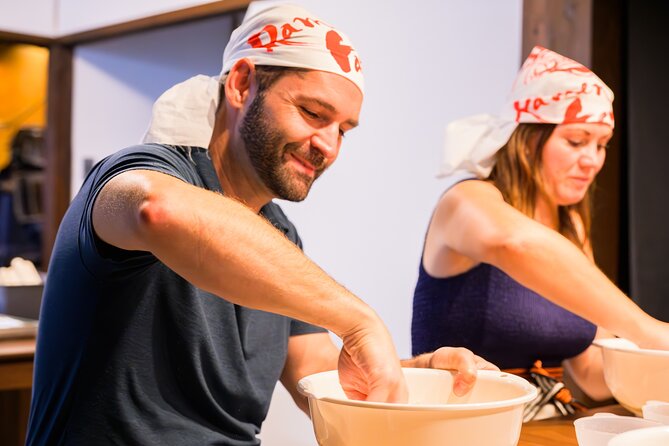
- Make the wrappers from scratch: You handle one of the most satisfying parts of gyoza instead of relying on ready-made skins.
- Choose your own filling: The class gives you a personal say in what goes into your dumplings.
- Cook about 10 to 12 gyoza: That is enough food to make this a useful meal, not just a quick demonstration.
- Learn in a Kyoto townhouse: The traditional setting gives the activity more character than a standard cooking studio.
- Add samurai armor photos: Dressing up is optional, so you can keep the class focused on food if that suits you better.
- Take home an apron souvenir: Several participants received an apron, and one person also kept a headband.
A Kyoto cooking class built around doing, not watching
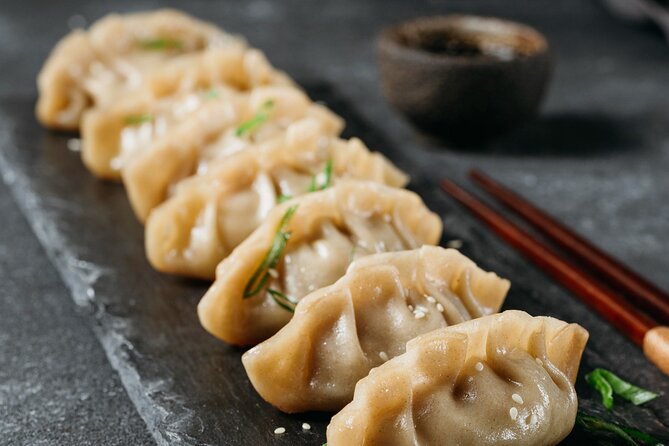
Gyoza came to Japan from China, but Japanese cooks shaped the dumpling into a dish with its own styles, sizes, and familiar place in everyday eating. This class gives you a practical introduction to that story while keeping your hands busy.
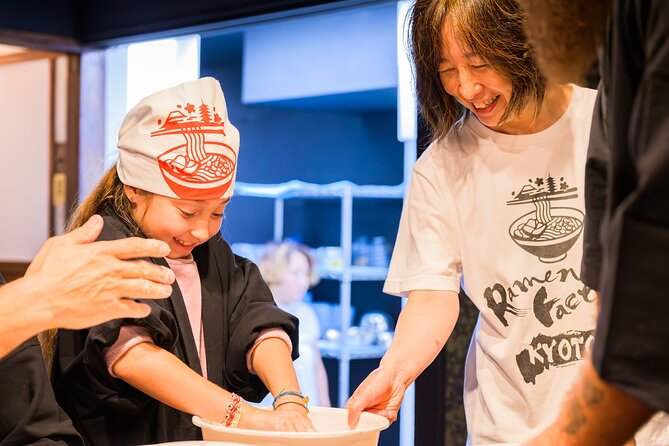
You are not simply shown a plate of finished dumplings. You choose a filling, prepare wrappers from scratch, learn the folding method, and cook the results. That matters because gyoza can look easy until you try to seal one neatly. The class lets you make mistakes in a friendly setting, then try again before cooking the batch.
The experience takes place at 230-1 Kamimyōkakujichō in Nakagyo Ward. It is near public transportation, but you must make your own way there. Private transportation is not included, and the activity ends at the same meeting point, so leave enough time to reach the townhouse without rushing.
The advertised duration is about 1 hour and 30 minutes. One account described the full activity as closer to two hours, so I would avoid booking another appointment immediately afterward. Cooking times can stretch when a group is learning together, taking photos, or adding the armor option.
More Sushi and Japanese Classes in Kyoto:
- Ramen Cooking Class at Ramen Factory in Kyoto
★ 5.0 · 1,937 reviews - Kyoto: Ramen Cooking Class at a Ramen Factory with Souvenir
★ 4.9 · 532 reviews - Kyoto: Ramen, Gyoza, and Onigiri Cooking Class
★ 5.0 · 445 reviews
Starting with filling choices and handmade wrappers
The first useful decision is your filling. The exact filling choices are not listed, so you should expect to choose from the options available that day rather than assume a particular meat, vegetable, or vegetarian recipe. If dietary needs matter to you, ask the provider before booking.
Next comes the wrapper. Making gyoza skins from scratch is the class feature I would value most. You get a feel for the dough and see why wrapper thickness affects the finished dumpling. It also gives you a skill you can repeat at home, even if your first batch looks less tidy than the instructor’s.
The instructors keep the steps clear and manageable. Hama and Maya are praised for making the process easy to follow in English, while Ryo is described as personable and good with older children and teenagers. Yo also receives credit for creating a friendly class in a fitting cooking setting.
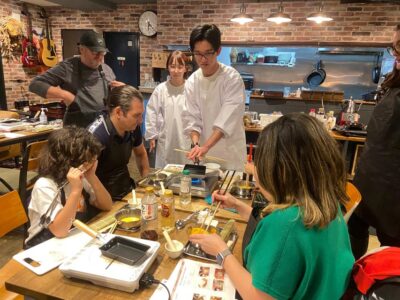
The teaching style appears to be relaxed rather than formal. You have your own working area, according to one family’s account, which is useful when several people are making dumplings at once. A personal station means you can work at your own pace and see exactly how your wrappers and folds develop.
Folding gyoza without the kitchen frustration
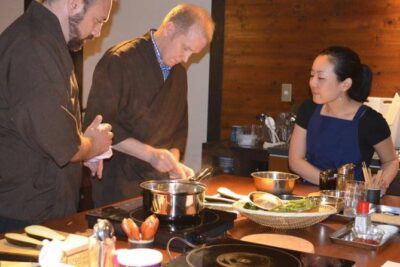
Folding is the point where this becomes more than a simple food tasting. You place the filling, shape the wrapper, and learn how to seal the edges. The instructor demonstrates the technique, then lets you repeat it across a full batch.
You should not expect every dumpling to look identical. That is part of the fun, especially for children and first-time cooks. The class is hands-on, and the clear steps make it approachable even if you have little kitchen experience.
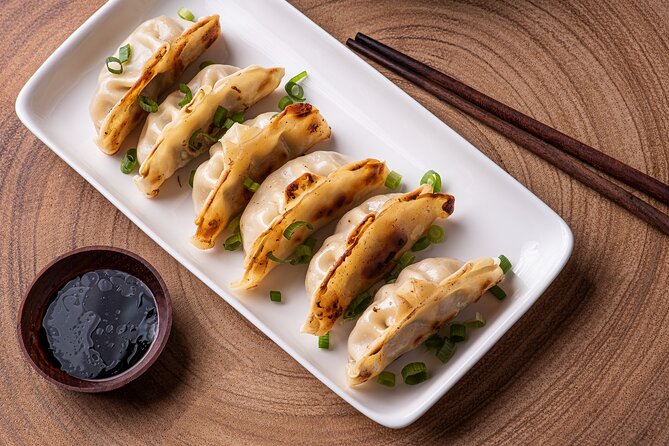
One practical benefit is volume. Several people made around 10 to 12 gyoza each. That gives you enough repetitions to improve during the lesson, and enough dumplings to feel properly fed at the end.
The class can work well for a family with an older child. A 10-year-old took part with two parents and enjoyed the activity, and another account specifically suggested it for older kids and teenagers. Very young children may find the dough and folding steps less engaging, but the supplied information does not set a minimum age, so confirm age rules before booking.
Cooking the dumplings with a professional machine
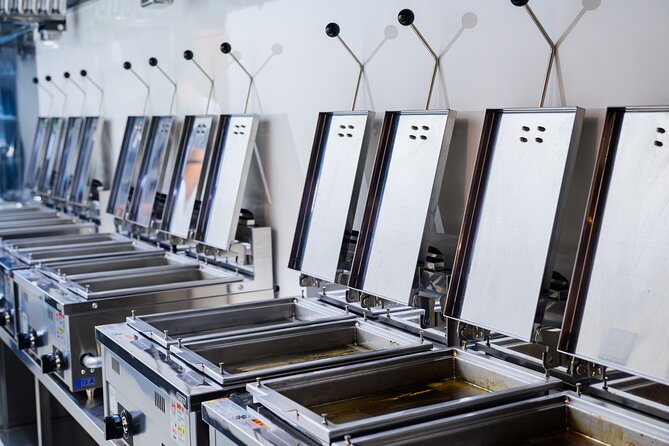
Once the dumplings are folded, you cook them using a professional baking machine. This takes away some of the uncertainty that comes with trying to judge heat, water, and timing in an unfamiliar kitchen.
That machine is useful for a class because it keeps the cooking stage controlled. You still see the transformation from raw wrapper and filling to finished gyoza, but you are less likely to lose a whole batch through a hot pan or uneven cooking.
You should arrive hungry. The activity is designed around eating what you prepare, and one participant specifically advised coming with an appetite. The exact side dishes and drinks are not stated, so think of this as a gyoza-making meal rather than a full restaurant dinner.
The final food is also the part you can recreate at home. Several participants wanted to make gyoza again after returning home. That makes the class more useful than a one-off tasting, provided you remember the folding method and ask about the recipe if it is not handed to you.
More Chinese Classes in Kyoto:
- Gyoza Cooking Class in Kyoto: Traditional Japanese Dumplings
★ 5.0 · 12 reviews - Warsaw’s No 1 cooking class-Polish dumplings with liqueur tasting
★ 5.0 · 576 reviews - Ramen & Dumpling Cooking in Tokyo with Chef/Vegan possible
★ 5.0 · 107 reviews - Flavors of Beijing: Eat Like A Real Chinese
★ 5.0 · 78 reviews
Samurai history and optional armor photos
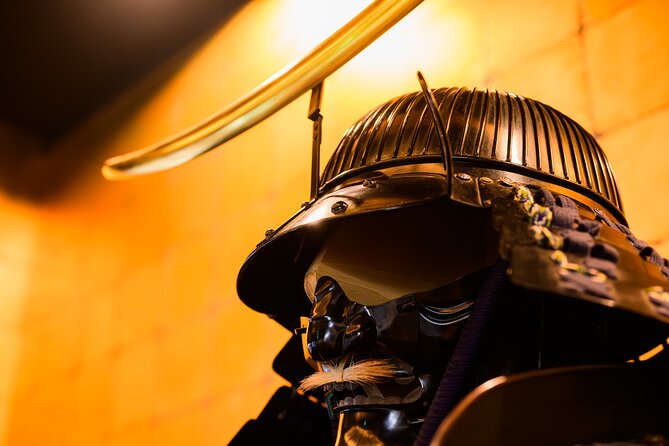
The class adds a short cultural layer through samurai history and Japanese background. The information provided does not promise a long lecture, museum visit, or detailed historical tour. Think of it as context woven into the cooking session.
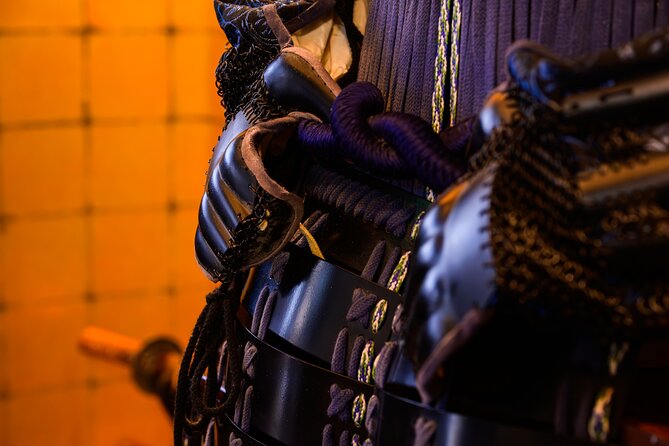
After cooking, you may dress in samurai armor and take photos. This is optional, which is a smart arrangement. If you want a lighthearted souvenir, the armor adds a memorable visual touch. If you prefer to keep the focus on food, you can skip it.
For families, the armor can give children a second activity after the dumplings are finished. For adults, it may feel a little theatrical, but that is precisely the point. It is a fun photo opportunity, not a formal history lesson or a chance to handle museum artifacts.
The combination works because it gives the class two moods. The cooking is practical and skill-based. The samurai dressing is playful and easy to remember. You can take part in both without needing to treat the experience as a serious cultural seminar.
English instruction and the feel of the class
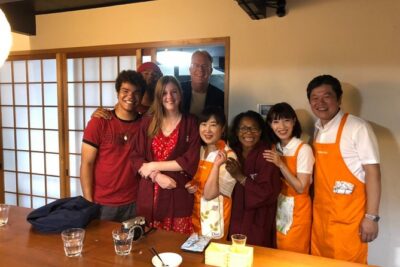
An English-speaking instructor is included. The named instructors connected with the class include Hama, Maya, Ryo, and Yo, and the individual teaching style may vary by session.
Hama is repeatedly praised for being an excellent teacher and for making the class enjoyable. Maya is described as easy to understand and fun to learn from. Ryo is a good fit if you want a personable instructor who can keep older children and teenagers involved. Yo is also described as friendly, with the townhouse setting adding to the experience.
The class can have up to 20 people. That is a fairly large possible group for a hands-on cooking activity, although the actual number may be smaller. One person booked an evening session and ended up with a private class, while another account also described a private gyoza lesson as a trip highlight.
You should not book on the assumption that you will receive private instruction. A small group or solo session may happen, but the stated maximum is 20. If individual attention is essential, ask the provider about the expected group size for your date.
The apron souvenir and taking the skill home
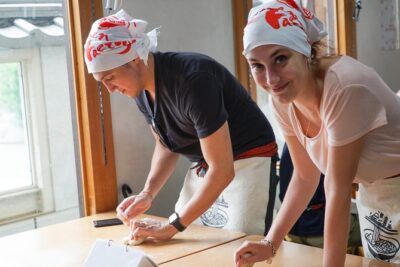
A take-home apron is one of the nicest practical extras. Several accounts mention receiving an apron, and one also mentions a headband. These are small items, but they extend the memory beyond a photograph and give you something useful for your next attempt at home.
Recipes deserve a little caution. One person forgot to ask for the recipe before leaving and was told it could be sent afterward. That suggests you should request the instructions before you go, or contact the provider if you leave without them. The supplied details do not clearly promise a printed recipe for every participant.
The lasting value here is the method. You learn the basic sequence: choose a filling, prepare wrappers, fold the dumplings, and cook them. You can share that skill with friends and family later, which is a stronger souvenir than another snapshot for many people.
Still, your home results may differ. The class uses a professional baking machine, and your kitchen may not have the same equipment. The folding technique and wrapper preparation should transfer well, but the cooking stage may require adjustment.
Is $118.19 a fair price?
At $118.19 per person, this costs more than buying gyoza at a Kyoto restaurant. If your only aim is to eat dumplings, I would not choose this class. A restaurant meal gives you more food for less money.
The value improves if you want an activity with a clear beginning and end, English instruction, your own cooking station, a traditional townhouse setting, and a cultural element. You also get to make a substantial batch, eat it, and possibly take home an apron.
A private class can make the price feel more reasonable, but private instruction is not guaranteed. One solo participant felt the cost was worth it after receiving individual attention and learning about gyoza and Kyoto. That is a useful guide: the price suits someone who values the lesson and personal interaction, not someone comparing it with the cost of a plate of dumplings.
The class also works well as an evening activity. A family described it as a special Kyoto evening, and the optional armor photos give the session a festive finish. If your schedule is packed with temples and formal sights, this offers a different kind of time in the city.
Who should book this gyoza experience?
I would recommend it to you if you want a hands-on food activity and like the idea of taking a useful skill home. It is especially suitable for couples, families with older children, teenagers, and solo visitors who enjoy meeting an instructor through a shared task.
It is also a good choice for someone who has already seen several temples and wants a more active Kyoto experience. You are still learning about Japan, but through dough, filling, and cooking rather than a guided walk.
I would think twice if you have strict dietary needs that have not been confirmed, dislike group activities, or want a detailed historical tour. The class includes Japanese history and samurai culture, but the main subject is gyoza.
The maximum group size of 20 is worth noting. The class may be intimate, or it may feel more social and busy. The individual instructor matters, and the experience appears to benefit from teachers who make the steps easy and keep the mood light.
Booking details worth knowing
Your booking confirmation is sent at the time of booking. The activity uses a mobile ticket, so keep the ticket accessible on your phone.
The meeting point is 230-1 Kamimyōkakujichō, Nakagyo Ward, Kyoto, 604-0025, Japan. You are responsible for reaching it, since private transportation is not included. The class ends back at this location.
Free cancellation is available if you cancel at least 24 hours before the start time. Changes or cancellations made less than 24 hours in advance are not accepted for a refund. The cut-off follows local Kyoto time, so check the time carefully if your plans are changing.
Should you book the Kyoto gyoza class?
Book it if you want to do something with your hands, eat what you make, and leave Kyoto with a repeatable cooking skill. The strongest reasons are the handmade wrappers, the chance to fold 10 to 12 dumplings, the English instruction, and the optional samurai photos.
Skip it if you only want the cheapest gyoza meal or if you need a fully private lesson guaranteed in advance. At $118.19, the experience earns its price through instruction, setting, cultural touches, and the personal activity, not through the food alone.
For most people who enjoy cooking, especially families and older children, this is a cheerful and useful Kyoto stop. Ask about the filling options, expected group size, and recipe before you arrive. Then come hungry, leave room for the photos if you want them, and give yourself more than the official 90 minutes if your schedule is tight.
FAQ
How long does the gyoza cooking class last?
The advertised duration is approximately 1 hour and 30 minutes. One account described the full experience as taking about two hours, so allow extra time if you have another booking afterward.
Where does the activity begin and end?
The class begins at 230-1 Kamimyōkakujichō, Nakagyo Ward, Kyoto, 604-0025, Japan. It ends back at the same meeting point.
Is an English-speaking instructor included?
Yes. An English-speaking instructor is included. Instructors associated with the class include Hama, Maya, Ryo, and Yo.
Is samurai armor included?
Samurai armor is an optional part of the activity. You may dress up and take photos after the cooking class, or skip this part.
How many people can join the class?
The activity has a maximum of 20 participants. The actual group size can vary, and a private class may occur if few people book a particular session, but private instruction is not guaranteed.
Can I cancel for a full refund?
Yes, if you cancel at least 24 hours before the experience start time. Cancellations or changes made less than 24 hours before the start time are not accepted for a refund.
Newest classes around Kyoto
- Kyoto Udon & Tempura Cooking Class with Professional Chefs★ 3.8 · 3 reviews
- Kyoto: Wagashi (Japanese sweets) Cooking near Fushimiinari★ 5.0 · 40 reviews
- Kyoto: Morning Japanese Bento Cooking Class★ 5.0 · 149 reviews
- Kyoto Home Cooking Class &Supermarket tour near Fushimiinari★ 5.0 · 31 reviews
- Kyoto: Authentic Sushi Making Cooking Lesson★ 5.0 · 103 reviews
- Kyoto: Cooking class, learning how to make authentic sushi★ 4.2 · 9 reviews
- Authentic Japanese Cooking Experience at Izakaya restaurant★ 4.2 · 5 reviews
- Gyoza Cooking Class in Kyoto: Traditional Japanese Dumplings★ 5.0 · 12 reviews
Kyoto Cooking Classes, compared.
Ramen Cooking Class at Ramen Factory in Kyoto
Read our review →
Ramen Cooking Class at a Ramen Factory with Souvenir
Read our review →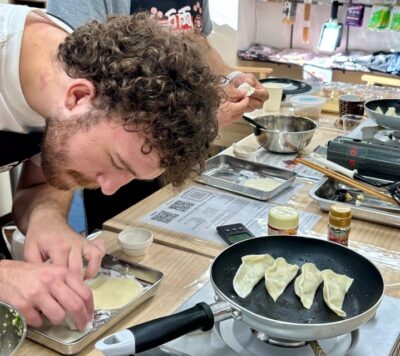
Japanese Washoku Bento Small Group Cooking Class
Read our review →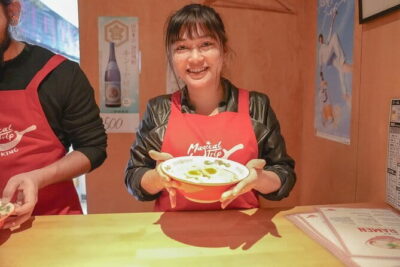
Kyoto Ramen and Gyoza Cooking Class with Professional Chefs
Read our review →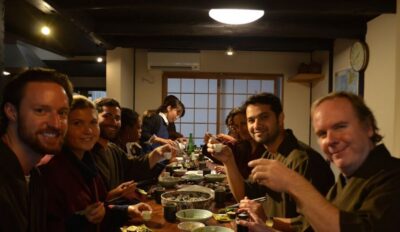
Browse the lists this tour appears in