
Review · TOKYO COOKING CLASSES
Tokyo: Sushi and Ramen Cooking Class with Sake Pairing Set
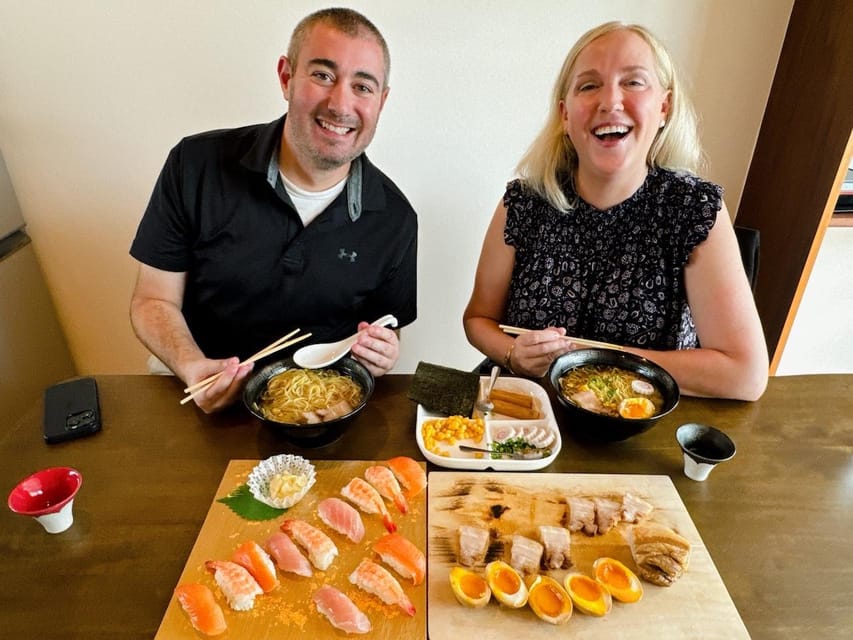
The best part of this Tokyo class is the pairing of ramen and nigiri sushi in one relaxed, three-hour session. You learn broth, chashu pork, and sushi technique, then sit down to eat a proper meal rather than rushing from one recipe to the next. The setting is small, friendly, and built for hands-on work.
I like the personal instruction and the practical recipe booklet, which gives you a fair chance of repeating the dishes at home. I also like the three-sake tasting, guided by a certified sake sommelier. The main drawback is simple: this is not a class for vegans or vegetarians, and the $129 price is a serious spend if you only want a quick cooking demonstration.
Key points at a glance
- Two Japanese staples in one class: Make ramen and nigiri sushi during a single three-hour lesson.
- Chashu from the ground up: Learn how tender pork belly fits into a bowl of ramen.
- Three sake tastings included: The selection is explained by a certified sake sommelier.
- Very small class size: Groups are limited to eight, with some sessions much smaller.
- Useful take-home material: Recipes cover ramen, gyoza, and sushi, with ingredient substitution tips.
- Easy station access: The studio is a five-minute walk from Exit 4 of Tsukishima Station.
Why this class works better than a quick food demonstration
Tokyo has no shortage of ramen shops or sushi counters. You can eat both dishes cheaply and well. What you cannot get from a restaurant meal is the chance to handle the ingredients, ask questions, and understand why the finished bowl and sushi look and taste the way they do.
This experience gives you that working knowledge. You are not simply watching an instructor flip fish onto rice. You form nigiri yourself, work through the ramen process, and learn the role of broth, toppings, rice, and pork. The goal is not chef-level precision in three hours. It is confidence.
That distinction matters. Sushi looks simple until you try to make a neat piece of nigiri. Ramen looks casual until you realize how much depends on timing and balance. The instructors keep the mood light, so beginners can make mistakes without feeling foolish.
The teaching team is English-speaking, and names associated with the classes include Sato, Haruko, Risa, Alisa, Alex, Misa, and Luna. Your exact instructor depends on the session. The style is warm and hands-on, with plenty of room for questions about Japanese food and daily cooking.
More Sushi and Japanese Classes in Tokyo:
- Ramen & Gyoza Cooking Class in Tokyo with Local Supermarket Visit
★ 5.0 · 823 reviews - Tokyo Tsukiji Fish Market Tour and Sushi Making Lesson
★ 5.0 · 390 reviews - Tokyo: Easy Ramen Cooking Experience in Kabukicho, Shinjuku
★ 4.6 · 321 reviews
Arriving in Tsukishima
The class takes place on the second floor of HAUS Tsukishima, at 2-13-5 Tsukuda in Chuo-ku. From Tsukishima Station, use Exit 4 and allow about five minutes on foot. Arrive five minutes before the start, since the class has a planned sequence and late arrivals can miss the opening instructions.
Tsukishima is a useful location for a food class. It is close enough to central Tokyo for an easy afternoon stop, yet it is not a major sightseeing attraction in itself. That makes the class a good fit after time around Tsukiji or Ginza, rather than something you need to build an entire day around.
A taxi takes about six minutes from Tsukiji Fish Market, nine minutes from Ginza, and ten minutes from Tokyo Station. From teamLab Planets, the trip is listed at about eleven minutes. Shinjuku is much farther, at around thirty minutes by taxi, so plan extra time if you are coming from the west side of Tokyo.
For a taxi driver, show this address:
東京都中央区佃2-13-5 HAUS Tsukishima 2階
The studio is not a hotel pickup service. You make your own way there, and hotel transportation is not included.
The opening: Japanese food, culture, and a small-group welcome
The class is limited to eight people, though some sessions are much smaller. That difference can shape the experience. With four or five participants, the instructors can watch your knife work, rice shaping, and cooking steps closely. If only one or two people attend, the lesson may feel almost private.
The small format also helps with conversation. You are cooking beside other people rather than sitting in a large room waiting for your turn. Families, couples, solo visitors, and first-time cooks can all take part, and the teaching style is designed for beginners as well as people who already cook.
Expect an introduction to the origins and traditions of sushi and ramen. The cultural material is not a long lecture. It is tied to what you are doing, so the background makes the ingredients and techniques easier to understand.
The instructors also explain practical substitutions for cooking outside Japan. This is one of the most useful details for anyone who wants more than a holiday memory. Some Japanese ingredients can be difficult to find overseas, and a recipe that depends on one specialty item may be hard to repeat. Substitution advice gives the class a better life after Tokyo.
Making ramen, broth, and chashu pork
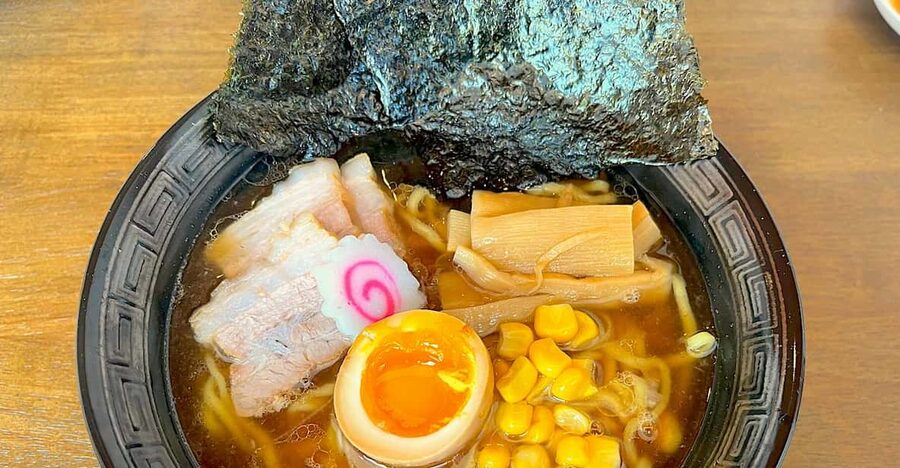
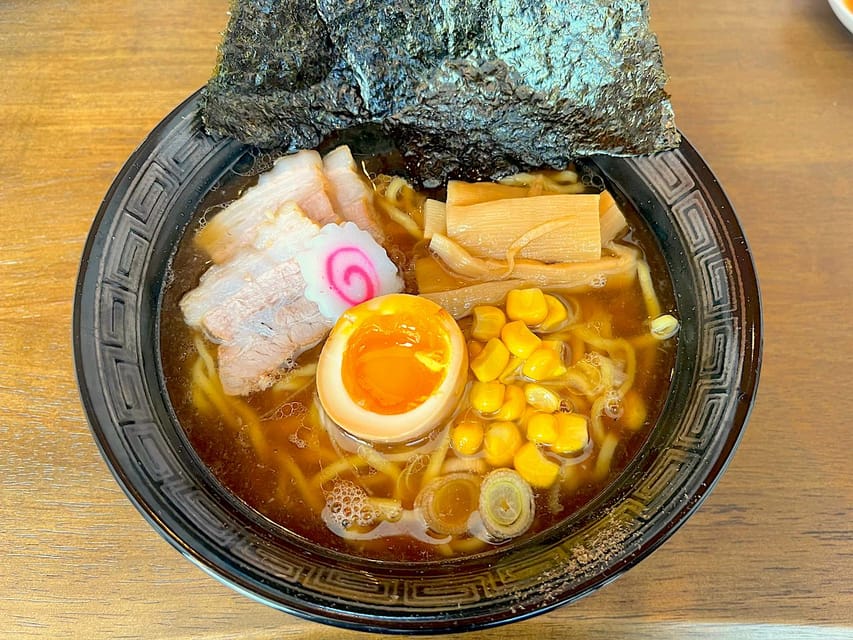
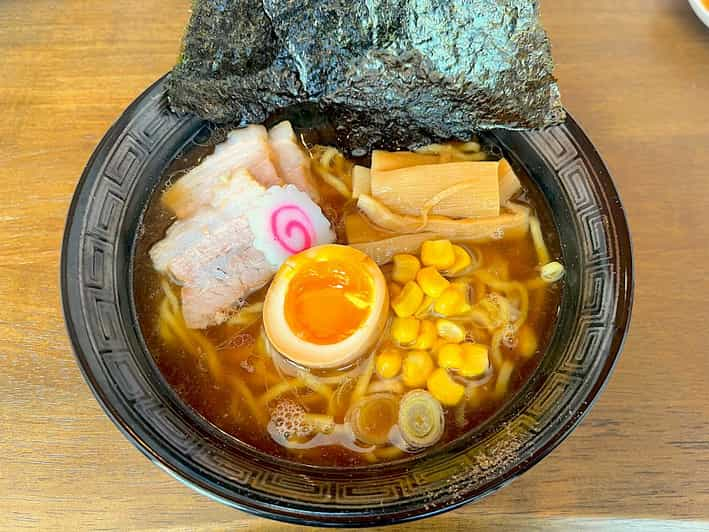
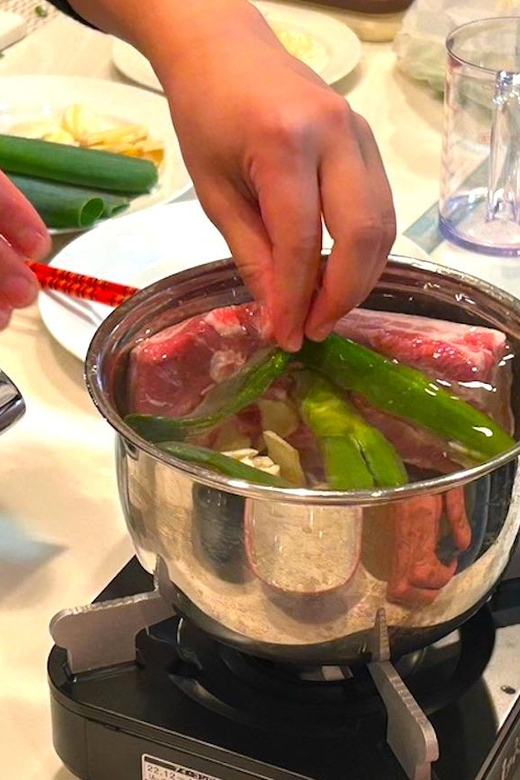
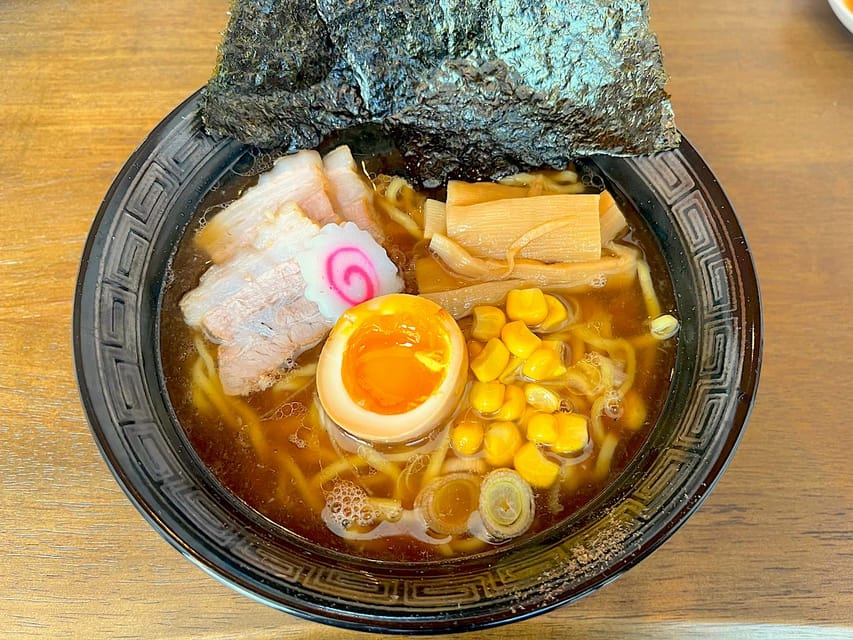
The ramen portion is the heart of the class for many people. You learn how to build a flavorful soup, then prepare chashu, the tender pork belly served with ramen. The class describes the process as making ramen from scratch, though some steps are prepared ahead of time to fit the three-hour schedule.
That preparation is worth understanding. A full ramen broth can take far longer than an afternoon class, and pork may need extended cooking to become soft. Some work being done in advance lets you focus on the decisions and techniques that can realistically be taught in the available time.
You should still expect real participation. The class is not simply a bowl assembly lesson. You work with the ingredients, learn how the soup comes together, and see how chashu becomes part of the final dish. The instructors also explain timing, which matters when you are trying to finish broth, noodles, toppings, and sushi without letting one part sit too long.
The finished ramen is a generous meal. Several people found the portions more substantial than expected, and some could not finish everything. That is good news if you arrive hungry, but less so if you plan to eat a large meal immediately afterward.
The ingredients are presented as fresh and high quality. One participant specifically noted that the food was sourced from Toyosu Market. Since the class information does not promise a particular market delivery on every date, treat this as a feature that may vary, but the focus on fresh ingredients is clear.
More Drinks Outings in Tokyo:
- Ramen and Sushi Cooking Class with Sake Pairing Set in Tokyo
★ 5.0 · 291 reviews - Tokyo: Sushi Cooking Class with Sake Tasting
★ 4.8 · 55 reviews - Kyoto: Afternoon Japanese Izakaya Cooking Class
★ 4.9 · 241 reviews - Izakaya Style Cooking Class
★ 5.0 · 219 reviews
Shaping nigiri sushi by hand
Sushi making adds a different kind of challenge. You learn the history and origins of sushi, then use the provided ingredients and tools to form nigiri. The basic shape looks modest: a small mound of rice with a topping. Getting the rice compact enough to hold together, but loose enough to eat pleasantly, takes a light touch.
That is where close instruction helps. In a large workshop, your hand position might be demonstrated once and then left to you. Here, the instructor can correct your technique as you work. You do not need prior sushi experience, and the class is designed to make the process manageable for first-time cooks.
The sushi and ramen are coordinated so that the cooking has a sensible rhythm. You are not expected to make every component at exactly the same moment. Some elements are prepared ahead, allowing time for both hands-on work and a relaxed meal afterward.
This is also a good activity for families. Children and adults can share tasks, and the finished food creates a clear reward at the end. Keep in mind that the class is not vegetarian, and the supplied information specifically excludes vegans and vegetarians.
Three sakes and time to eat
The sake tasting is more than a drink added to the booking. Three premium Japanese sakes are selected and explained by a certified sake sommelier. One instructor is from a sake brewing family, adding a personal connection to the subject.
The tasting gives you a way to compare styles while eating the food you prepared. You can ask how sake works with ramen or sushi, and you get a little context instead of simply receiving a glass. Some sessions have also offered beer and a choice of drinks, but the dependable inclusion is the three-sake tasting.
You do not need to be a sake expert to enjoy this part. The class keeps the tone social and approachable. If you do not drink alcohol, check the arrangements before booking, since the advertised experience centers on sake and the class is not presented as a nonalcoholic tasting.
After the cooking, you have time to sit and eat. This pause is important. Many cooking classes rush participants out as soon as the last plate is ready. Here, the meal is treated as part of the experience, giving you time to talk with the instructors and the other people in the room.
What you take home besides a full stomach
The recipe booklet is one of the strongest practical features. It includes instructions for ramen, gyoza, and sushi, even though the main class focuses on ramen and nigiri sushi. That extra recipe gives the booklet more value than a simple souvenir card.
Ingredient advice is included for overseas cooking. You can use the guide to think through substitutions and adjust the recipes to what is available where you live. Do not expect a professional culinary manual, but it should help you repeat the main techniques without relying on memory.
You also receive a pair of high-quality chopsticks. They are a small item, but a useful one. Unlike a decorative souvenir that sits in a drawer, chopsticks connect naturally to the meal you learned to prepare.
The class does not turn you into a ramen chef or sushi master in one afternoon. What it can do is remove the mystery. You leave knowing more about the order of operations, the feel of sushi rice, the role of broth, and the place of chashu in the bowl.
Is $129 a fair price?
At $129 per person, this is not a budget meal. You could buy ramen and sushi in Tokyo for much less. The price makes more sense when you count the ingredients, English instruction, small-group format, sake tasting, full meal, recipe booklet, and chopsticks.
The strongest value comes from personal attention. A class limited to eight people, and sometimes fewer, is more useful than a large demonstration if you genuinely want to cook at home. The value drops if your main aim is simply to eat Japanese food, since Tokyo gives you cheaper ways to do that.
I would compare it with the cost of a good meal plus an organized cultural activity. You are getting both, along with skills you can reuse. For a couple, family, anniversary outing, or food-focused first visit, the price is easier to justify.
Book it for the experience, not just the dinner. If you do not care about making the dishes yourself, choose a restaurant instead.
Who should book this Tokyo cooking class?
This class suits you if you want a friendly activity that is active but not physically demanding. It works particularly well on a rainy day, during a family trip, or when you need a break from temples, shopping, and crowded city streets.
It is also a strong choice for people who love Japanese food but have never tried making it. The instructors are patient, the group is small, and the recipes are meant to be useful beyond Japan. Couples can share the work, while solo visitors have a natural way to meet a few other people.
You should think twice if you are vegan or vegetarian, dislike alcohol-focused activities, or prefer a formal professional cooking course. The class is warm and social rather than rigorous culinary training.
Wear comfortable clothes that you do not mind getting a little dirty. There is no need to dress up for dinner. Free cancellation is available until 24 hours before the class, and you can reserve now and pay later, which helps if your Tokyo schedule is still moving around.
My verdict: book it if food is part of your Tokyo story
I would book this class if you want to do more than photograph a bowl of ramen. The combination of hands-on cooking, food culture, three sake tastings, and a sit-down meal gives the afternoon a clear purpose.
Its best features are the small class size, the kind instructors, and the chance to take the recipes home. The main limits are the price and the fixed focus on meat, seafood, and alcohol. For the right audience, those are manageable trade-offs.
Choose this experience when you want a personal, useful introduction to sushi and ramen. Skip it if you only want the cheapest meal or a fully vegetarian class.
FAQ
How long does the Tokyo sushi and ramen class last?
The class lasts three hours. This includes cooking instruction, hands-on practice, sake tasting, and time to eat the food you prepare.
Where does the class meet?
It meets on the second floor of HAUS Tsukishima, 2-13-5 Tsukuda, Chuo-ku, Tokyo 104-0051. It is about a five-minute walk from Exit 4 of Tsukishima Station.
Is the class taught in English?
Yes. The instructor language is English, and the class includes English-speaking Japanese instructors.
How many people can join?
The class is a small-group experience limited to eight participants. Some sessions may have fewer people.
Are sushi and ramen included in the same class?
Yes. You learn to prepare ramen, chashu pork, and nigiri sushi during the same three-hour experience.
Is sake included?
Yes. The experience includes three selected Japanese sakes presented as a tasting set by a certified sake sommelier.
Can vegans or vegetarians join?
No. The class is not suitable for vegans or vegetarians.
What should I wear?
Wear comfortable clothes that you do not mind getting a little dirty.
Is hotel pickup included?
No. Hotel pickup and drop-off are not included. You are responsible for reaching the meeting point.
More Sake Tastings in Tokyo
- Osaka Sake Tasting with Takoyaki Cooking
★ 5.0 · 156 reviews - Osaka: Cooking Class & Sake Tasting with Local Market Visit
★ 4.8 · 31 reviews
More Food and Drink Outings in Tokyo
- Small Group Cooking Class & Market Food Tour in Florence
★ 5.0 · 1,574 reviews - Pasta Making & Wine Tasting with Dinner in Frascati from Rome
★ 5.0 · 1,326 reviews - Paella Cooking Class, Wine Tasting & Central Market in Valencia
★ 5.0 · 1,150 reviews - Athens: Food Market Visit and Cooking Class with Wine
★ 4.9 · 1,087 reviews
Newest classes around Tokyo
- Tokyo: Sushi roll and side dish cooking experience★ 5.0 · 2 reviews
- Tokyo: Sushi Making Experience & Japanese Cooking Class★ 5.0 · 2 reviews
- Tokyo: Sushi Cooking Class with Sake Tasting★ 4.8 · 55 reviews
- Tokyo: Real Ramen & Dumpling Cooking with Master Chef★ 5.0 · 10 reviews
- Tokyo: Kawaii Bento Cooking Class – Cute Character Lunchbox★ 4.9 · 55 reviews
- Tokyo: Gyoza Making from Scratch – Ultimate Cooking Class★ 5.0 · 2 reviews
- Tokyo: Night Cooking Class: 5 Home-Cooked Japanese Dishes★ 4.9 · 13 reviews
- Tokyo: Japanese Home-style Cooking Class with Meal★ 4.5 · 3 reviews
Tokyo Cooking Classes, compared.

Ramen & Gyoza Cooking Class in Tokyo with Local Supermarket Visit
Read our review →
Tokyo Tsukiji Fish Market Tour and Sushi Making Lesson
Read our review →
Easy Ramen Cooking Experience in Kabukicho, Shinjuku
Read our review →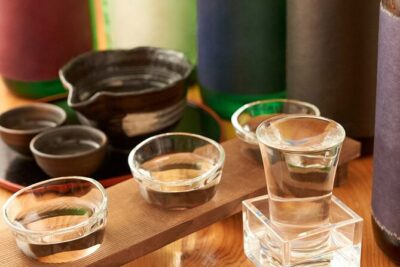
Ramen and Sushi Cooking Class with Sake Pairing Set in Tokyo
Read our review →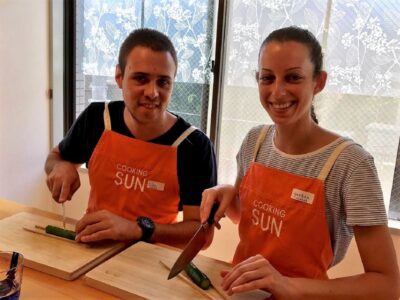
Tokyo Washoku 4-hour Cooking Class: From Market to Table
Read our review →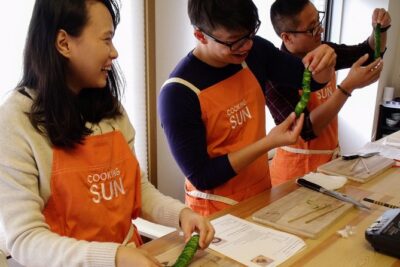
Small-Group Wagyu Beef and 7 Japanese Dishes Tokyo Cooking Class
Read our review →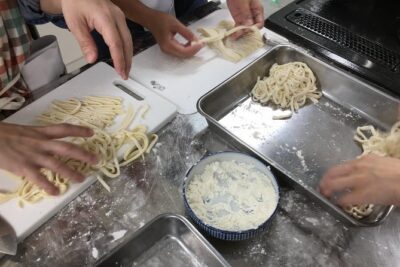
Private Home Cooking in Yanaka – Local Flavors in a Warm Setting
Read our review →Browse the lists this tour appears in