
Review · TOKYO COOKING CLASSES
Tokyo: Sushi Cooking Class with Sake Tasting
Tokyo: Sushi Cooking Class with Sake Tasting takes you beyond the sushi counter and into the practical world of Japanese home cooking. You begin at a local supermarket, then prepare sushi, miso soup, eggplant dengaku, and rolled egg in a professional kitchen before eating it with four kinds of sake.
I like the supermarket visit because it shows you how Japanese cooks choose fish, vegetables, seasonings, and other everyday ingredients. I also like the patient, hands-on teaching, with guides such as Tiger, Suzy, Takahito, Fuji, and Mihori helping beginners and children take part.
The main consideration is timing. The group will not wait for late arrivals, and some parts of the route are not suitable for wheelchairs or strollers. The tour also cannot promise an allergy-free meal.
What makes this four-hour class worth your time
- Shop before you cook: Learn how a Japanese supermarket is organized and how to select ingredients with a local guide.
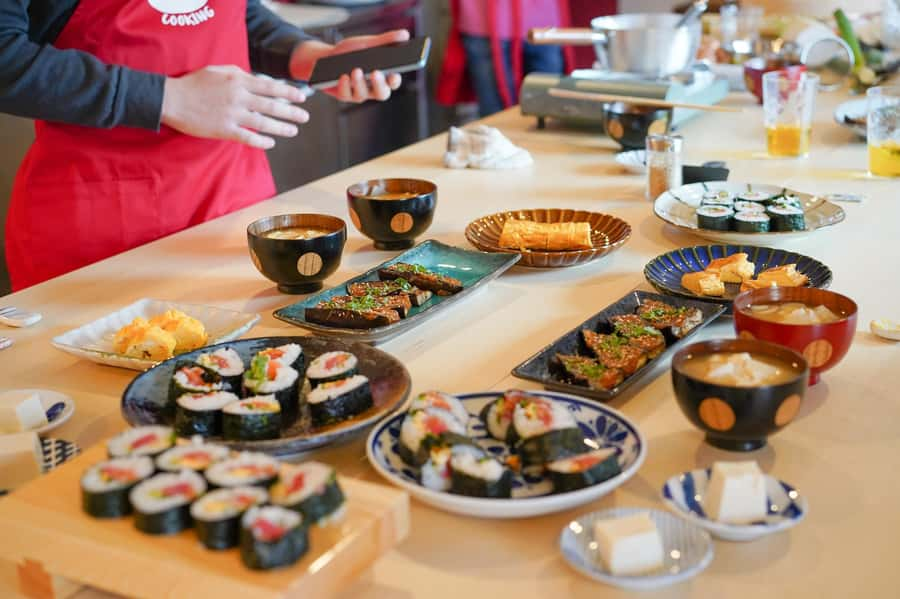
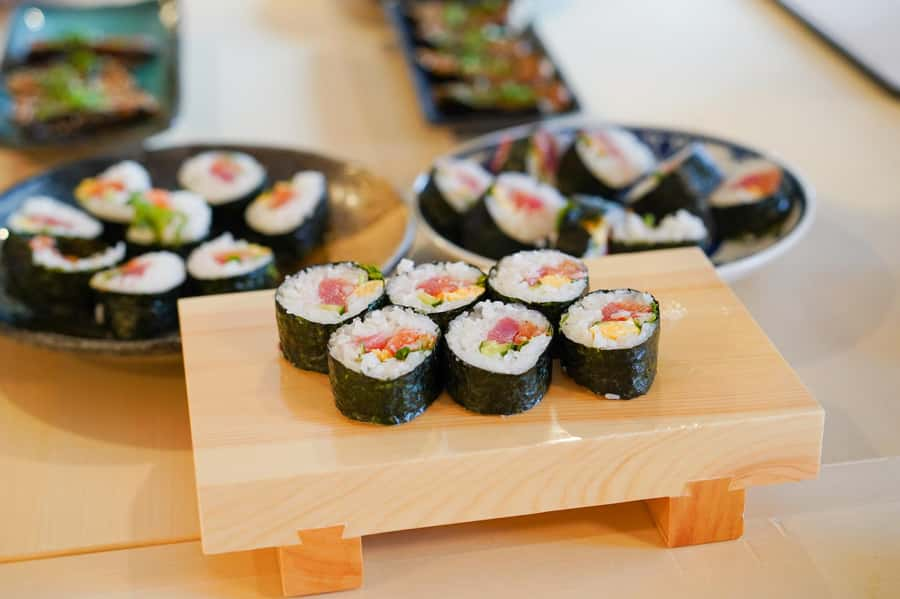
- Cook a full Japanese meal: Make sushi rolls, miso soup, eggplant dengaku, and dashimaki tamago, a rolled Japanese omelet.
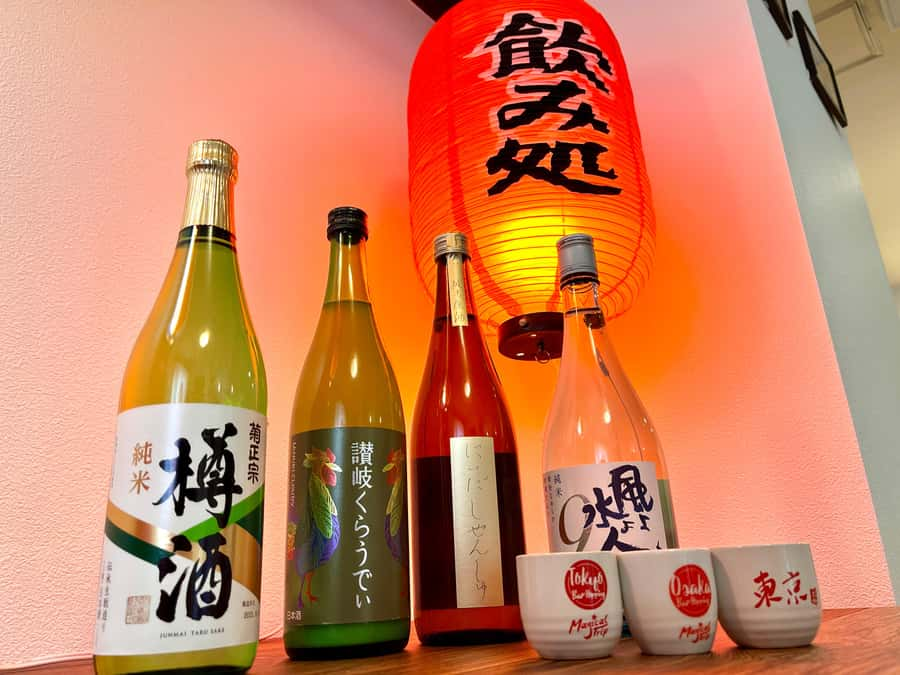
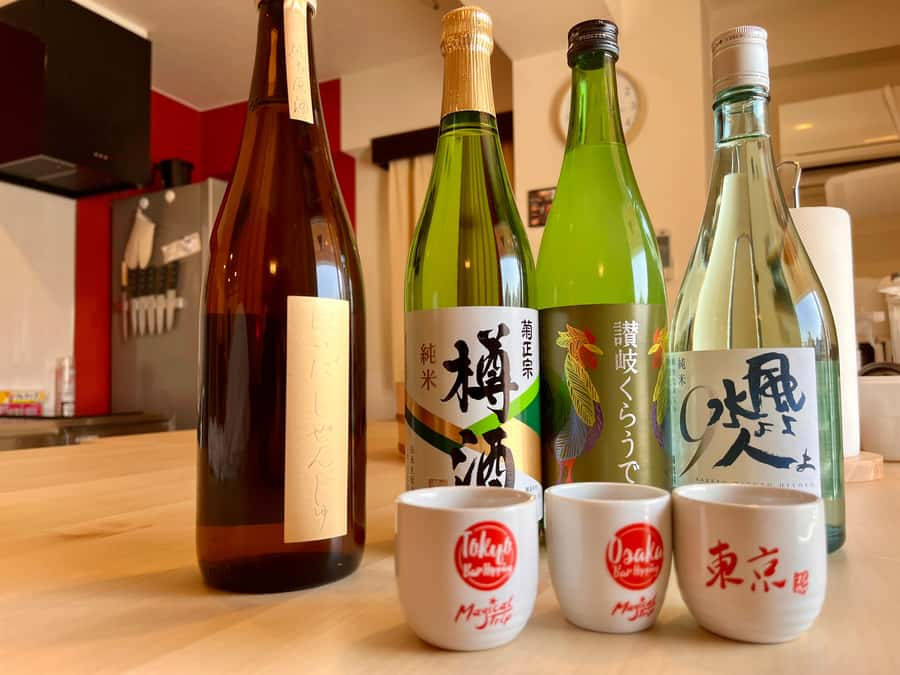
- Taste four kinds of sake: Pair sake with the food you prepare instead of treating it as a separate drink stop.
- Small-group instruction: The group is limited to seven people, giving you room to ask questions and practice techniques.
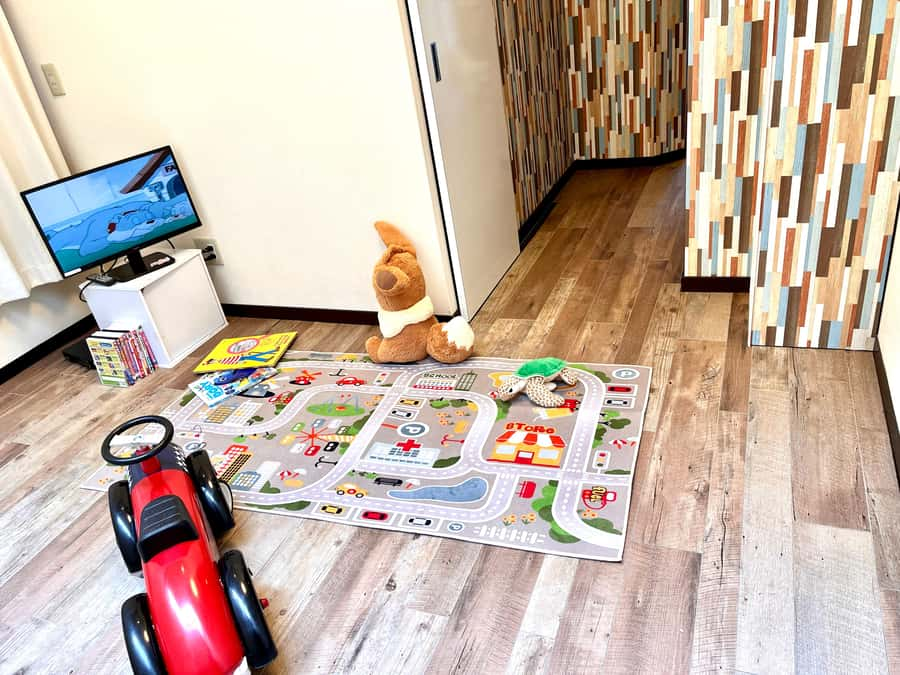
- Family-friendly format: Children of all ages can join, and a kids playroom is available for little ones.
- Recipes to take home: You leave with instructions for trying the dishes again in your own kitchen.
Start at Iriya Station, then shop like a local
The experience begins in front of the FamilyMart beside the Gindako takoyaki shop at Exit 2 of Iriya Station. This detail matters because there are two FamilyMart stores near the station. Look for the one beside Gindako and Doutor Coffee, rather than relying on the convenience-store name alone.
Arrive early. The class starts on time, and you cannot join later if you miss the group. That is a firm rule, but it makes sense here: the supermarket visit and kitchen session are linked, so a late arrival would disrupt the whole class.
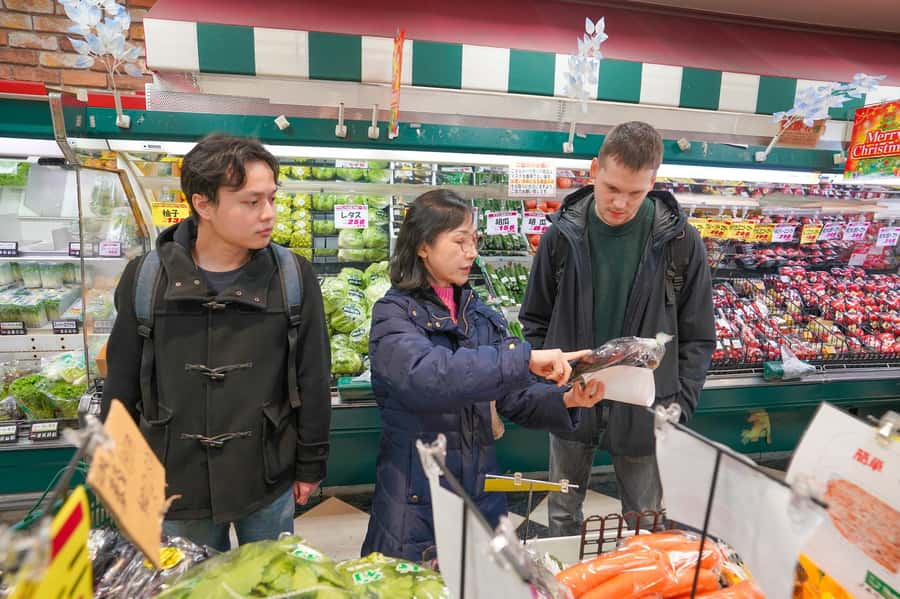
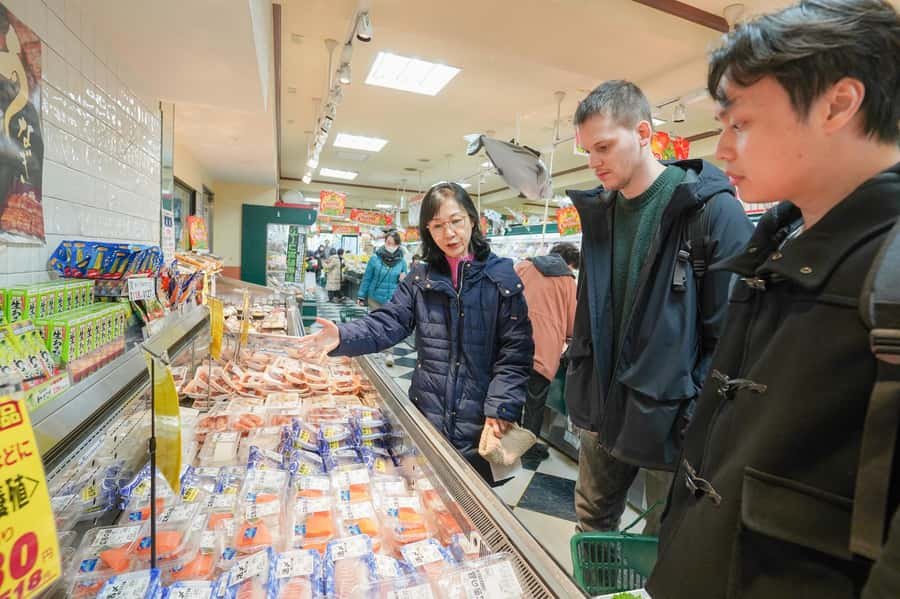
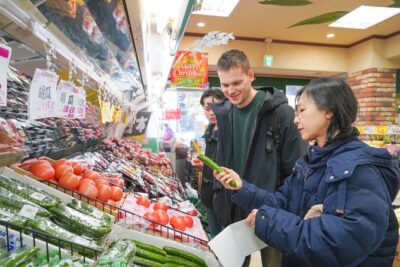
Your first stop is a local supermarket. This is more useful than it might sound. Japanese supermarkets can be packed with unfamiliar cuts of fish, vegetables, seasonings, sauces, tofu, prepared foods, and regional products. Instead of simply watching a chef prepare ingredients, you learn how those ingredients enter an ordinary Japanese kitchen.
Your guide explains how to look for fresh products and how common seasonings are used. You might recognize soy sauce, rice vinegar, miso, or sesame, but Japanese shelves often offer several versions of each. Seeing those choices in context gives you a better sense of how Japanese home cooking is built.
The shopping visit also gives the class a grounded feel. You are not working from a fixed display designed only for tourists. You are gathering the building blocks of the meal in a place local residents use for daily food shopping.
More Sushi and Japanese Classes in Tokyo:
- Ramen & Gyoza Cooking Class in Tokyo with Local Supermarket Visit
★ 5.0 · 823 reviews - Tokyo Tsukiji Fish Market Tour and Sushi Making Lesson
★ 5.0 · 390 reviews - Tokyo: Easy Ramen Cooking Experience in Kabukicho, Shinjuku
★ 4.6 · 321 reviews
The kitchen lessons begin with basic knife skills
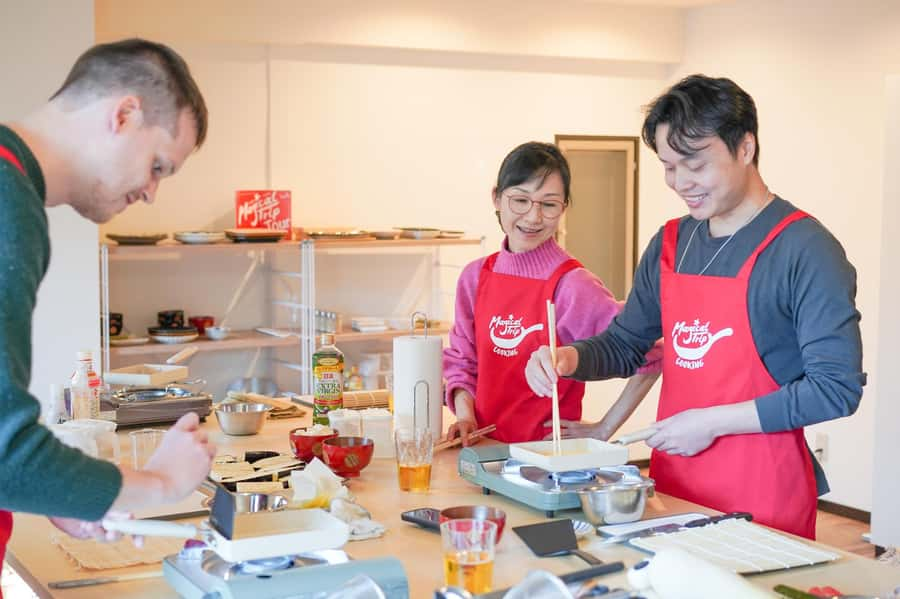
After shopping, you move to a professional kitchen studio for the cooking session. The class is designed for beginners, so you start with fundamentals such as how to hold a Japanese kitchen knife properly.
That approach is important. Sushi can look simple when an experienced chef makes it, but rice texture, knife control, seasoning, and shaping all affect the result. A good class should help you understand the process rather than rush you toward a finished plate.
The small group, capped at seven participants, gives the guide a practical chance to watch your technique. Guides such as Takahito and Fuji are praised for their patience, while Suzy and Mihori are described as friendly and clear in their explanations. The guide names may vary by date, but the teaching style is aimed at participation, not demonstration alone.
You should expect to handle the ingredients yourself. The class is not simply a cooking show where you sit back and take photographs. You work through the steps with guidance, which makes the four-hour length feel justified.
Sushi, miso soup, and the Japanese home table
Sushi is the headline dish, but the meal reaches well beyond rolls. You prepare sushi rice seasoned with vinegar, then learn how it becomes the base for sushi. That lesson helps explain why the rice matters as much as the filling.
You also make miso soup, including the preparation of dashi, the stock that gives the soup its savory foundation. Dashi is one of the key ideas in Japanese cooking. Learning its role helps you understand why a short ingredient list can still produce a full, rounded flavor.
Eggplant dengaku adds another useful lesson. Eggplant is coated with a miso-based topping, giving you a taste of how Japanese cooks turn a simple vegetable into a satisfying small dish. It is the kind of recipe you may actually repeat at home because it does not depend on elaborate presentation.
Dashimaki tamago, or rolled egg, is another highlight. This softly seasoned omelet is made by layering egg with dashi, then rolling it into shape. It takes control and patience, but the class lets you practice with help rather than expect you to get it right instantly.
Together, these dishes create a better picture of Japanese food than sushi alone. You learn about rice, stock, miso, vegetables, eggs, seasoning, and small side dishes. The result is a meal that resembles a home-style spread rather than a single restaurant course.
Lunch pairs the food with four kinds of sake
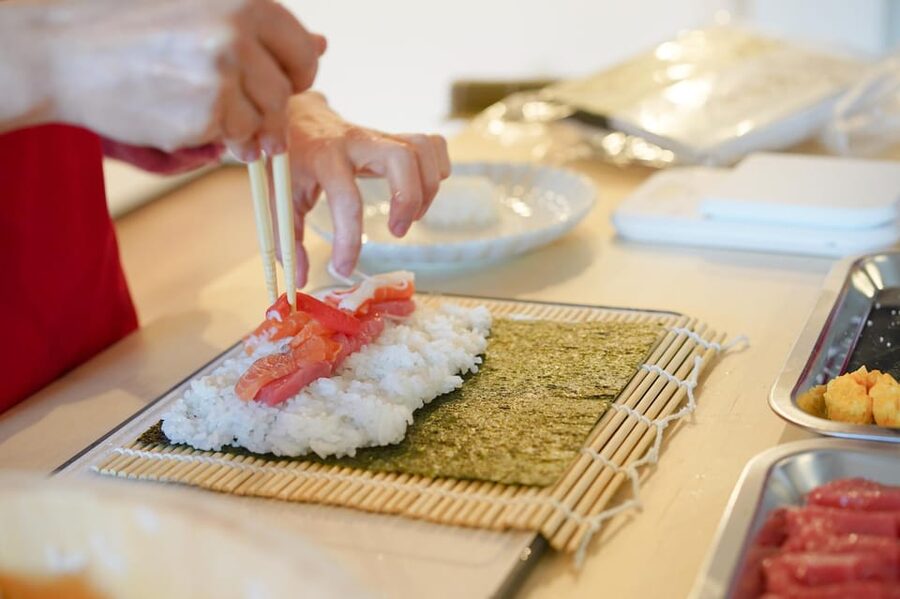
Once the cooking is finished, you sit down to eat the meal you prepared. Lunch is included, as are tea and four kinds of sake.
The sake tasting adds a useful layer to the meal because you can compare the drinks alongside sushi and traditional dishes. You choose a favorite from four premium varieties, then consider how each one works with the food. This is more informative than tasting sake without anything to eat.
If you do not drink alcohol, check the current arrangements before booking. The supplied details confirm that sake tasting is included, but they do not specify a nonalcoholic replacement. Tea is included, but the class does not promise an alternative tasting menu.
The meal also gives the group time to talk. The guides are not only there to measure ingredients and correct knife positions. Their role includes explaining Japanese food culture and answering questions. That conversational element is a major part of the value, especially if you want more than a recipe card.
More Drinks Outings in Tokyo:
- Ramen and Sushi Cooking Class with Sake Pairing Set in Tokyo
★ 5.0 · 291 reviews - Tokyo: Sushi and Ramen Cooking Class with Sake Pairing Set
★ 5.0 · 81 reviews - Kyoto: Afternoon Japanese Izakaya Cooking Class
★ 4.9 · 241 reviews - Izakaya Style Cooking Class
★ 5.0 · 219 reviews
Why the supermarket and kitchen combination works
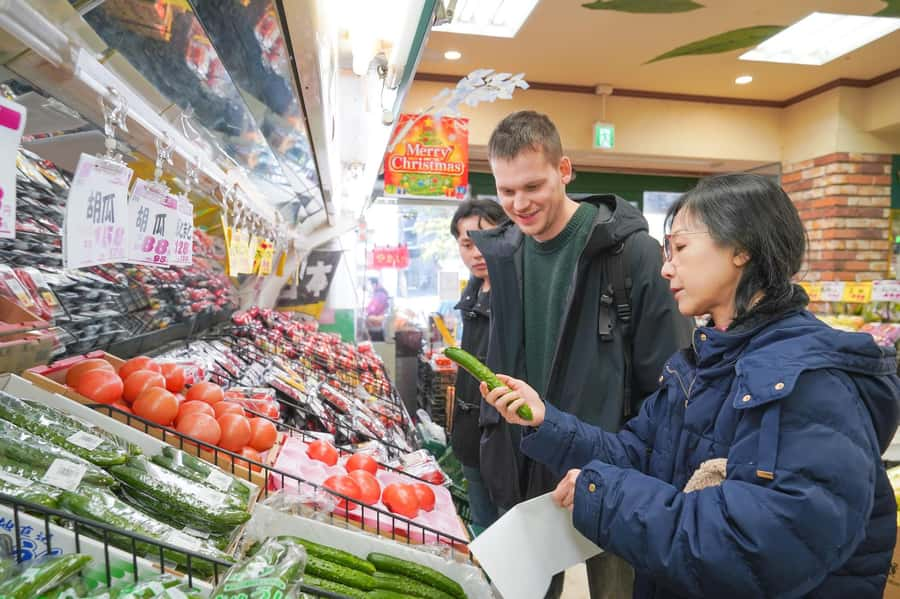
Many cooking classes begin at the kitchen table. This one adds a useful first step by showing you where the ingredients come from and how they are selected.
I like this format because it connects the finished food to everyday life. You see products in their normal retail setting, learn what to look for, and then use them shortly afterward. The lesson has a clear beginning, middle, and end: choose, prepare, eat.
It also helps you ask better questions. You can point to a seasoning at the supermarket and ask how it is used. You can compare two types of miso, look at rice products, or learn which vegetables suit a particular dish. The exact ingredients may vary, but the shopping stop gives the guide a real setting for those explanations.
There is a practical payoff too. You receive recipes after the class, so the meal does not have to remain a one-day memory. If you already cook at home, the recipes can help you recreate the dishes. If you are new to Japanese cooking, they give you a starting point without requiring you to remember every step.
A good choice for families and first-time cooks
All ages can join, and the class is built to include beginners. You do not need prior sushi-making experience, and the opening knife lesson gives first-timers a safe starting point.
The children’s playroom is an unusual benefit. It gives little ones a place to enjoy themselves while adults take part in the cooking, though the supplied details do not explain how much supervised time children spend there. Families should still expect the main activity to be a cooking class, with participation encouraged.
The teaching style also suits mixed-age groups. A young son was included successfully in one class, with the guide giving him time and help rather than rushing through the instructions. That suggests the class can work well for families, but parents should remember that the route includes walking and some areas are not accessible to wheelchairs or strollers.
Solo visitors and couples can also fit comfortably into the format. With no more than seven participants, you have a better chance of speaking with the guide than you would in a large demonstration class. You may also meet other people while preparing and eating the meal.
The location adds an Asakusa afternoon
The kitchen studio is in the Asakusa and Kappabashi area. After lunch, you are invited to explore Asakusa, a major Tokyo sightseeing district, and Kappabashi, an area known for restaurant supplies.
The tour itself ends back at the original meeting point, so the sightseeing portion is not a guided extension with a separate return trip. Think of it as a useful suggestion for what to do afterward. You can continue exploring nearby shops and landmarks on your own after the cooking session.
Kappabashi is especially relevant after a cooking class. Its restaurant-supply shops give you a chance to browse knives, tableware, cooking tools, and other kitchen goods. The activity does not include purchases, and shopping time is not specified, so treat this as an optional plan rather than a guaranteed part of the four hours.
Asakusa also makes the class easy to combine with a broader Tokyo day. You can schedule the cooking experience and then continue sightseeing, shopping, or visiting local landmarks nearby. Check the exact starting time when booking because the class runs for four hours and available start times can change.
What the $112 price includes
At $112 per person, this is not a bargain meal. But it is more than lunch. The fee covers four hours with an English-speaking local guide, the supermarket visit, ingredients, cooking instruction, lunch, tea, four sake samples, and photographs taken during the tour.
The value improves if you want practical instruction. A restaurant meal may cost less, but it will not teach you how to prepare sushi rice, make dashi, roll dashimaki tamago, or choose ingredients in a supermarket. A short food tasting may also be cheaper, but it will not provide a full cooking session or recipes to take home.
The price makes less sense if you mainly want to eat sushi and have little interest in cooking. You spend a substantial part of the experience preparing food, handling ingredients, and following instructions. That is the point of the tour, not a minor extra.
The small group also matters. Seven people is enough for a social experience but small enough for hands-on help. The strongest part of the value is the combination of personal instruction and a complete meal, not any single dish.
Dietary needs, access, and summer comfort
Vegetarian and vegan participants are welcome, and the ingredients and cooking process can be arranged for those diets. Still, the experience cannot guarantee an allergy-free meal, and substitutions may not always be possible. If you have a serious allergy or strict medical dietary need, contact the provider before booking and explain your requirements clearly.
Some locations are not accessible by wheelchair or stroller. The details do not specify exactly which parts present the problem, so anyone with mobility concerns should ask before committing.
Tokyo summers are hot and humid. Bring water and wear a hat, especially because the experience includes time outside while moving between the meeting point, supermarket, and kitchen. Comfortable shoes are sensible for the walking involved.
The tour is conducted in English. English-speaking guides named in the feedback include Tiger, Suzy, Takahito, Mahori, Mihori, Fuji, and Sho. The specific guide depends on the date, but the class is built around live instruction rather than written directions alone.
Who should book this cooking class
I would choose this experience if you want to understand Japanese food from the inside. It suits you if you enjoy learning by doing, want a small group, and like the idea of turning a Tokyo meal into recipes you can repeat at home.
It is particularly good for families with children, first-time cooks, couples, and solo visitors who want a social activity with a clear purpose. The sake pairing makes it appealing to adults who want to learn about Japanese drinks as part of a meal.
I would be more cautious if you have severe allergies, need full wheelchair or stroller access, or want a quiet restaurant meal with no hands-on work. You also need to arrive early and accept a fixed four-hour schedule.
FAQ
Where does the cooking class begin?
Meet in front of the FamilyMart beside the Gindako takoyaki shop at Iriya Station Exit 2. There are two FamilyMart stores near the station, so use the one beside Gindako and Doutor Coffee.
How long does the experience last?
The activity lasts four hours. Starting times vary, so check availability for the date you want.
Where does the activity end?
The activity ends back at the original meeting point near Iriya Station.
Is the class taught in English?
Yes. The experience includes a live English-speaking guide.
How many people can join?
The group is limited to seven participants.
What food will I cook?
You will prepare sushi rolls, sushi rice, miso soup, eggplant dengaku, and dashimaki tamago, a Japanese rolled omelet.
Is lunch included?
Yes. You eat the food prepared during the class, and lunch is included in the price.
How many kinds of sake are included?
The experience includes a tasting of four kinds of sake, paired with sushi and Japanese dishes.
Can vegetarians and vegans join?
Yes. Vegetarian and vegan participants are welcome, and the ingredients and cooking process can be arranged for those diets.
Can children join the class?
Yes. All ages can join, and a kids playroom is available for little ones. The experience is also described as suitable for families.
Is the tour wheelchair and stroller accessible?
Not fully. Some locations included in the activity are not accessible by wheelchair or stroller.
What happens if I arrive late?
The group starts on time. If you miss the group because you are late, you cannot join the tour, reschedule, or receive a refund.
Can I cancel for a refund?
You can cancel up to 24 hours in advance for a full refund. You can also reserve now and pay later.
Should you book it?
Book this class if you want a practical, friendly introduction to Japanese home cooking rather than a simple sushi meal. The supermarket stop, small group, patient instruction, four-sake tasting, and recipes make the $112 price reasonable for someone who will use what they learn.
Skip it if your priority is maximum flexibility, guaranteed allergy control, or a fully accessible route. For everyone else, this is a well-shaped Tokyo experience: choose the ingredients, cook the meal, eat it with sake, and leave with skills you can use long after your trip.
More Sake Tastings in Tokyo
- Osaka Sake Tasting with Takoyaki Cooking
★ 5.0 · 156 reviews - Osaka: Cooking Class & Sake Tasting with Local Market Visit
★ 4.8 · 31 reviews
More Food and Drink Outings in Tokyo
- Small Group Cooking Class & Market Food Tour in Florence
★ 5.0 · 1,574 reviews - Pasta Making & Wine Tasting with Dinner in Frascati from Rome
★ 5.0 · 1,326 reviews - Paella Cooking Class, Wine Tasting & Central Market in Valencia
★ 5.0 · 1,150 reviews - Athens: Food Market Visit and Cooking Class with Wine
★ 4.9 · 1,087 reviews
Newest classes around Tokyo
- Tokyo: Sushi roll and side dish cooking experience★ 5.0 · 2 reviews
- Tokyo: Sushi Making Experience & Japanese Cooking Class★ 5.0 · 2 reviews
- Tokyo: Real Ramen & Dumpling Cooking with Master Chef★ 5.0 · 10 reviews
- Tokyo: Sushi and Ramen Cooking Class with Sake Pairing Set★ 5.0 · 81 reviews
- Tokyo: Kawaii Bento Cooking Class – Cute Character Lunchbox★ 4.9 · 55 reviews
- Tokyo: Gyoza Making from Scratch – Ultimate Cooking Class★ 5.0 · 2 reviews
- Tokyo: Night Cooking Class: 5 Home-Cooked Japanese Dishes★ 4.9 · 13 reviews
- Tokyo: Japanese Home-style Cooking Class with Meal★ 4.5 · 3 reviews
Tokyo Cooking Classes, compared.

Ramen & Gyoza Cooking Class in Tokyo with Local Supermarket Visit
Read our review →
Tokyo Tsukiji Fish Market Tour and Sushi Making Lesson
Read our review →
Easy Ramen Cooking Experience in Kabukicho, Shinjuku
Read our review →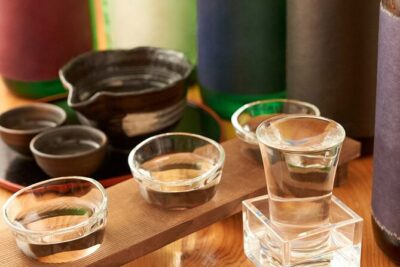
Ramen and Sushi Cooking Class with Sake Pairing Set in Tokyo
Read our review →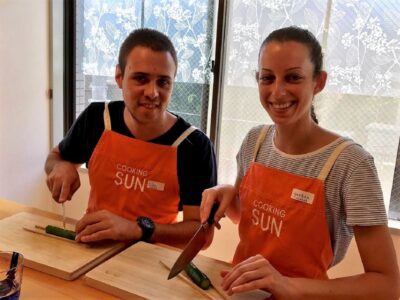
Tokyo Washoku 4-hour Cooking Class: From Market to Table
Read our review →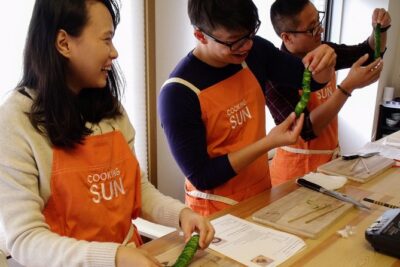
Small-Group Wagyu Beef and 7 Japanese Dishes Tokyo Cooking Class
Read our review →
Private Home Cooking in Yanaka – Local Flavors in a Warm Setting
Read our review →Browse the lists this tour appears in