
Review · KYOTO COOKING CLASSES
Kyoto: Afternoon Japanese Izakaya Cooking Class
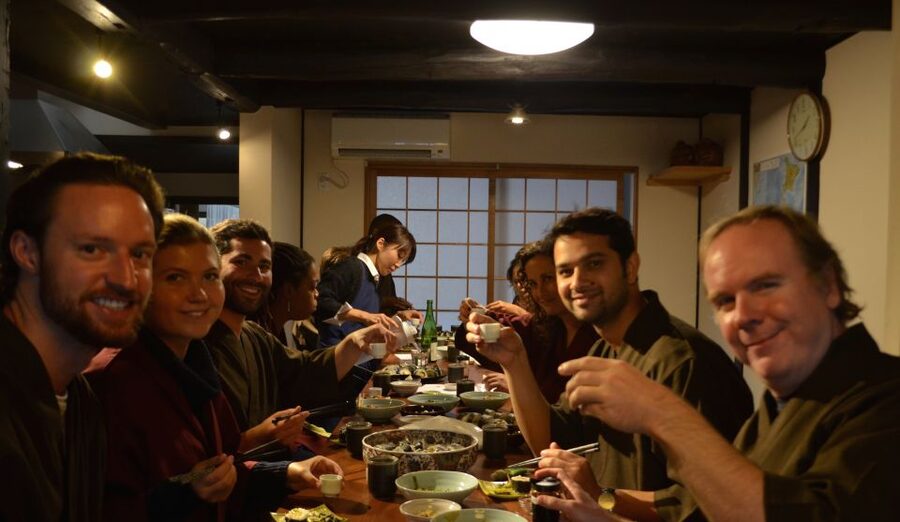
Japanese izakaya cooking is less about fancy sushi and more about the food people actually make and eat. In this Kyoto class, you work through a two-part menu with an English-speaking chef, cook several small dishes, and sit down to eat before returning to the kitchen. I especially like the practical recipes and the chance to learn about ingredients such as dashi and mirin. The only caution is that the class moves at a fairly quick pace because it fits many dishes into three hours.
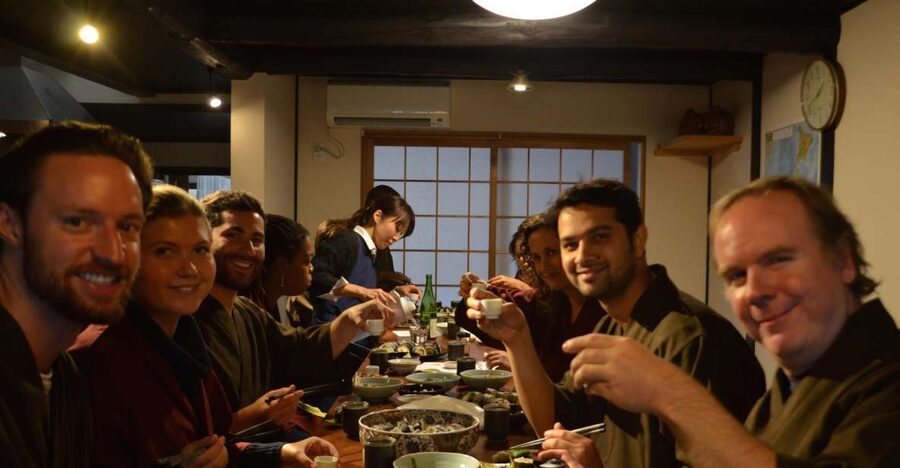
I also like the friendly, social format. You cook and eat together, much as you would at an izakaya counter, with plenty of time to ask questions. Guides including Yumi and Yumiko have been praised for patient instruction, but the exact menu can vary, so do not book expecting one fixed list of dishes.
Key points to know before booking
- Six dishes are possible: Past menus have included five savory dishes and a dessert, though the advertised format is two or three dishes in each of two cooking sessions.
- You cook in two rounds: Prepare and eat the first set, then return to the kitchen for another set before eating again.
- Recipes go home with you: Clear, step-by-step instructions make the class useful after your Kyoto visit.
- English instruction is provided: The chefs explain techniques and ingredients in English and help beginners keep up.
- The food is more varied than a basic sushi class: Expect izakaya-style dishes and home cooking, with possible lessons on dashi, okonomiyaki, and other everyday foods.
- The location is central Kyoto: Meet at Cooking Sun on Funayacho in Shimogyo Ward, with a three-hour afternoon schedule.
What this Kyoto cooking class is really about
The appeal here is simple: you do not just watch someone make Japanese food. You handle the ingredients, follow the steps, cook your own dishes, and eat them while they are fresh.
I see this as a useful choice for anyone who wants to understand Japanese food beyond restaurant menus. An izakaya is often a casual place for small plates, drinks, and conversation. The class copies that relaxed rhythm. You cook, talk with the chef, taste what you have made, and then start again.
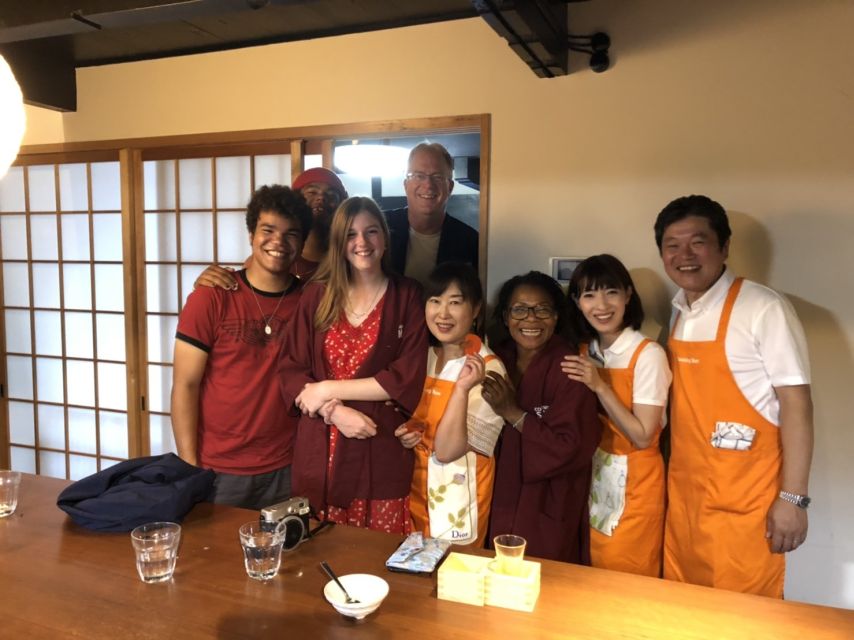
That format also makes the class feel social rather than formal. It suits solo visitors, couples, families, and mixed groups where some people cook often and others rarely touch a pan. One family even included teenagers, while another group included someone who did not usually cook. The instruction is designed to keep beginners involved without making more experienced cooks feel ignored.
You should expect a friendly afternoon rather than a professional chef course. The focus is on useful home dishes, simple methods, and the cultural background of common ingredients. You will not leave with a culinary diploma, but you may leave knowing how to make several Japanese dishes without needing a restaurant kitchen.
More Sushi and Japanese Classes in Kyoto:
- Ramen Cooking Class at Ramen Factory in Kyoto
★ 5.0 · 1,937 reviews - Kyoto: Ramen Cooking Class at a Ramen Factory with Souvenir
★ 4.9 · 532 reviews - Kyoto: Ramen, Gyoza, and Onigiri Cooking Class
★ 5.0 · 445 reviews
The first cooking round, two or three dishes and a first meal
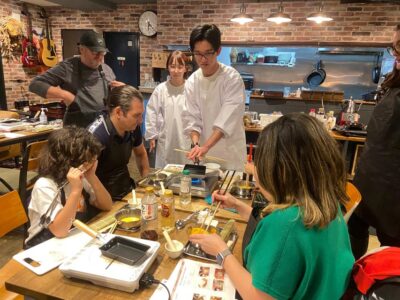
The class begins in the kitchen at Cooking Sun, where you receive an apron and use the supplied utensils and ingredients. The format calls for two or three dishes in the first round, prepared with guidance from the chef.
The chef demonstrates each task, then you work through it yourself. The supplied information does not give one permanent menu, so the dishes may change. Past sessions have included okonomiyaki, traditional savory dishes, dashi broth, and other foods that fit the izakaya style.
The lack of a fixed menu is worth noting. If you have your heart set on one particular dish, ask when booking. On the other hand, a changing menu can make the class more interesting, especially if you have already taken a sushi lesson or want something closer to everyday Japanese cooking.
The first round is also where you start learning the building blocks. One class included making dashi from the basics, which is valuable because dashi gives many Japanese dishes their savory depth. You may also encounter ingredients such as mirin and other seasonings that are familiar from Japanese restaurants but less familiar in a Western home kitchen.
After cooking, you eat the dishes you have made. This break matters. You get to taste the result while the methods are still fresh in your mind, and the chef can explain how the food fits into Japanese eating habits. It also keeps the class from feeling like three straight hours of chopping and washing up.
The second round, more dishes and a fuller izakaya meal
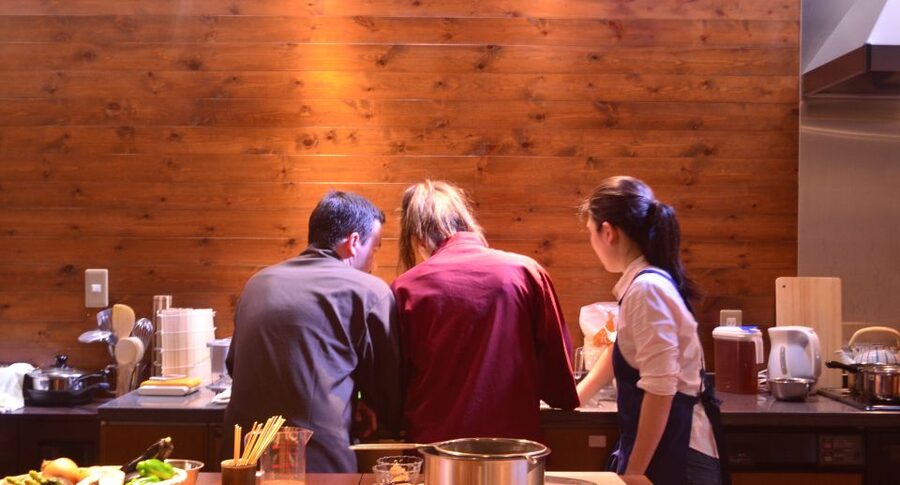
After the first meal, you return to the kitchen for another two or three dishes. This second session follows the same pattern: demonstration, hands-on preparation, and help from the instructors as you work.
The pace can be brisk. One past participant described it as fairly fast, which makes sense when the class may cover five savory dishes and a dessert. That pace is a benefit if you want to learn a lot in one afternoon, but it may feel demanding if you prefer long explanations or careful, slow practice.
The instructors help keep the work manageable by breaking the recipes into clear steps. They are not simply cooking in front of you while you watch. You are expected to take part, but the class is set up so that a beginner can follow along.
The second meal gives you a better sense of how the dishes work together. Instead of making one elaborate centerpiece, you build a spread of smaller foods. That reflects the casual izakaya idea and gives you a wider sample of Japanese flavors and techniques.
Past menus have included a dessert as well as savory dishes. The exact combination is not guaranteed, but the overall lesson is broader than a single specialty. You may leave with methods for several kinds of food rather than one recipe repeated in different forms.
The instruction style and English support
English is the teaching language, and this is one of the class’s strongest practical features. The instructors explain what to do, show the technique, and help you correct mistakes as you go.
I would book this with confidence if you are a beginner or if you worry about not knowing Japanese cooking terms. The lessons use simple explanations, and the instructors are used to helping people from different countries and cooking backgrounds.
Names that come up in the feedback include Yumi and Yumiko, both praised for being warm, helpful, and entertaining. Other sessions have had one chef or several instructors. That means your precise teaching team may vary, but the format is built around close support rather than a large lecture.
The atmosphere is deliberately conversational. You can ask about ingredients, cooking habits, and how the dishes relate to Japanese food culture while you work and eat. This makes the class more useful than a recipe demonstration, especially if you want to understand why a seasoning or technique matters.
The class also appears suitable for mixed ability levels. One participant with decades of professional cooking experience still found useful lessons, while many first-time cooks found the directions easy to follow. That is a good sign for groups where one person loves cooking and another is only attending for the meal.
More Drinks Outings in Kyoto:
- Izakaya Style Cooking Class
★ 5.0 · 219 reviews - Authentic Japanese Cooking Experience at Izakaya restaurant
★ 4.2 · 5 reviews - Ramen and Sushi Cooking Class with Sake Pairing Set in Tokyo
★ 5.0 · 291 reviews - Osaka Sake Tasting with Takoyaki Cooking
★ 5.0 · 156 reviews
What you take home besides a full stomach
The best practical feature is the recipe set. You receive written instructions for the dishes, often with enough detail to make them again at home.
That turns the class into more than a pleasant afternoon in Kyoto. You can look for Japanese ingredients after returning home and try to repeat the meal for friends or family. Several dishes were described as simple enough to recreate without specialist equipment.
You should still expect some ingredient hunting. Dashi, mirin, and other Japanese seasonings may not be in your cupboard. That is not a serious problem, but you may need to visit an Asian grocery store or find substitutions. The class gives you a starting point and explains the ingredients, which makes that shopping easier.
The written recipes are also useful because the class covers a lot in three hours. You may remember the main technique but forget exact amounts or cooking times. Having the instructions means you do not need to take frantic notes while preparing the food.
This is particularly valuable for families and couples. You can make the dishes together at home and turn the class into a lasting part of the trip rather than a one-time meal.
Price, timing, and the value of three hours
At $67 per person, the class is not the cheapest meal you can buy in Kyoto. It is also not simply a meal. The price includes the cooking lesson, ingredients, apron, and utensils, along with several dishes and the recipes to take home.
I think the value is strongest if you actively want to cook. You are paying for instruction, food, cultural context, and the chance to practice. If you only want to eat Japanese food, a local izakaya will cost less and require less effort.
The three-hour length gives the session enough room for two cooking rounds and two meals. It does take a substantial part of your afternoon, so avoid booking it directly before a timed temple visit, train departure, or evening reservation on the other side of town.
An afternoon class can also be a useful break from sightseeing. Kyoto days often involve temples, walking, and crowded streets. A seated meal with hands-on work offers a change of pace, while the indoor setting makes it a sensible option on a rainy day.
The meeting point is Cooking Sun, Funayacho, in Kyoto’s Shimogyo Ward. The activity details do not include a hotel pickup service, so plan to reach the meeting point independently and allow time to find the exact entrance.
Dietary needs, accessibility, and group comfort
Tell the local supplier about dietary requirements when you book. This is important because the class is built around shared ingredients and a set menu, and changes may need to be arranged in advance.
A vegetarian participant was accommodated with separate utensils and pans, which is encouraging. Still, you should not wait until the class begins to mention allergies, religious restrictions, or other food needs.
The activity is listed as wheelchair accessible. That makes it one of the more approachable food activities for visitors who need an accessible setting, though you should still confirm any specific mobility requirements before paying.
The group atmosphere can vary. Some sessions may include several international participants, while another group may be small enough to receive very close attention. The social setup is part of the appeal, but people seeking a quiet private lesson should check the booking details before committing.
Who will enjoy this class most
I would choose this class for you if you like food, want a hands-on activity, or prefer learning something you can use after the trip. It works especially well for:
- First-time cooks who want clear instruction
- Families with older children or teenagers
- Couples looking for an indoor Kyoto activity
- Visitors who already know sushi and want broader Japanese cooking
- Experienced cooks interested in dashi, seasoning, and home-style methods
- Anyone who enjoys meeting people around a shared meal
It may be less suitable if you dislike group activities, have very limited time, or want an advanced professional course. The class is friendly and practical, not a restaurant apprenticeship.
You should also understand that the word izakaya does not mean you will spend the afternoon in a busy bar. You are learning izakaya-style dishes in a cooking school, then eating what you prepare. That gives you more direct practice, but less of the spontaneous atmosphere of visiting a real neighborhood izakaya.
Booking advice for a smoother afternoon
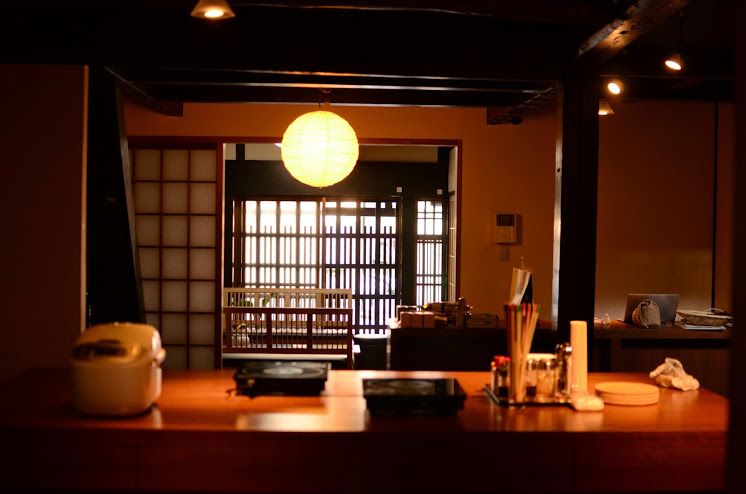
Reserve ahead if this class is important to your Kyoto plans. The rating is 4.9 from 241 reviews, and the repeated strengths are clear: friendly instructors, good English, well-organized equipment, tasty food, and recipes that work at home.
Tell the supplier about dietary needs at booking. Wear comfortable clothing suitable for cooking, and do not schedule a large meal immediately afterward. Six dishes can add up, especially when dessert is included.
The class offers free cancellation up to 24 hours before the start time, and you can reserve now and pay later. Those terms help if your Kyoto schedule is still changing, but check the available starting times before building the rest of your day around it.
Should you book the Cooking Sun izakaya class?
Yes, if you want more than a food tasting. At $67, you receive three hours of instruction, ingredients, equipment, several dishes, and recipes you can use at home. The strongest reason to book is the combination of hands-on cooking and everyday Japanese food culture.
I would skip it only if your schedule is too tight, you dislike cooking, or you want a fixed menu confirmed in advance. For everyone else, this is a smart Kyoto activity that gives you a meal, a skill, and a better understanding of what Japanese home cooking can be.
FAQ
How long does the Kyoto izakaya cooking class last?
The class lasts three hours and takes place in the afternoon. Check the available starting times when booking.
Where does the cooking class meet?
The meeting point is Cooking Sun, Funayacho, Shimogyo Ward, Kyoto, Kyoto 600-8466.
How many dishes will I cook?
The class is described as two or three dishes in each of two cooking sessions. Past sessions have included as many as five savory dishes and one dessert, so the exact menu and total number can vary.
Is the class taught in English?
Yes. English is the listed instruction language, and the chefs explain the cooking steps and ingredients in English.
Are ingredients, an apron, and utensils included?
Yes. The price includes the cooking class, ingredients, apron, and utensils.
Can I cancel or pay later?
You can cancel up to 24 hours before the activity for a full refund. The reserve-now, pay-later option lets you book without paying at the time of reservation.
Newest classes around Kyoto
- Kyoto Udon & Tempura Cooking Class with Professional Chefs★ 3.8 · 3 reviews
- Kyoto: Wagashi (Japanese sweets) Cooking near Fushimiinari★ 5.0 · 40 reviews
- Kyoto Home Cooking Class &Supermarket tour near Fushimiinari★ 5.0 · 31 reviews
- Kyoto: Morning Japanese Bento Cooking Class★ 5.0 · 149 reviews
- Kyoto: Authentic Sushi Making Cooking Lesson★ 5.0 · 103 reviews
- Kyoto: Cooking class, learning how to make authentic sushi★ 4.2 · 9 reviews
- Authentic Japanese Cooking Experience at Izakaya restaurant★ 4.2 · 5 reviews
- Gyoza Cooking Class in Kyoto: Traditional Japanese Dumplings★ 5.0 · 12 reviews
Kyoto Cooking Classes, compared.
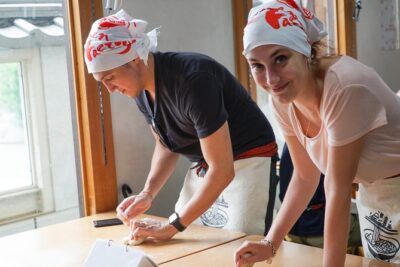
Ramen Cooking Class at Ramen Factory in Kyoto
Read our review →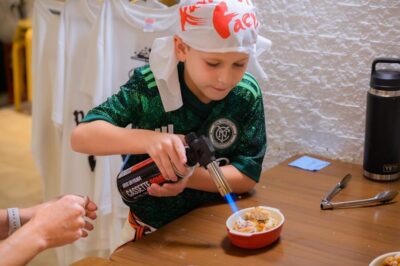
Ramen Cooking Class at a Ramen Factory with Souvenir
Read our review →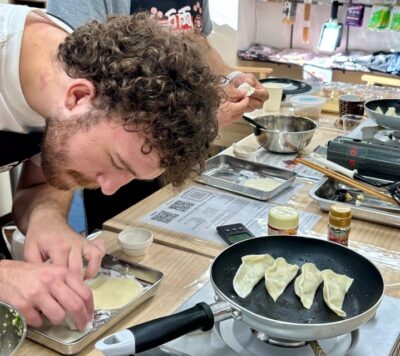
Japanese Washoku Bento Small Group Cooking Class
Read our review →
Kyoto Ramen and Gyoza Cooking Class with Professional Chefs
Read our review →
Gyoza Cooking Class in Kyoto: Traditional Japanese Dumplings
Read our review →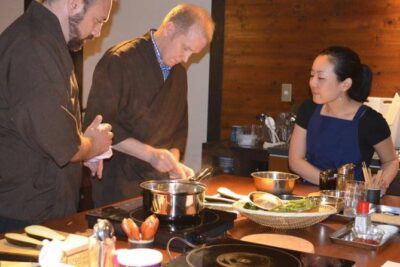
Browse the lists this tour appears in