
Review · SEOUL COOKING CLASSES
Seoul: Experience Korean Cooking in Modern Hanok Kitchen
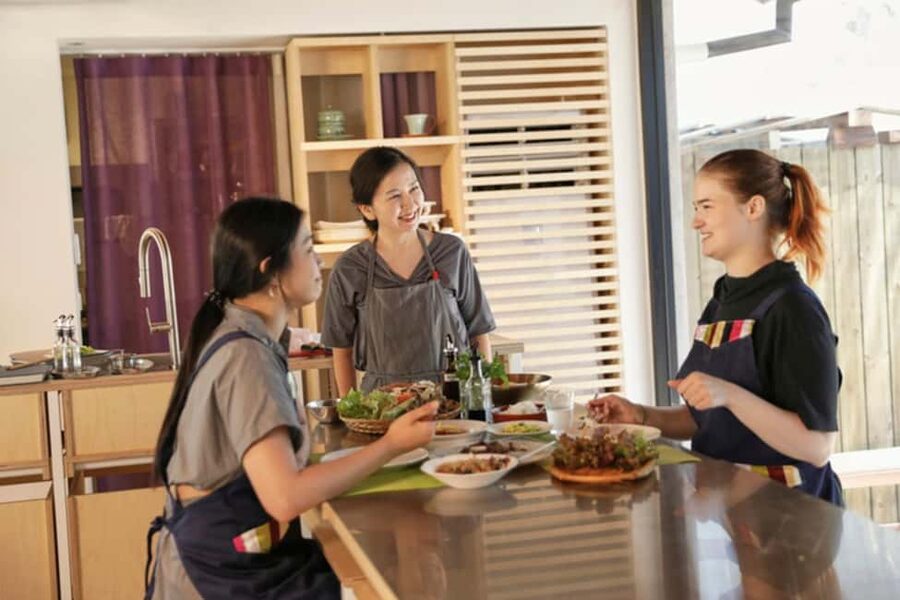
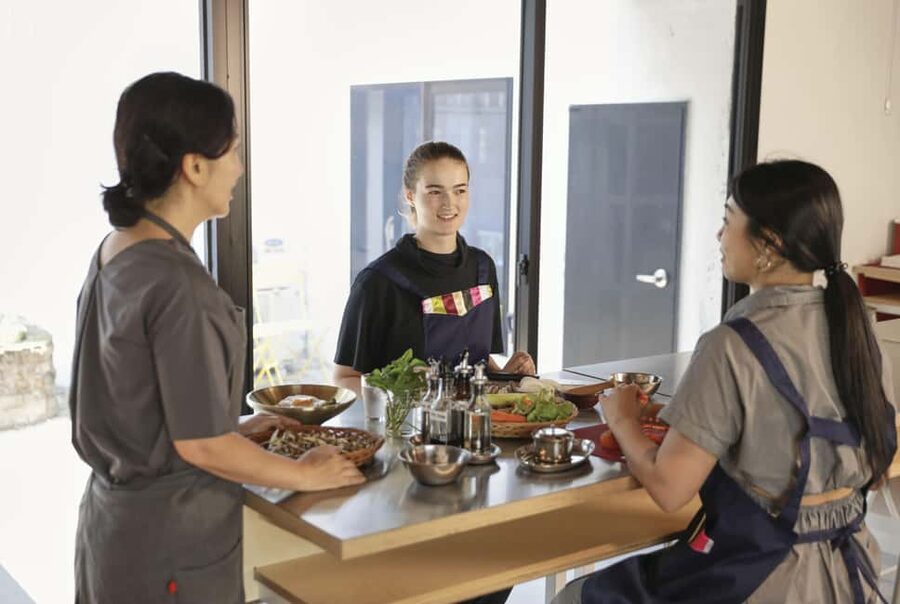
Korean food makes more sense once you cook it yourself. In this two-hour class at a modern hanok studio in Bukchon, chef Jia shows you how familiar dishes come together, then lets you prepare your own meal at an individual station. You do not just watch a chef work. You chop, season, cook, and eat the results.
I like the calm, practical teaching style and the fact that the recipes are designed for home cooking. I also like the personal attention: one small class had only three participants, and another participant received a tofu substitute prepared in about ten minutes. The main consideration is that you must tell the studio about allergies or dietary restrictions, and late arrival can mean missing the class.
Key points at a glance
- Cook at your own station: Each participant prepares an individual dish rather than simply watching a demonstration.
- Choose from four Korean favorites: The class can feature bibimbap, bulgogi, japchae, or jeyuk-bokkeum, with two dishes prepared per person.
- Chef Jia teaches in English: Expect clear demonstrations, patient explanations, and conversation about Korean food culture.
- Bukchon location: The class takes place at O’ngo Food Communications, 137-11 Bukchon-ro, Jongno-gu.
- Useful recipes for home: The steps are simple enough to repeat after returning home.
- Dietary adjustments are possible: Tell the provider about restrictions or allergies before the class.
Starting in Bukchon at a working kitchen
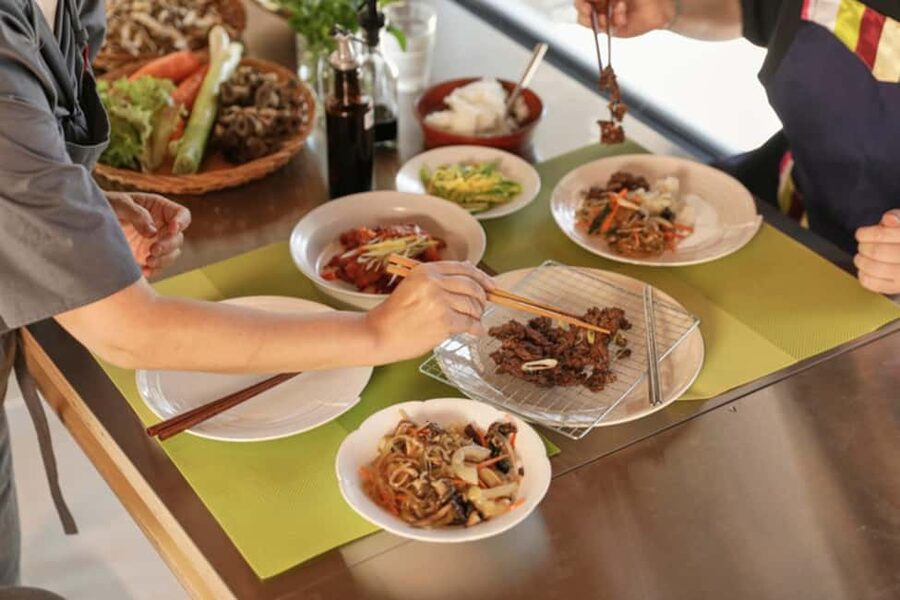
The class meets at O’ngo Food Communications, at 137-11 Bukchon-ro in Seoul’s Jongno-gu. The studio sits in the Bukchon area, known for its traditional hanok homes, so the setting gives your cooking lesson a sense of place without turning it into a staged folk show.
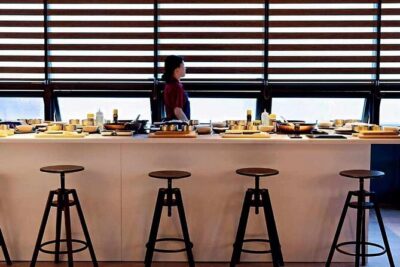
The kitchen itself has been recently renovated in a modern hanok style. That combination matters. You get the visual character of traditional Korean architecture, but the class takes place in a clean, practical cooking space made for hands-on work.
Plan your route carefully and arrive on time. The directions provided for this activity put responsibility for missed participation on you if you arrive late. A cooking class has a fixed rhythm, and missing the opening explanation can leave you guessing about ingredients or timing.
The class lasts two hours. That is long enough to learn the basic preparation, cook two dishes, and sit down to taste your work, but short enough to fit into a busy Seoul day. It works particularly well as a morning or afternoon activity between visits to Bukchon, palaces, or nearby Jongno sights.
More Korean Classes in Seoul:
- Local Home Korean Cooking Class & Market Adventure in Seoul
★ 5.0 · 1,024 reviews - Master Korean traditional cooking with a Kimchi chef
★ 5.0 · 385 reviews - Seoul: Korean Cooking Class at a Local Home and Market Tour
★ 5.0 · 348 reviews
Chef Jia’s clear, low-pressure teaching style
The class is led in English by a professional chef. Jia is named in the feedback provided for this experience, and her approach comes across as patient, friendly, and easy to follow. One useful feature is the demonstration before you begin. The chef shows how ingredients are prepared and how the cooking process works, then you repeat the steps at your own station.
That order helps. Korean cooking can look complicated when you see many small bowls of vegetables, sauces, noodles, and seasonings on the table. Once you see the sequence, it becomes more manageable. You learn what needs preparation first, what can cook together, and when seasoning should be added.
The lesson also goes beyond instructions. Jia explains Korean food culture and how meals are prepared at home. That context helps you understand why a dish may include several separate vegetables, how sauces bring the parts together, and why a rice or noodle dish can serve as a complete meal.
I would not treat this as professional culinary training. It is a friendly introduction for ordinary home cooks. The value is in learning a few repeatable methods, not mastering restaurant-level knife work or advanced Korean cuisine.
Bibimbap, the best introduction to Korean home cooking
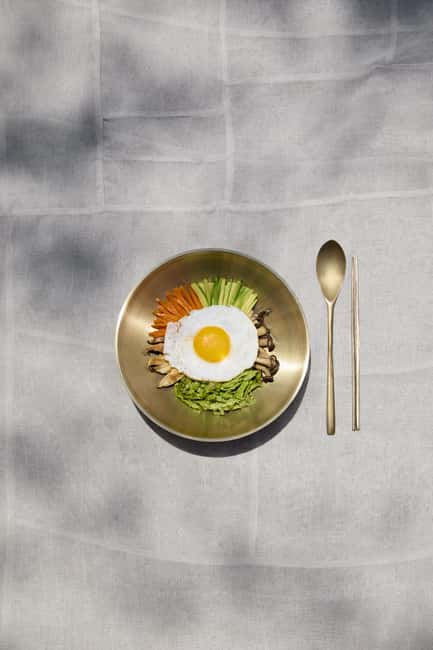
Bibimbap is one of the strongest choices for this class because it shows how Korean meals balance color, texture, seasoning, and nutrition in one bowl. You prepare rice and top it with cooked seasonal vegetables, then add a sunny-side-up fried egg.
The dish is more than rice with toppings. Each vegetable is handled so it keeps its own character, while the finished bowl brings everything together. You learn how several modest ingredients can become a satisfying meal once combined with the right seasoning.
For many people, bibimbap is the dish they most want to learn, and it is easy to see why. It is familiar enough for first-time Korean food explorers, but the process gives you plenty to do. You also leave with a format you can adapt at home using vegetables available in your own market.
The egg adds richness and a soft texture, while the vegetables keep the bowl fresh and light. If you want a class dish that feels healthy and flexible, bibimbap is the safe pick.
Bulgogi brings sweet, savory Korean flavor
Bulgogi uses thinly sliced prime cuts of beef marinated with soy sauce, sesame, and garlic. It is often described as Korea’s national dish, and it gives you a direct lesson in the role of marinade in Korean cooking.
The important part is not only the ingredient list. You see how a small amount of seasoning can flavor thin slices of meat quickly and evenly. Soy sauce provides the salty base, sesame adds a nutty note, and garlic gives the marinade its familiar Korean character.
This is also one of the more accessible dishes for a beginner. The preparation is straightforward, and the cooking process is not presented as high-pressure work. One participant described making bulgogi as simple and low stress, with the initial demonstration making the steps easy to follow.
If you enjoy meat dishes and want something that can be repeated at home, bulgogi is a sensible choice. If you do not eat meat, tell the studio in advance so the chef can plan a suitable alternative.
More Cooking Classes in Seoul:
- Seoul: Korean Cooking at Seoul Cooking Club!
★ 5.0 · 311 reviews - Korean Cooking at Seoul Cooking Club
★ 5.0 · 220 reviews - Seoul: Taste of Korea, Authentic Home Style Cooking Class
★ 4.9 · 166 reviews - Seoul: Royal Seoul Cooking Class in a 100-Year-Old Hanok
★ 5.0 · 96 reviews
Jeyuk-bokkeum for a stronger kick
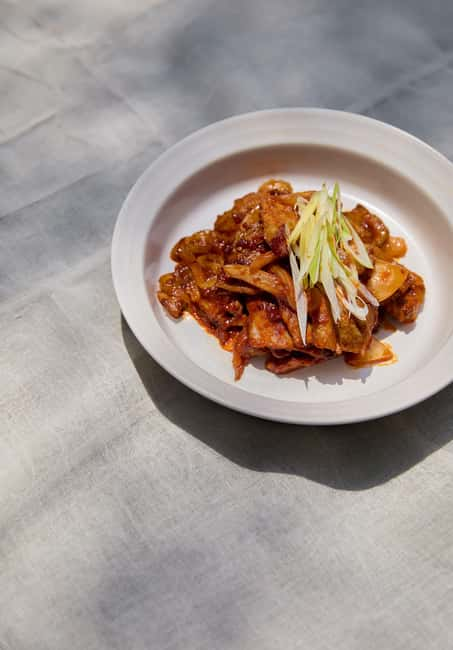
Jeyuk-bokkeum is spicy pork barbecue seasoned with a special gochujang sauce. It is the class’s most frequently requested dish, and it gives you a more forceful introduction to Korean seasoning than bibimbap or japchae.
Gochujang brings heat, sweetness, and fermented depth. The pork absorbs the marinade before cooking, so the finished dish has a bold flavor rather than a simple chili bite. If you already enjoy spicy food, this may be the most exciting option on the menu.
The drawback is obvious: spice levels can be personal. The information provided does not promise a particular heat adjustment, so ask about the level when you book or arrive. Dietary restrictions should also be discussed before the class, especially if pork is not suitable for you.
Jeyuk-bokkeum makes a good choice for someone who wants a dish with a clear Korean identity. It is less neutral than japchae and more assertive than bulgogi.
Japchae offers a mild, noodle-based option
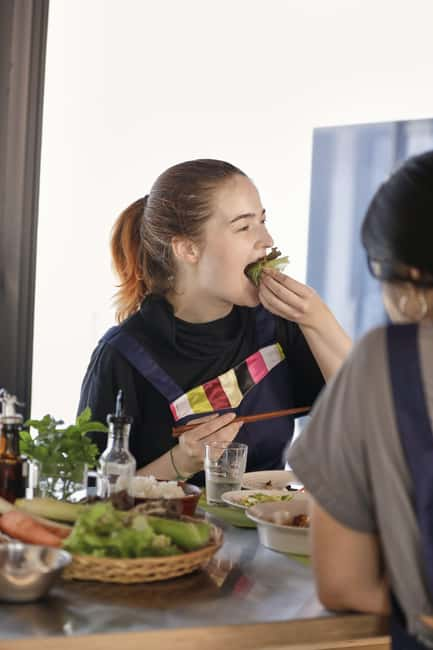
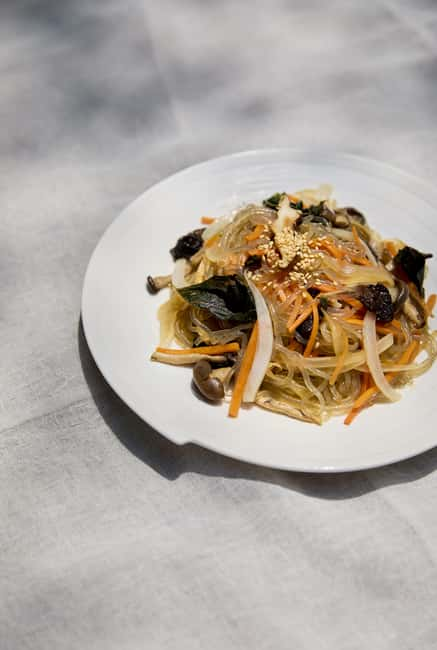
Japchae combines glass noodles with a variety of cooked vegetables. It is a non-spicy dish and is described as a favorite in Korea, making it a helpful option for people who do not want chili-based food.
The cooking process shows another side of Korean cuisine. Instead of building a rice bowl or marinating meat, you prepare vegetables and noodles, then mix them into a balanced dish. The result is light enough for a midday meal but still substantial.
Japchae is particularly useful for mixed groups. One person may want spicy pork, while another prefers a mild meal. Since each participant cooks an individual dish, it is easier for people with different tastes to take part in the same class.
Ask which two dishes are available for your session. The experience description presents four possible Korean classics, but each participant creates two dishes, not all four.
Your own station makes the class worthwhile
The strongest feature here is the hands-on format. Each participant receives ingredients and prepares an individual dish at a personal cooking station. You are not standing behind a counter watching someone else handle every important step.
That distinction changes the value of the class. You practice the movements yourself, notice how the ingredients feel as they cook, and learn where timing matters. If you make a small mistake, the chef can help while the dish is still in progress.
The class can also feel personal because the chef demonstrates first and then watches you work. In one small session, three people received close attention from the chef. Group size is not guaranteed in the supplied details, so I would not book expecting every session to be that small, but the format is built around individual preparation.
At the end, you taste the food you made. That final meal gives the class a clear payoff, but it also serves as a useful check. You can compare the flavor you created with the taste you expected and ask questions while the cooking is still fresh in your mind.
What you can take home from the lesson
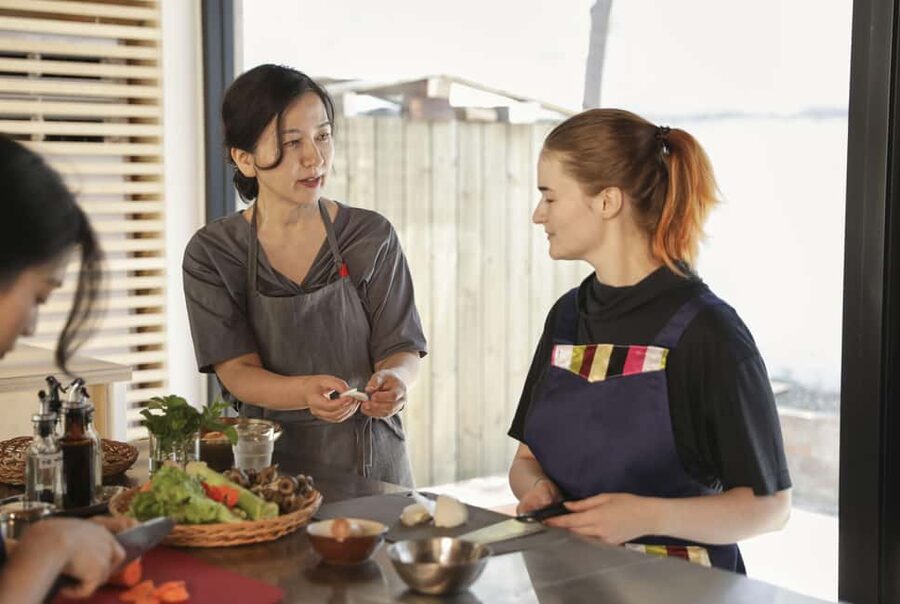
The recipes are presented in a way that makes them practical for home cooking. That is important because a cooking class should give you more than a pleasant afternoon in Seoul. You want to know if you can make the dish again without a chef standing nearby.
The steps for bibimbap, bulgogi, japchae, and jeyuk-bokkeum are familiar enough to repeat once you understand the order. The exact ingredients may require a visit to an Asian market, depending on where you live, but the class gives you a clear starting point.
I especially like that the lesson explains how Korean home meals are put together. You are not only collecting a recipe. You are learning a pattern: prepare several parts, season them with care, and combine them into a balanced meal.
That makes the class useful for confident cooks and beginners alike. A complete beginner gets guided practice. Someone who already cooks gains new sauces, combinations, and preparation ideas.
Dietary needs need early attention
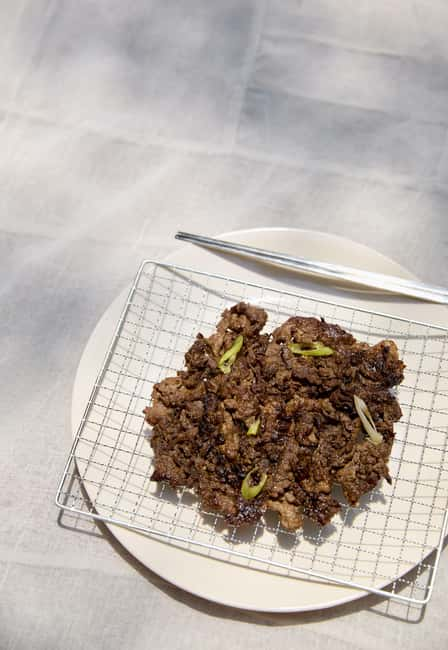
The activity can be customized for dietary options, but you should not leave this to chance. The provider asks you to report allergies or dietary restrictions, and that request should be taken seriously.
A participant who did not eat meat received tofu instead, prepared in about ten minutes. That is encouraging, but it should not be treated as a promise that every request can be handled at the last minute. Tell the studio before the class so the chef has time to plan.
Vegetarian, meat-free, and other dietary needs may affect which two dishes you prepare. The available information confirms that adjustments are possible, but it does not list every restriction the kitchen can support. Ask before booking if you have a serious allergy or a strict medical diet.
Private and customized classes are also available by request. The details of those arrangements are not provided, so contact O’ngo Food Communications directly if you need a special menu or private format.
Is $84 a fair price for two hours?
At $84 per person, this is not a budget meal or a cheap way to fill an afternoon. You are paying for a professional English-led class, ingredients, your own cooking station, cultural explanation, and the two dishes you prepare and eat.
The value improves if you want an activity rather than just a restaurant meal. A bibimbap or bulgogi dinner may cost less, but it will not teach you how to prepare the dish or give you a practical recipe to repeat.
The price also makes more sense for people who enjoy participation. If you prefer to sit back and have food served, spend the money at a good Korean restaurant instead. If you like learning by doing, the class offers a useful souvenir that does not take up space in your luggage.
A perfect five rating across 22 ratings supports the idea that the teaching and hands-on format are the main strengths. Still, price-sensitive visitors should compare the class with the cost of a normal meal and decide how much they value instruction.
Who should book this Bukchon cooking class?
I would recommend it to first-time visitors who want a clear introduction to Korean food. You get four recognizable dish choices, an English-speaking chef, and enough explanation to understand what you are cooking.
It also suits couples, friends, and families who want an activity with a meal at the end. The individual stations mean one person can prepare a meat dish while another chooses a mild or vegetarian option, subject to advance confirmation.
Home cooks will get the most from it because the recipes are designed to be repeated. You can return home and try the dishes again while the method is still fresh.
I would be more cautious if you have a serious allergy, need a very specific diet, or dislike spicy food. The studio can customize classes by request, but you should confirm the details before paying. I would also skip it if your Seoul schedule is so tight that arriving late is likely.
Final verdict: a useful taste of Korean food culture
Book this class if you want to understand Korean cooking by making it yourself. The modern hanok setting, patient English instruction, individual workstations, and choice of two dishes give the experience more substance than a quick demonstration.
My favorite details are the practical recipes and the chef’s willingness to adapt. Jia’s calm teaching style, the low-pressure cooking process, and the tofu substitution show the kind of personal attention that can make a class work for different skill levels.
The main limits are the $84 price, the fixed two-hour schedule, and the need to communicate dietary needs in advance. For a visitor who wants only a cheap meal, it is not the best deal. For you if you want a hands-on Seoul experience and a few Korean dishes you can recreate at home, it is a strong choice in Bukchon.
FAQ
Where does the Korean cooking class meet?
The class meets at O’ngo Food Communications, 137-11 Bukchon-ro, Jongno-gu, Seoul, in the Bukchon area.
How long does the cooking experience last?
The class lasts two hours. Starting times vary, so you should check availability when booking.
What dishes can I learn to cook?
The available dishes are bibimbap, jeyuk-bokkeum, japchae, and bulgogi. Each participant prepares and tastes two Korean dishes.
Is the class taught in English?
Yes. The class includes a live English-speaking guide and professional chef instruction.
Can the class accommodate dietary restrictions?
Dietary options can be customized, but you must tell the provider about allergies or dietary restrictions. Private and customized classes are also available by request.
Can I cancel for a full refund?
You can cancel up to 24 hours in advance for a full refund. You can also reserve now and pay later to keep your plans flexible.
Newest classes around Seoul
- Seoul: Korean Home Visit, Cooking & Cultural Experience★ 5.0 · 2 reviews
- Seoul: Korean Kimchi Cooking Class in the Heart of the City★ 5.0 · 3 reviews
- Seoul: Premium Korean Feast Cooking Class★ 5.0 · 3 reviews
- Seoul: Kimchi Dishes Cooking Class with Wine Pairing★ 4.7 · 38 reviews
- Seoul: Korean Cooking Class with Local Grocery Shopping★ 5.0 · 13 reviews
- (Seoul) Korean Cooking Class with a Professional Chef★ 5.0 · 14 reviews
- Seoul: Authentic Korean Cooking Class and Market Tour★ 5.0 · 6 reviews
- Seoul: Cooking Class and Tour with Michelin-Trained Chef★ 5.0 · 11 reviews
Seoul Cooking Classes, compared.
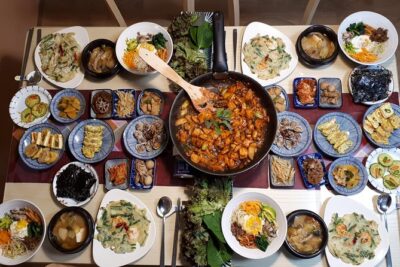
Local Home Korean Cooking Class & Market Adventure in Seoul
Read our review →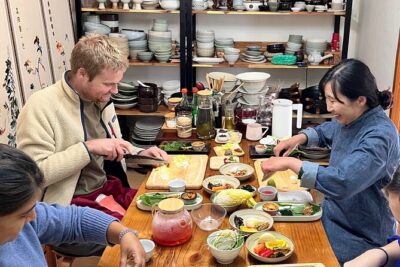
Master Korean traditional cooking with a Kimchi chef
Read our review →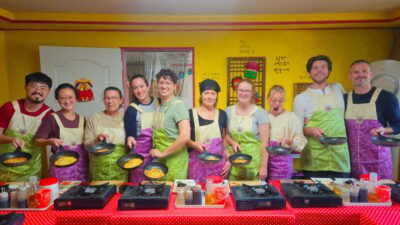
Korean Cooking Class at a Local Home and Market Tour
Read our review →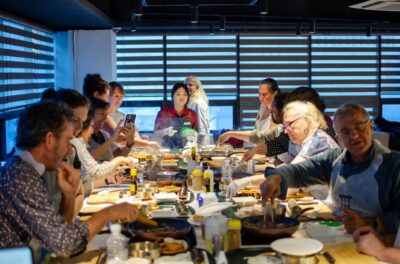
Taste of Korea, Authentic Home Style Cooking Class
Read our review →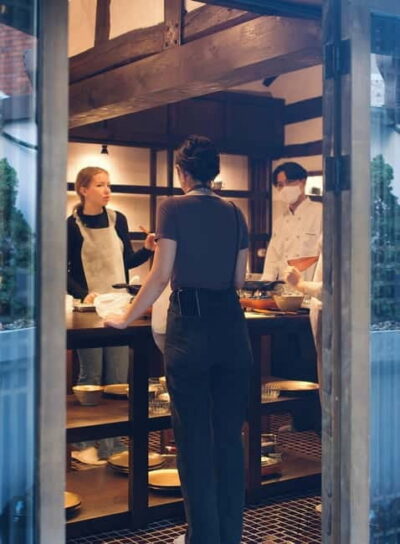
Royal Seoul Cooking Class in a 100-Year-Old Hanok
Read our review →
Browse the lists this tour appears in