
Review · NEPAL COOKING CLASSES
Pokhara: 3 Hour MoMo cooking class
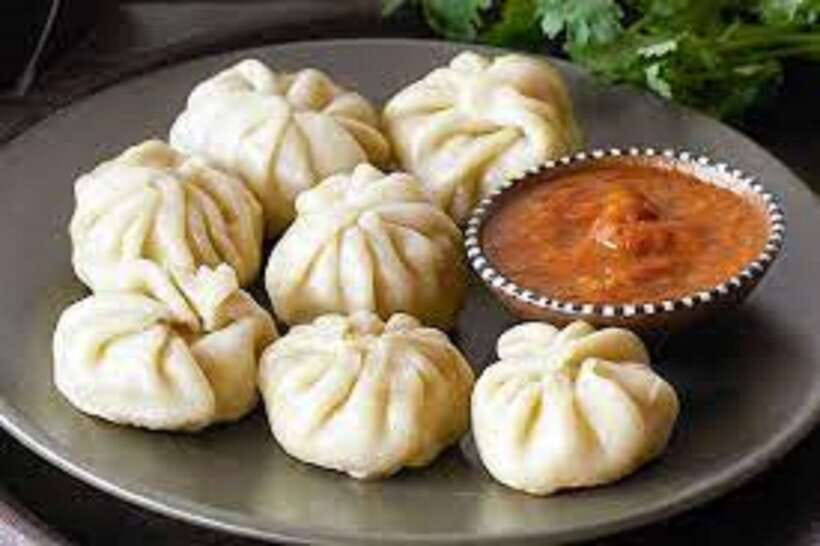
Momos are Nepal’s great edible lesson in patience: mix the filling, roll the dough, pinch the pleats, then wait for the steam to do its work. This three-hour class lets you make the full dish from scratch, not just watch a cook assemble it. I especially like the choice of vegetarian, chicken, or meat fillings and the chance to prepare your own sauces.
The private-group setup is another strong point. You get direct help with dough and folding, and the class teaches three shaping techniques, including traditional pleats and crescent forms. The main drawback is that the $29 price does not cover extra food and drinks, and the activity is not suitable for people with mobility impairments.
Key points at a glance
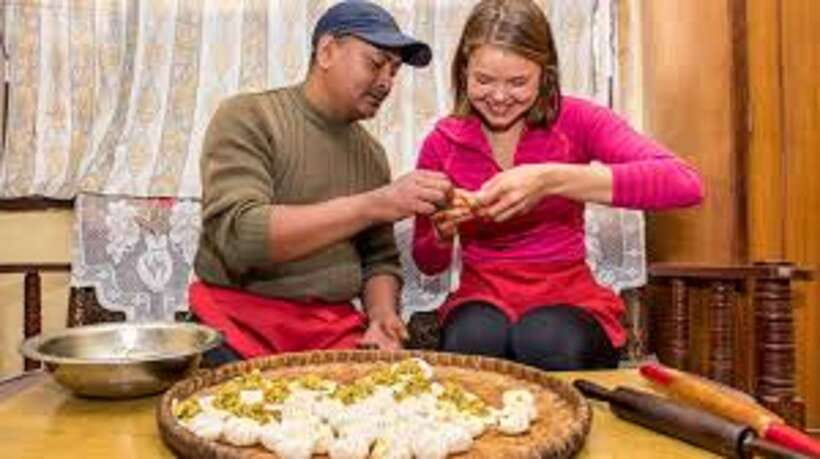
- Three momo folding styles: Practice traditional pleats, crescent shapes, and another technique instead of making every dumpling look the same.
- Your choice of filling: Prepare a vegetarian, chicken, or meat mixture with guidance from the instructor.
- A real hands-on class: You make the dough, filling, wrappers, sauces, and momos yourself.
- Private group format: The lesson is designed for your own small group, with more room for questions and practice.
- Pickup around Lakeside: Hotel pickup and drop-off are included within the Pokhara Lakeside area.
- Eat what you make: The class finishes with steamed momos, and the experience may also include fried pieces depending on the cooking plan.
Why a momo class works so well in Pokhara
You can eat momos all over Nepal for very little money, so a cooking class must offer more than a plate of dumplings. This one earns its place by showing you the steps that are easy to miss in a restaurant: how soft the dough should feel, how much filling fits inside each wrapper, and how a small change in finger pressure alters the shape.
I like that the class treats momos as both food and craft. The opening introduction covers the dumpling’s cultural importance, then moves quickly into practical work. You are not sitting through a long lecture. Within the first part of the lesson, you are handling ingredients and equipment.
The three-hour length is useful. A shorter demonstration might show you the basics but leave little time to practice. Here, the timetable gives you room to make mistakes, reshape a few dumplings, and learn why one wrapper seals neatly while another springs open. That is part of the fun. Your first pleat may look like a folded handkerchief, but the final batch should improve.
More Three-Hour Sessions in Nepal:
- Kathmandu: About 3-hour Cooking Class Experience near Thamel
★ 5.0 · 3 reviews - Marrakech: 3-Hour Open-Air Moroccan Cooking Course
★ 4.9 · 74 reviews - 3-Hour Cooking Class overlooking the Blue City
★ 5.0 · 36 reviews
Pickup from Lakeside and the café setting
Pickup and drop-off are included for hotels within the Lakeside area of Pokhara. That removes one small travel chore, especially if you are not familiar with the city or would rather not arrive at a café while carrying bags and trying to follow directions.
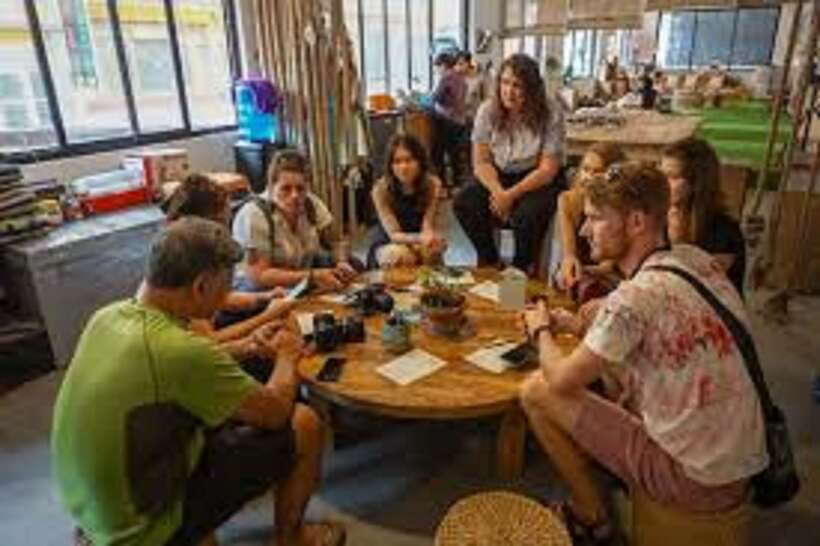
The class takes place at a local café. One recent session used Cafe Nirvana, and the venue may provide a relaxed change of pace from Pokhara’s usual sightseeing routine. The supplied details do not promise one fixed café for every booking, so confirm the meeting point when you reserve.
The private-group format matters here. Cooking around a shared work surface is more useful when you can ask the instructor to slow down or demonstrate a fold again. The class is offered in English and Hindi, which gives you a practical way to follow instructions even when cooking terms get specific.
Bring a passport or ID card, as requested for the activity. Leave large bags and luggage behind. The class takes place rain or shine, so bad weather should not spoil the plan, though you will want sensible clothing for getting to and from the café.
The first 10 minutes: momos, ingredients, and the plan
The opening ten minutes set the tone. You receive a welcome and a short explanation of what momos mean in Nepalese food culture. The instructor also introduces the ingredients and cooking equipment before the hands-on work begins.
This briefing is short enough to keep the class moving, but it gives you useful context. Momos are not simply dumplings with one fixed recipe. The filling can change, the shape can change, and the sauce can change the whole bite.
The class lets you choose between vegetarian, chicken, or meat fillings. That choice is important if you have a strong preference or want to compare the method with the momos you have eaten elsewhere in Nepal. If you have dietary needs, ask about them before booking or at the start of the class, since the provided information only confirms those three broad filling options.
Filling the momos, 40 minutes of flavor and texture
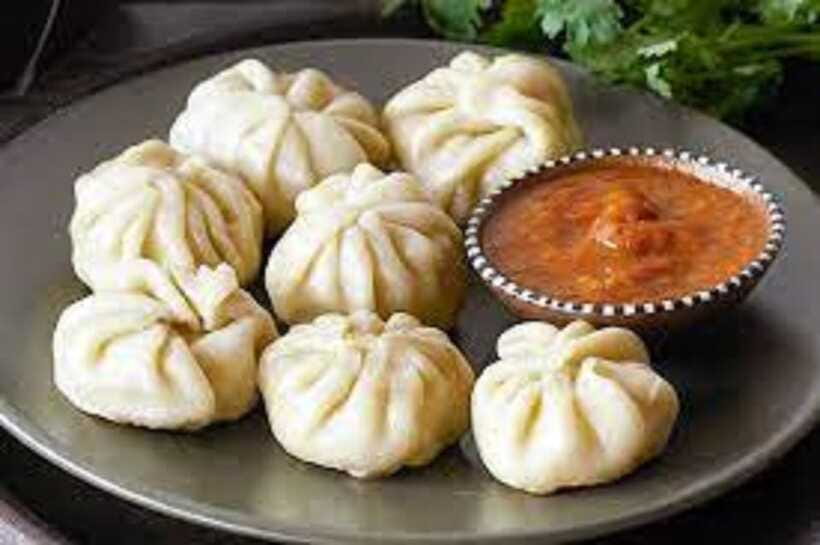
The filling session takes about 40 minutes. First, the instructor explains the available ingredients and demonstrates how to prepare the chosen mixture. Then you make your own filling rather than simply watching someone else chop and season it.
This is where the class becomes more useful than a recipe card. A written recipe can tell you what to add, but it cannot easily show you the texture to aim for. The instructor can point out whether the mixture is too dry, too wet, or too loosely packed for a clean dumpling.
I would pay close attention here, because filling quantity affects every later step. Too much filling makes sealing difficult. Too little leaves a sad, empty wrapper. The class gives you repeated chances to adjust as you prepare a batch.
Vegetarian cooking is well supported by the experience. One private session used a vegetarian filling and included two sauces made by the participants. If you choose chicken or meat, the same basic process applies, but ask any food-safety questions you have before handling the ingredients.
More Cooking Classes in Nepal:
- Half day cooking class in Thamel kathmandu
★ 5.0 · 607 reviews - Kathmandu: Local Women-Led Nepali Cooking & Momo Class
★ 4.9 · 360 reviews - Kathmandu: Local Lead Nepali Cooking & Momo-Making Class
★ 5.0 · 212 reviews - Local Women Lead Nepali Cooking Class
★ 5.0 · 125 reviews
Making dough from flour and water
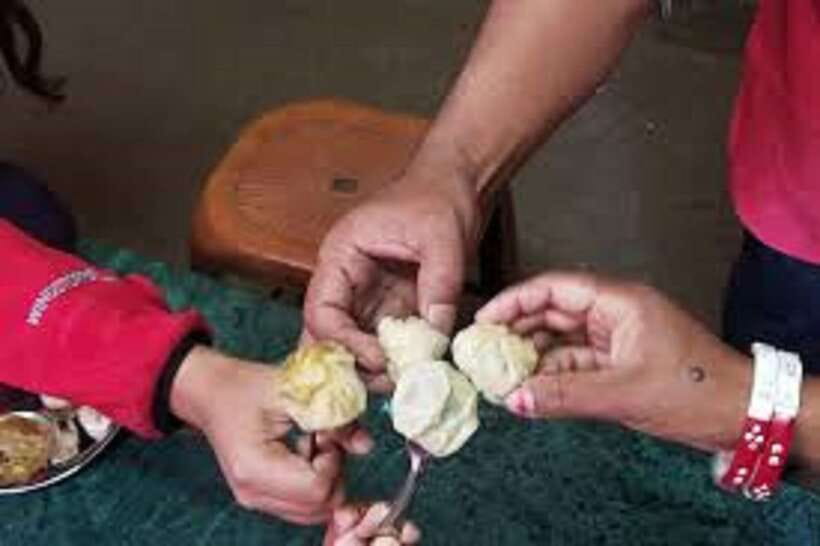
The dough section lasts about 30 minutes. You learn what goes into the wrapper, why each ingredient matters, and how to knead the mixture into a workable dough. You then prepare your own dough and let it rest for a few minutes.
That rest is not dead time. It gives the dough a chance to become easier to roll, and it gives you a natural pause before the most fiddly part of the lesson. The instructor explains the process step by step, so you are not expected to guess how much pressure to use.
The dough is the foundation of a good momo. It needs to be thin enough to cook well but strong enough to hold the filling and survive folding. I like that the class makes you do this part yourself. Buying ready-made wrappers would save time, but you would miss one of the main skills you came to learn.
Do not worry if your dough is not perfect at once. Cooking classes are most useful when you can watch a correction, try again, and feel the difference in your hands.
Rolling, shaping, and the three-fold challenge
The rolling and shaping section takes around 40 minutes. The instructor demonstrates how to roll the dough to the right thickness, then shows several ways to form the momos. You practice traditional pleats, crescent moon shapes, and a third technique.
This is the most entertaining part of the class, and also the part where your confidence may briefly disappear. Folding a neat momo is harder than it looks. The filling pushes against the wrapper, the edges need to seal, and every pleat must be pressed firmly enough to stay closed without tearing the dough.
The private format gives you a better chance to get personal help. If one shape refuses to cooperate, the instructor can show you the hand position again. The goal is not factory-level uniformity. The pleasure comes from seeing your pile improve from one dumpling to the next.
Some momos may look better than others, and that is fine. Once steamed, the difference between an elegant crescent and a slightly lopsided parcel matters less than the taste. You will also leave with a folding skill you can repeat at home.
Steaming, with the possibility of fried momos
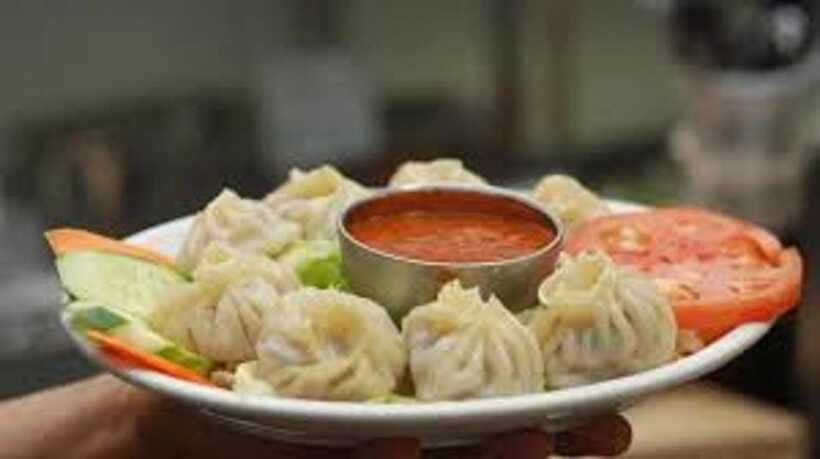
The steaming stage takes about 20 minutes. You learn how the steamer works, how to prepare it, and why steam cooks the dumplings into tender parcels without drying the filling.
This is a useful part of the class because cooking time and heat affect the final result. The instructor explains how to arrange the momos and wait until they are fully cooked. You then steam the dumplings you made rather than receiving a separate plate prepared in advance.
One session also included some fried momos as well as steamed ones. The standard class description focuses on steaming, so do not assume both methods are guaranteed every time. If fried momos matter to you, ask when confirming your booking.
The wait also gives you a chance to finish the sauces. It is a practical sequence, with every part of the dish reaching the table together.
Dipping sauces make the meal feel complete
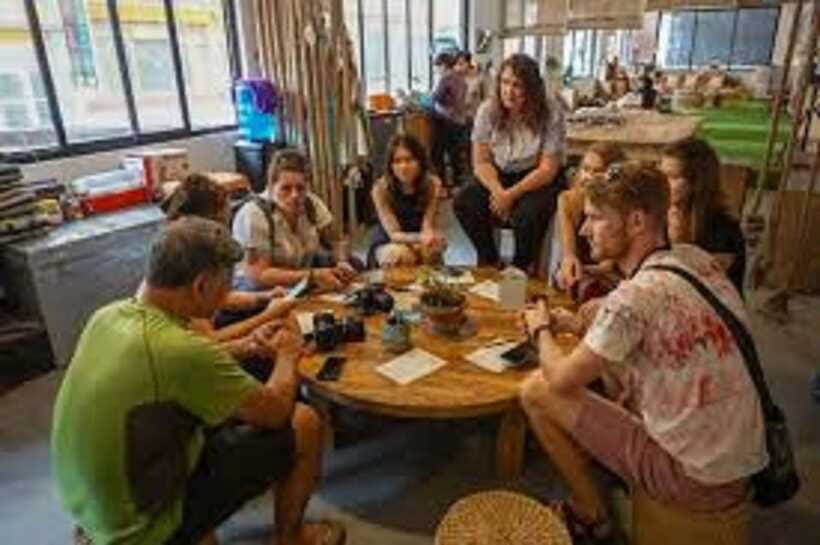
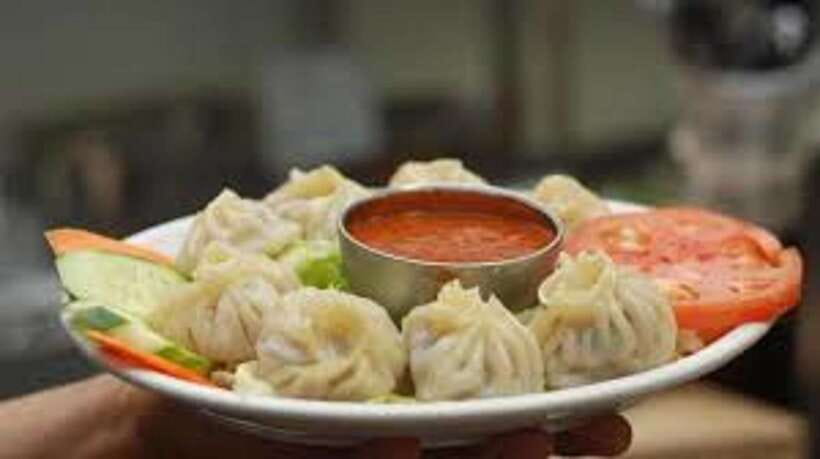
The sauce section lasts about 15 minutes. You are introduced to several styles, including spicy, mild, and soy-based options, then prepare sauces to match your momos.
This is a small part of the class, but it has a large effect on the meal. A mild sauce lets you taste the filling. A spicy sauce brings heat and contrast. A soy-based sauce adds a different salty note. Making more than one sauce helps you understand why the same momo can taste quite different from bite to bite.
The class includes the materials needed for cooking, but the general food and drink note says additional food and drinks are available for purchase. A glass of cold drink is included for each person. Since the wording around extra food and drinks can be easy to misread, ask what is included beyond the momos you prepare.
Sitting down to eat your own work
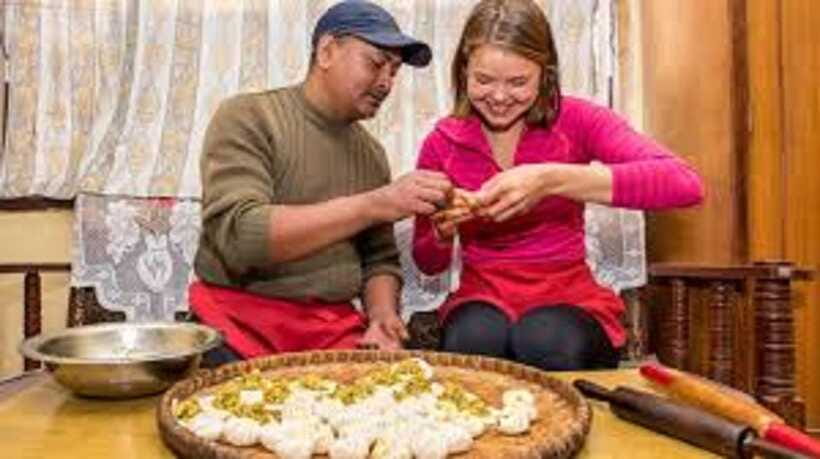
The tasting portion takes about 15 minutes. Everyone gathers to eat the momos with the sauces prepared during the class. The instructor gives feedback and answers questions while you taste the results.
This is the payoff, but it is not only about having lunch. You can compare shapes, notice how the filling cooked, and work out which sauce you prefer. The instructor can also explain what to change next time, such as rolling the wrapper thinner or using less filling.
The class is especially good for people who enjoy food as a shared activity. You leave with a meal in your stomach and a method you can try again at home. The experience is not designed as a full restaurant meal with a long menu, so book it for the lesson and the hands-on meal, not for a large feast.
Is $29 good value for three hours?
At $29 per person, the price is reasonable if you want active instruction rather than a quick tasting. You are paying for about three hours of teaching, ingredients and cooking materials, hotel pickup and drop-off within Lakeside, a cold drink, and a private-group setting.
The value improves if you are traveling with someone who enjoys cooking. You both get to shape, steam, taste, and compare your work. The class also gives you a recipe idea you can carry home, which is harder to put a price on if momos are already a favorite.
The price is less attractive if you only want to eat momos cheaply. Pokhara has many places where you can order dumplings without spending three hours making them. You should also budget for any extra food or drinks you buy, since those are not included.
Free cancellation up to 24 hours before the activity and reserve-now, pay-later booking add flexibility. Starting times depend on availability, so check the schedule before building the class into a tight sightseeing day.
Who should book this cooking class?
I would choose this class for couples, families, and small private groups who want a relaxed activity with a clear result. It suits first-time cooks because the instructor breaks the process into manageable stages, and it suits experienced home cooks who want to learn local folding styles.
It is also a good rainy-day plan. The activity runs in all weather and gives you three indoor hours with a useful meal at the end. The English and Hindi instruction makes it accessible to many international visitors.
I would hesitate if you have limited mobility, since the activity is not suitable for people with mobility impairments. I would also skip it if you are carrying large luggage or need a fast, simple lunch between tours.
Should you book it?
Book this Pokhara momo class if you want to do more than sample Nepalese food. The strongest reasons are the private instruction, the choice of filling, the three folding methods, and the chance to prepare sauces as well as dough and momos.
Skip it if your priority is the lowest-cost meal or if you do not want to spend time kneading and folding. For most food-minded visitors staying in Lakeside, $29 buys a friendly, practical three-hour activity and a meal you helped create from the first pinch of dough to the final dip.
FAQ
How long does the momo cooking class last?
The activity lasts three hours, including the introduction, filling, dough, shaping, steaming, sauces, tasting, and final questions.
Where does the class take place?
The class takes place at a local café in Pokhara. Pickup and drop-off are included within the Lakeside area.
What types of momo filling can I choose?
You can choose a vegetarian, chicken, or meat filling.
Which languages does the instructor speak?
Instruction is available in English and Hindi.
Is hotel pickup included?
Yes. Hotel pickup and drop-off are included for locations within the Lakeside area of Pokhara.
What should I bring?
Bring a passport or ID card. Do not bring luggage or large bags.
Can I cancel the activity for a full refund?
Yes. You can cancel up to 24 hours in advance for a full refund.
Newest classes around Nepal
- Kathmandu: 3-Hours of Cooking Class with Meals★ 5.0 · 10 reviews
- Pokhara: Nepali Cooking Class and Momo Making Workshop★ 5.0 · 6 reviews
- Nepalese Kitchen in Pokhara: Momos or Dal Bhat Cooking Class★ 5.0 · 67 reviews
- MoMo or Dal Bhat Cooking Class at Aama Kitchen in Pokhara★ 4.9 · 28 reviews
- Local Women Led Nepali Cooking Class★ 5.0 · 6 reviews
- Kathmandu: Women-Led Cooking Class & Momo Making-Local Taste★ 4.8 · 15 reviews
- Kathmandu: Nepali Cooking Class with Hotel Pickup★ 4.1 · 5 reviews
- Kathmandu: Local Women-Lead Nepali Cooking & Momo Class★ 4.9 · 45 reviews
Nepal Cooking Classes, compared.
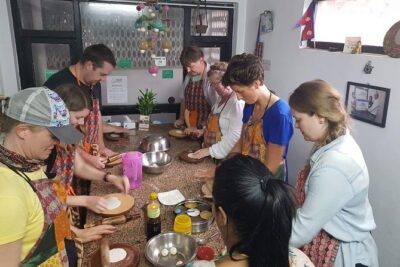
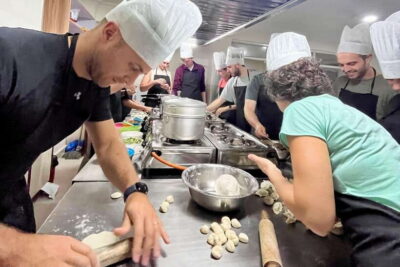
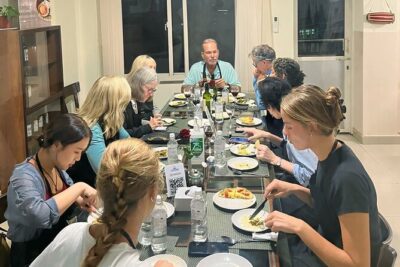
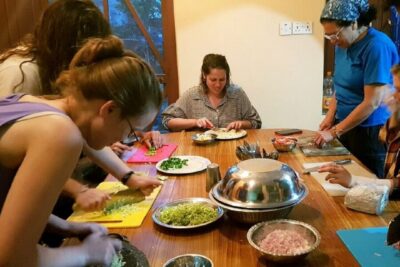
Nepalese Kitchen in Pokhara: Momos or Dal Bhat Cooking Class
Read our review →
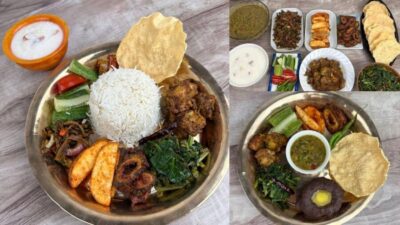
MoMo or Dal Bhat Cooking Class at Aama Kitchen in Pokhara
Read our review →Browse the lists this tour appears in